
The best day trips from Rome for families can completely transform your Italian adventure, especially when you need a break from the city’s intensity.

Jump to:
As much as we love the Eternal City, the hustle and bustle of Rome can be overwhelming after a few packed sightseeing days, particularly when you visit with kids.
After 2 days in Rome, we realized that stepping outside the capital gave everyone a chance to slow down, stretch their legs, and experience a different rhythm of Italian life.
Before we started mapping out day trips, we also did the practical part, figuring out meals that felt easy and worth the stop.
- If you’re still in that planning stage, these two guides help a lot: Where to Eat in Rome for reliable spots we actually enjoyed, and Best Food Tours in Rome when you want someone else to handle the planning while you just show up hungry.
That’s why day trips work so well. You still get the convenience of sleeping in the same place, but the scenery and pace change enough that it feels like a reset for everyone.
Even a short train ride can take you from crowded streets to quiet ruins, open beaches, or small towns where lunch doesn’t feel rushed.
Plan Your Trip
Save on fees abroad with the Wise Card—use it at ATMs, restaurants, and for flights or hotels in over 150 countries. Manage 40+ currencies in real-time with the Wise app.
Need Help Planning?
- Cheap Flights: Find the best deals.
- Accommodation: From hostels to luxury stays.
- Car Rental: Affordable options worldwide.
- Sightseeing Tours: Explore without breaking the bank.
- Travel Adapter: One adapter for all your needs.
- Travel Insurance: Don’t risk it—stay covered.
This post includes affiliate links, and as an Amazon Associate I earn from qualifying purchases. Read my full disclosure and privacy policy.
There are quaint hilltop villages, lakeside retreats, beach towns, and ancient ruins to explore outside of Rome! These destinations are close enough for a smooth day trip yet far enough to feel like a whole new adventure.
Tips on Choosing a Day Trip From Rome
When choosing the right day trip from Rome, consider first the travel time. Most of the fun options are usually within 90 minutes to two hours away from Rome.
It's best to book a private car to reach your place of choice. But even without a car, Italy’s high-speed rail system is reliable, efficient, and incredibly easy to navigate.
Planning transportation in advance will reduce stress, so use an app like Trenitalia, Italo, or Google Maps to check schedules, travel times, and real-time updates.
Keep in mind that many of these destinations involve a lot of walking, often on cobblestone streets or uneven archaeological terrain. When traveling with kids and/or the elderly, comfort and mobility should factor into your decision.
Additionally, consider your personal interests. Are you drawn to history? How about art? Do you love scenic landscapes or prefer small towns? Or do you just want to eat your way through Italy? Selecting an experience that aligns with what excites you most is important.
Best Family Day Trips from Rome
One of the best ways to make the most out of your trip to Italy is to go outside of Rome. There are plenty of great day trips from Rome.
Ostia Antica
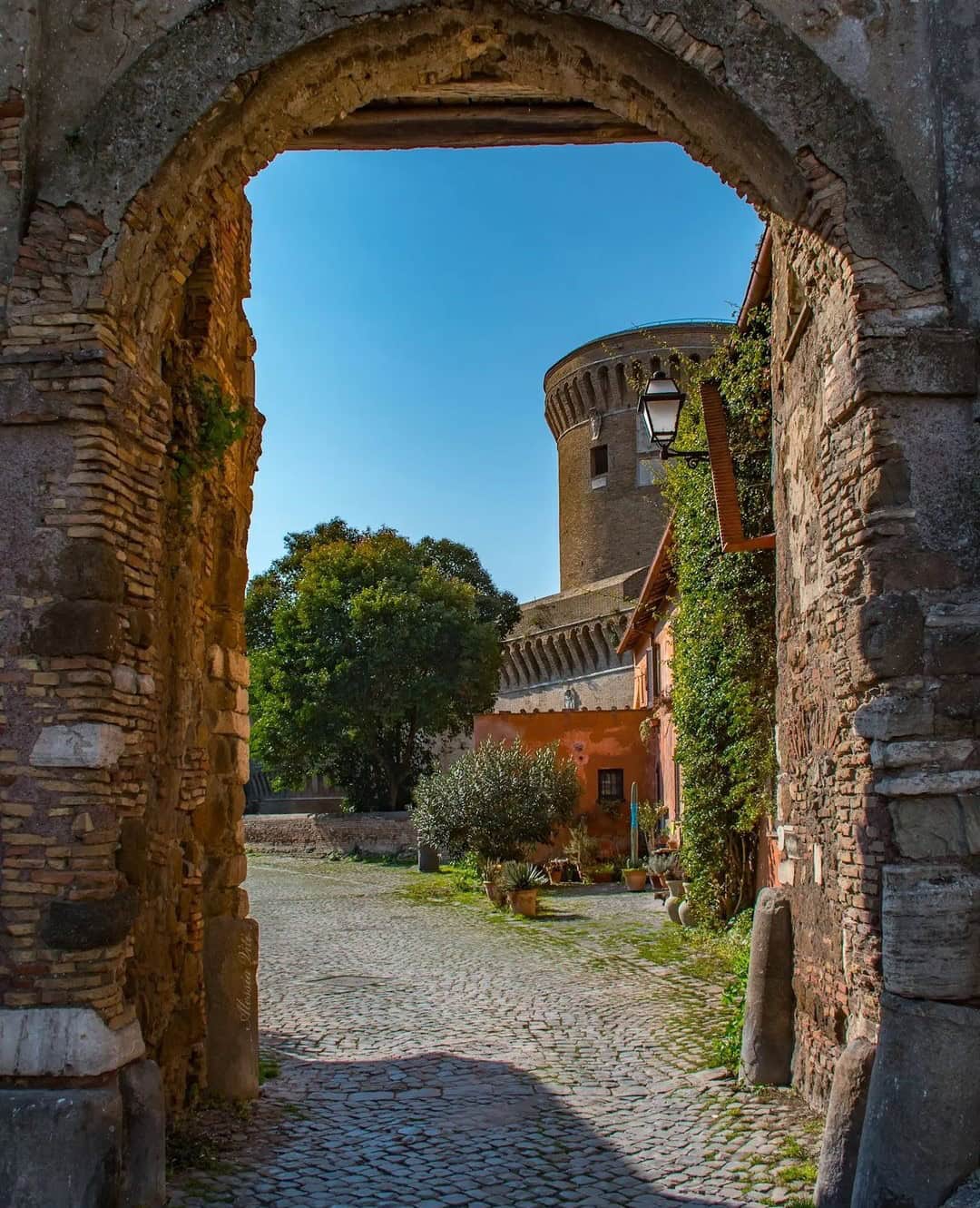
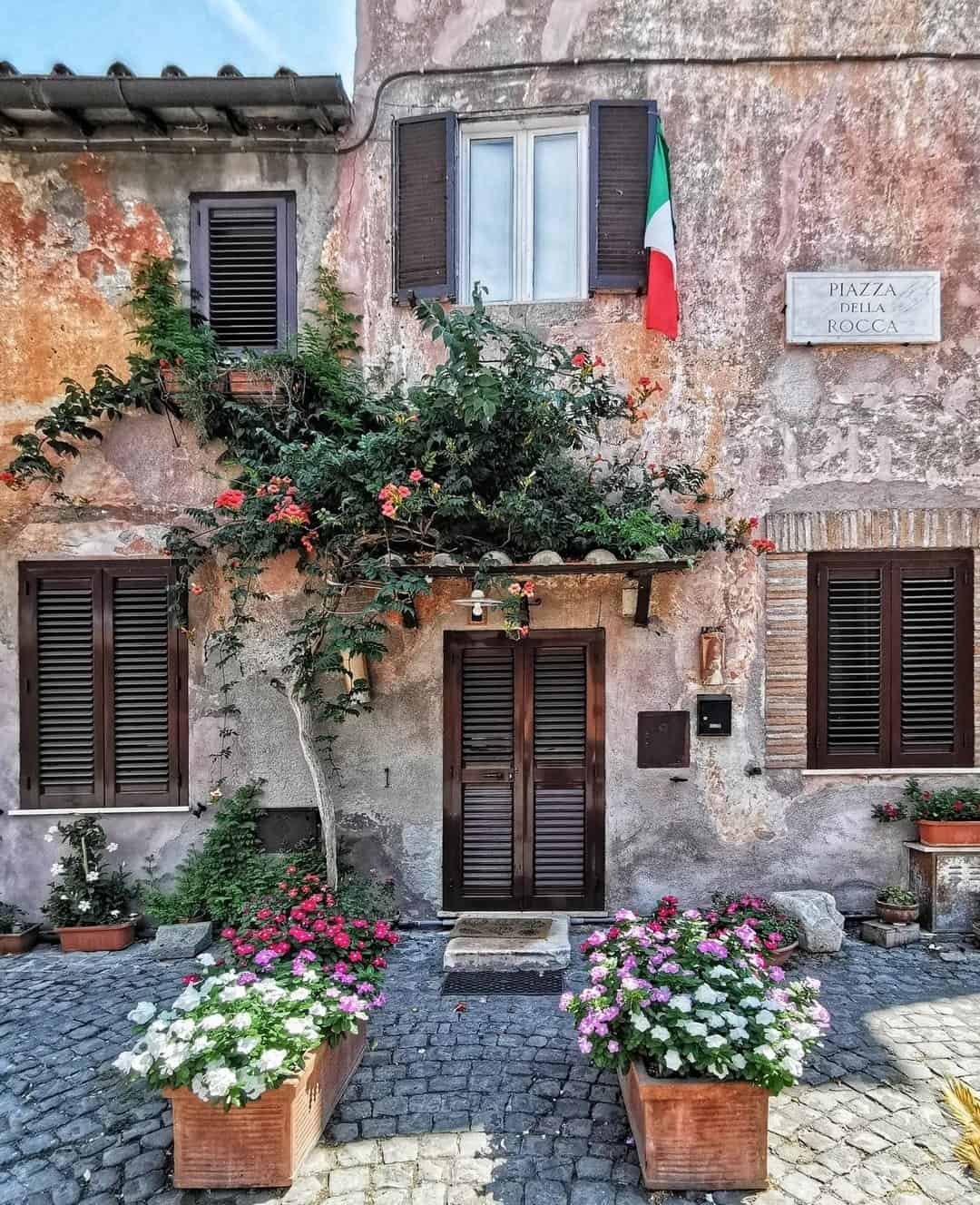
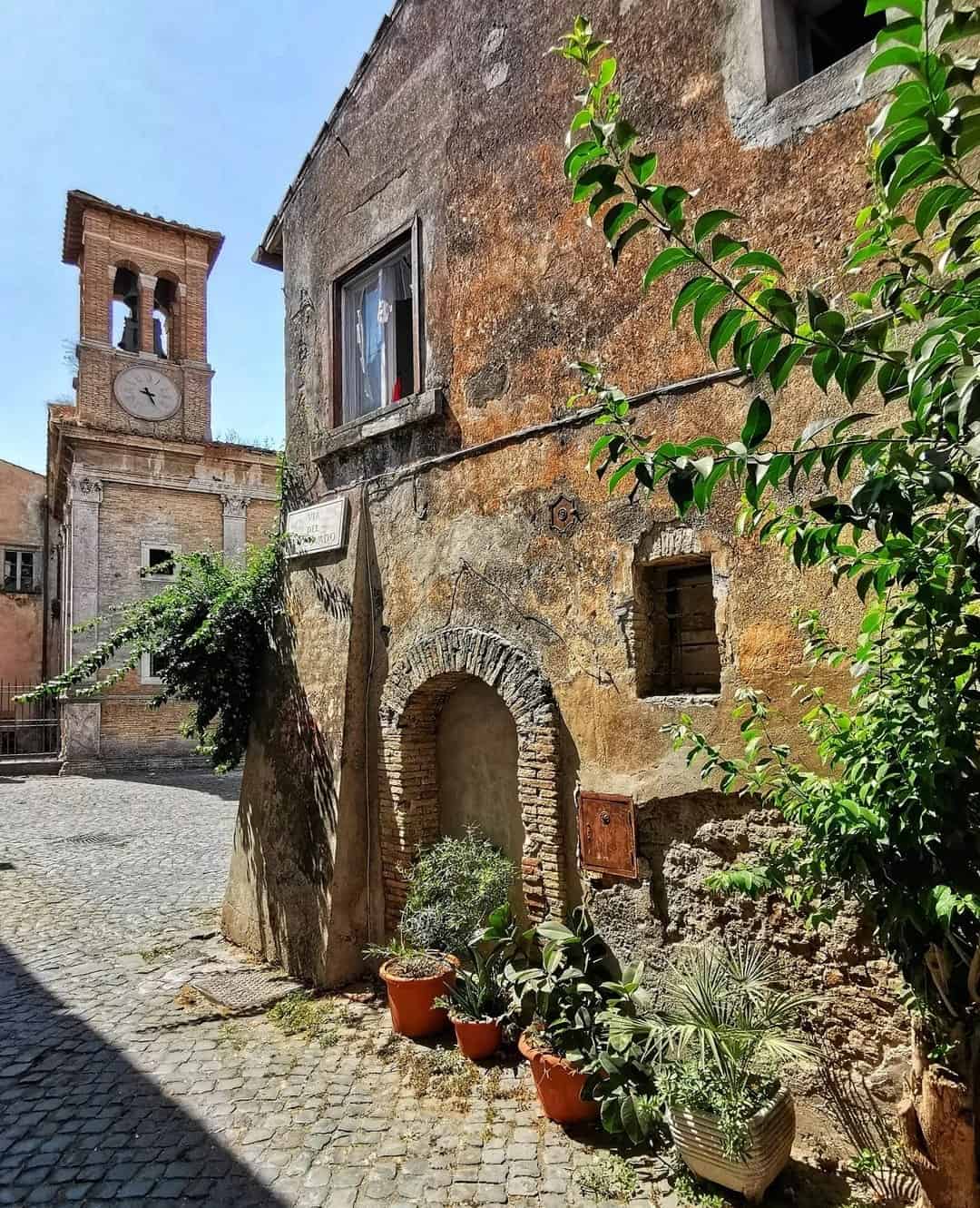
Location: 00119 Metropolitan City of Rome Capital, Italy
If you’re looking to visit Ostia Antica during your time in Italy, you're in for a treat. It was once the principal seaport of ancient Rome. It was founded in the 4th century BCE and developed extensively during the Imperial period.
The site is remarkably well preserved. It has ancient streets, bathhouses, mosaics, apartment buildings, and a large theater.
Because it’s less crowded than other famous ruins like Pompeii, visitors can explore at a relaxed pace and truly appreciate the details.
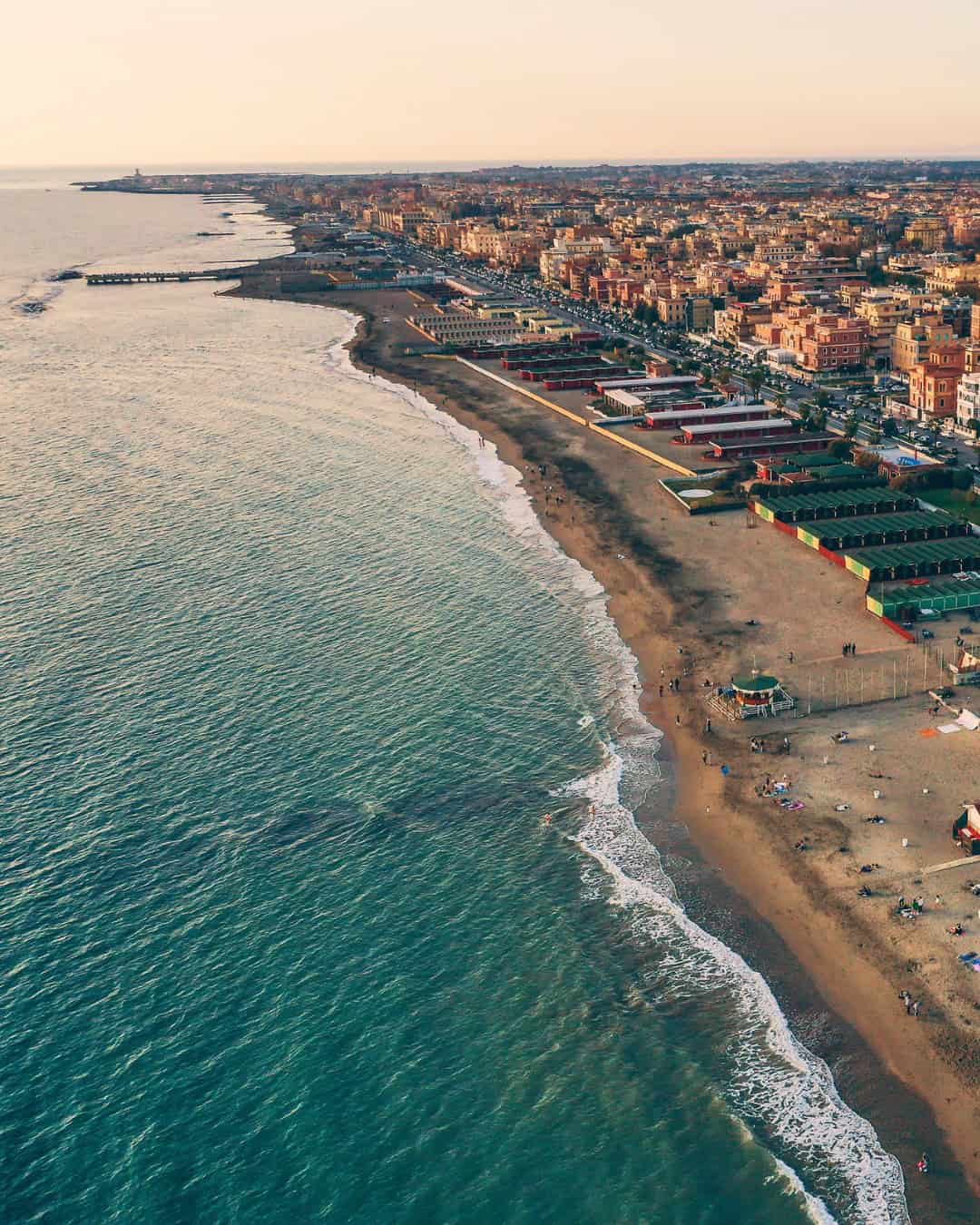
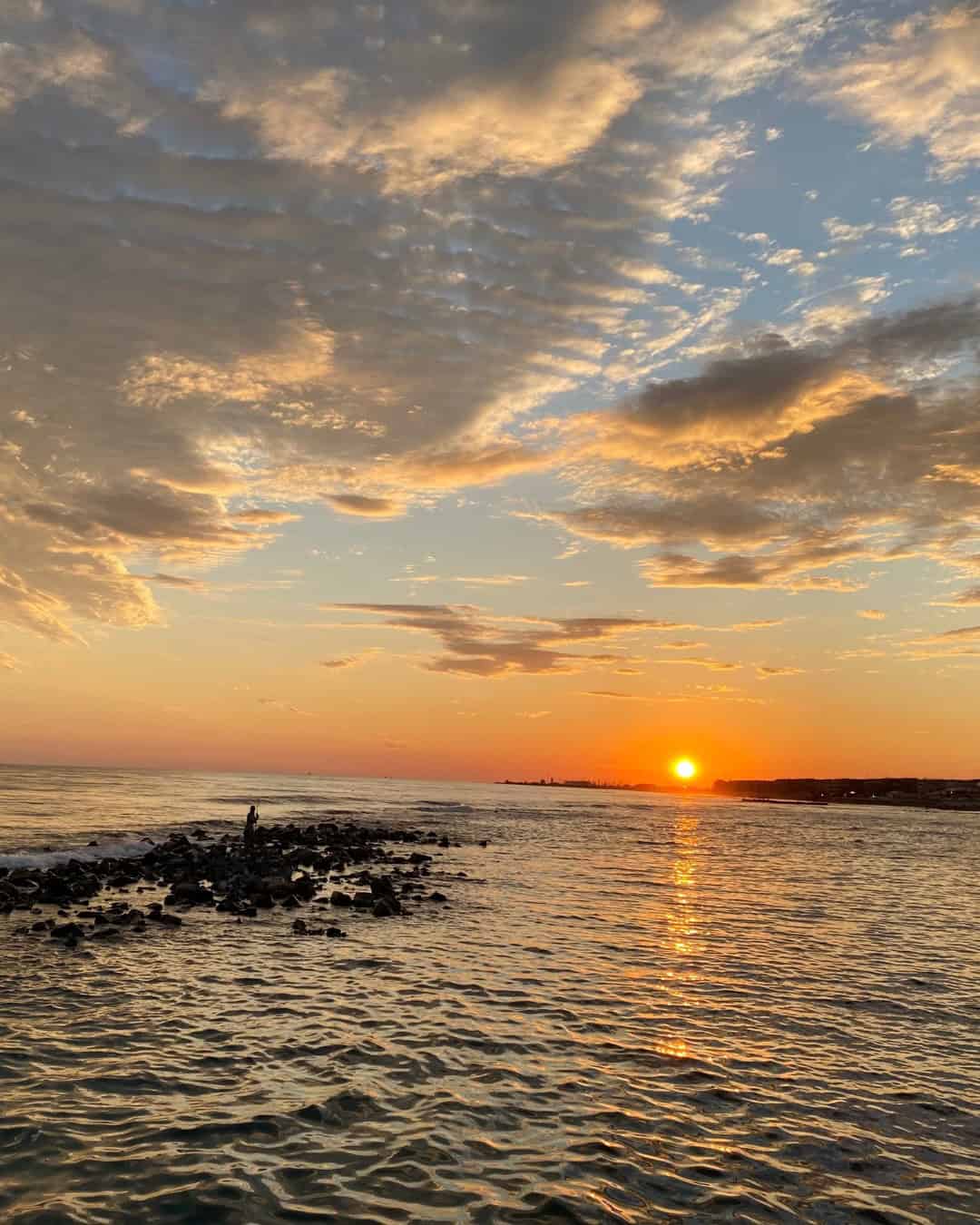
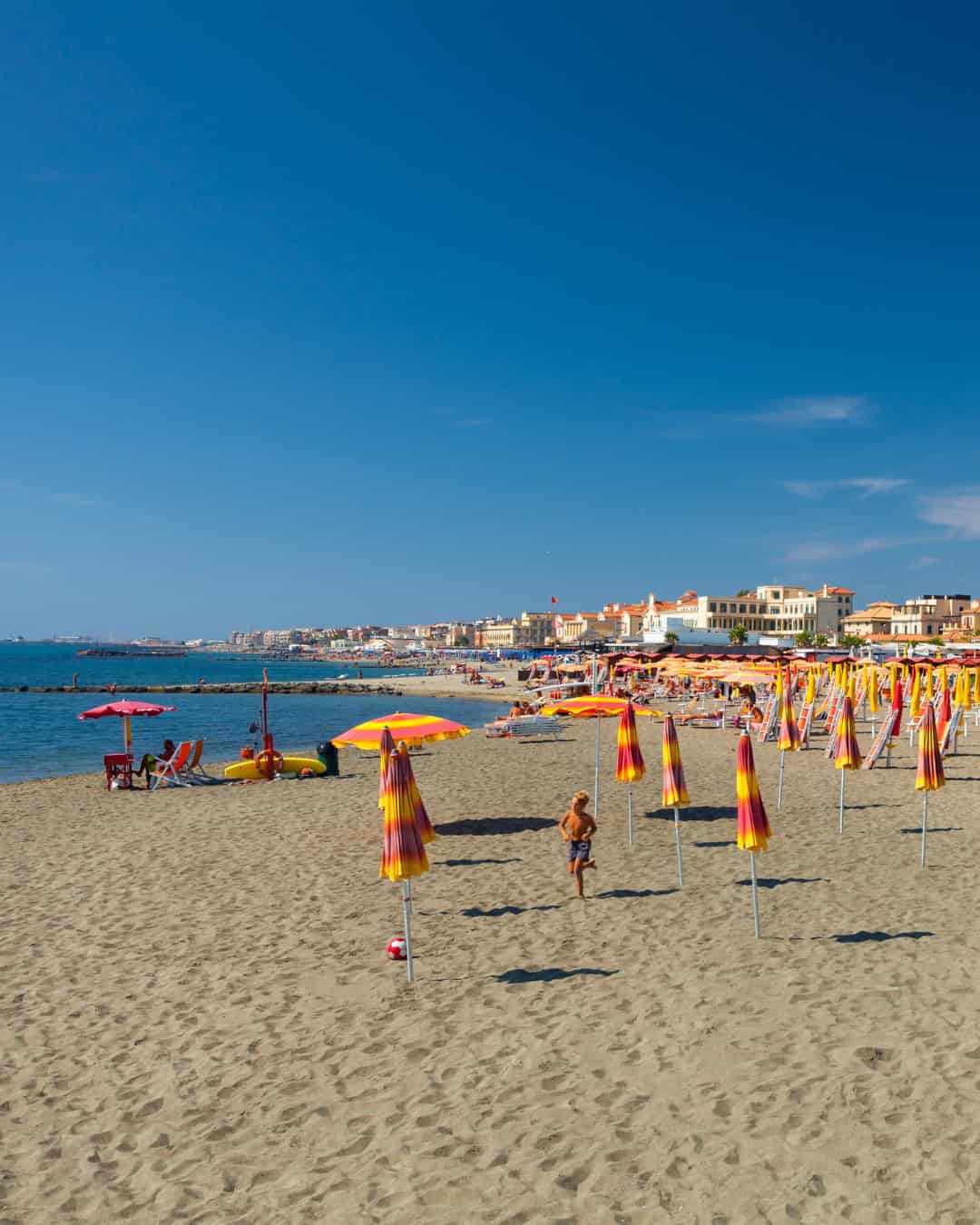
You can also head to the nearby Ostia Beach, but do note it's not as beautiful as the beach from Sperlonga.
How to Get There
Located closer to Rome, the archaeological park can be reached in about 45 minutes. To get there, go to the train station and take the Metro Line B to Piramide.
Afterwards, transfer to the Roma-Lido commuter train, and get off at Ostia Antica station. From there, it’s about a 10-minute walk to the entrance.
Orvieto
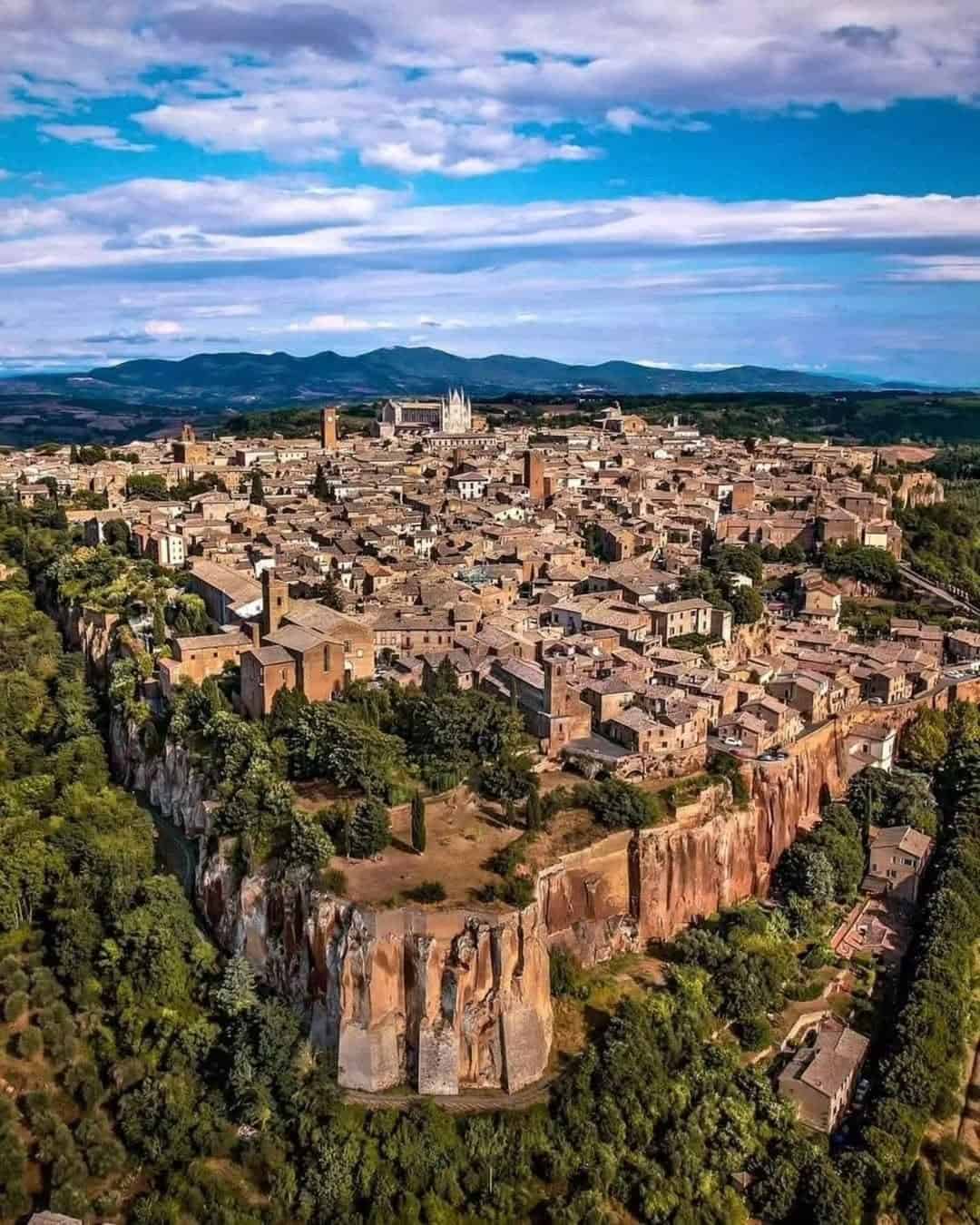
Orvieto is a striking hilltop town in the heart of the Umbrian region.
It's perched on a volcanic tufa plateau and has been inhabited since Etruscan times, long before the rise of Rome. The remnants of Etruscan walls and underground chambers still reveal its ancient past.
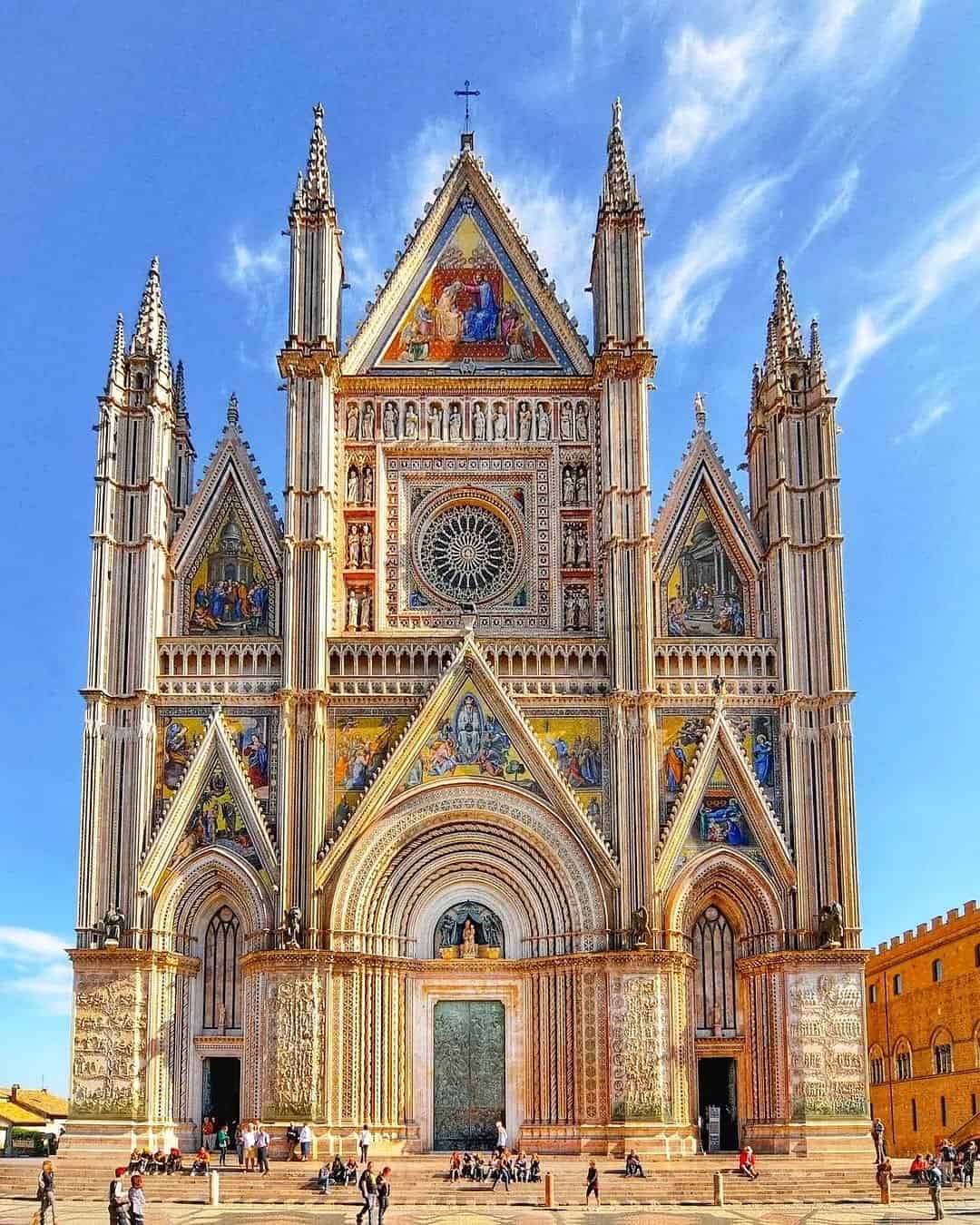
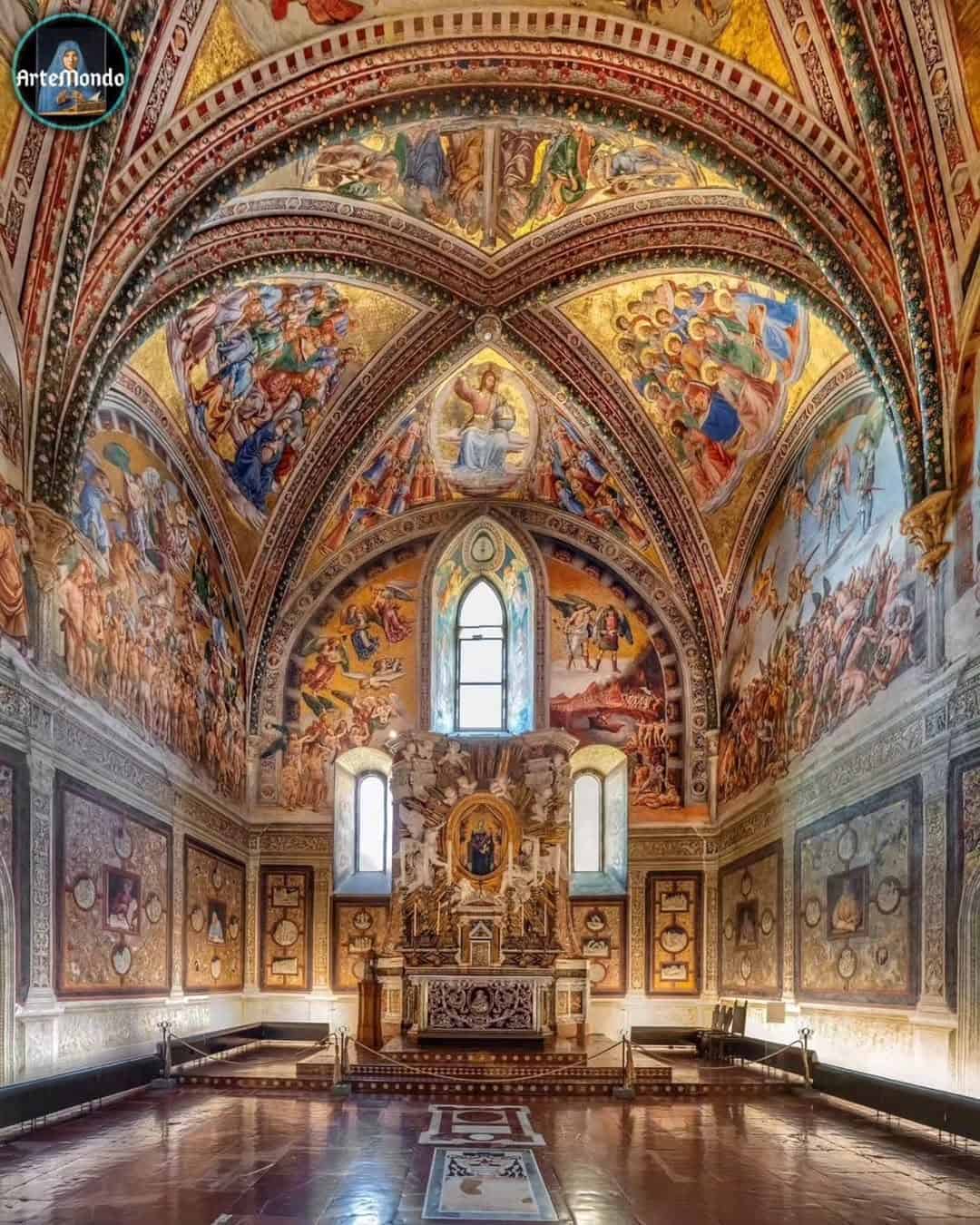
You can tour St. Patrick’s Well, a 16th century engineering marvel with a double-helix staircase, or go to the Duomo, a magnificent 14th-century cathedral famous for its intricate Gothic façade and Renaissance frescoes by Luca Signorelli.
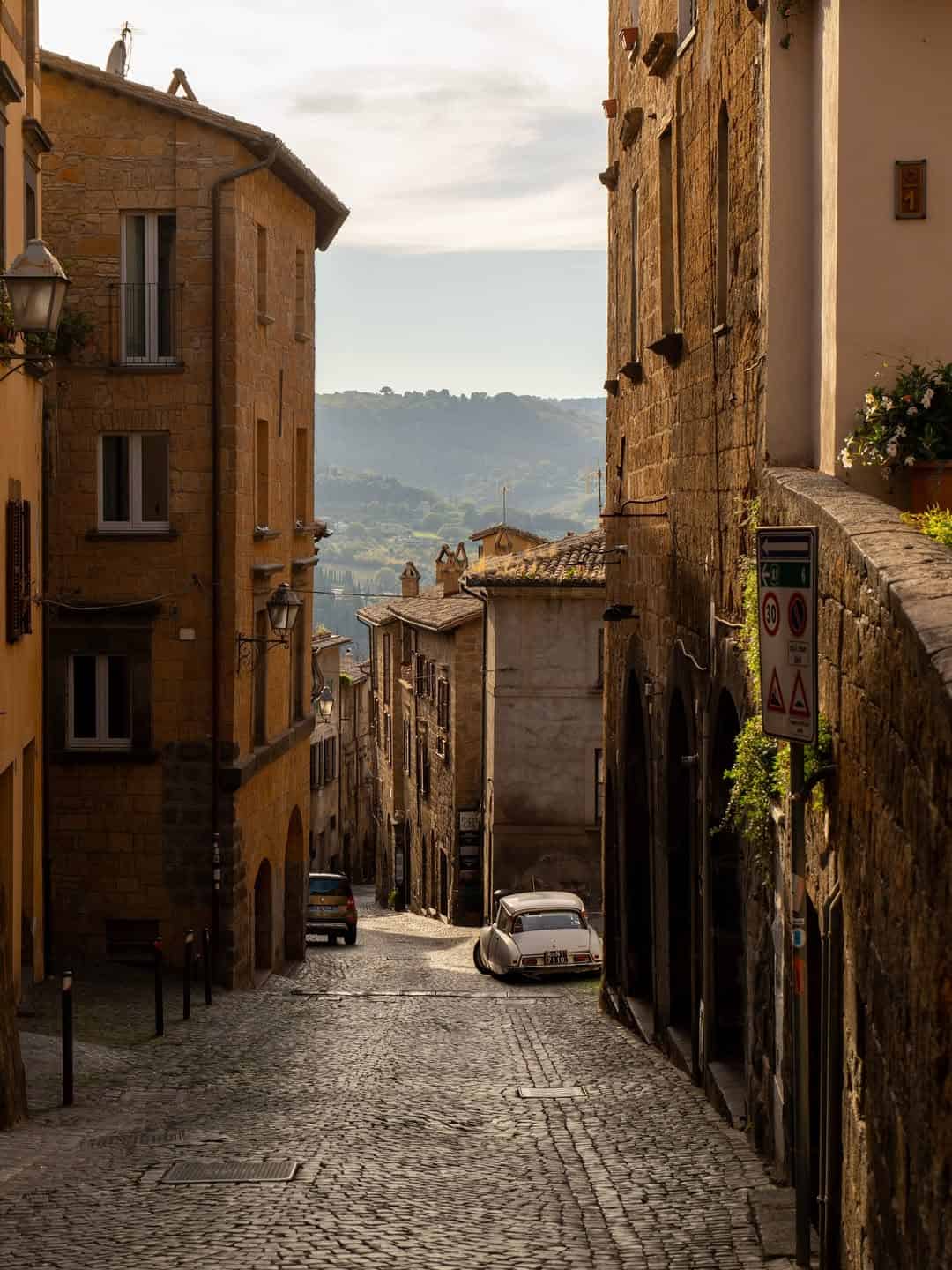
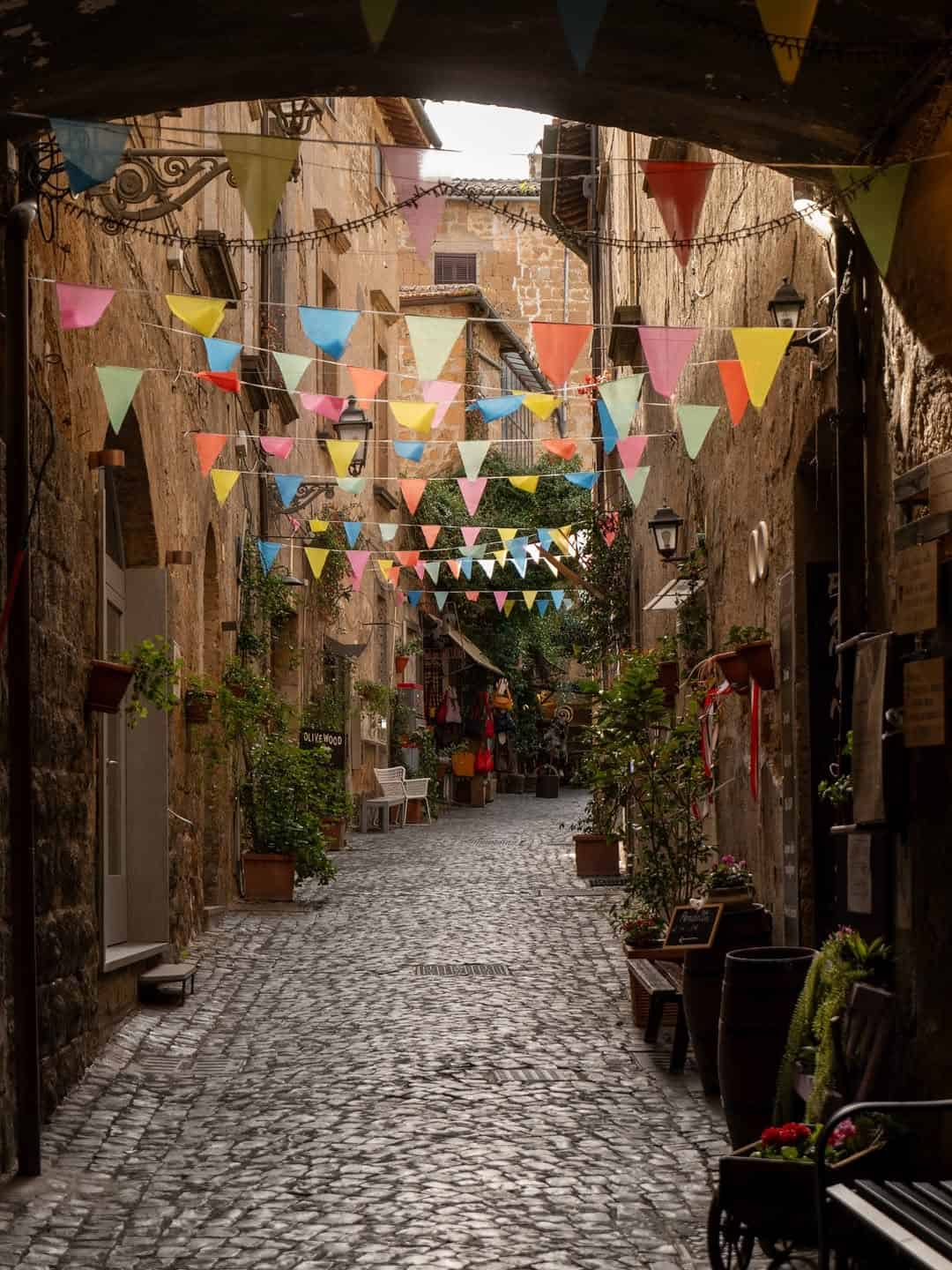
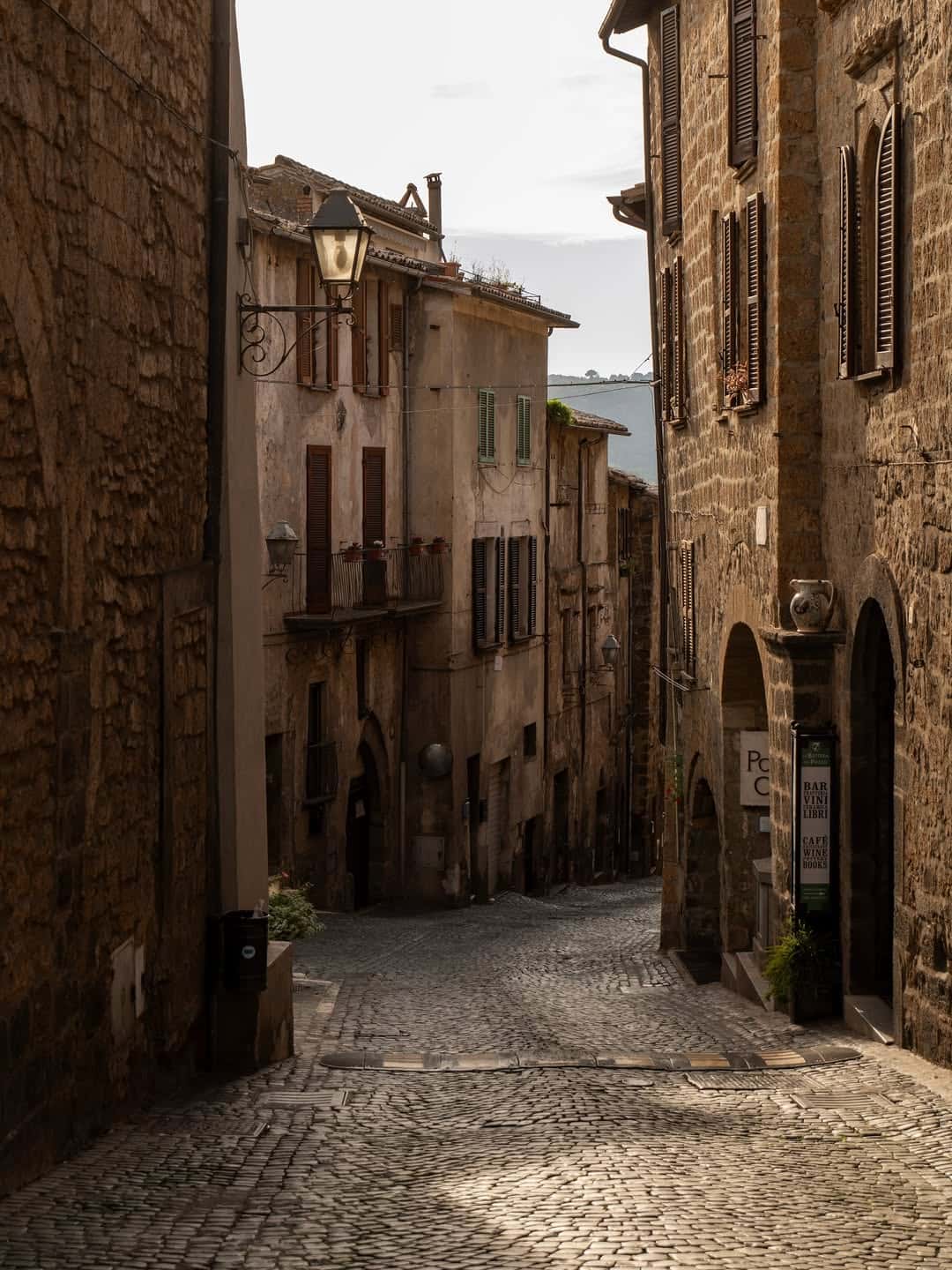
Wander the cobbled streets, visit local artisan shops, and enjoy sweeping views over the countryside.
How to Get There
Take a direct train from Roma Termini to Orvieto railway station. Right outside the station, take the Orvieto Funicular, which takes just a few minutes to reach the upper town. From there, a short bus ride or walk brings you into the heart of the city
Florence
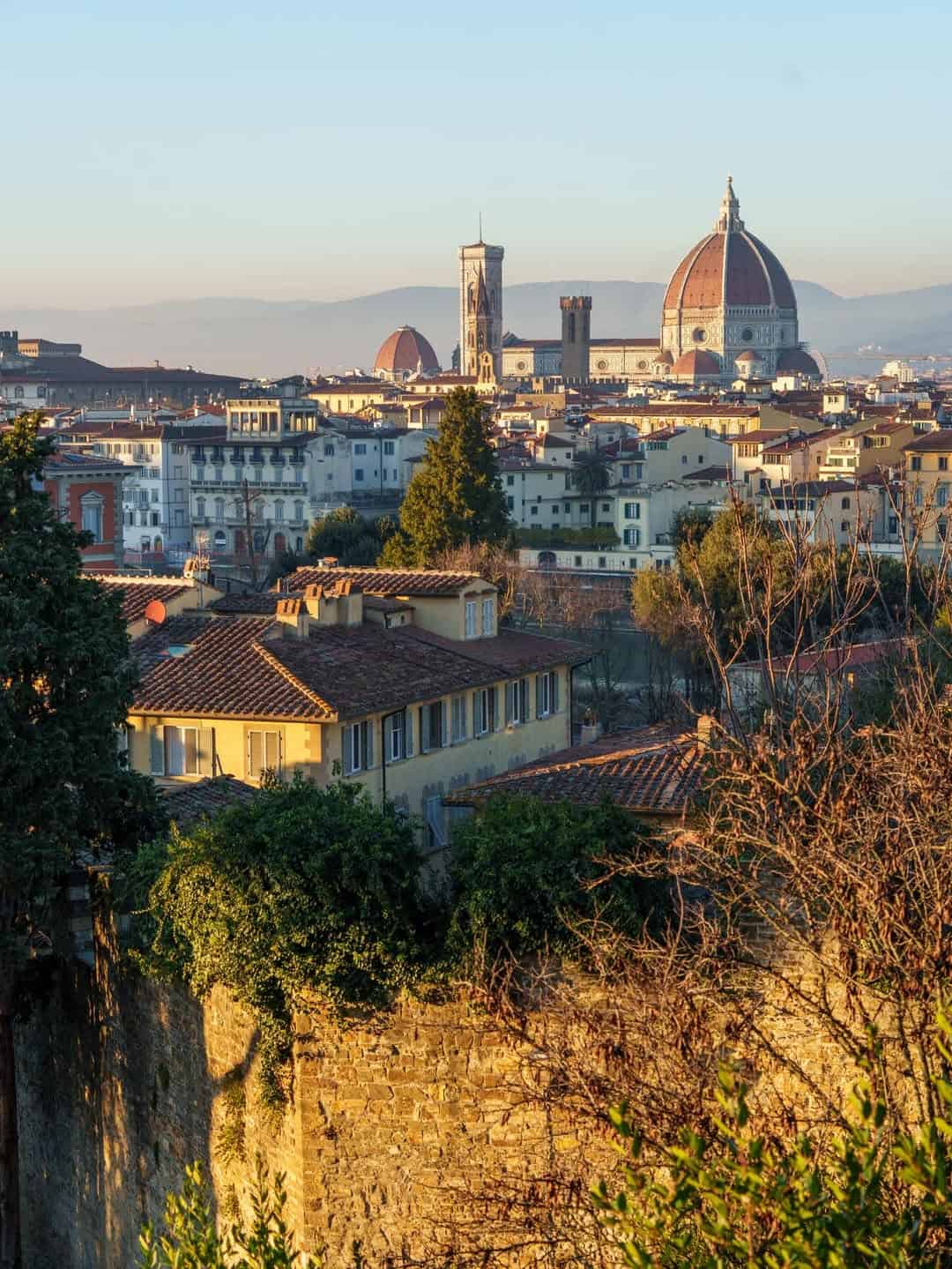
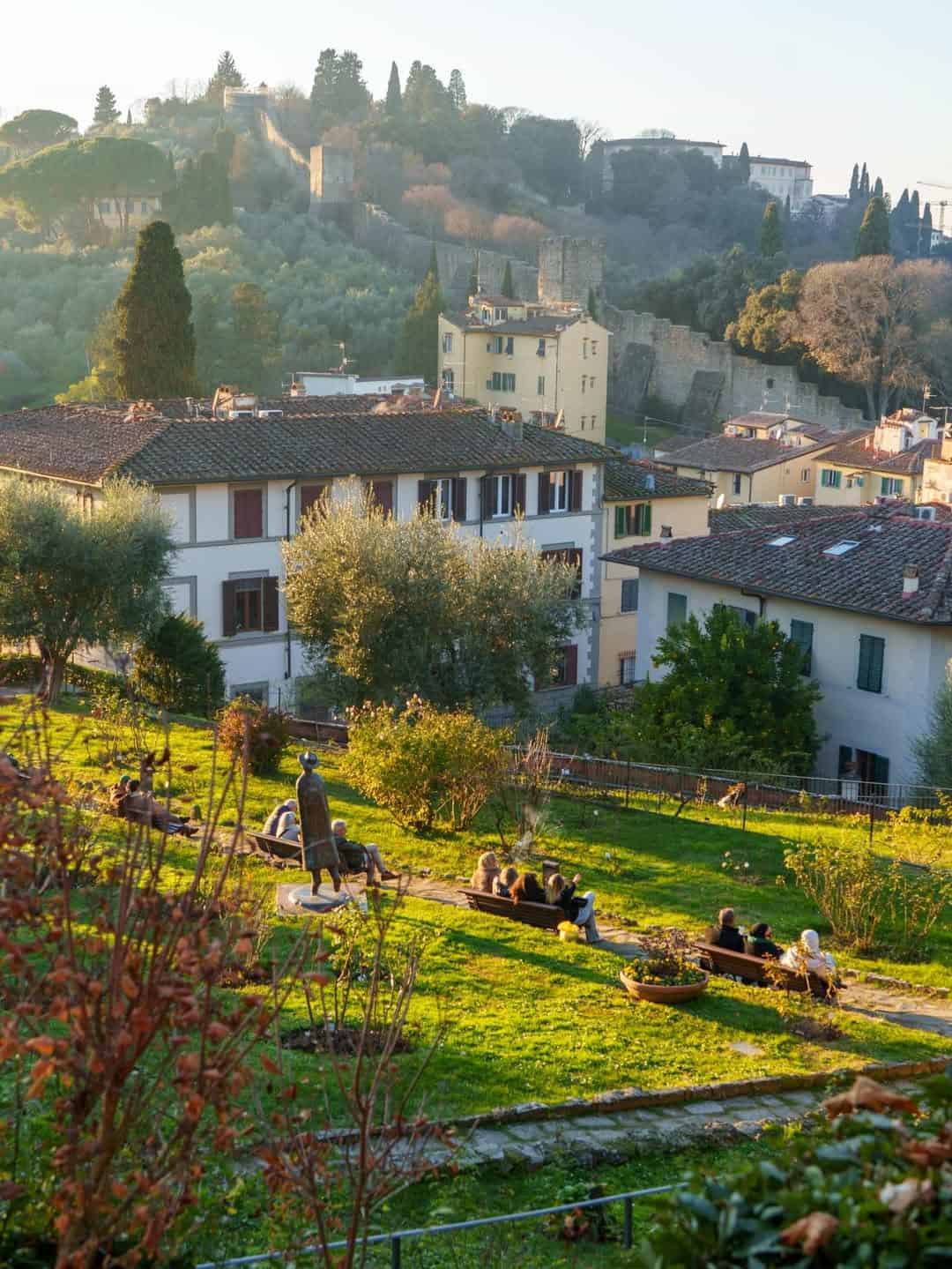
Florence, the capital of Tuscany, represents the birthplace of the Renaissance and preserves some of the best of Florence in a compact, walkable historic center.
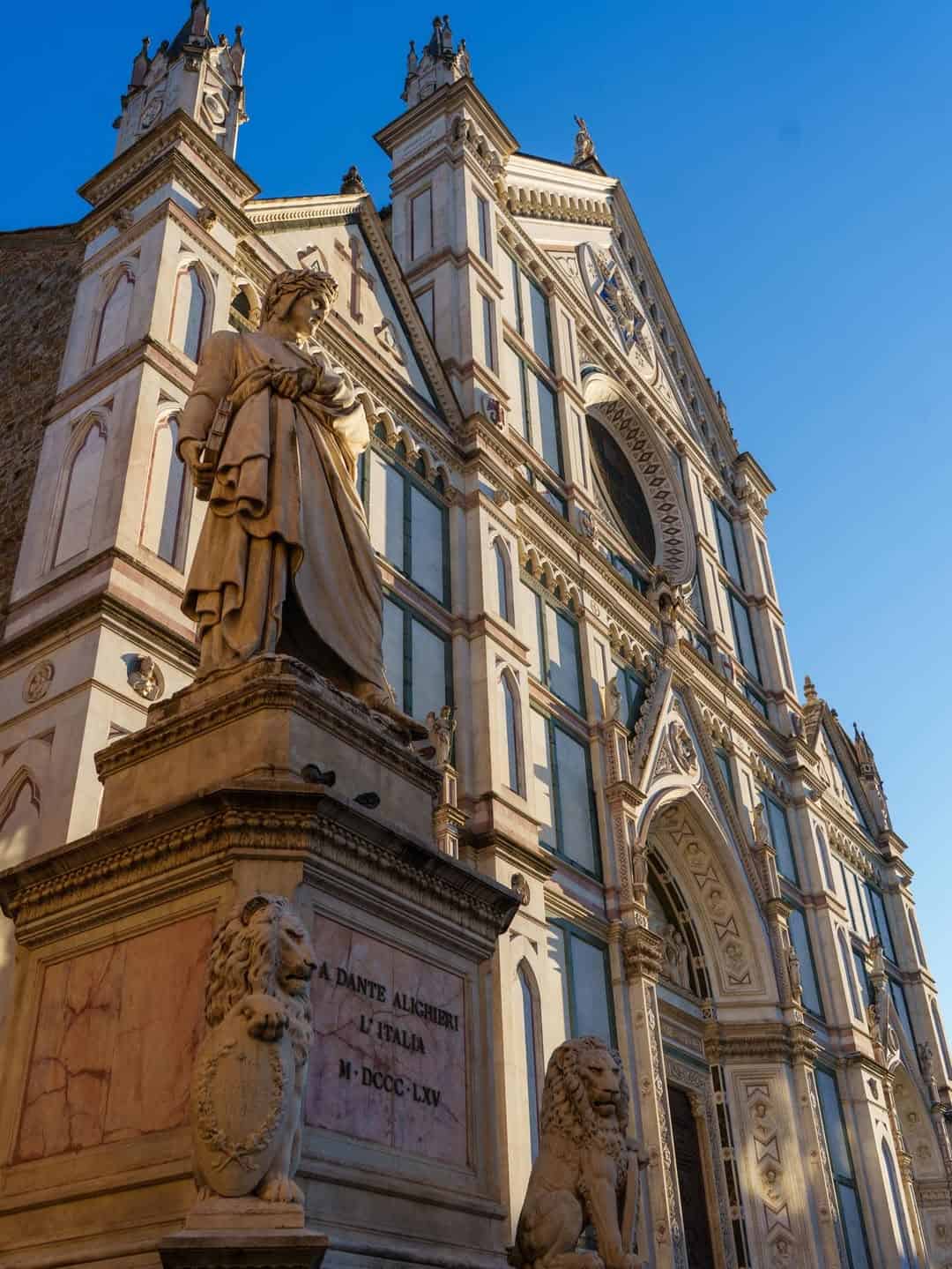
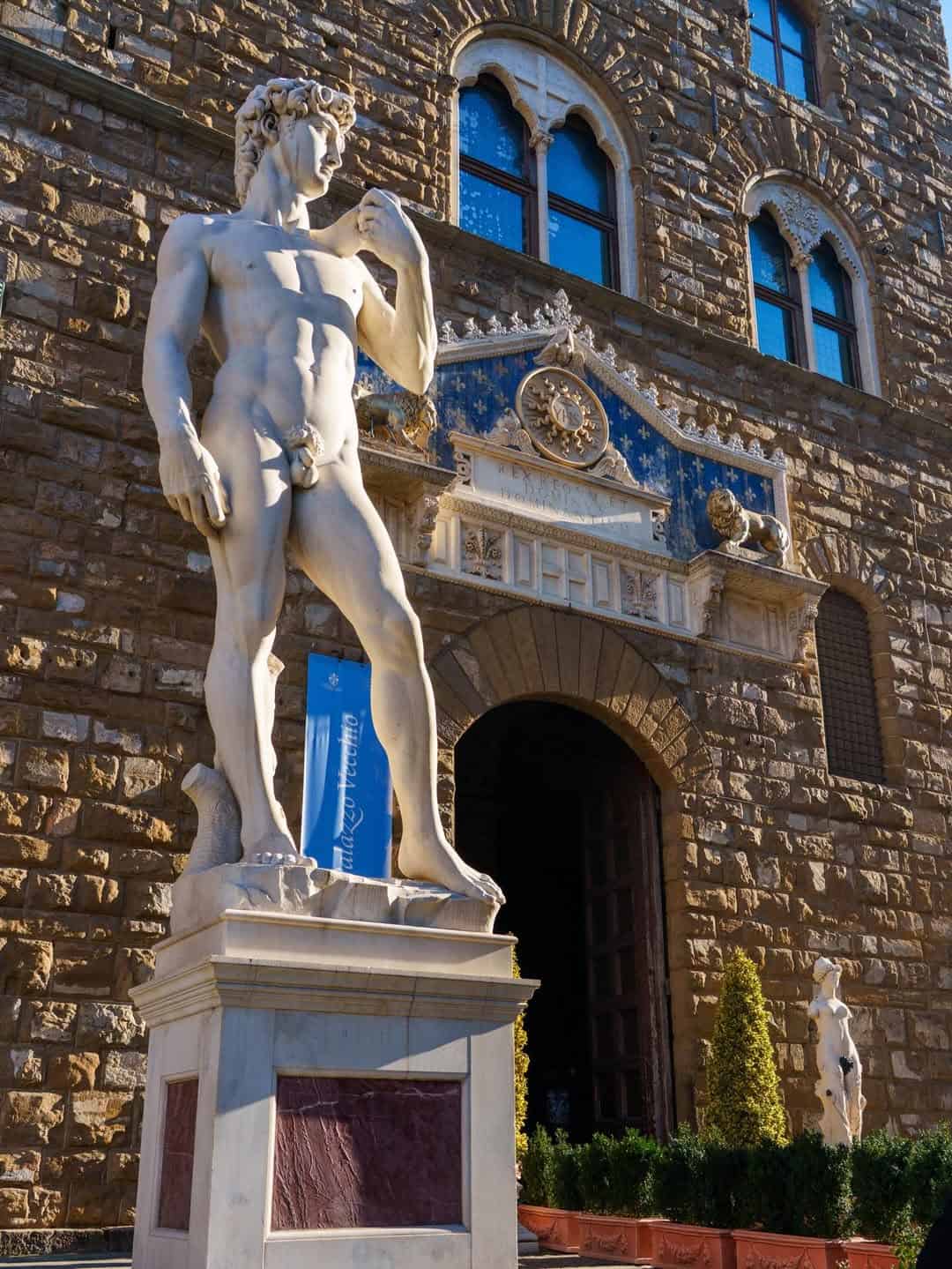
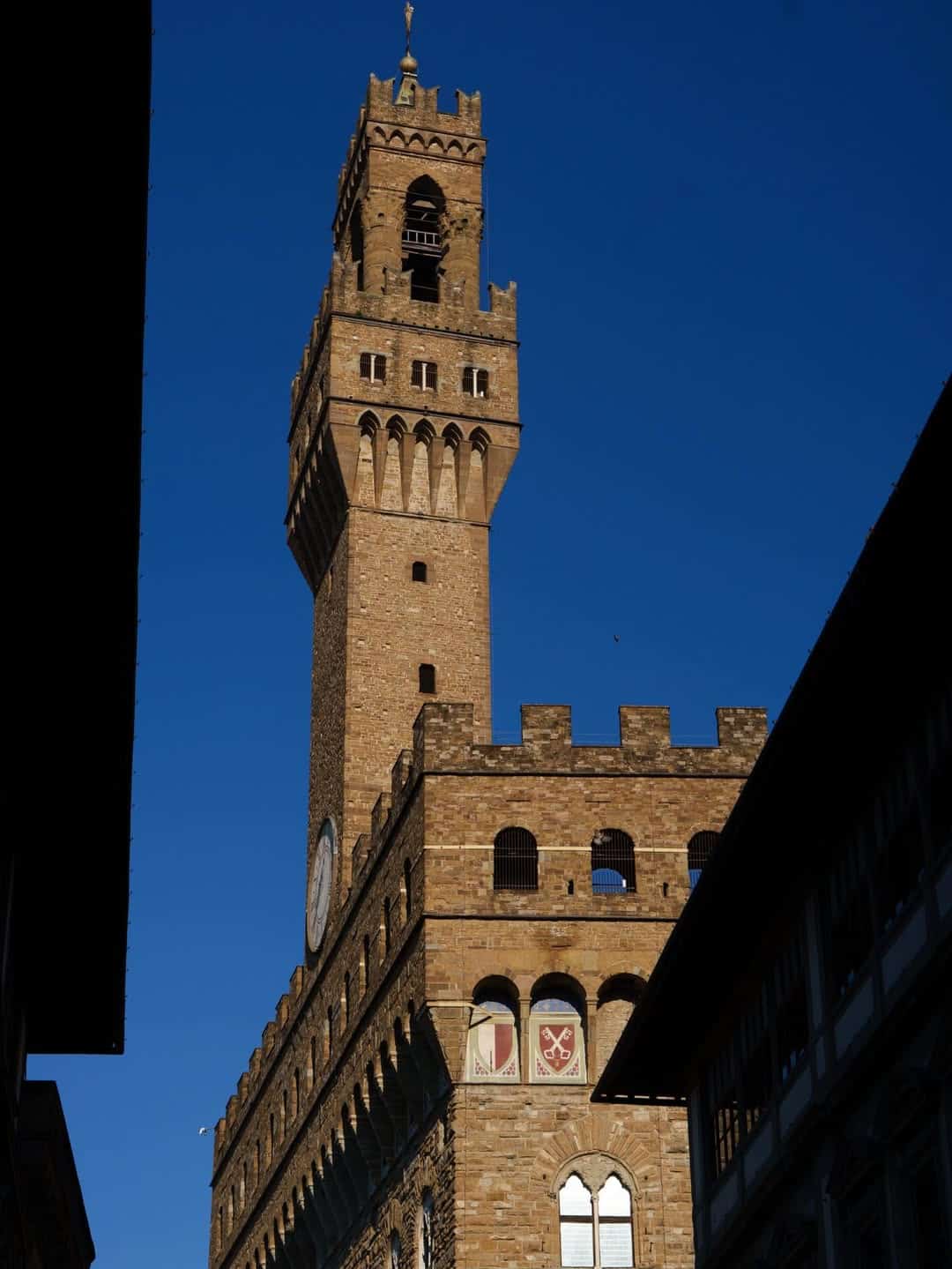
During the 15th century, the powerful Medici family sponsored artists like Michelangelo, Leonardo da Vinci, and Botticelli, transforming the city into a cultural powerhouse.
Today, visitors admire Michelangelo’s David at the Accademia, view Botticelli’s Birth of Venus at the Uffizi Gallery, and climb Brunelleschi’s revolutionary dome atop the Florence Cathedral.
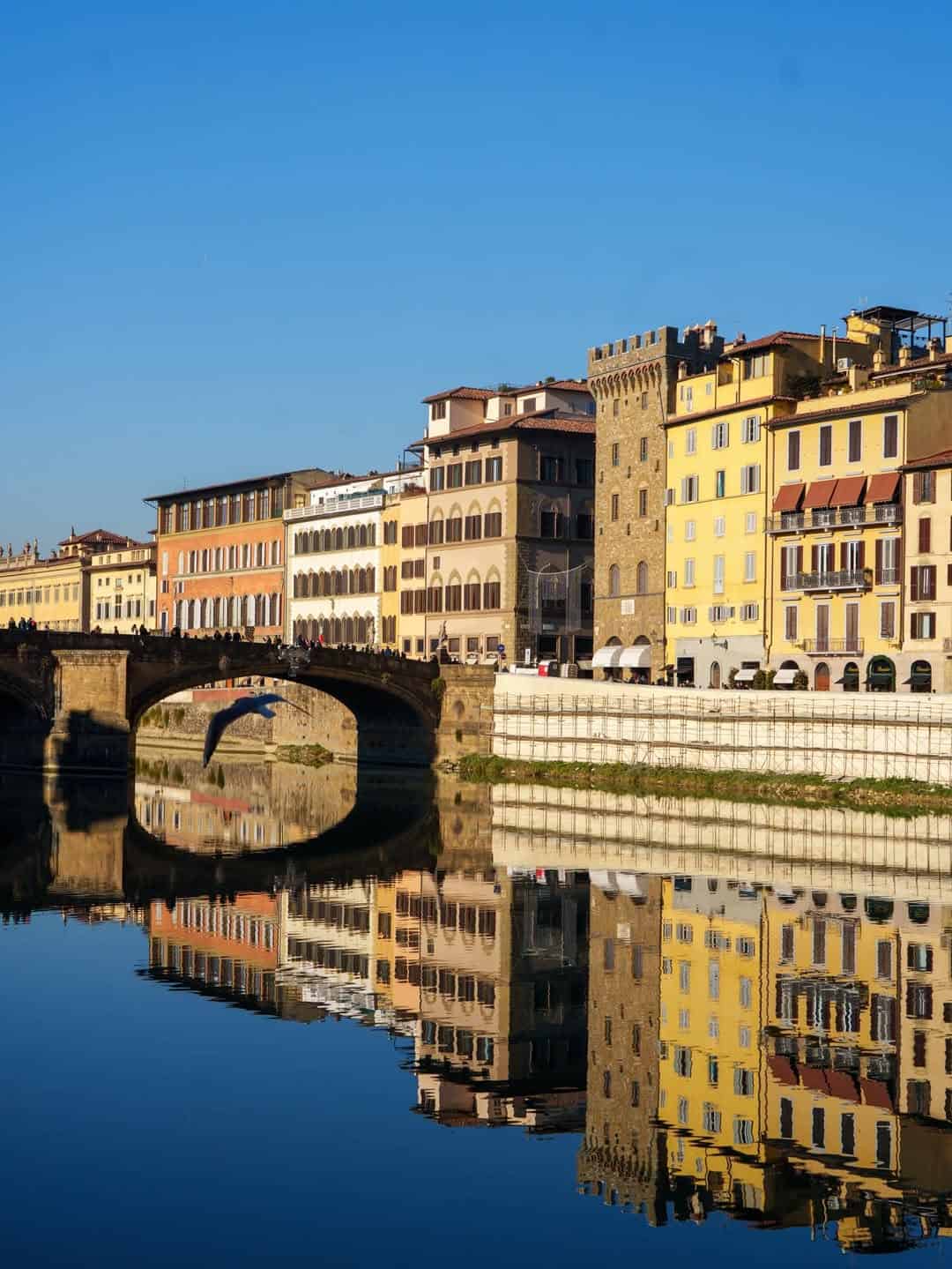
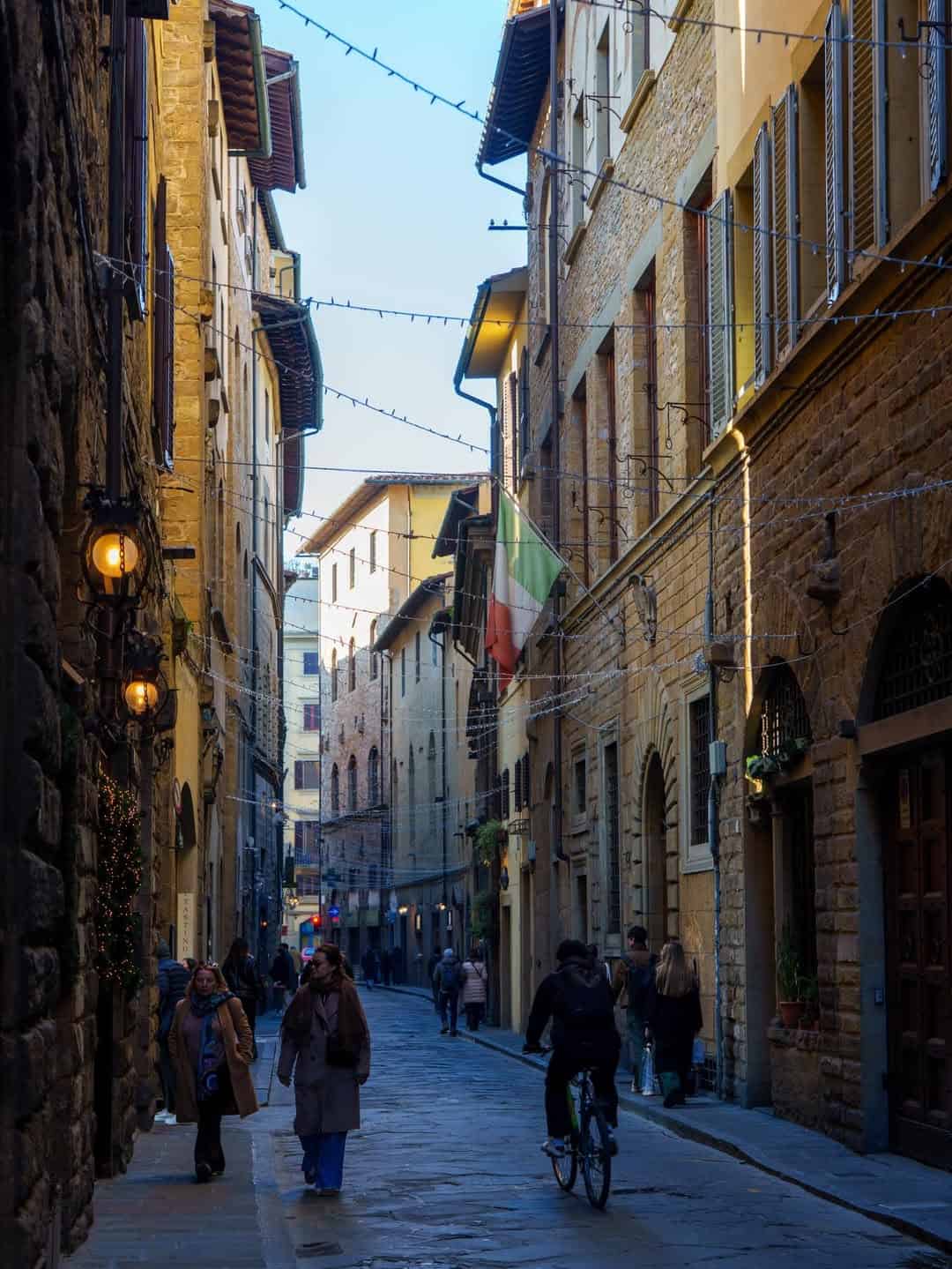
Walk across the medieval Ponte Vecchio, tour the Palazzo Vecchio, and relax in the Boboli Gardens behind Pitti Palace.
How to Get There
Traveling from Rome to Florence is simple: take a high-speed train from Roma Termini to Firenze Santa Maria Novella, which takes about 1 hour and 30 minutes.
The best part? Firenze SMN station is right in the city center. You can walk straight to the Florence Cathedral (Duomo) in about 10 minutes.
Tivoli
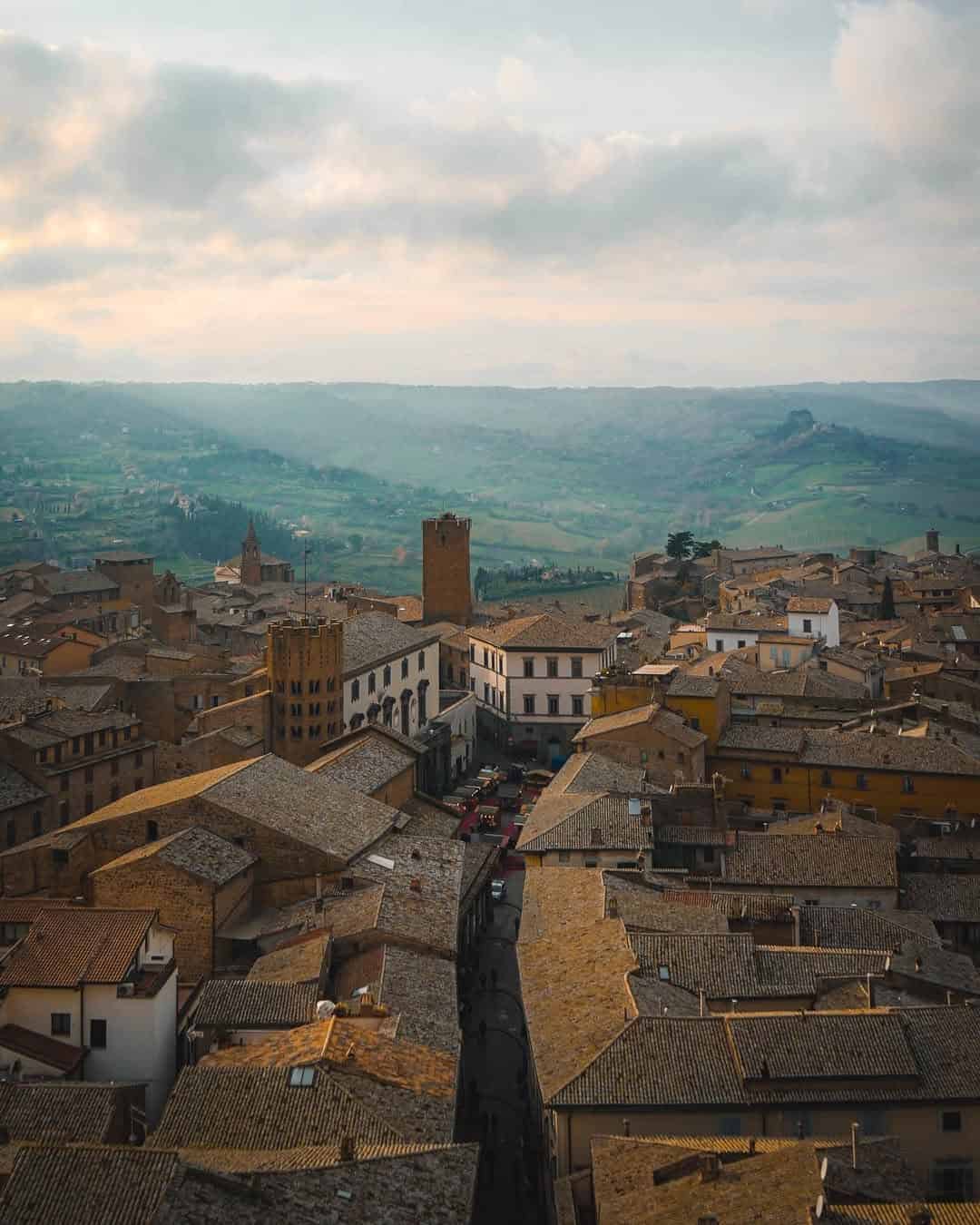
Tivoli sits in the hills east of Rome and has attracted visitors due to its cooler climate, natural springs, and sweeping valley views.
Ancient Roman elites built villas here to escape the summer heat of the capital. The town then developed into a retreat known for beauty and leisure.
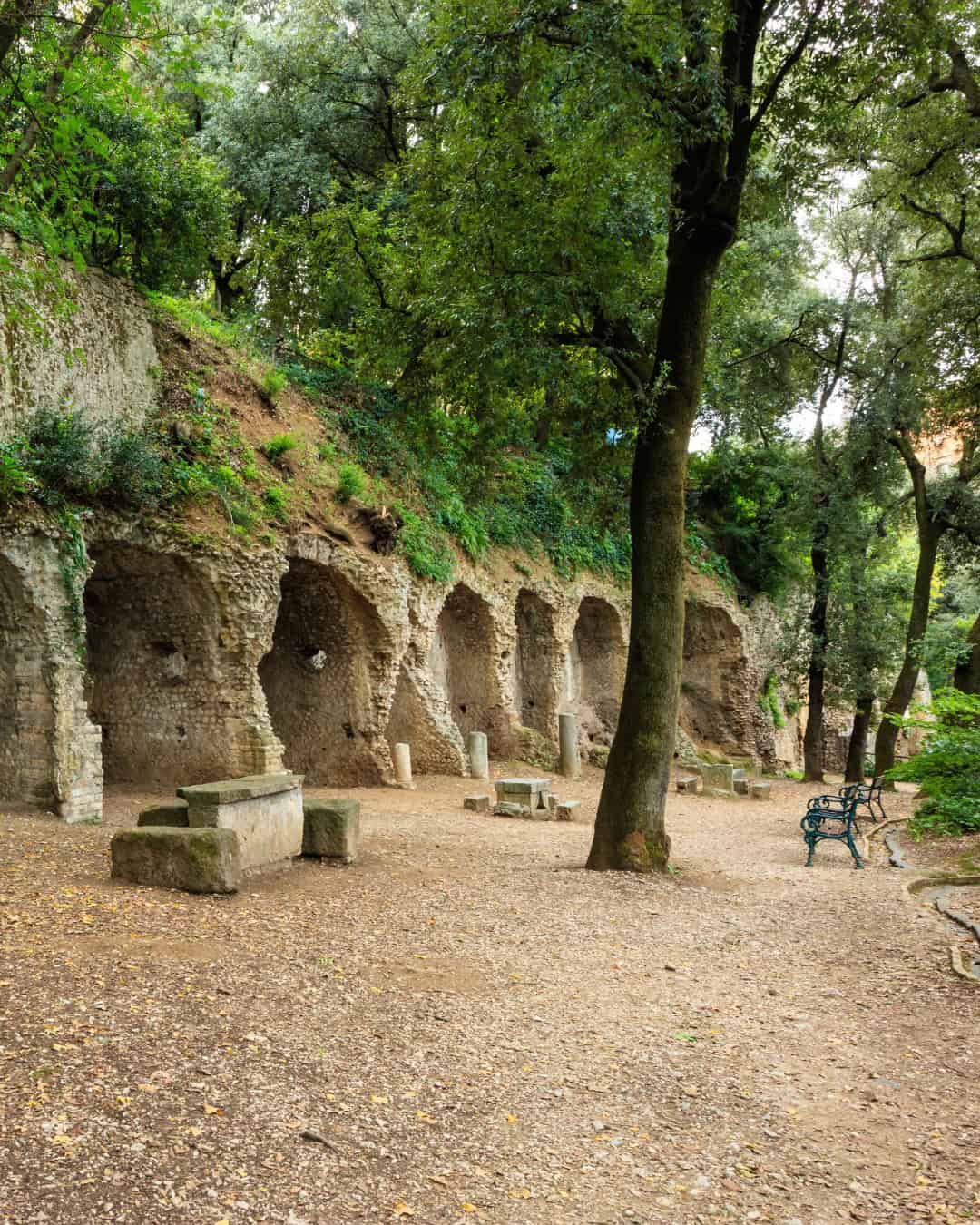
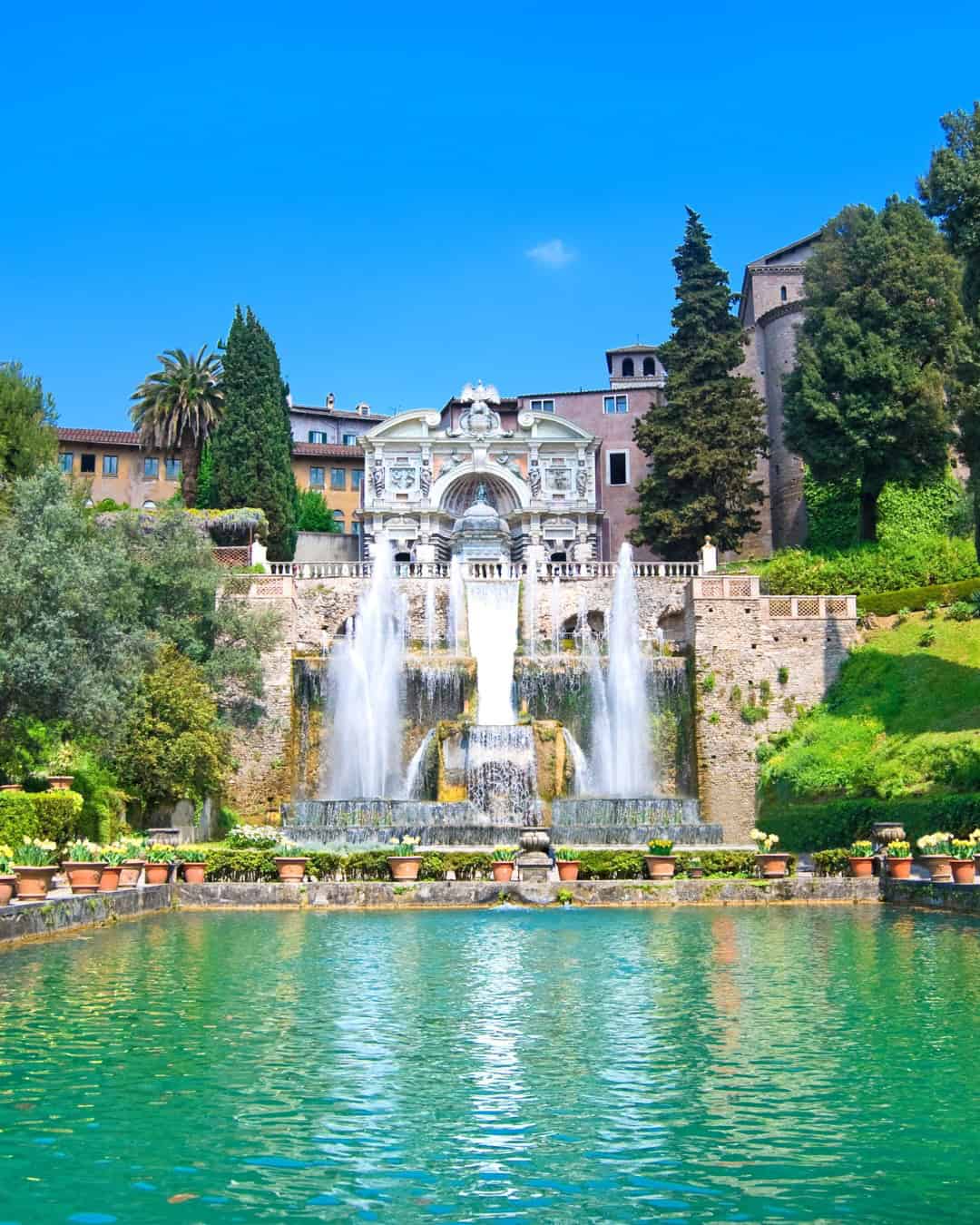
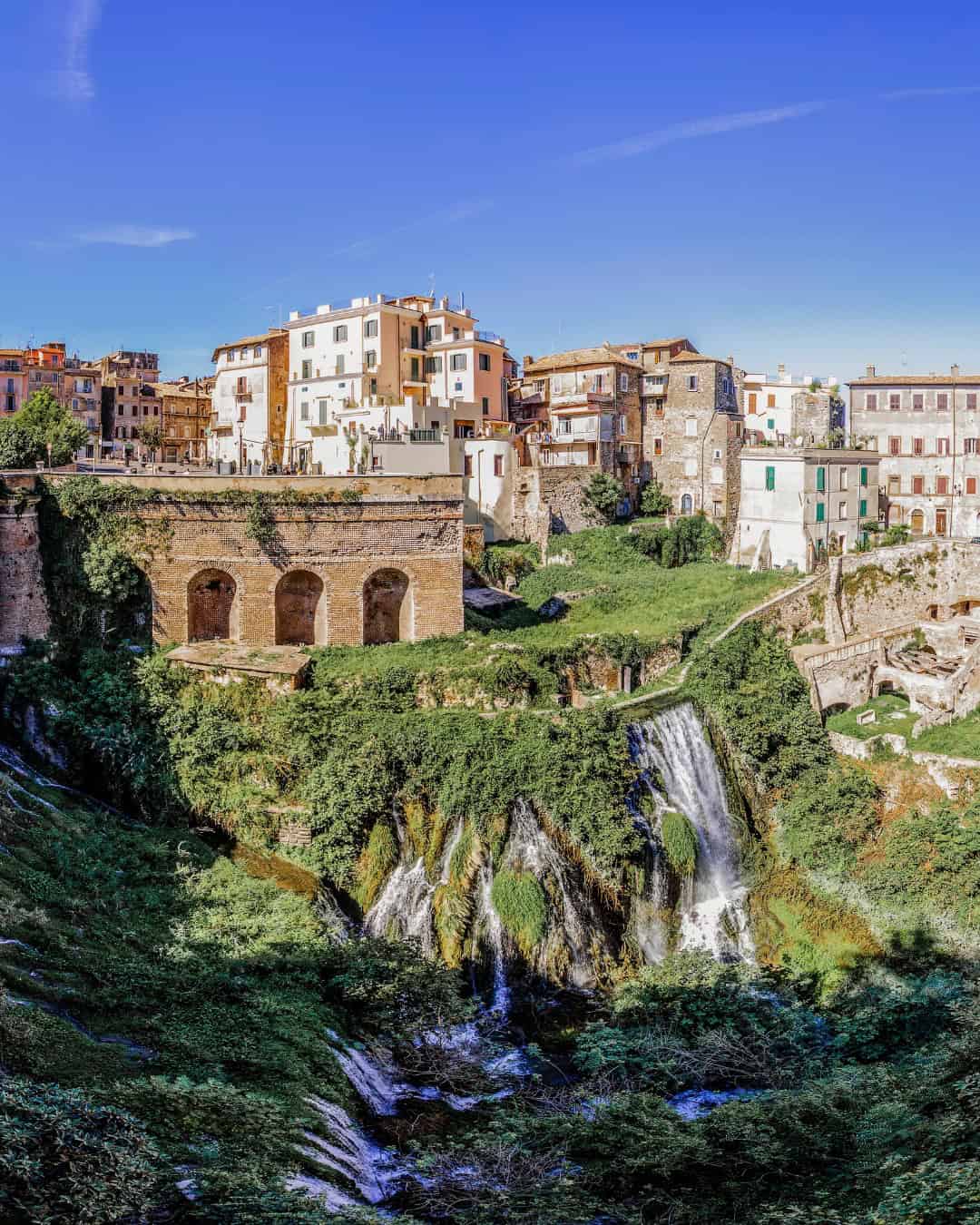
The area is best known for Villa Adriana and the spectacular 16th-century Villa d’Este. These two villas are UNESCO World Heritage Sites that show off the great architecture of the Roman Empire and the creative art of the Renaissance.
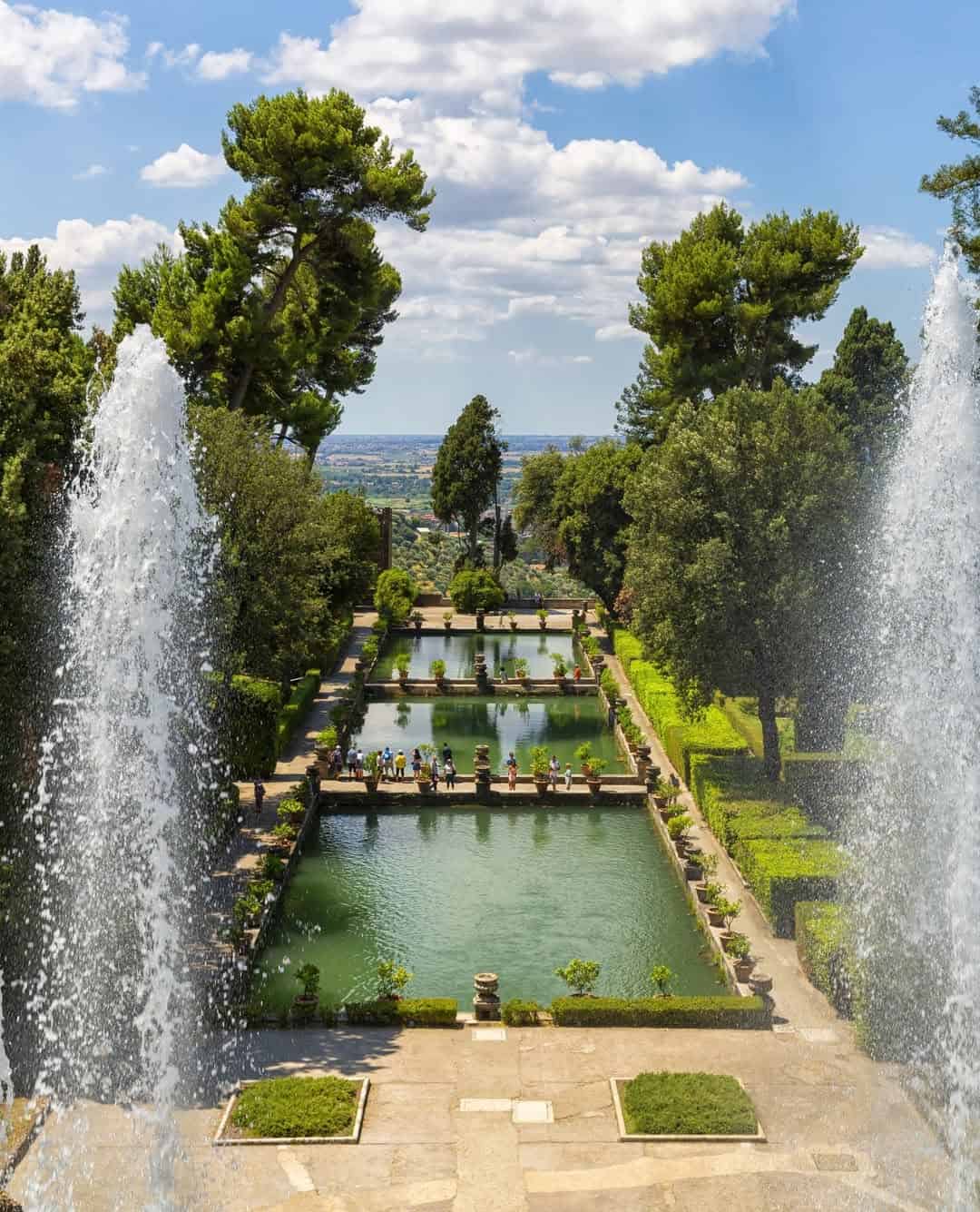
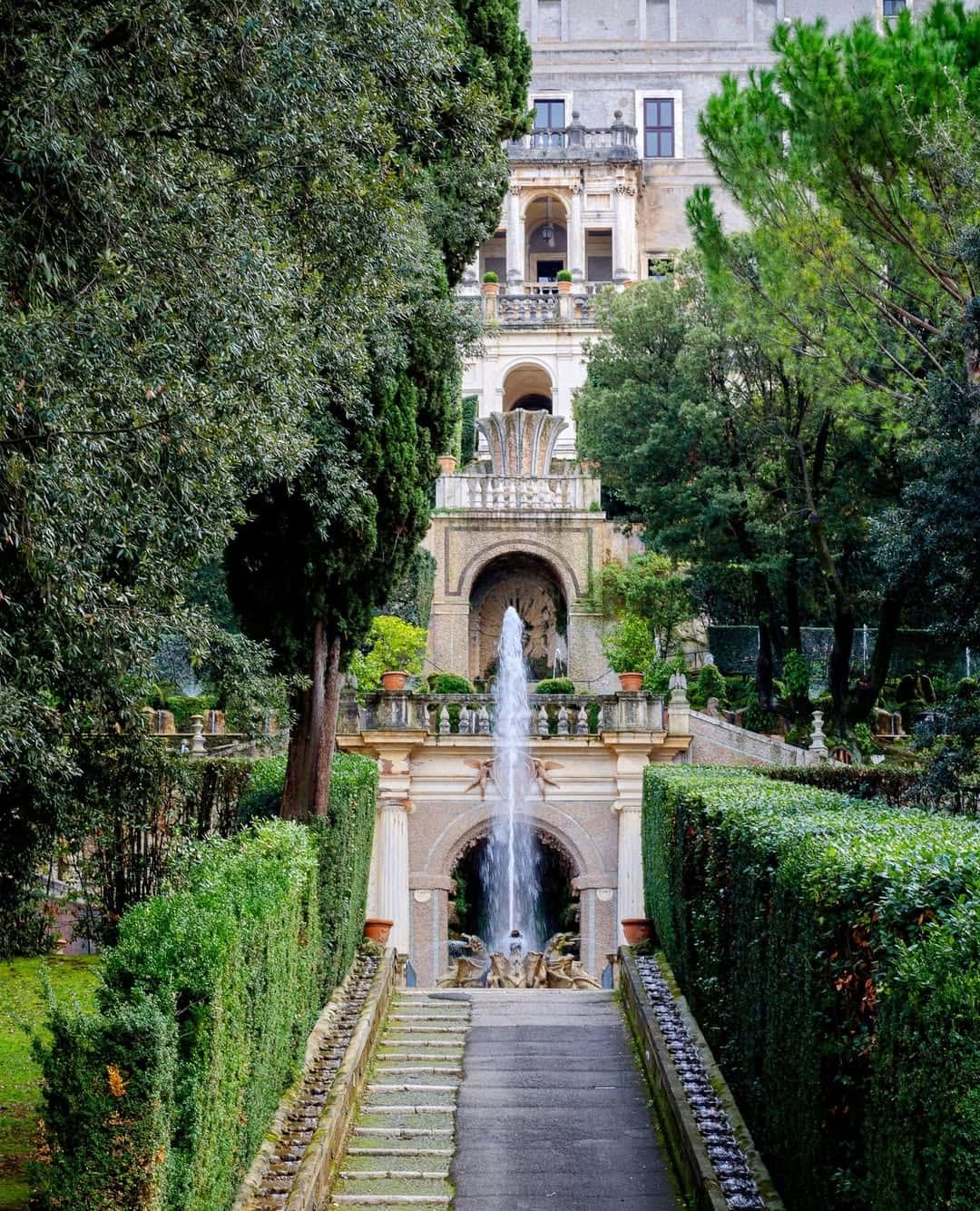
You can walk around the huge ruins of Emperor Hadrian's palace complex at Villa Adriana. Villa d'Este, on the other hand, has beautiful fountains and terraced gardens. They are famous for their complicated buildings and water systems.
How to Get There
You can get to Tivoli by taking a regional train ride from Rome's Tiburtina or Termini stations or a local bus. It takes about an hour to get there. From Tivoli station, you’ll need a local bus or a 20-minute walk to reach the main sites.
Castel Gandolfo
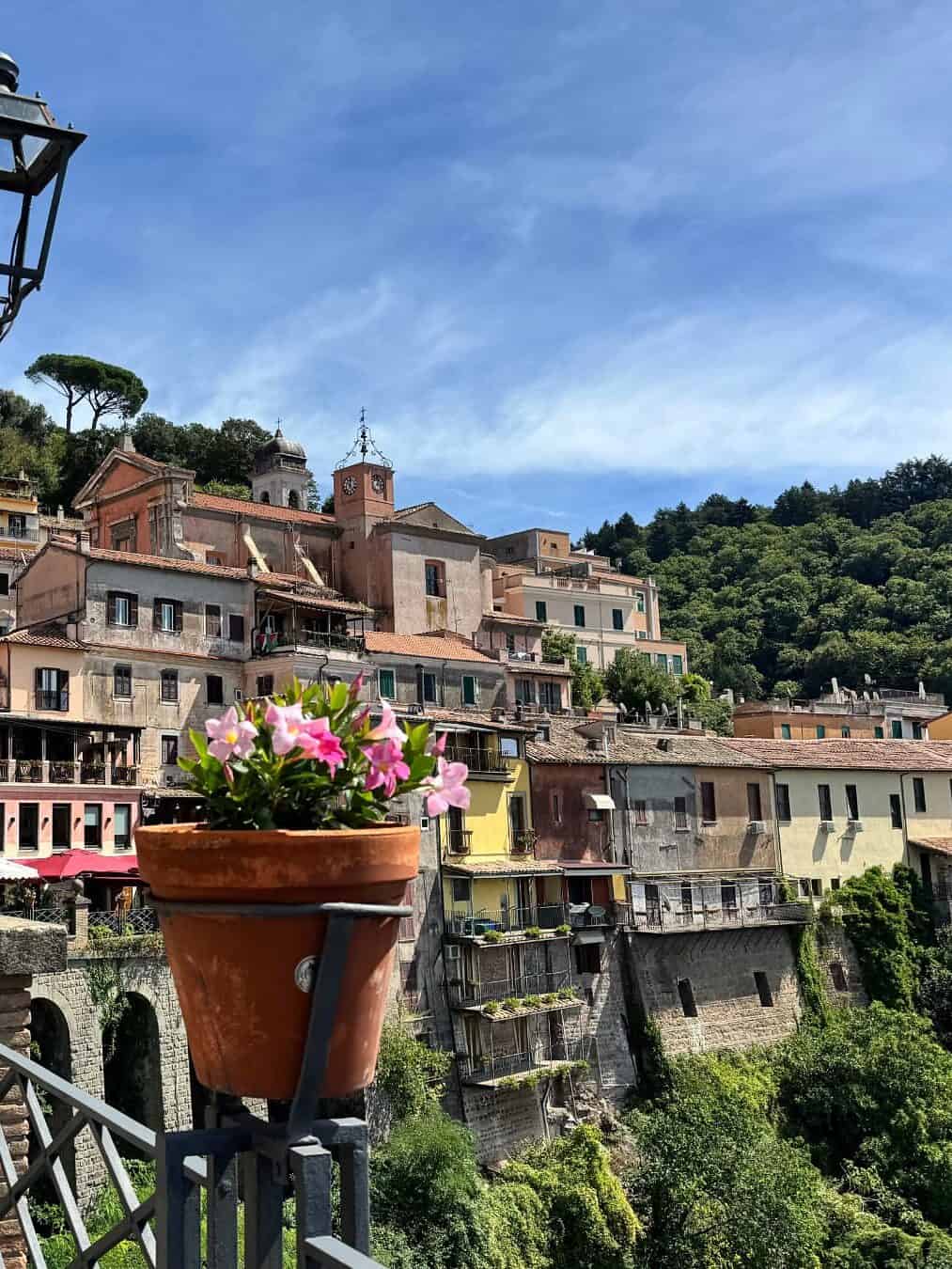
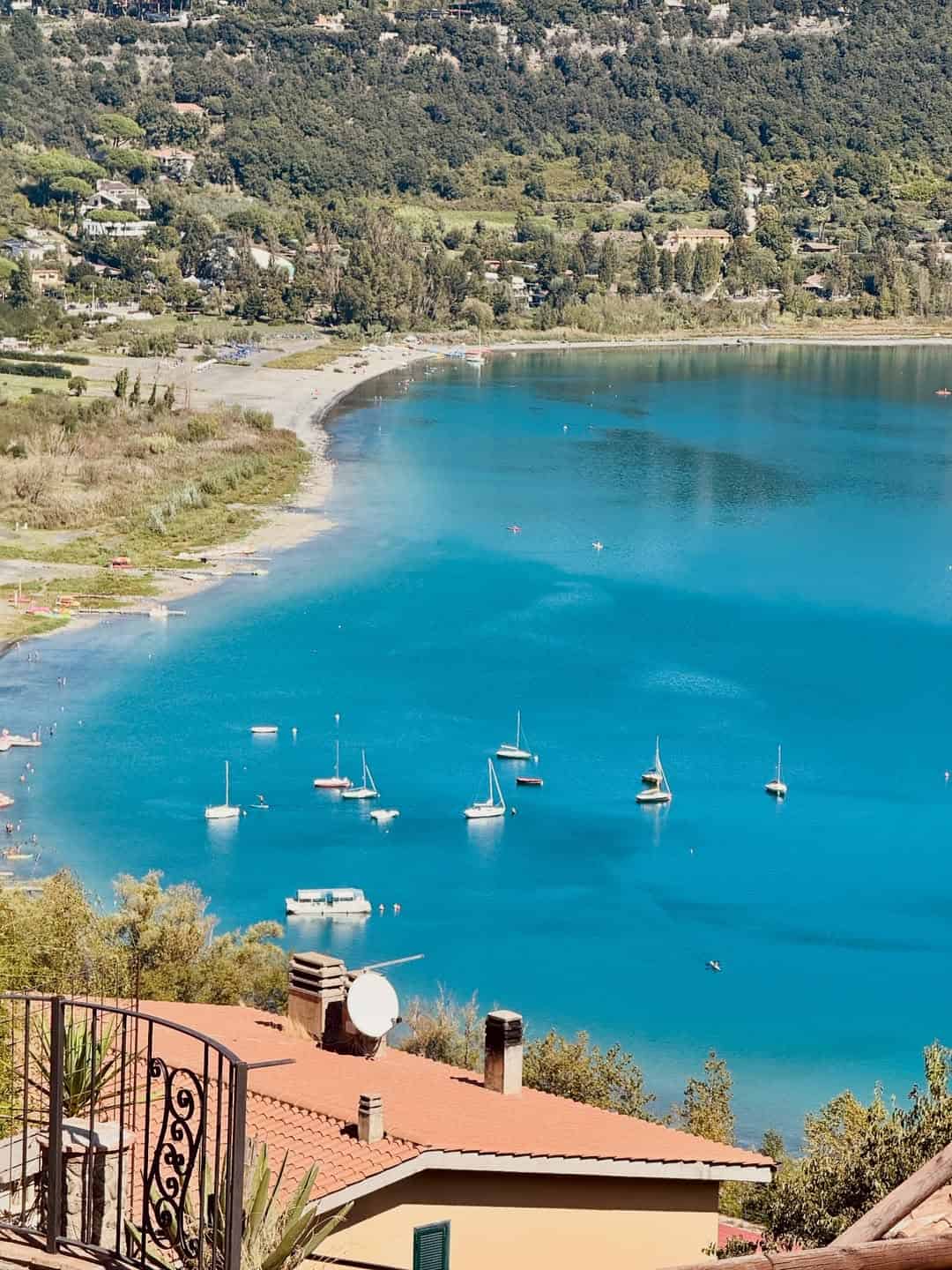
Castel Gandolfo is located in the Alban Hills and forms part of the Castelli Romani, a group of towns long favored as summer retreats.
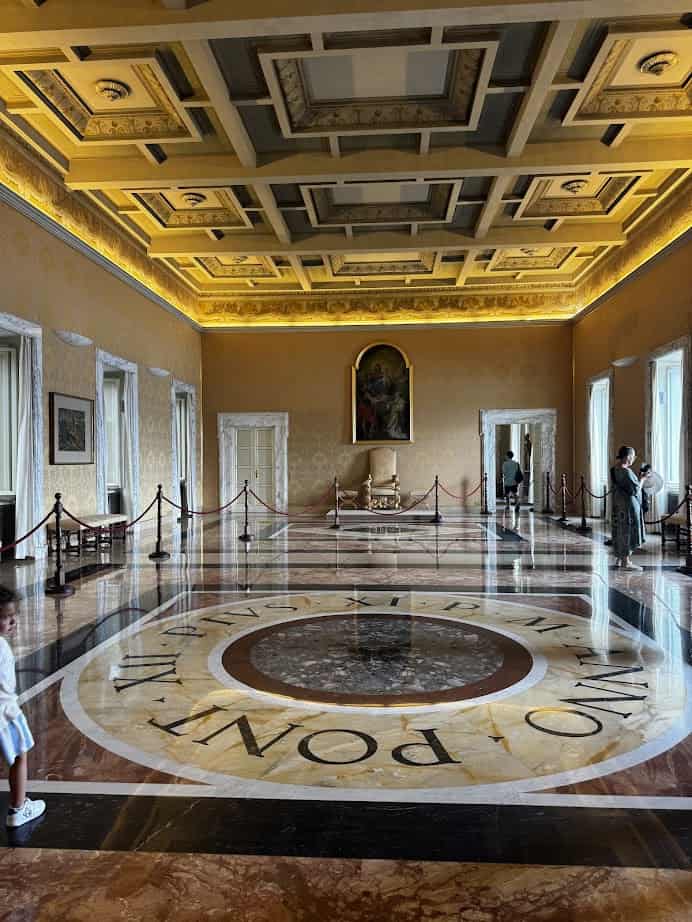
The town became especially significant in 1596, when the Vatican acquired the Apostolic Palace, which was later used as the Pope’s summer residence.
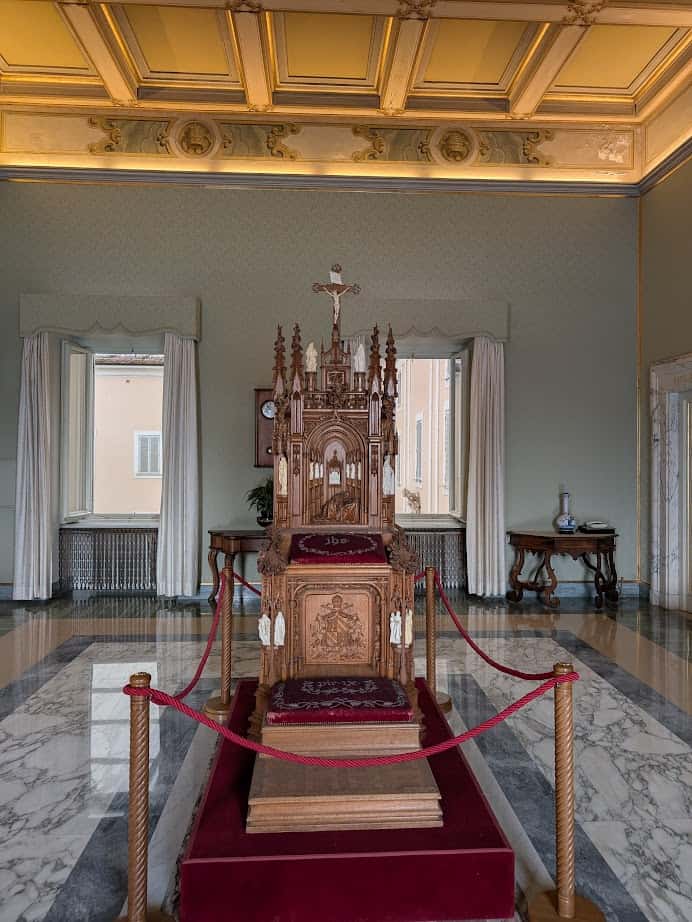
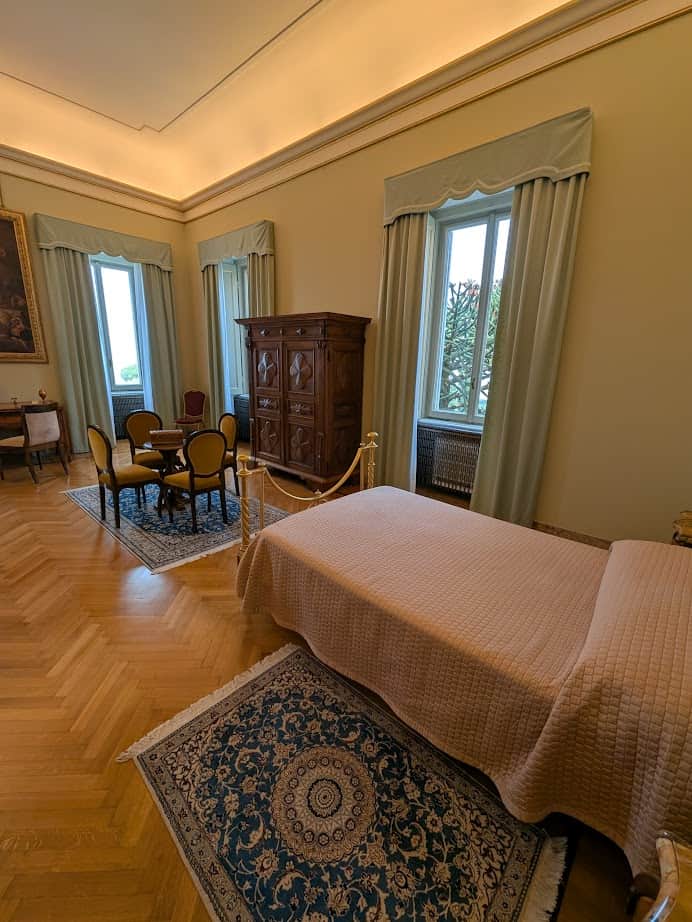
My family and I took a quick 4-day trip there, and it was amazing. You get sweeping views of Lake Albano, quiet cobblestone streets, and a charming piazza where kids can safely roam while parents enjoy a slow lunch.
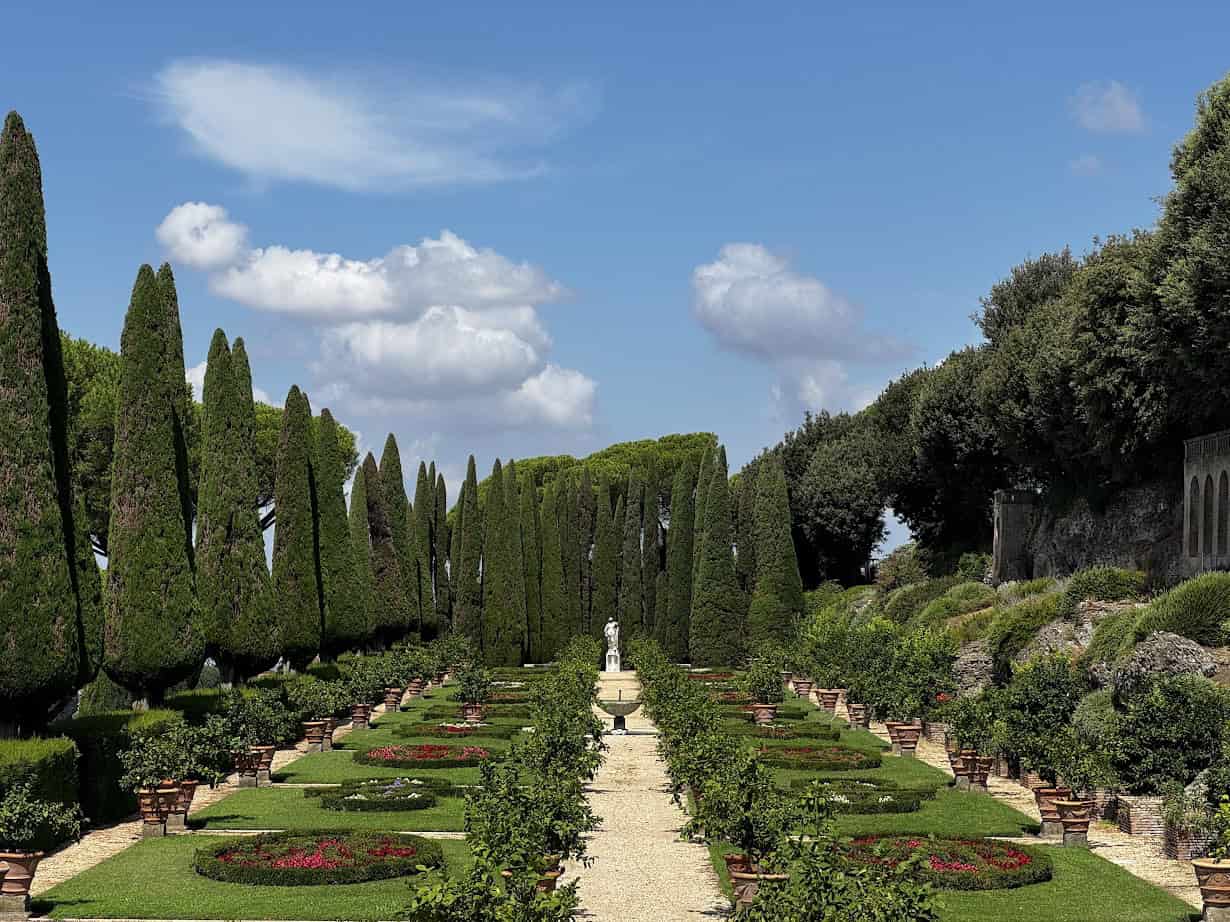
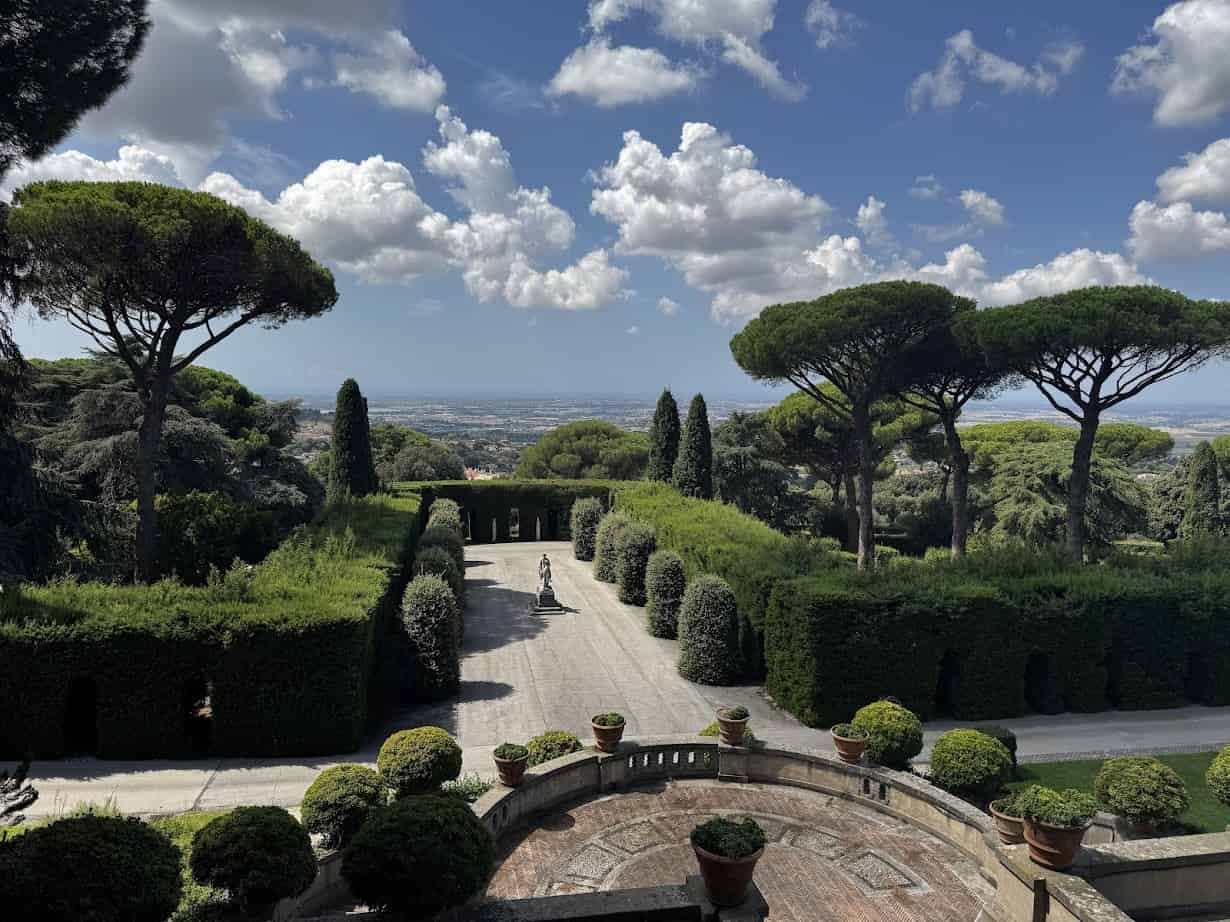
We visited the papal palace, Barberini Gardens, and the Church of St. Thomas of Villanova, all in a day's work. If you have cars, you can also drive to nearby towns like Nemi or Rocca di Papa.
Want to save this?
How to Get There
To get there, take a regional train to Castel Gandolfo. It's an easy day trip from Rome, since it only takes about 40 to 45 minutes to get there.
From the station, you can either walk uphill to the historic center (about 15–20 minutes) or take a short taxi ride if you're traveling with young kids.
Frascati
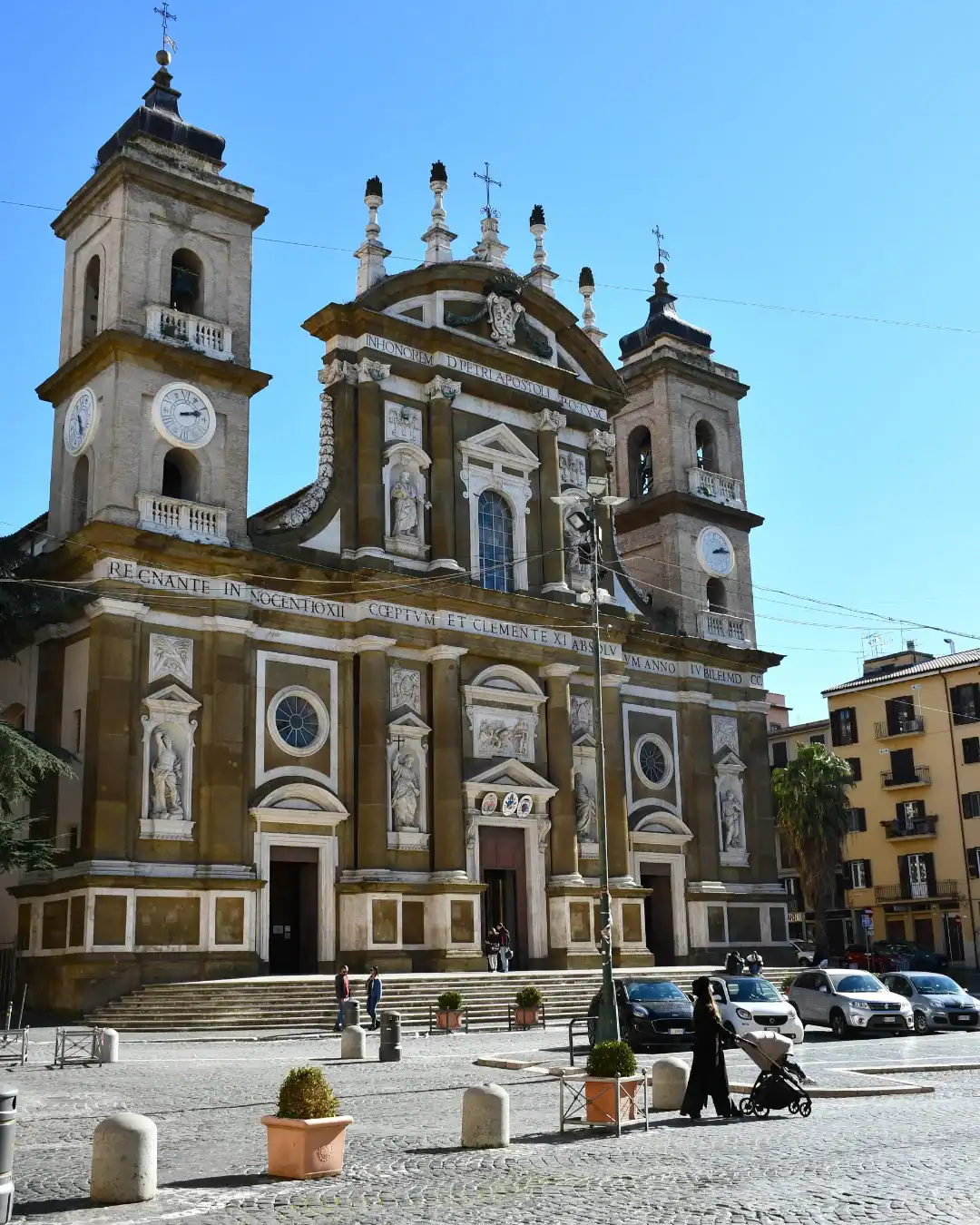
Also located in the Alban Hills, we also went here for a day trip during our Castel Gandolfo trip.
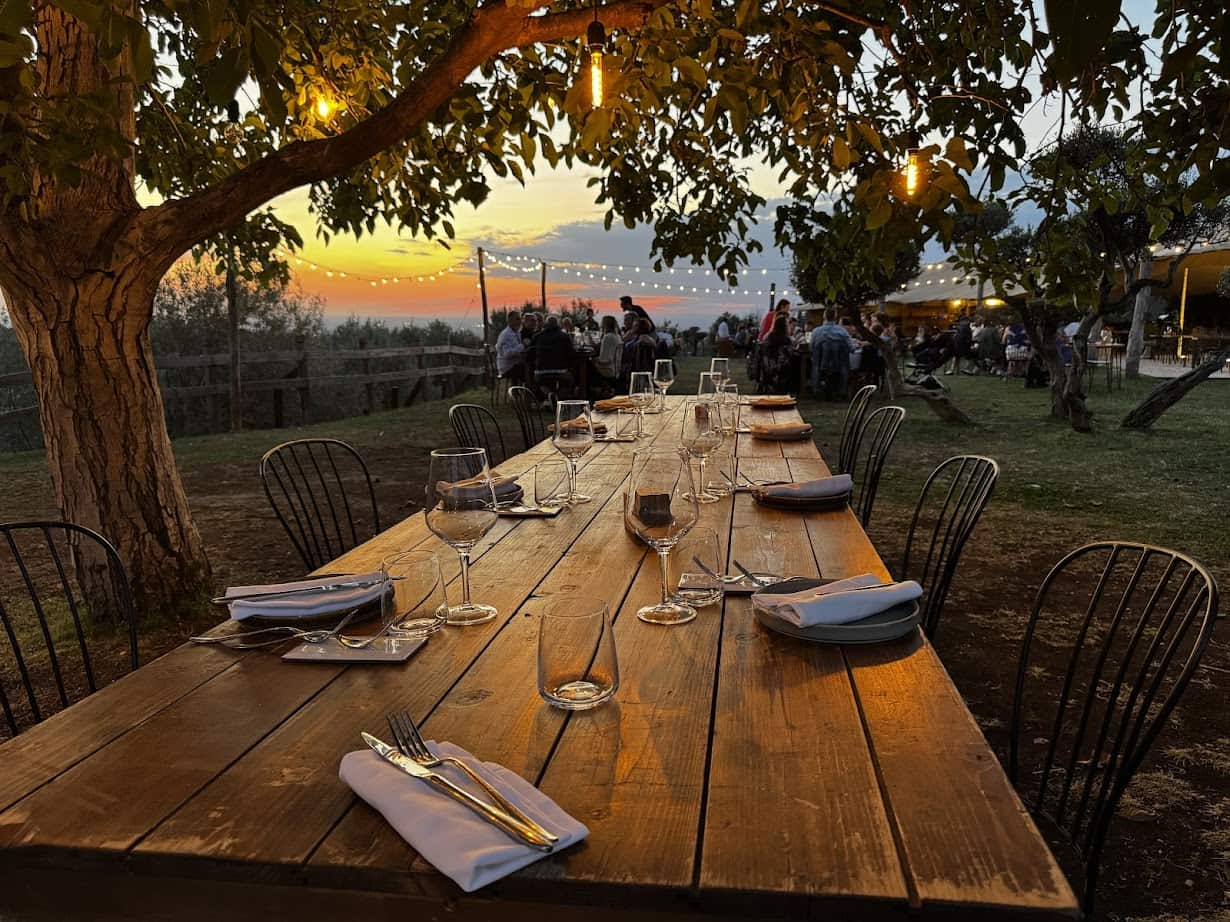
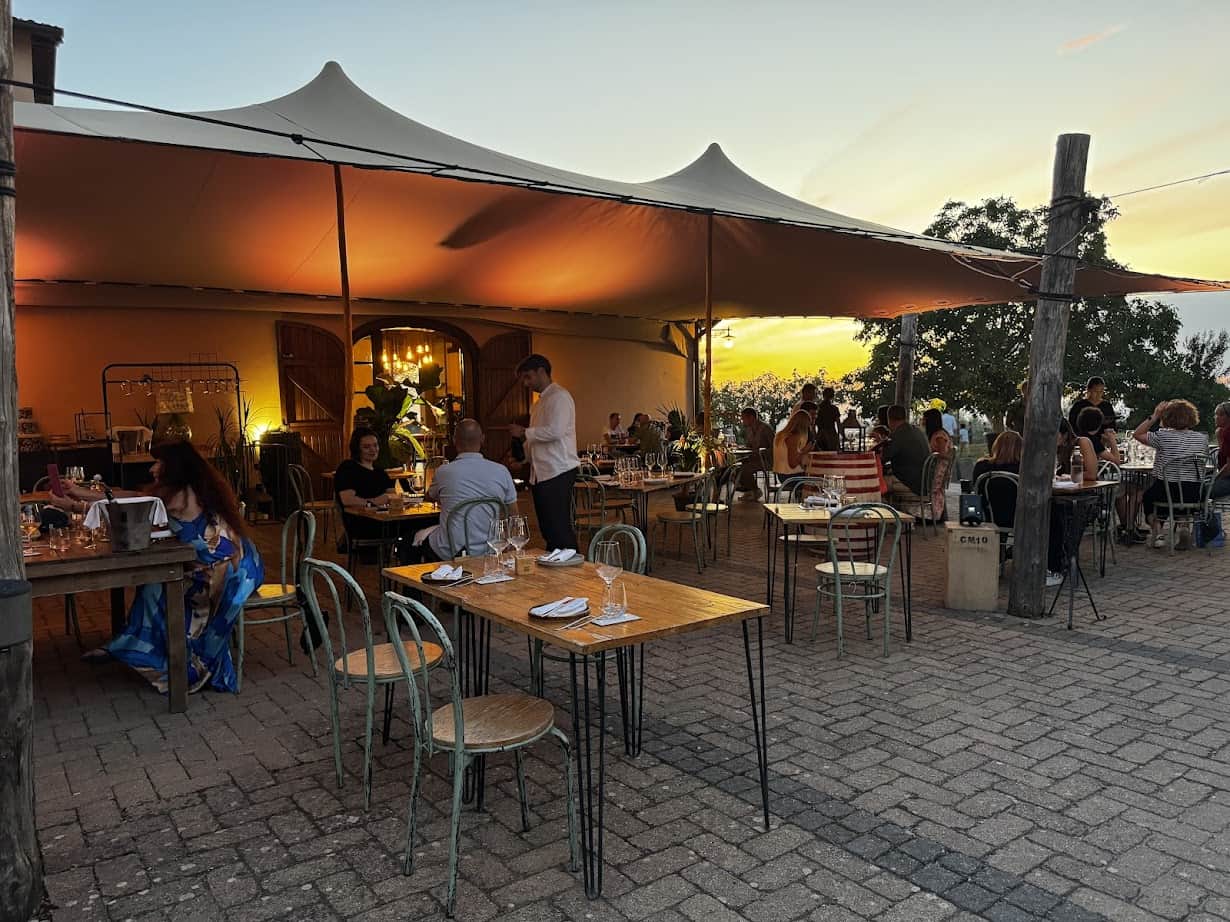
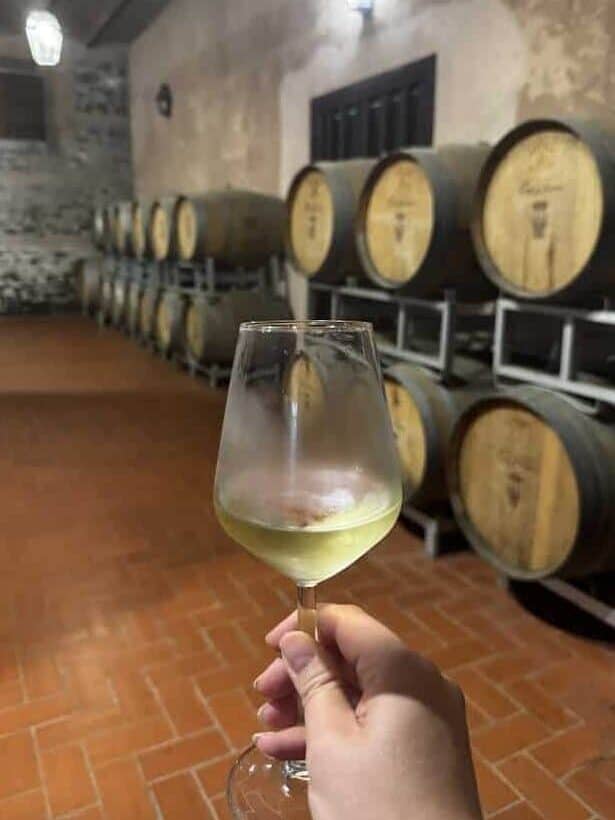
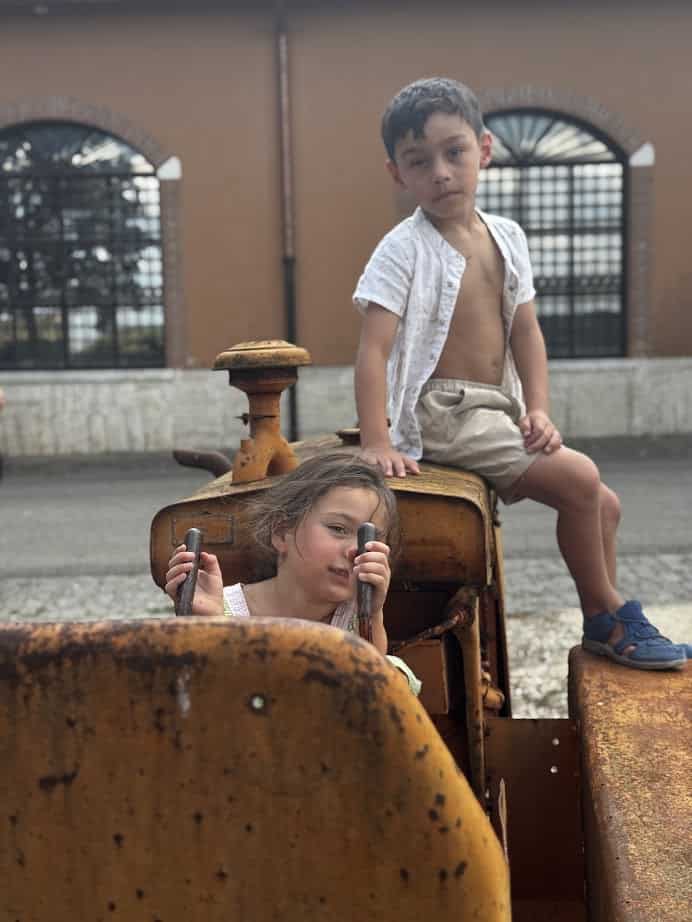
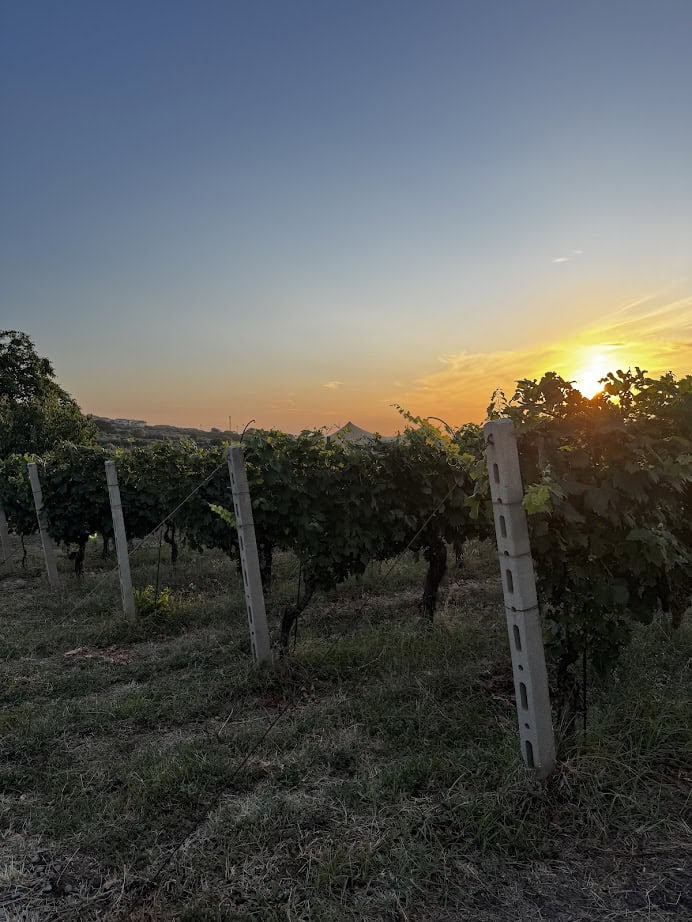
We visited two wineries, where we learned about the region’s volcanic soil and how it gives Frascati wine its crisp, mineral character.
During the Renaissance, powerful Roman families built grand villas here to escape the city's heat, turning Frascati into a center of leisure and elegance.
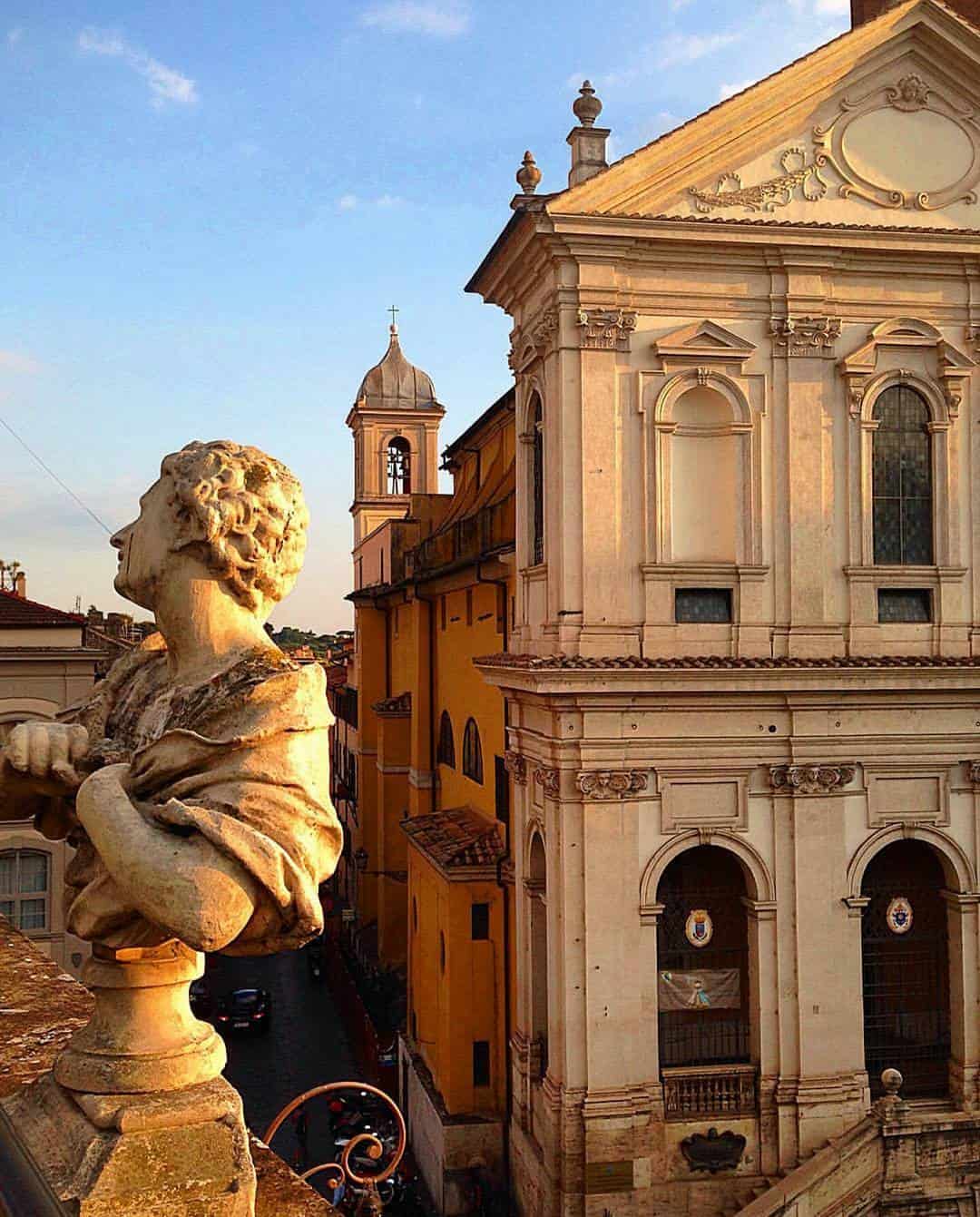
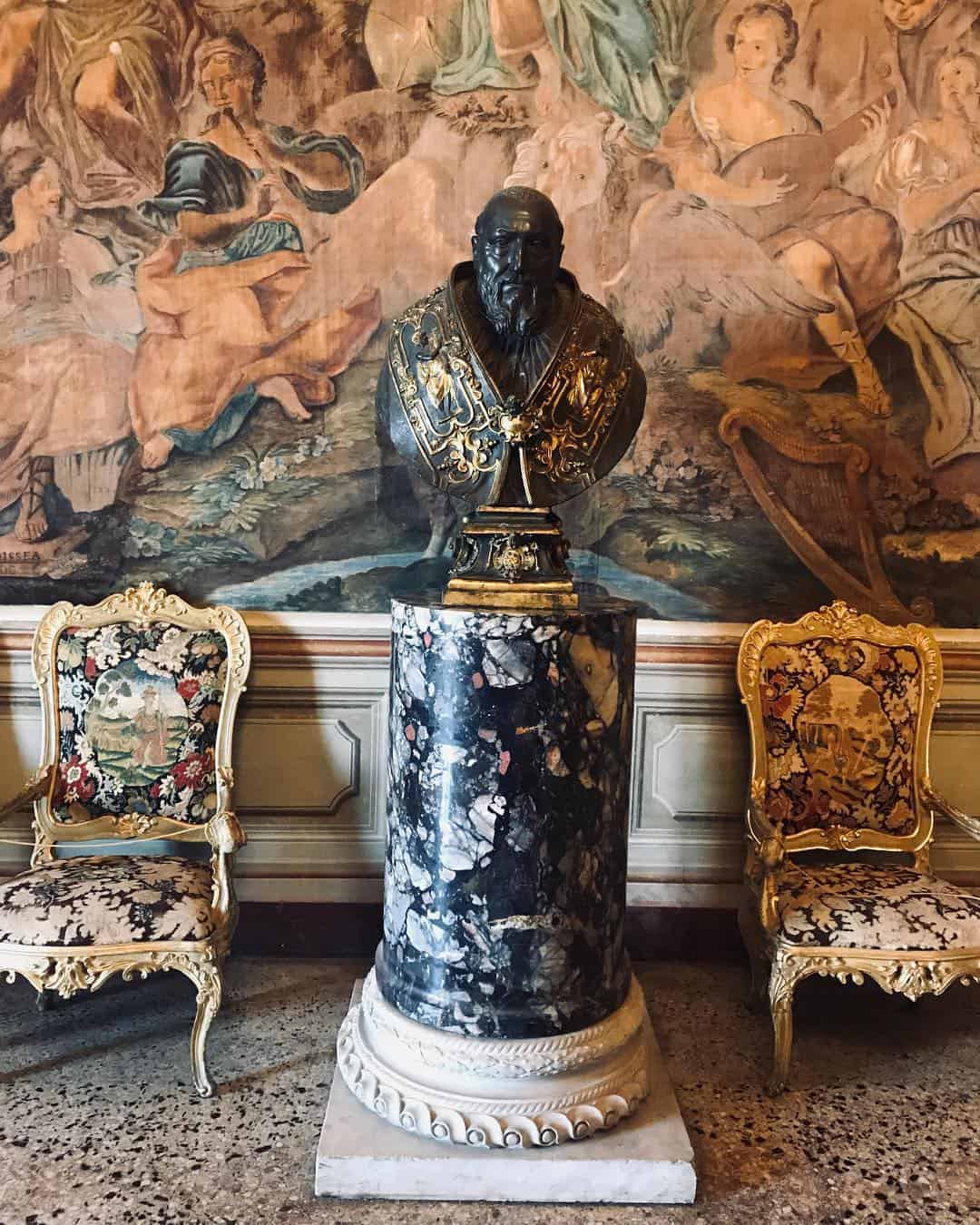
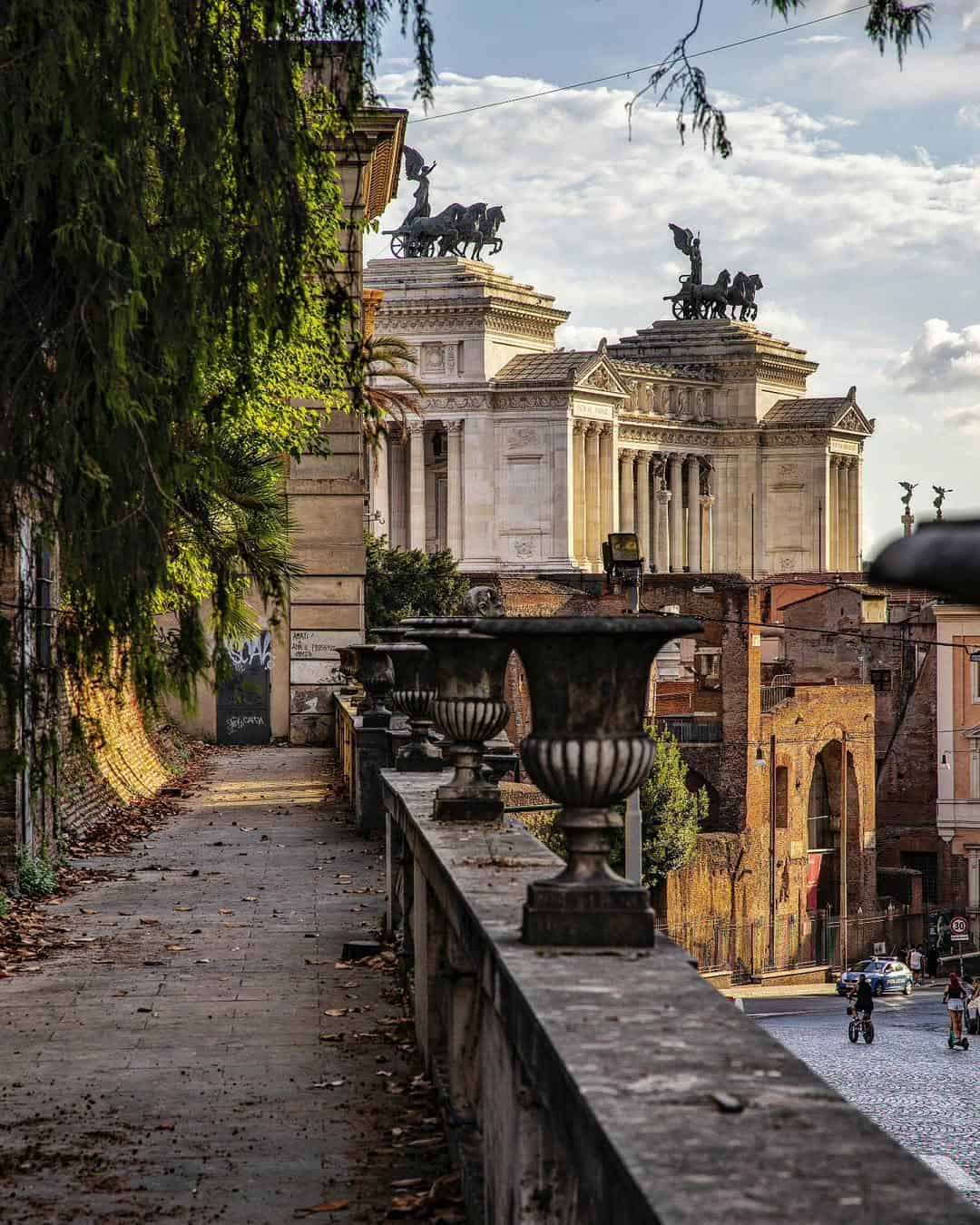
You can tour Villa Aldobrandini, a 16th-century villa with formal gardens and fountains overlooking the valley.
You can also stroll through Piazza San Pietro and visit St. Peter’s Church. Make a stop at a local fraschetta, a traditional tavern serving simple Roman dishes and regional wine.
How to Get There
Take a regional train from Rome Termini to Frascati. The whole ride takes about 30 minutes. It's the perfect quick and relaxing escape. Once you arrive, the historic center is just a short walk from the station.
Anzio
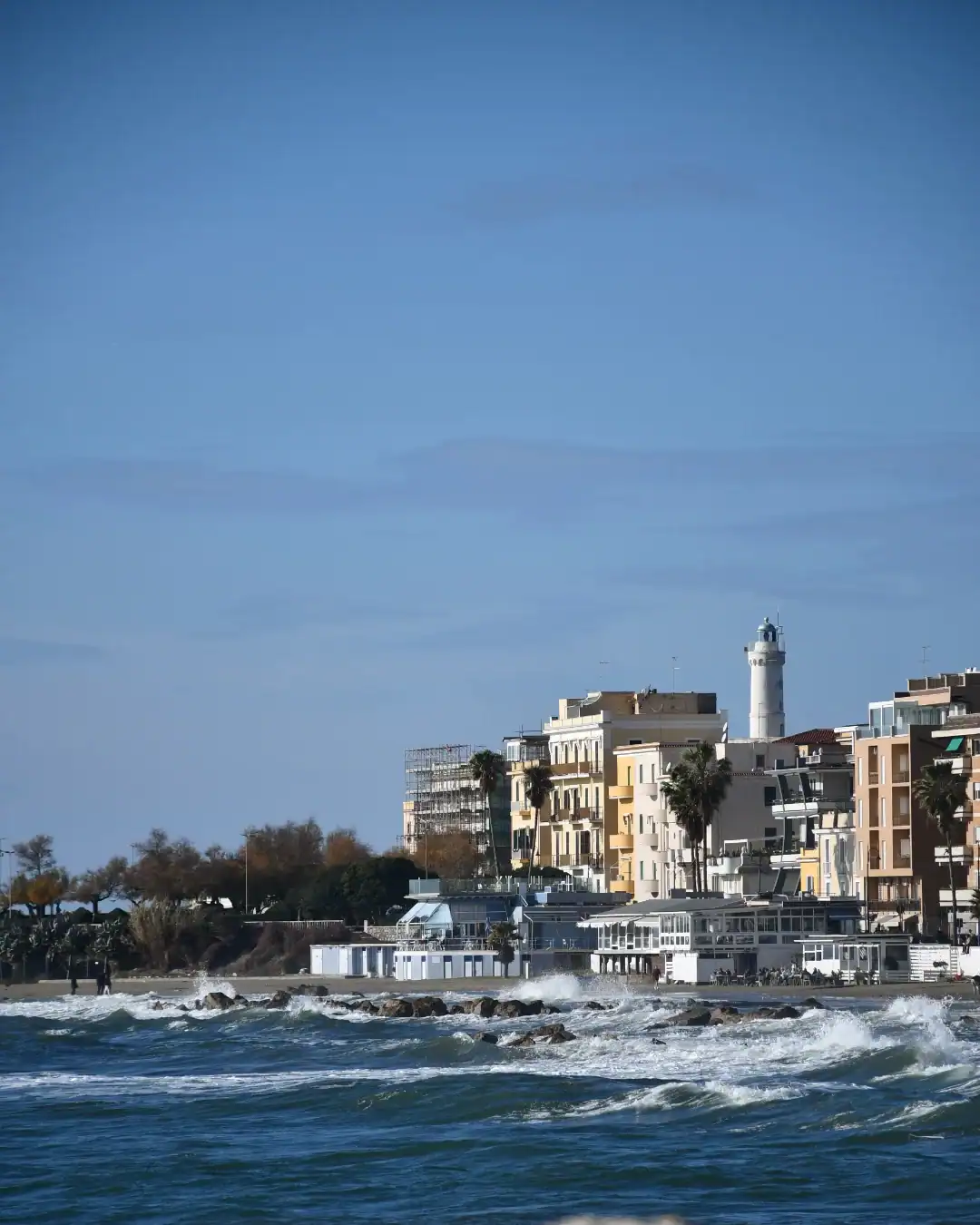
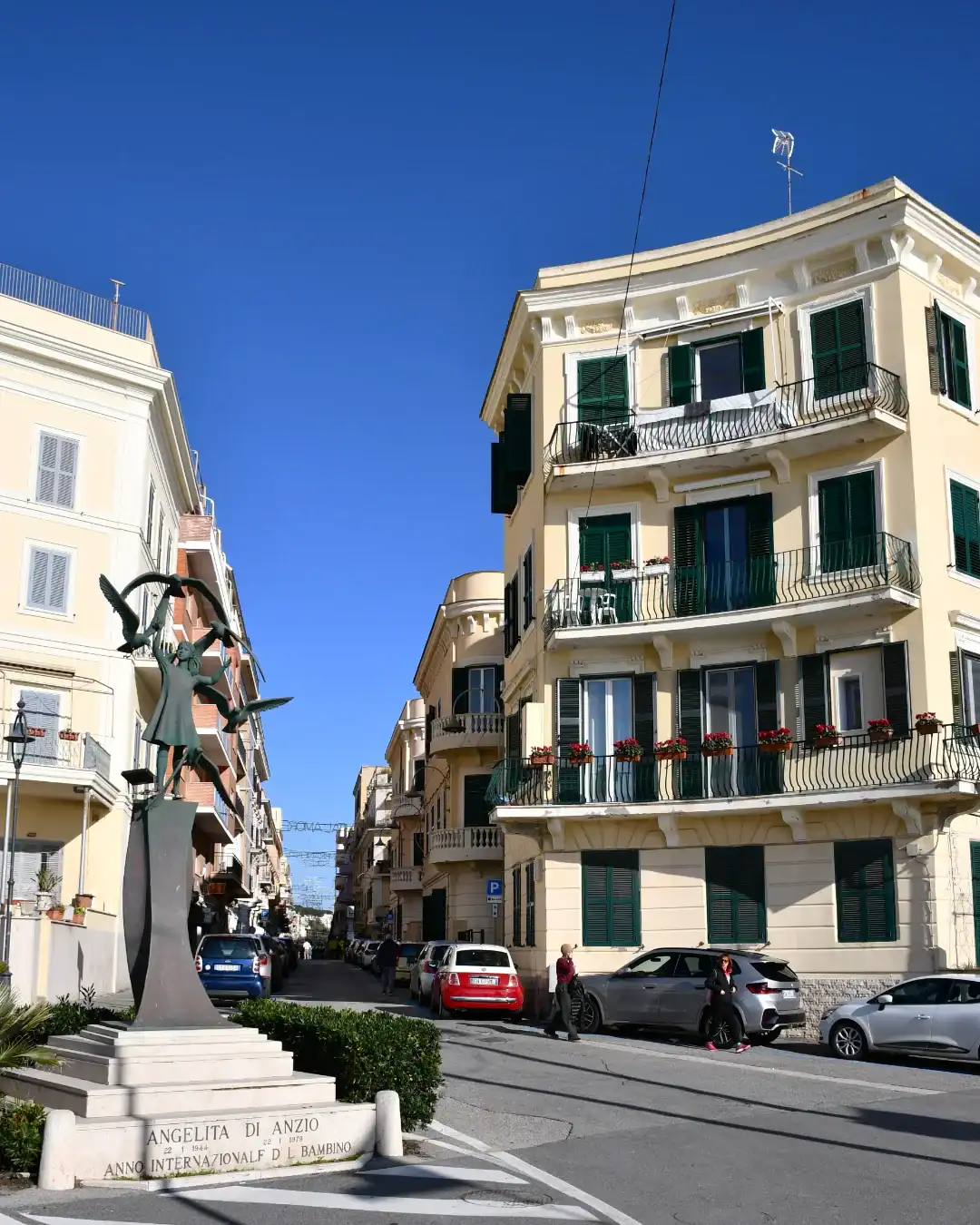
Located along the Tyrrhenian coast, this laid-back town is known for its sandy beaches, fresh seafood, and slower pace of life.
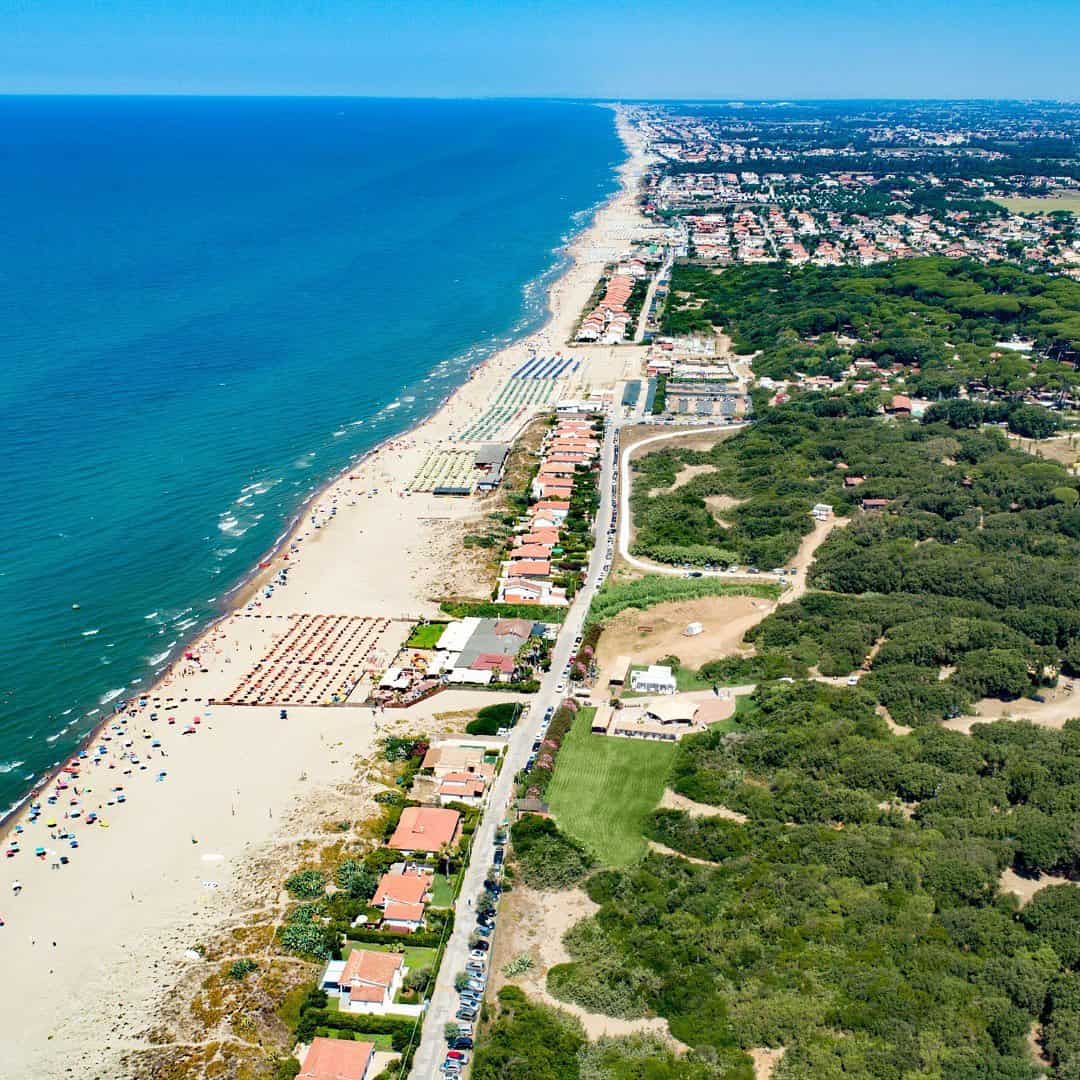
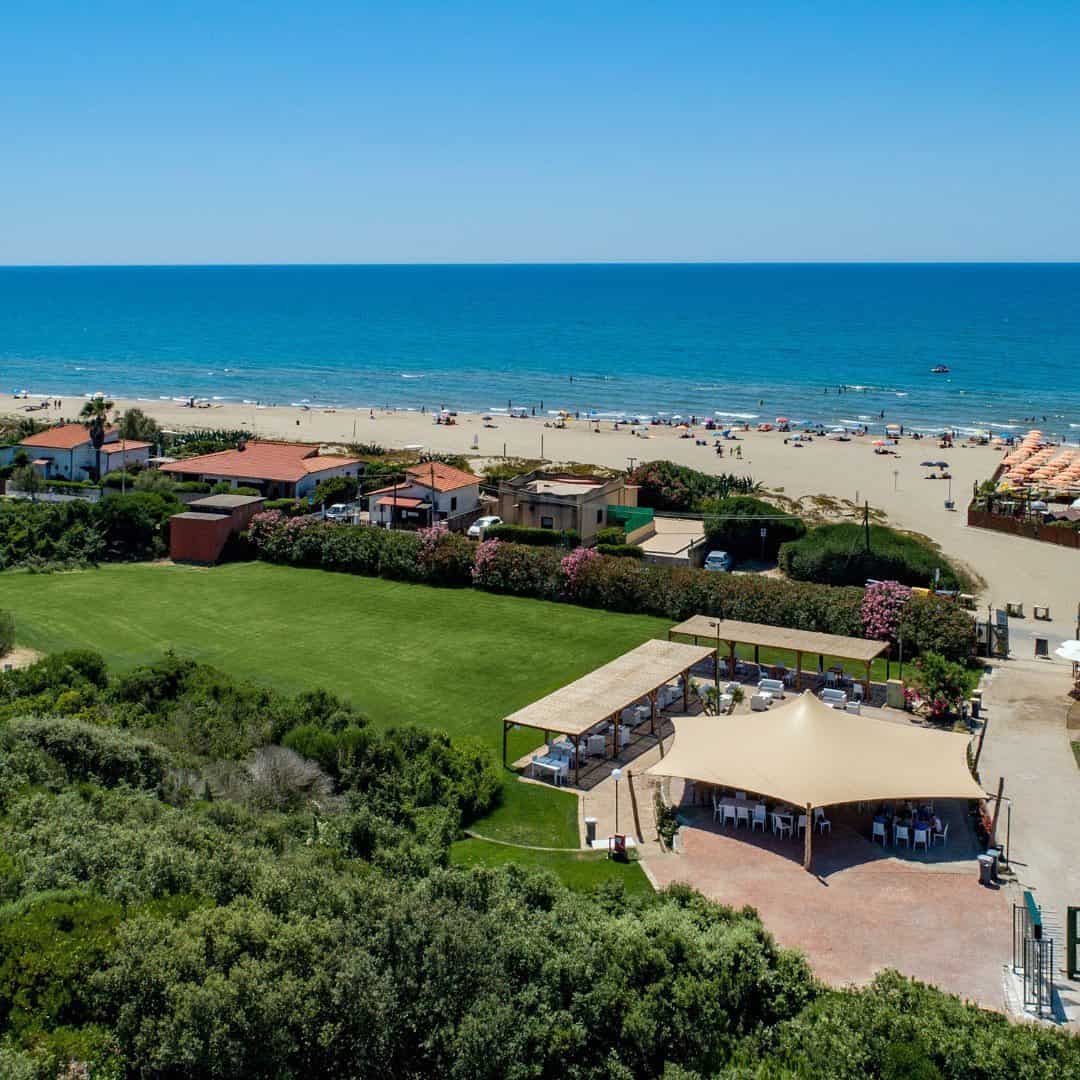

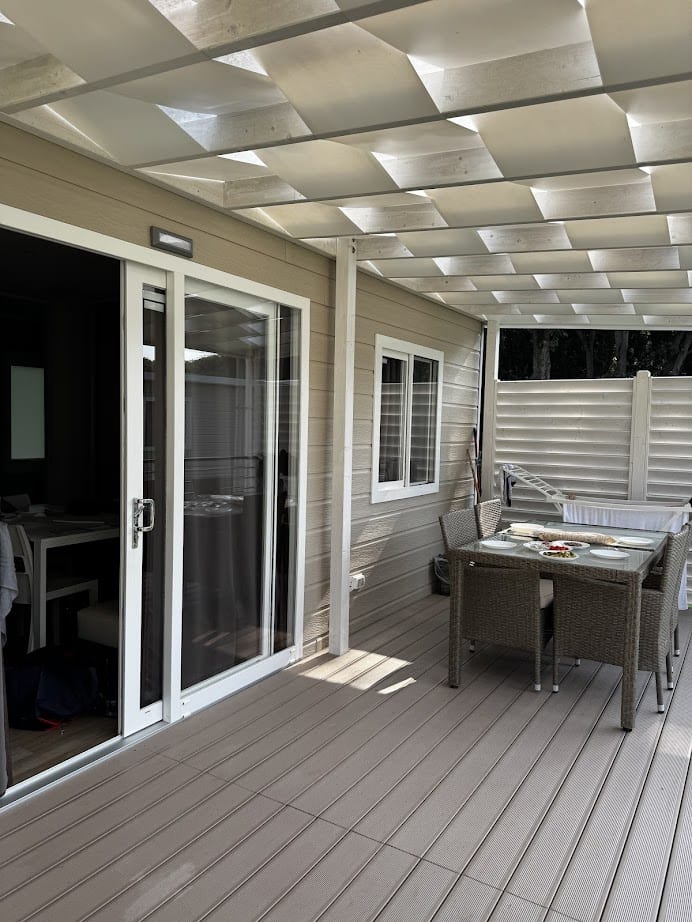
When we were in town, we went to Parco della Gallinara. It's a camping village that has a private beach, mobile homes, swimming pools, sports facilities, and on-site restaurants. It felt especially convenient for families because everything was in one place.
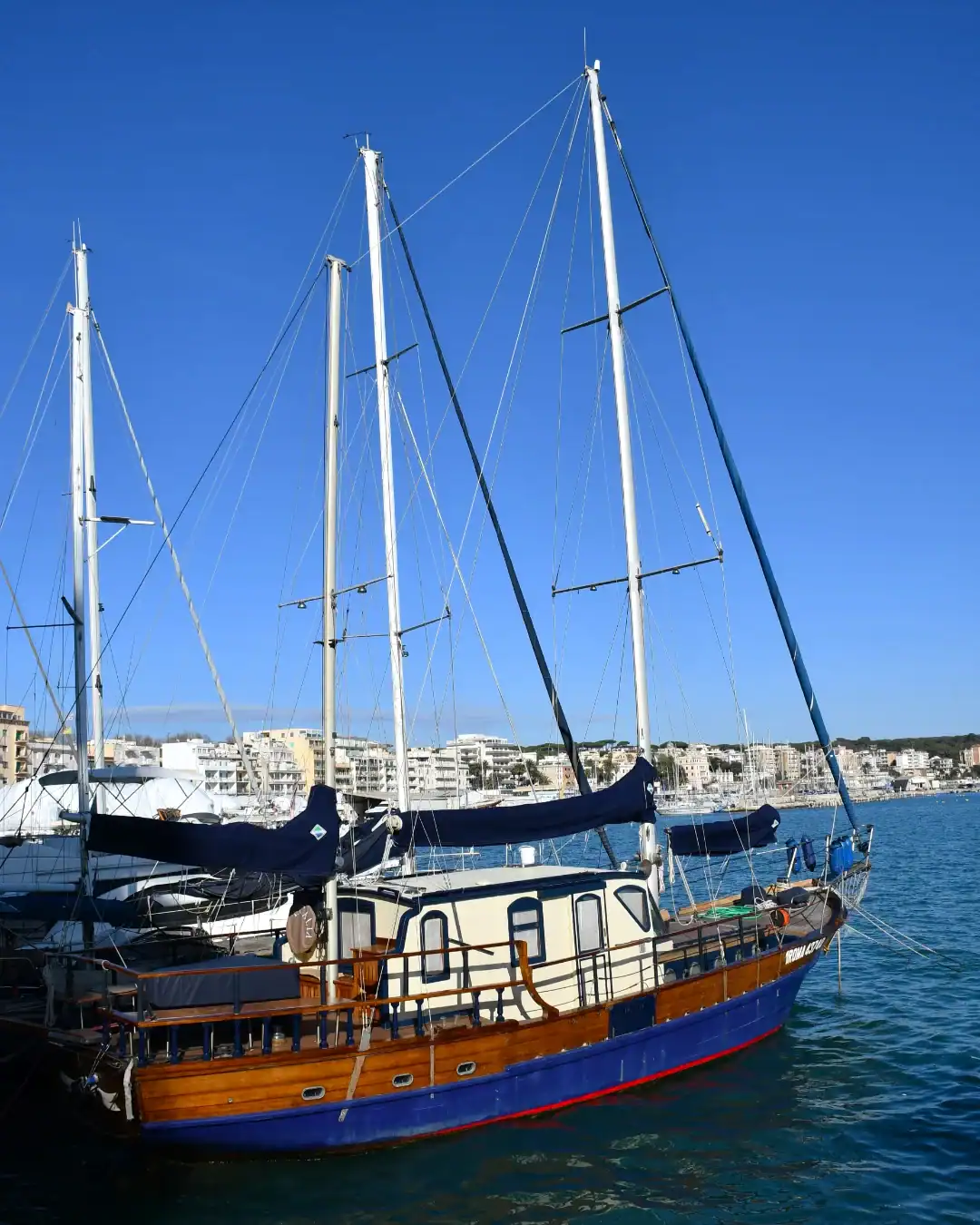
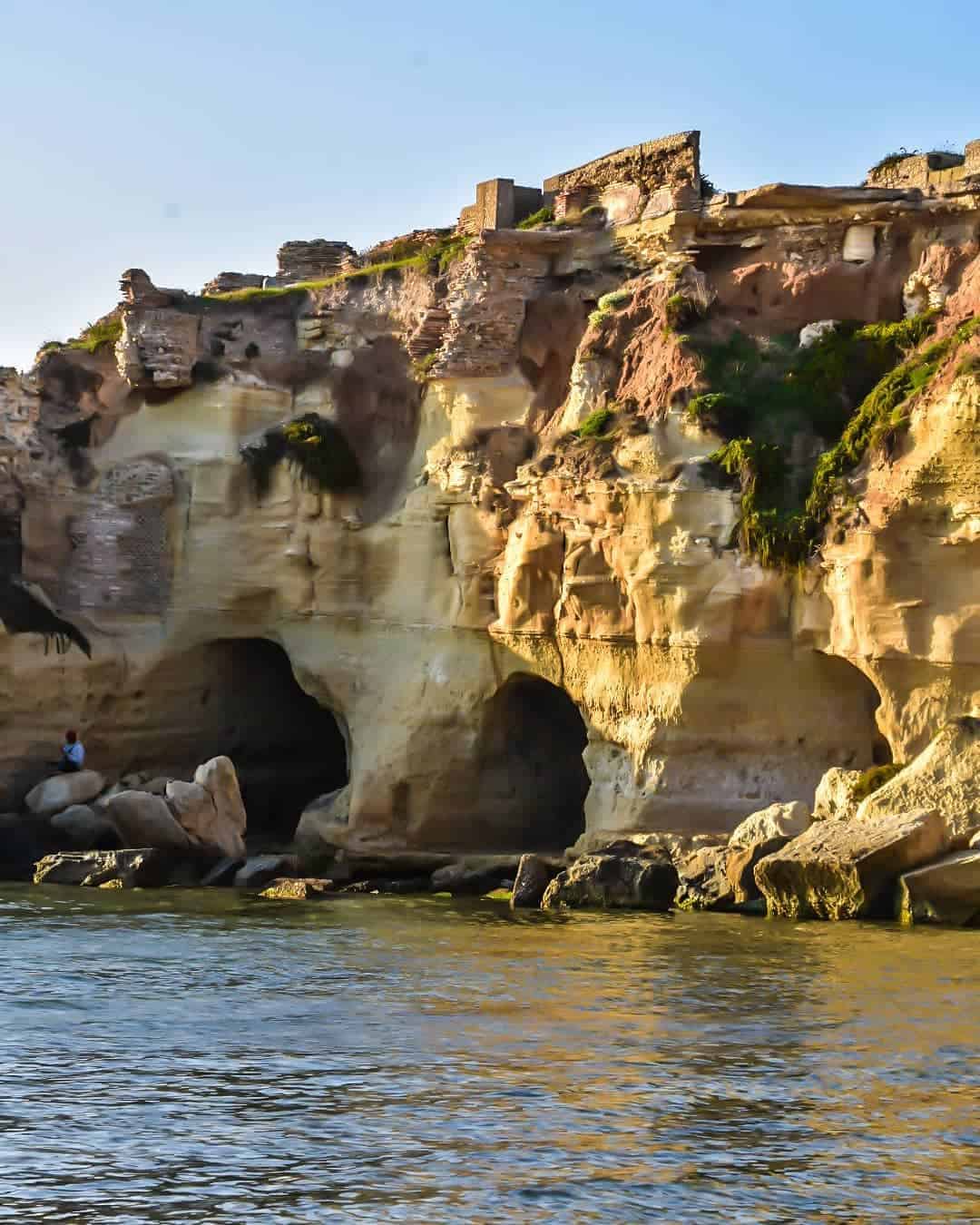
Anzio also has an interesting layer of history. You can walk along the harbor, watch fishing boats come in, and even see the remains of the so-called Grotte di Nerone, ancient Roman ruins along the shoreline traditionally linked to Emperor Nero.
The town center is compact and walkable, with plenty of gelato shops and casual seafood restaurants near the marina. It’s not overly polished or touristy, which adds to its charm.
How to Get There
Take a regional train from Roma Termini to Anzio railway station, which takes about 1 hour. From the station, it’s just a short walk to the harbor and nearby beaches.
Civita di Bagnoregio
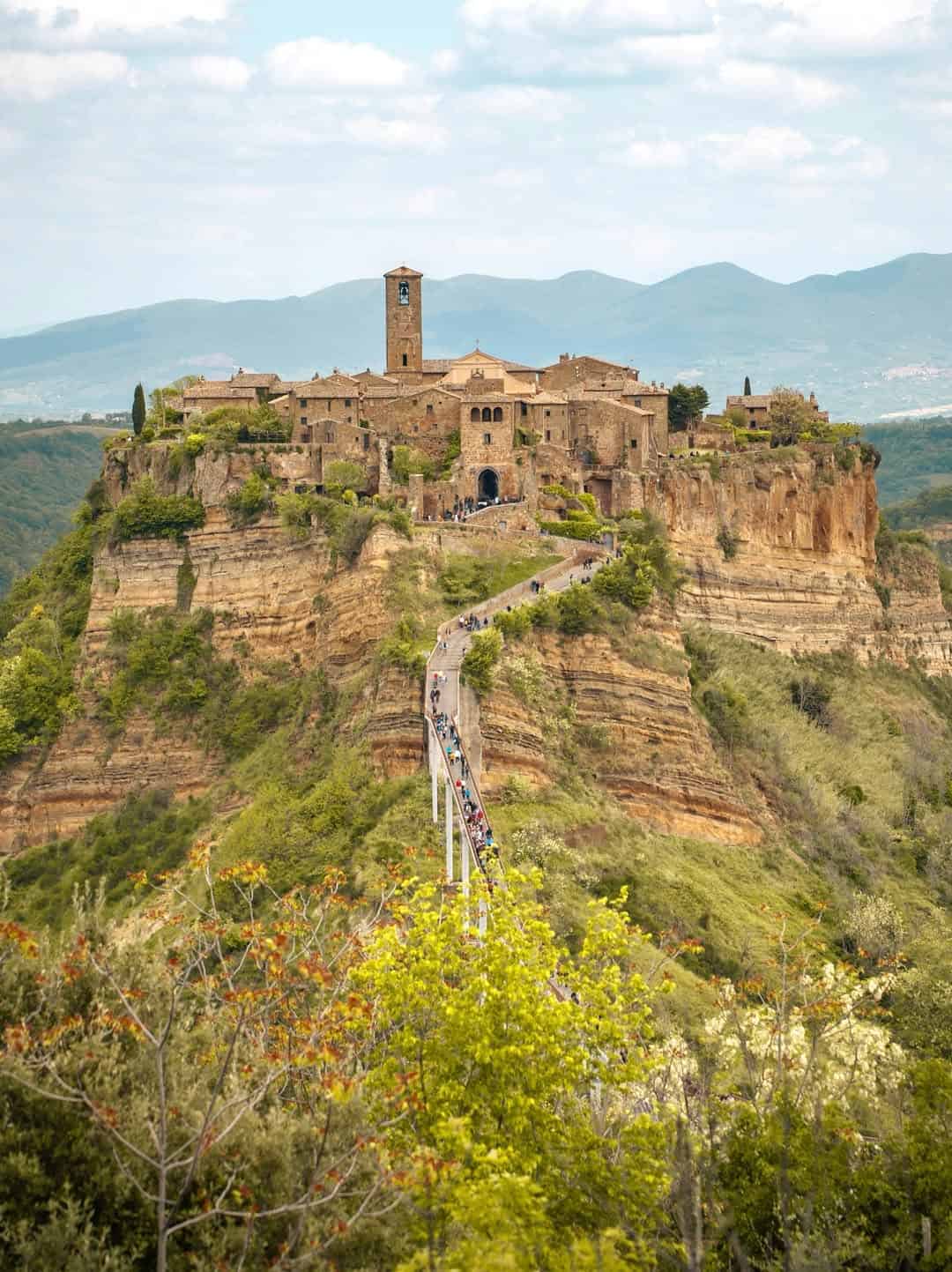
This destination is located above a valley of eroded clay hills in the north of Rome and dates back more than 2,500 years to Etruscan times.
Over centuries, wind and rain steadily eroded the surrounding landscape, earning the town the nickname “the dying city.” Today, only a small number of residents remain.
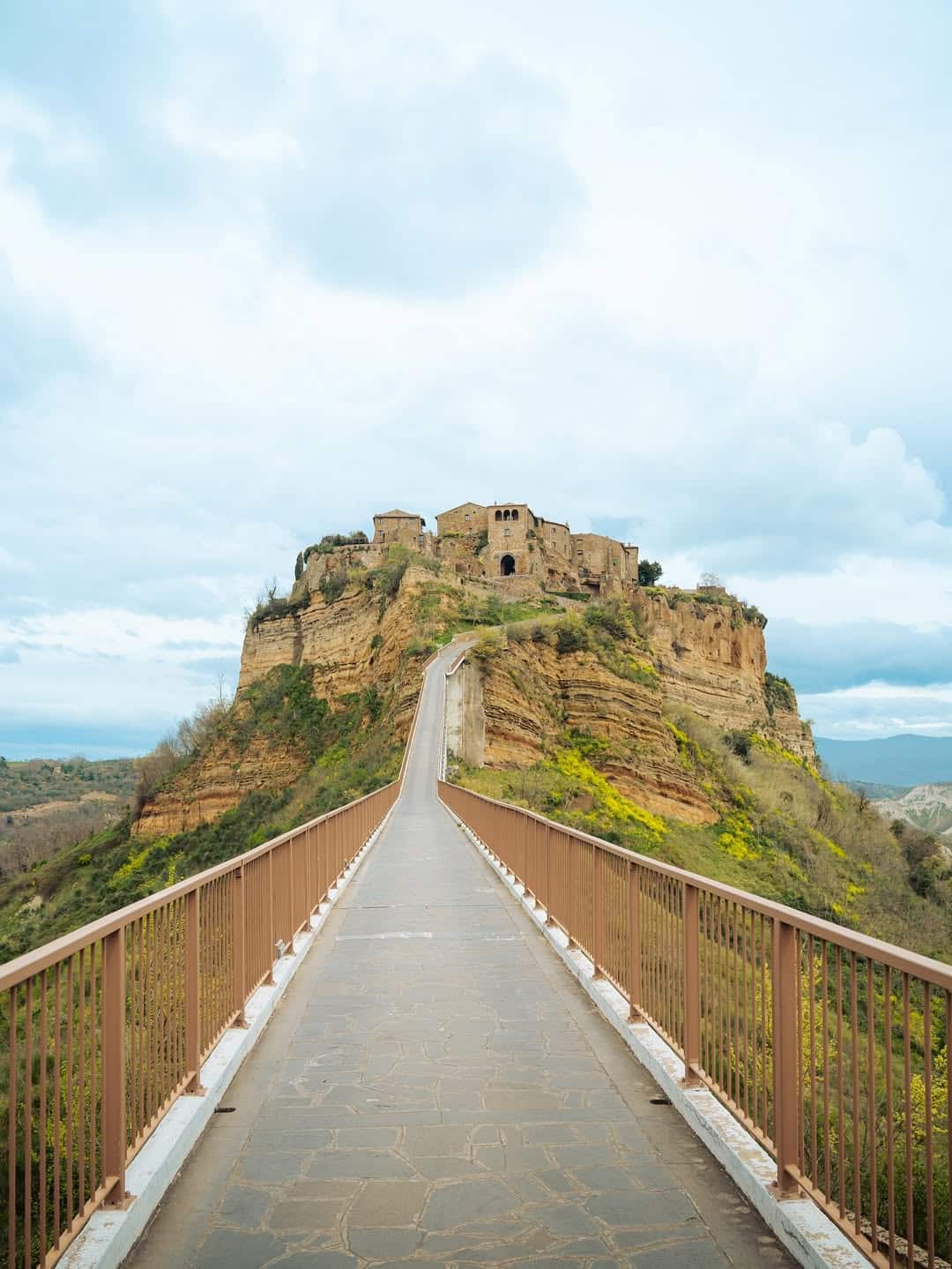
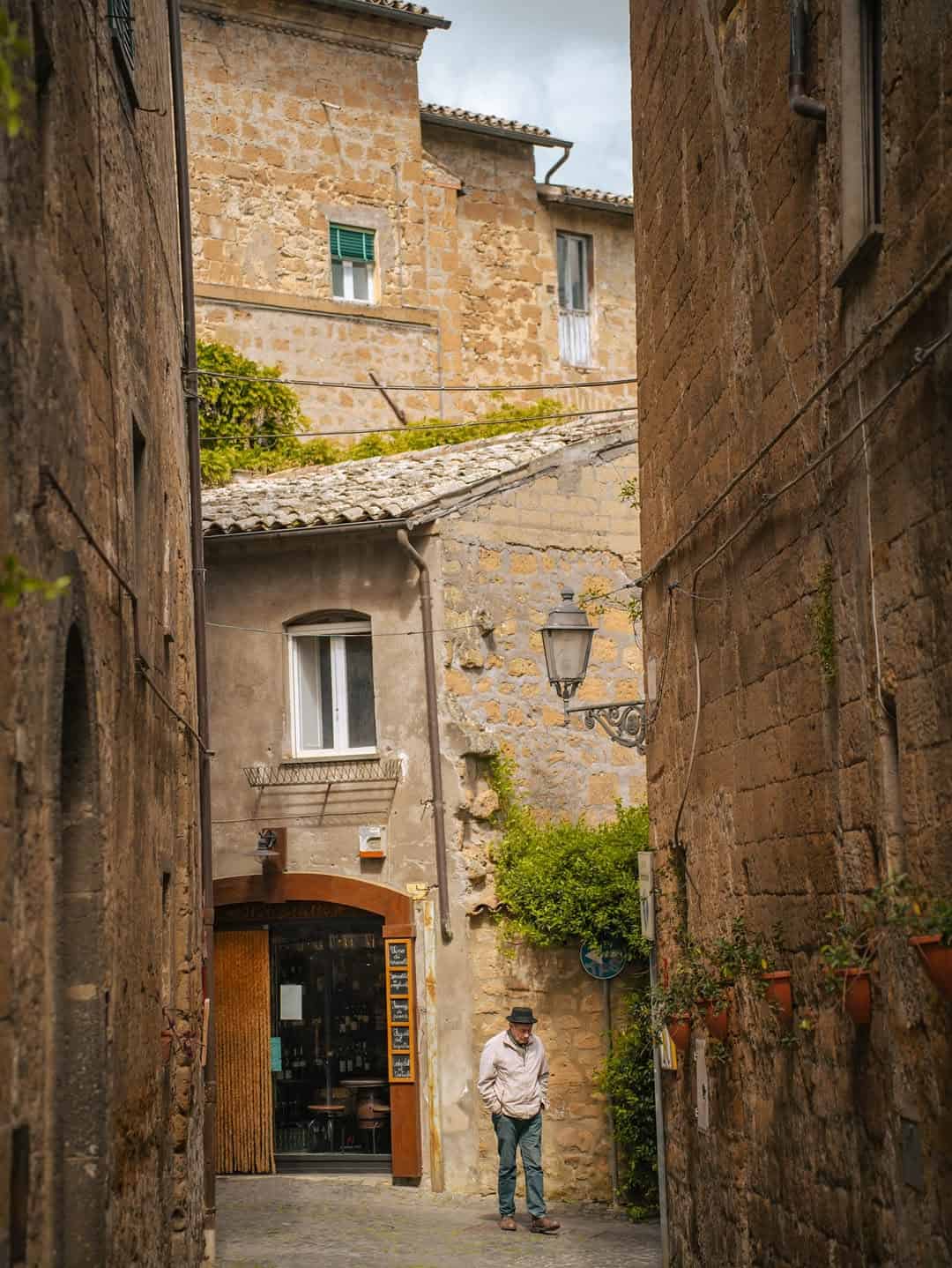
Tourists can still cross a long pedestrian bridge to enter one of Italy's most atmospheric medieval villages.
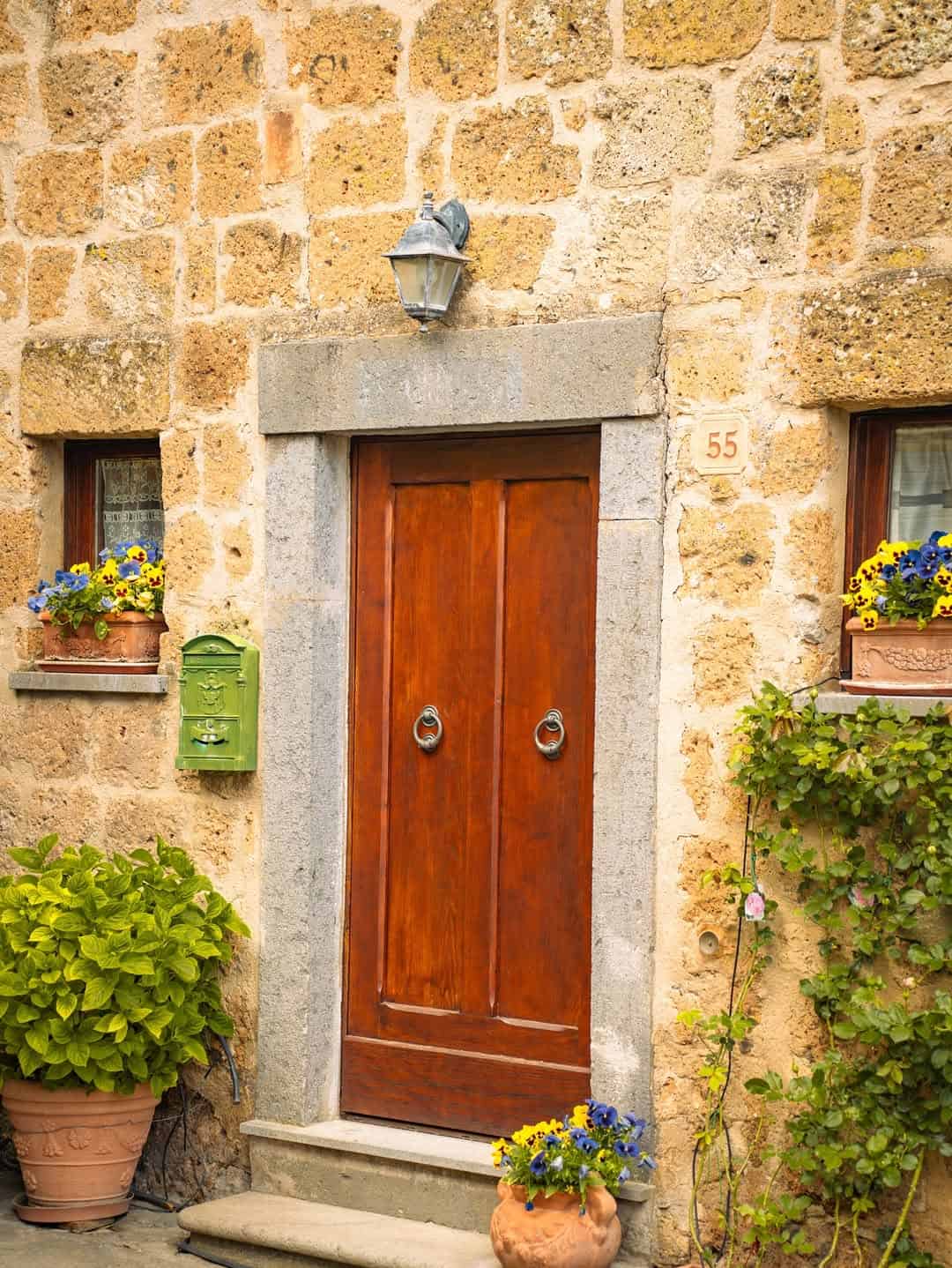
Once inside, explore narrow stone lanes, admire flower-filled balconies, and visit San Donato Church in the main piazza. Stop at viewpoints along the edges of the village for sweeping panoramas of the dramatic badlands below.
How to Get There
Take a train from Rome to Orvieto, then continue by bus or taxi to Bagnoregio. From there, take a 10 to 15-minute walk across the bridge to Civita. It's about 2 to 2.5 hours from Rome, quite a bit far from the city, but still manageable.
Naples
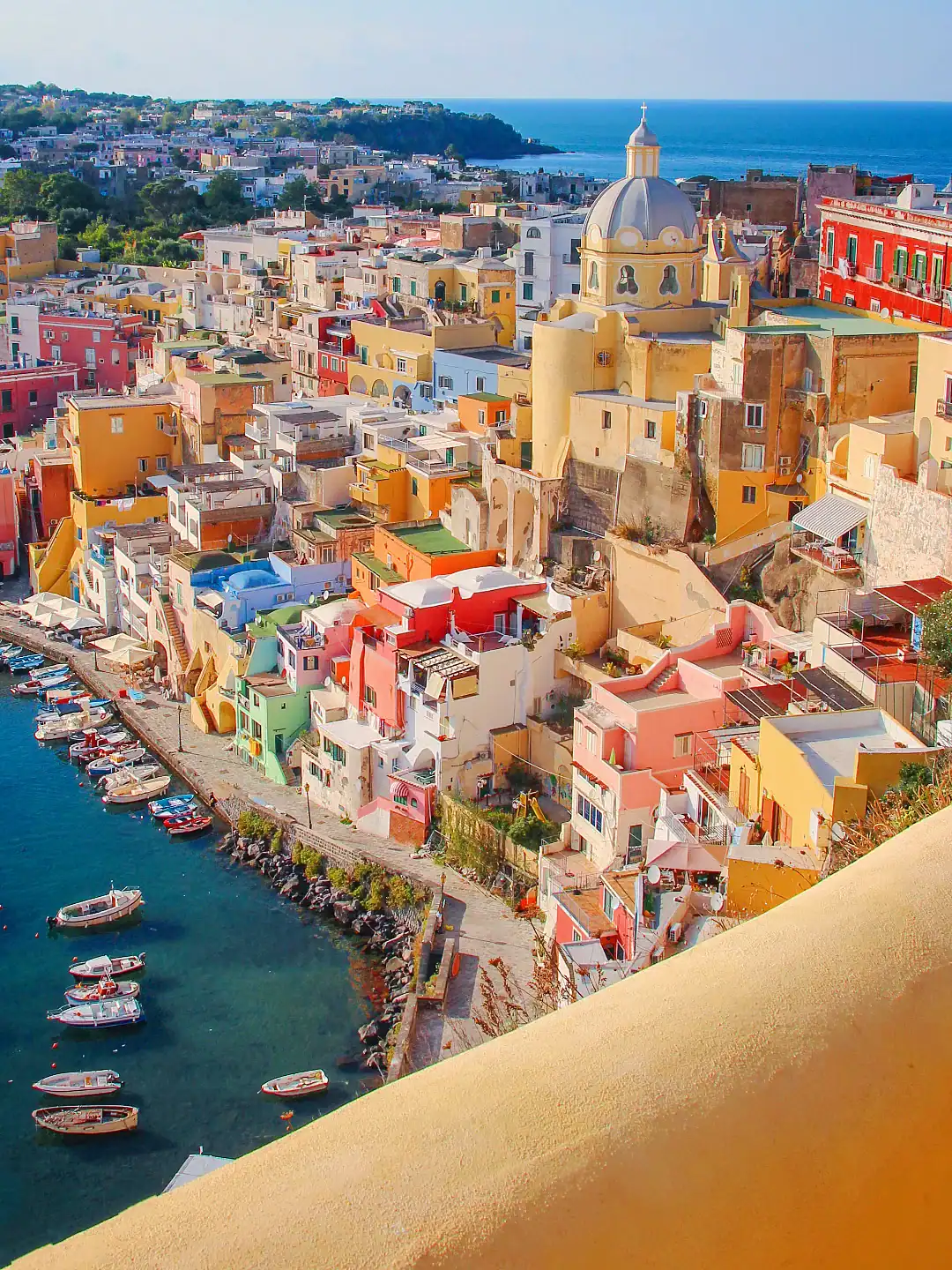
Naples ranks among Italy’s oldest continuously inhabited cities. Indeed, it was founded by the Greeks as Neapolis in the 8th century BCE. It's most famously considered to be the birthplace of pizza.
I visited there as part of my MSC Fantasia cruise across the Mediterranean. We took a quick day trip, and the city immediately impressed me with its layers of history and vibrant street life.

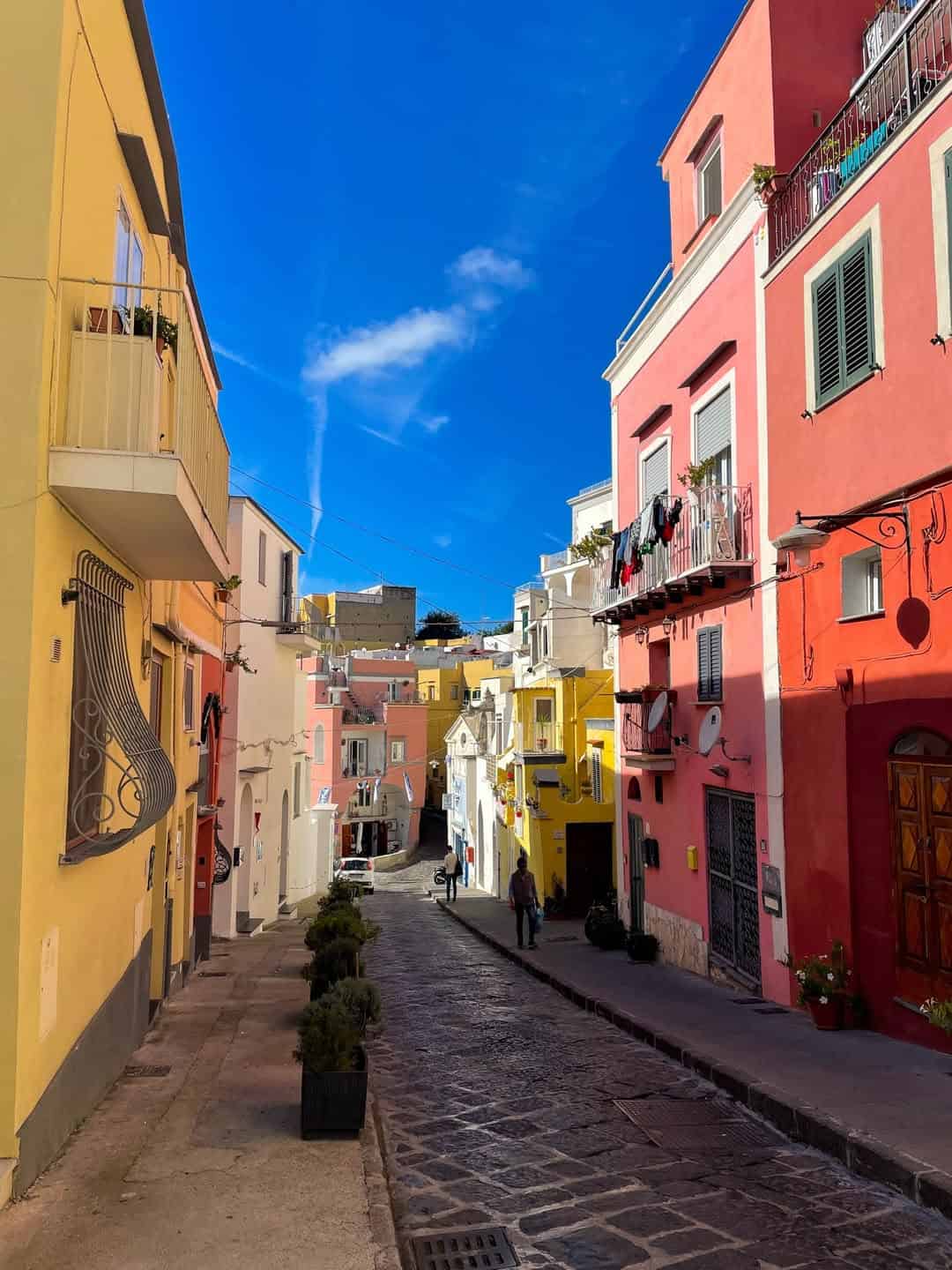
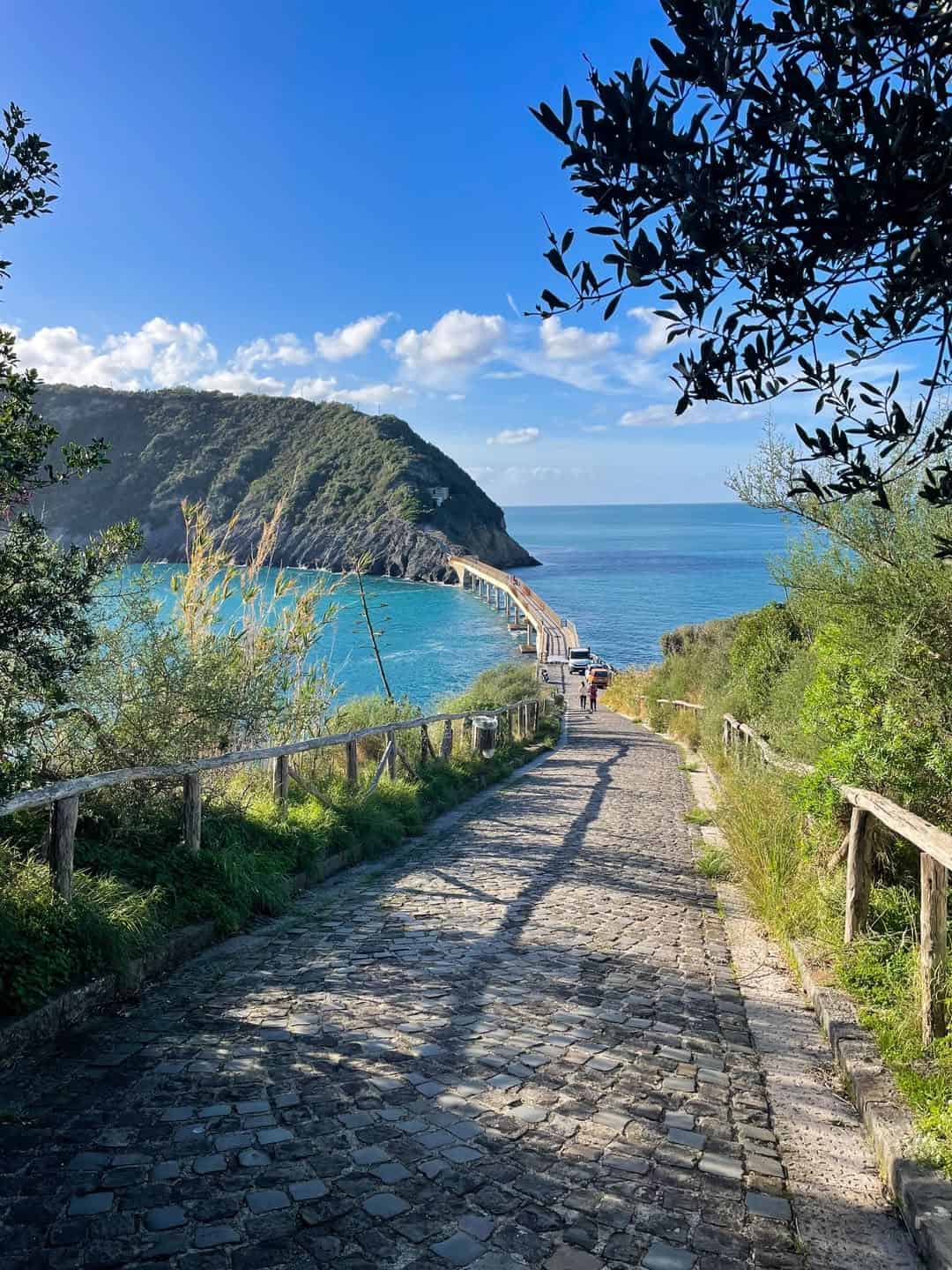
Walk through the historic center and explore Spaccanapoli, the narrow street that cuts through the old town.
You can also tour the Naples National Archaeological Museum to see treasures from Pompeii and Herculaneum, visit the Royal Palace, and descend into the underground tunnels of Napoli Sotterranea. For sweeping views, head up to Castel Sant’Elmo.
How to Get There
To go from Rome to Naples, take a fast train from Roma Termini to Napoli Centrale. It's about 1 hour and 10 minutes away. Unless you plan to continue to the Amalfi Coast or Pompeii, the train is generally the simplest and least stressful option.
Pompeii and Vesuvius
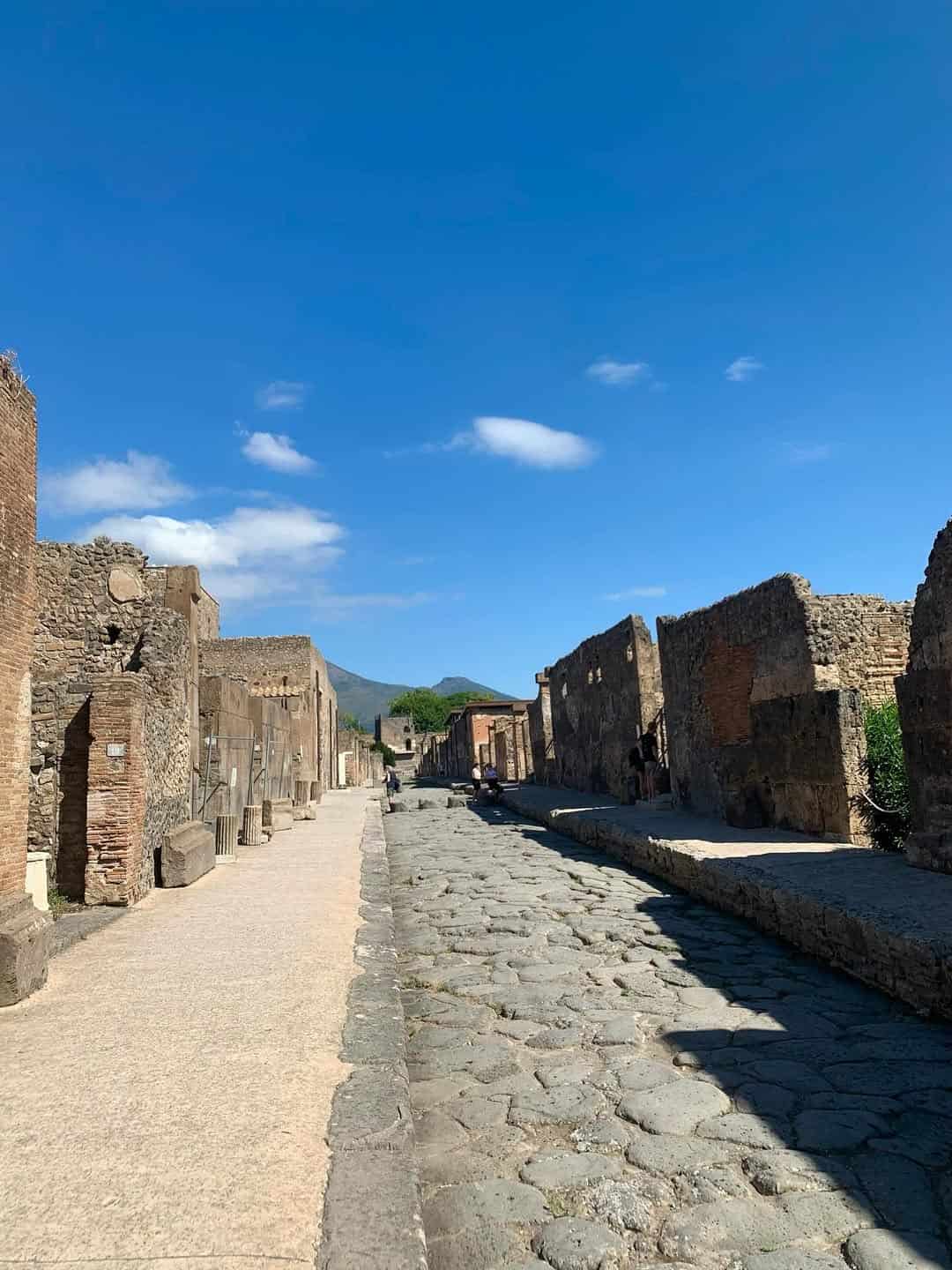
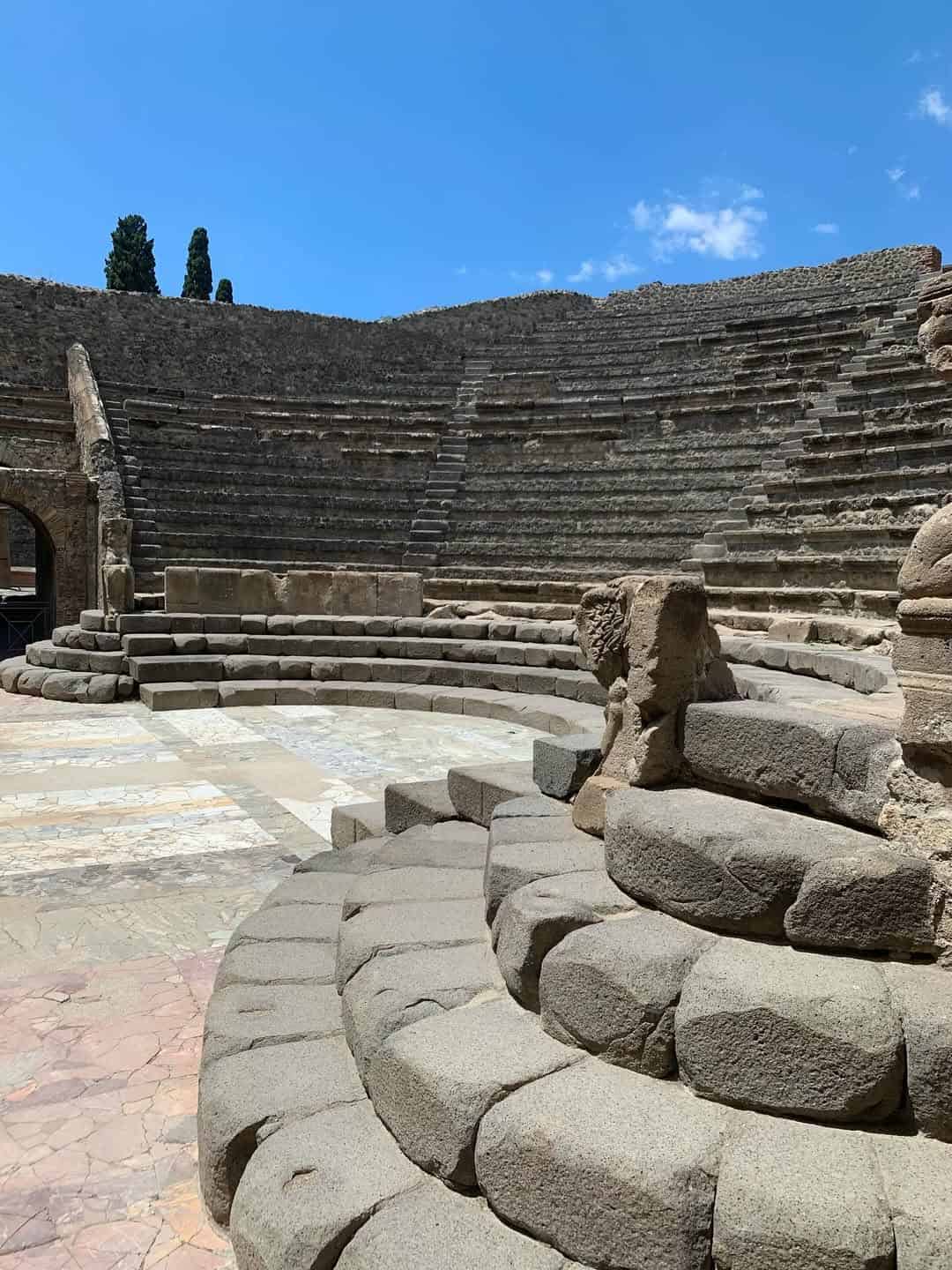
One of the most dramatic historical experiences in Italy is seeing Pompeii and Mount Vesuvius.
You can walk along the original Roman streets, see wheel ruts carved into stone, explore the Forum, and go inside bathhouses, bakeries, and private villas with colorful frescoes on the walls.


After exploring the ruins, travel up Mount Vesuvius itself. You can take a shuttle bus partway and then hike to the edge of the crater, where you can look down into the volcano and see the Bay of Naples all around you.
If you have kids or grandparents with you, I suggest booking a guided tour of Pompeii to make things easier and more comfortable. Our experience was much better because we had a local guide who knew a lot.
How to Get There
Take a high-speed train from Rome to Naples (about 1 hour and 10 minutes), and then switch to the Circumvesuviana train to get to Pompeii. Pompeii is easy to get to in one unforgettable day because there are many departures and clear connections.
Sperlonga
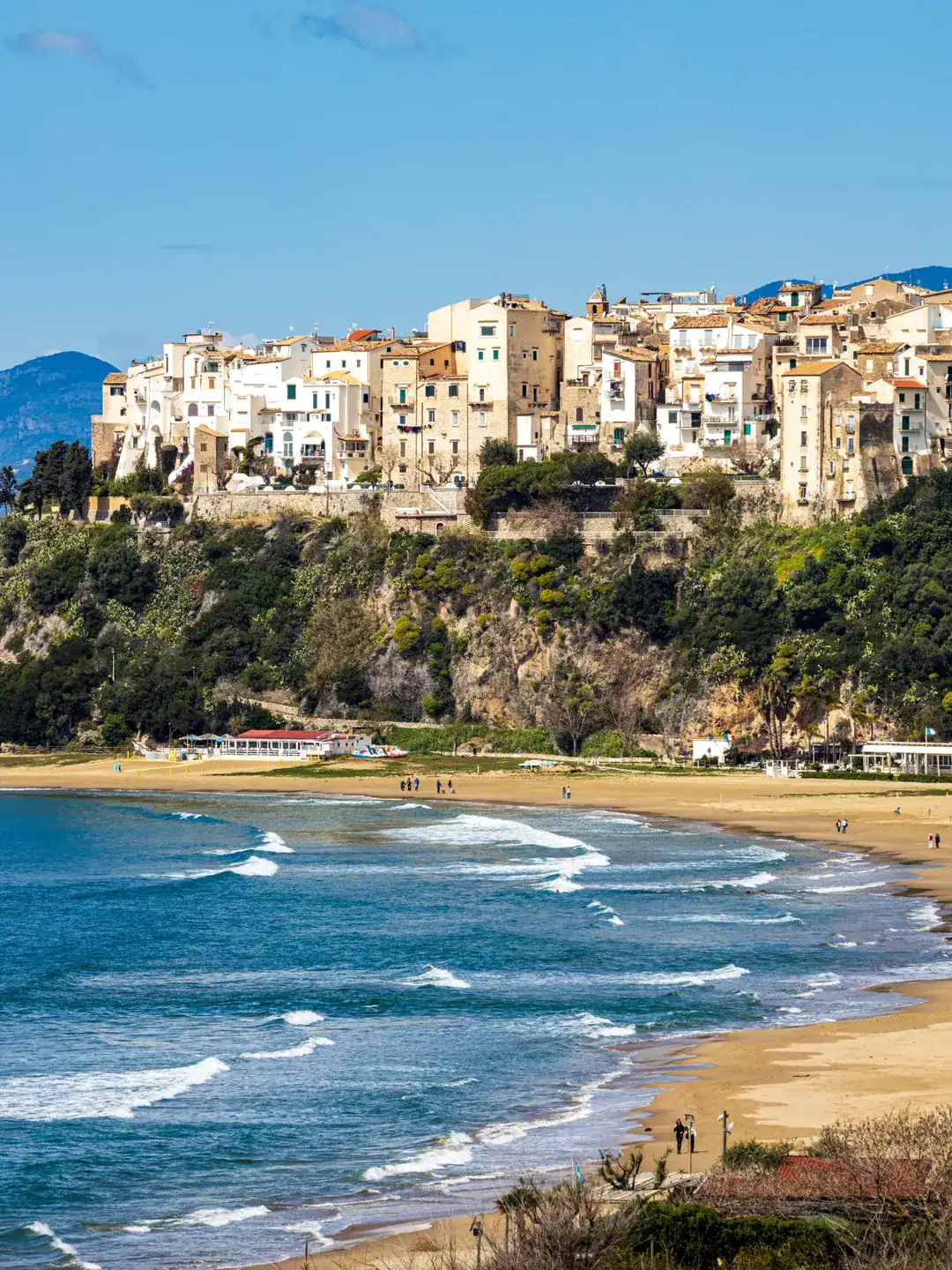
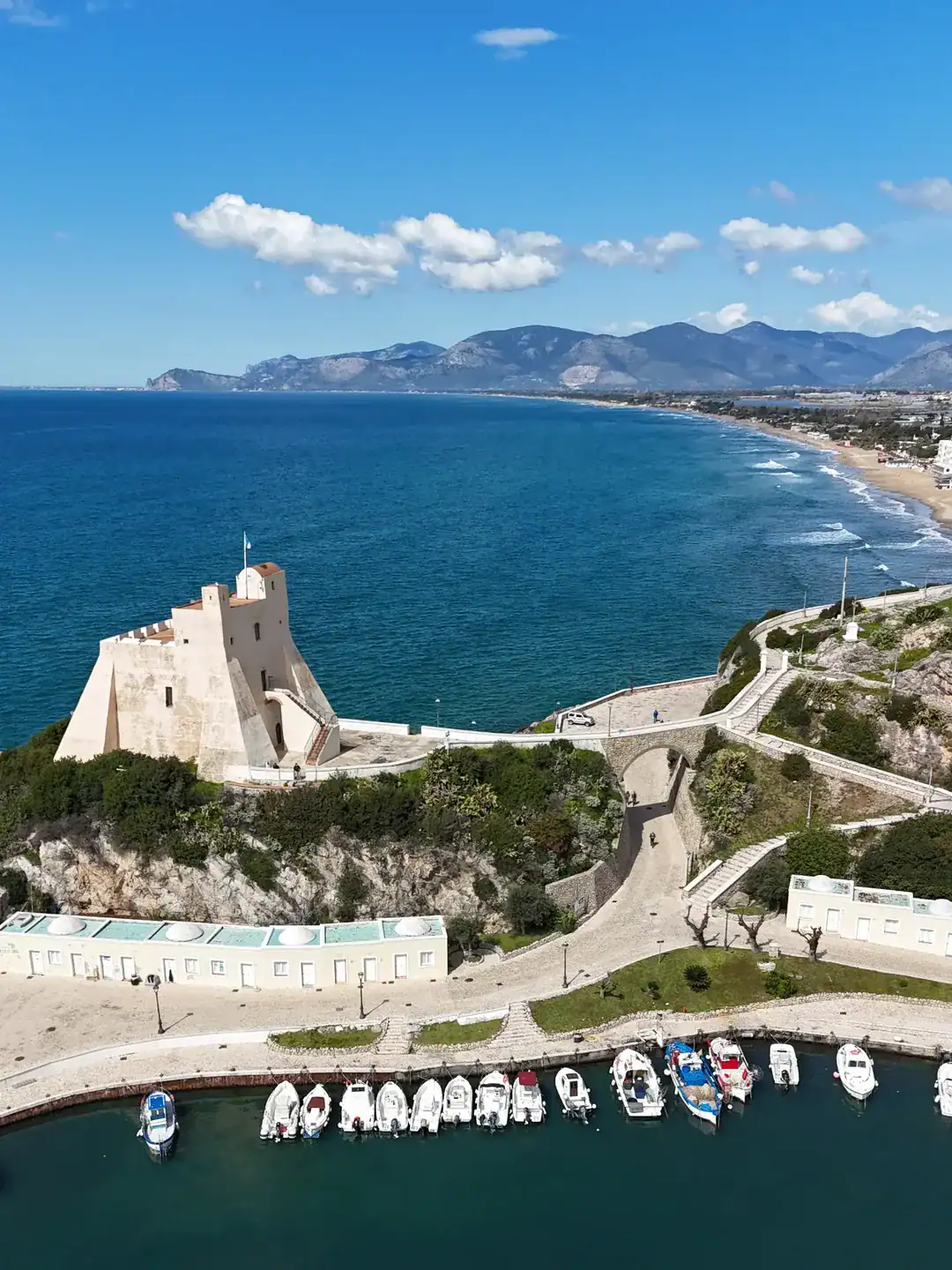
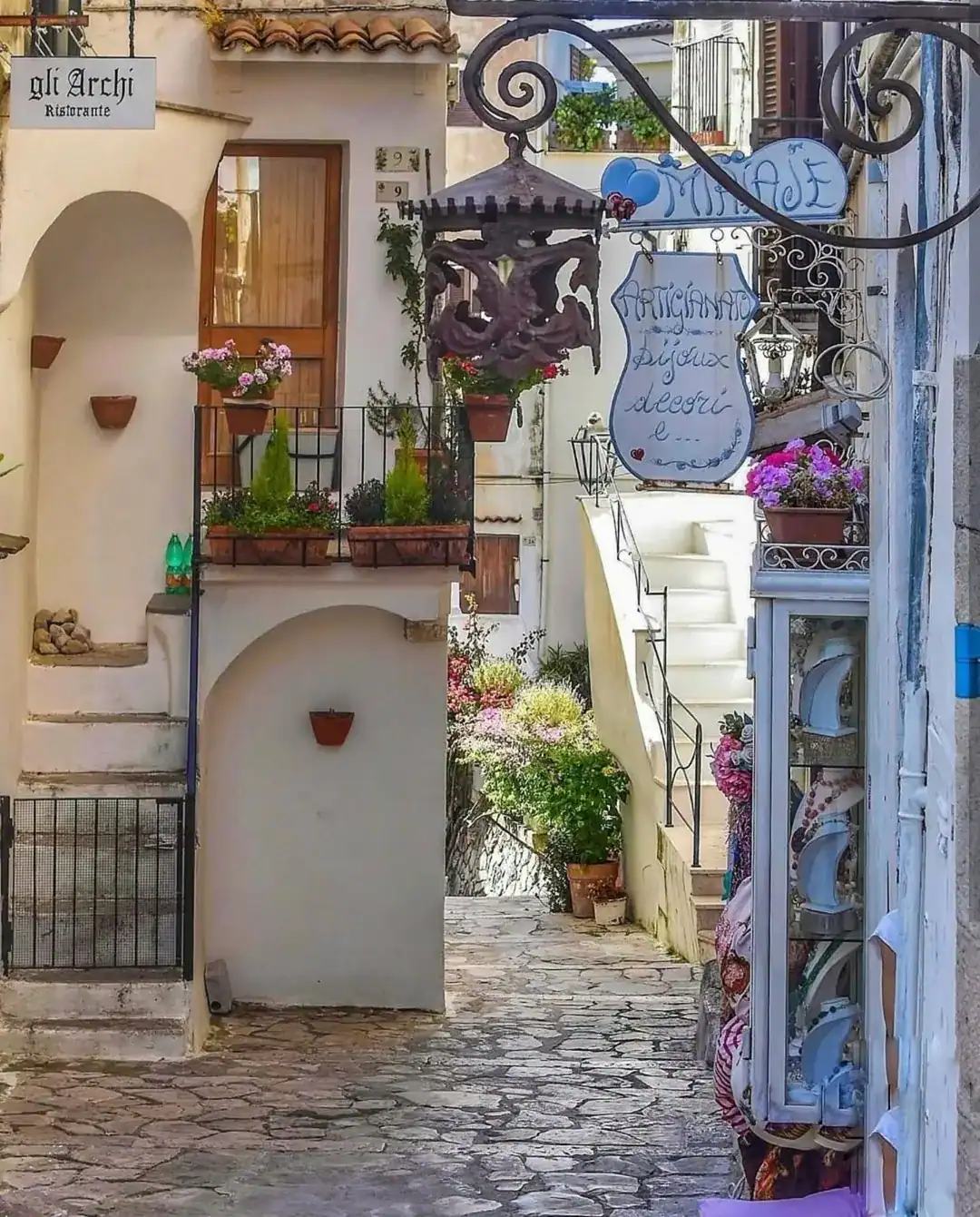
A charming coastal town with whitewashed houses, narrow lanes, and views. Below the town, you’ll find long stretches of sandy shoreline.
Sperlonga is often considered among the best beach options in the south of Rome. It has clear, shallow water ideal for swimming, especially if you have kids with you.
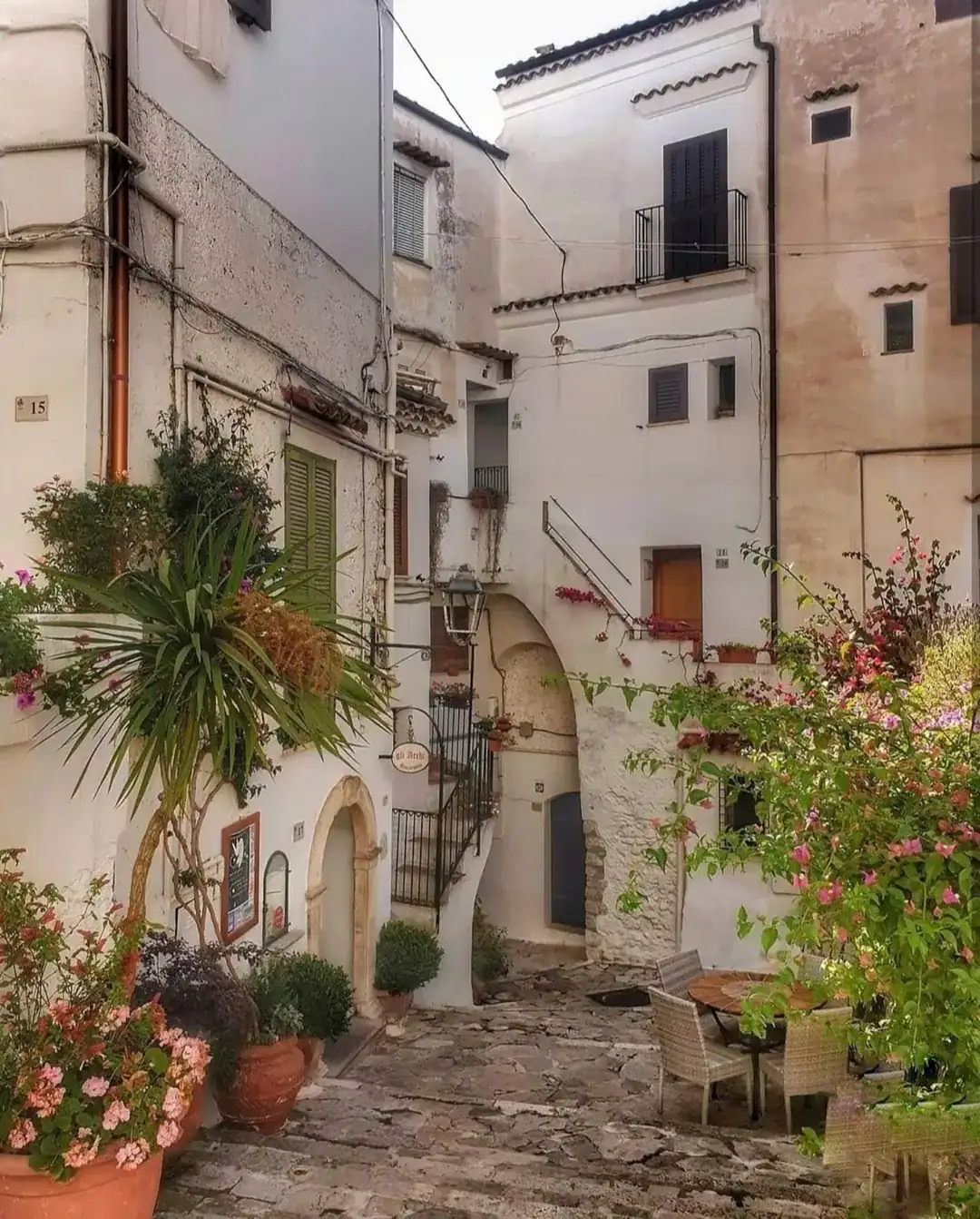
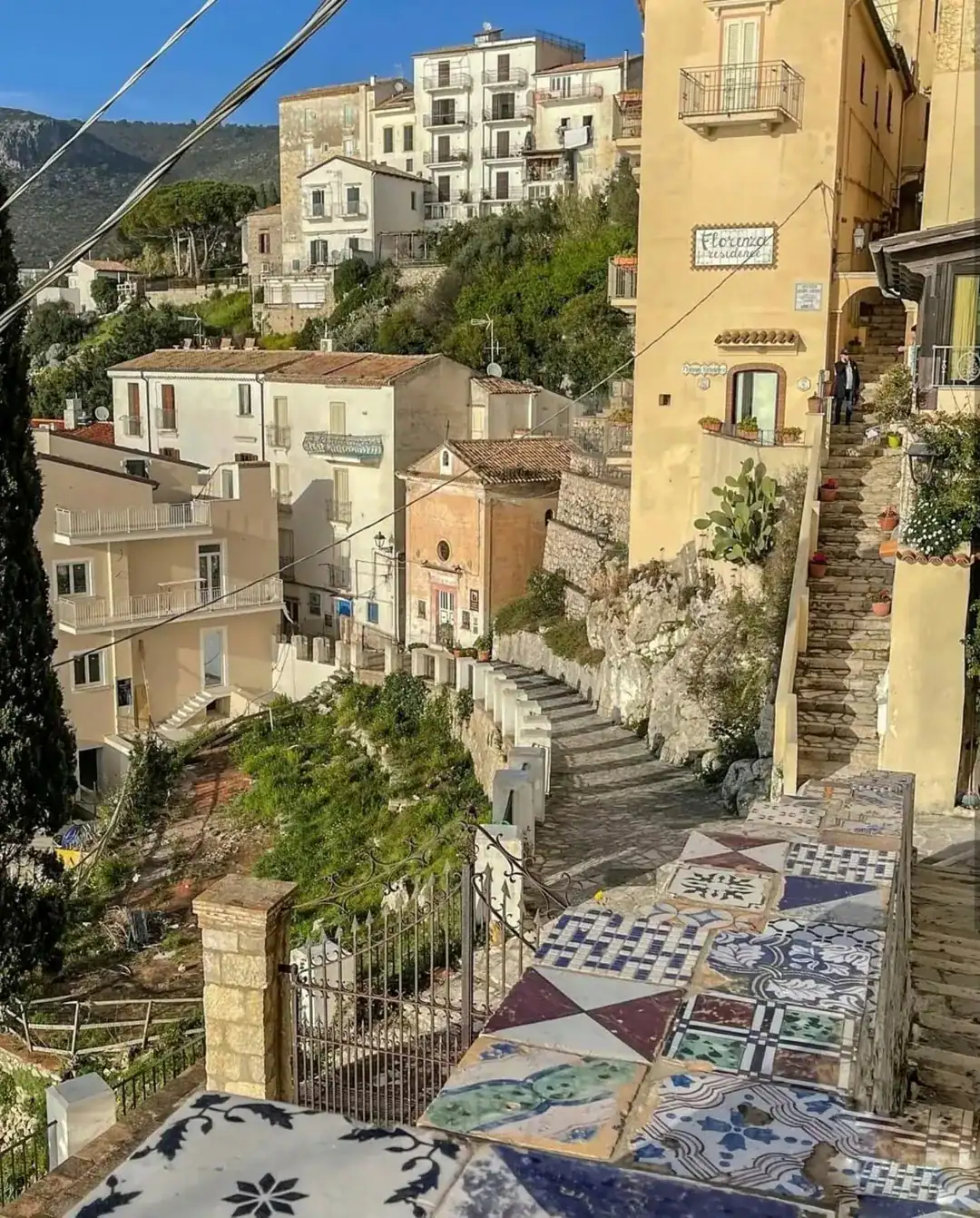
History lovers can visit the remains of Emperor Tiberius’s 1st-century CE villa and the nearby archaeological museum, which displays dramatic marble sculptures discovered in a coastal grotto.
How to Get There
Sperlonga does not have its own train station, so the final stretch always requires a short transfer from Fondi-Sperlonga.
As such, take a direct train to Fondi-Sperlonga (takes about 1 hour), then continue by local bus or taxi to the town and beach area.
Slowing Down Without Missing Out in Rome
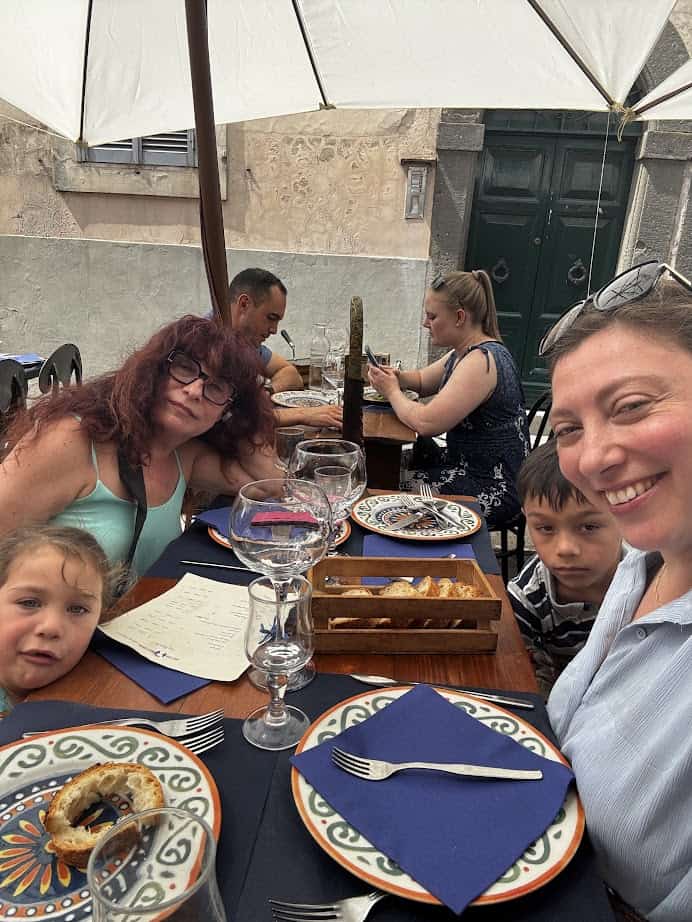
Rome is a fabulous city, and there’s truly nowhere else quite like it. But stepping outside its energy, even just for a day, can make your trip even more meaningful.
Taking time for day trips gave us balance. The beaches, hill towns, lakes, and smaller cities offered breathing room, shorter walking distances, and a slower rhythm that worked beautifully for a visit with kids.
And the best part? At the end of the day, you can always head back to Rome feeling refreshed, recharged, and ready to explore the city all over again.
You get the best of both worlds: peaceful escapes by day and the magic of the Eternal City waiting for you at night.

Leave a Reply