
Hot weather can drain energy fast, especially for travelers not used to the climate. This article features Asia travel hacks that make hot weather easier to handle, focusing on practical habits that help visitors stay more comfortable while exploring busy cities and outdoor attractions. Small adjustments in timing, clothing, and daily routines can make a noticeable difference.
Understanding how experienced travelers handle the heat can help trips feel less exhausting. Better preparation often means smoother days and fewer weather related frustrations. Keep reading to see which travel hacks help the most when dealing with hot weather across Asia.

Dress for Humidity, Not Just Heat

Many first-time visitors focus only on temperature and underestimate how exhausting humidity can feel across much of Asia. Lightweight fabrics such as linen, moisture-wicking shirts, and loose clothing tend to work better than heavier cotton outfits. Dark colors also absorb more heat during long walking days. Travelers who pack breathable layers usually stay more comfortable in cities such as Bangkok, Singapore, and Ho Chi Minh City.
Plan Outdoor Activities Early in the Morning
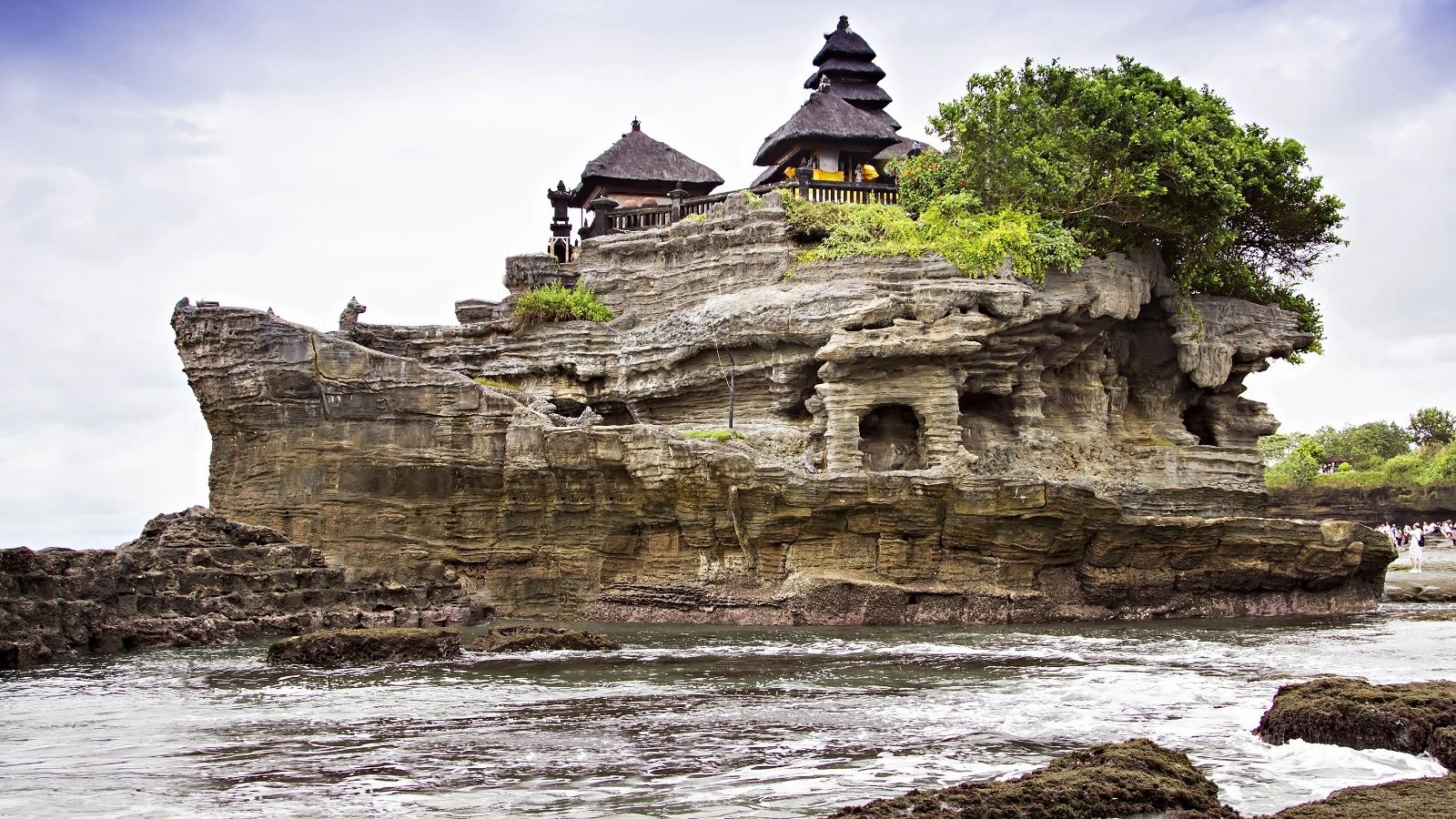
In many Asian destinations, midday heat becomes much more intense than travelers expect. Walking tours, temples, markets, and hiking routes are usually far more manageable before late morning. Cities often become quieter during the hottest afternoon hours as locals shift indoors. Travelers who start early generally avoid both peak temperatures and heavier crowds.
Carry a Small Towel or Handkerchief

Small towels are commonly used across many Asian countries because of the heat and humidity. Travelers quickly realize how useful they become during long walks, public transit rides, and outdoor sightseeing. Convenience stores and local shops often sell compact cooling towels specifically designed for hot weather. This small habit makes daily movement feel much more manageable during humid conditions.
Use Convenience Stores for Cooling Breaks
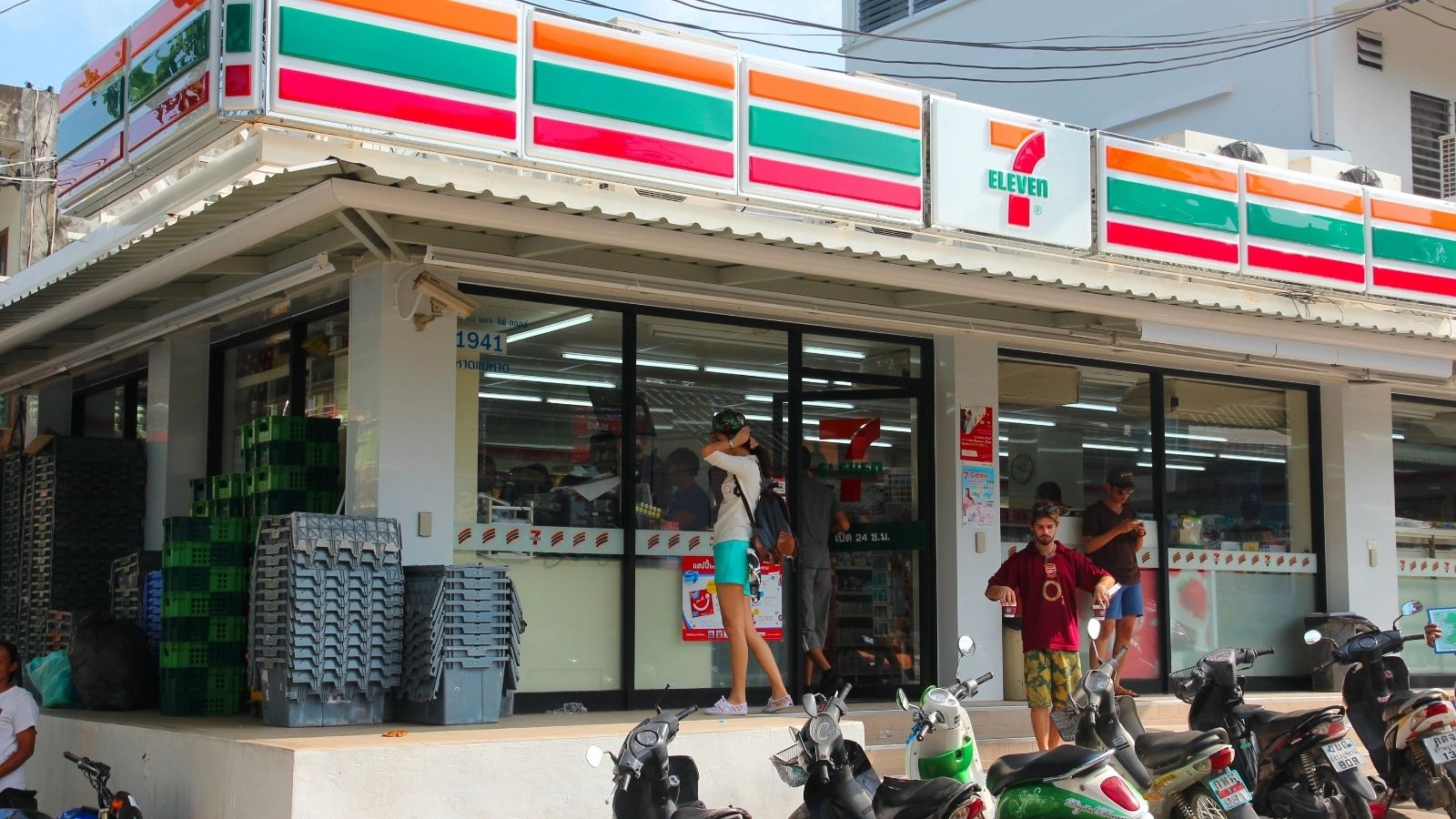
Convenience stores across countries such as Japan, South Korea, Thailand, and Taiwan often become quick recovery spots during hot afternoons. Air conditioning, cold drinks, snacks, and shaded seating provide short breaks from intense humidity. Travelers who constantly stay outdoors without cooling down usually burn out faster during sightseeing-heavy trips.
Stay Hydrated Before You Feel Thirsty

Heat and humidity drain energy quickly, especially in tropical climates. Many travelers underestimate how much water they need while walking through cities or outdoor markets. Convenience stores, vending machines, and small shops make drinks easy to find across most Asian destinations. Electrolyte drinks are also extremely common and often more effective than water alone during long sightseeing days.
Avoid Overpacking Heavy Clothing

Travelers often arrive with far too many layers or thick outfits they never actually wear. In many Asian destinations, lightweight clothing is easier to buy locally than expected. Laundry services are also inexpensive and widely available in places such as Vietnam, Thailand, and Indonesia. Smaller bags become much easier to manage when moving through humid cities, train stations, and crowded sidewalks.
Want to save this?
Use Underground Transit Whenever Possible
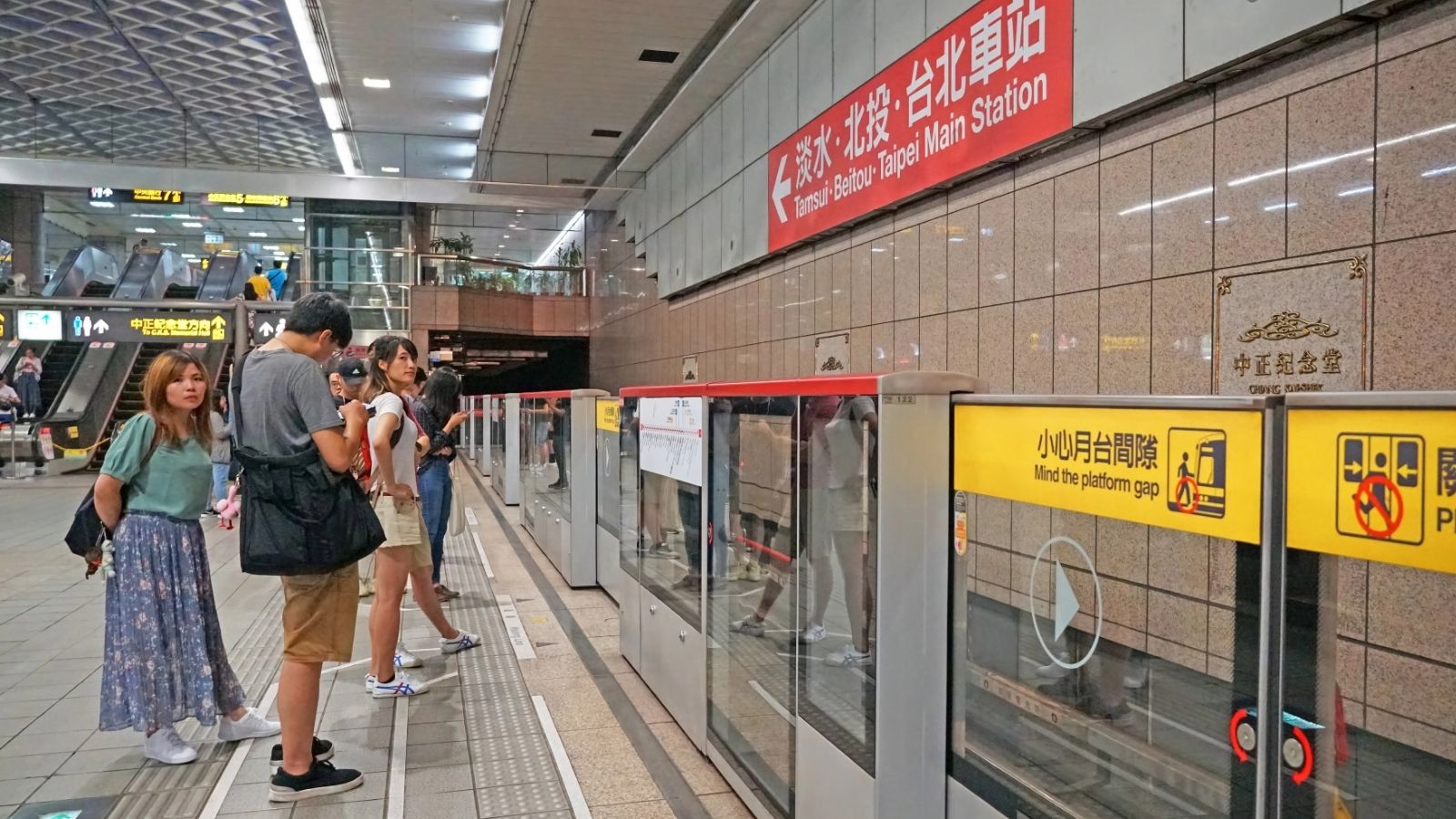
Subways and underground walkways often provide major relief from heat in cities such as Tokyo, Seoul, Singapore, and Taipei. Walking above ground during midday heat can become exhausting quickly, especially with luggage or long sightseeing schedules. Many first-time visitors underestimate how useful air-conditioned transit systems become throughout the day.
Carry Cash for Cold Drinks and Small Purchases
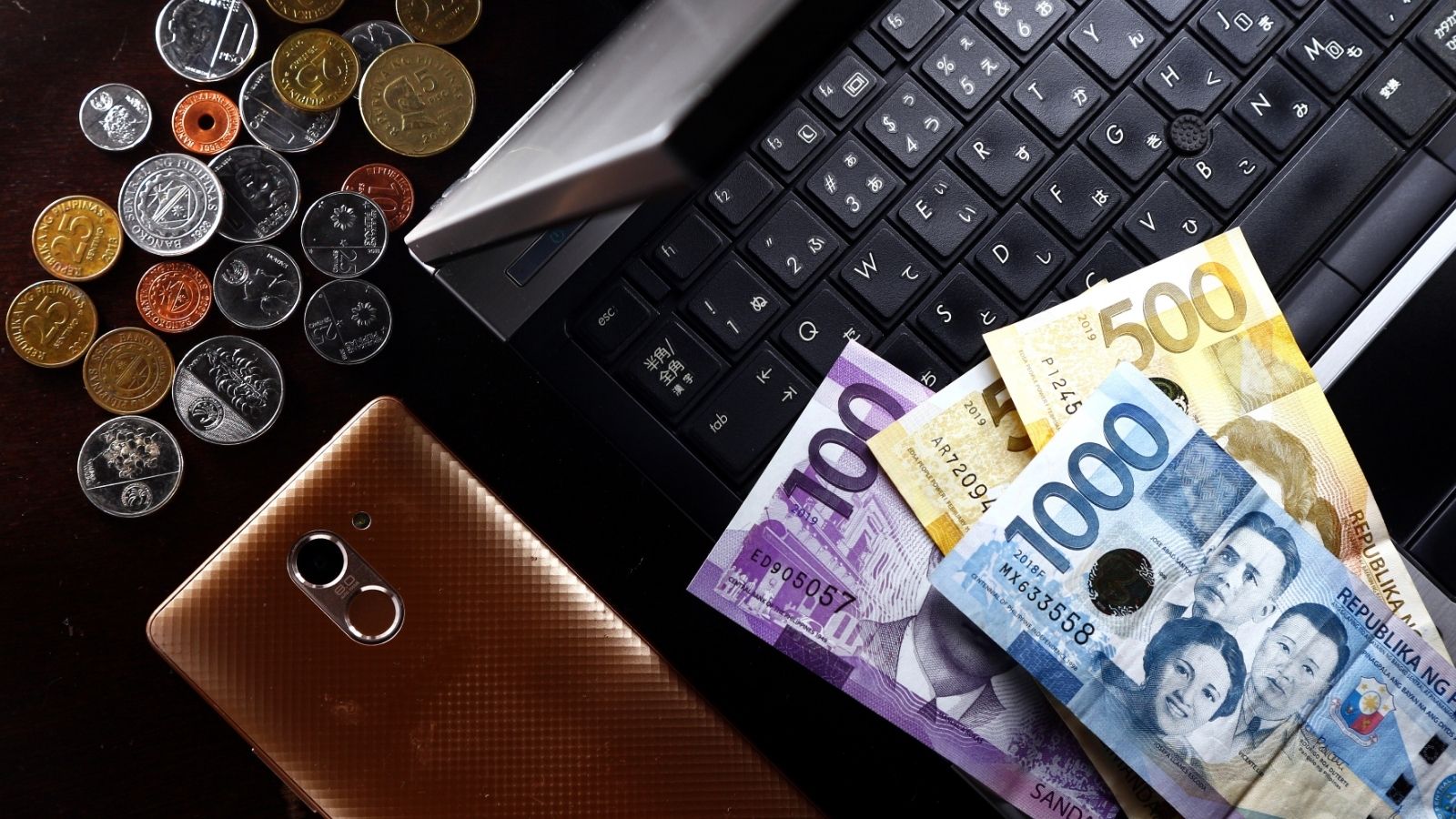
Street vendors, small cafés, and local shops often sell inexpensive cold drinks, fruit, and snacks that help travelers cool down quickly. Some smaller businesses still prefer cash, especially outside major tourist districts. Having small bills available makes quick stops easier during hot afternoons when travelers need frequent breaks.
Book Hotels Near Transit Stations
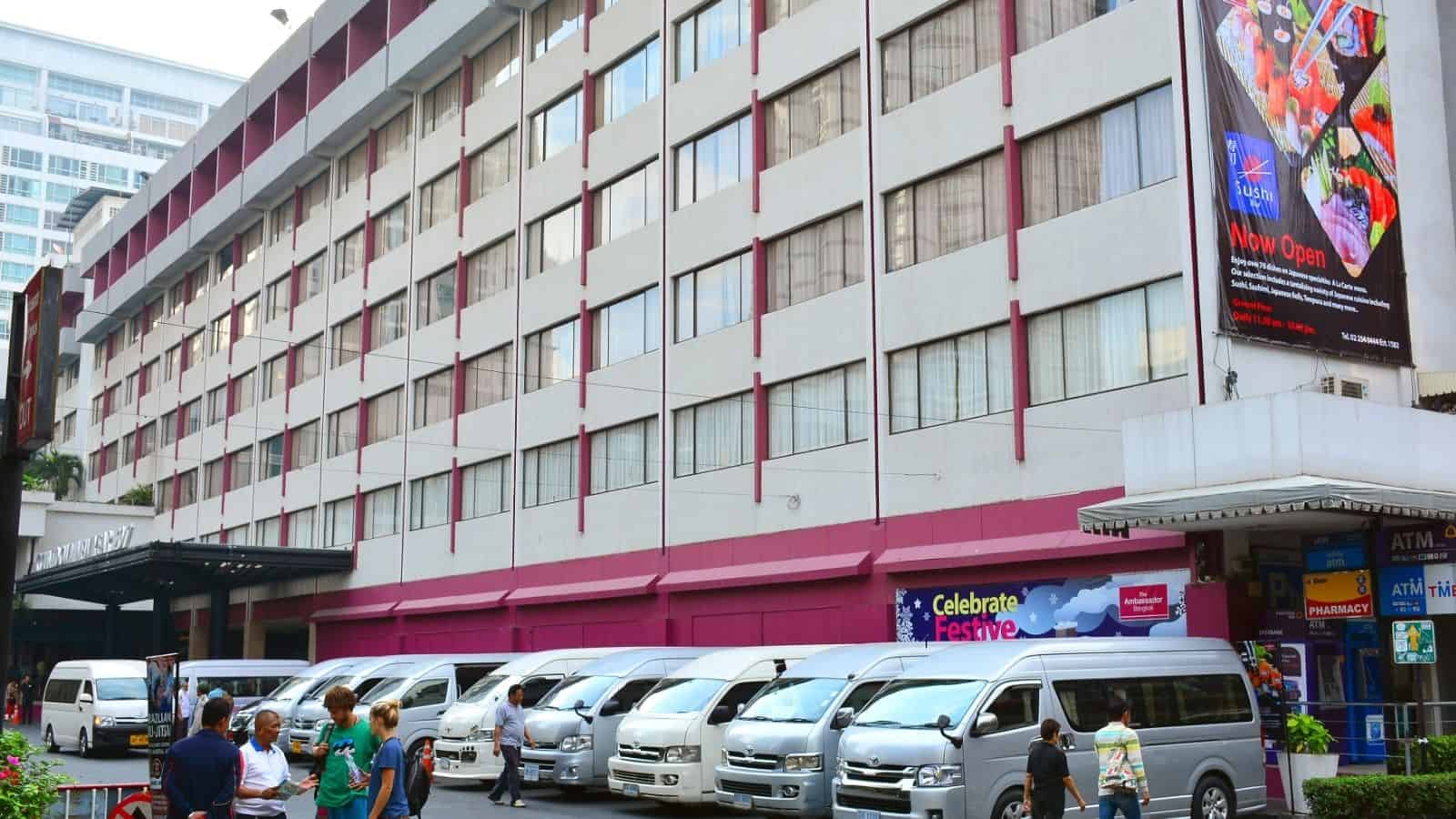
Heat feels much worse when travelers spend long periods walking between transportation and accommodations. Staying near train stations or transit hubs reduces exposure during the hottest parts of the day. In cities such as Bangkok, Tokyo, and Kuala Lumpur, a short walk can make a major difference in comfort levels during humid afternoons.
Take Advantage of Late Evening Hours
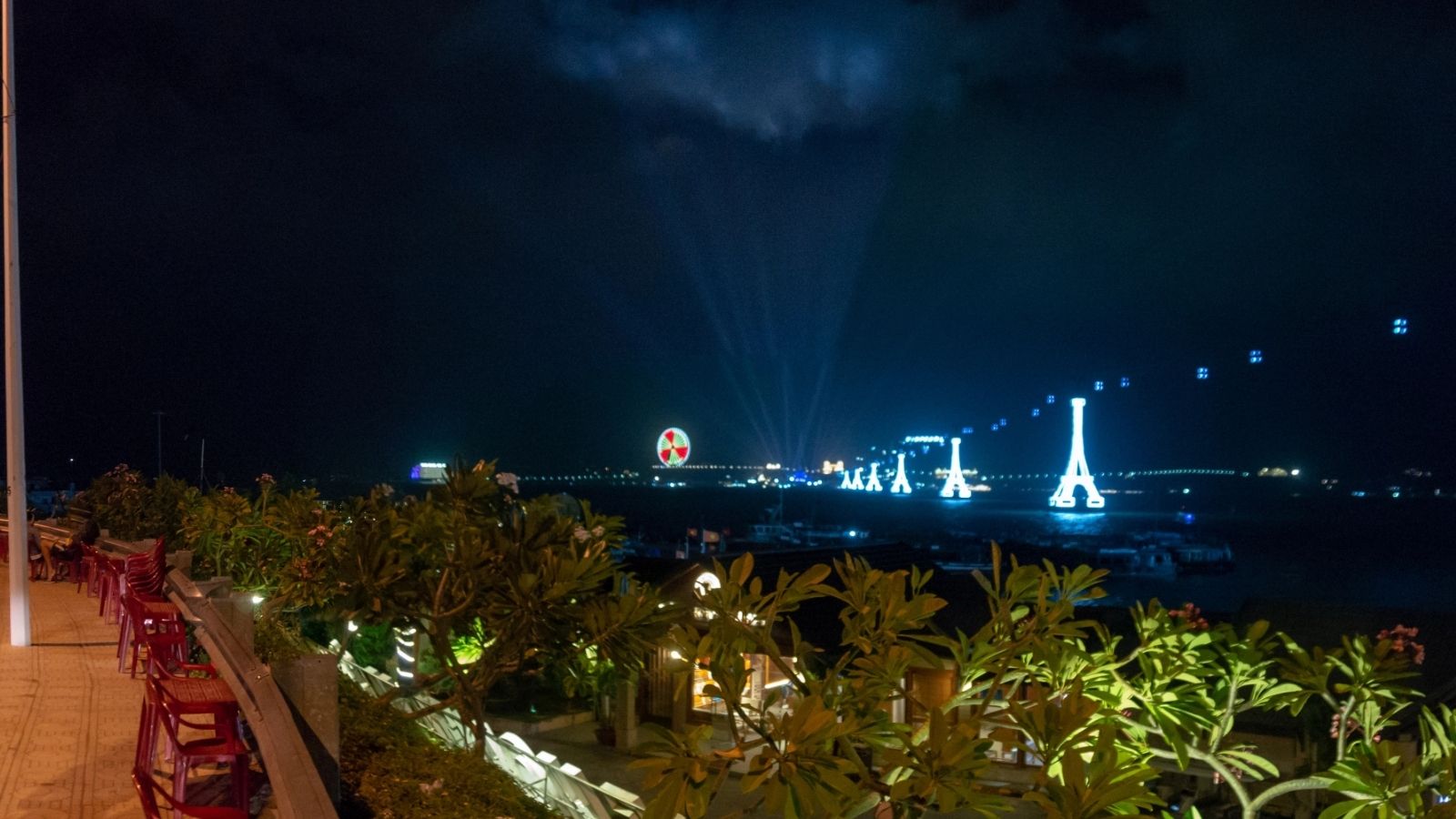
Many Asian cities stay active long after sunset, which helps travelers avoid peak daytime temperatures. Night markets, evening temple visits, rooftop dining, and late shopping hours allow sightseeing to continue after the heat eases. Travelers who shift more activities into the evening often find the overall pace much easier to handle.
Accept That You Will Need More Breaks
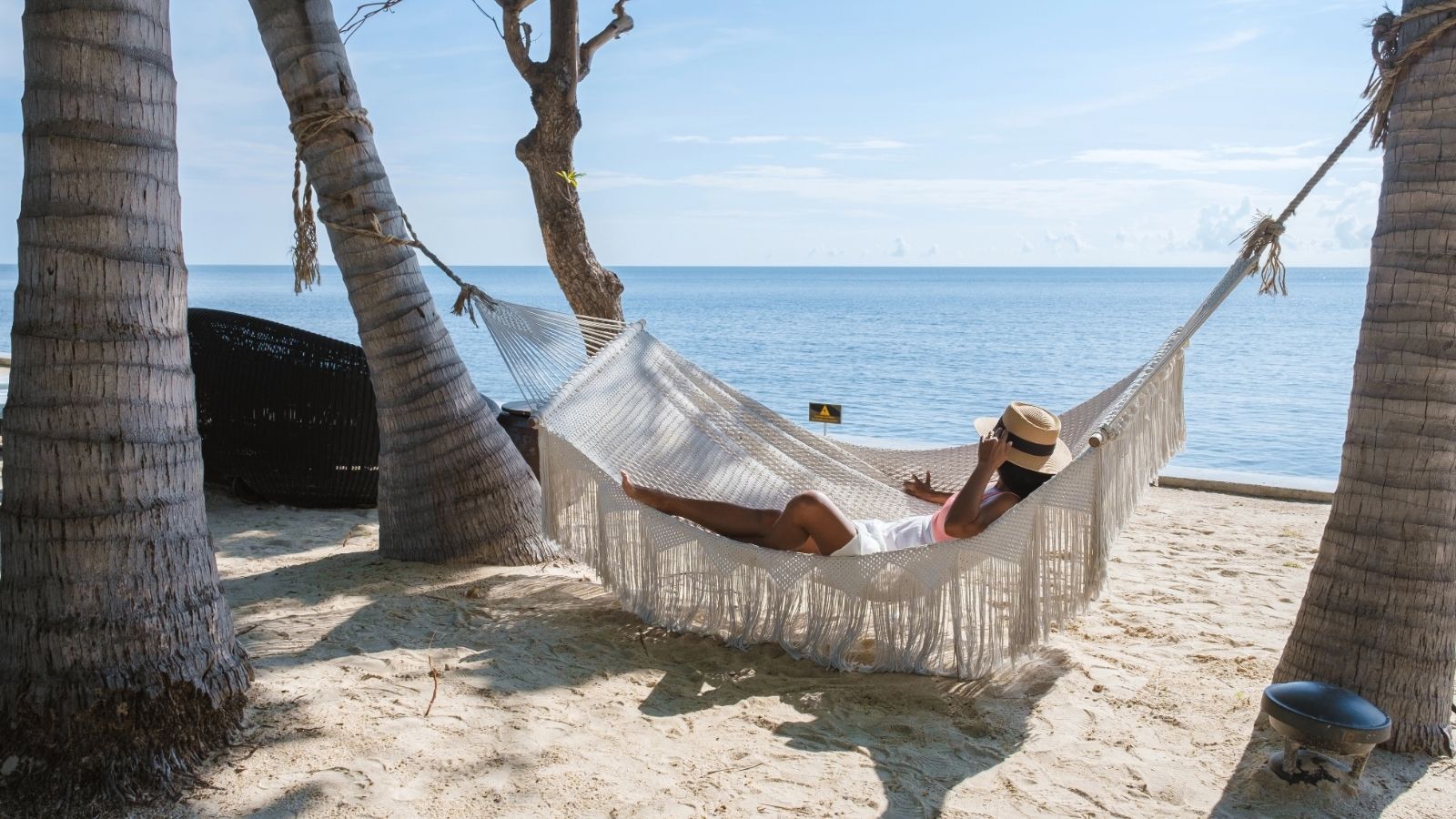
Many first-time visitors try to maintain the same pace they would use in cooler destinations and end up exhausted quickly. Heat and humidity slow movement, increase fatigue, and make long walking days harder to sustain. Building in café stops, indoor attractions, and slower afternoons usually creates a far more comfortable experience. Travelers who adjust expectations early often enjoy the trip much more.
10 Destinations That Backpackers Return To

Backpackers often move quickly from place to place, but some destinations pull them back more than once. This article features destinations that backpackers return to, focusing on places known for strong traveler networks, affordable stays, and routes that make long term travel easier. These spots tend to balance social energy with practical advantages.
Read More Here: 10 Destinations That Backpackers Return To
9 Places in the U.S. Where Spring Travel Costs Less for Families
Spring can be one of the most affordable times for family travel in the U.S. This article features places in the U.S. where spring travel costs less for families, focusing on destinations where lower demand, off-peak pricing, and seasonal deals help stretch a budget. These locations often feel more manageable before summer crowds arrive.
Read More Here: 9 Places in the U.S. Where Spring Travel Costs Less for Families

Leave a Reply