
Daily travel can feel very different when local customs shape how people move and interact. This article features countries in Asia where local customs affect daily travel, focusing on places where behavior, timing, and social expectations influence everyday routines. These customs can affect everything from public transportation to dining and communication.
Understanding these local norms can help travelers avoid confusion and feel more comfortable navigating daily life. Small adjustments often make interactions smoother and more respectful. Keep reading to see which countries made the list and what travelers commonly need to adapt to.
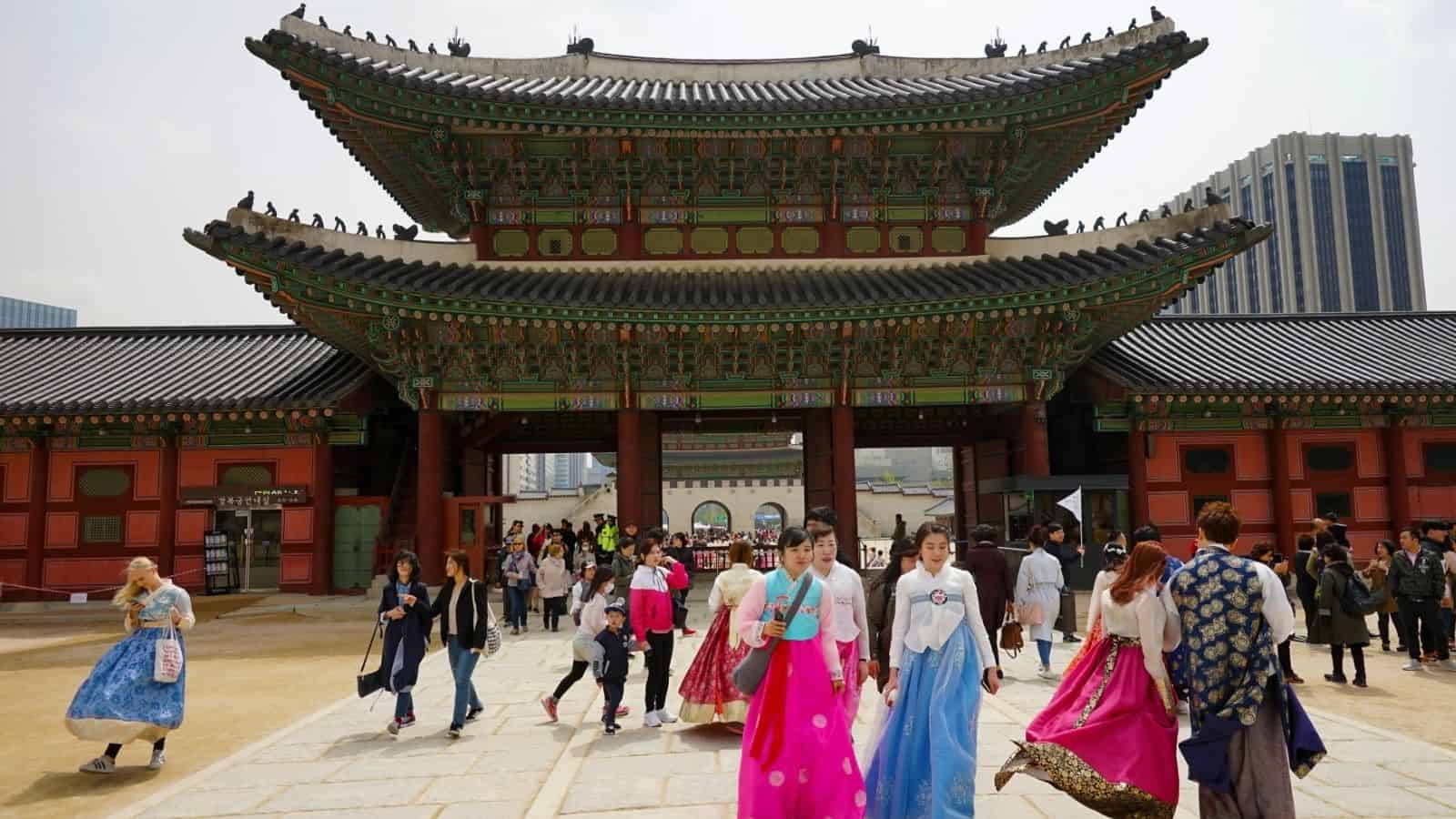
Japan
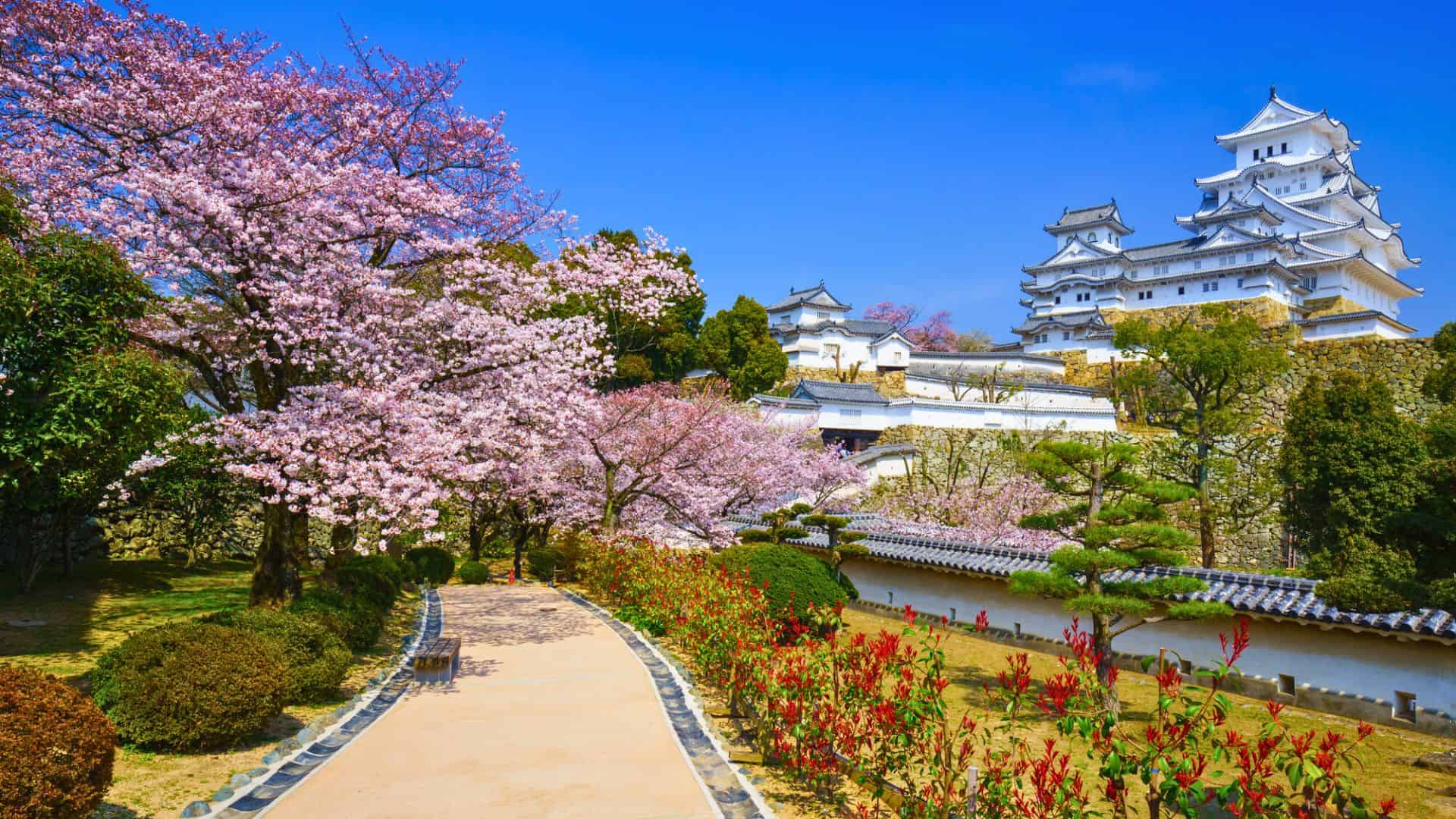
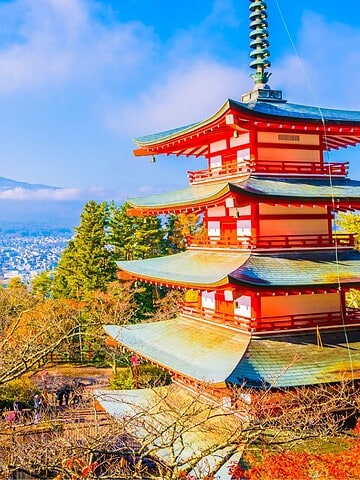
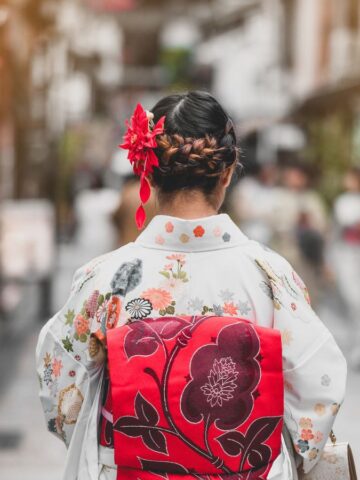
In Japan, everyday travel is shaped by quiet social rules that visitors are expected to notice without being directly told. Queuing is highly organized, whether at train platforms, elevators, or convenience stores. Public transportation stays noticeably quiet, with phone calls discouraged and conversations kept low. Eating while walking is less common than many travelers expect, and trash disposal follows strict sorting habits despite the limited number of public bins. Shoes are removed in many indoor spaces, including some restaurants and traditional accommodations. Travelers who observe and adapt quickly tend to move through Japan more comfortably.
Vietnam

Vietnam’s daily movement often feels guided by flow rather than strict structure. Crossing busy streets depends on moving steadily instead of waiting for traffic to stop completely. Queues may feel loose in markets or transit areas, and meals are commonly shared in fast-moving communal settings. Public behavior tends to prioritize practicality and efficiency over formality. Travelers who hesitate too long or wait for perfectly clear signals often struggle more than those who adapt calmly to the local pace.
South Korea
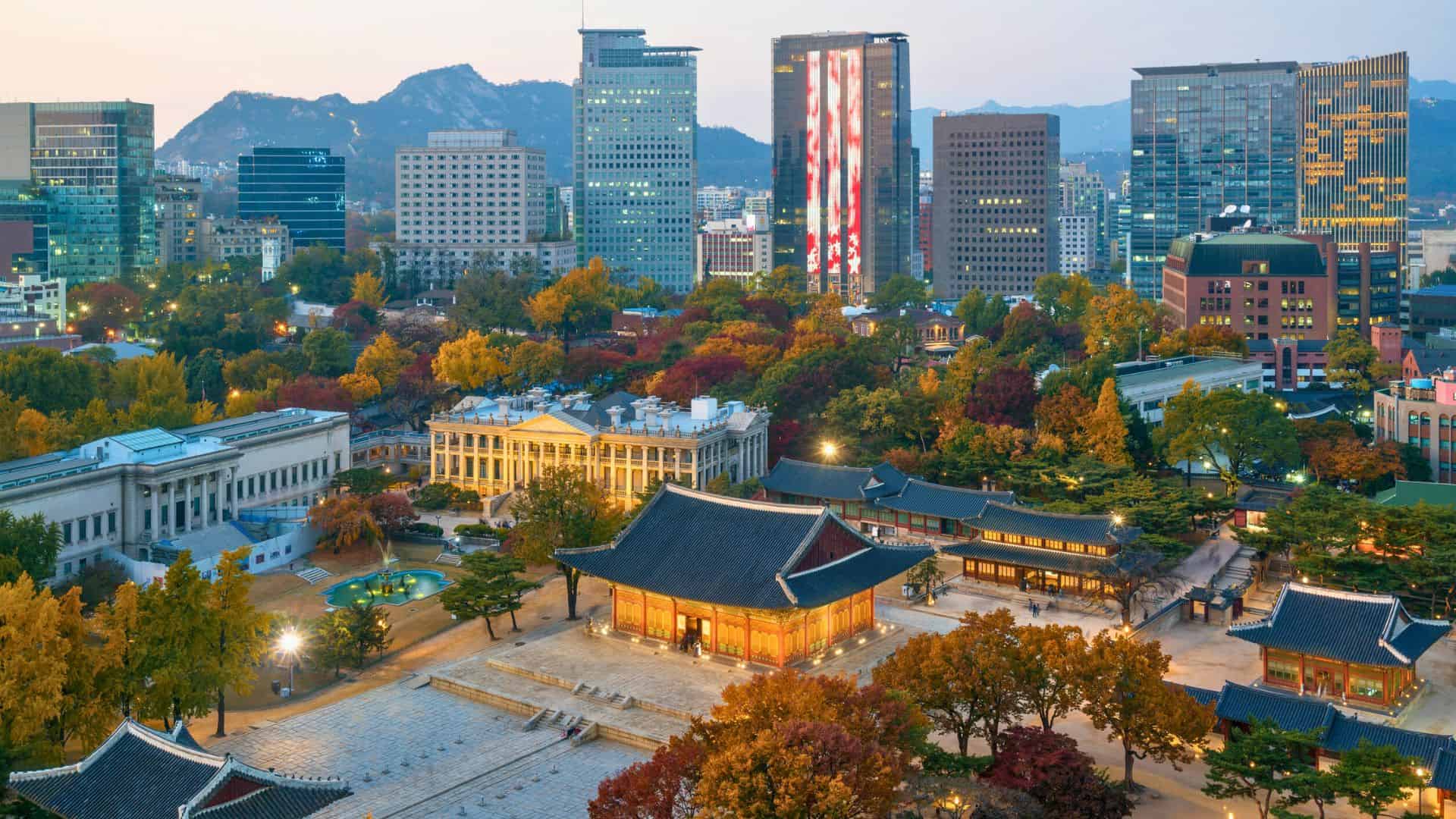
South Korea’s daily customs emphasize efficiency, awareness, and social pacing. Subway systems move quickly, and people expect others to keep up in stations, escalators, and sidewalks. Priority seating on public transportation is respected even when empty. Dining customs also reflect hierarchy and social awareness, especially around elders and shared meals. Tipping is uncommon and can feel awkward in many situations. Travelers who hesitate frequently or ignore subtle social expectations often stand out immediately in busy urban areas.
Indonesia

Indonesia’s customs are closely tied to respect, modesty, and local rhythm. Shoes are removed regularly in homes, temples, and smaller businesses, often without obvious signage. In places such as Bali, small religious offerings placed on sidewalks influence where people walk and step. Dress expectations can shift quickly near villages or religious sites. Public confrontation is generally avoided, and schedules may feel more flexible than visitors expect. Travelers who slow down and observe local behavior usually adjust more comfortably.
Thailand
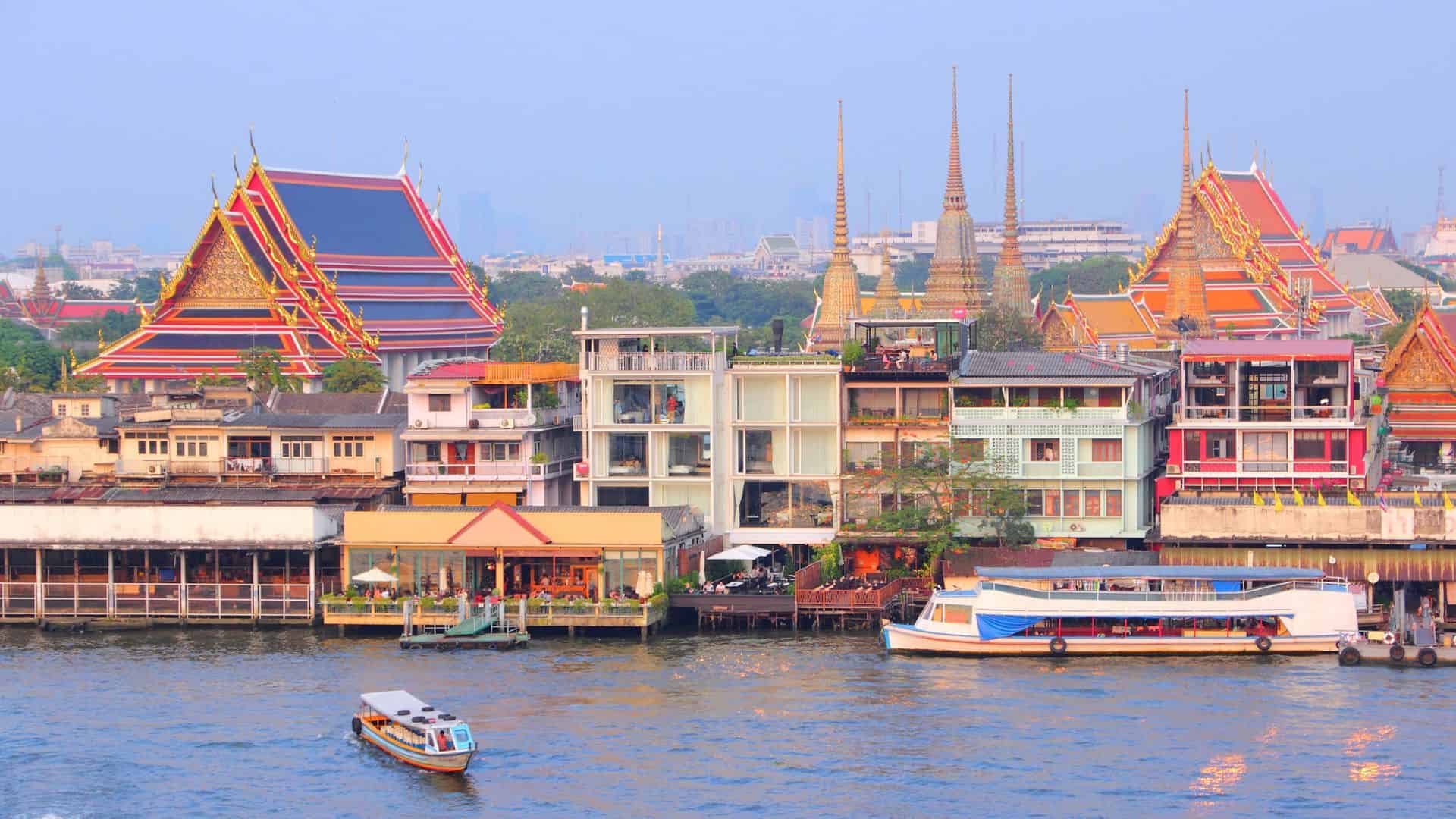
Thailand’s daily customs place strong emphasis on calm behavior and visible respect. Shoes are removed regularly, especially near temples, homes, and some businesses. Feet are considered culturally low, which affects how people sit and move in shared spaces. Public confrontation and visible anger are discouraged, even during stressful situations such as delays or crowded transportation. Respect toward monks and religious spaces shapes behavior throughout the country. Travelers who stay patient and observe local behavior generally move through daily situations more smoothly.
China
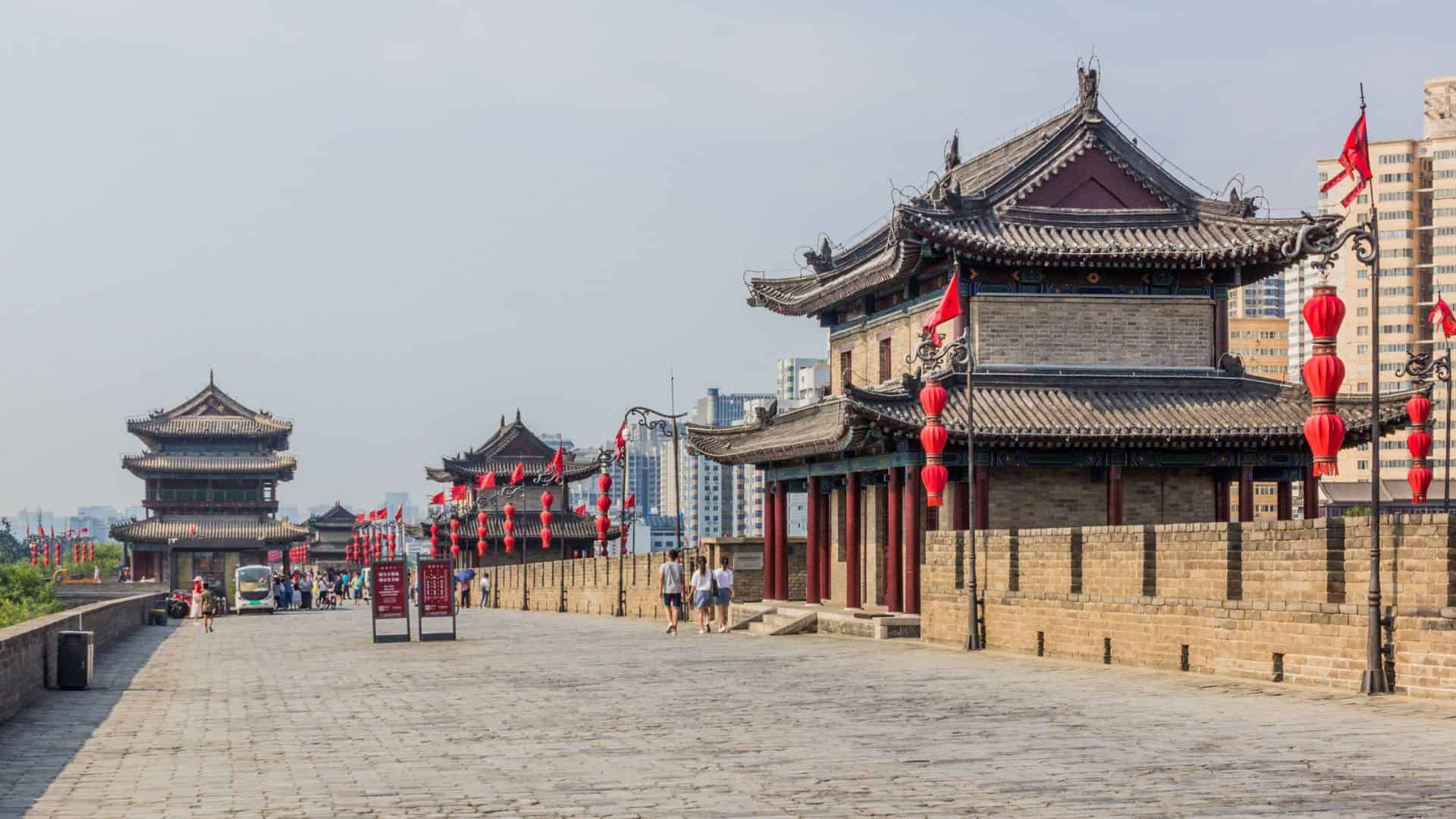
China’s daily travel customs place strong emphasis on efficiency and compliance with systems. Security checks, identification scans, and bag screenings are routine parts of entering stations, malls, and public buildings. Queues exist but may feel compressed compared to Western expectations, and personal space norms differ in crowded environments. Public behavior is often direct and practical rather than restrained. Travelers who follow instructions quickly and adapt to the pace of movement usually experience fewer problems during daily travel.
Want to save this?
Sri Lanka
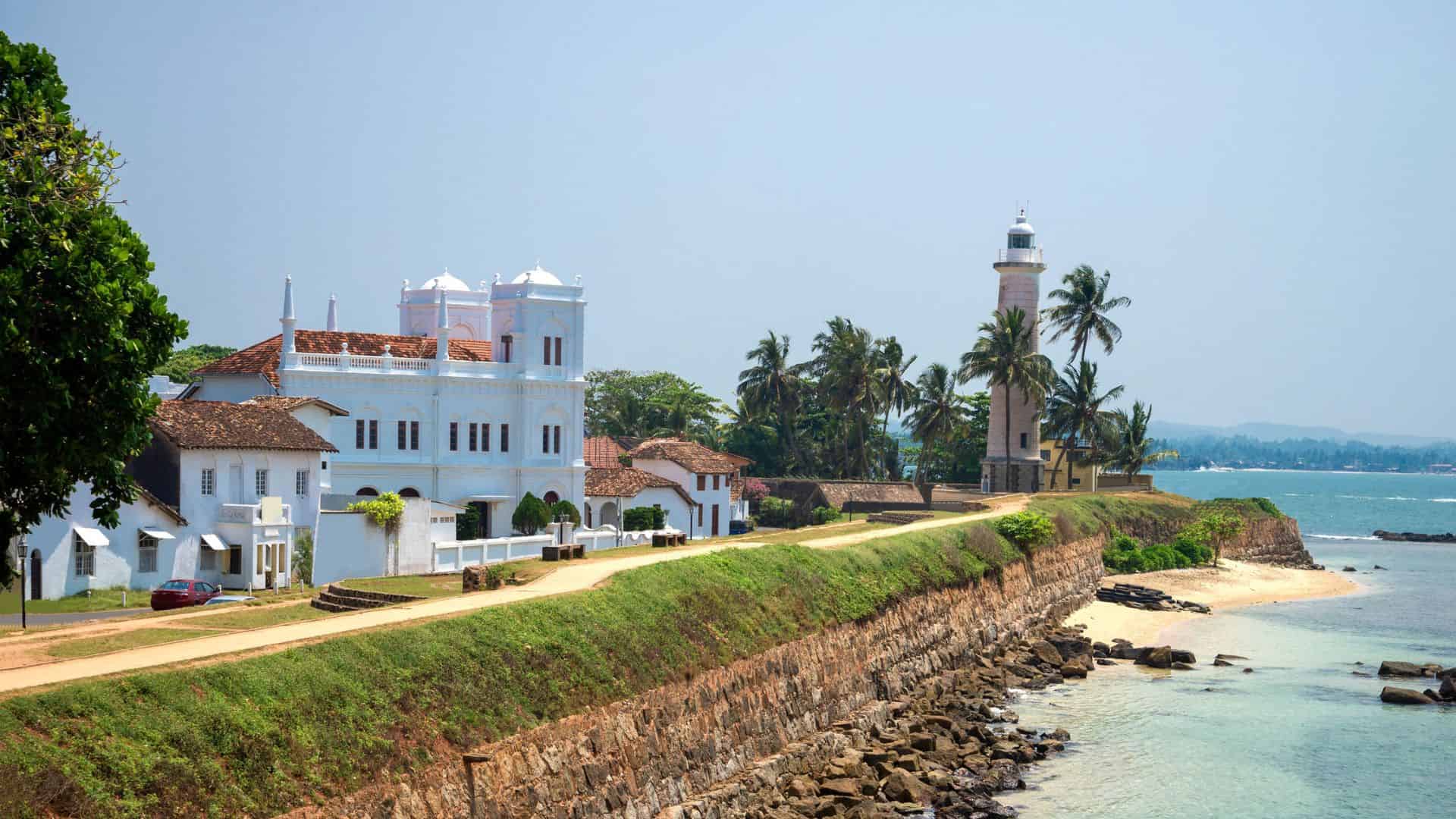
Sri Lanka’s daily customs are shaped heavily by Buddhist traditions and reserved social behavior. Shoes are removed frequently, especially near temples and religious spaces, and modest clothing is expected even in nearby public areas. Raising one’s voice in public draws attention quickly, and pointing feet toward people or religious images is discouraged. Transportation systems can feel informal, where patience matters more than strict timing. Travelers who move calmly and follow local pacing generally find daily travel easier and less stressful.
Nepal

Nepal’s daily travel patterns are strongly connected to religious traditions and shared public spaces. Streets and walkways may pass directly through sacred areas, requiring quieter behavior and more awareness. Walking clockwise around stupas, avoiding stepping over offerings, and removing shoes are common parts of daily movement. Public transportation and queues can feel loosely organized, which requires patience. Travelers who follow visual cues and mirror local behavior generally navigate daily life more smoothly than those relying only on written rules or schedules.
Malaysia

Malaysia’s customs reflect a mix of cultural and religious influences that can shift noticeably between neighborhoods and regions. Dress expectations change near mosques, government buildings, and traditional communities. Shoes are removed in some indoor spaces, and modest public behavior is generally appreciated. Dining customs also vary, including the expectation in some settings to eat with the right hand. Travelers who pay attention to these smaller shifts between environments tend to navigate the country more comfortably.
India
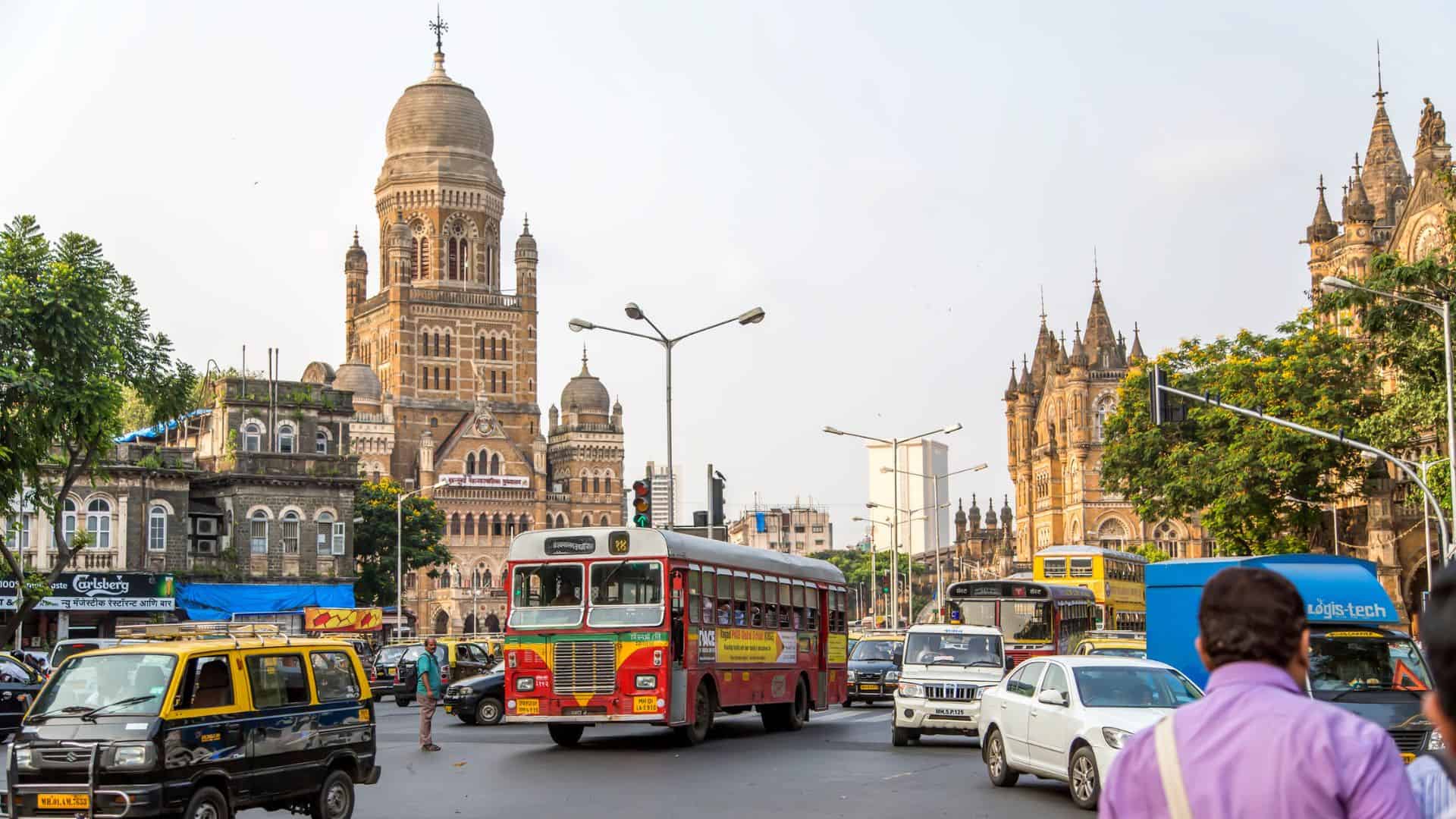
India’s travel customs vary heavily by region, requiring flexibility rather than strict expectations. Queues may appear informal, public transportation can become crowded quickly, and personal space norms differ significantly from many Western countries. Shoes are removed frequently in temples, homes, and some businesses. Greeting customs, eating practices, and payment habits can also shift between regions and communities. Travelers who watch how locals navigate space and daily routines usually adapt more easily than those expecting consistent systems everywhere.
9 Countries Where First-Time Travelers Misjudge Distances
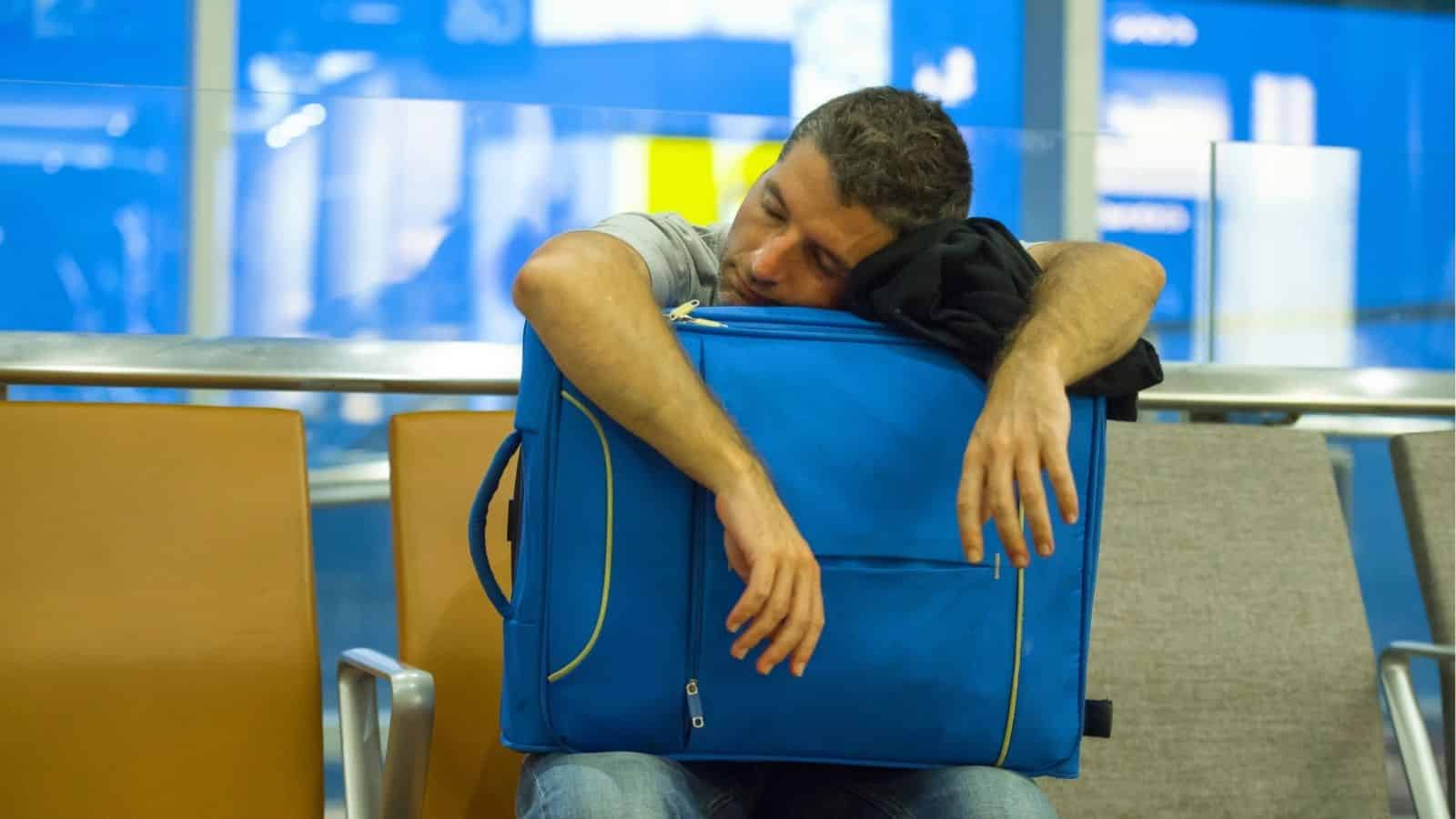
Distances can look short on a map but feel very different in real life. This article features countries where first-time travelers misjudge distances, focusing on places where geography, transportation speed, or road conditions make travel take far longer than expected. What seems like a quick hop often turns into a full travel day.
Read More Here: 9 Countries Where First-Time Travelers Misjudge Distances
10 Things You Should Never Leave Behind in a Hotel Room

Hotel rooms can feel like a temporary home, which makes it easy to forget important items when checking out. This article features things you should never leave behind in a hotel room, focusing on belongings that are often overlooked but difficult or costly to replace. From everyday essentials to valuable items, these are the things travelers most regret leaving behind.
Read More Here: 10 Things You Should Never Leave Behind in a Hotel Room

Leave a Reply