
Driving in another country involves more than learning which side of the road to use. This article features countries where road rules surprise first time visitors, focusing on destinations where traffic laws, driving customs, and enforcement practices differ from what travelers expect. Small misunderstandings can quickly lead to confusion, fines, or stressful experiences behind the wheel.
Knowing how local road rules work can make driving feel much more manageable. A little preparation before arriving can help travelers avoid common mistakes and drive with more confidence. Keep reading to see which countries made the list and what surprises first time visitors the most.
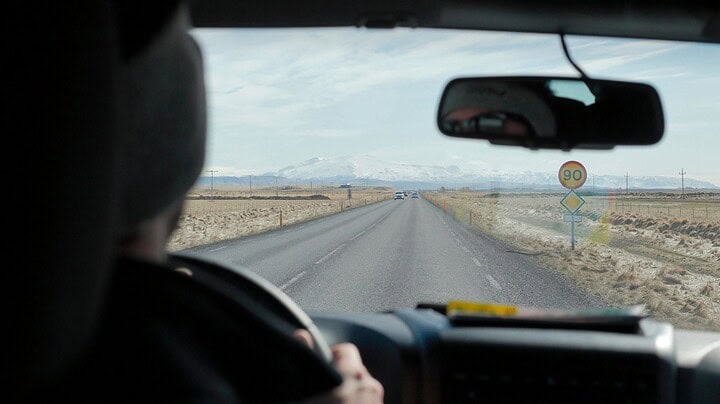
Vietnam

Vietnam’s traffic looks chaotic, and for many drivers, it feels that way at first. Roads are filled with scooters flowing in every direction, often ignoring lane divisions. Right of way is informal, based more on movement than rules. For visitors, judging gaps and timing takes practice. Outside cities, road conditions vary widely, and signage can be inconsistent. Navigation apps are helpful but not always precise. Vietnam requires a different mindset: steady motion, awareness, and calm. Drivers who hesitate often struggle more than those who move predictably.
Scotland
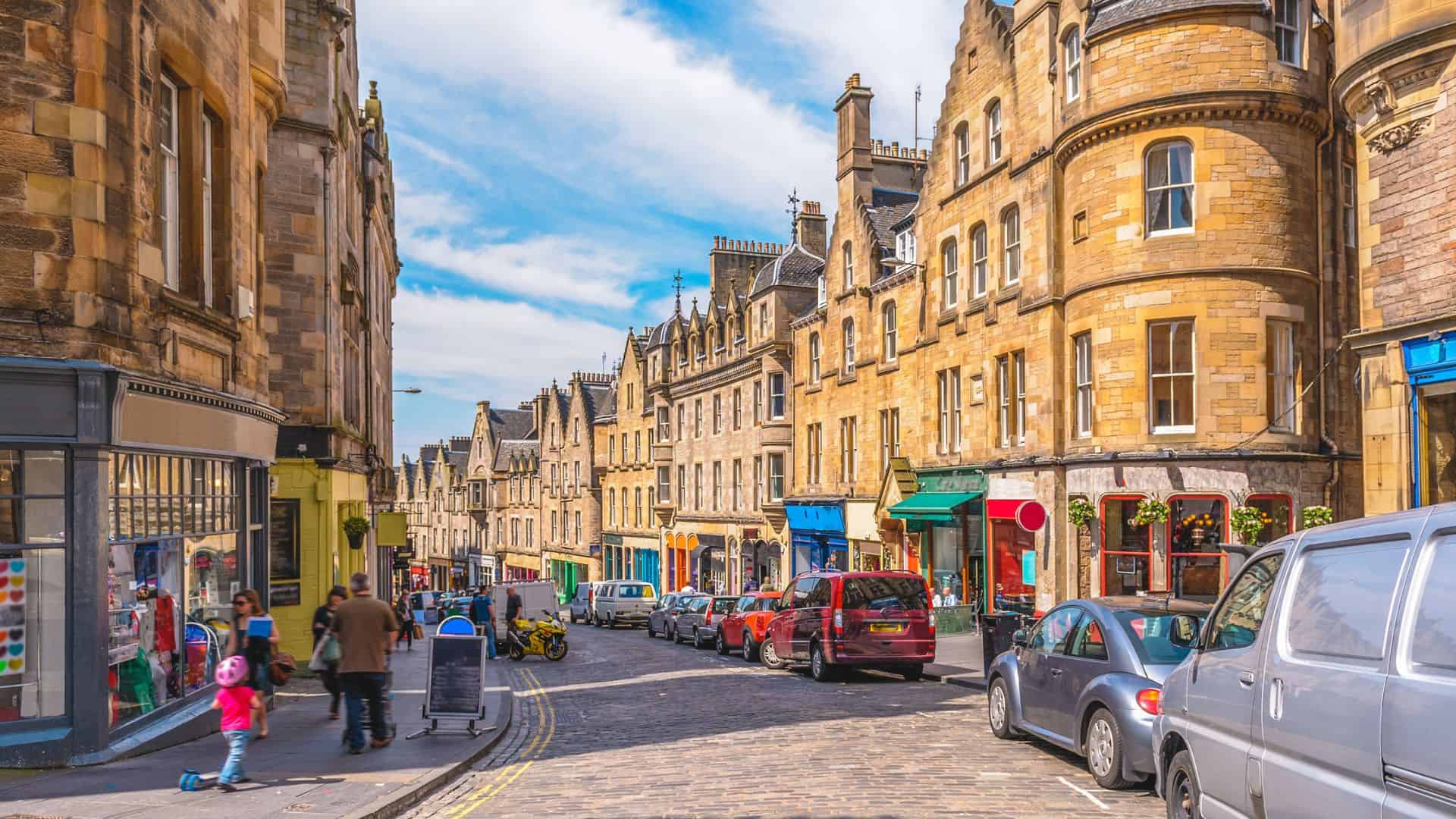
Scotland’s driving challenges come from its rural roads rather than traffic. Many scenic routes are single-track, with passing places that require judgment and courtesy. Tourists unfamiliar with these systems can cause backups or near misses. Weather shifts quickly, affecting visibility and traction. Livestock and cyclists are common on roads, especially in remote areas. Driving on the left adds complexity for visitors. Distances take longer than expected, and fatigue builds quietly. Scotland rewards attentiveness and patience. Underestimating its roads often leads to stress rather than enjoyment.
Japan

Japan’s driving challenges come from precision rather than chaos. Roads in rural areas and older cities can be surprisingly narrow, with tight turns and limited visibility. Signage is abundant but dense, and language barriers make quick decisions harder. Toll roads, parking systems, and navigation rules are highly structured and unforgiving of mistakes. Urban driving involves heavy traffic and complex intersections. While drivers are generally orderly, expectations are specific. Japan works best when rules are followed exactly. Small misunderstandings can lead to confusion or costly errors.
Peru

Driving in Peru is challenging because geography and infrastructure work against expectations. Mountain roads are steep, narrow, and often shared with buses and trucks that move quickly and confidently. Landslides, construction, and weather can change conditions without warning. In cities, traffic rules exist but are loosely followed, with aggressive lane changes and frequent honking. Signage can be limited, especially outside major routes. Altitude affects both vehicles and drivers, increasing fatigue. Peru requires constant attention and flexibility. What looks like a scenic drive can become physically and mentally demanding very quickly.
Ireland
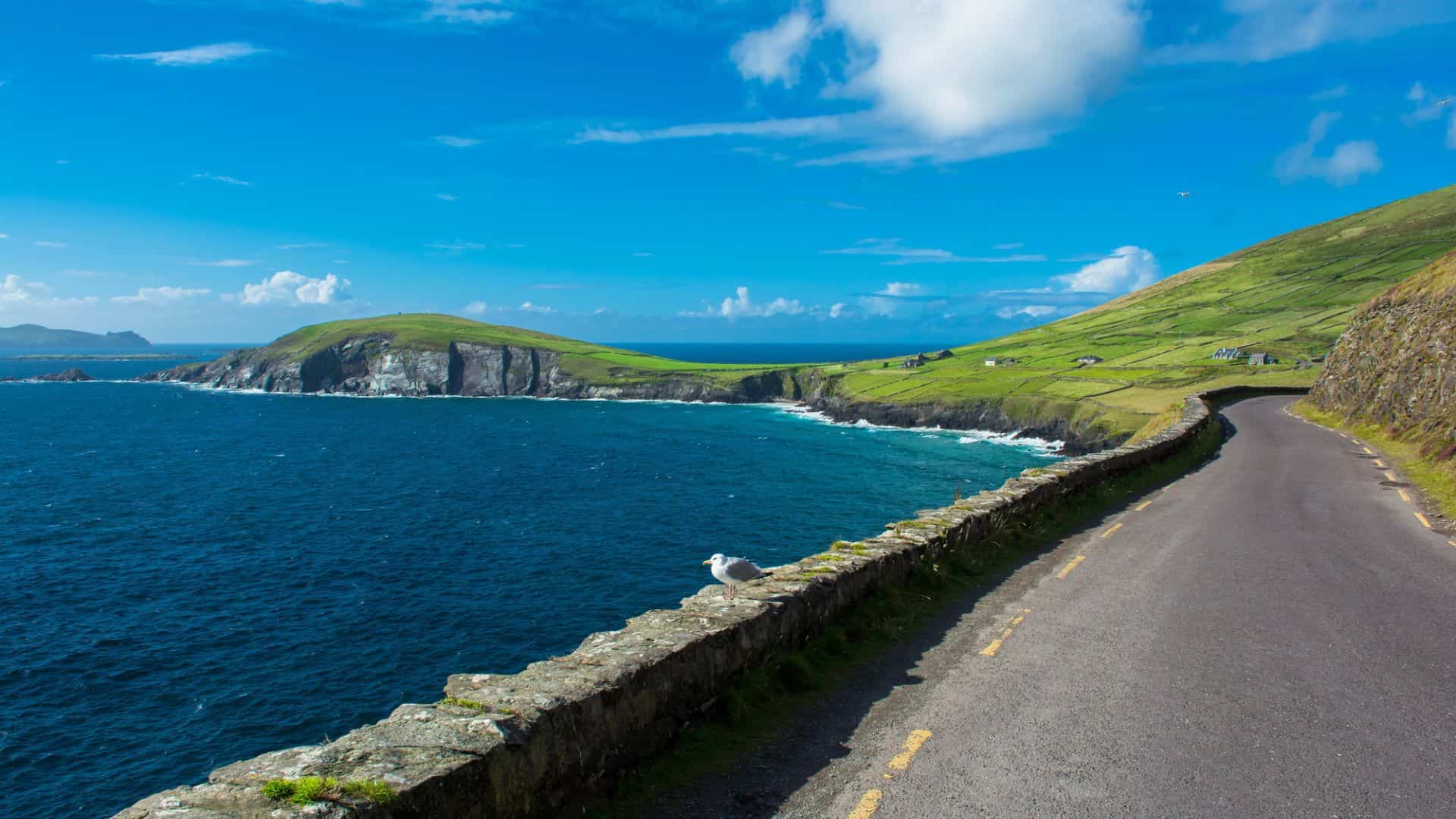
Ireland’s countryside appears calm, but rural driving requires focus. Roads are often extremely narrow, bordered by stone walls or hedges with little shoulder space. Passing requires confidence and courtesy, especially on local routes. Speed limits do not always reflect road conditions, and weather can change visibility quickly. Driving on the left adds another layer for many travelers. Navigation is slower than expected, even for short distances. Visitors often underestimate how tiring constant attention can be. Ireland’s roads reward patience and spatial awareness more than speed.
Want to save this?
Italy

Italy looks manageable on a map, but driving quickly becomes complicated. Historic city centers have restricted traffic zones that issue automatic fines, often without clear warnings. Roads narrow suddenly, parking is limited, and signage assumes local knowledge. Outside cities, mountain roads are steep, winding, and busy with confident local drivers. Aggressive lane changes and tight maneuvering can feel stressful to visitors. Even experienced drivers find that navigation demands constant attention. Italy rewards familiarity, not caution. Small hesitations or missed signs can lead to wrong turns that are difficult to correct.
Morocco
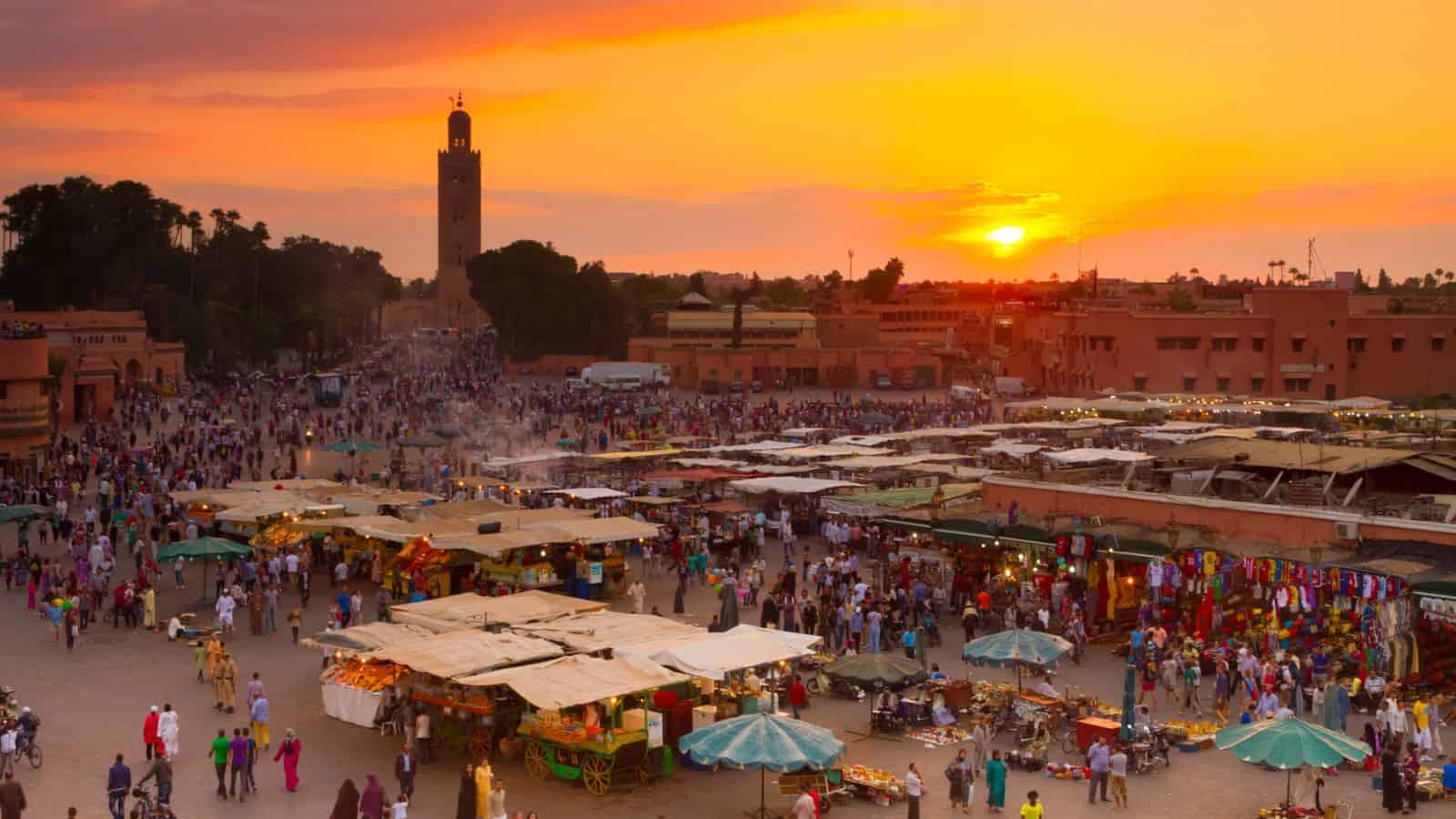
Driving in Morocco requires adaptability. Traffic rules exist, but enforcement is inconsistent, and local driving habits prioritize momentum over predictability. In cities, pedestrians, scooters, carts, and animals share the road. Rural highways may be well-paved but poorly lit, with sudden hazards. Navigation can be challenging due to limited signage and informal directions. Police checkpoints add another variable for visitors unfamiliar with procedures. Morocco’s roads demand alertness and confidence. Hesitation often causes more problems than decisiveness, making driving more mentally taxing than expected.
Thailand

Thailand’s roads appear straightforward until you are in motion. Traffic density, especially in cities, is intense, and motorbikes dominate every lane. Drivers weave constantly, signals are treated as suggestions, and road markings may be faded or ignored. Outside cities, highways move fast, while rural roads can change suddenly in quality. Driving on the left adds complexity for many visitors. Thailand also has one of the highest road accident rates, largely due to unpredictable behavior. Visitors often find that confidence must be balanced carefully with caution at all times.
Iceland
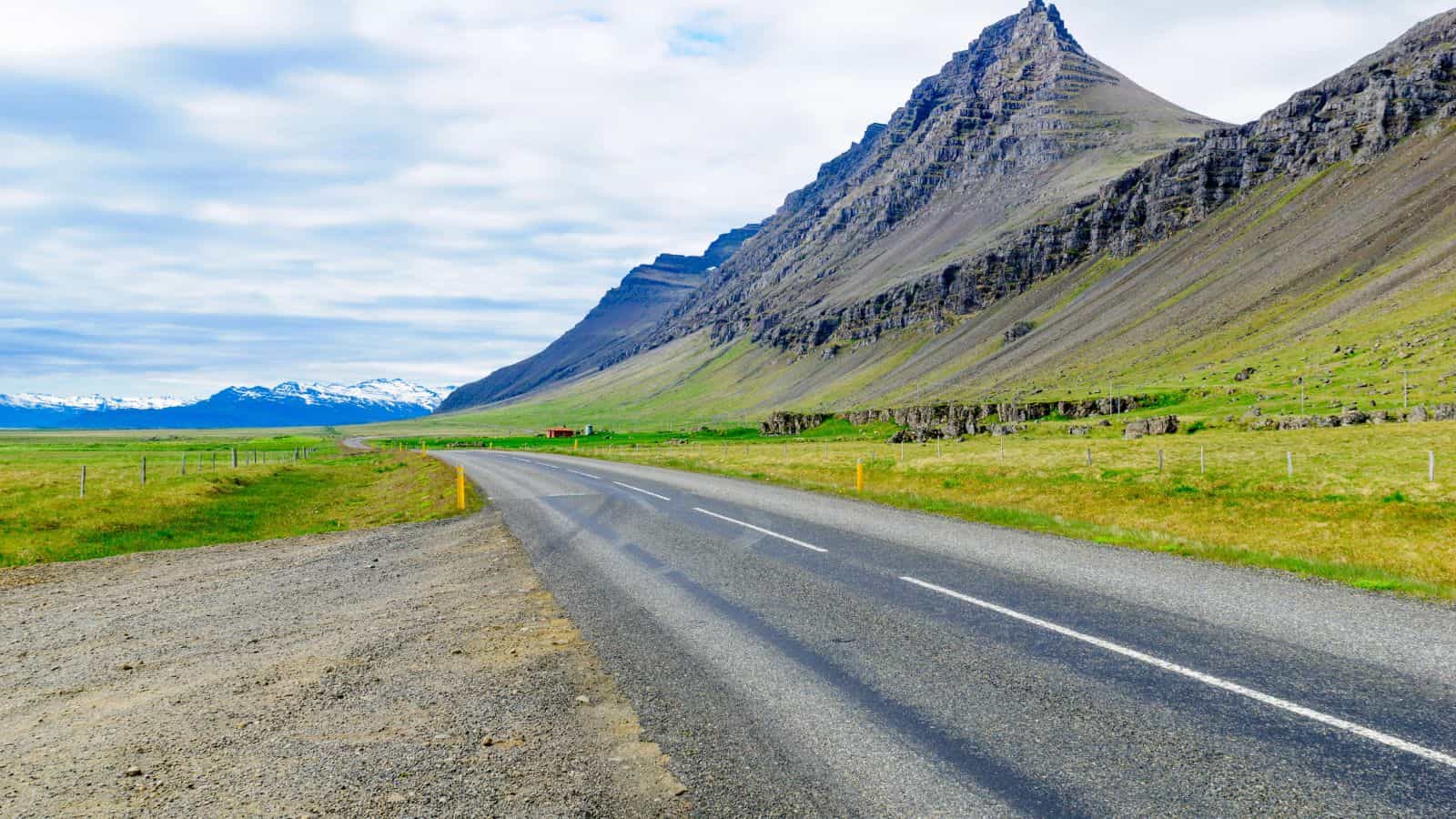
Iceland looks simple to drive, but conditions change rapidly. Weather can shift within minutes, affecting visibility and road safety. Many routes are narrow, unpaved, or exposed to wind. Gravel roads require different braking and handling skills, and bridge crossings are often single-lane. Services are sparse, so small mistakes, like missing a fuel stop, can have serious consequences. Seasonal daylight extremes add another challenge. Icelandic driving rewards preparation and caution. Underestimating conditions is the most common mistake travelers make.
11 Countries Travelers Over 50 Keep Recommending

Travel priorities often change with experience, and many travelers over 50 look for comfort, accessibility, and meaningful experiences rather than packed schedules. This article features countries travelers over 50 keep recommending, focusing on destinations that consistently earn praise for their ease of travel, interesting culture, and enjoyable pace. These are places that many seasoned travelers say they would gladly visit again.
Read More Here: 11 Countries Travelers Over 50 Keep Recommending
11 Places Where History Is Impossible to Ignore

Some destinations carry their history so visibly that it shapes nearly every part of the visit. This article features places where history is impossible to ignore, focusing on locations where old architecture, major events, and long-standing traditions remain part of everyday life. In these places, the past is not tucked away in museums alone but built into the streets, landmarks, and routines people still live around today.
Read More Here: 11 Places Where History Is Impossible to Ignore



Leave a Reply