
Food is one of the biggest travel expenses, but costs are not always easy to predict. This article features destinations where food costs catch travelers off guard, focusing on places where meals, groceries, and dining habits end up costing far more or far less than visitors expect. Some destinations surprise travelers with high prices, while others make it possible to eat well for much less than anticipated.
Understanding local food costs can help travelers budget more accurately and avoid surprises. Daily dining expenses add up quickly and can have a major impact on the overall trip. Keep reading to see which destinations made the list and why their food prices often leave visitors surprised.

Switzerland
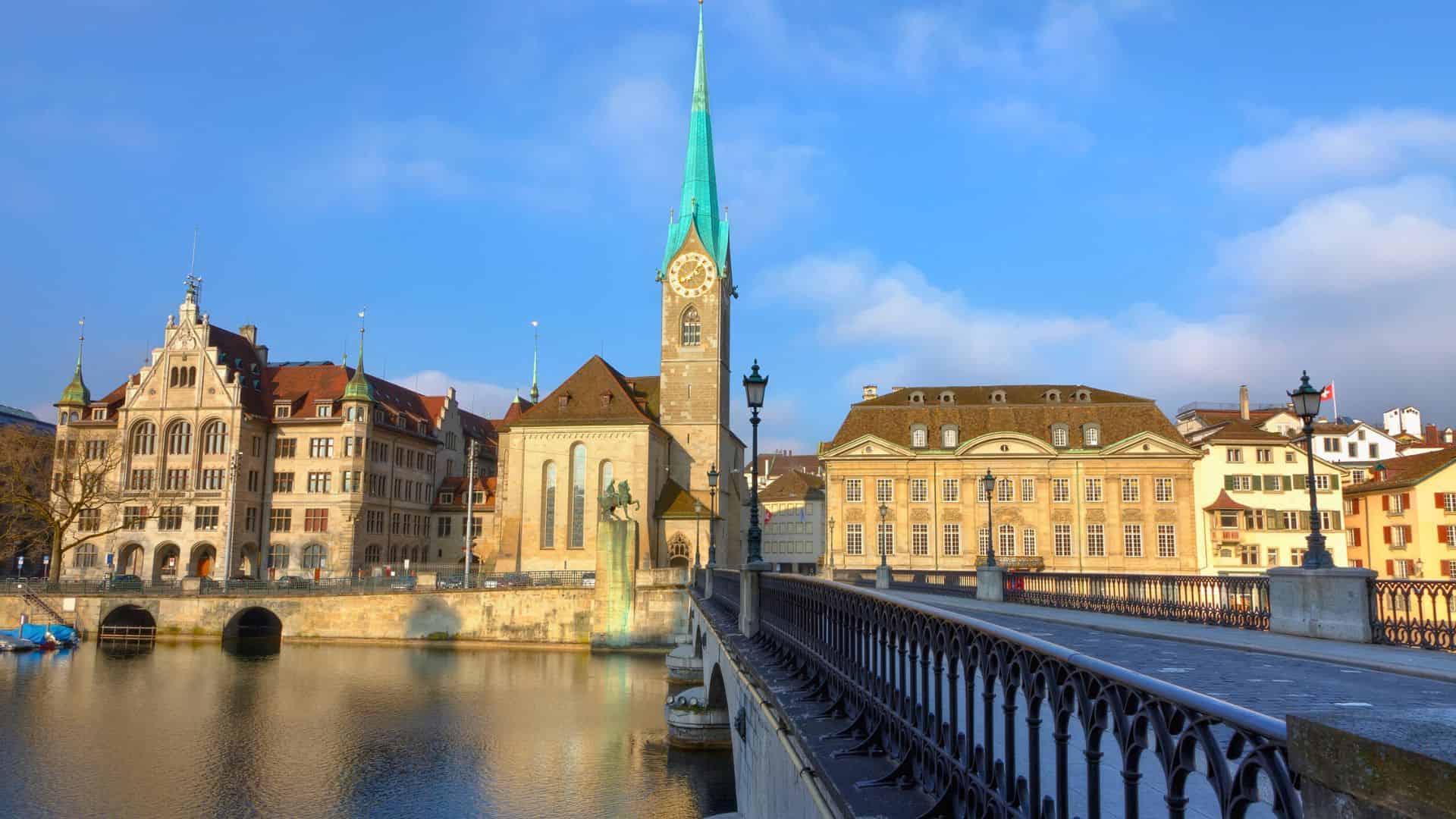
Switzerland's scenery may be the headline attraction, but food prices are often what travelers remember. A simple lunch, coffee break, or casual dinner can cost considerably more than in neighboring countries. While the quality is generally high, visitors frequently underestimate how quickly food expenses add up. Those arriving from France, Germany, or Italy are often surprised by the difference.
Norway
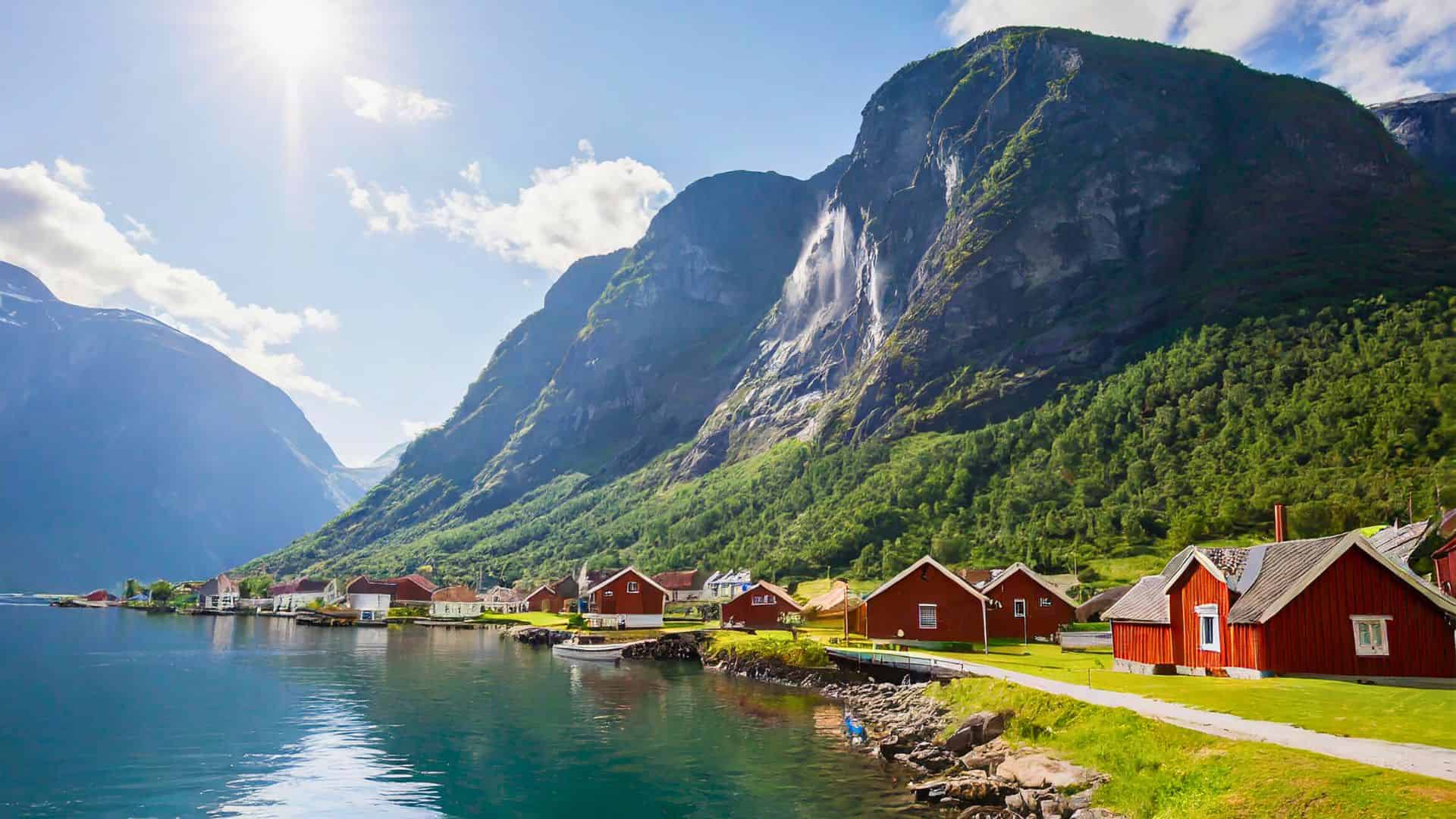
Norway regularly shocks travelers with its dining costs. Even fast food and basic café meals can feel expensive compared to much of Europe. Groceries are often cheaper than restaurants, but not dramatically so. Travelers planning outdoor adventures and scenic road trips sometimes find their food budget rivaling their accommodation costs, especially in remote areas where options are limited.
Iceland
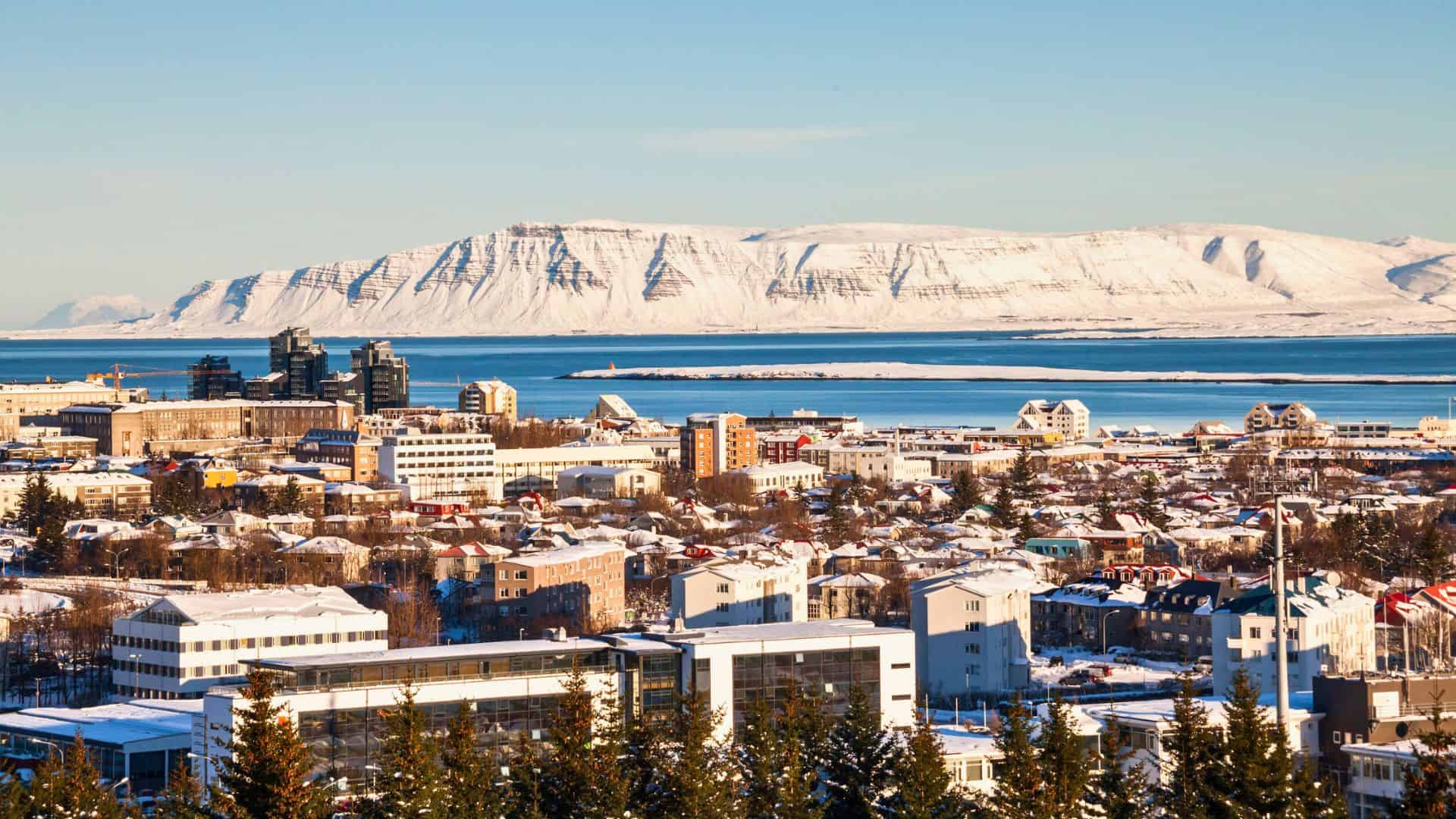
Iceland catches many travelers off guard because food often costs far more than expected. Restaurant meals, even casual ones, can quickly strain a budget, and grocery shopping doesn't always provide the savings visitors hope for. Import costs and a small domestic market keep prices elevated across much of the country. Many travelers arrive focused on waterfalls, glaciers, and road trips, only to realize food becomes one of their biggest daily expenses.
Japan
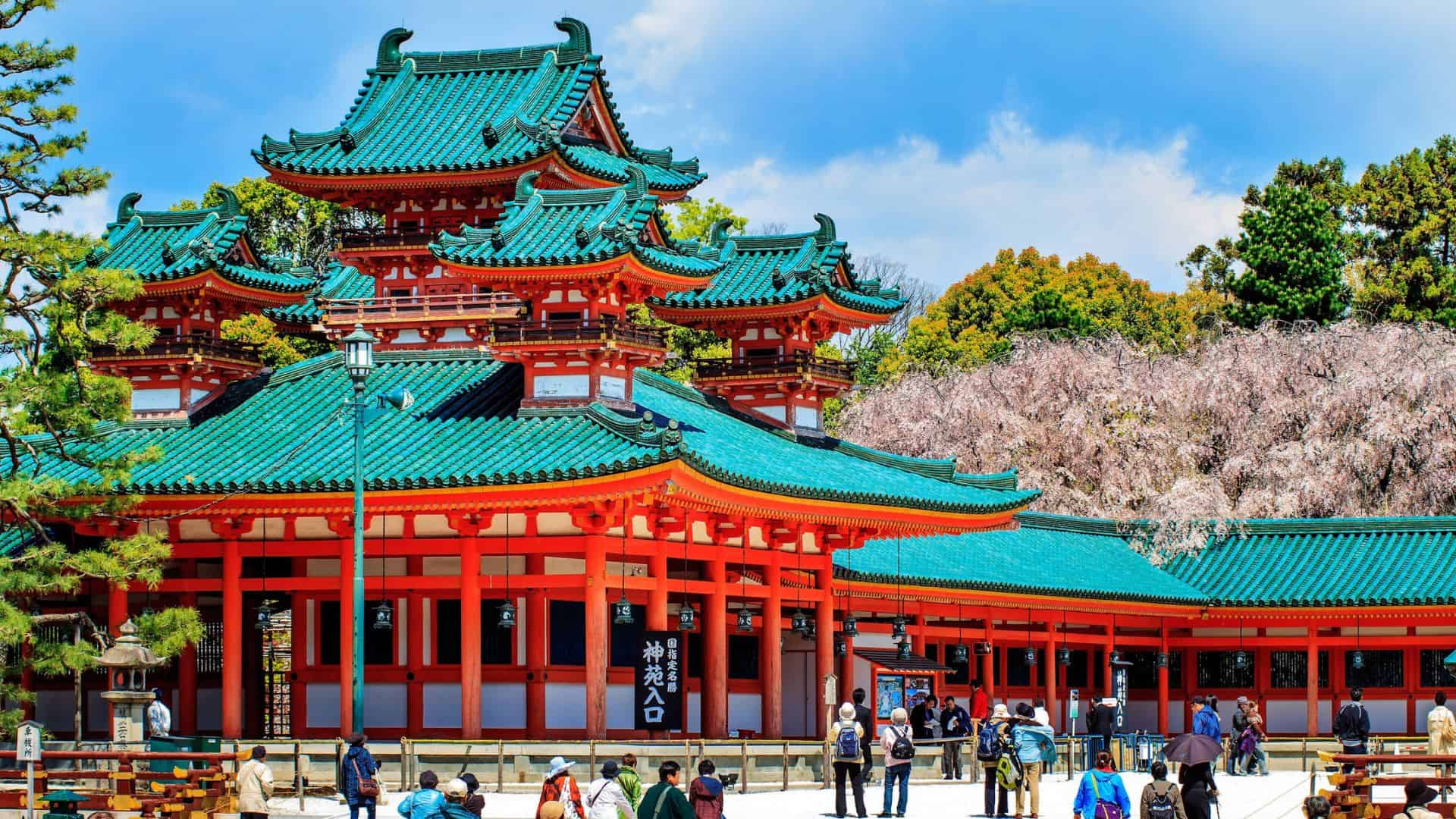
Japan surprises visitors for the opposite reason. Many arrive expecting sky-high prices, only to discover that food can be remarkably affordable. Convenience store meals, neighborhood restaurants, noodle shops, and lunch specials often provide excellent value. While luxury dining certainly exists, everyday eating is often less expensive than travelers anticipated, especially considering the quality and consistency.
Australia

Australia can be unpredictable when it comes to food spending. Travelers often find groceries reasonably priced in larger cities, but restaurant meals, coffee, and dining in tourist areas add up quickly. Costs can climb even higher in remote regions where transportation affects supply. Visitors frequently discover that food expenses vary much more than expected depending on where they travel.
Bahamas

Want to save this?
The Bahamas catches many travelers off guard because food costs often exceed expectations. Imported goods dominate supermarket shelves, and restaurant prices reflect the realities of island logistics. Travelers who expect Caribbean affordability are often surprised by the cost of everyday meals, snacks, and groceries. Food budgets can rise quickly, especially outside all-inclusive resorts.
Canada

Canada often falls somewhere between expectation and surprise. Food costs can vary dramatically depending on location, with major cities and remote regions often carrying noticeably higher prices. Travelers may budget based on U.S. prices and then find groceries, restaurant meals, or coffee more expensive than anticipated. Seasonal factors can also influence costs, particularly for fresh produce.
Singapore
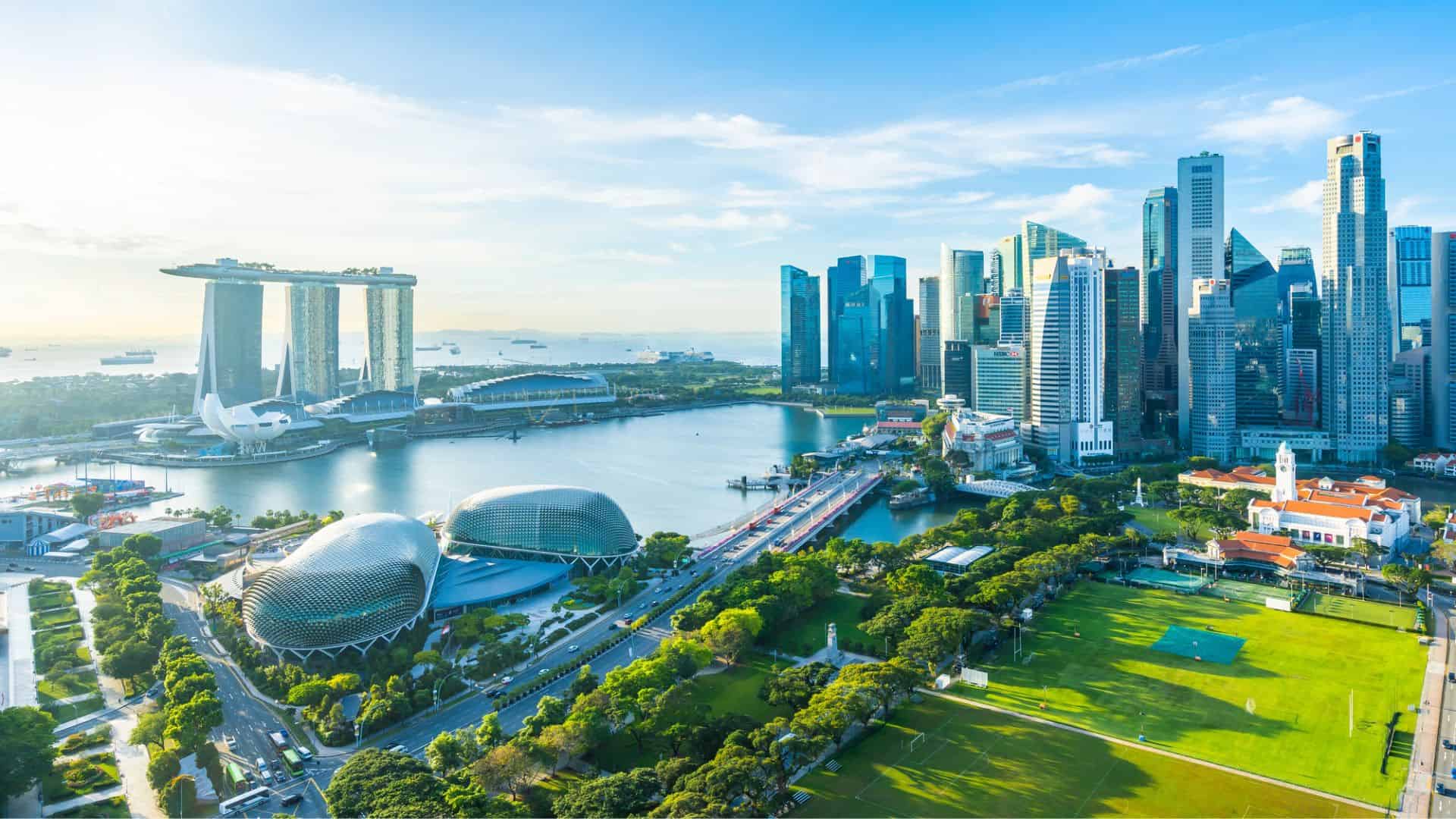
Singapore may be one of the few places where eating out can cost less than cooking. Visitors often assume the city will be expensive across the board, then discover that hawker centers offer filling meals for surprisingly modest prices. At the same time, supermarkets and imported products can feel expensive. The result is a destination where local food culture often saves travelers money rather than increasing costs.
United Arab Emirates

The UAE offers both extremes. Travelers can find inexpensive local meals in food courts and neighborhood restaurants, yet luxury dining and imported products can be remarkably expensive. Dubai in particular creates mixed expectations, with some visitors spending very little on food while others are surprised by how quickly restaurant bills grow. Where you eat makes a significant difference.
United States
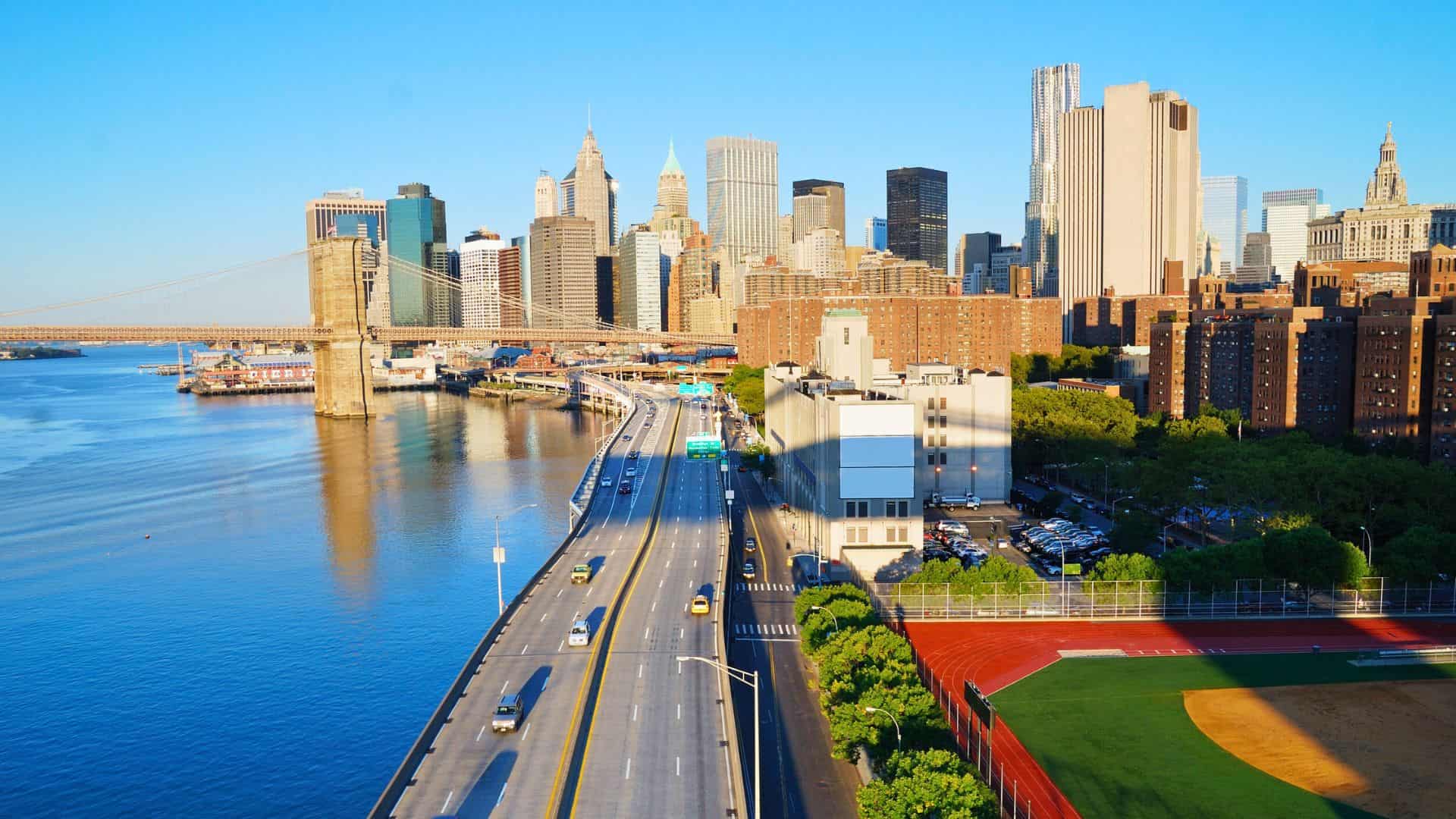
The United States surprises travelers because food costs vary enormously from one region to another. A meal that feels reasonably priced in one city may cost twice as much in another. Tourist districts, resort towns, and major cities often bring sticker shock, while smaller destinations can feel comparatively affordable. Many visitors underestimate just how much location affects their overall food budget.
11 Countries With Fewer Visa Headaches for Travelers

Visa requirements can add time, paperwork, and uncertainty to trip planning. This article features countries with fewer visa headaches for travelers, focusing on destinations where entry rules are relatively simple and the process is more straightforward for many visitors. Easier entry requirements can make planning feel less stressful and allow travelers to focus more on the trip itself.
Read More Here: 11 Countries With Fewer Visa Headaches for Travelers
10 Things Frequent Flyers Always Keep in Their Carry On

Experienced travelers know that what goes into a carry on can make a big difference during a trip. This article features things frequent flyers always keep in their carry on, focusing on items that help make flights more comfortable, organized, and manageable. These essentials often become even more valuable during delays, long layovers, or unexpected travel disruptions.
Read More Here: 10 Things Frequent Flyers Always Keep in Their Carry On




Leave a Reply