
Japan is often associated with Tokyo, Kyoto, and Osaka, but there is far more to the country than its most visited destinations. This article features cities in Japan that show a different side of the country, focusing on places where regional culture, local traditions, and everyday life feel distinct from what many first time visitors expect. These cities reveal different landscapes, food cultures, and rhythms of daily life.
Looking beyond Japan’s most famous stops can lead to a broader understanding of the country. Different regions often offer experiences that feel surprisingly different from one another. Keep reading to see which cities made the list and why they reveal another side of Japan.
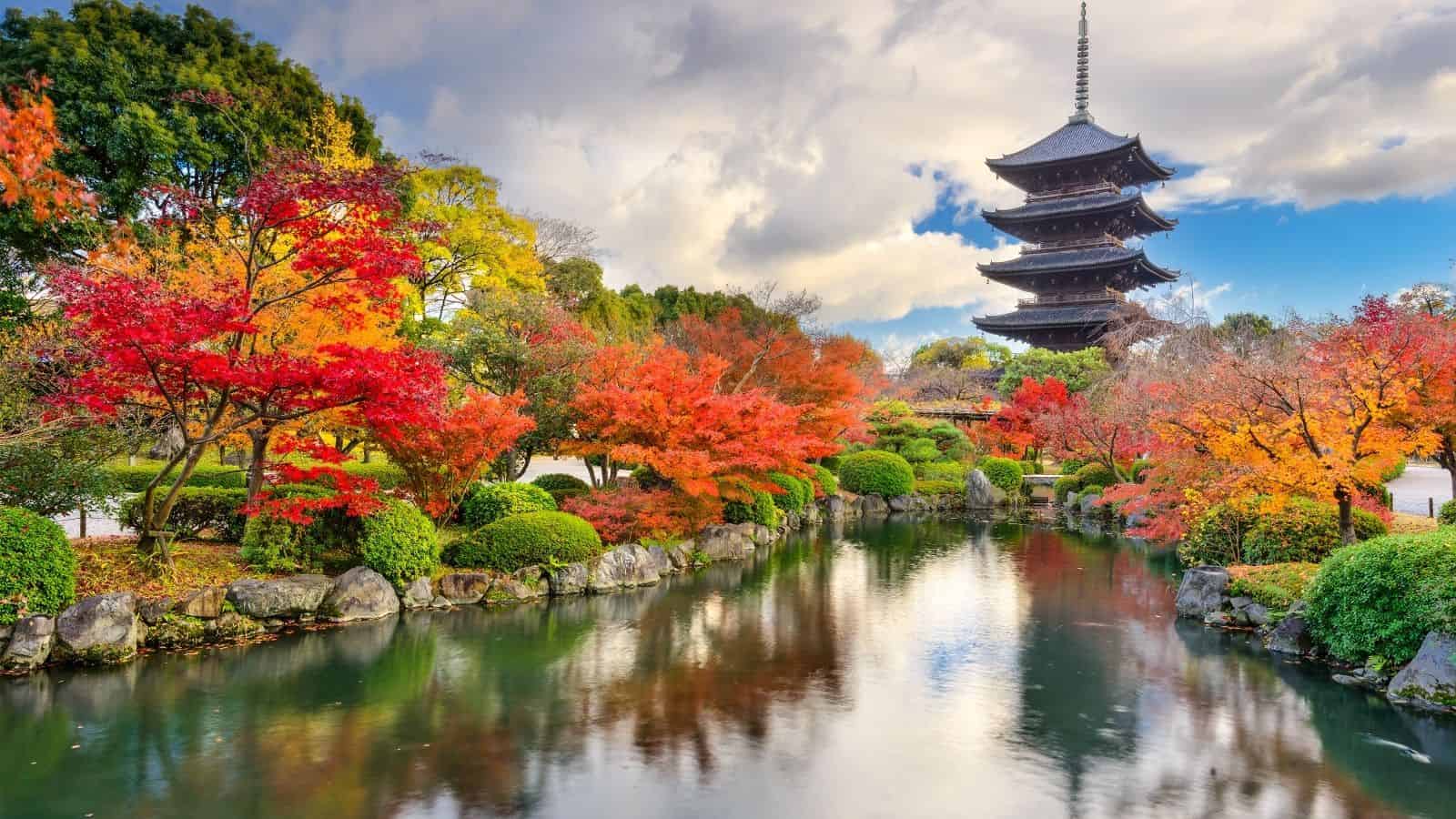
Nara
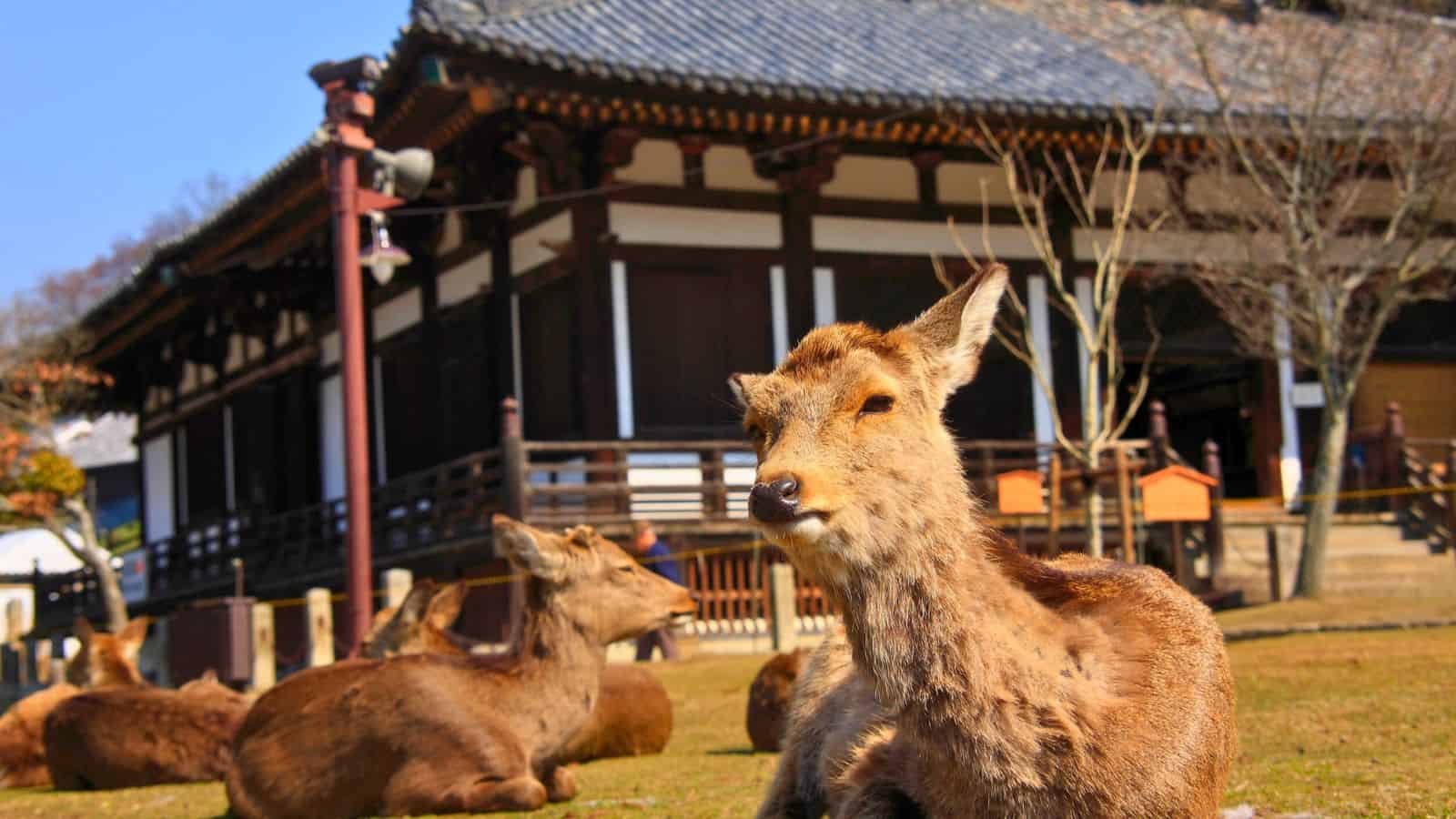
Many travelers pass through Nara on a day trip, but the city offers a side of Japan that feels far removed from busy urban centers. Ancient temples sit among broad green spaces where deer roam freely, creating an atmosphere that feels both historic and relaxed. Walking between shrines, gardens, and centuries-old landmarks is easy, and the slower pace encourages visitors to spend time appreciating details rather than rushing between attractions. Nara shows how deeply history remains woven into everyday life.
Fukuoka
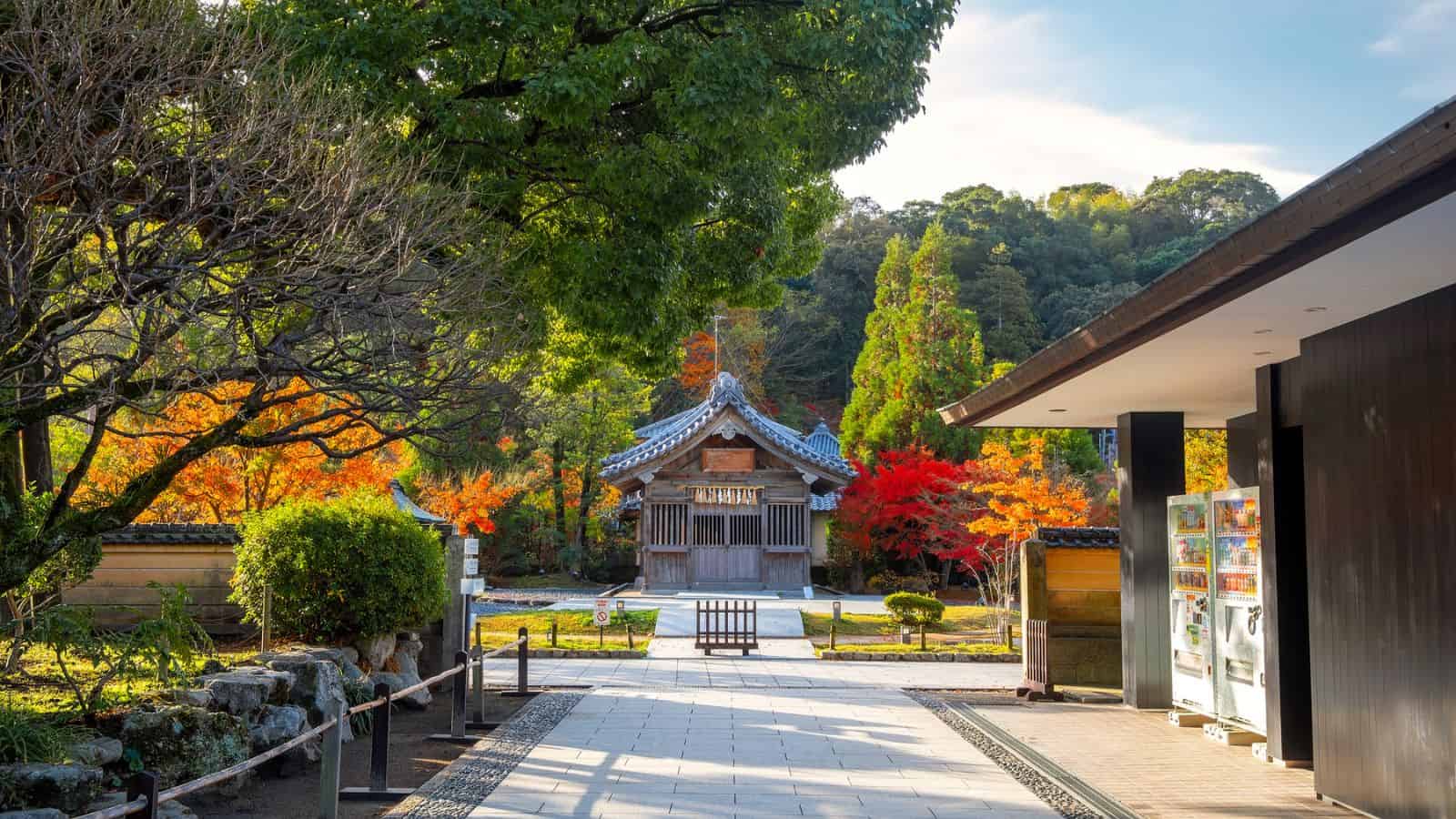
Fukuoka highlights a more laid-back version of city life than many visitors expect from Japan. Located on the island of Kyushu, it combines modern neighborhoods with waterfront parks and a strong local food culture. Evening yatai food stalls bring people together over bowls of ramen and small plates, while nearby beaches and countryside offer easy escapes from the city. Fukuoka feels approachable, relaxed, and refreshingly different from Japan's larger metropolitan areas.
Sapporo

Sapporo offers a glimpse of Japan shaped by wide-open spaces, seasonal weather, and outdoor living. Located on Hokkaido, the city is known for snowy winters, expansive parks, and easy access to mountains. Visitors come for seasonal festivals, fresh seafood, and regional specialties, but many leave appreciating how much room there is to breathe. Sapporo feels less crowded and more spacious than the cities many travelers associate with Japan.
Nagoya
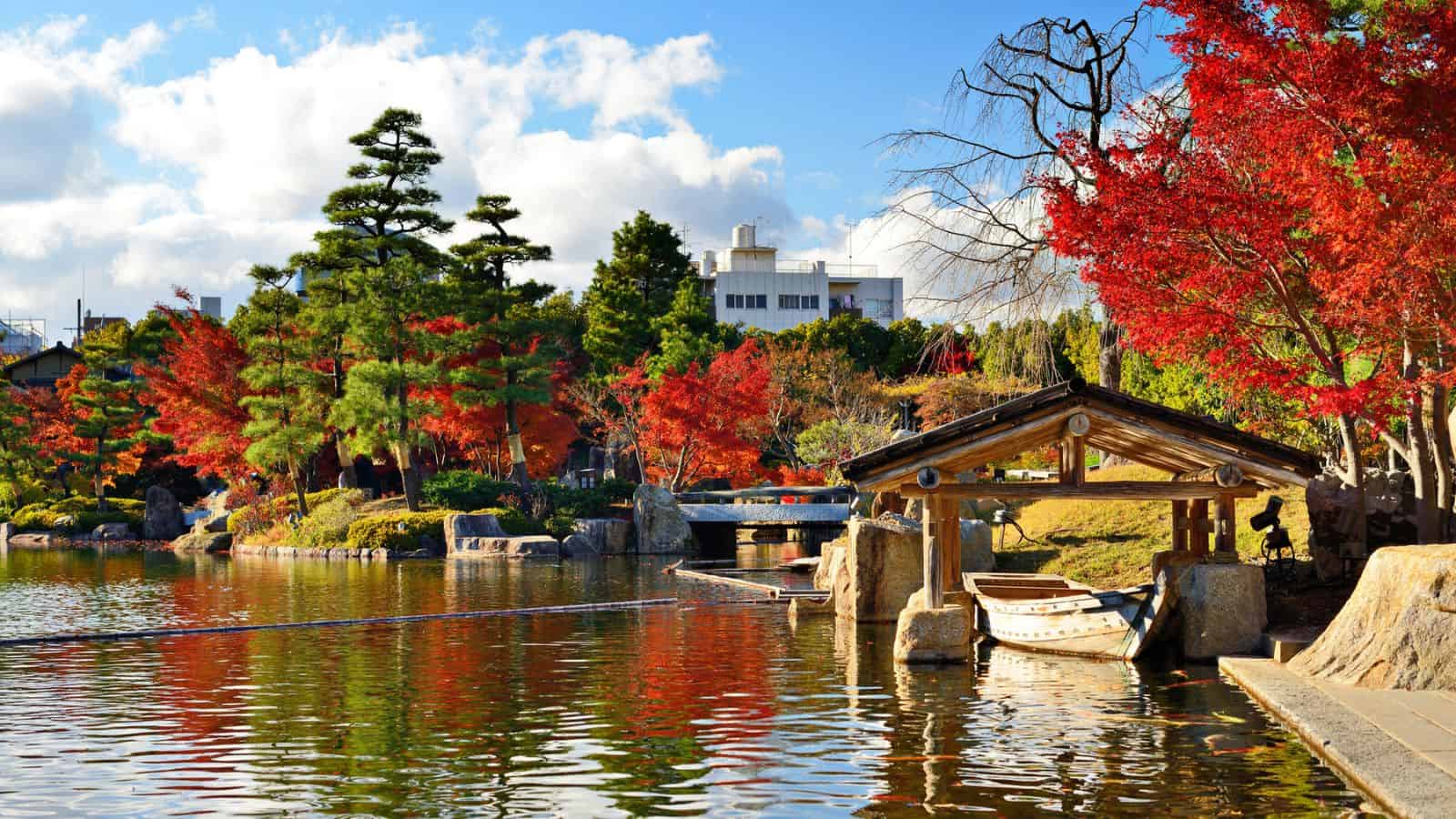
Often overlooked between Tokyo and Osaka, Nagoya reveals a side of Japan focused on innovation, industry, and local culture. Historic landmarks share space with museums dedicated to transportation and technology, while lively shopping districts offer regional dishes not commonly found elsewhere. The city lacks the tourist crowds of more famous destinations, giving visitors a chance to experience everyday urban Japan without feeling surrounded by sightseeing groups.
Takayama
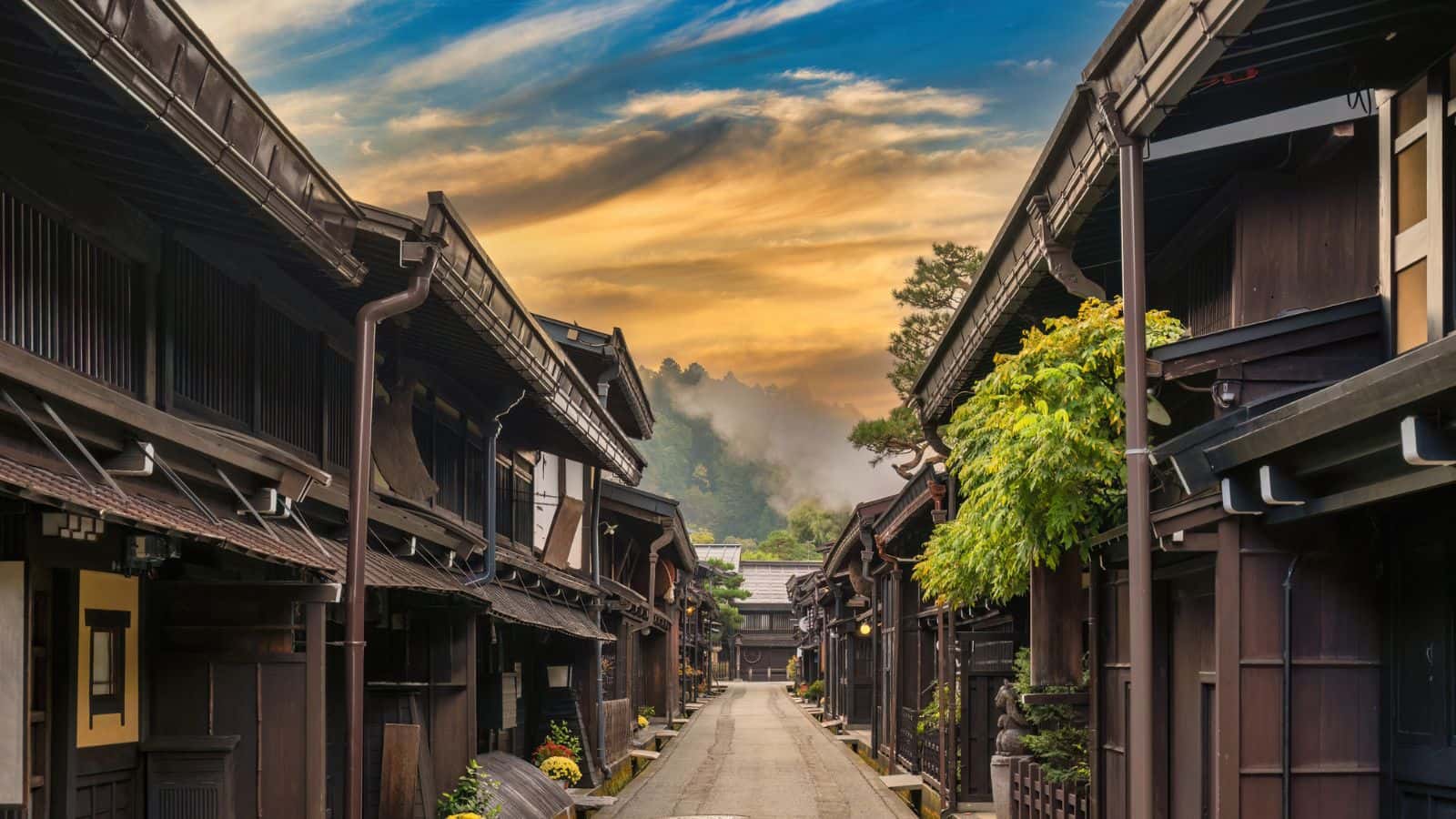
Nestled in the mountains, Takayama offers a quieter perspective on Japanese life. Traditional wooden buildings line narrow streets, local markets fill the mornings, and family-run businesses continue long-standing traditions. Seasonal festivals and nearby villages showcase customs that have remained largely unchanged for generations. For travelers interested in rural culture and slower travel, Takayama presents a side of Japan that feels intimate and deeply connected to its surroundings.
Want to save this?
Kyoto

While Kyoto is famous, it still reveals a different side of Japan than many first-time visitors expect. The city trades skyscrapers and neon signs for temple gardens, historic districts, and centuries-old traditions. Early mornings can be spent walking through bamboo groves or shrine paths, while afternoons unfold among tea houses, markets, and quiet residential streets. Kyoto highlights the cultural foundations that continue to shape Japanese life today.
Osaka

Osaka offers a more casual and outgoing side of Japan. The city is known for its food culture, lively neighborhoods, and residents who are often described as direct and friendly. Street food stalls, bustling shopping arcades, and energetic nightlife create an atmosphere that feels distinct from the formality often associated with Japan. Osaka gives visitors a chance to experience everyday culture through conversation, local flavors, and a strong sense of community.
Hiroshima
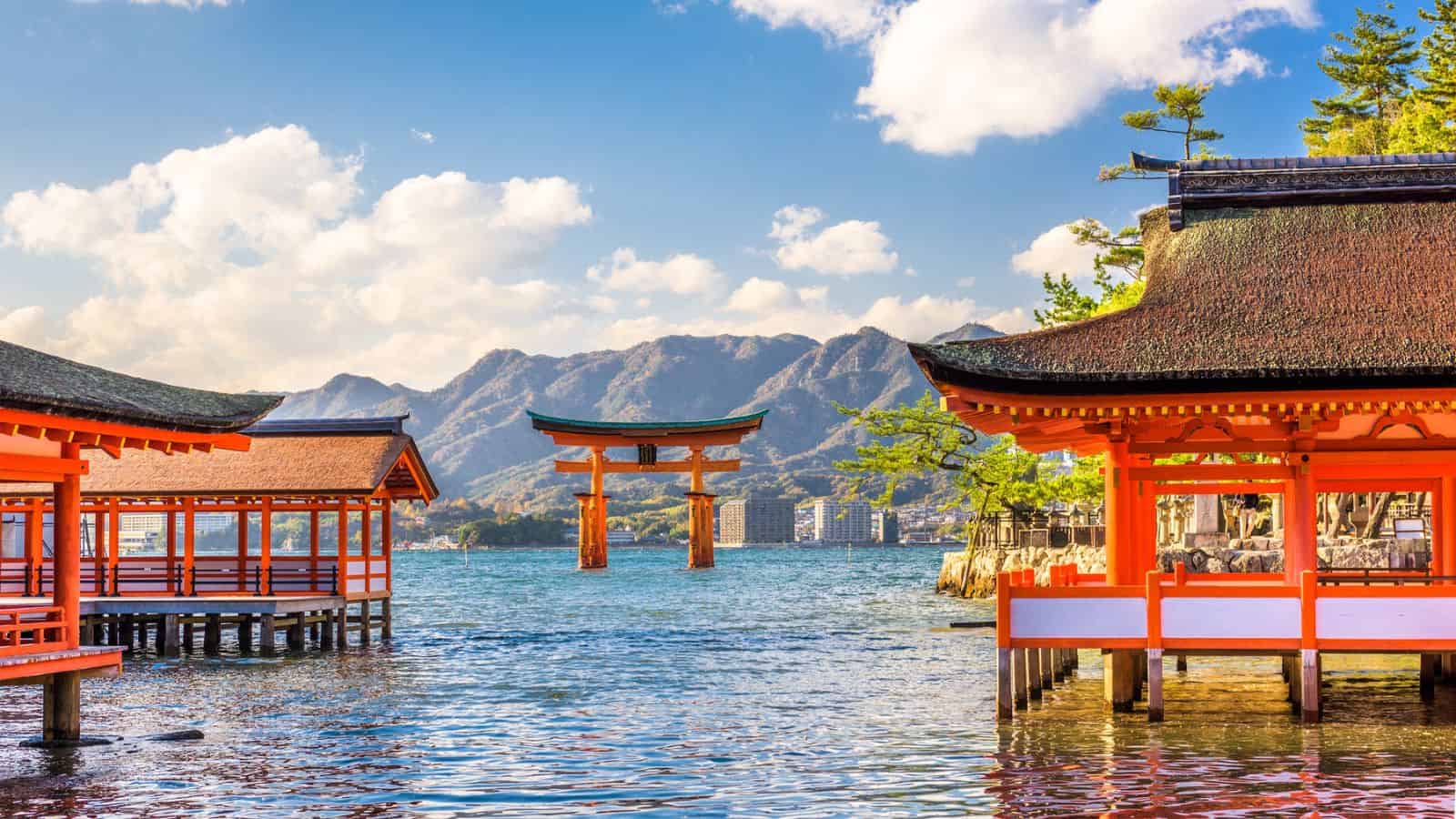
Hiroshima is often associated with a single chapter of history, but the city today tells a much broader story. Tree-lined rivers, local markets, and welcoming neighborhoods create a calm and modern atmosphere. Historical sites remain important, yet they exist alongside thriving cultural districts and regional traditions. A visit to nearby Miyajima adds another layer, showing how nature, spirituality, and daily life continue to shape the region.
Kanazawa
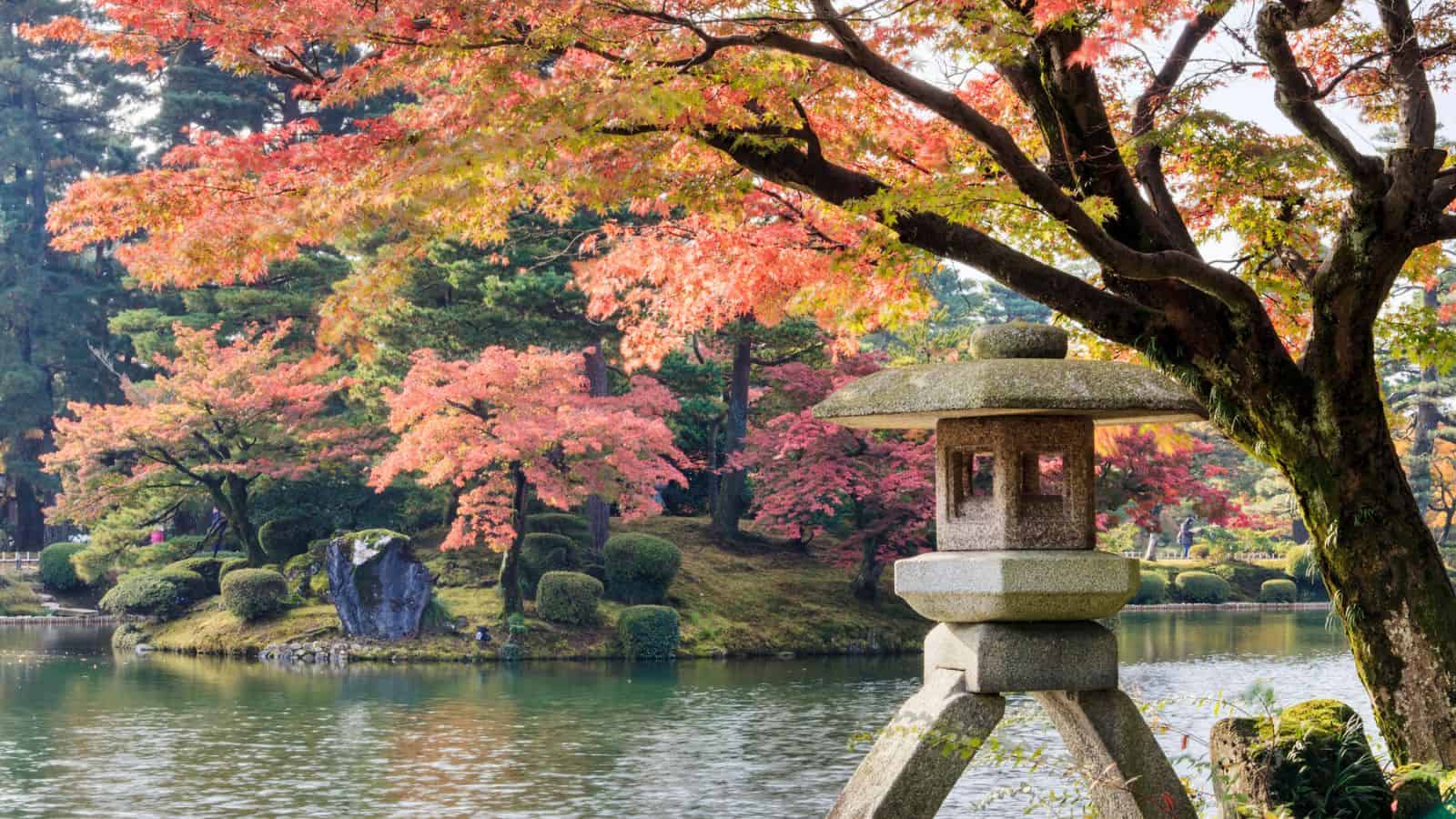
Kanazawa showcases craftsmanship, preservation, and attention to detail in ways that feel distinct from Japan's larger cities. Historic teahouse districts, former samurai neighborhoods, and carefully maintained gardens create an atmosphere rooted in tradition. Local markets, art museums, and craft workshops highlight the city's creative heritage. Kanazawa appeals to travelers who enjoy exploring places where culture is expressed through small details rather than major attractions.
9 U.S. National Parks Families Love Visiting in Summer
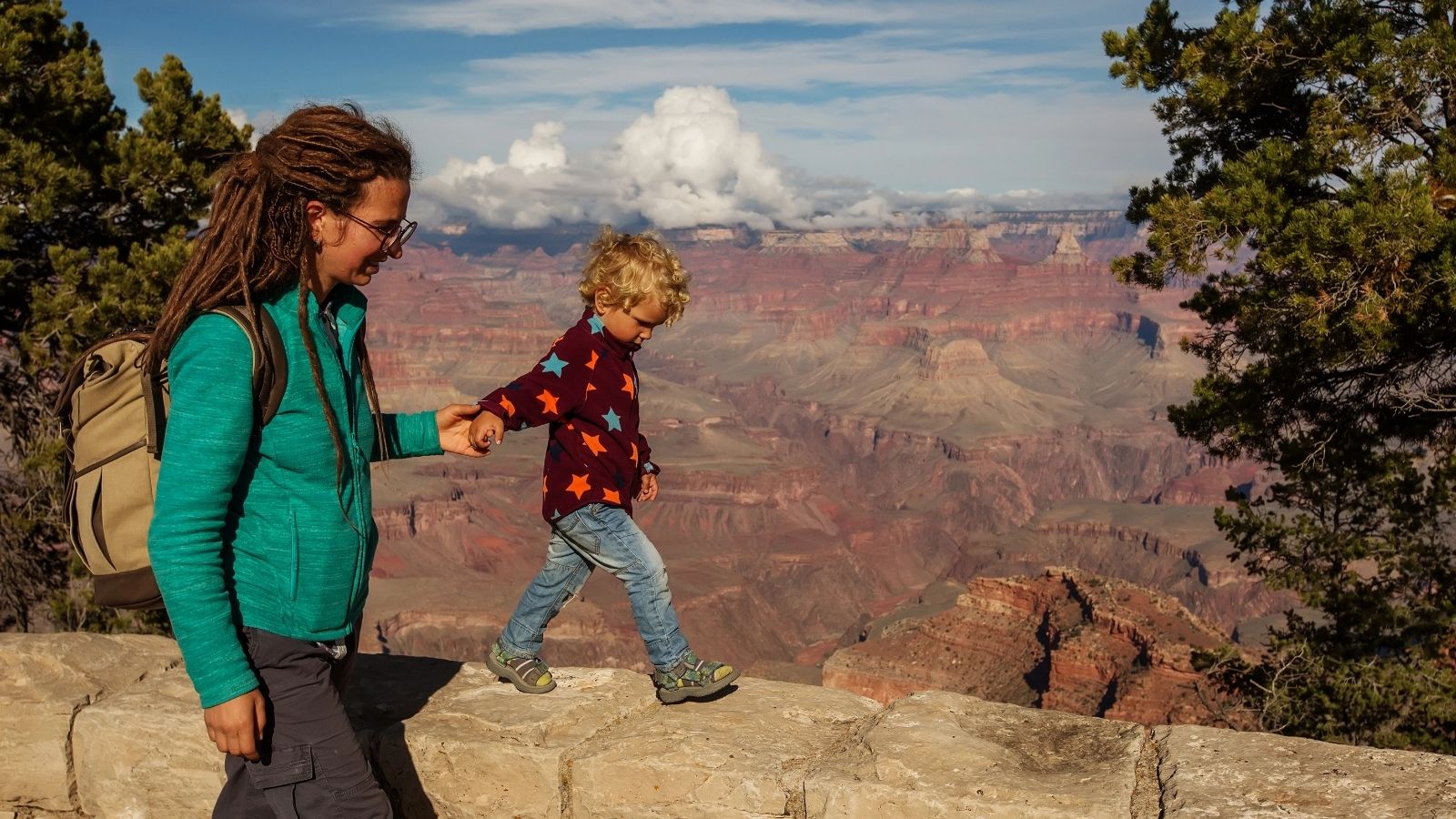
Summer is one of the most popular times for families to visit national parks. This article features U.S. national parks families love visiting in summer, focusing on destinations known for scenic drives, family friendly trails, wildlife viewing, and outdoor activities. These parks give families plenty of ways to spend time together while enjoying some of the country's most impressive landscapes.
Read More Here: 9 U.S. National Parks Families Love Visiting in Summer
10 Family Vacation Destinations That Work for Multiple Ages

Planning a family trip becomes more complicated when different age groups have different interests and needs. This article features family vacation destinations that work for multiple ages, focusing on places that appeal to children, teens, parents, and grandparents at the same time. These destinations make it easier for everyone to find something they enjoy without constantly splitting up.
Read More Here: 10 Family Vacation Destinations That Work for Multiple Ages
Leave a Reply