
There is a certain kind of trip that stays with you long after the suitcase is unpacked. Wine tourism has quietly become one of those, and the shift in how people plan a wine trip these days is worth paying attention to.

Jump to:
- Wine Travel Has Grown Up
- Europe Still Sets the Standard
- Asia Pacific Is the Surprise on the Map
- The Americas Have Their Own Rhythm
- South Africa and the Places Still Finding Their Feet
- Wine at Sea, on Rails, and in Unlikely Places
- Planning a Wine Trip That Actually Feels Like Yours
- Why Wine Tourism Is More Than a Trend
The old formula of a quick tasting room visit and a bottle to carry home is fading fast. In its place is something richer, slower, and far more personal.
Travelers are booking days in the vineyard, private cellar tours, and long conversations with the winemakers themselves. If you have been dreaming of a wine trip, this is the moment to plan one, because the wine world has never been more open to visitors who want the real thing.
What draws me to this shift is how personal it has become. A wine trip used to feel like something reserved for a certain kind of traveler, with a certain kind of budget, moving through a short list of famous places. That is no longer the case.
The way people talk about wine travel now sounds less like a checklist and more like a story. There is real warmth in it, and a sense that the trip itself matters as much as the bottle at the end.
- If you're planning more wine adventures, explore our guide to the best Finger Lakes wineries for unforgettable tastings, then continue with the best wine tours in Tuscany to add to your next Italian getaway.
Plan Your Trip
Save on fees abroad with the Wise Card—use it at ATMs, restaurants, and for flights or hotels in over 150 countries. Manage 40+ currencies in real-time with the Wise app.
Need Help Planning?
- Cheap Flights: Find the best deals.
- Accommodation: From hostels to luxury stays.
- Car Rental: Affordable options worldwide.
- Sightseeing Tours: Explore without breaking the bank.
- Travel Adapter: One adapter for all your needs.
- Travel Insurance: Don’t risk it—stay covered.
This post includes affiliate links, and as an Amazon Associate I earn from qualifying purchases. Read my full disclosure and privacy policy.
Below is a guide to the top wine destinations shaping the current wave of wine tourism. Some of these regions have been on the map for a long time. Others are just coming into their own. All of them share the same pull: the chance to come home with a story that lasts longer than any souvenir.
Wine Travel Has Grown Up
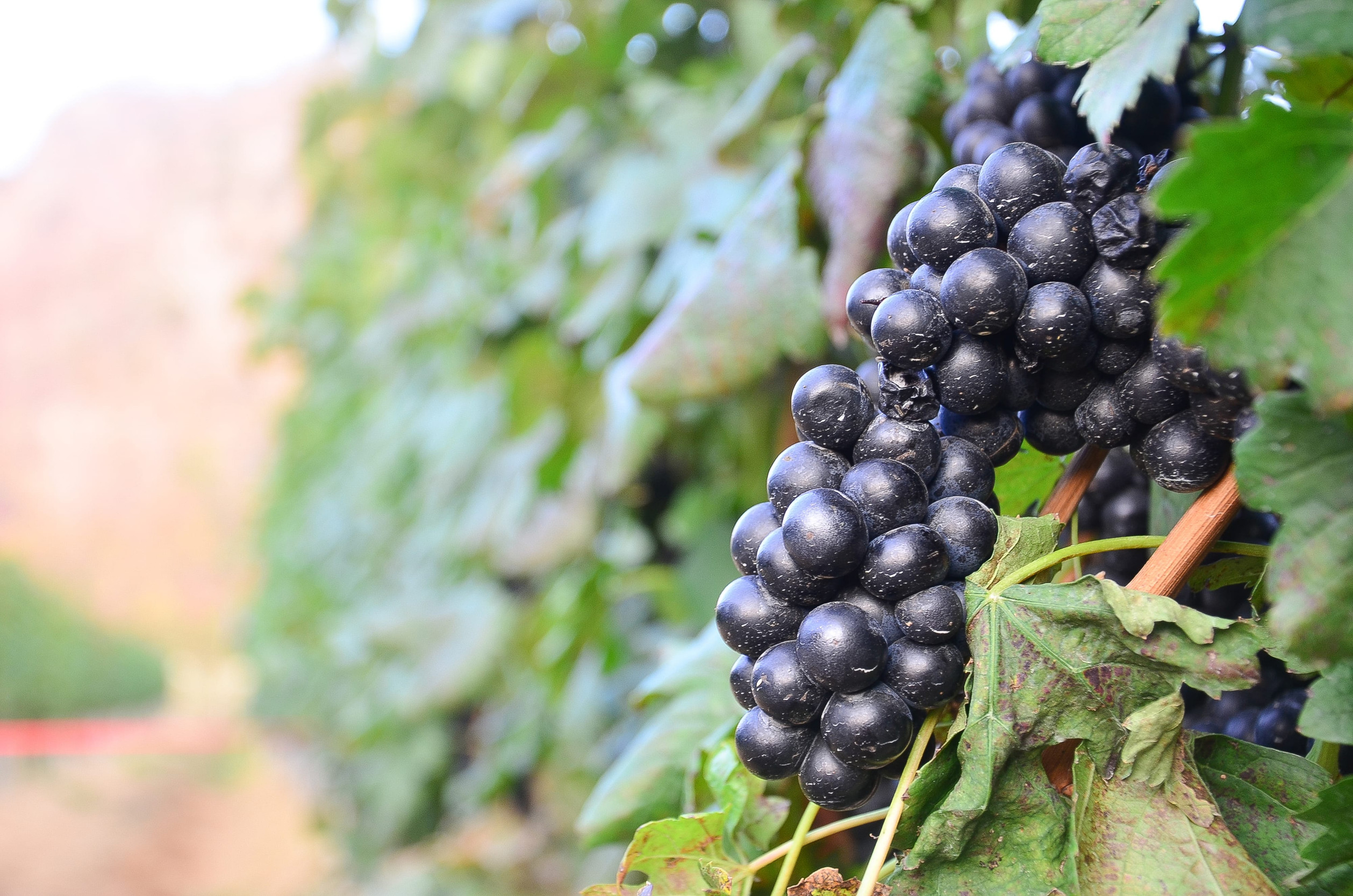
For years, visiting wineries usually meant a quick tour, a stop at the tasting room, and a purchase before moving on.
Today's wine tourist wants something deeper. Travelers are looking for hands-on experiences that include participation in the harvest, guided vineyard walks, educational cellar tours, and meals prepared with local ingredients.
Millennials and Gen Z have helped reshape wine travel by placing greater value on authentic cultural experiences. Modern wine tasting experiences often include conversations about grape growing, pressing methods, terroir, and a regional dish paired with the wines. This gives visitors a better understanding of regional winemaking traditions.
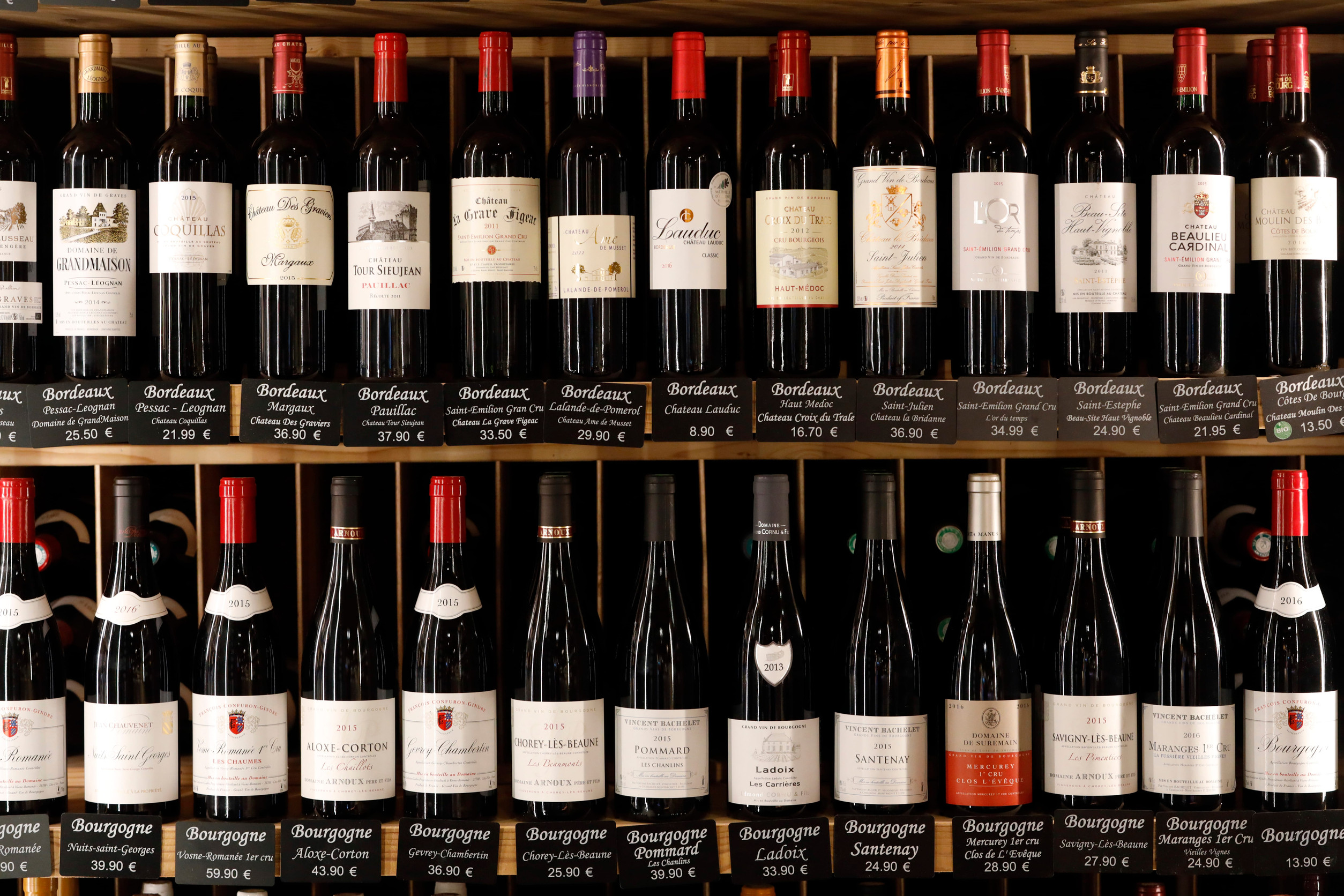
Luxury travel journalist Casandra Karpiak recommends one example in California's Sonoma wine country.
She highlights Farmhouse Inn for combining boutique accommodations with intimate tastings from local winemakers and curated itineraries that encourage guests to venture beyond the typical tourist route. That kind of personalized access has become one of the biggest draws in wine tourism.
The trend shows no sign of slowing. Travelers want to connect with growers, understand local traditions, and enjoy meaningful experiences that last well beyond the trip itself.
Wine tourism has evolved from simply tasting wine into exploring the people, places, and culture behind every bottle.
Europe Still Sets the Standard
When I picture a classic wine trip, my mind still goes to Europe. Italy, France, Portugal, and Spain remain the giants of the oenotourism world, and for good reason. The regions have been welcoming visitors for generations, and the traditions are woven right into the villages.
Italy's Rolling Tuscan Hills
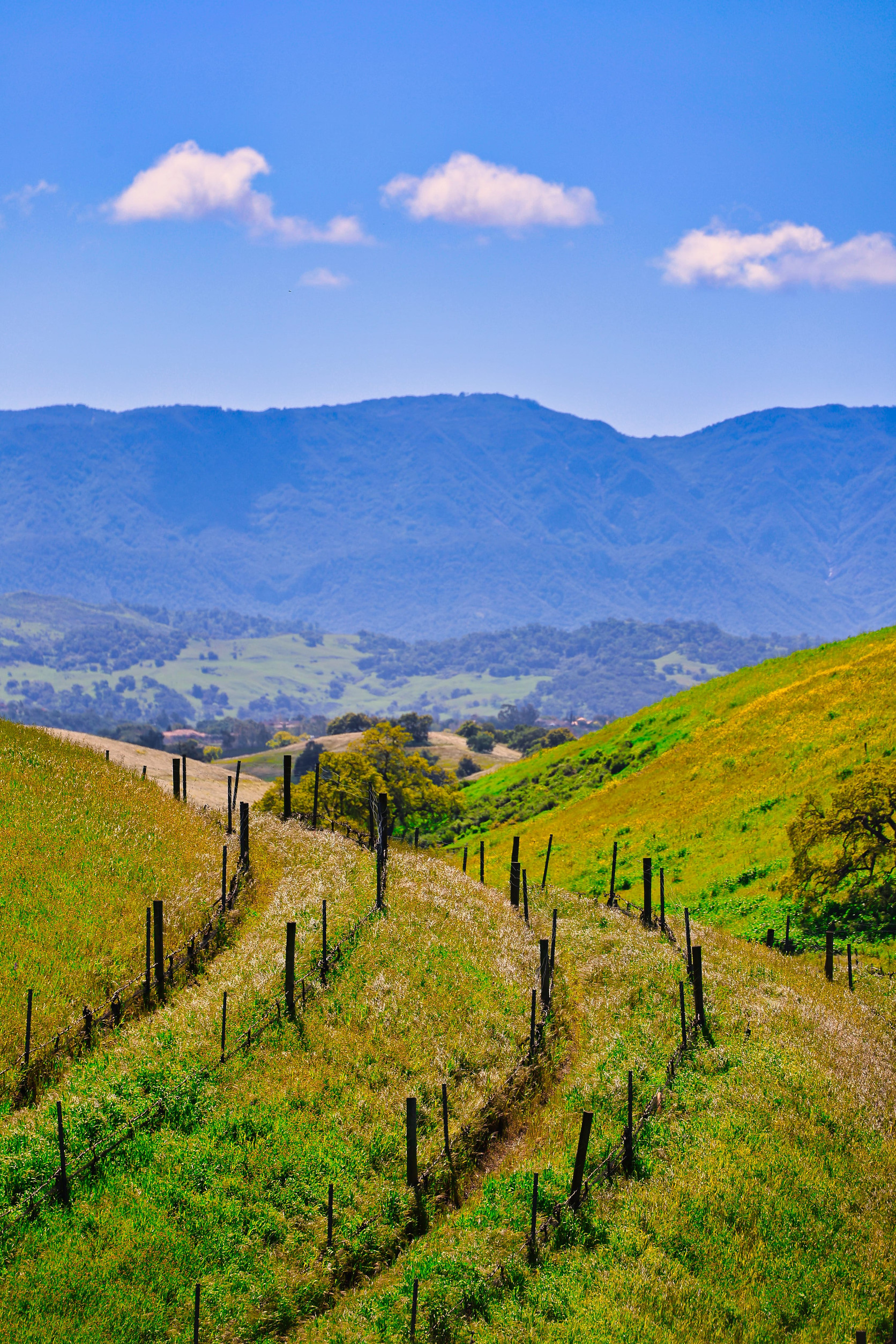
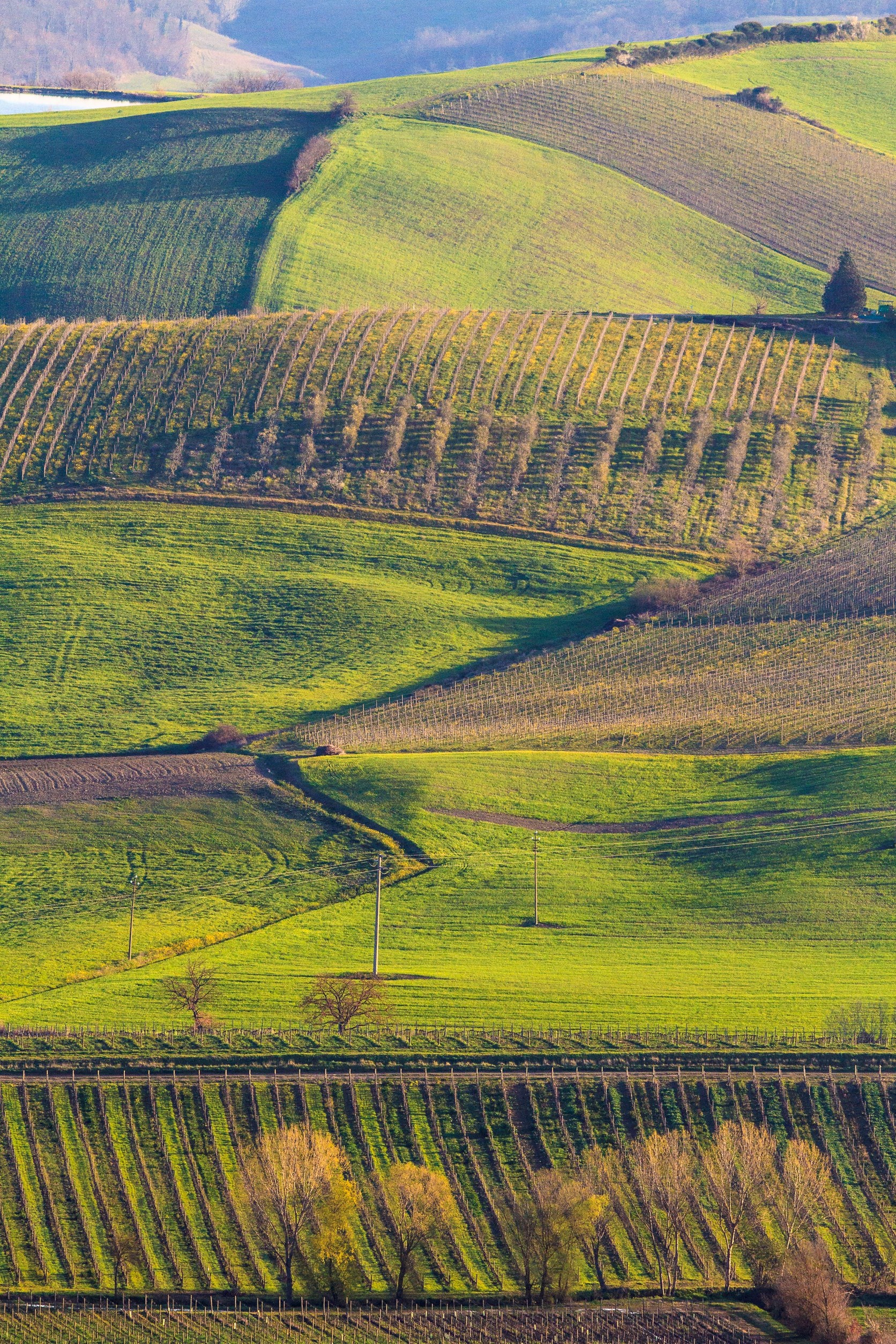
Tuscany is where a lot of wine lovers cut their teeth, and it still feels like the beating heart of Italian wine travel. Tuscany in Italy is still one of the top wine destinations on the planet.
You can spend a week in the hills around Montalcino or Chianti and never run out of small producers to visit. Many offer private cellar tours, vineyard walks, and long lunches centered on local gastronomy. That gentle rhythm is the whole draw.
France's Grand Wine Houses
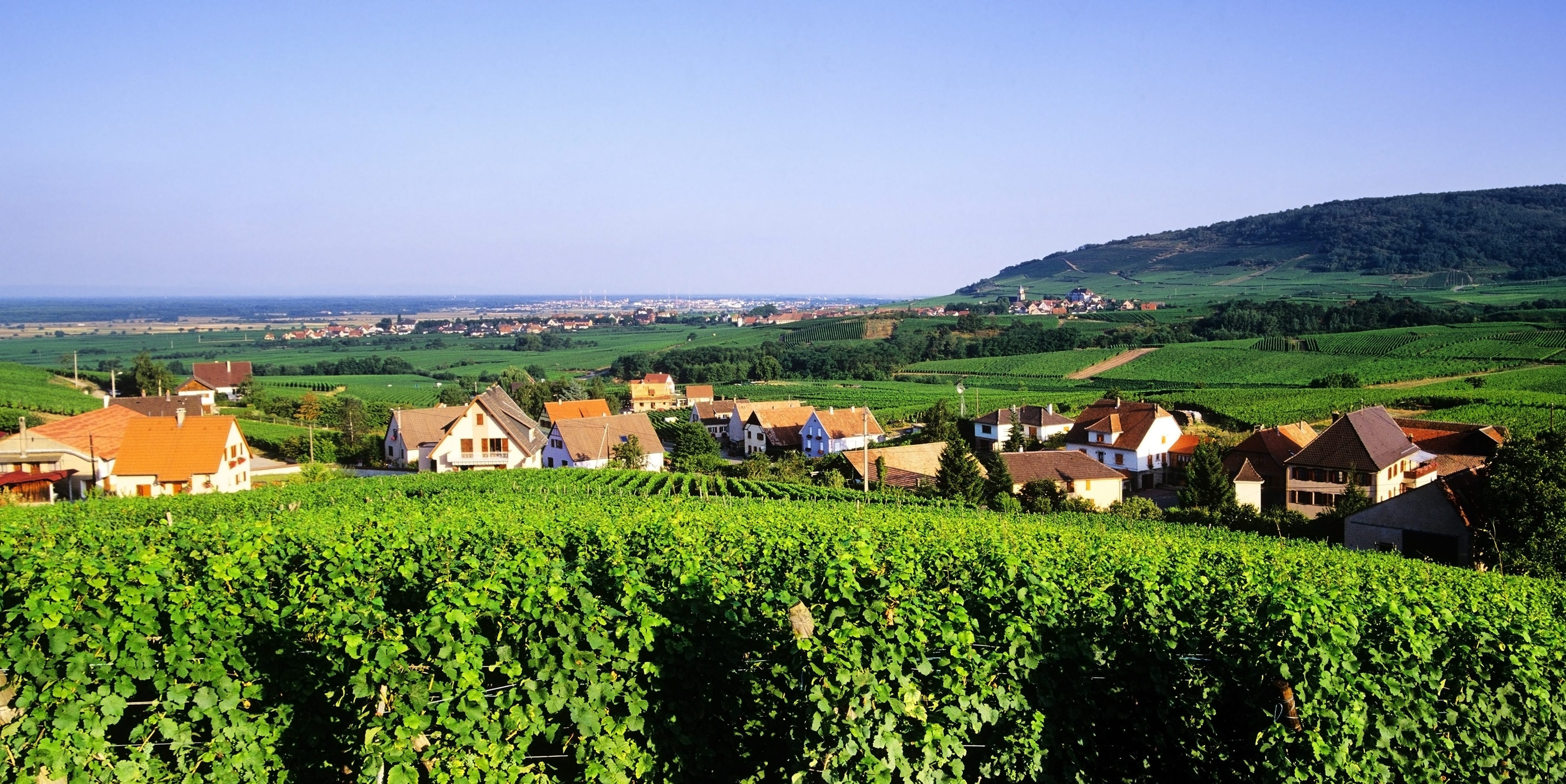
France carries a different weight when it comes to wine tourism.
Bordeaux draws visitors with its historic châteaux, while Burgundy and the Loire Valley offer smaller wineries where you can talk with winemakers about the terroir behind every bottle.
Champagne stands apart, with cellar visits beneath the streets of Reims and Épernay that feel like stepping into living history.
Portugal and Spain on the Rise
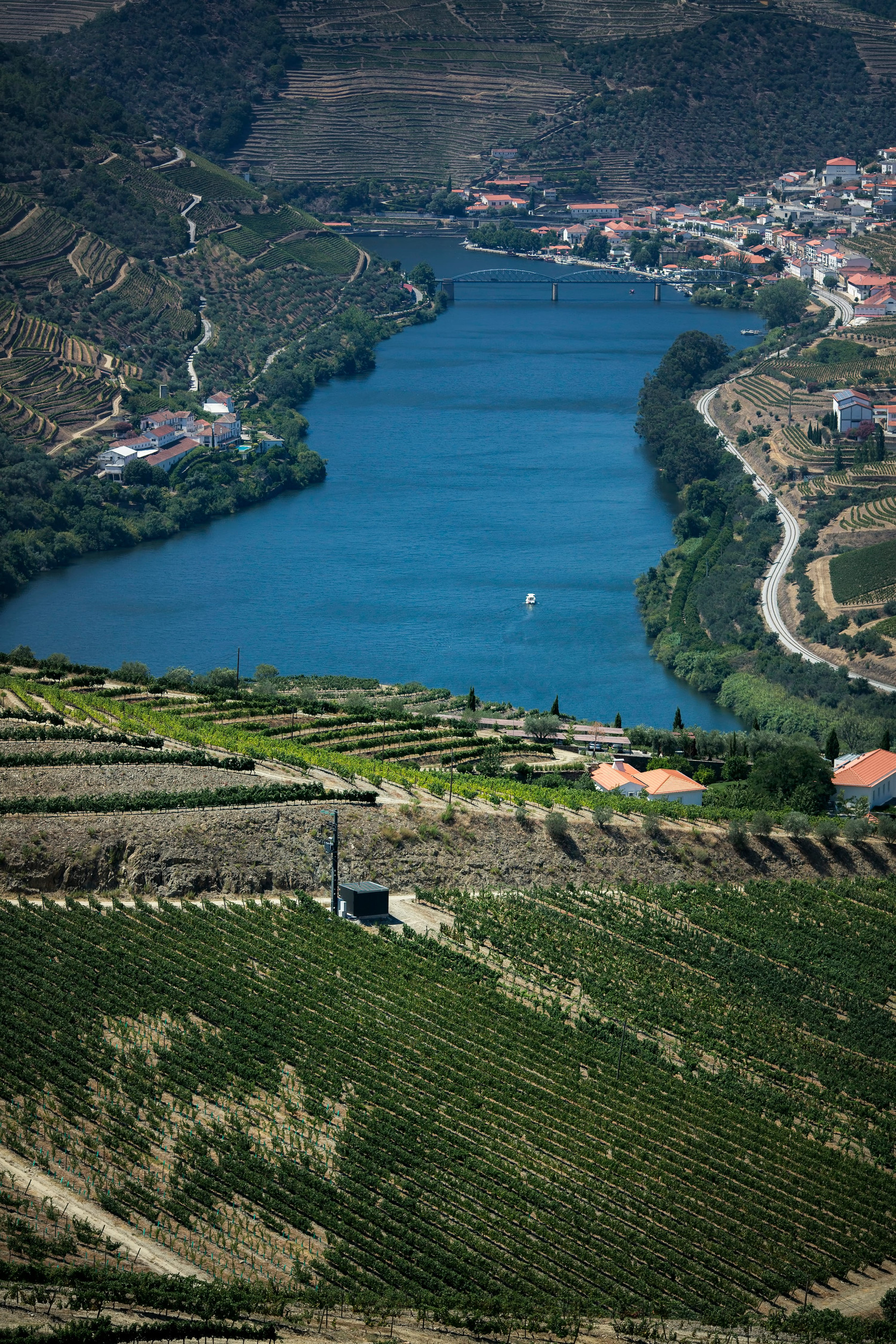
The Iberian Peninsula is having a real moment with wine travelers. Portugal has climbed quickly on the wine travel map. Rural guesthouses on working estates let visitors settle into the rhythm of harvest season.
Douro Valley pairs terraced landscapes, vineyard visits, and family-run wineries where guests can immerse themselves in harvest season. Spain's La Rioja rounds out the classic European circuit, blending historic stone cellars with modern wine tastings.
Asia Pacific Is the Surprise on the Map
The fastest-growing part of the wine tourism market is not in Europe at all. It is in Asia-Pacific, where two wine regions have caught the attention of wine lovers around the globe.
Ningxia, China
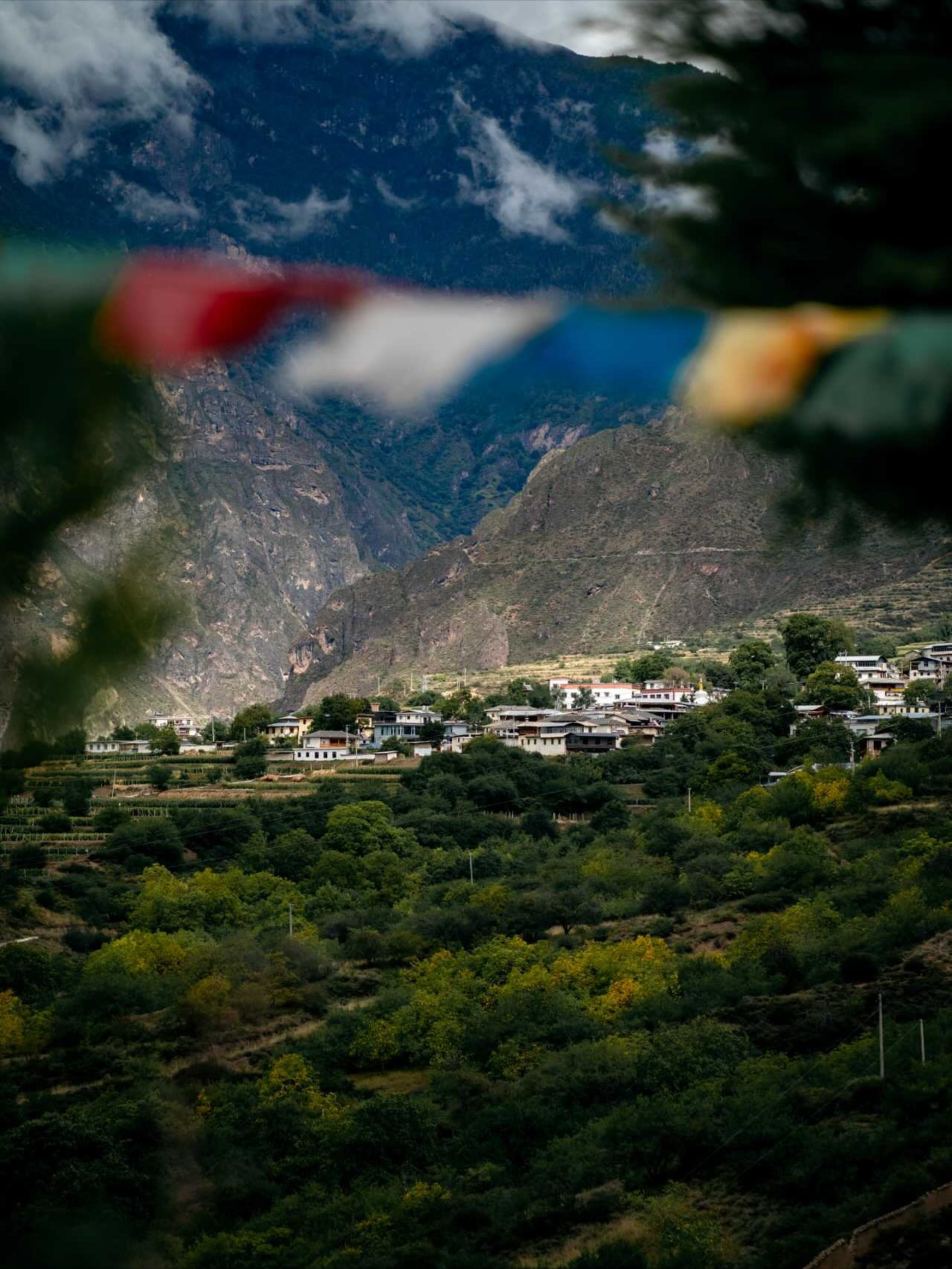
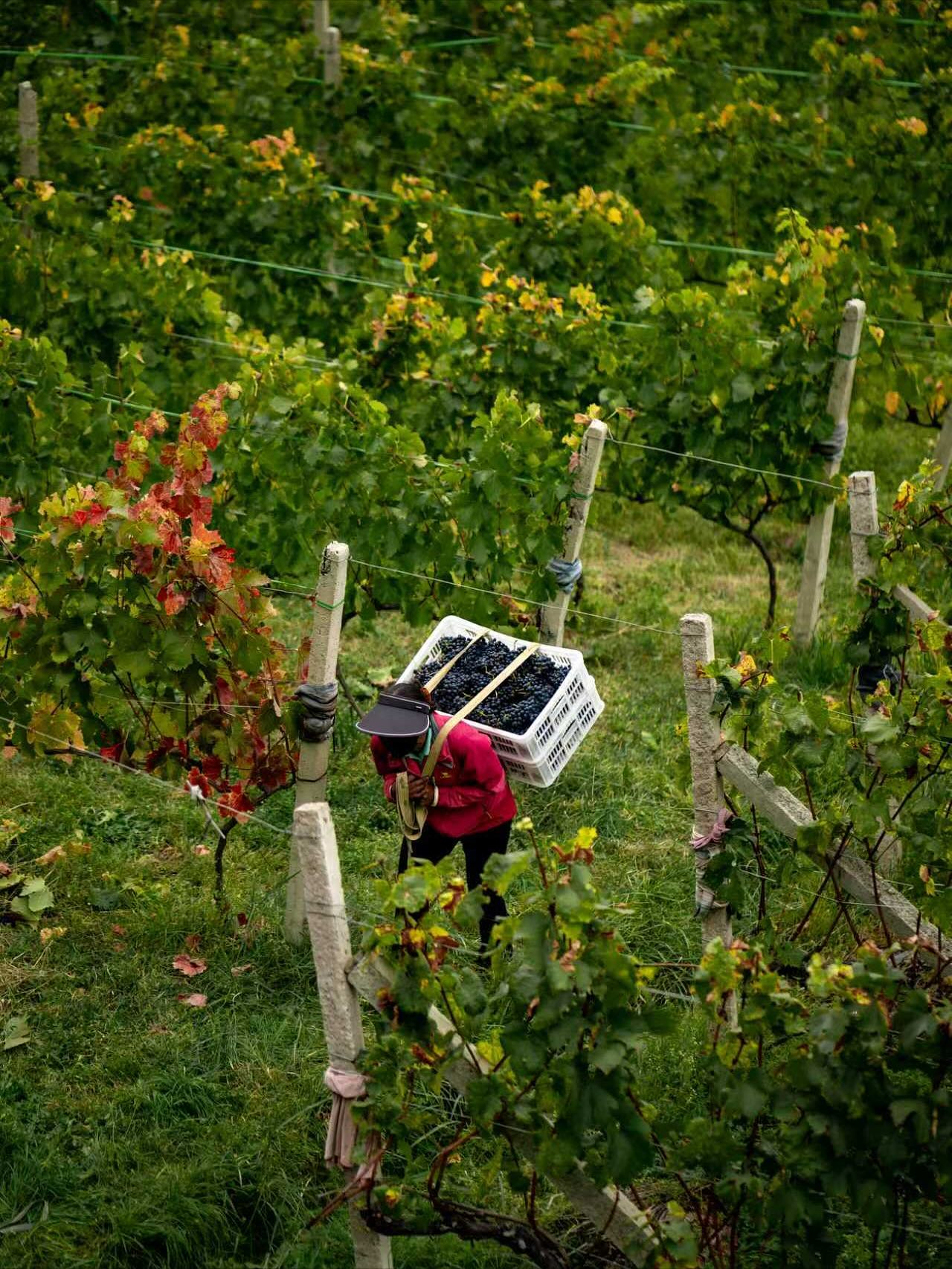

China's rise as a wine-producing country has surprised even the experts, and Ningxia sits at the center of it. Near Helan Mountain, long sunshine hours and a cool, dry climate have created ideal conditions for grape growing. The region now produces some of China's best wines while continuing to expand its wine tourism offerings.
Nashik, India
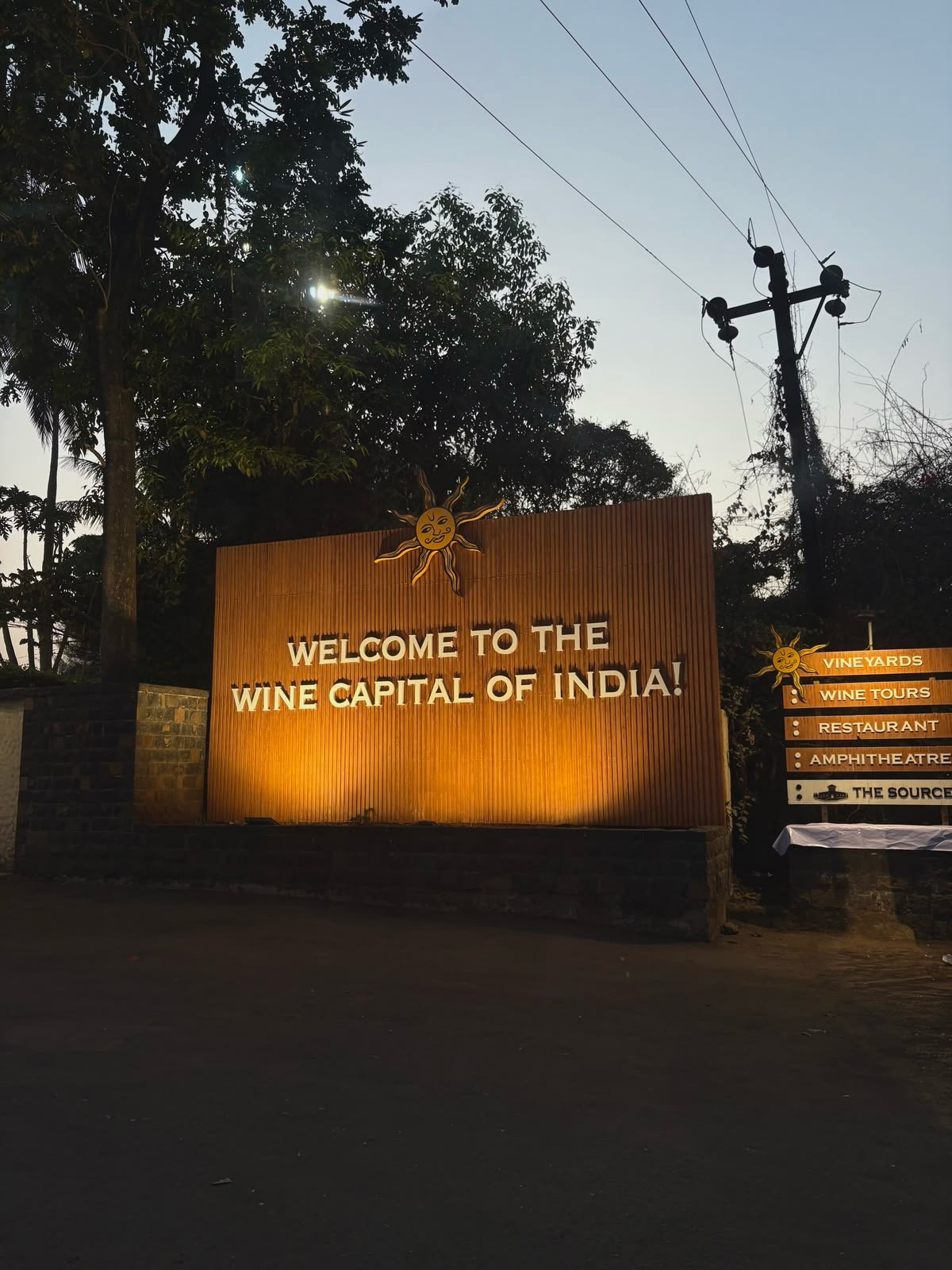
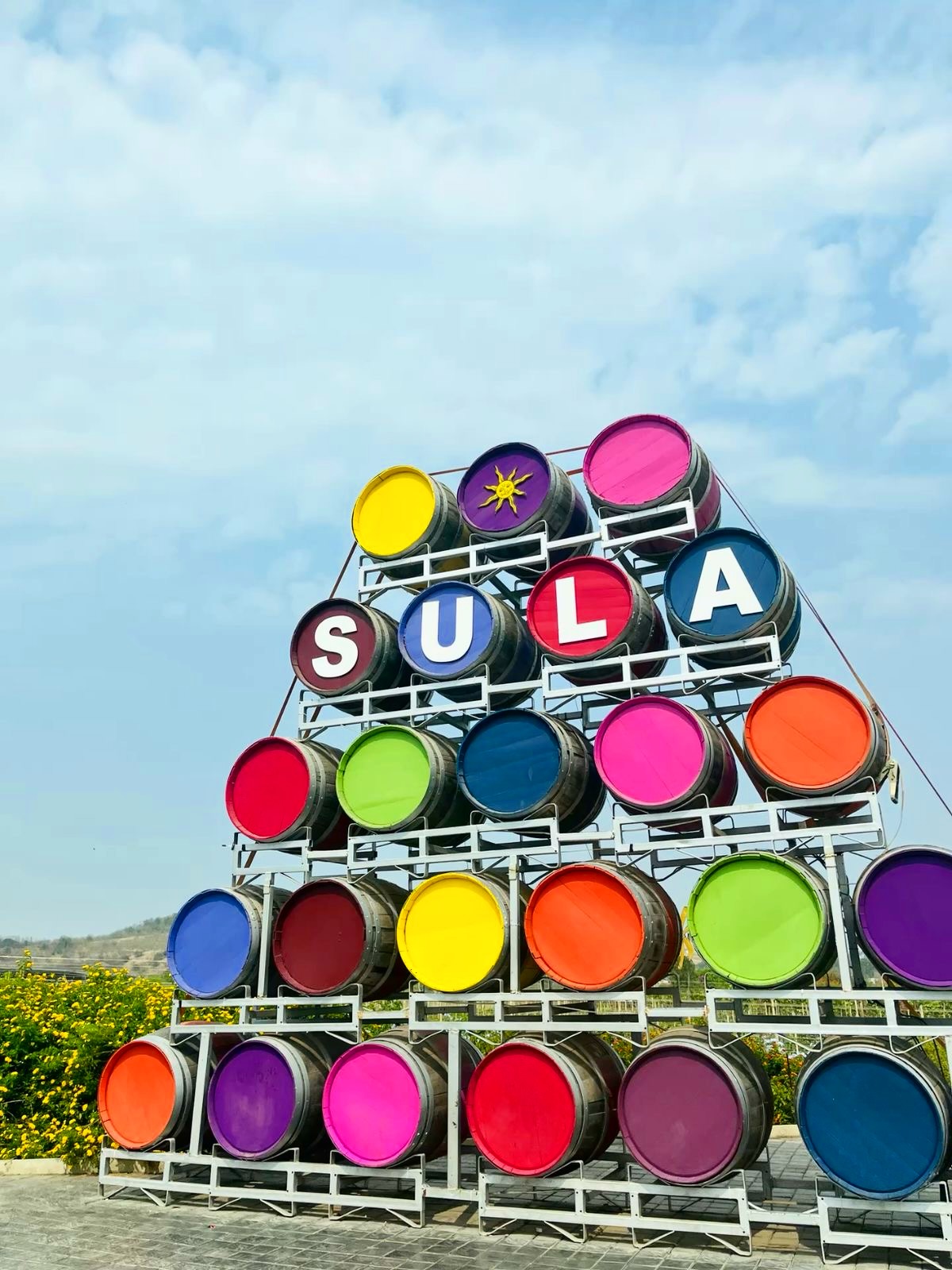
India might not be the first place that comes to mind for a wine trip, but Nashik is quietly making the case.
More than 40 vineyards now produce tropical white wines and fruit-forward reds, while boutique stays like Utopia Farmstay make it easy to visit several wineries without rushing. It has become one of Asia's most exciting wine regions to visit.
The Americas Have Their Own Rhythm
Wine tourism across the Americas runs the full range, from long-established icons to regions still writing their own story. Each one has a different rhythm and a different kind of welcome waiting for visitors.
Napa and Sonoma, California
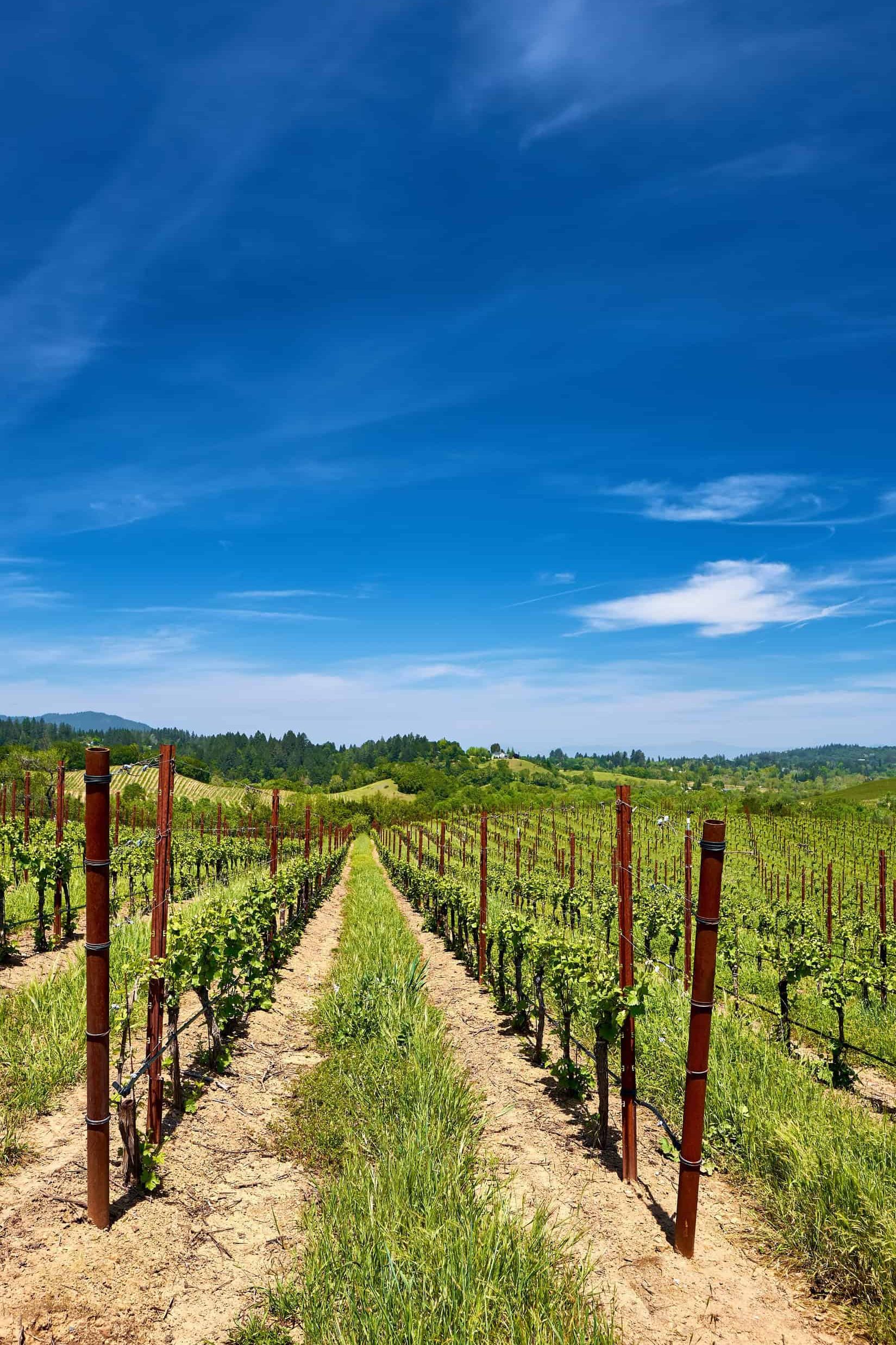
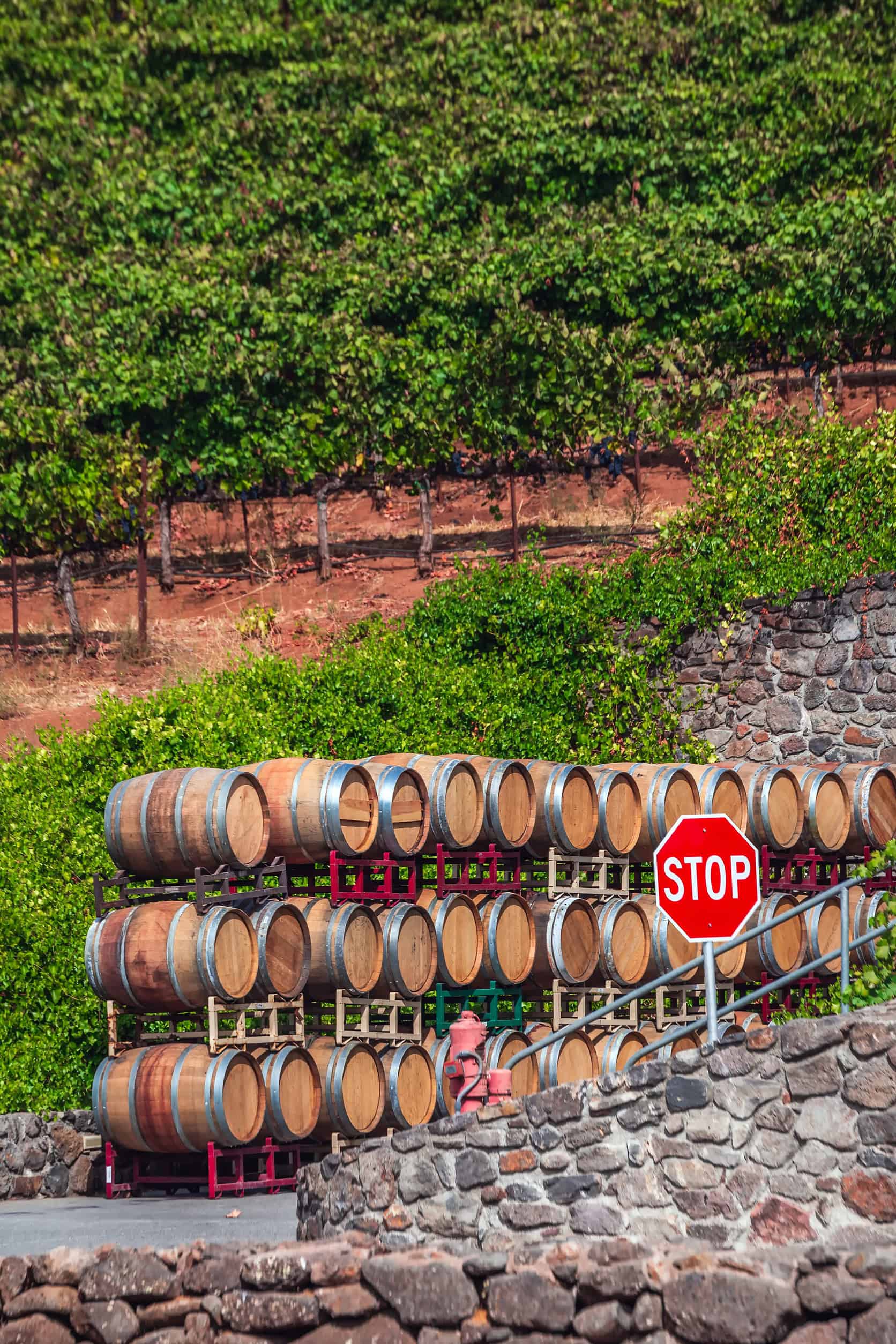
California is where American wine travel really took shape, and it is still setting the pace. Napa Valley in California remains the premier wine destination in the United States, drawing tourists from around the world.
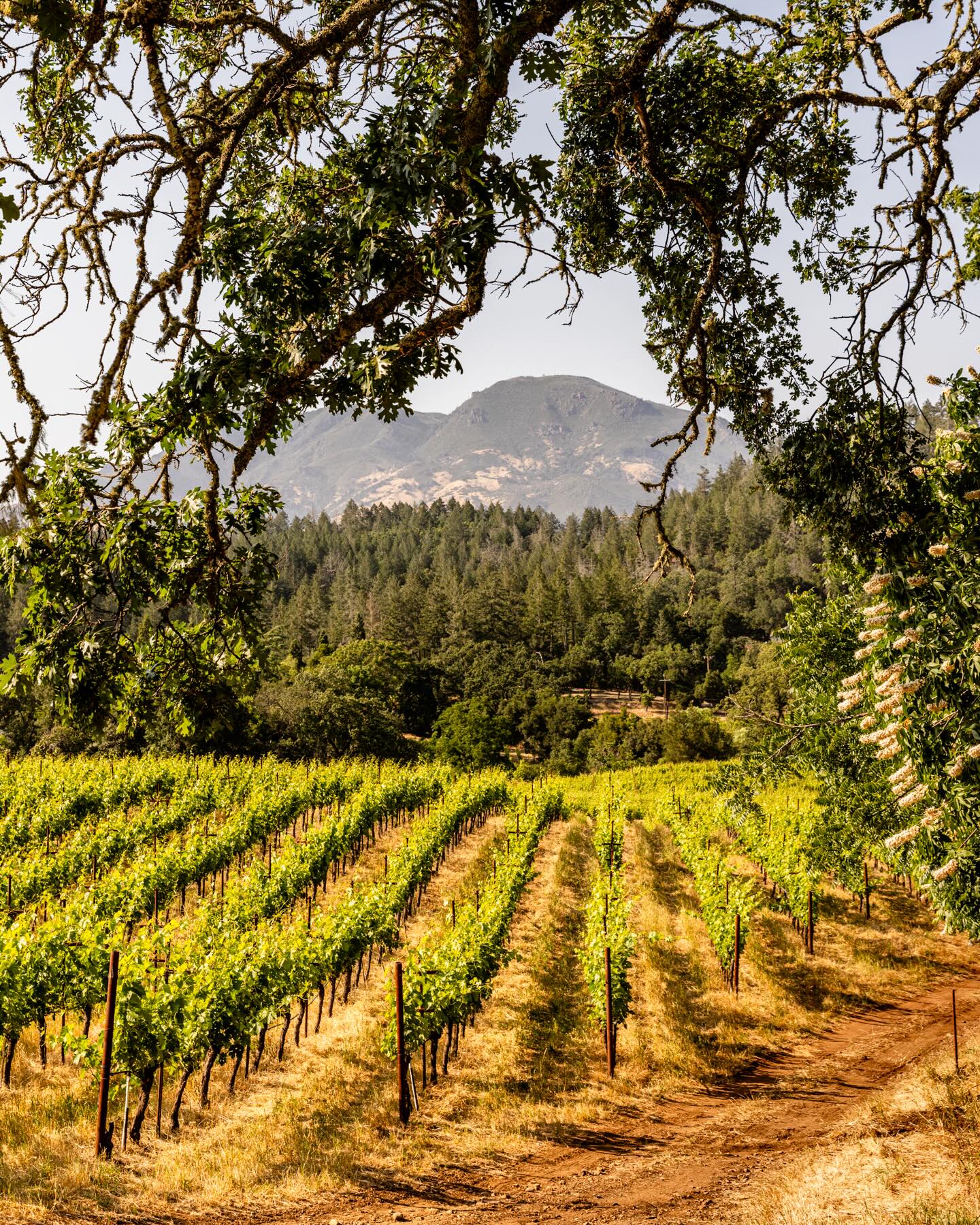
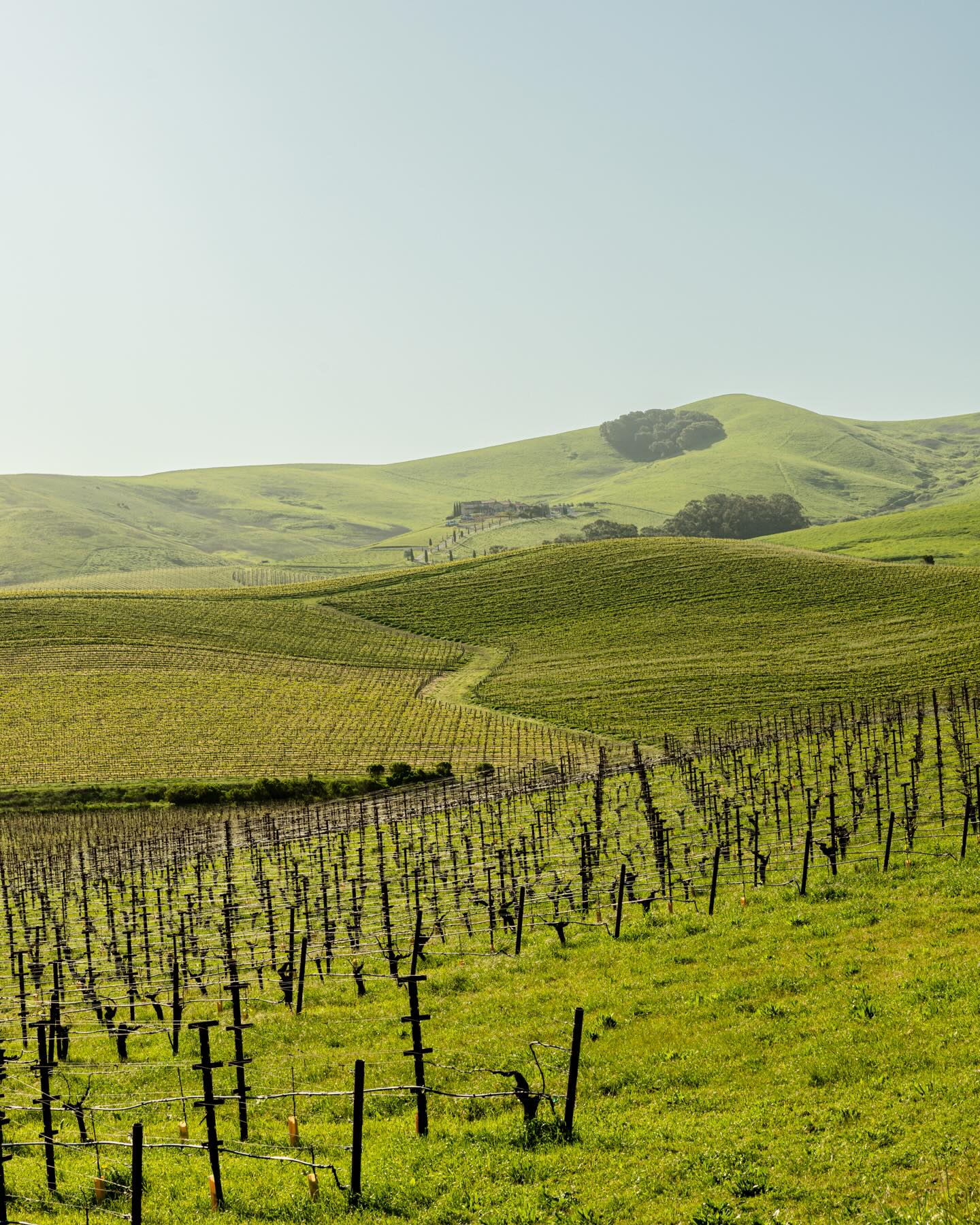
Some estates have embraced virtual tours and AI-driven pairings, blending tradition with innovation. Sonoma, just next door, keeps a more relaxed feel, with boutique wineries and small tasting rooms tucked along quiet roads. The wine travel experiences there tend to feel more personal than polished.
Want to save this?
Canada's Okanagan Valley
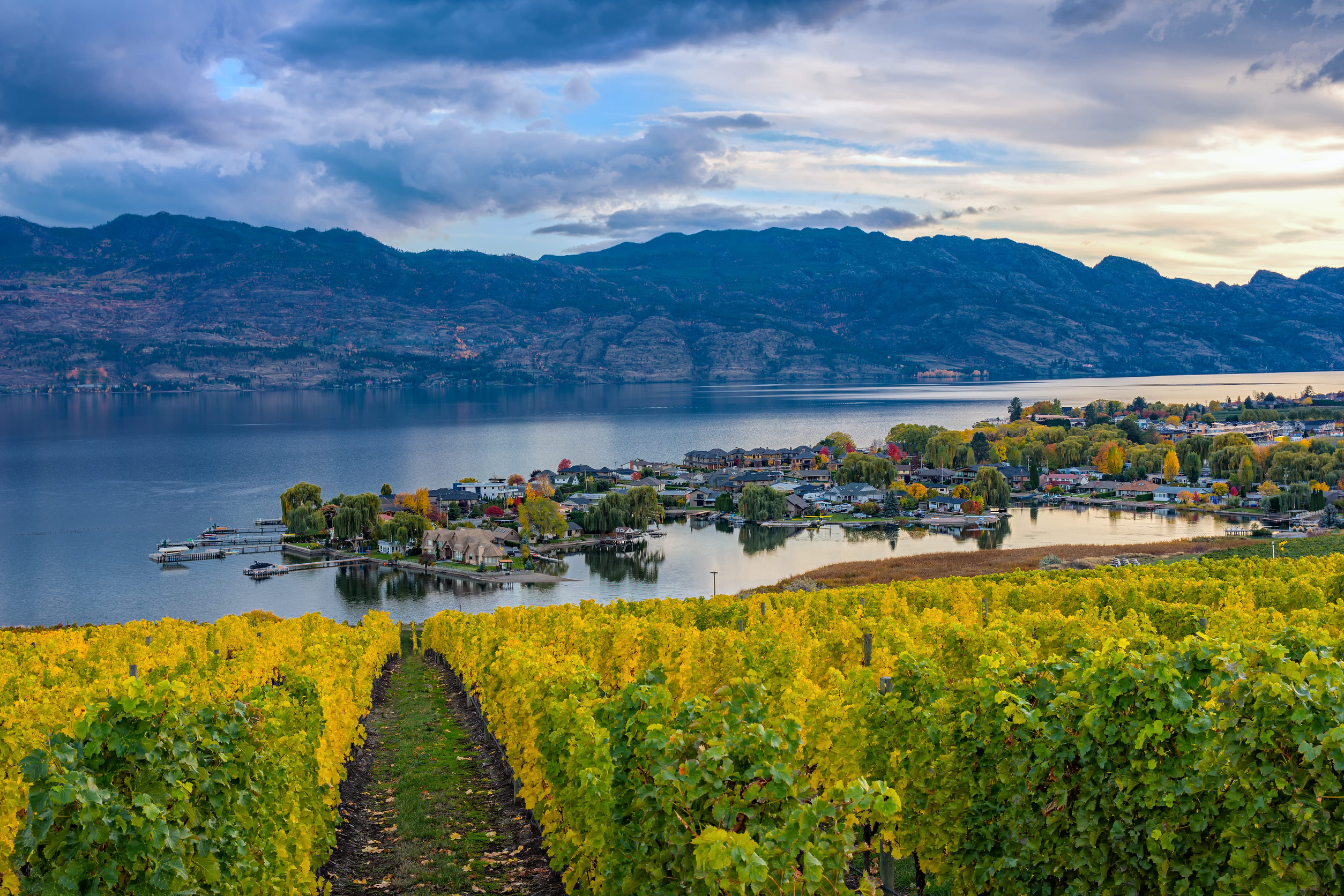
Canada does not always land on wine tourism lists, but the Okanagan Valley is changing that. In British Columbia, boutique wineries pair quality wines with lake and mountain views, making the region one of North America's most memorable wine destinations.
Argentina and Chile
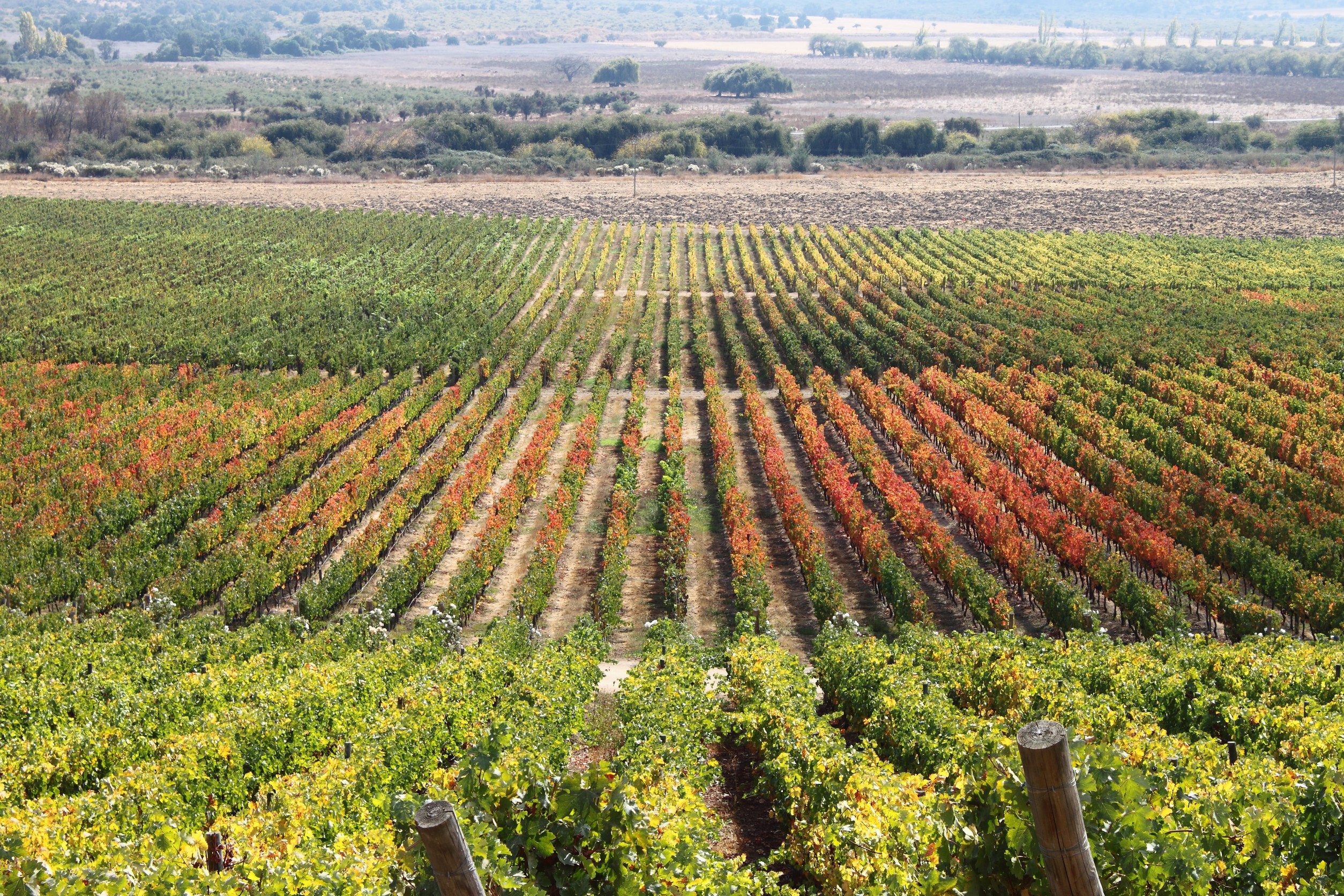
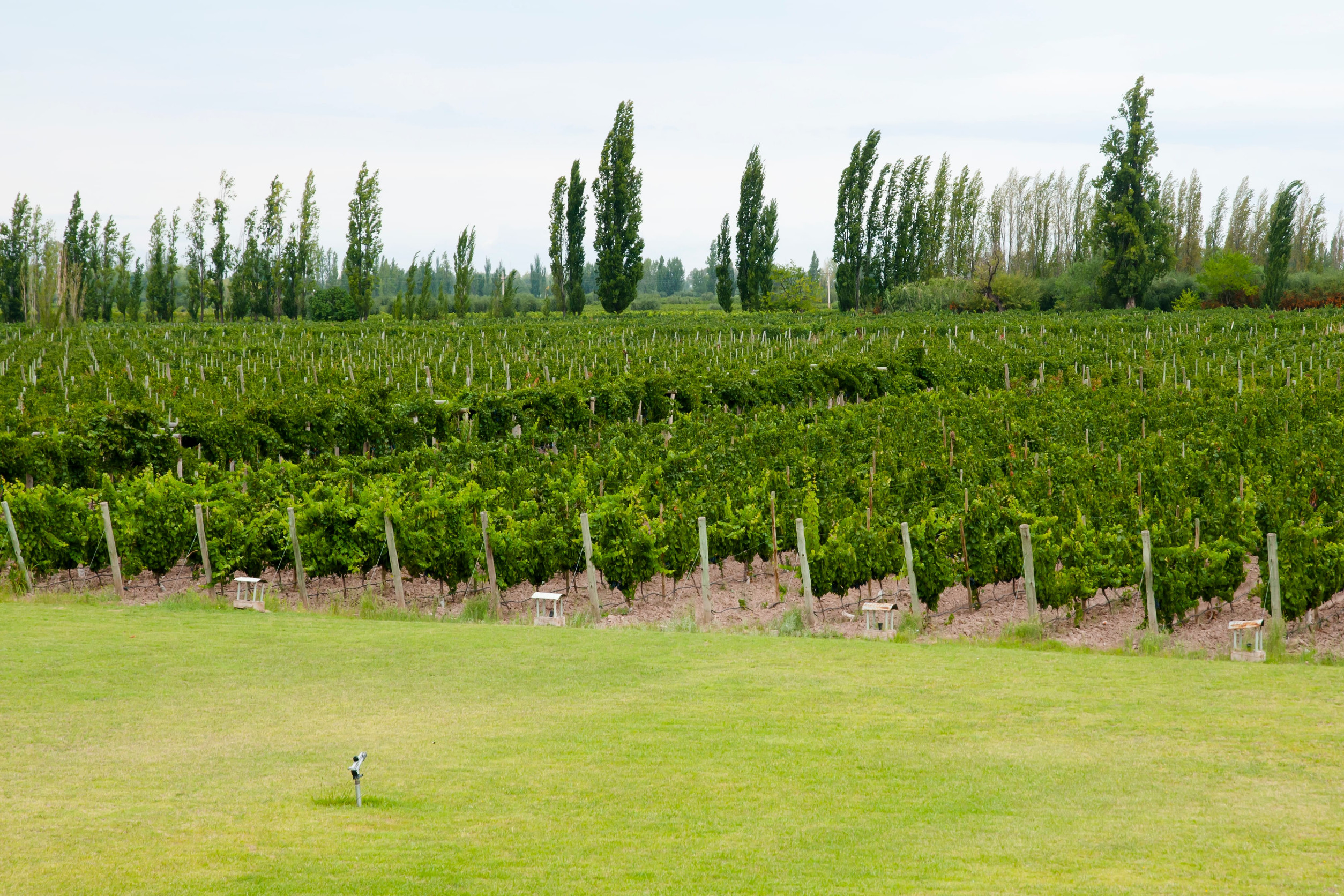
South America has built a wine tourism scene around spectacular landscapes and welcoming hospitality.
Mendoza in Argentina and Chile's Colchagua Valley offer wine tours that combine vineyard visits with horseback rides, outdoor meals, and small-group experiences.
Their growing focus on sustainable production and organic wine, along with the ability to customize wine tours for small groups, gives visitors another reason to explore these celebrated wine regions.
South Africa and the Places Still Finding Their Feet
Some of the most rewarding wine trips happen in regions that are still writing their tourism playbook. The pace is slower, the crowds are thinner, and the welcome tends to feel more personal.
The Western Cape
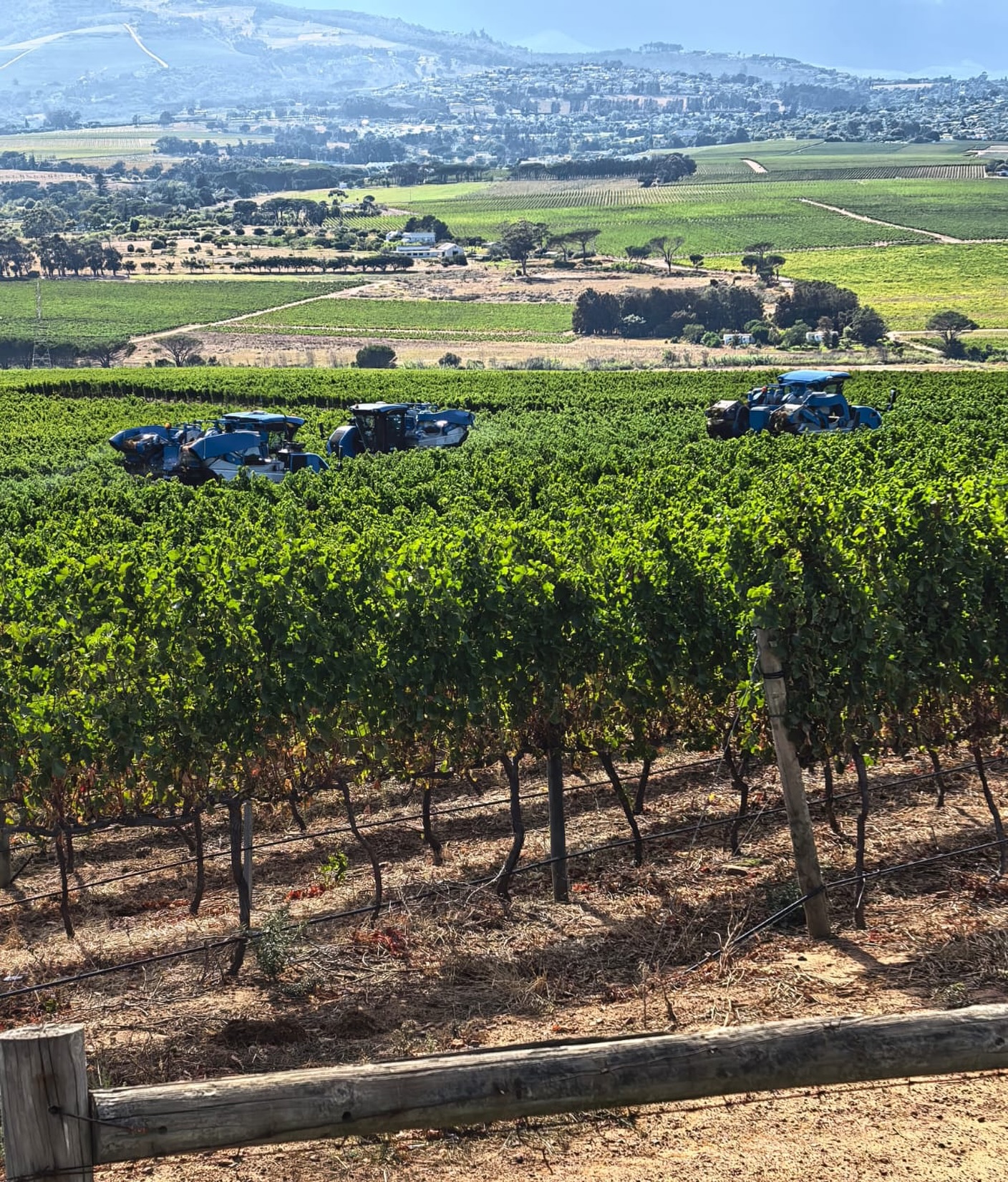
South Africa's wine country pairs its bottles with some of the most striking scenery in the wine world.
The Western Cape, especially around Stellenbosch and Franschhoek, combines mountain landscapes with sustainable wine production.
Visitors can spend a morning at a small estate, explore the surrounding countryside, and finish the day hiking or watching wildlife.
Georgia and Uruguay
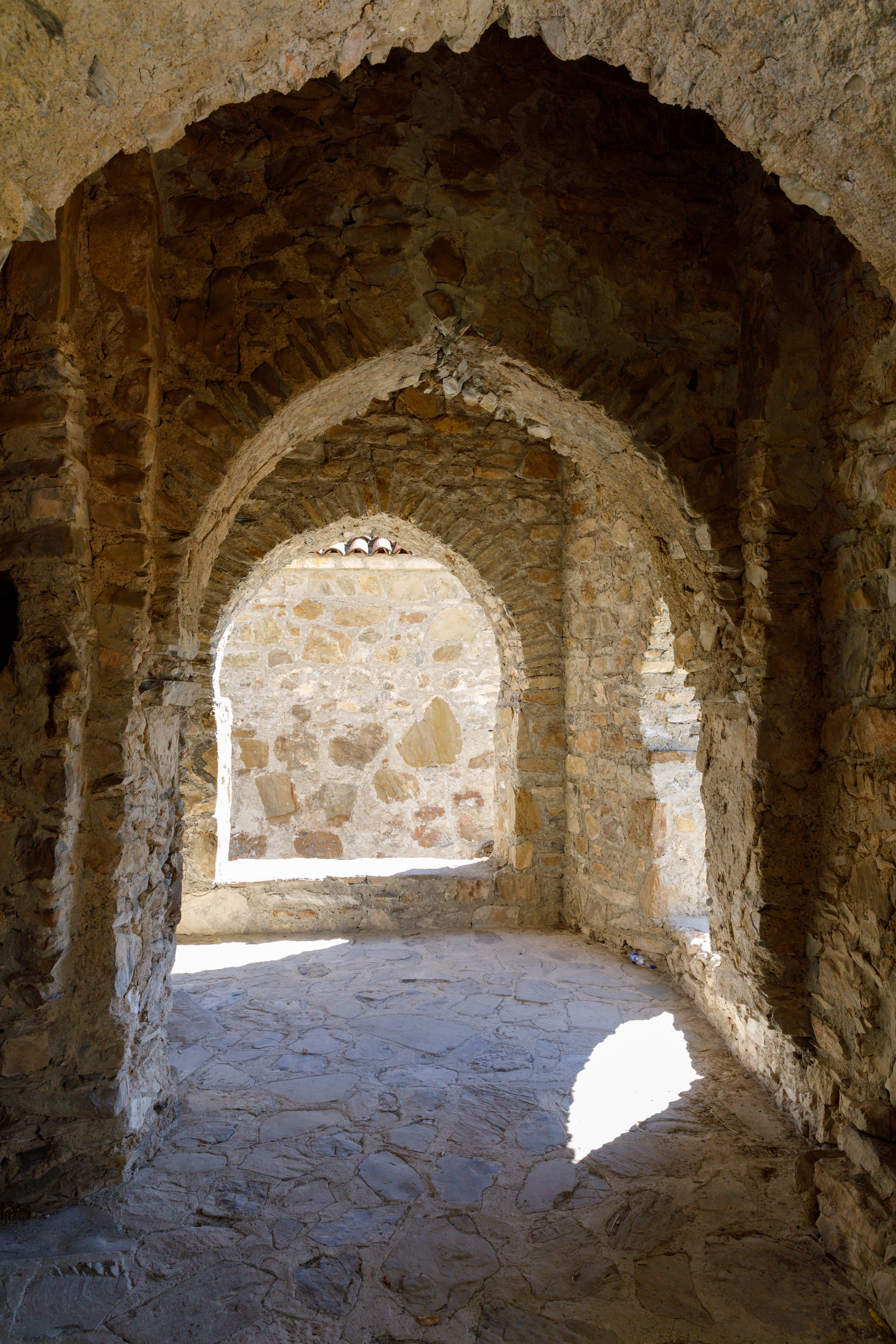
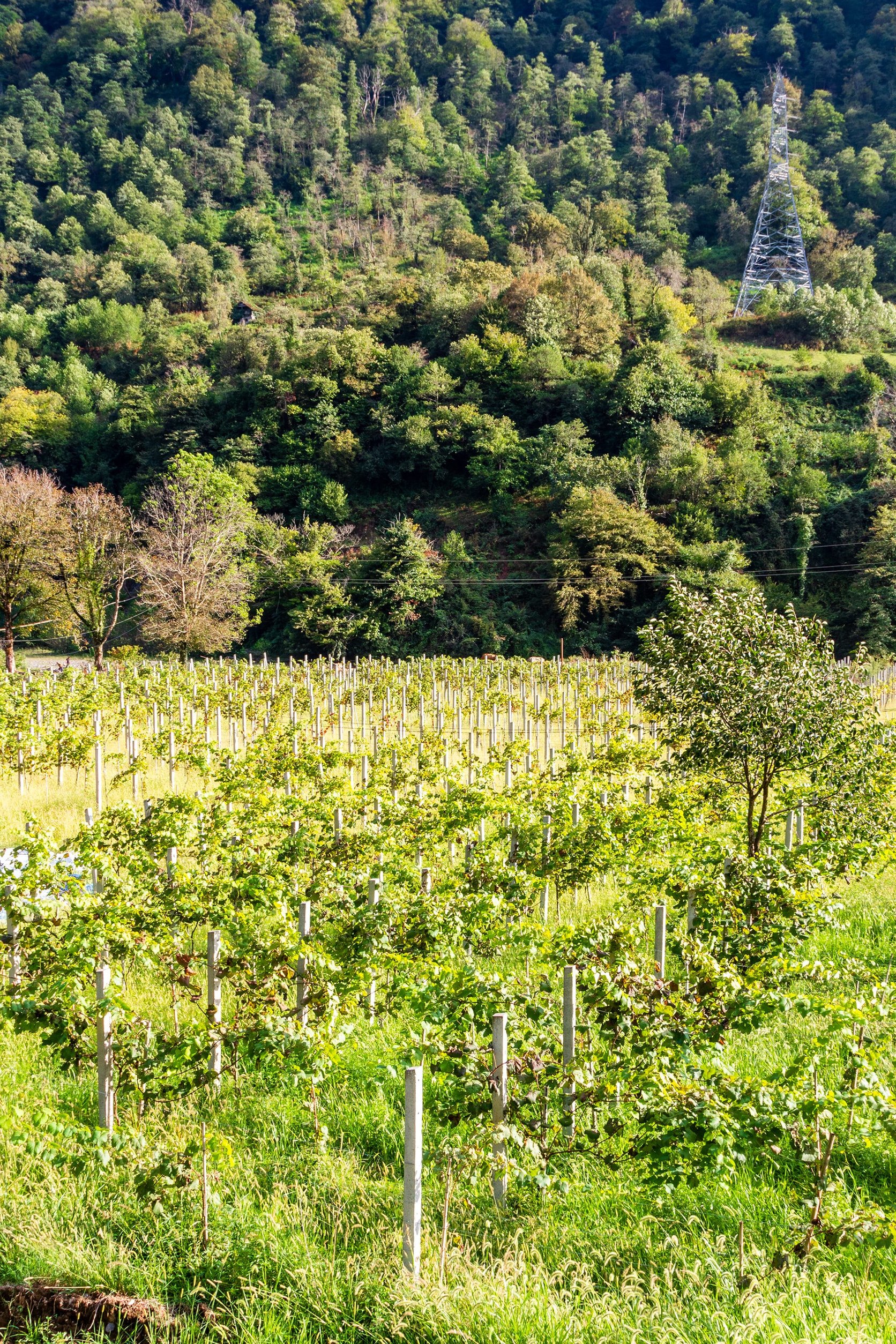
For travelers who want to skip the crowds, emerging wine-producing countries are worth the detour.
Georgia, tucked between the Black Sea and the Caucasus, has an 8,000-year winemaking tradition and remains one of the world's most authentic places to taste wine. Growers still use clay vessels buried underground, and visits often end with a shared meal at the family table.
Uruguay is another quiet find, where small producers welcome visitors like old friends. Both offer wine tourism experiences that feel discovered rather than packaged.
Wine at Sea, on Rails, and in Unlikely Places
Not every wine trip starts at an airport near a famous wine region. Some of the newest wine travel experiences come with a train ride or a cruise ship attached.
Celebrity Cruises has leaned into the trend by partnering with Grgich Hills Estate and Shafer Vineyards in Napa to offer private-label wines onboard.
Guests can choose from more than 500 wines from some of the world's most respected wine regions, with sommeliers on hand to recommend pairings and introduce the basics of food and wine.
Off-the-Radar Shore Days
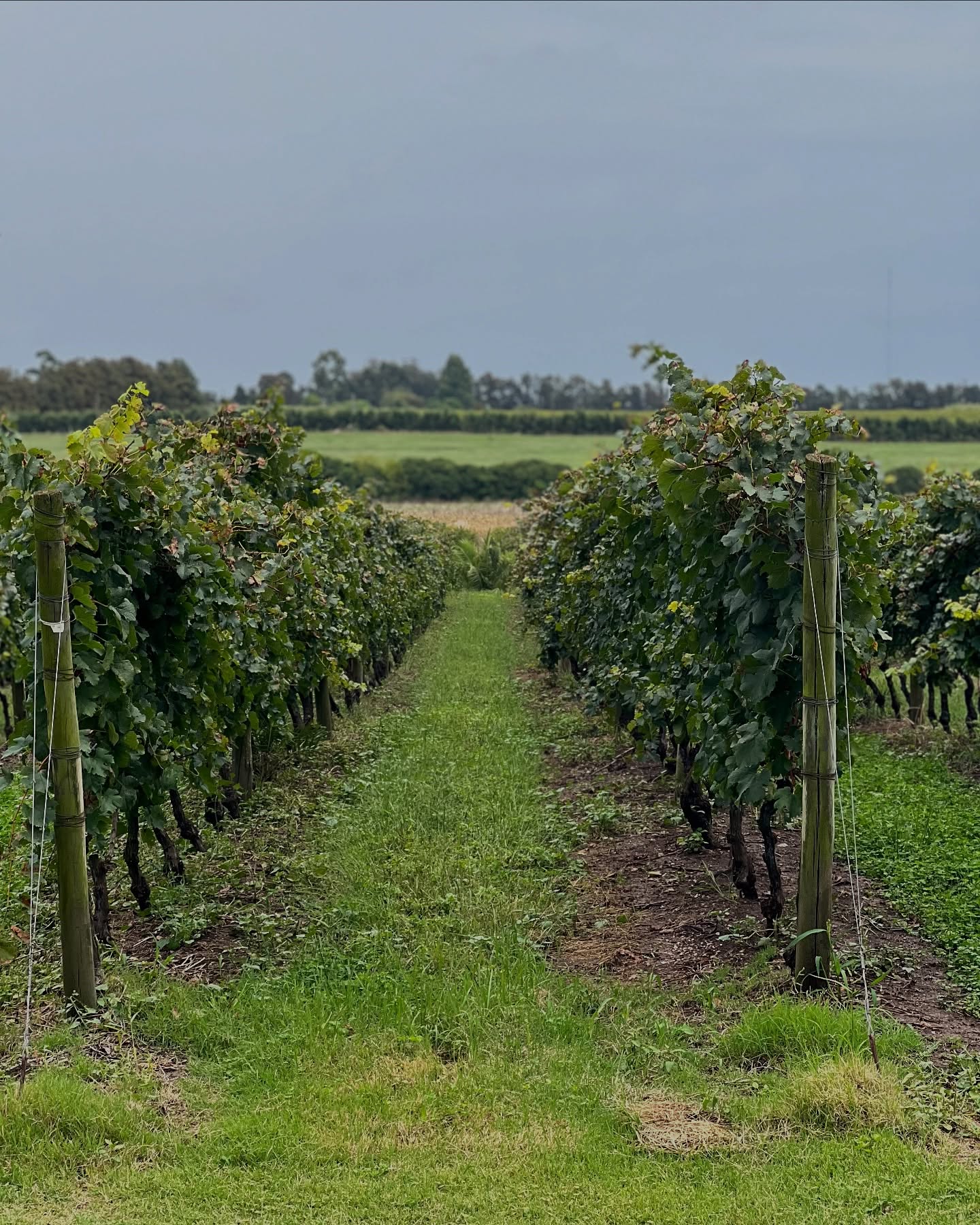
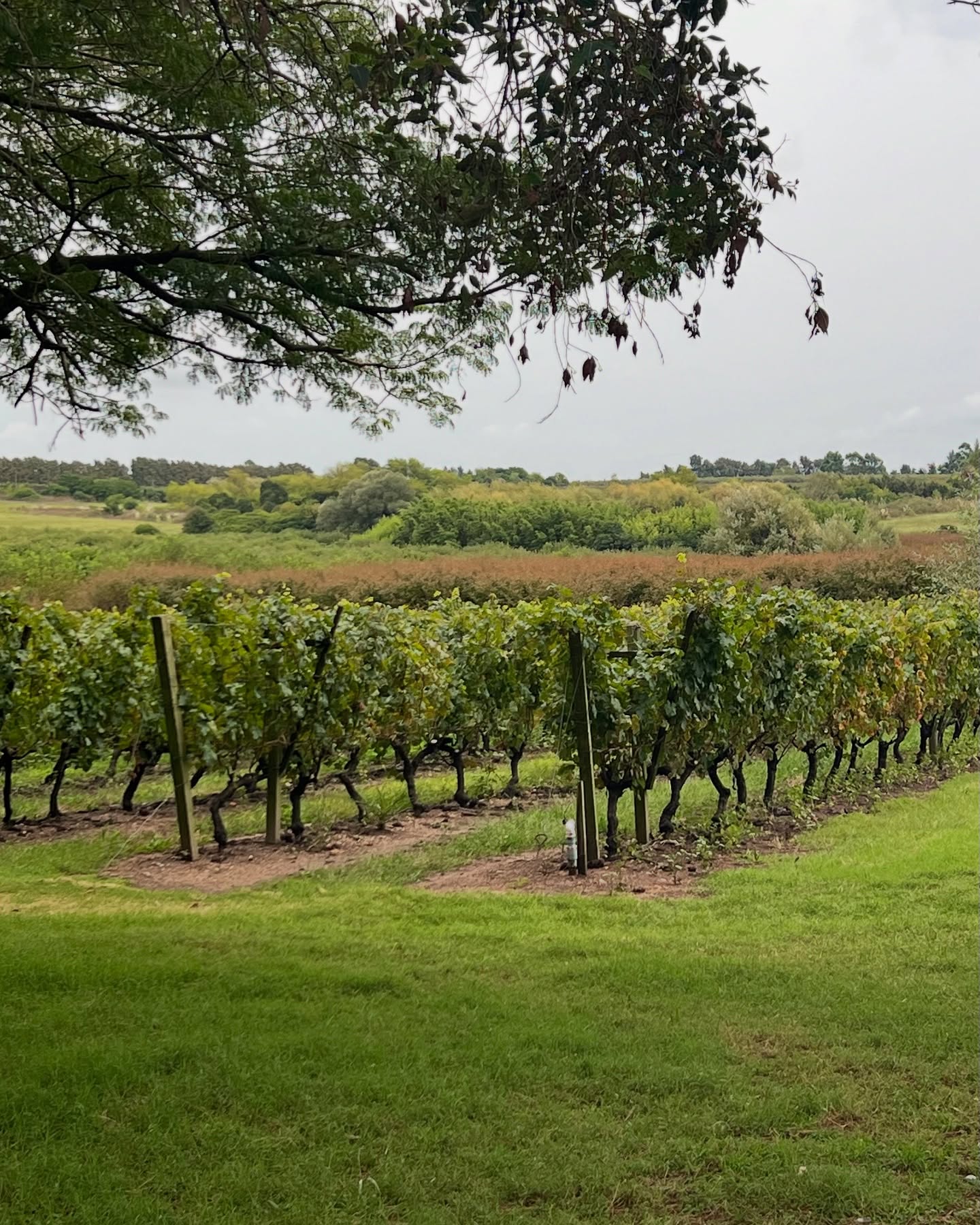
Some of the most memorable wine experiences happen in ports you might never think to visit.
In Ephesus, travelers can join a Turkish vineyard tour and discover one of the world's largest grape-producing countries, home to hundreds of native varieties.
In Montevideo, Uruguay, guests visit the family-owned Spinoglio Winery, tour its historic cellar, ride through the vineyards, and enjoy a tasting featuring four vintages.
Celebrity also offers eight- and nine-night Australian sailings where wine takes center stage, giving guests time to visit several wine regions along the way.
Riding the Rails Through Wine Country
Trains have quietly become one of the most enjoyable ways to experience a wine region. Wine trains in Napa, South Africa's Elgin Valley, and Portugal's Douro Valley combine vineyard scenery, regional cuisine, and wine tastings into a single relaxed journey. For travelers who want a sensory way to experience a wine region without driving, they are hard to beat.
Planning a Wine Trip That Actually Feels Like Yours
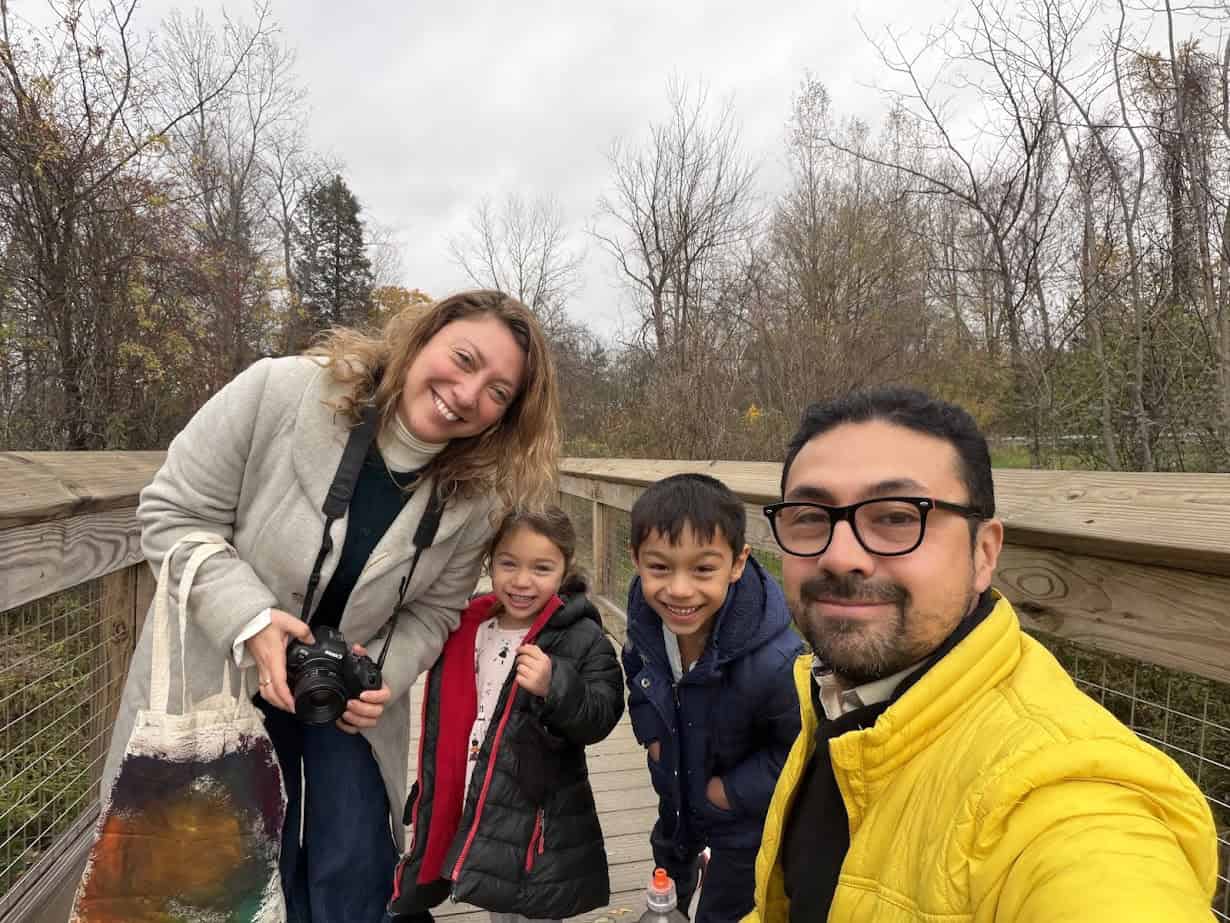
A wine trip is one of those things that rewards a little forethought. The best ones tend to come from a mix of good timing, honest expectations, and a willingness to spend your money where it matters.
Start With the Calendar
Timing shapes a wine trip more than almost anything else. If wine tourism is on your family's list, a little planning goes a long way.
Harvest season, which usually runs from late summer into early fall in the Northern Hemisphere, is the most exciting time to visit a wine region and explore its vineyards, but it is also the busiest.
Booking well ahead is the best way to secure the small, educational wine tastings and private tours that make the trip worthwhile.
Know the Kind of Trip You Want
Not every wine trip needs to look the same, and that is a good thing. Think about the kind of wine experience you actually want.
Some travelers prefer an exclusive stay at a single estate with long meals and quiet evenings. Others would rather move through several villages to discover different wineries and wine styles. Knowing what you want from the start makes planning much easier.
Support the Small Producers
Where you spend your money matters as much as where you go. Wine tourism is at its best when it supports local communities.
Booking with small producers, tasting in family-run wineries, and eating at local restaurants helps your money stay with the people who make the experience possible. That is a wine lifestyle worth leaning into, whether you are visiting wineries in Napa, Nashik, or the Douro.
Why Wine Tourism Is More Than a Trend

The best wine trips have never been just about what is in the glass. They are about meeting the people behind the bottle, understanding the traditions that shaped each vintage, and slowing down long enough to appreciate the places that make great wine possible.
That is what makes wine tourism so rewarding today. It invites every wine tourist to go beyond a simple wine tasting and connect with local culture, regional cuisine, and the people who make each winery unique. The modern consumer is looking for meaningful experiences, and wine travel delivers exactly that through vineyard visits, cellar tours, and shared meals.
As more wine regions welcome visitors, there has never been a better time to plan a trip that matches your interests and supports local communities. The greatest pleasure often comes from slowing down, discovering something new, and returning home with memories that last far longer than the final glass.
This article is adapted from one that originally appeared on Food Drink Life.



Leave a Reply