
Affordable trips can quickly become expensive without careful planning. This article features ways families accidentally overspend on otherwise affordable trips, focusing on common decisions that raise costs without adding much value. Small choices around meals, transportation, and last minute bookings often make the biggest impact.
Understanding where extra spending happens can help families stay closer to their budget. A few changes in planning and timing can keep costs from climbing. Keep reading to see which habits cause the most overspending and how to avoid them on the next trip.

Booking Flights Without Comparing Total Costs

Families often jump on a low advertised airfare without calculating the full picture. Budget airlines frequently charge for checked bags, carry-ons, seat selection, and even printing boarding passes. Add airport parking or long-distance transfers from smaller airports, and the “deal” quickly becomes expensive. Connecting flights with long layovers can also increase meal and snack spending. Comparing the total door-to-door cost—including baggage, transportation to the airport, and seat fees—gives a clearer sense of value. Taking a few extra minutes to price out all components helps families avoid spending more than they expected before the trip even begins.
Choosing Convenience Over Planning for Meals

Food is one of the fastest ways to overspend on an otherwise affordable trip. Airport restaurants, hotel room service, and theme park dining come at premium prices. When families skip basic planning—like packing snacks, booking accommodations with kitchen access, or researching affordable local markets—daily food costs escalate quickly. Even small purchases such as bottled drinks or grab-and-go breakfasts add up over several days. Preparing simple breakfasts, carrying refillable water bottles, and planning one special meal instead of dining out every time can dramatically reduce spending without diminishing the overall experience.
Waiting Too Long to Reserve Lodging

Accommodation prices often rise as availability shrinks. Families who delay booking in hopes of last-minute deals may find that affordable options are sold out, leaving only higher-priced hotels. This is especially common during school holidays or peak seasons. Waiting can also limit choices to properties far from major attractions, which increases transportation costs. Reserving early allows families to compare neighborhoods, secure better rates, and sometimes take advantage of flexible cancellation policies. Even if plans change, booking early provides more control over the lodging budget.
Ignoring Transportation Costs at the Destination

A low flight price can mask expensive ground transportation once you arrive. Rental cars, parking fees, toll roads, public transit passes, and rideshares can quickly inflate the budget. Some destinations require a car to access beaches or parks, while others have efficient transit that eliminates the need for one. Families who do not research local transportation options in advance may end up paying for convenience. Comparing the cost of renting a car versus relying on public transit, and choosing accommodations near attractions, can prevent transportation from becoming an unexpected financial drain.
Overpacking and Paying Baggage Fees

Packing “just in case” items often leads to overweight suitcases or additional checked bags. Airlines charge steep fees for exceeding weight limits, and budget carriers enforce carry-on size restrictions strictly. Families traveling with multiple children can accumulate luggage quickly if they do not coordinate packing. Extra bags also increase the hassle of moving through airports and public transport. Planning outfits carefully, sharing toiletries, and doing laundry during the trip reduces the need for excess luggage. Lighter packing keeps fees down and simplifies travel logistics at every stage of the journey.
Want to save this?
Skipping Travel Insurance and Paying Later

Travel insurance can feel like an optional extra when trying to keep costs low. However, skipping it can lead to major expenses if something goes wrong. Flight cancellations, missed connections, medical emergencies, or lost luggage can result in unexpected costs that far exceed the price of a policy. Families traveling with children are especially vulnerable to sudden illnesses or schedule disruptions. Even minor issues—like a delayed flight requiring an overnight stay—can add unplanned hotel and meal expenses. Reviewing coverage options carefully and choosing a policy that fits the trip can protect both the travel budget and peace of mind.
Overbooking Paid Activities

It’s tempting to fill every day with ticketed attractions, guided tours, and special experiences. However, stacking multiple paid activities often leads to overspending and exhaustion. Families sometimes book in advance without considering how much energy kids will actually have. Rushing from one attraction to another can also limit time to enjoy free experiences like parks, walking tours, beaches, or local neighborhoods. Prioritizing one main activity per day and leaving room for spontaneous exploration helps balance the budget. Many destinations offer free museum days, community events, or natural attractions that provide memorable moments without extra cost.
Not Tracking Daily Spending

Small purchases rarely feel significant in the moment. A coffee here, a souvenir there, a quick snack between activities—it all seems minor. But over several days, these unplanned expenses can quietly push a family over budget. Without a rough daily spending target, it’s easy to lose track of how much is being spent. Using a simple budgeting app or checking receipts each evening keeps everyone aware of the total. Adjusting plans mid-trip—perhaps choosing a picnic instead of a restaurant—can help rebalance spending before it becomes a larger issue.
Traveling Only During Peak Dates
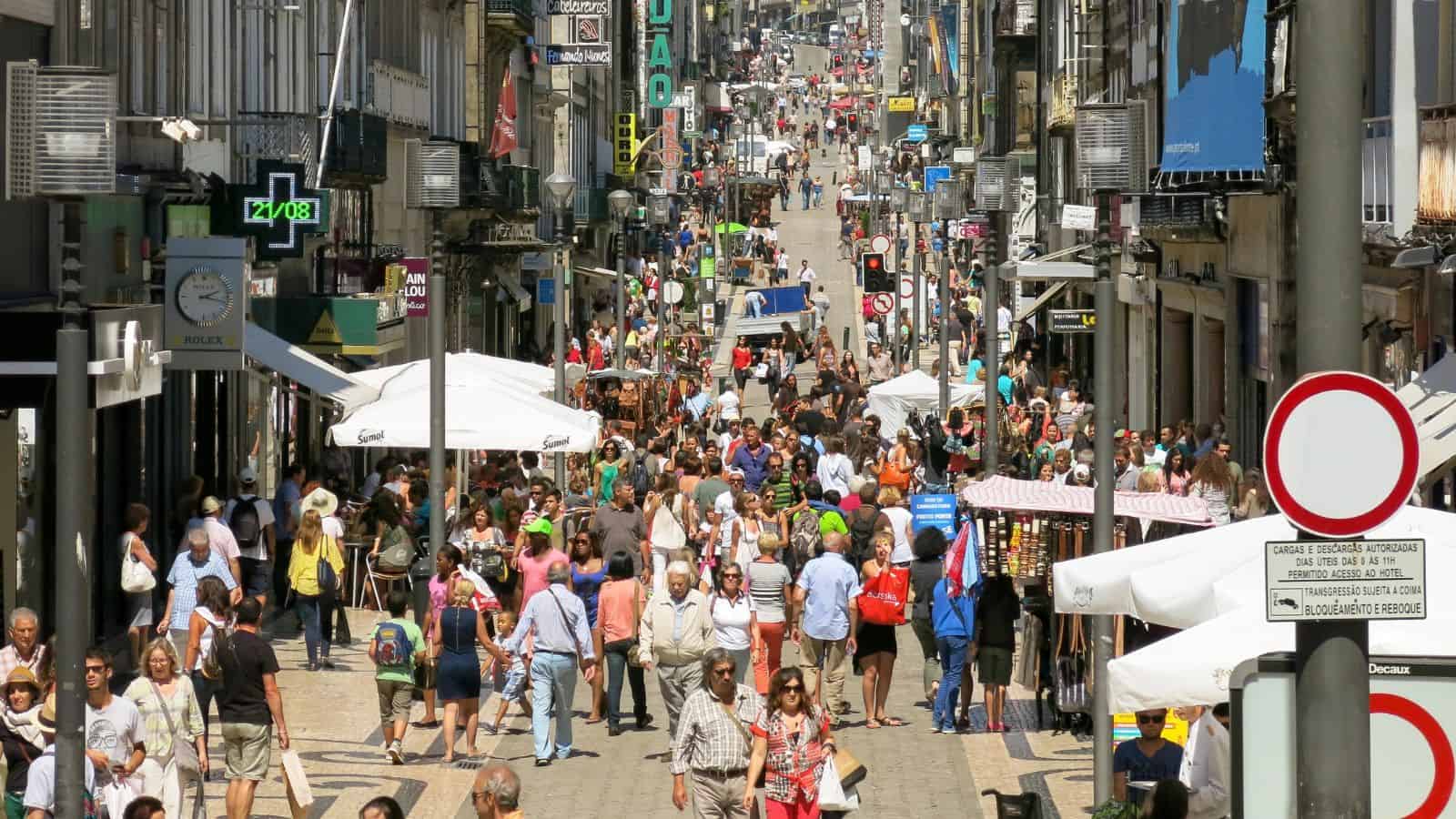
School calendars often dictate when families can travel, but sticking strictly to the most popular dates—like holiday weekends or peak summer weeks—usually means higher prices across the board. Flights, hotels, car rentals, and attractions all surge in cost during these windows. Even shifting departure by a few days or traveling at the beginning or end of a break can lower expenses significantly. Shoulder-season travel often offers milder weather, fewer crowds, and better rates. With careful planning and some flexibility, families can enjoy the same destination while spending far less than those booking peak travel dates.
9 Things Visitors Find Confusing About Train Travel in Europe

Train travel in Europe sounds simple, but many visitors are surprised once they start using it. Here are common points of confusion, from tickets and platforms to schedules that work differently than expected. These details often catch travelers off guard, especially those used to driving or flying.
Read More Here: 9 Things Visitors Find Confusing About Train Travel in Europe
13 Things Travelers Say They Learned the Hard Way in Asia

Traveling through Asia can be eye opening, but it also comes with moments that catch people off guard. This list brings together lessons visitors often mention after the trip is over. These are everyday situations, cultural differences, and travel habits that seem small at first but can lead to confusion or stress if misunderstood.
Read More Here: 13 Things Travelers Say They Learned the Hard Way in Asia




Leave a Reply