
Not every part of a destination delivers the same experience. This article features countries where choosing the wrong area can ruin the trip, focusing on places where location affects transportation, safety, costs, or access more than travelers expect. Staying in the wrong neighborhood can turn simple plans into daily frustrations.
Understanding how different areas function can make a major difference in how the trip feels. A better location often means smoother travel days and less stress overall. Keep reading to see which countries made the list and what travelers often wish they had researched before booking.

Rome, Italy

Rome’s scale and layout surprise many first-time visitors. Travelers often book near one major landmark, assuming everything else will be close. In reality, distances add up quickly, and walking across the city repeatedly becomes tiring. Areas near the Vatican or Termini can feel inconvenient if most daily plans are elsewhere. Some neighborhoods also quiet down sharply at night, which limits nearby dining options. Rome works best when lodging matches how travelers plan to move each day.
Bangkok, Thailand
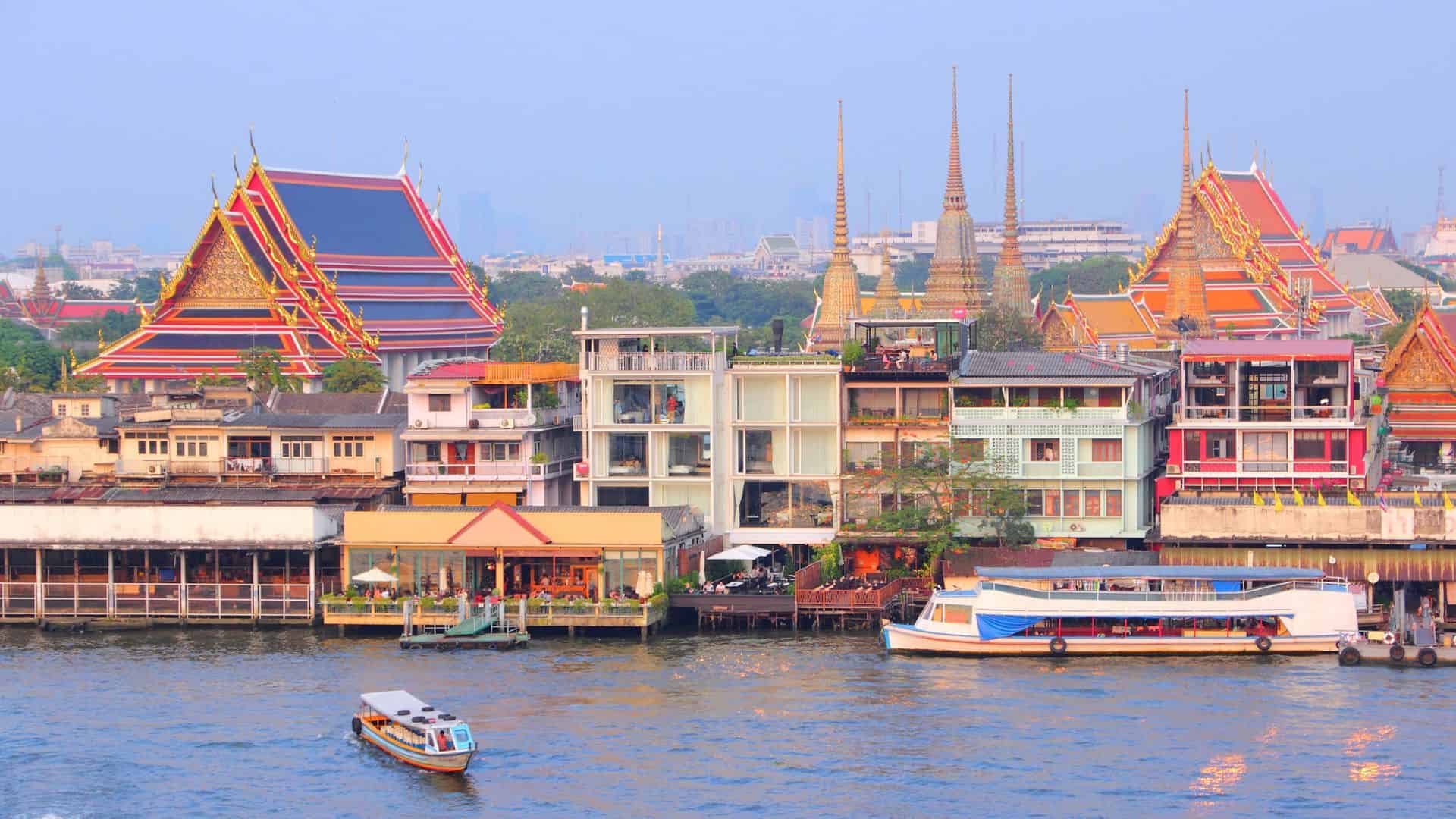
Bangkok trips often become harder when travelers book for hotel amenities instead of transit access. Staying far from BTS or MRT lines can turn short distances into long rides because traffic is so unpredictable. Riverfront or outer-district hotels may look appealing but make daily movement slower. Some areas also feel active during the day but isolated at night. Bangkok is one of those cities where location shapes the entire experience, and being close to reliable transit often matters more than extra hotel features.
Istanbul, Turkey

Istanbul’s geography makes area choice especially important. Travelers may book based on views or price without realizing how much water, hills, traffic, and ferry routes shape daily movement. Crossing between neighborhoods can take much longer than expected during peak hours. Some districts feel lively during the day but less convenient at night. Others are well located but physically demanding because of steep streets. Istanbul works best when accommodations match the main areas travelers plan to visit.
New York City, United States

New York trips can suffer when travelers underestimate how much neighborhood location affects energy and time. Booking far from Manhattan may save money, but long subway rides become tiring, especially late at night. Some visitors also choose business districts that feel convenient by day but empty after work hours. New York rewards proximity to the experiences that matter most, whether that means museums, dining, theater, or nightlife. A poor location can leave travelers spending more time underground than they expected.
Tokyo, Japan
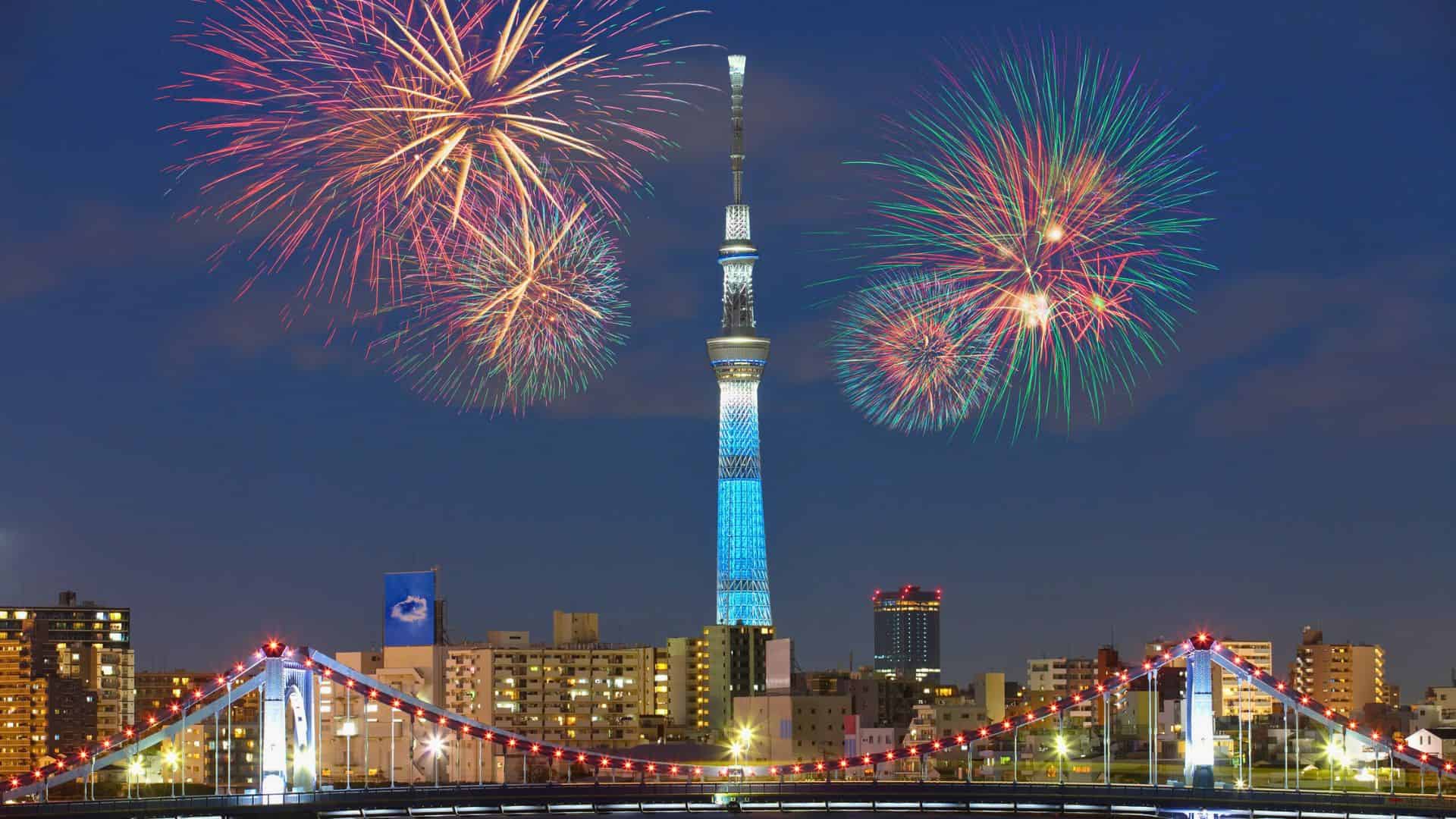
Tokyo trips can become frustrating when visitors book based on price without checking train access. A hotel near the wrong station can mean multiple transfers every day, even if the area looks central on a map. Some districts are business-focused and feel empty at night, while others are lively but far from planned attractions. Tokyo’s efficiency depends on direct rail connections more than straight-line distance. Travelers often realize too late that the right train line matters more than the neighborhood name.
Want to save this?
London, United Kingdom
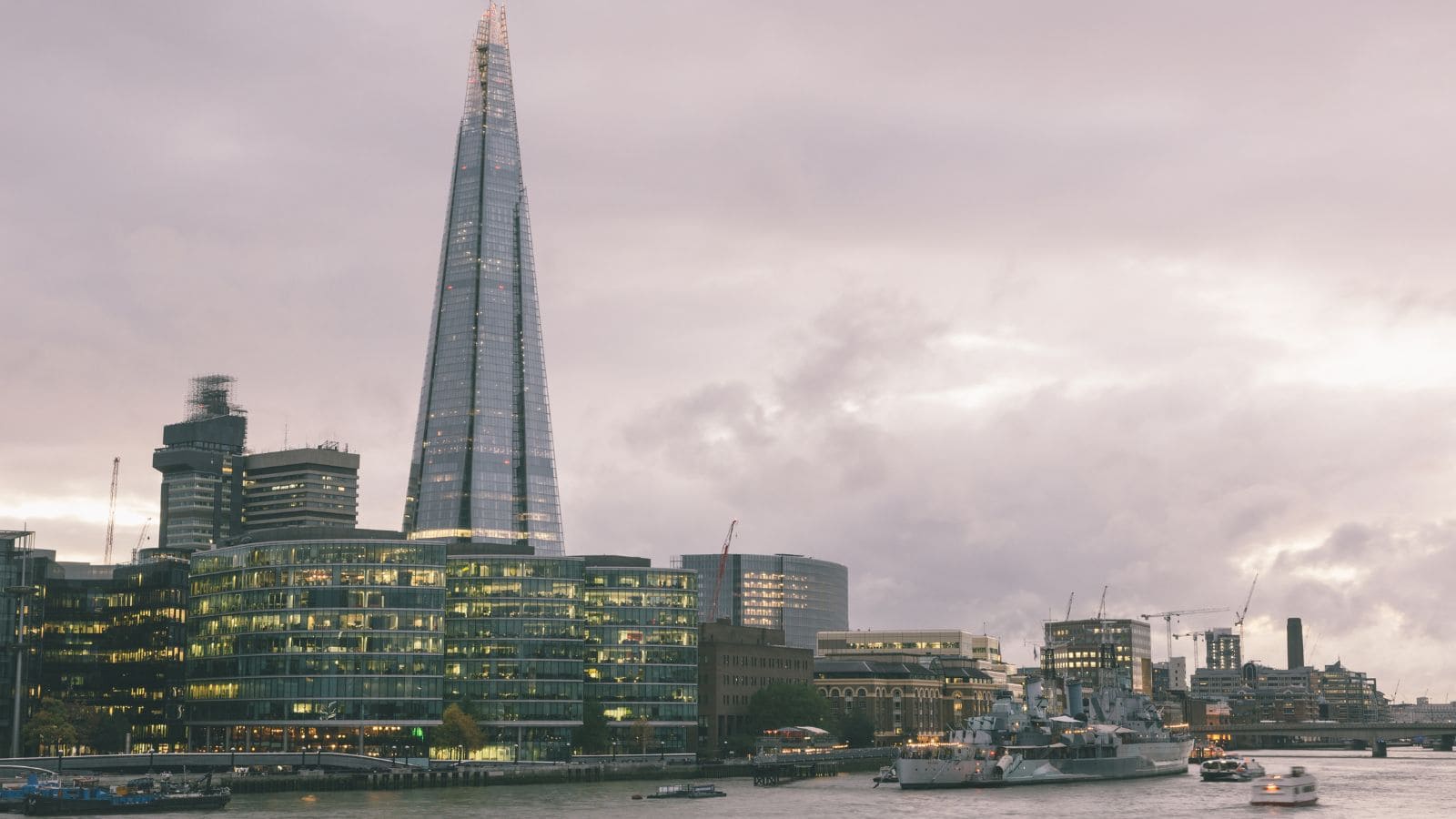
London’s size makes accommodation location one of the most important decisions. Booking far outside central zones may lower the nightly rate, but it often leads to long commutes and higher transport costs. Some visitors choose airport areas or far suburban stations, assuming fast trains will solve the distance. In practice, late returns and weekend service changes can become tiring. Staying closer to central neighborhoods usually gives travelers more flexibility and helps them see more with less effort.
Barcelona, Spain
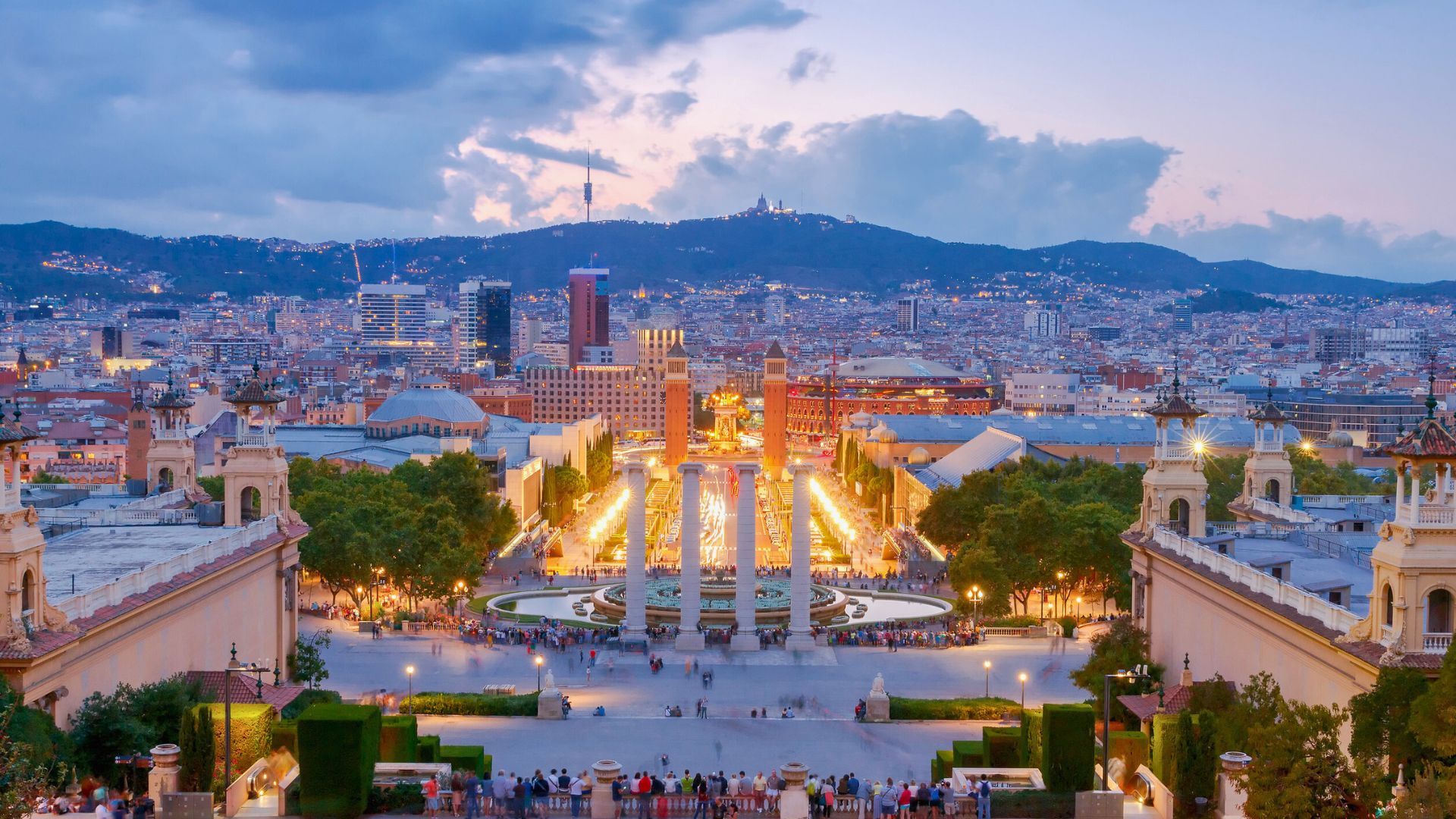
Barcelona’s neighborhoods are distinct, so booking in the wrong area can make the city feel more spread out than expected. Some travelers choose beach-adjacent districts and later realize they are spending more time commuting to cultural sites. Others stay near transit hubs that work well for arrivals but lack the evening atmosphere they wanted. Moving between neighborhoods is manageable, but repeated trips add up. Staying near walkable streets, dining, and several planned activities helps the city feel more connected.
Venice, Italy

Venice mistakes often start with booking on the mainland in Mestre instead of the historic center. While cheaper, Mestre adds daily transit time and changes the overall feel of the trip. Even within Venice, location matters because vaporetto access, bridge crossings, and walking routes affect every outing. Staying too far from transport routes or in a quieter corner can make movement slower than expected. Venice has few true shortcuts, so convenience and atmosphere are closely tied to where travelers sleep.
Paris, France

Paris often catches travelers who book far from the center to save money, assuming the Metro will make distance irrelevant. While transit is useful, staying too far out can drain time and energy, especially late at night or during service disruptions. Some outer neighborhoods are mostly residential, with fewer evening options nearby. Others book near major train stations without realizing those areas can feel hectic rather than easy to linger in. Paris rewards proximity, and being close to walkable streets, cafés, and landmarks often matters more than hotel size.
10 Places Where Tourists Often Book the Wrong Area

Choosing where to stay can shape the entire trip. This article features places where tourists often book the wrong area, focusing on destinations where neighborhoods look close on a map but feel very different in reality. Being in the wrong spot can mean long commutes, limited food options, or missing the parts people hoped to experience.
Read More Here: 10 Places Where Tourists Often Book the Wrong Area
11 American Cities Travelers Say Feel Genuinely Friendly

First impressions can shape how a trip feels, and some cities stand out for how people interact. This article features American cities travelers say feel genuinely friendly, focusing on places where everyday interactions feel easier, more welcoming, and less rushed. These cities often leave visitors talking about the people just as much as the sights.
Read More Here: 11 American Cities Travelers Say Feel Genuinely Friendly



Leave a Reply