
Big cities often get the spotlight, but they are not always the best choice. This article features places where small towns work better than major cities, focusing on destinations where daily life, costs, or overall experience feel more manageable outside the urban core. In these locations, smaller communities often deliver easier logistics and a more relaxed pace.
Choosing a small town can mean shorter lines, lower prices, and simpler transportation. In many cases, the benefits outweigh what larger cities bring. Keep reading to see which places made the list and why travelers often prefer the smaller option.
Italy

Many visitors focus on Rome, Milan, or Florence, yet smaller towns like Lucca or Orvieto offer easier navigation and lower lodging costs. Major cities involve long security lines at popular sites and heavy transit use. In contrast, smaller towns provide compact historic centers where accommodations, restaurants, and attractions sit within short walking distance. Parking is often simpler, and day trips by regional train are manageable. Choosing a smaller base reduces crowd fatigue while still allowing access to major landmarks.
France

Paris draws most attention, but towns in Provence or the Loire Valley often provide better daily balance. The capital requires navigating extensive Metro networks and timed museum entries. Smaller towns offer markets, vineyards, and historic sites without dense congestion. Accommodation rates are often lower outside peak coastal zones. Renting a car from a regional station simplifies exploration. Using a town base can lower daily stress compared to crossing Paris repeatedly.
Japan

Tokyo and Osaka dominate itineraries, yet towns such as Takayama or Kanazawa offer manageable layouts and easier station access. Large cities involve complex rail transfers and peak-hour congestion. Smaller towns concentrate attractions within walkable districts. Ryokan accommodations also tend to be quieter and more affordable outside metropolitan centers. Bullet trains connect these towns efficiently. Staying outside the largest cities reduces commuting time between neighborhoods.
Spain
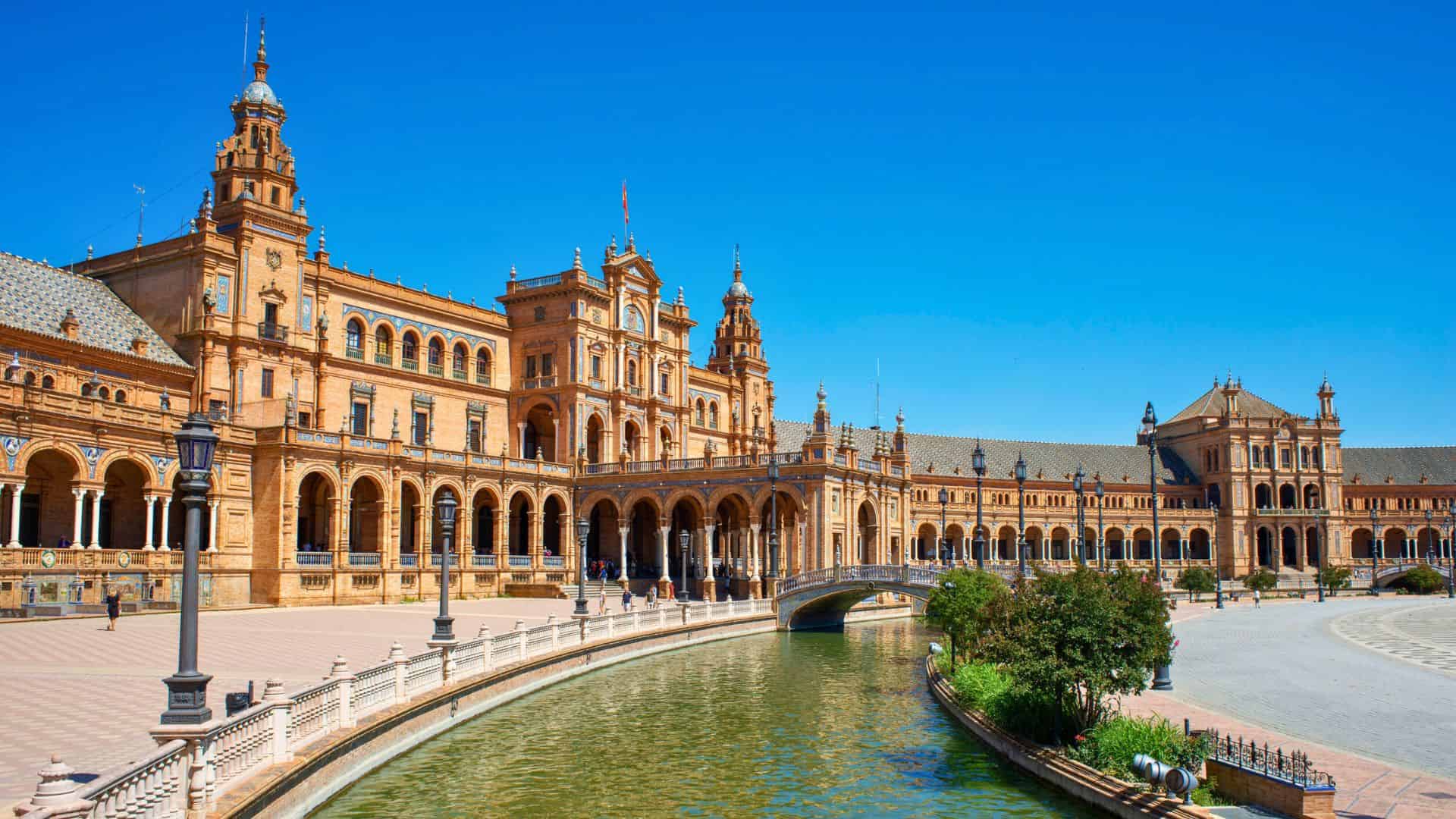
Madrid and Barcelona attract heavy tourism, but smaller cities like Seville or Granada offer condensed historic districts. Major metropolitan areas require extensive transit planning. Smaller cities allow visitors to walk between cathedrals, plazas, and museums. Accommodation options often cost less outside the largest urban hubs. Dining is also easier to manage without dense reservation competition. Using a mid-sized or smaller city as a base simplifies daily movement.
Germany
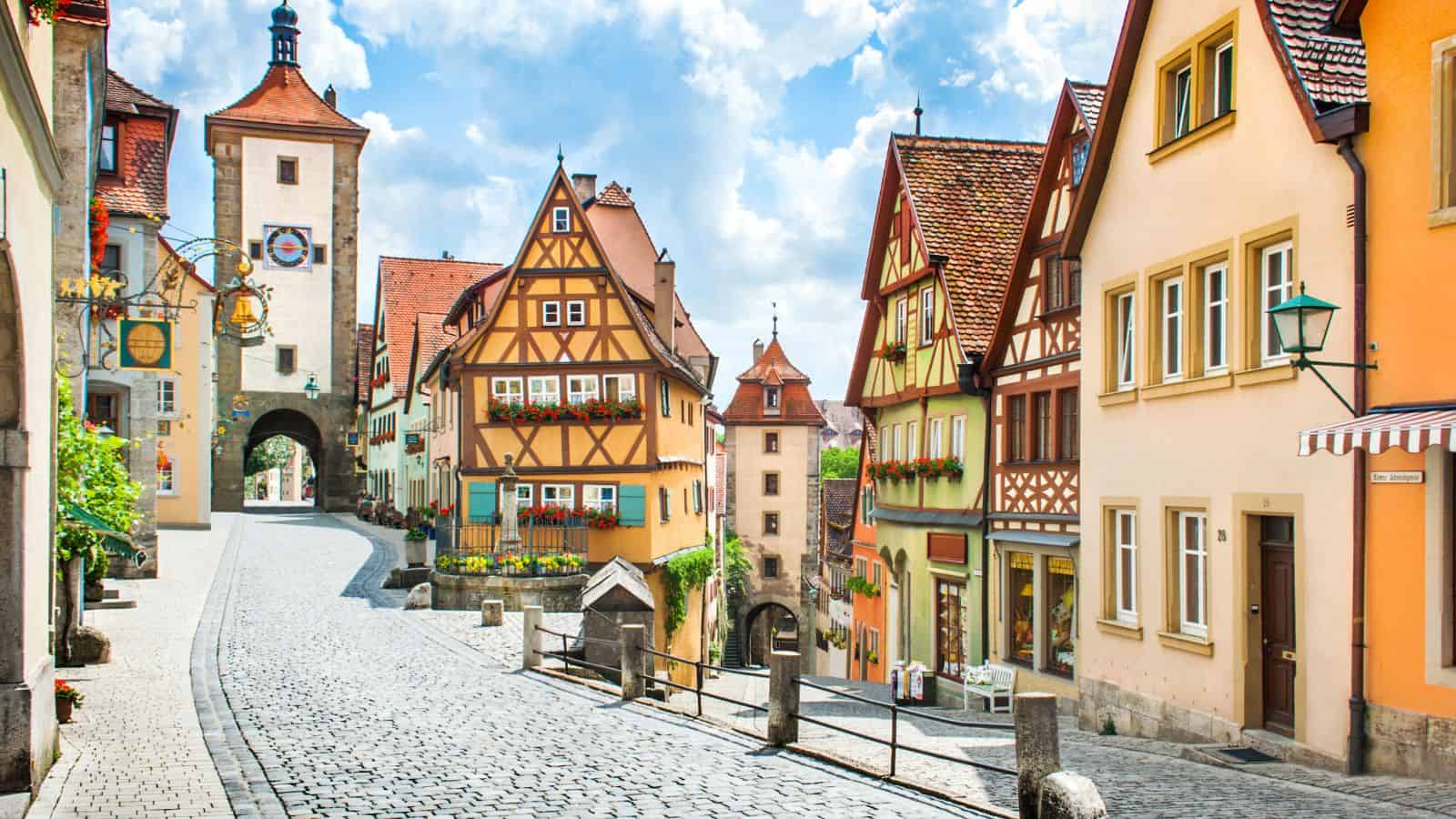
Berlin and Munich receive most international traffic, yet towns along the Romantic Road or in Bavaria provide more compact experiences. Large cities involve multi-line transit systems and longer hotel-to-attraction commutes. Smaller towns often have central train stations within walking distance of lodging. Parking is more accessible for road trips. Regional rail connections remain reliable. Staying in smaller towns can reduce the need for constant transit transfers.
United States
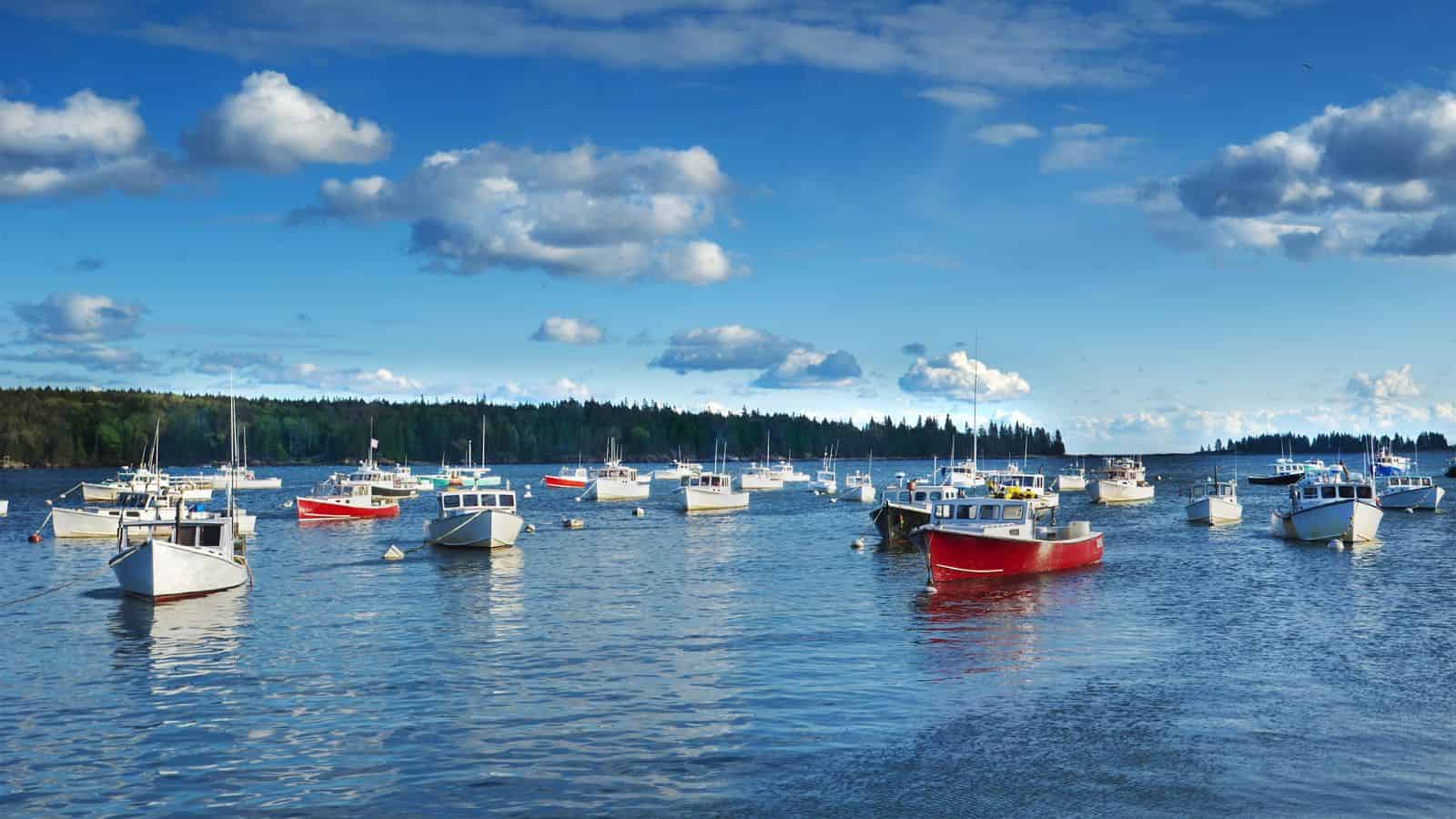
In regions such as New England or the Rocky Mountains, small towns often serve as better bases than major cities. Large urban centers require parking planning and higher nightly rates. Smaller towns place trailheads, waterfronts, or ski access closer to lodging. Restaurants and grocery stores are typically concentrated along one main street. For outdoor-focused trips, choosing a town near the activity reduces daily driving time.
Canada

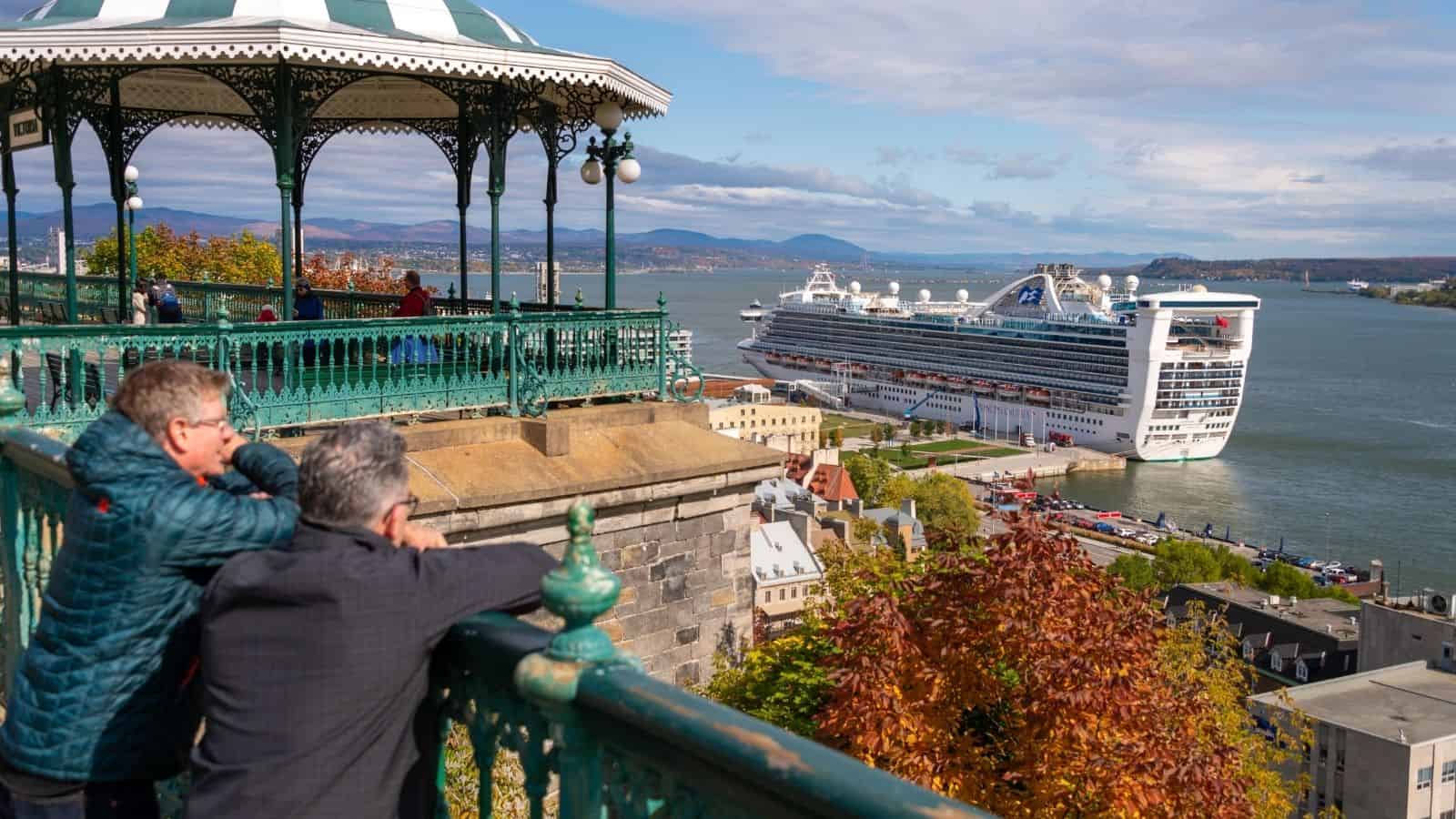
While Toronto and Vancouver are common entry points, towns like Banff or Quebec City often deliver more focused experiences. Major cities involve heavier traffic and higher accommodation pricing. Smaller towns concentrate attractions within compact areas. Access to national parks or historic districts is often easier from town centers. Public transport demands are reduced. Using a town base minimizes cross-city commuting.
Want to save this?
Portugal
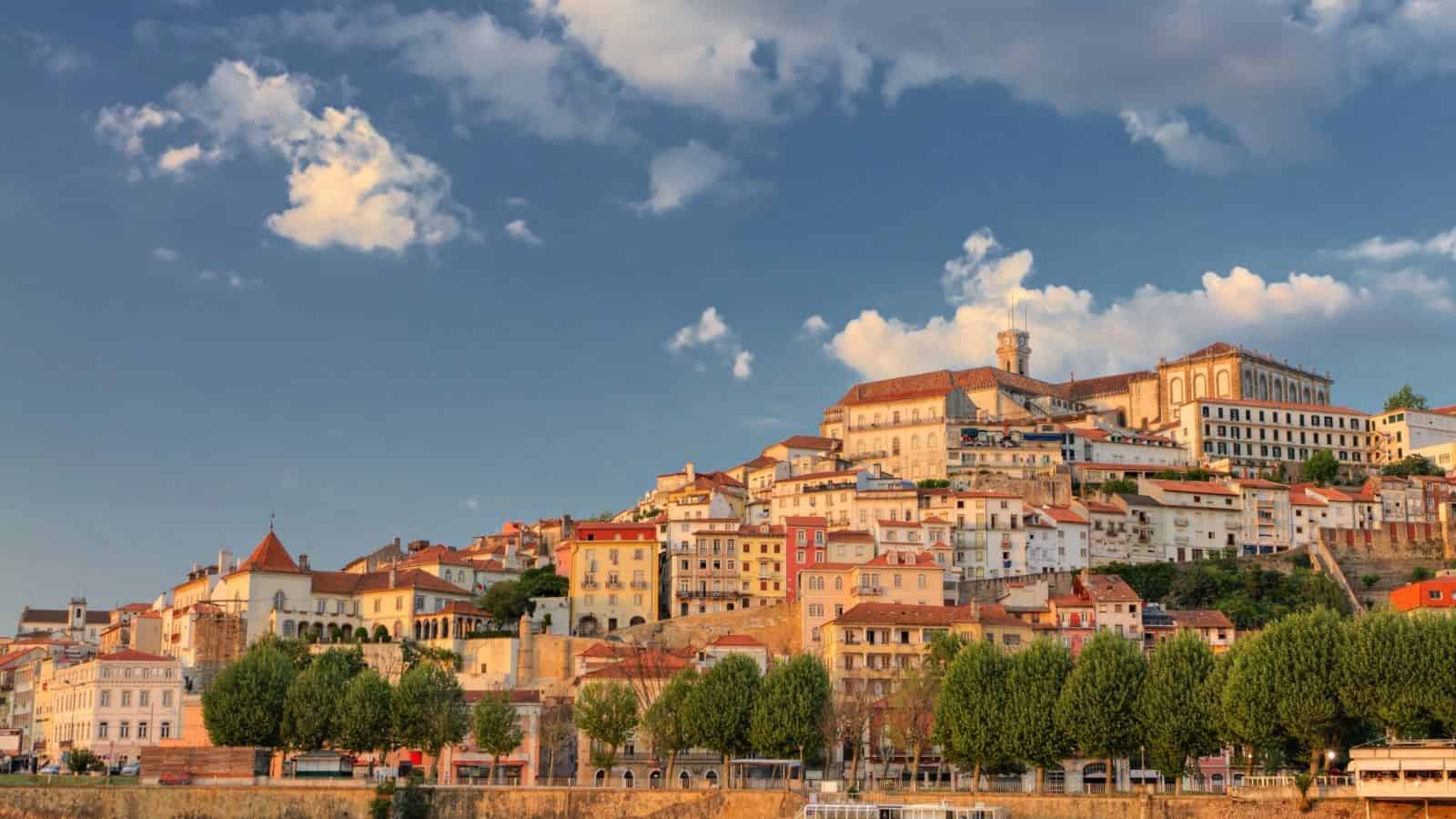
Lisbon attracts heavy visitor numbers, but towns such as Évora or Coimbra offer quieter exploration. Lisbon’s hills and tram congestion can slow movement. Smaller towns have flatter layouts and fewer timed-entry bottlenecks. Accommodation pricing is often more stable outside peak districts. Regional trains connect these towns to larger hubs. Choosing a smaller base reduces daily crowd exposure.
United Kingdom

London dominates travel planning, yet towns like York or Bath provide concentrated historic areas. London’s transport network is efficient but time-consuming across long distances. Smaller towns place major sites within walking range of rail stations. Lodging costs are often lower. Day trips into the countryside are easier without navigating major city traffic. Staying in a town base simplifies itinerary planning.
Thailand
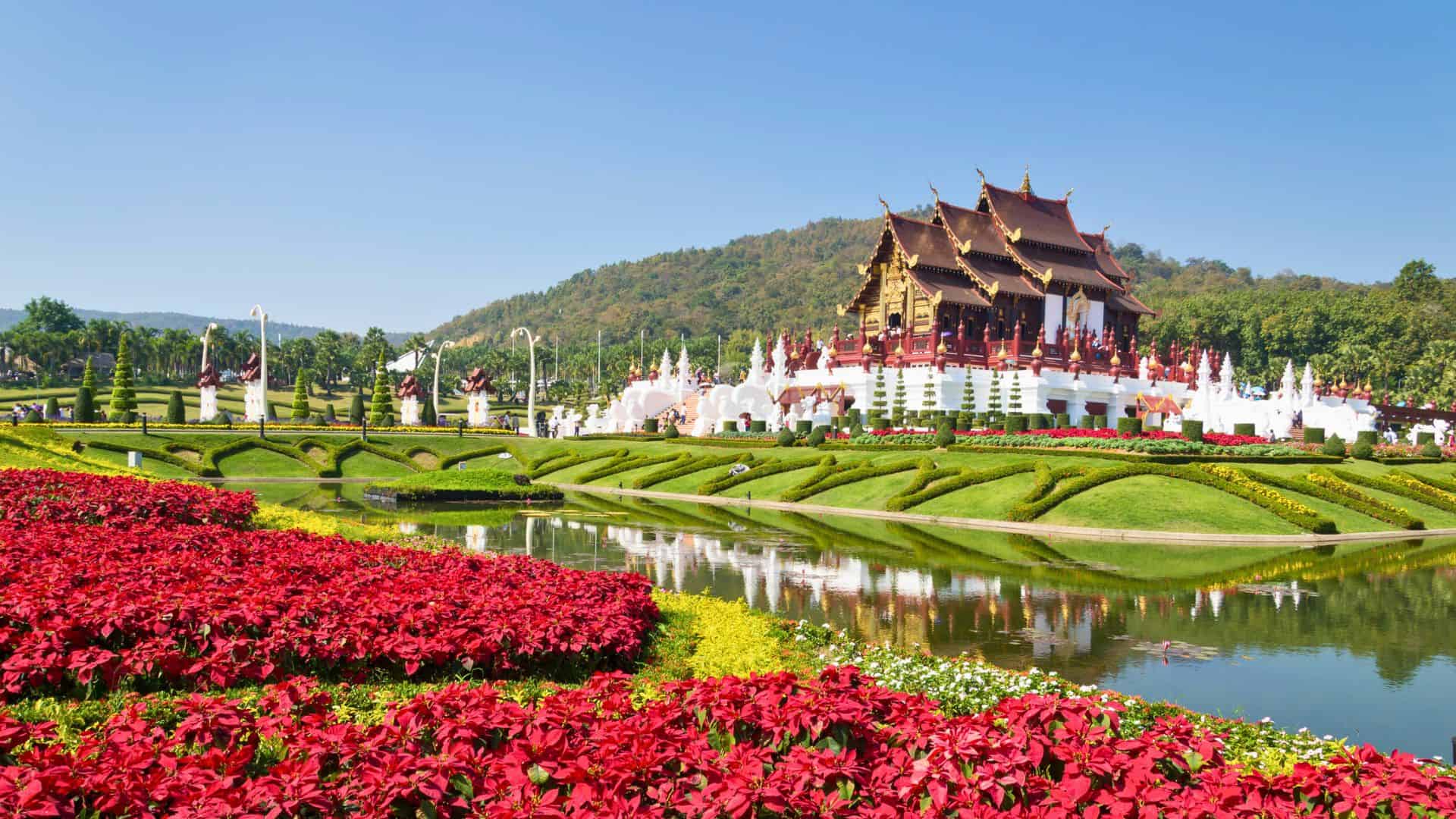
Bangkok is a major gateway, but towns such as Chiang Mai offer more navigable layouts. Bangkok’s traffic congestion and long travel distances extend daily plans. Chiang Mai’s central district allows walking between temples and markets. Accommodation pricing is often lower. Organized excursions depart directly from town centers. Choosing a smaller city reduces reliance on lengthy taxi rides.
Greece
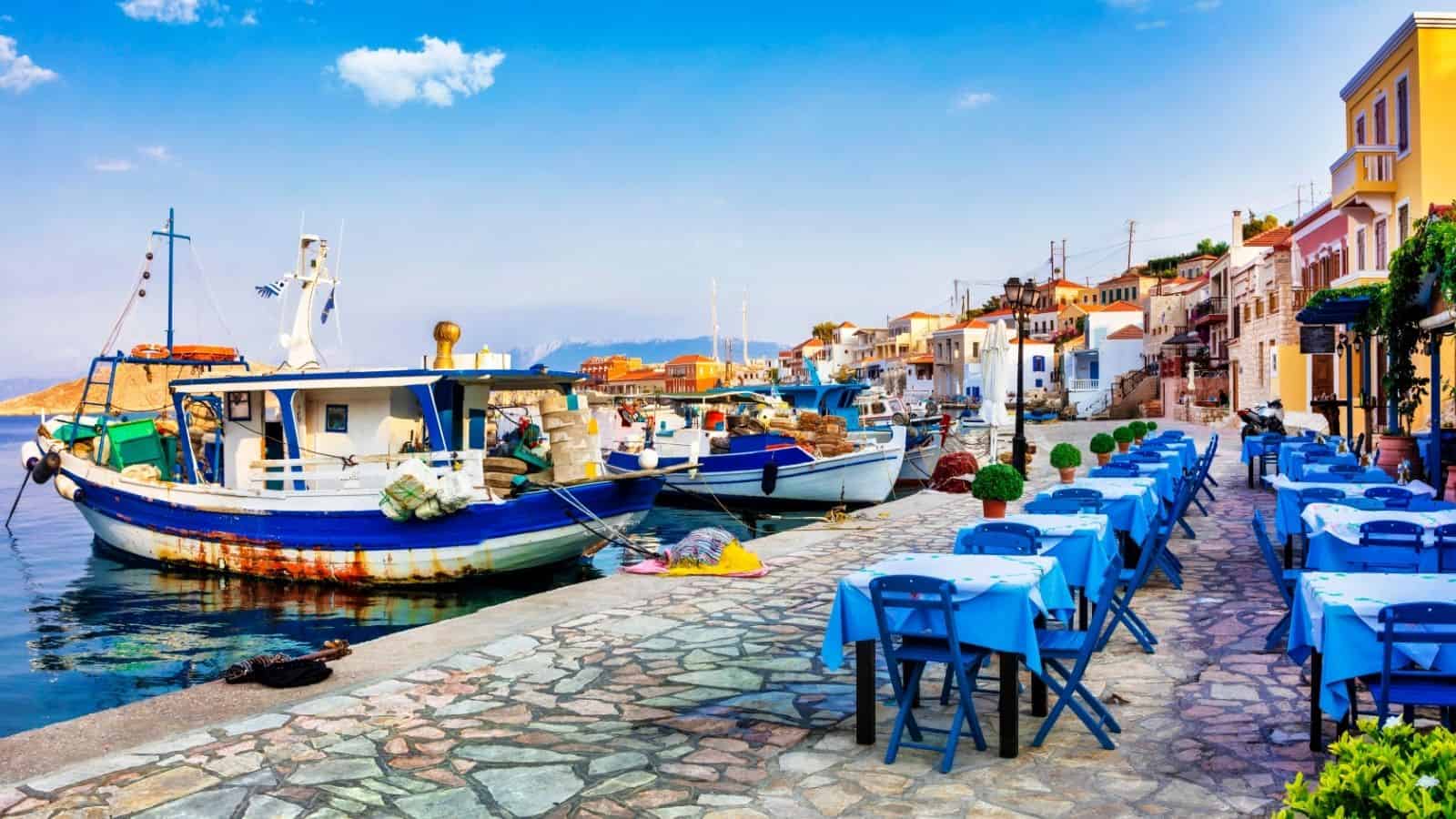
Athens is essential for historical context, yet island towns often provide smoother daily logistics. Athens requires metro navigation and urban traffic awareness. On islands, accommodations, restaurants, and beaches are frequently clustered together. Ferry schedules require planning, but once settled, daily movement is minimal. Staying in a town near the port simplifies transfers.
Australia

Sydney and Melbourne are well known, but towns along the Great Ocean Road or in Tasmania offer simpler pacing. Major cities require transit planning and higher hotel budgets. Smaller coastal towns concentrate lodging and scenic access points within short distances. Parking is typically easier. Road trip itineraries benefit from town bases rather than city centers.
Netherlands
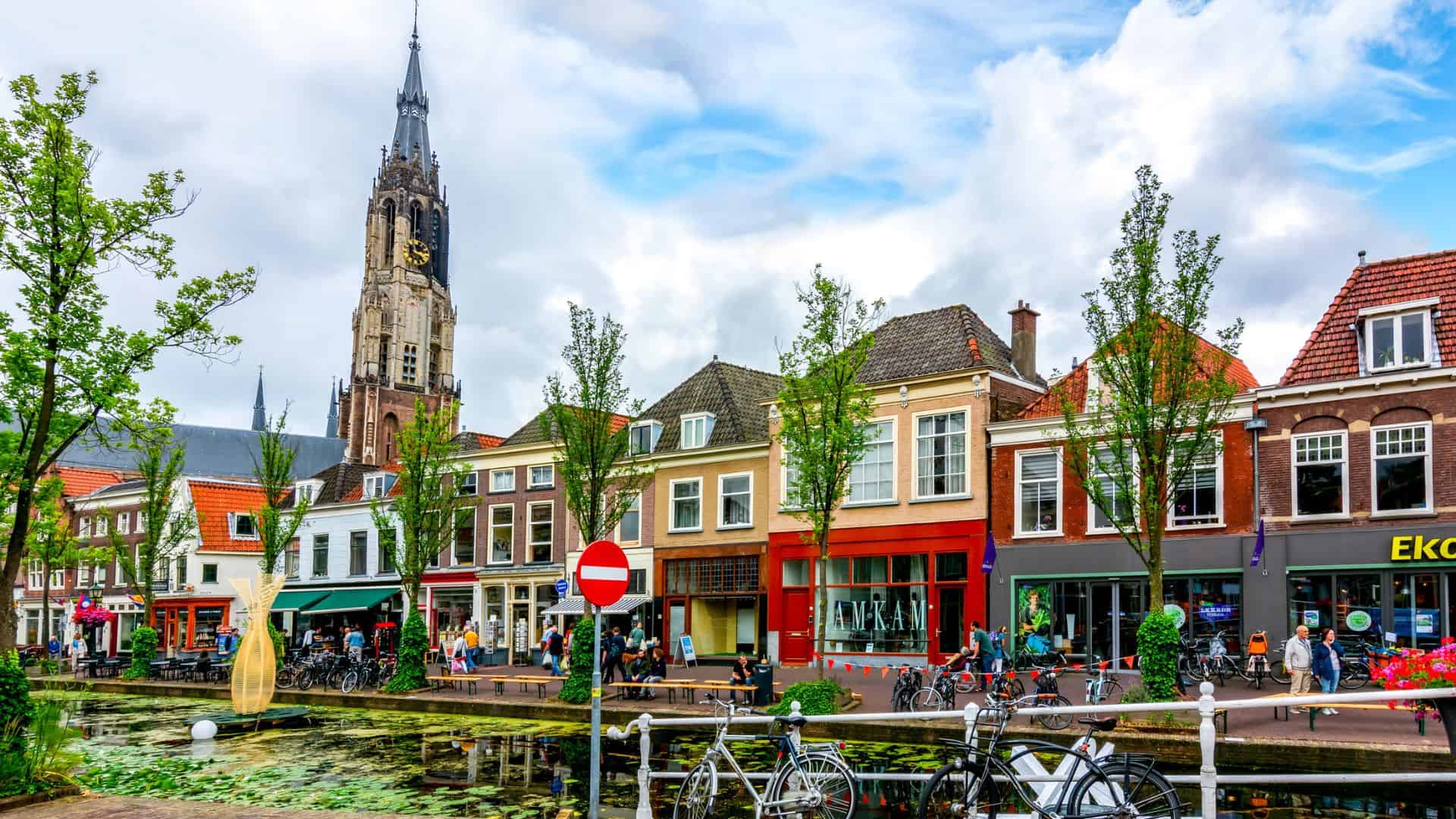
Amsterdam experiences heavy visitor density, while towns such as Haarlem or Delft provide compact alternatives. Amsterdam requires timed museum entries and crowded tram routes. Smaller towns have central stations and walkable historic cores. Accommodation may be more affordable. Frequent trains connect towns to Amsterdam in under an hour. Staying outside the capital reduces crowd exposure while maintaining access.
11 Flying Mistakes Frequent Travelers Notice Immediately

Flying becomes easier with experience, and small habits start to stand out quickly. This article features flying mistakes frequent travelers notice immediately, focusing on common behaviors that slow boarding, disrupt cabins, or create unnecessary stress. What feels minor to one passenger can be obvious to someone who flies often.
Read More Here: 11 Flying Mistakes Frequent Travelers Notice Immediately
9 Cities in Japan That Reward Travelers Who Look Beyond Tokyo
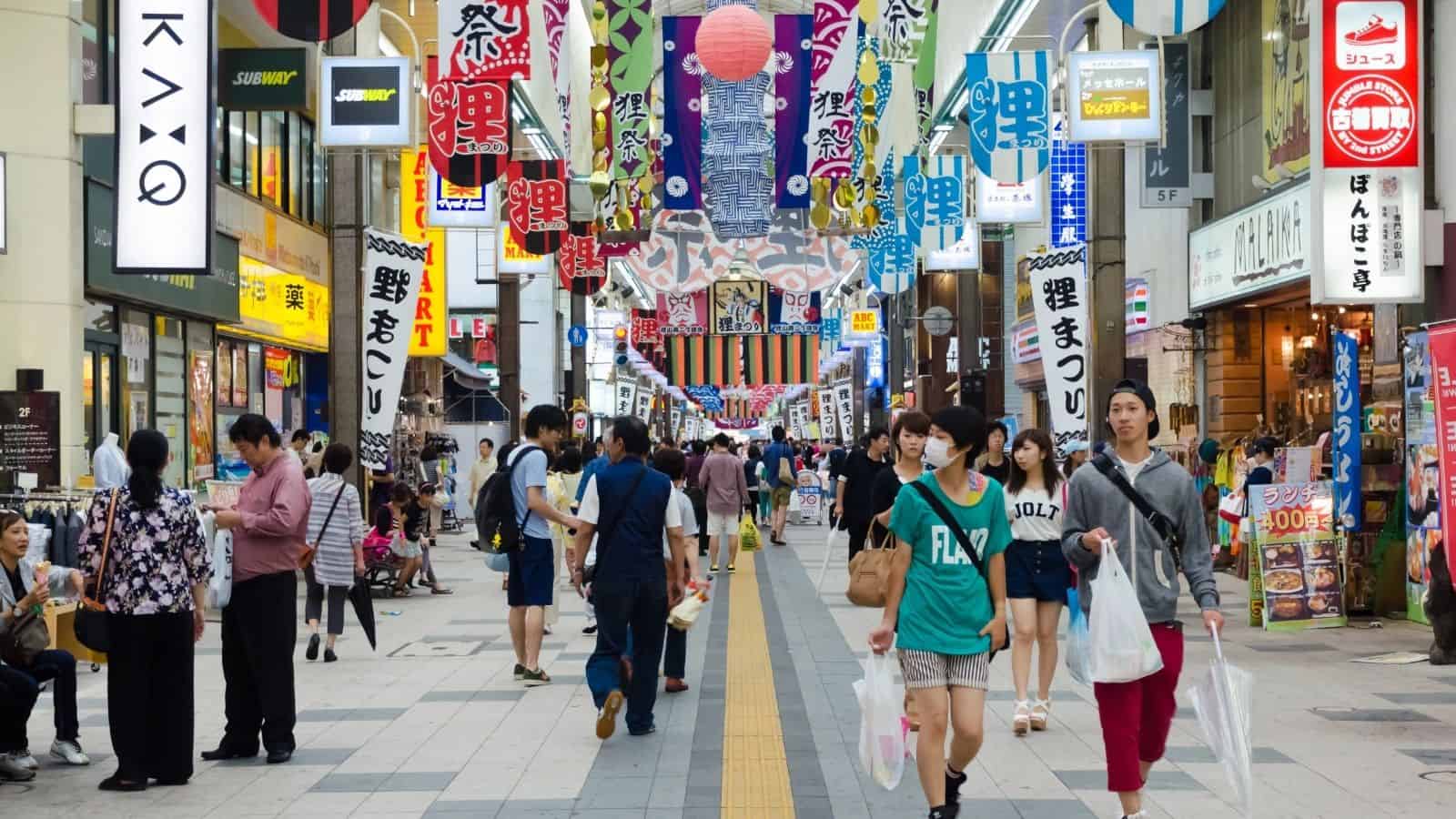
Tokyo draws most first-time visitors, but it is not the only place worth planning around. This article features cities in Japan that reward travelers who look beyond Tokyo, focusing on destinations that show different sides of the country through history, regional food, and daily life. These cities often feel more relaxed and easier to navigate at a slower pace.
Read More Here: 9 Cities in Japan That Reward Travelers Who Look Beyond Tokyo



Leave a Reply