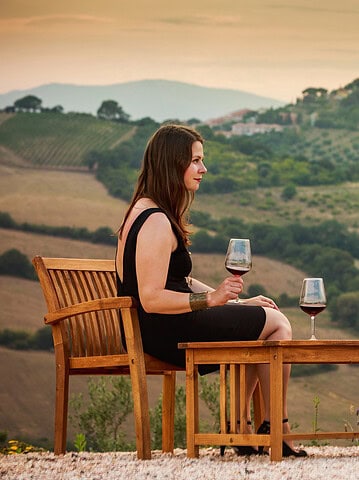
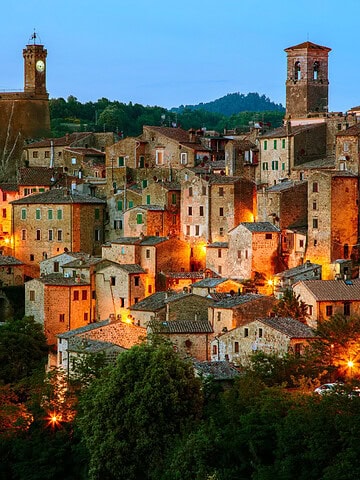
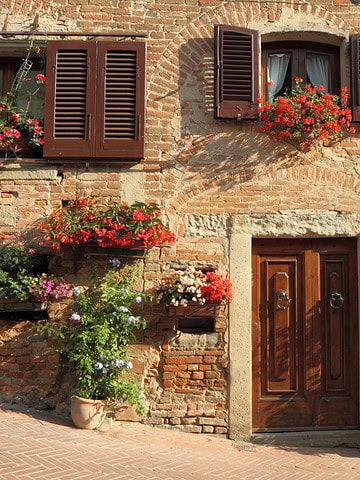
Genoa was one of the ports we visited on our MSC Fantasia Mediterranean cruise, and we weren’t quite sure what to expect. It’s not as famous as Barcelona or Marseille, but that turned out to be a good thing. The city feels local and lived-in, with history, culture, and everyday life unfolding right by the sea.
Jump to:
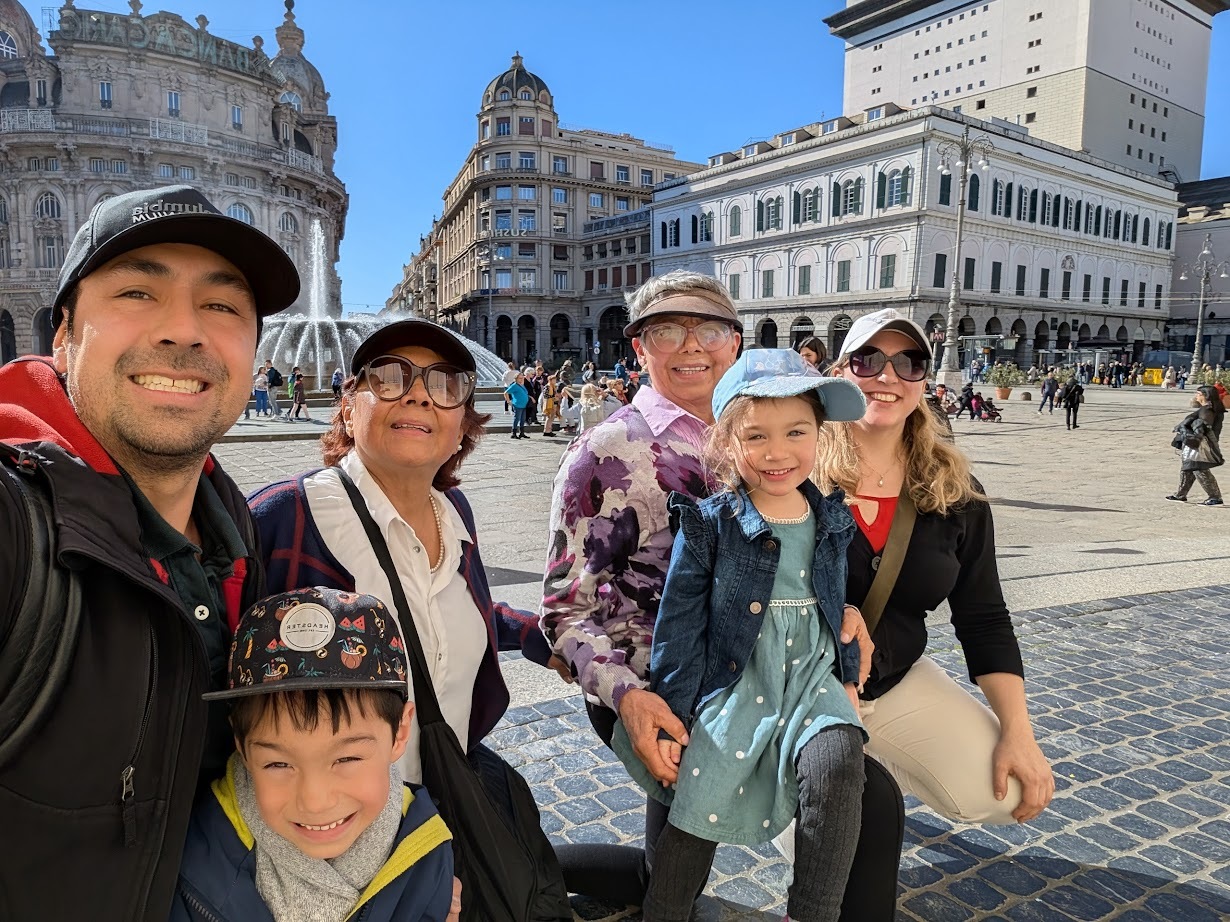
We spent just 24 hours in Genoa with our kids and parents, and it was enough to see why the city is often called one of Italy’s hidden gems. It’s easy to get around, meals are relaxed but flavorful, and the main attractions are all within reach.
Plan Your Trip
Save on fees abroad with the Wise Card—use it at ATMs, restaurants, and for flights or hotels in over 150 countries. Manage 40+ currencies in real-time with the Wise app.
Need Help Planning?
- Cheap Flights: Find the best deals.
- Accommodation: From hostels to luxury stays.
- Car Rental: Affordable options worldwide.
- Sightseeing Tours: Explore without breaking the bank.
- Travel Adapter: One adapter for all your needs.
- Travel Insurance: Don’t risk it—stay covered.
This post includes affiliate links, and as an Amazon Associate I earn from qualifying purchases. Read my full disclosure and privacy policy.
This guide breaks down how we spent our 24 hours in Genoa: from the main sights and short walks to the meals that stood out. It’s a relaxed itinerary that works well for families or anyone visiting on a cruise stop or quick getaway.
Genoa Itinerary
With so many historic sites and fascinating attractions packed into a small area, spending just one day in this port city can still feel incredibly rewarding.
Most places are close enough to explore on foot, and this itinerary reflects how we spent our time, from elegant old streets and palaces to cozy cafés and scenic waterfront spots.
It’s a simple plan that works well for a cruise stop or a short city break, giving you a little bit of everything: art, history, and everyday local life, all wrapped into one full but manageable day in Genoa.
Getting Around Genoa
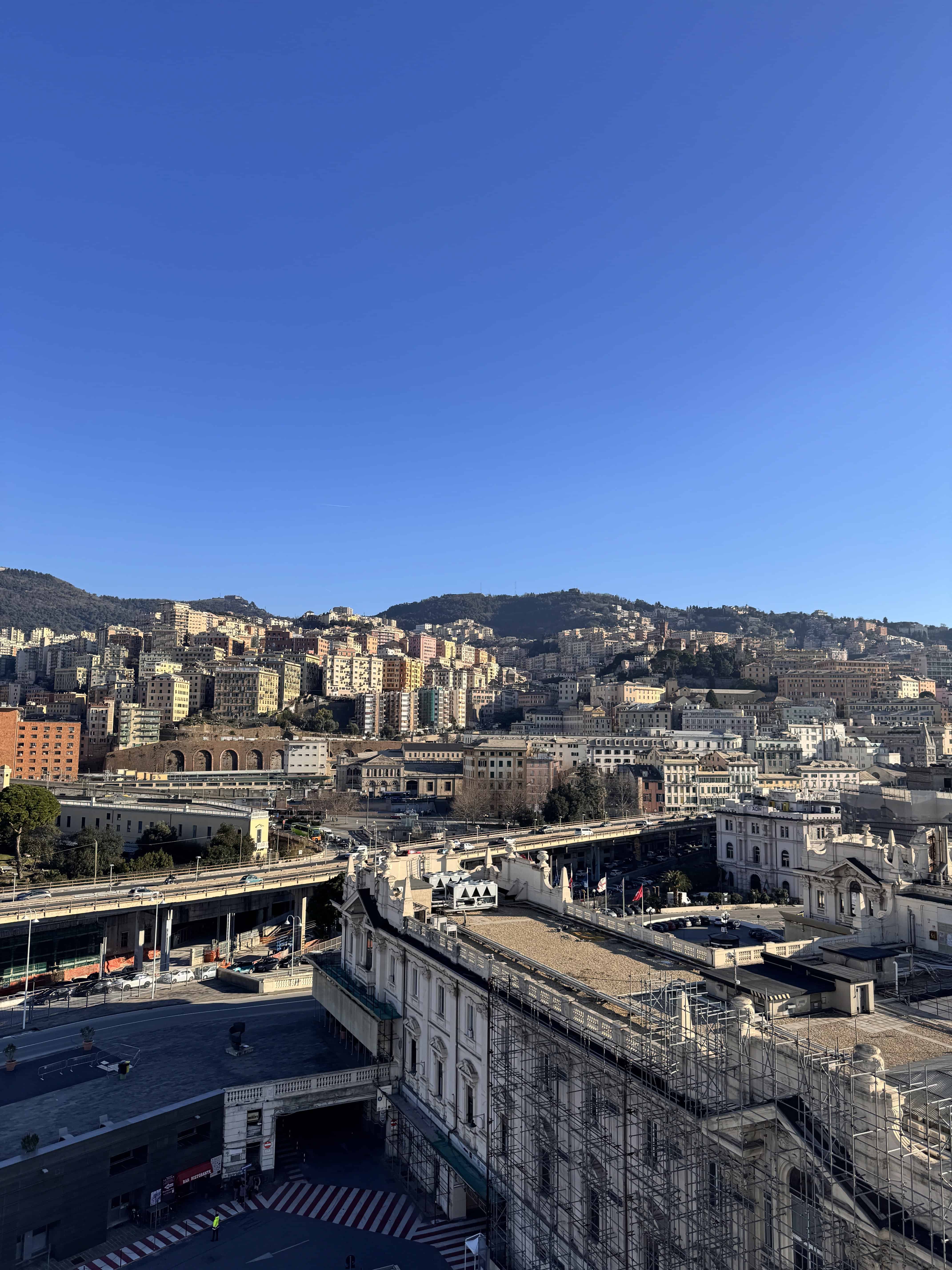
Genoa is best explored on foot, especially in the historic center, where narrow alleys (called caruggi) wind between tall, colorful buildings and let you experience the city up close.
Just keep in mind that Genoa is quite hilly, so you may face a few climbs, but the public elevators and funiculars make reaching higher neighborhoods much easier.
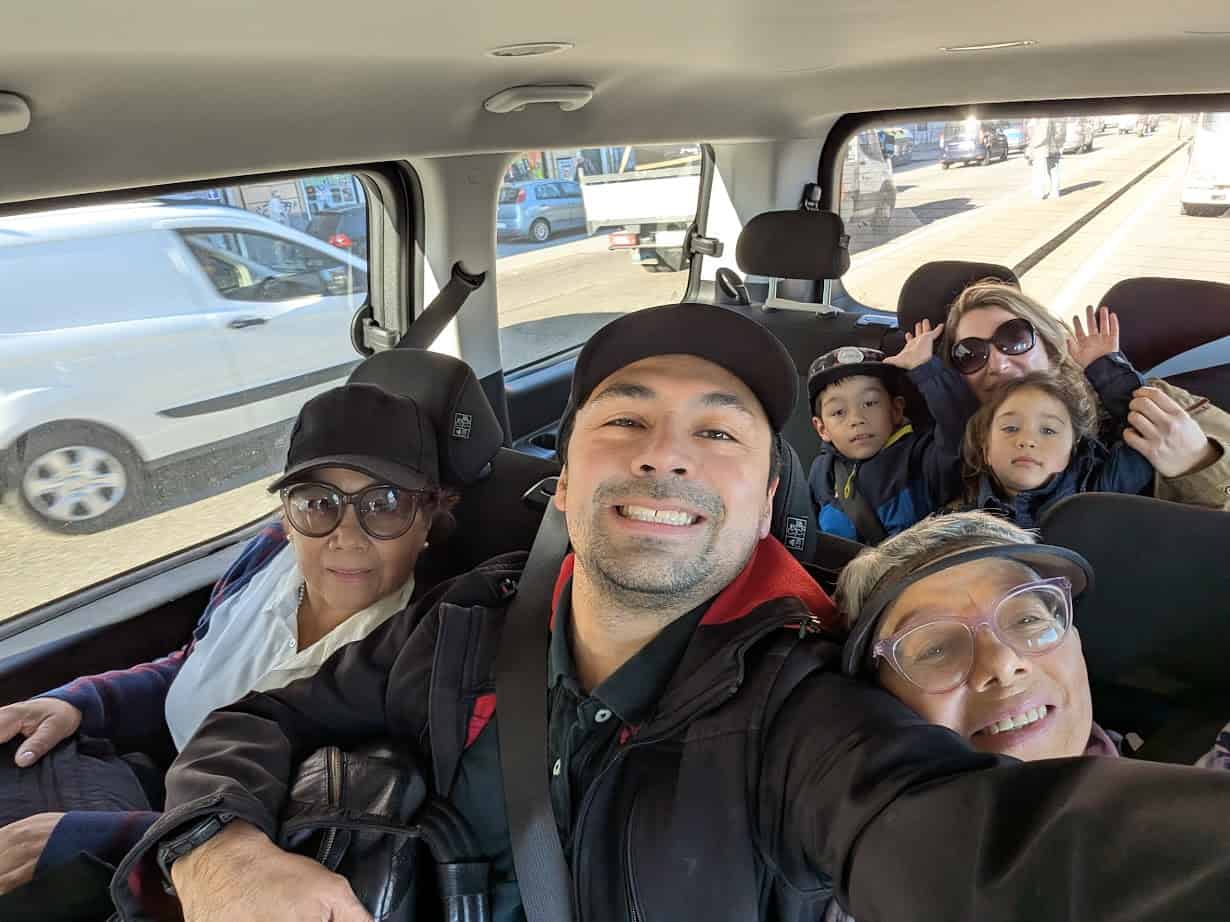
For longer distances, the city has a reliable network of buses, metros, and trains. A single ticket covers most local transport for 100 minutes, which is handy if you’re hopping between attractions or heading to the port. Taxis are available but can be pricier, so public transport is usually the better choice for families.
If you’re staying centrally, though, you’ll likely find that most sights are within walking distance.
What to See in Genoa
Genoa may not be as instantly recognizable as Rome or Florence, but this port city has much to see for anyone willing to wander a little.
Even in just one day, there’s plenty to discover if you know where to look. Here's where we went:
Strada Nuova Museums
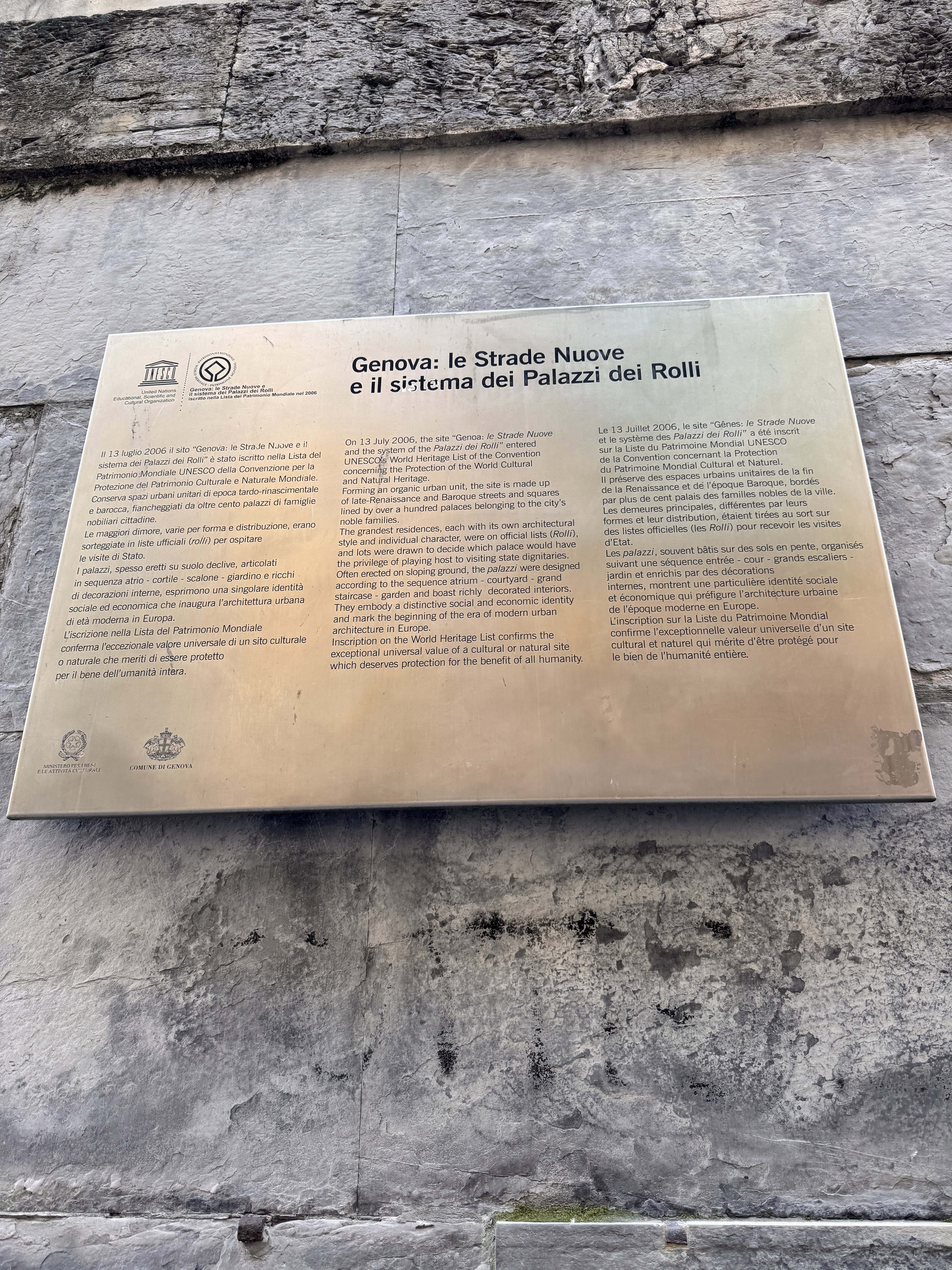
Right along Genoa’s Via Garibaldi are the Strada Nuova Museums. Built in the 16th and 17th centuries, the palaces were designed to showcase the wealth and power of Genoa’s ruling families. Today, three of these palaces—Palazzo Rosso, Palazzo Bianco, and Palazzo Tursi—make up the museum circuit.
Inside, the collections range from paintings and sculptures to smaller decorative pieces, but it didn’t feel overwhelming. The kids were curious about the big rooms and dramatic artwork, while the adults could slow down and take in the details. It felt like just the right dose of culture for a family day out.
- The best time to go is in the morning, right after opening, as it's the quietest. To save time, especially in peak months, booking tickets online is a good idea.
Via Garibaldi

Stepping out of the museums, we found ourselves right on Via Garibaldi, one of the most famous streets in Genoa and a UNESCO World Heritage Site. Originally called Strada Nuova (“New Street”) when it was built in the mid-1500s, it was designed as a showcase for the city’s wealthiest families.
What’s striking is how compact it is. The street is only about 250 meters long, but nearly every building on it is a former aristocratic residence. For us, this made it perfect for a family stroll. It was short enough that the kids didn’t get restless.
There are also cafes, small shops, and plenty of spots to stop and take in the view. It’s lively but not overwhelming, which made it easy to navigate with grandparents and children.
Circolo Artistico Tunnel
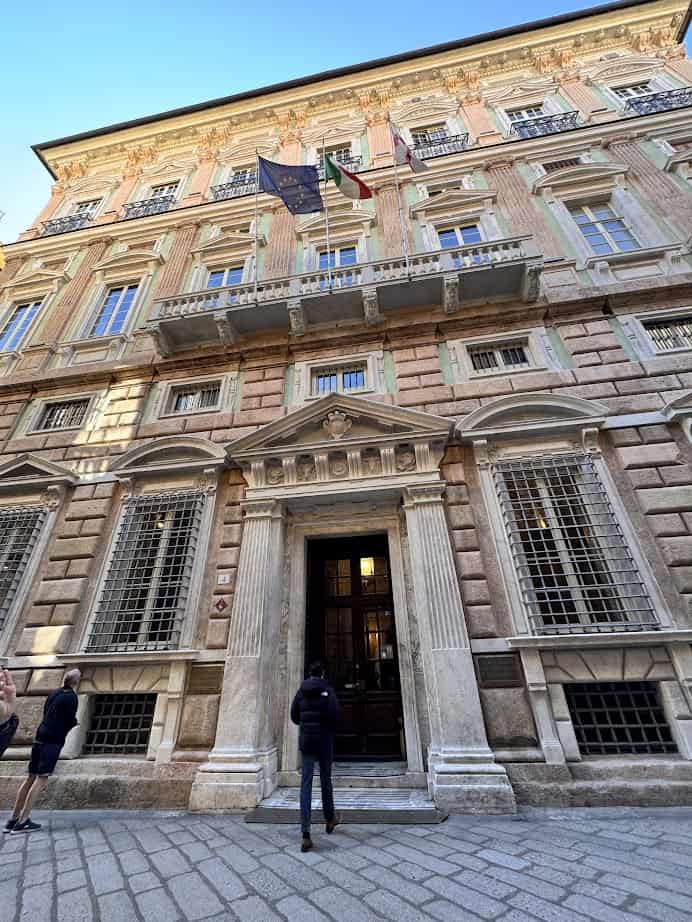
Just a short walk from the Strada Nuova sits the Circolo Artistico Tunnel, a private club steeped in Genoa’s artistic and social past. It formed in 1891 from the merger of two earlier clubs: the “Società del Tunnel” (founded in 1857) and the “Circolo Artistico” (1882).
The name “Tunnel” may sound odd today, but it reflects what was then a fascination with modernity. Some say it refers either to the Frejus rail tunnel (a marvel at the time) or to a “gallery” (galleria) that connected parts of Genoa’s station districts.
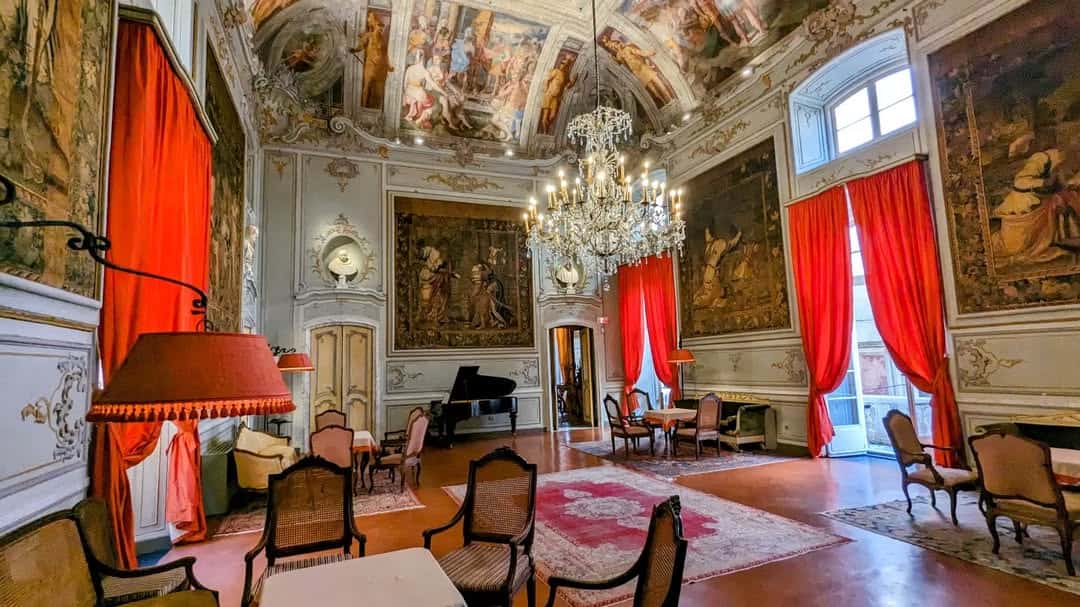
Inside, the club houses a richly decorated piano nobile with frescoes by Andrea Semino, a large fireplace by Valsoldo, mythological scenes, and other art pieces like “Caduta di Fetonte” by Luca Cambiaso.
Because it’s a private club rather than a public museum, access is more limited. When we went there, it wasn't open to the public. But usually, there are cultural events, concerts, and exhibitions open to non-members from time to time.
Cattedrale di San Lorenzo (Cathedral of San Lorenzo)
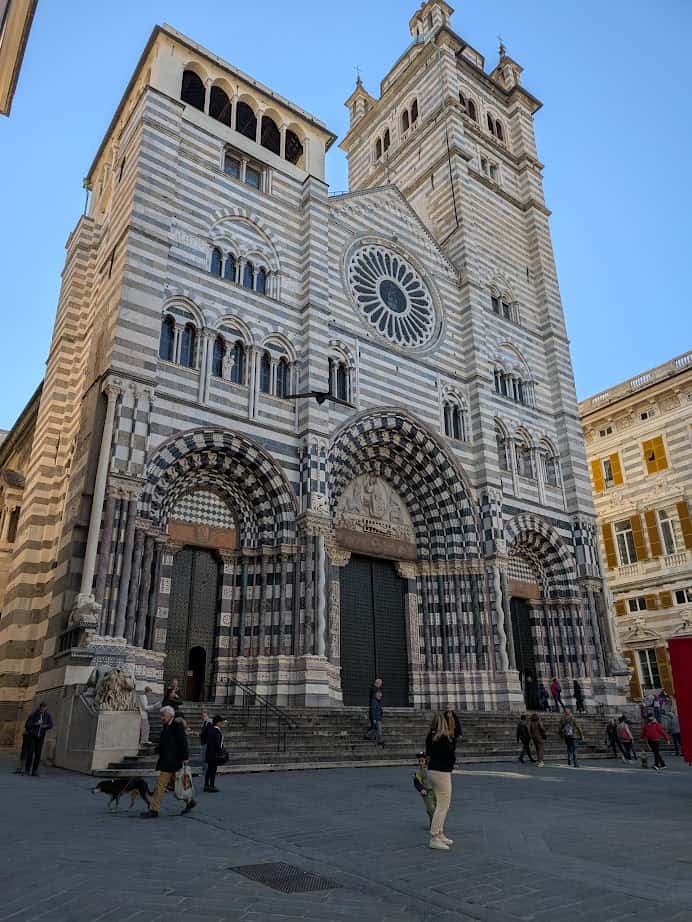
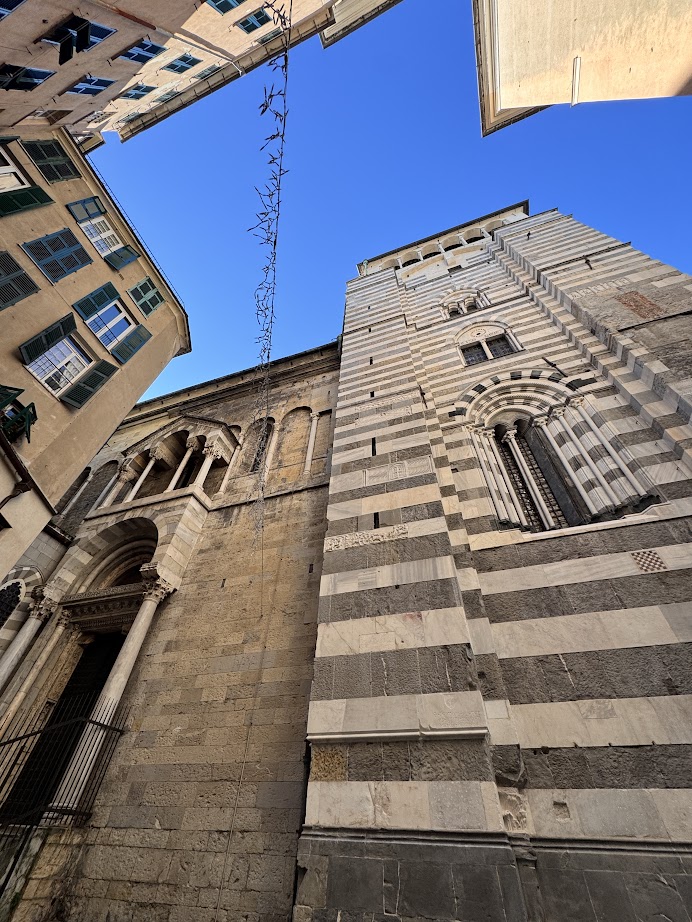
Known as Genoa's main cathedral, you couldn't miss its striking black-and-white striped façade when you walk through Genoa's old town. The kids thought it looked like something out of a storybook, while we adults couldn’t help but admire how grand it felt right in the middle of the narrow streets.

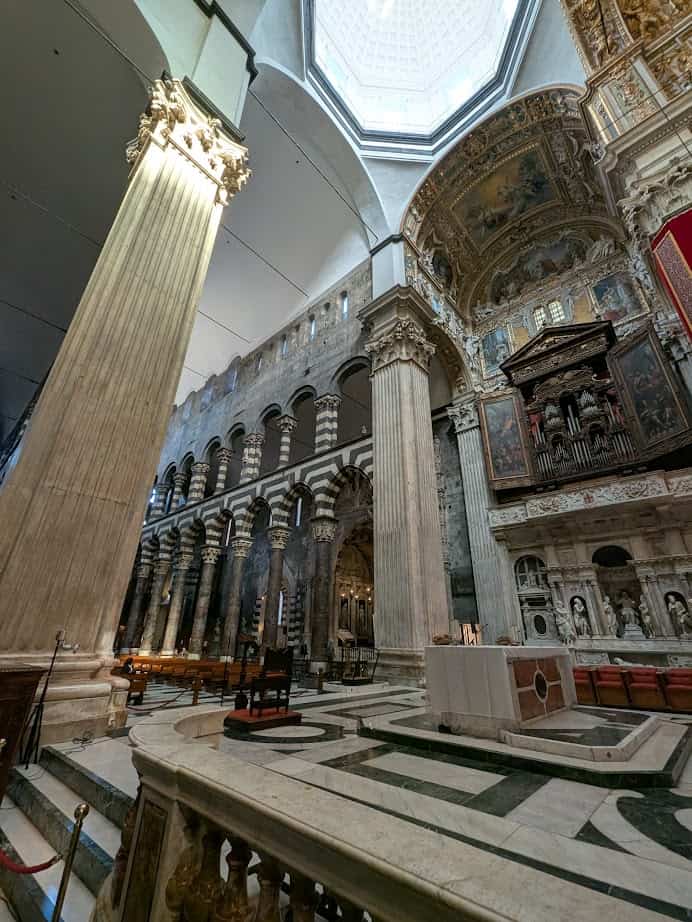
Inside, the cathedral feels both majestic and a little surprising. One detail that really caught everyone’s attention was the World War II bomb displayed inside — it fell on the church in 1941 but never exploded. The chapel dedicated to St. John the Baptist is also beautiful, and wandering through the quiet interior was a nice pause in our busy day.
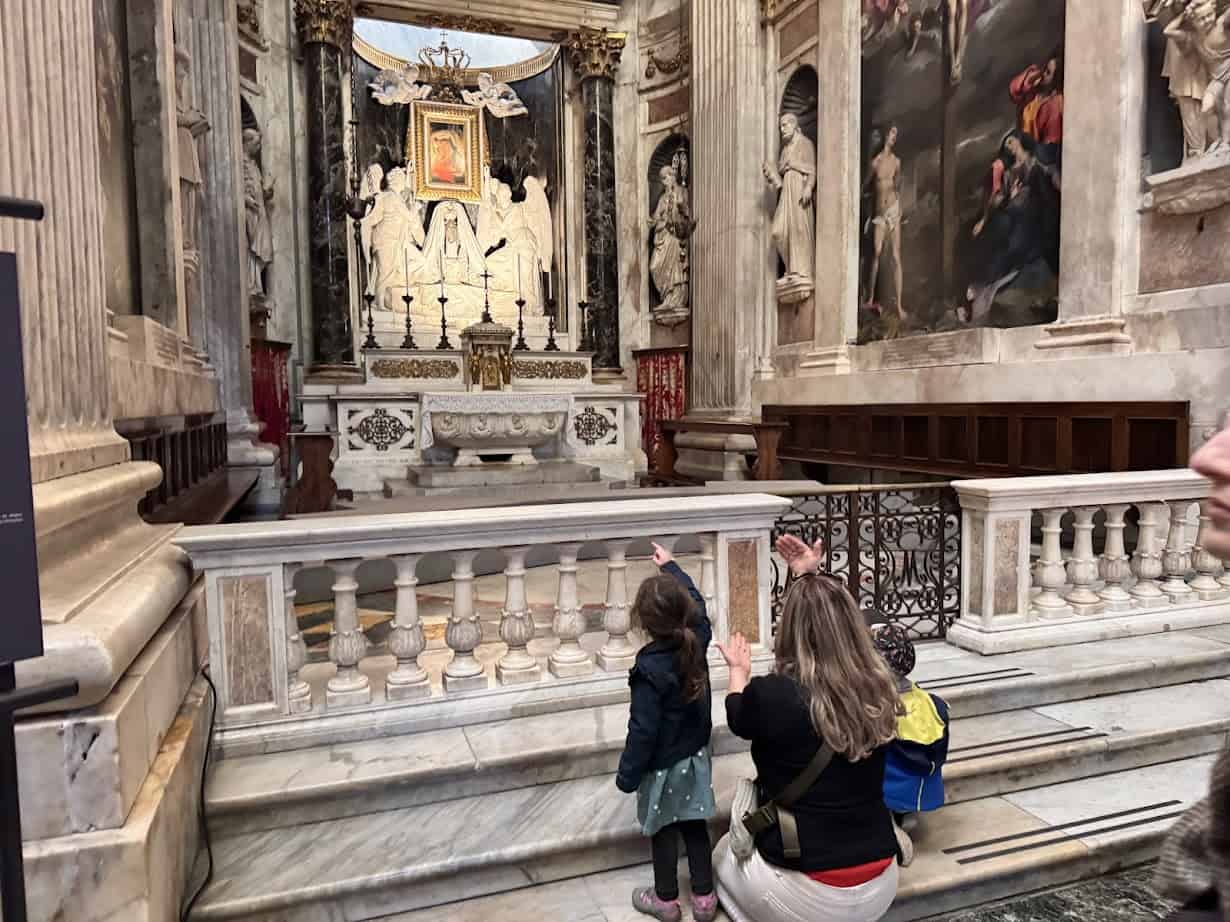
What I liked most was that visiting didn’t feel rushed or difficult. Entrance is free, it’s central, and it doesn’t take too long to look around.
The cathedral is stroller-friendly, though some side chapels have small steps. Since it’s an active place of worship, modest dress is expected, and mornings tend to be the quietest time to visit.
Molo
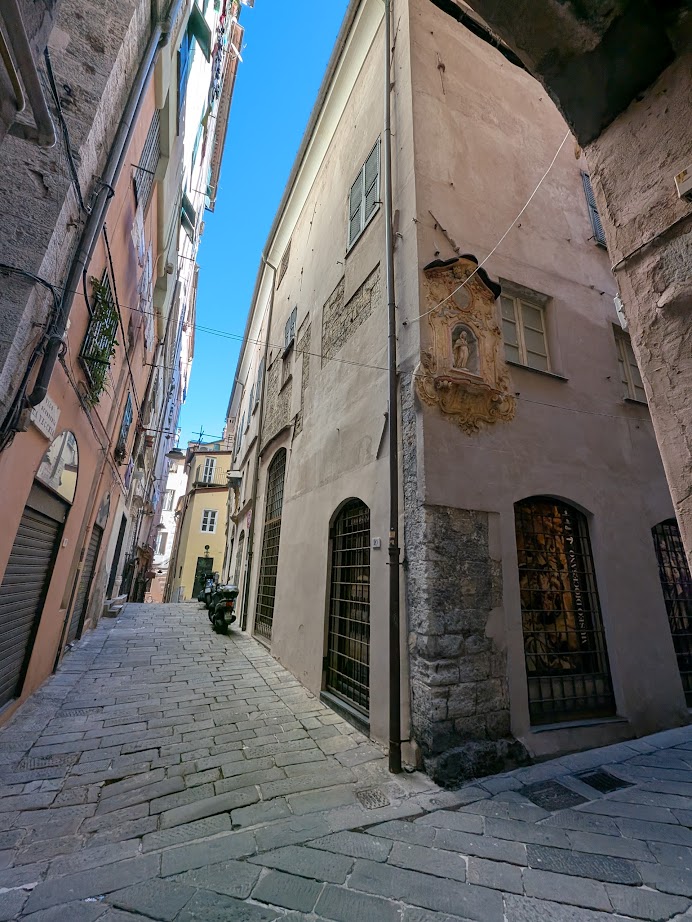
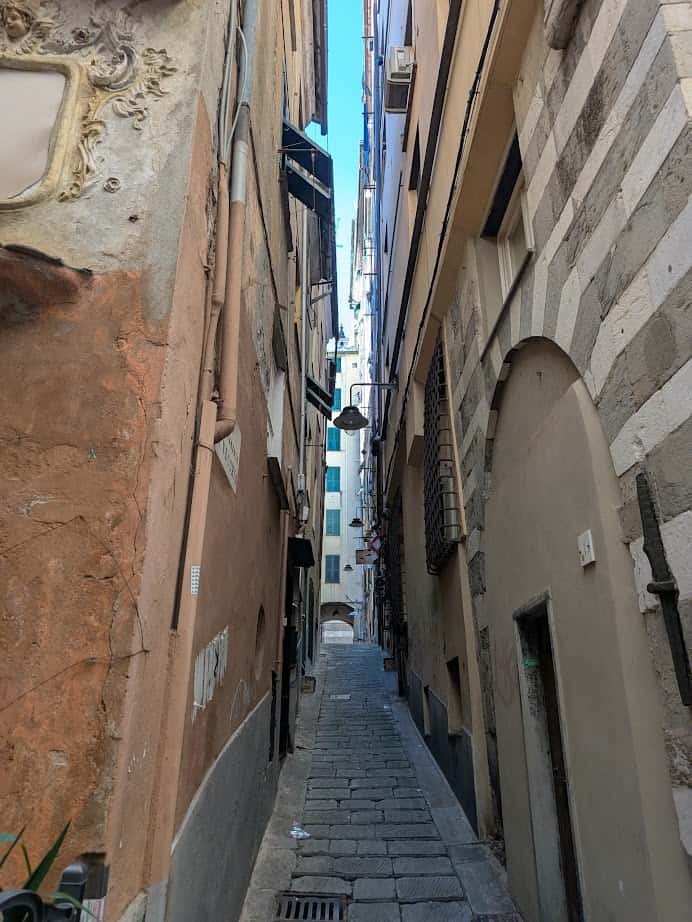
As we wandered away from the cathedral, we found ourselves in Molo, one of Genoa’s oldest neighborhoods. The narrow alleyways and little piazzas here had a different feel compared to Via Garibaldi. They're more lived-in, less polished, and full of character.
There’s a sense of everyday life in Molo that makes it fun to explore without an agenda. We passed small cafés, bakeries, and shops tucked into corners, and every so often the streets would open up to a view of the port of Genoa or a quiet square. It felt like a good place to just wander without worrying too much about where we’d end up.

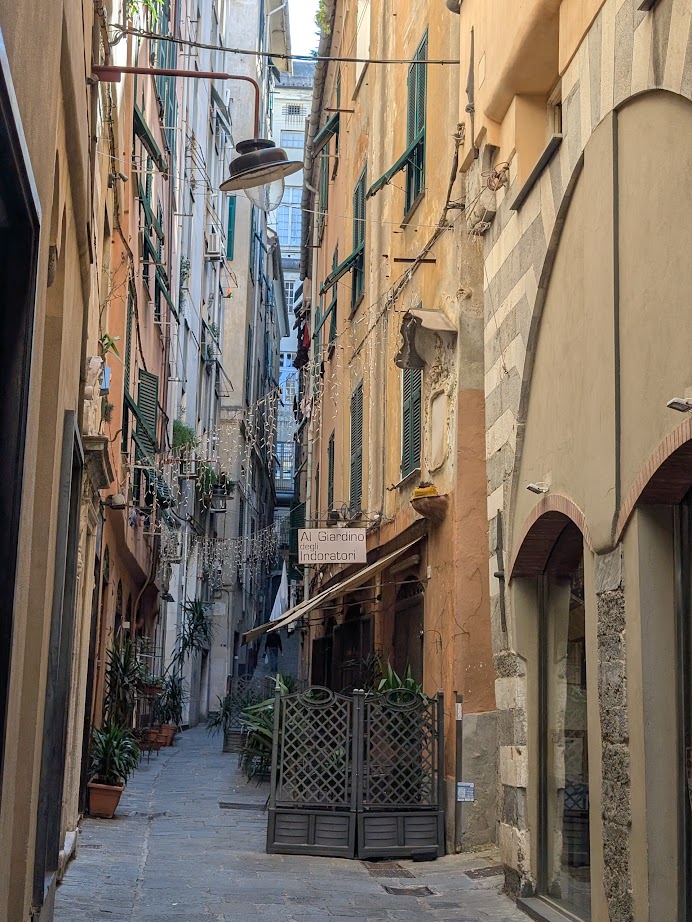
Molo is very walkable, but the cobblestones can be tricky with strollers or for older family members, so comfortable shoes help. It’s best to go during the day when the little streets feel lively and safe. If you’re traveling with kids, this is a good area to stop for a snack break since there are plenty of cafés and gelato shops around.
Centro Storico di Genova (City Center of Genoa)
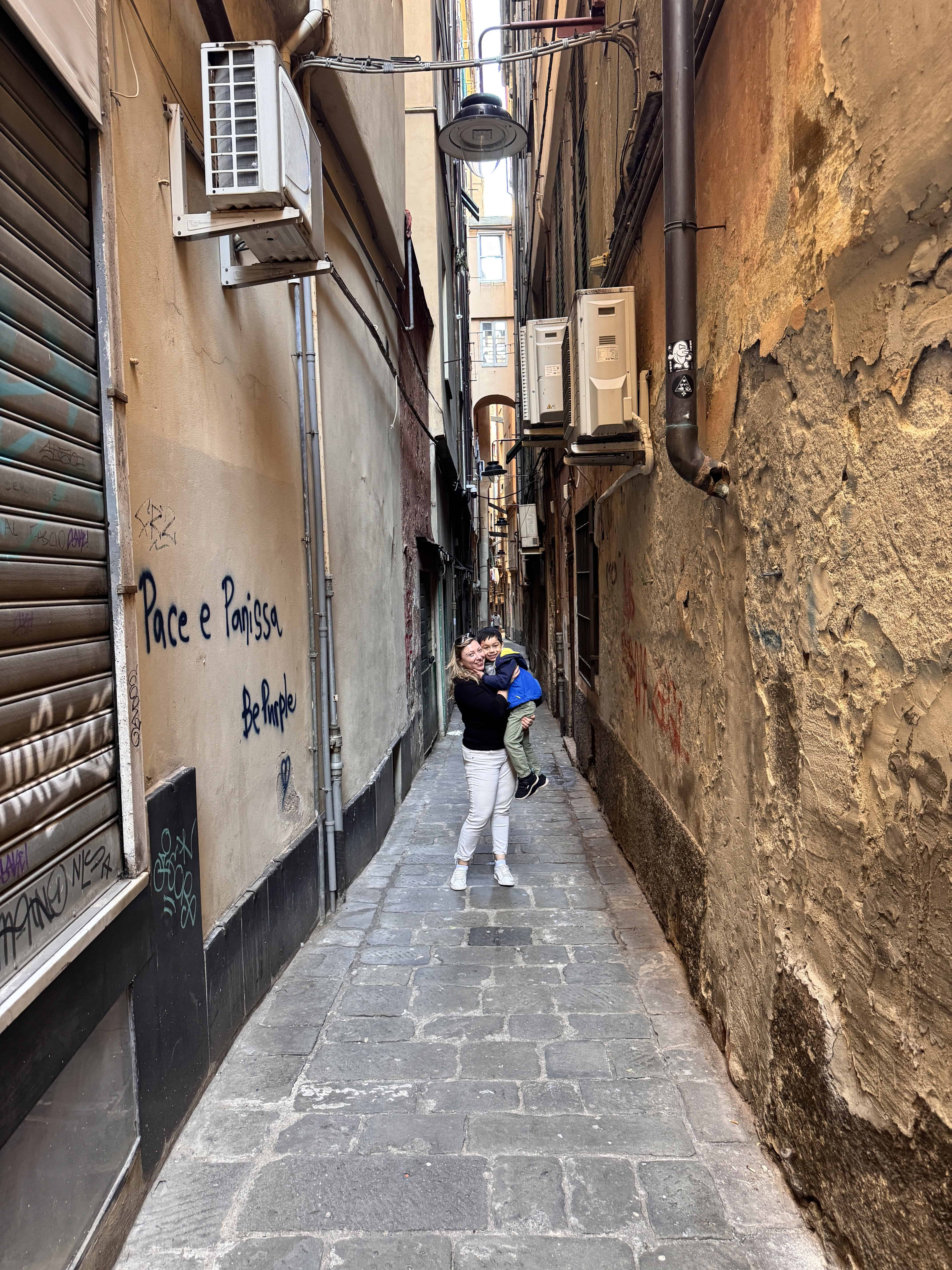
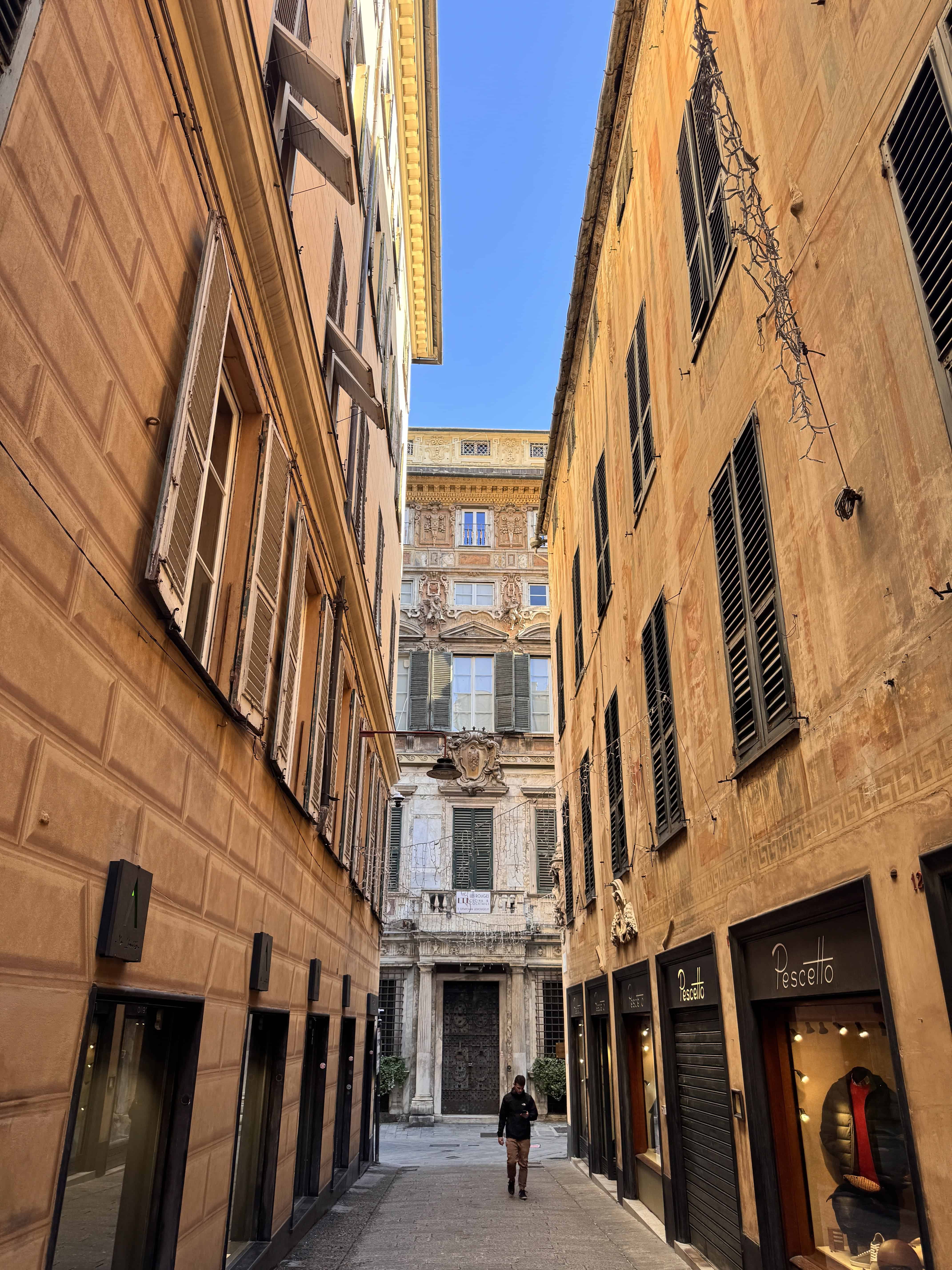
No visit to Genoa feels complete without getting a little lost in the Centro Storico, the city’s historic center and one of the largest in Europe.
We spent part of the afternoon just wandering its narrow, twisting streets (they're called caruggi), and it felt like stepping into a living museum.
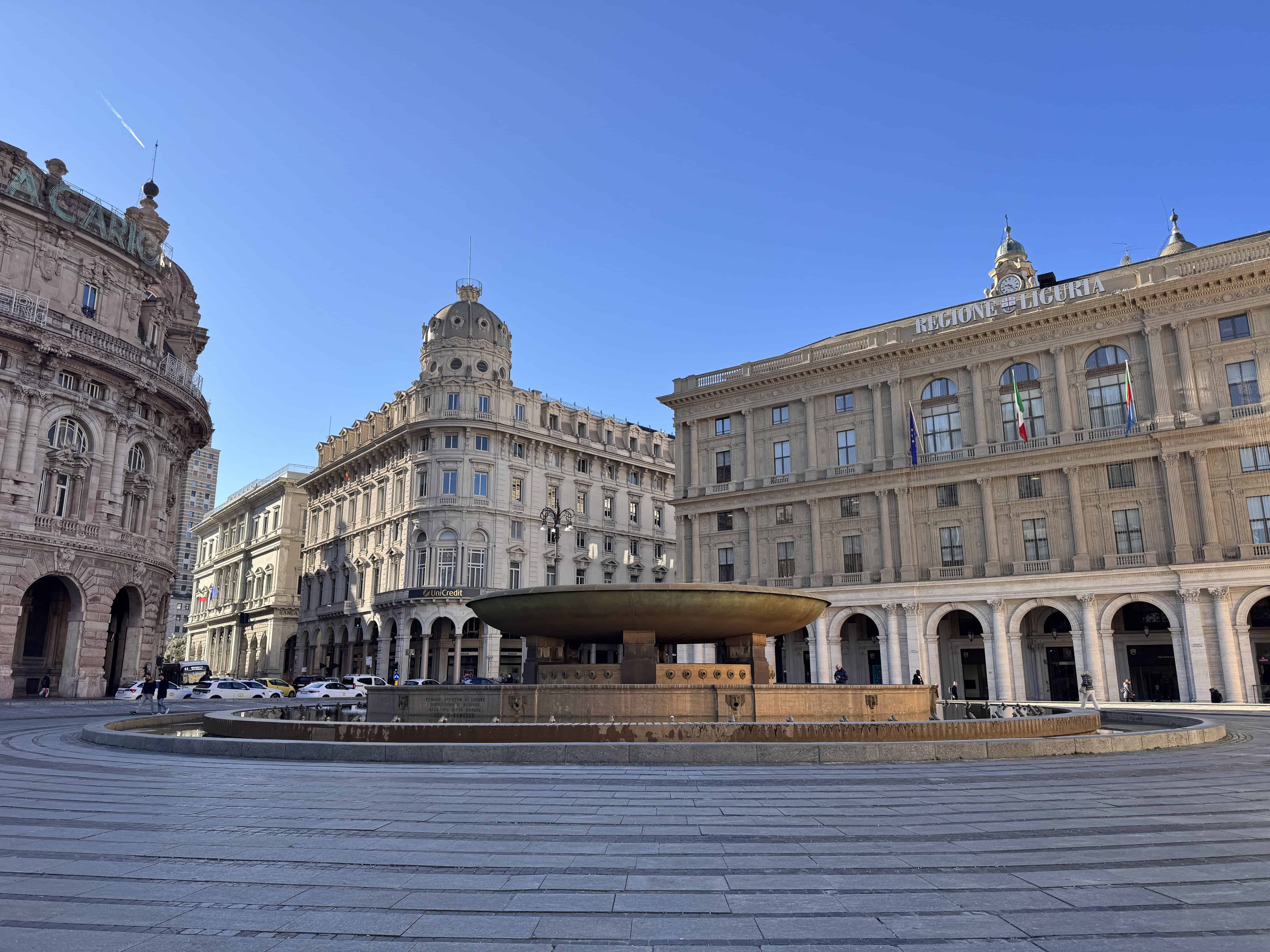
There’s also no shortage of small surprises here: bits of ancient city walls, the scent of fresh pesto from tiny eateries, and glimpses of the sea at the end of narrow lanes.
The Centro Storico is best explored on foot and during the day. My tip is to wear comfortable shoes since the cobblestones can be uneven. It’s totally safe and lively in daylight.
Palazzo San Giorgio
Just a short walk from the Centro Storico, we came across the Palazzo San Giorgio, one of Genoa’s most recognizable landmarks.
Built in the 13th century, this was once the seat of the city’s government and later became the headquarters of the powerful Banco di San Giorgio, one of the oldest banks in the world.
You can’t always go inside since it’s still used for offices and events, but even just admiring it from the outside gives you a sense of Genoa’s long and proud maritime history.
Piazza San Matteo

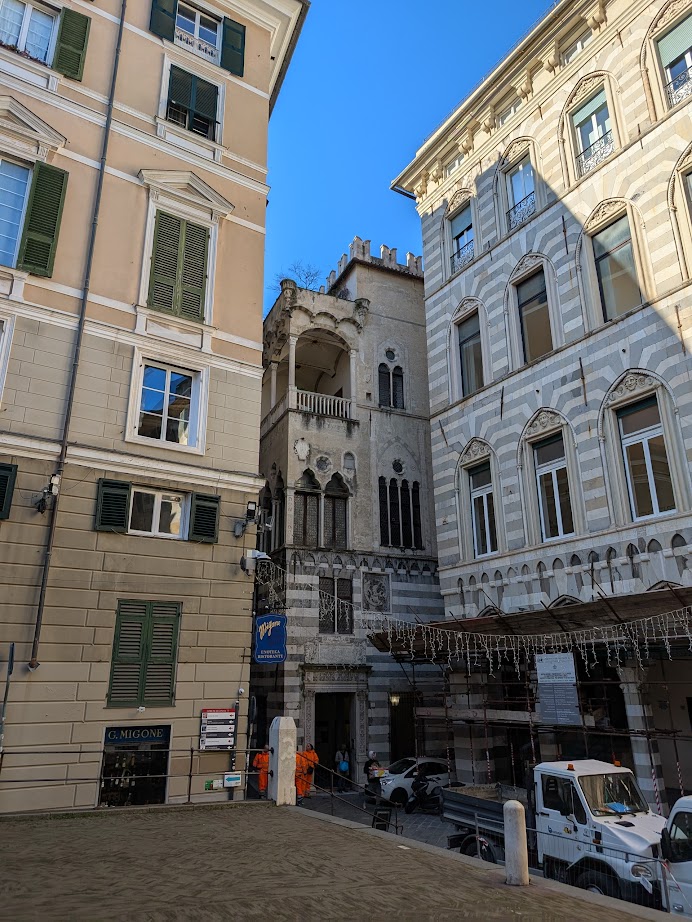
This is one of Genoa’s most atmospheric medieval squares, tucked away in the heart of the historic center.
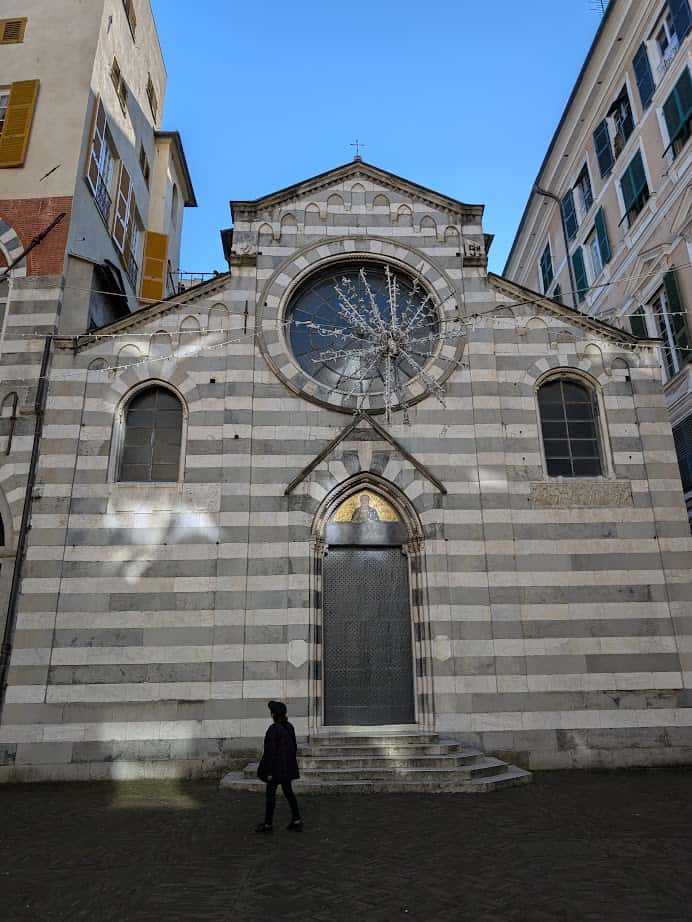
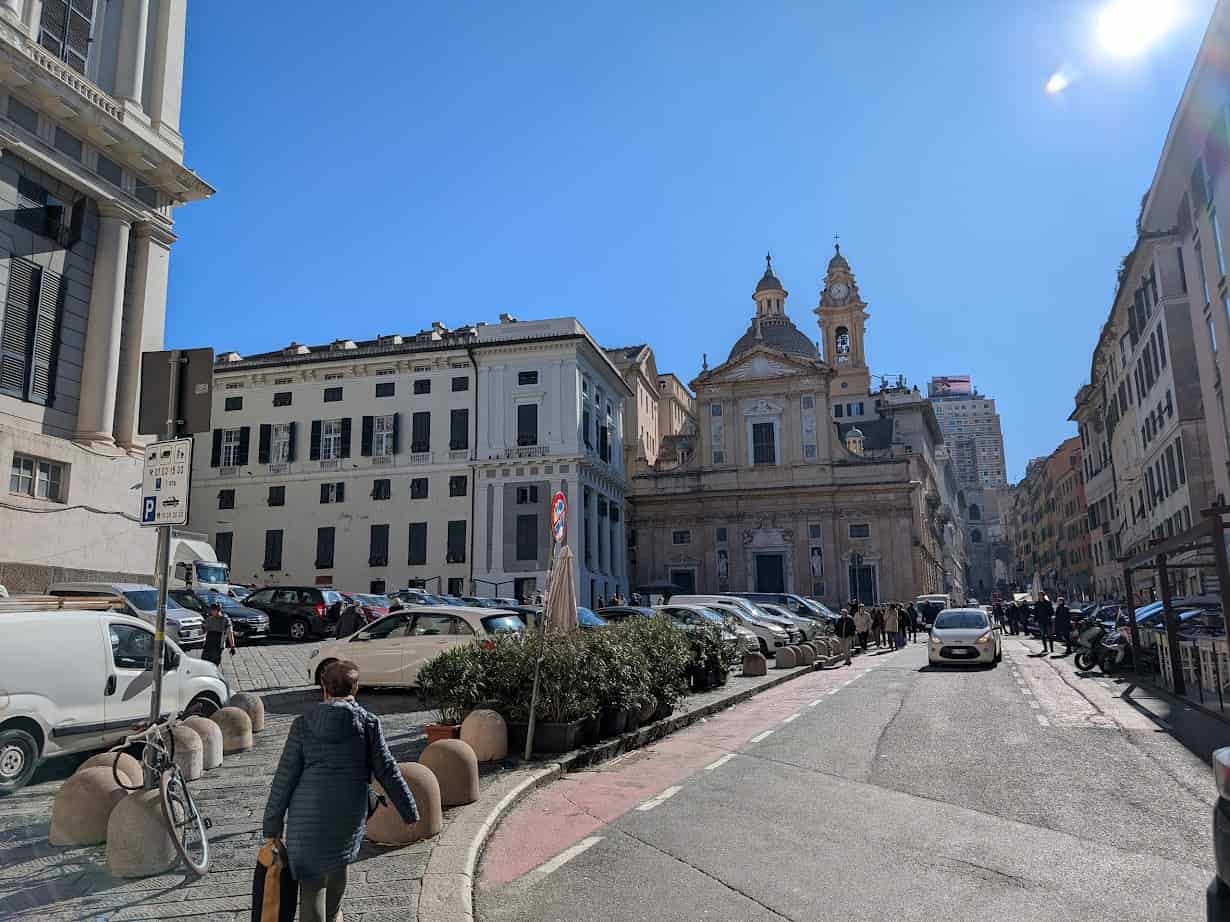
The black-and-white striped façade of San Matteo Church immediately stands out, along with the surrounding palaces that once belonged to different branches of the noble Doria family.
Walking into the piazza gives you a clear sense of Genoa’s medieval past and how influential families shaped the city. It’s a quick stop, but the mix of history, distinctive stripes, and calm atmosphere makes it memorable.
Porto Antico (Old Port)
This area was once Genoa’s working harbor, but it was redesigned in the 1990s by architect Renzo Piano into a modern, lively waterfront. It’s open and family-friendly, with wide promenades, plenty of benches, and easy spots to stop and enjoy the sea views.
The kids loved watching the boats and seagulls by the marina, while my mom and mother-in-law appreciated the slower pace after all the walking in the old town.
Palazzi dei Rolli
The Palazzi dei Rolli is a remarkable ensemble of Renaissance and Baroque mansions scattered along the new streets of Genoa. It's a set of noble homes that once served a public function under a system established in 1576.
Want to save this?
In 2006, this unique urban ensemble was inscribed on the UNESCO World Heritage List under the name “Le Strade Nuove and the system of the Palazzi dei Rolli,” in recognition of its outstanding example of urban planning, aristocratic architecture, and its role in the social and economic life of a powerful maritime republic.
We went to a few of the palaces, specifically the following:
Palazzo Gerolamo Grimaldi
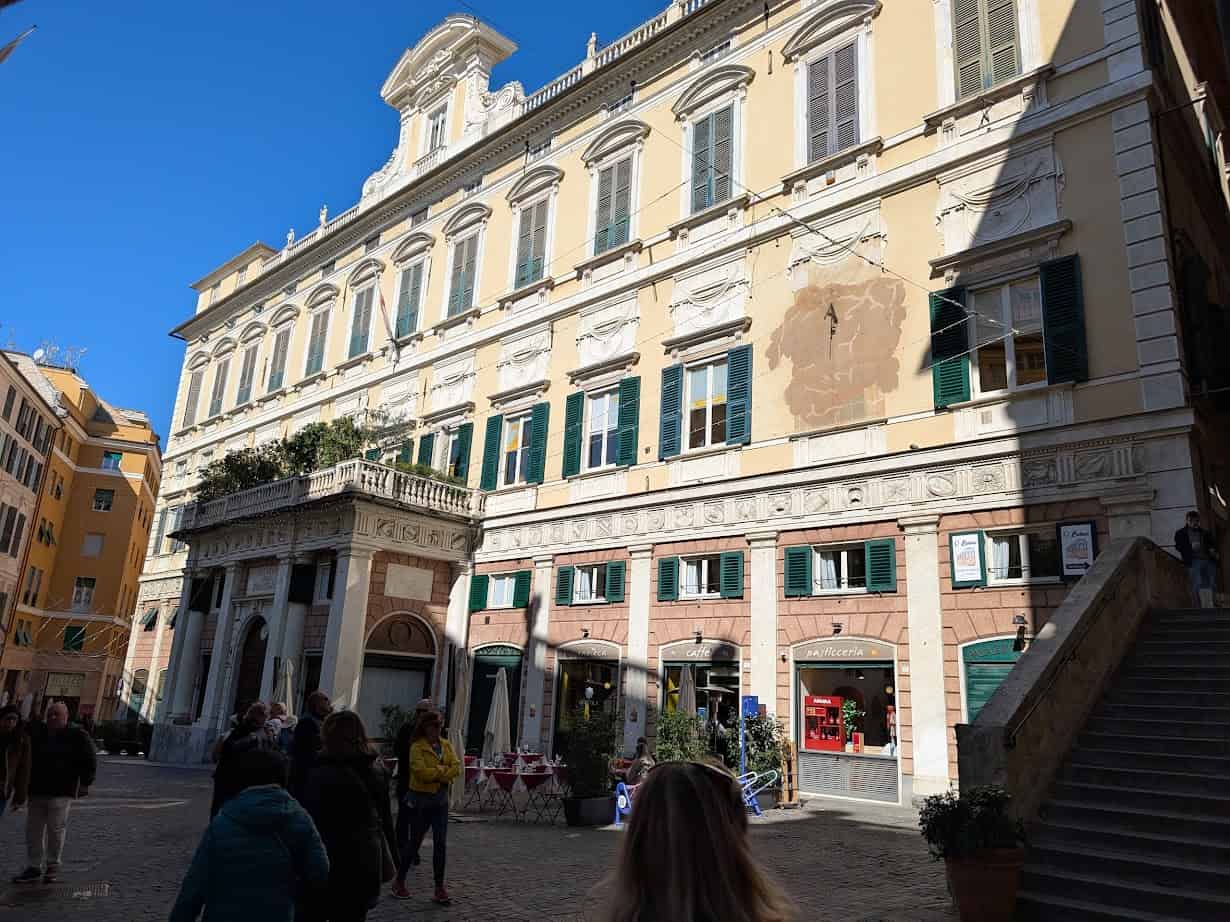
This palace has a quieter elegance compared to the others, with bright galleries and a strong focus on European art from the 16th–18th centuries. It’s also one of the easier palaces to explore with kids because of its open layout and lighter atmosphere.
Palazzo Francesco and Ridolfo Brignole Sale
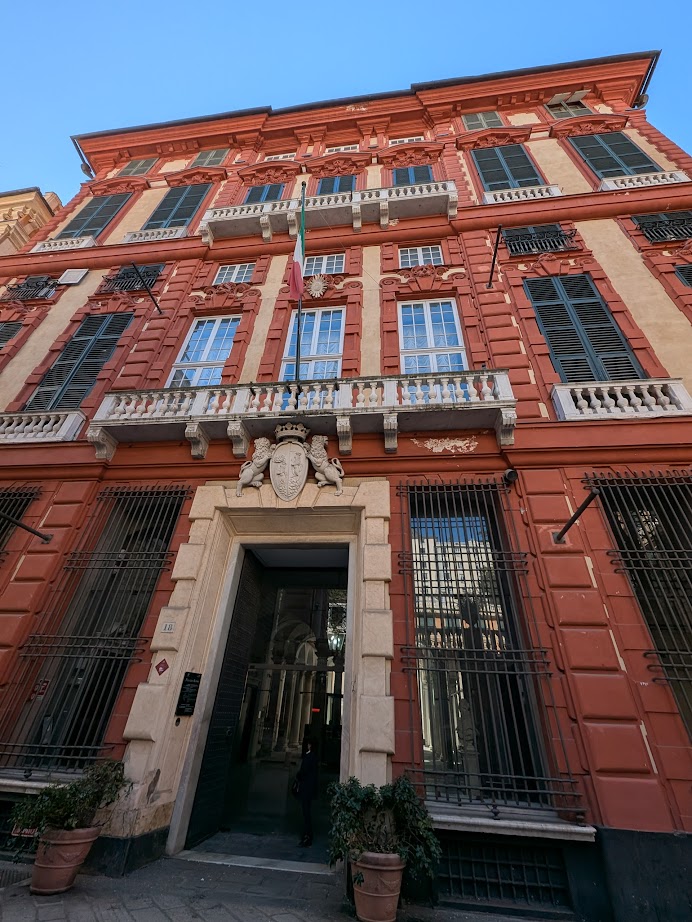
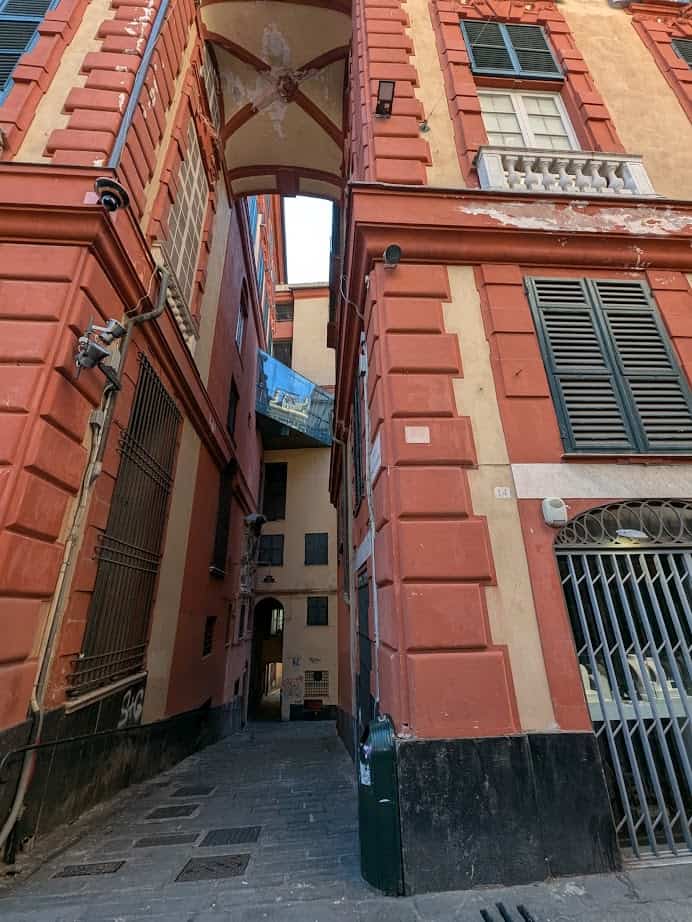
Palazzo Rosso is the bold, red-colored palace on Via Garibaldi, known today for its impressive art collections and rooftop views.
Palazzo of Baldassarre Lomellini
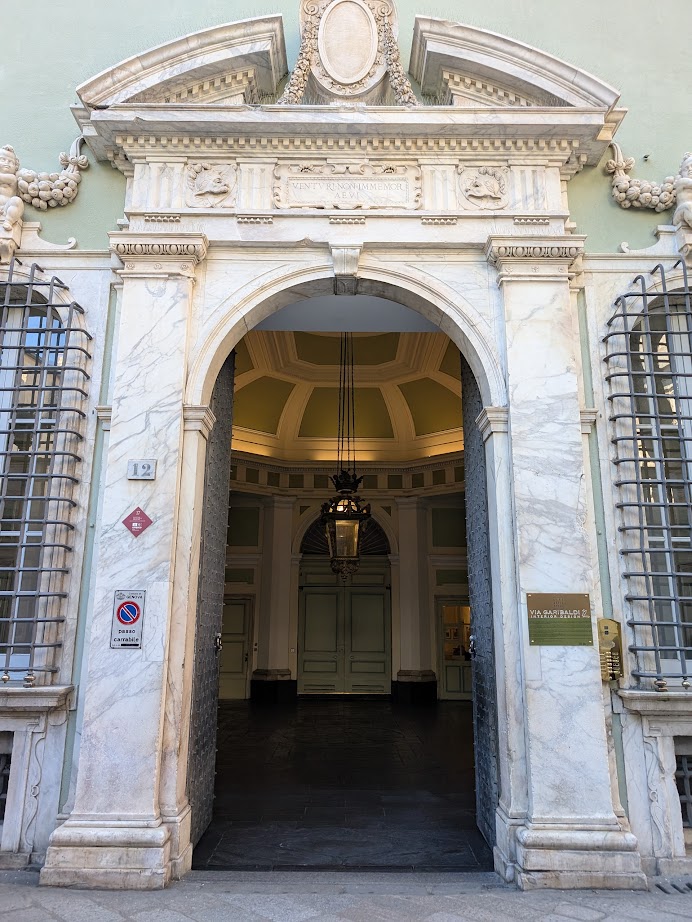
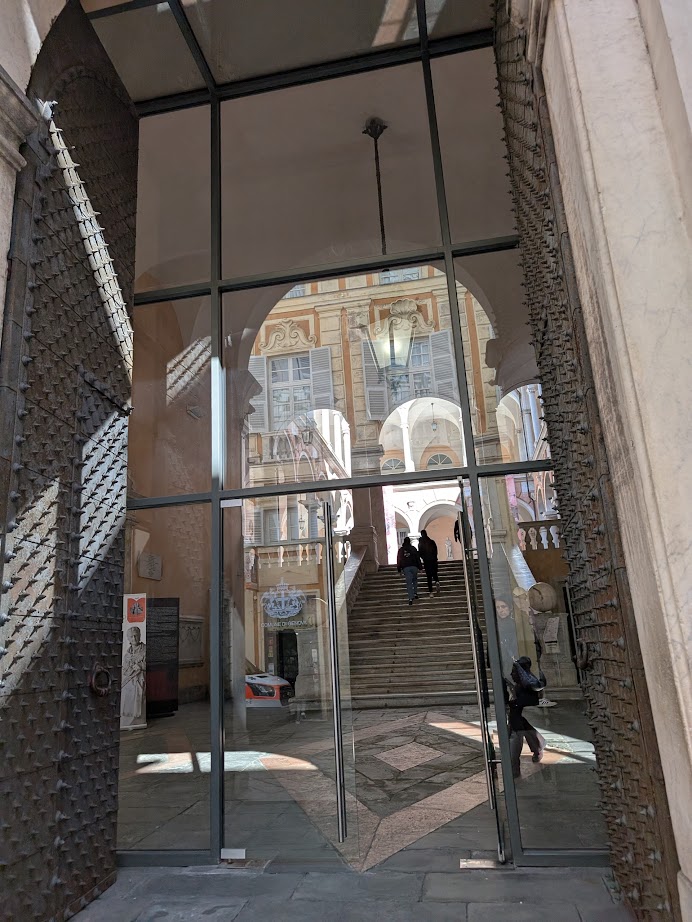
This palace is one of the noble homes once assigned to host important guests visiting Genoa. Its exterior is elegant but restrained, typical of many Rolli palaces meant to impress through symmetry and proportion rather than flashy decoration.
Palazzo Nicolosio Lomellino
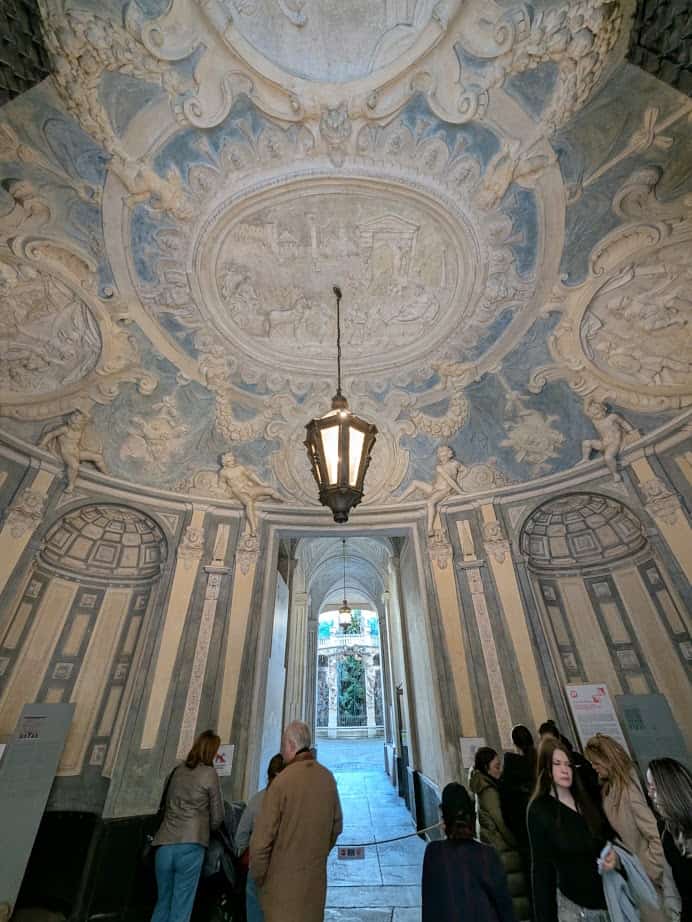
Easily one of the prettiest palaces on Via Garibaldi, Palazzo Nicolosio Lomellino stands out with its decorated façade and beautiful internal courtyard.
Palazzo Spinola National Gallery
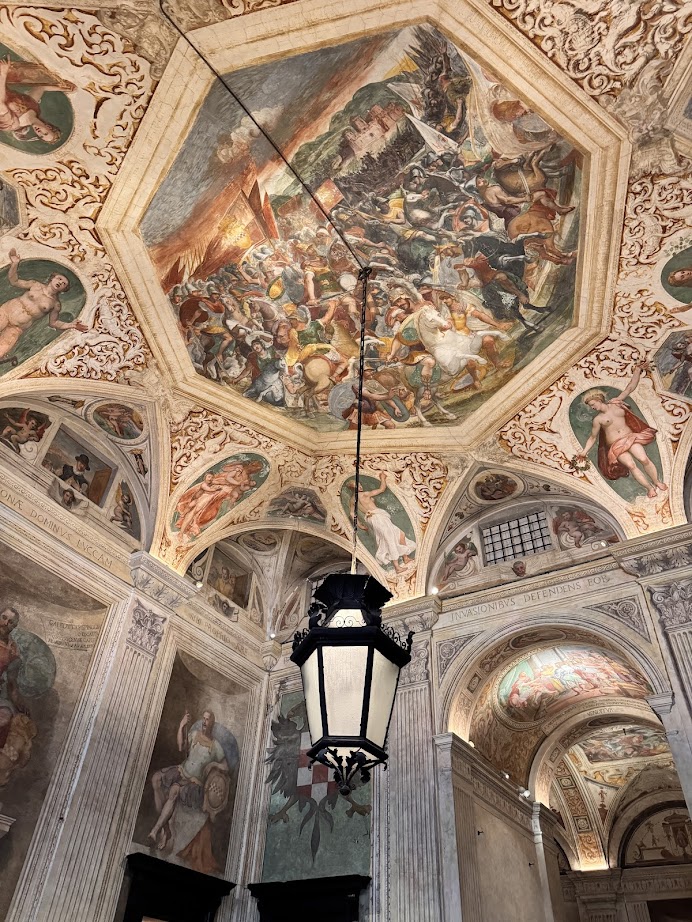
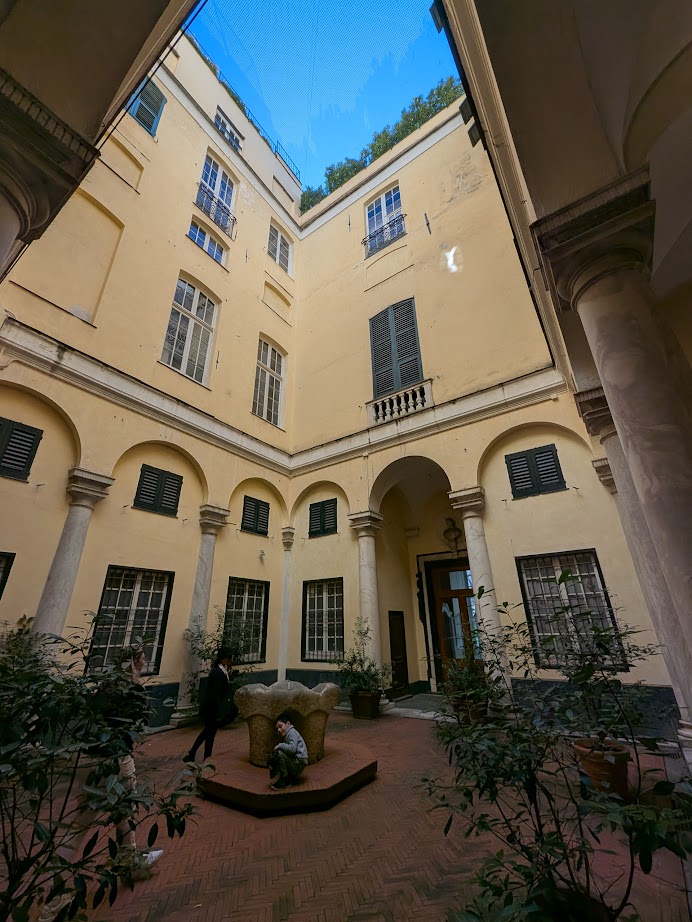
This palace is one of the few Rolli palaces where you can walk through preserved noble interiors instead of just admiring the façade.
We enjoyed wandering from room to room at a gentle pace, with the kids pointing out anything shiny or “princess-like.” It wasn’t crowded, so we could move comfortably even with older family members.
Basilica della Santissima Annunziata del Vastato
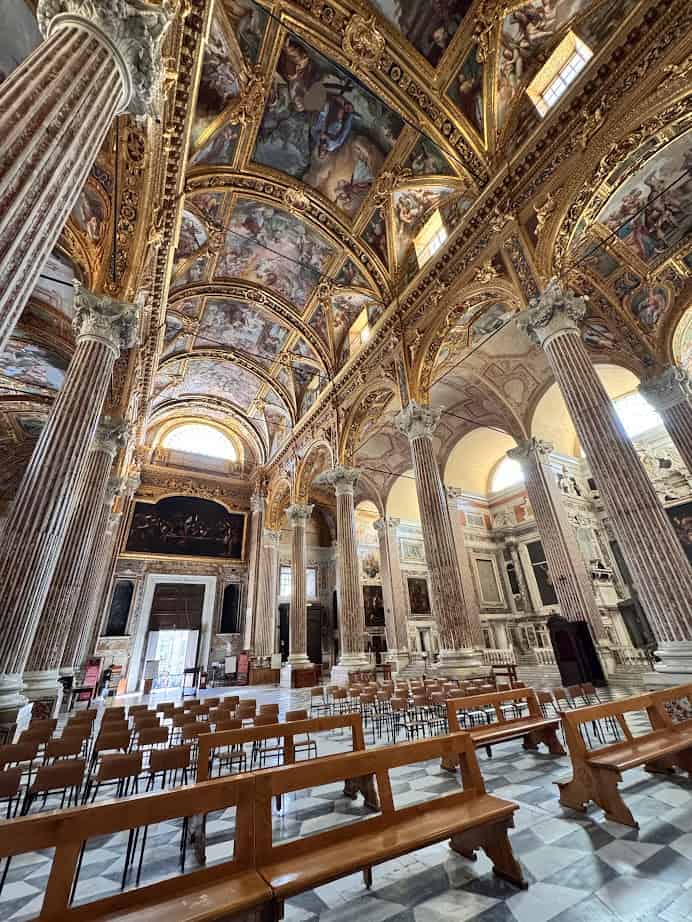
Also known as Nunziata for short, the basilica was one of the most beautiful surprises of our day in Genoa. From the outside, its grand columns and neoclassical façade already make an impression, but stepping inside completely took our breath away.
The interior is a riot of gold, marble, and frescoes. Every inch of the ceiling and walls seems to shimmer. Even the kids fell quiet for a few moments, just looking up.
We spent a little time just sitting in one of the pews, enjoying the cool, calm air and the quiet hum of prayers from locals stopping by.
The entrance is free, and photos are allowed as long as you’re respectful.
Palazzo Real (Royal Palace Museum)
We reached the museum via Balbi, one of Genoa’s most elegant streets. The palace looks grand but modest from the outside, and it’s only once you step in that its scale and beauty truly unfold.
Tickets are about €6 for adults, with discounts for kids and seniors. The main areas are stroller-friendly, though some upper floors have stairs, and the garden terrace is a must-see for one of the best photo spots in Genoa.
Palazzo Ducale Fondazione per la Cultura (Doge's Palace)
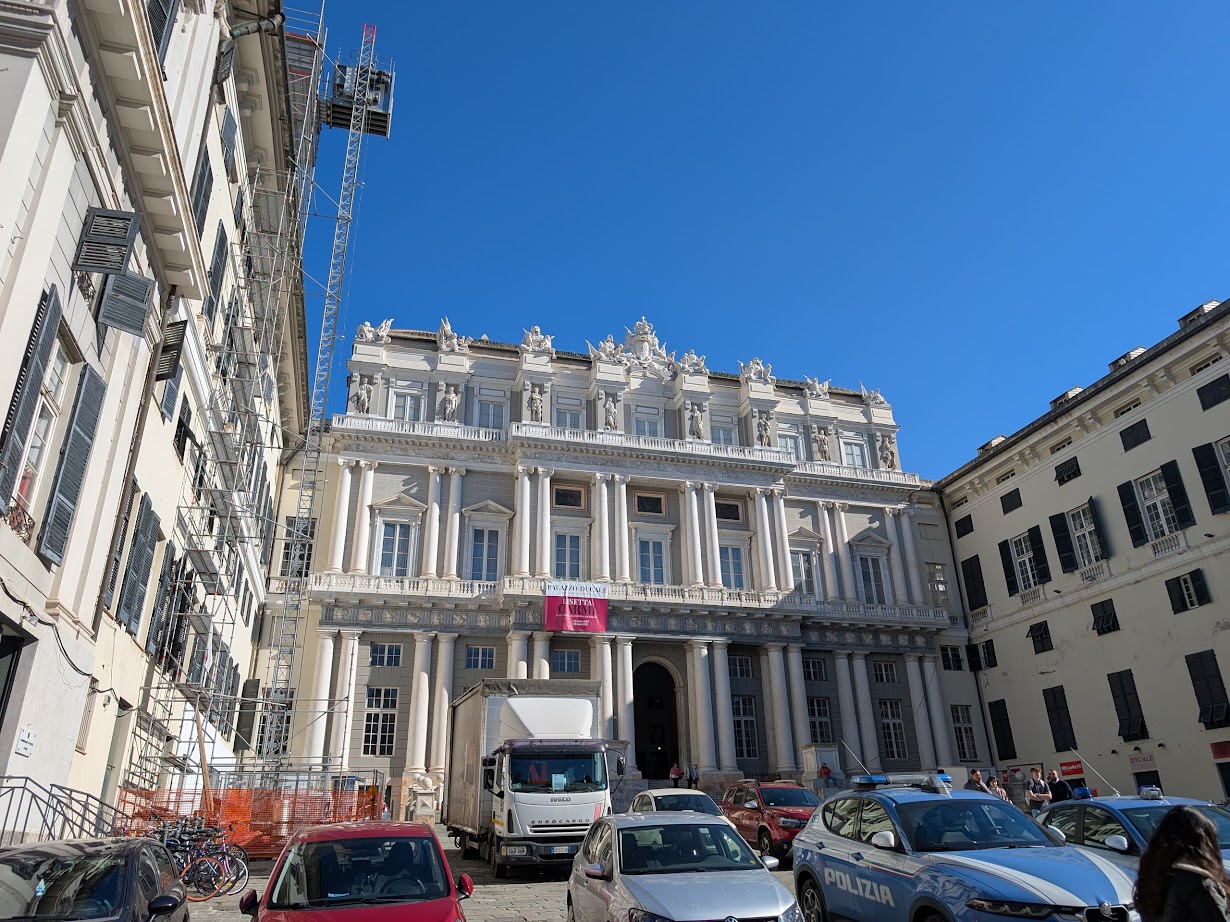
Standing proudly between Piazza De Ferrari and Piazza Matteotti, it’s hard to miss its grand neoclassical façade. The kids immediately noticed how big it felt compared to the narrow old streets we’d been walking through all day.
The palace dates back to the late 13th century and became the seat of Genoa’s Doge in the 1300s. Today, it serves as a cultural center hosting exhibitions, events, and concerts.
During our visit, we explored the Salone del Maggior Consiglio, a massive hall filled with frescoes and chandeliers, and peeked into the Torre Grimaldina, once used as a prison.
What to Eat in Genoa
Genoa might be known for its maritime history and grand palaces, but it’s the food that really brings the city to life.
Eating here felt like discovering a softer side of the city. Between sightseeing stops, we’d grab small bites from bakeries or cafés and quickly learned that the best meals weren’t always in the touristy spots but in tucked-away trattorias filled with locals.
Here's everything we tried in Genoa:
Il Moretto Caffè

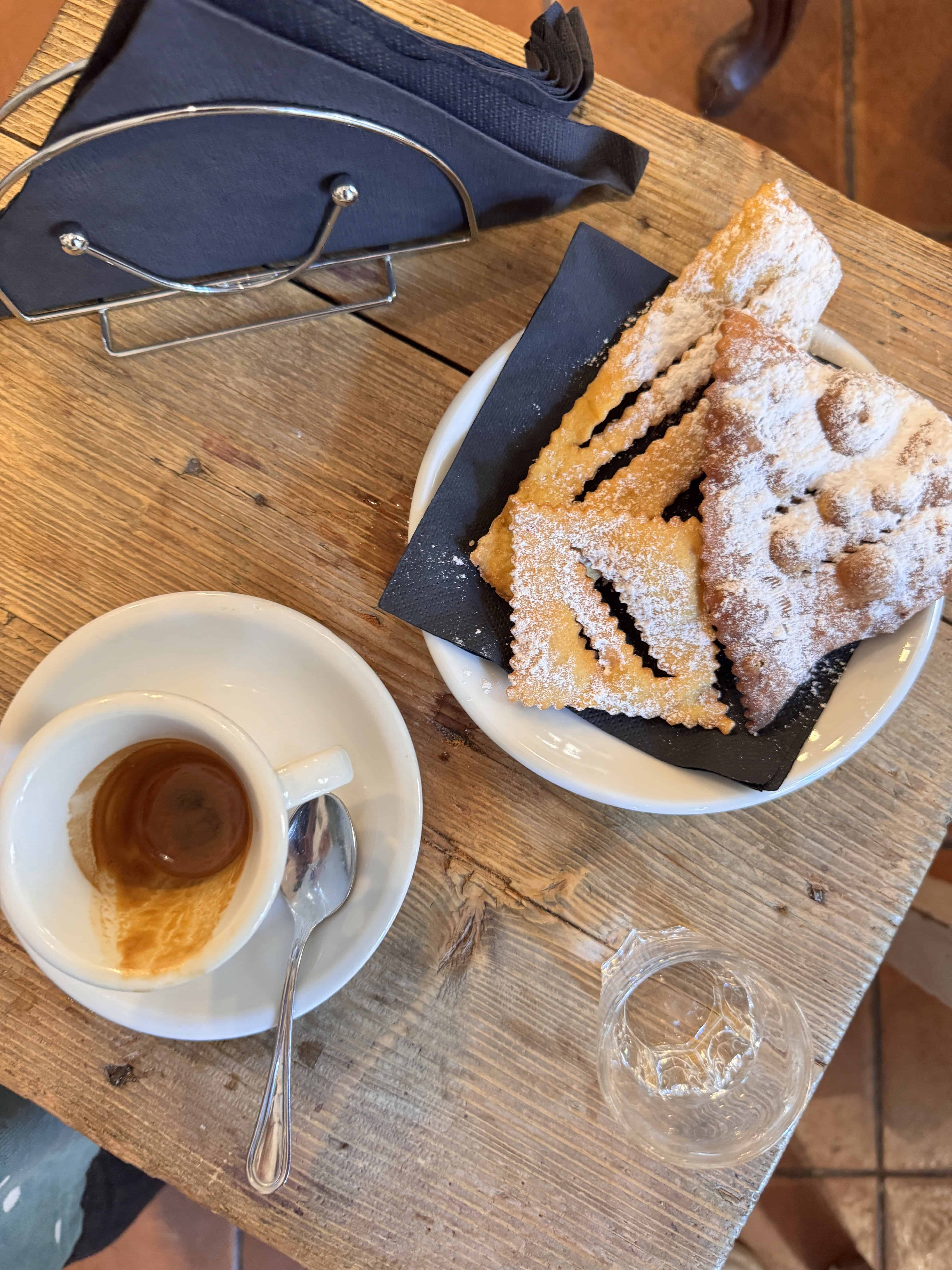
Il Moretto started in 1947 as a small family torrefazione in Genoa’s port district and has stayed family-run through three generations. It’s one of the local roasters that Genovese households grew up with, which was exactly the kind of “not too touristy” spot we were hoping for.
We had two sharp espressos for the adults, a warm crostata cut into sharing strips, and a few sweets and soft drinks for the kids.
Inside, Il Moretto had that quiet charm of an old-school Genovese café: wooden tables, friendly nods from the baristas, and a relaxed rhythm that made us slow down for a moment.
Tober Caffè
A cozy spot we found that felt really relaxing and welcoming. It was a good choice for a slow midday break after hours of walking and exploring.
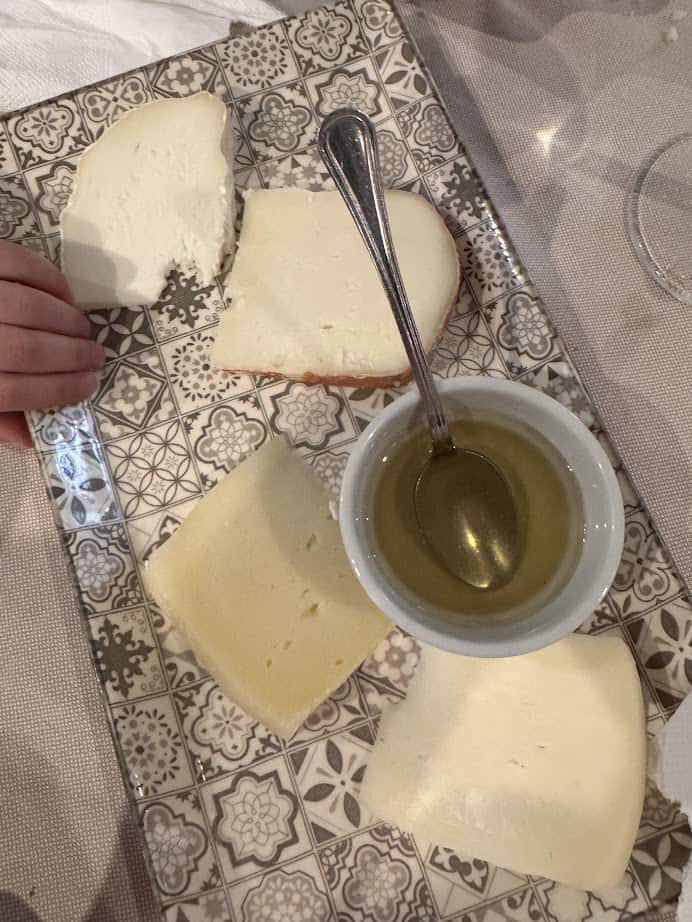
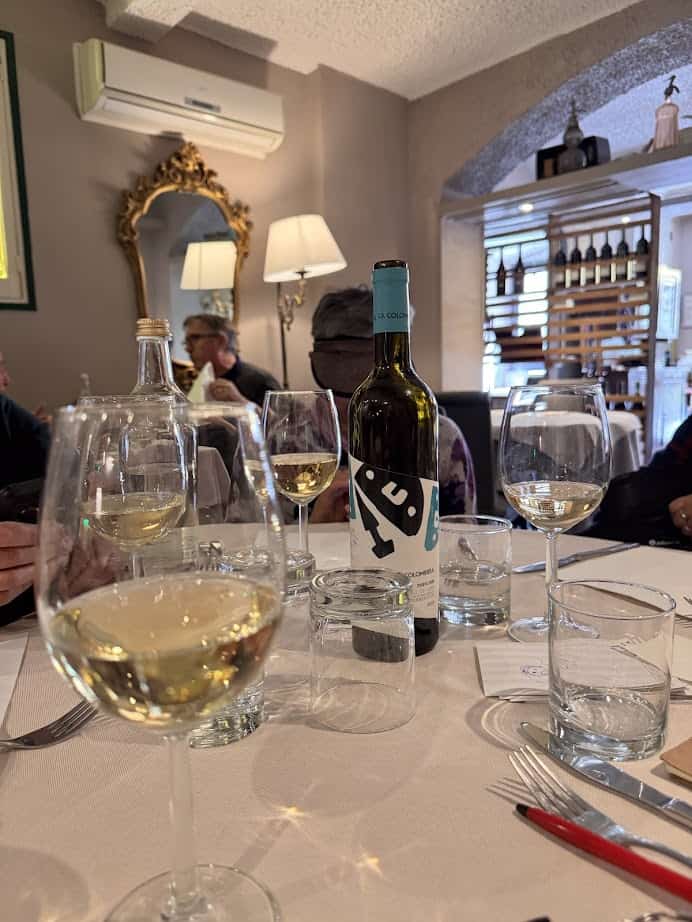
The menu focuses on simple Ligurian dishes and local ingredients, and we started with a cheese plate served with honey, a mild and creamy pairing that worked perfectly.
For drinks, we ordered a bottle of La Colombera’s Bianco, which was light, refreshing, and easy to enjoy with the food.
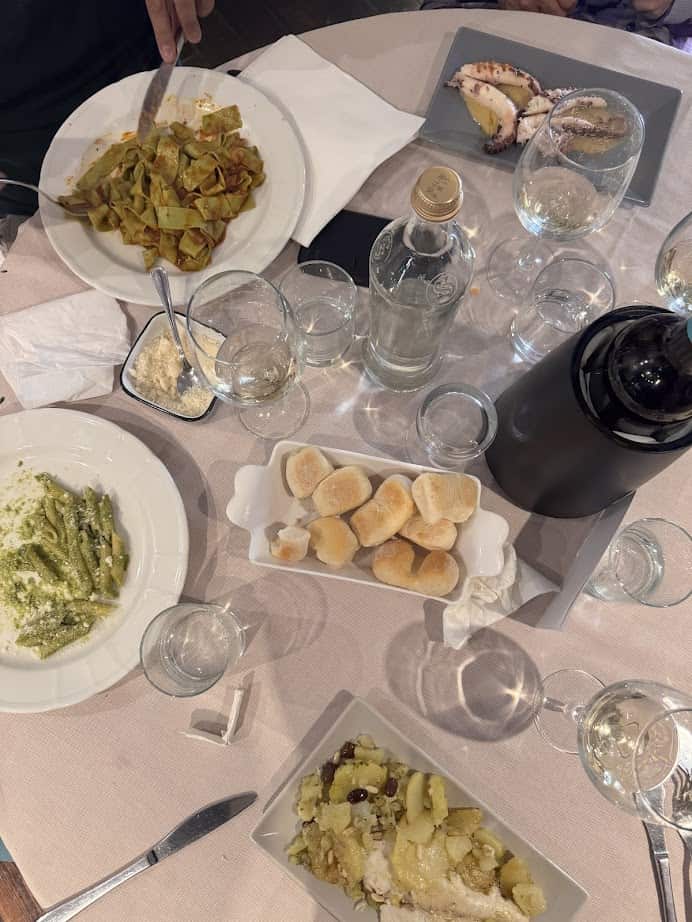
For mains, we tried pesto pasta, wide ribbon pasta in tomato sauce, and octopus with potatoes, along with small warm rolls that disappeared fast at our table.
It was a relaxed meal with friendly service; nothing overly fancy, just good, honest food that worked well for a family lunch in between sightseeing.
Trattoria Rosmarino
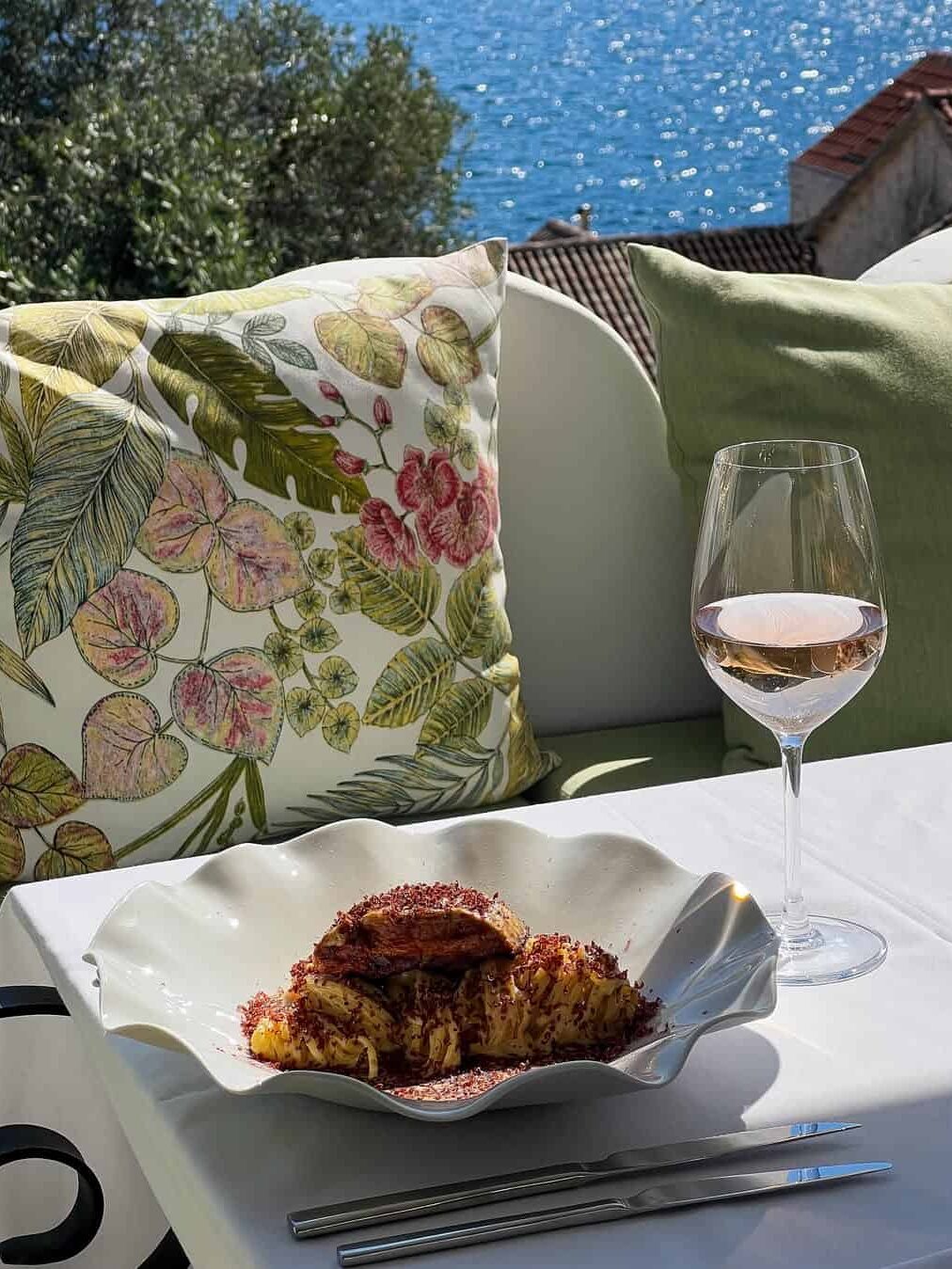
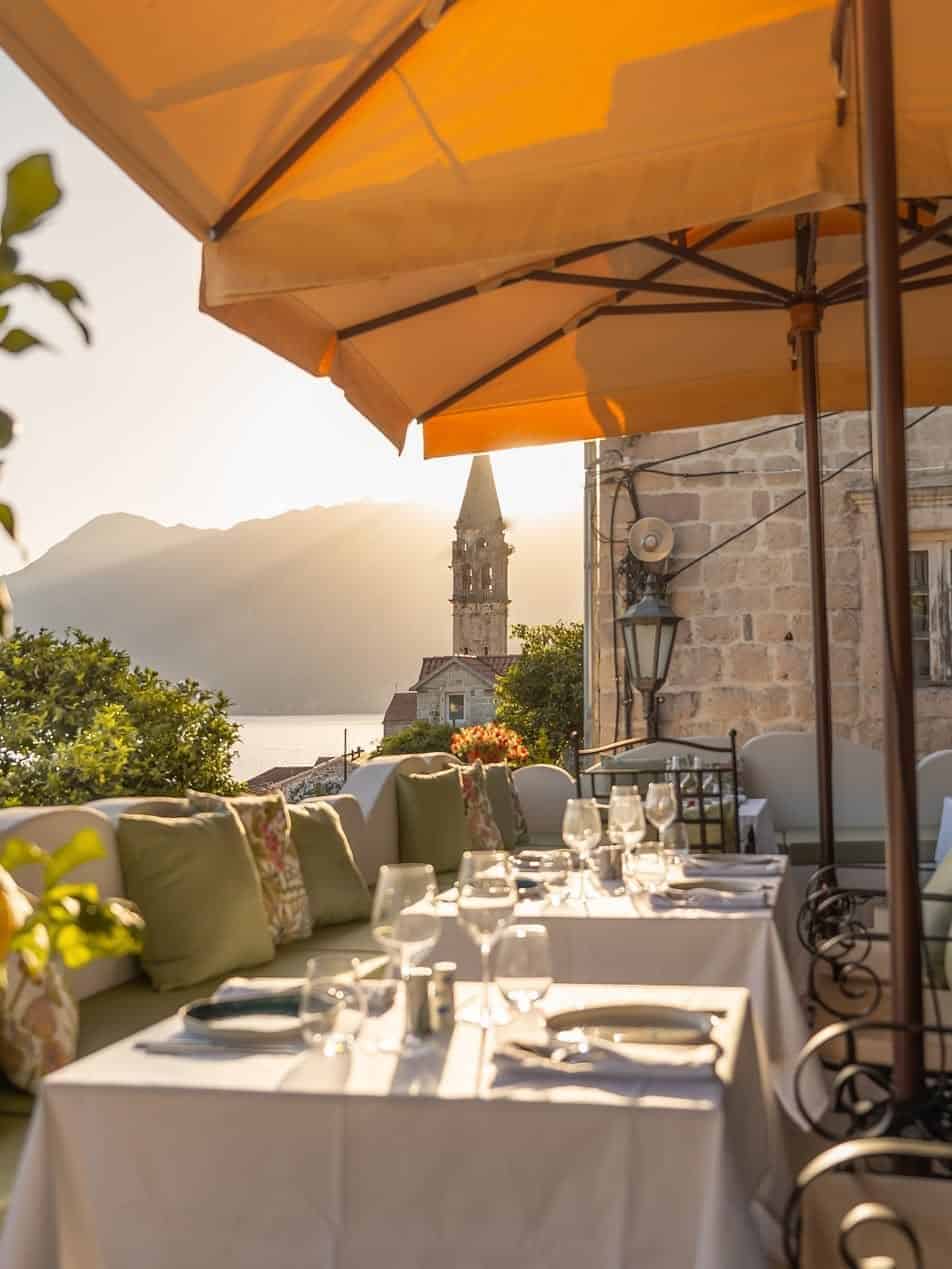
Nestled just off the main streets at Salita del Fondaco 30, very near Piazza De Ferrari, was Trattoria Rosmarino. The décor mixes modern style with warmth, elegant but not so upscale that kids feel out of place.
The food struck that sweet balance between authentic Ligurian tradition and some modern twists.
The service was warm, the portions generous enough after a big walking day, and running into local families made it feel like we were dining where Genoans do.
Where to Stay in Genoa
Genoa is so beautiful that it's totally understandable if you want to extend your stay. These accommodations make that choice easy. They offer budget-friendly comfort, a family-oriented feel, and quick access to the city’s main sights.
Hotel Astoria
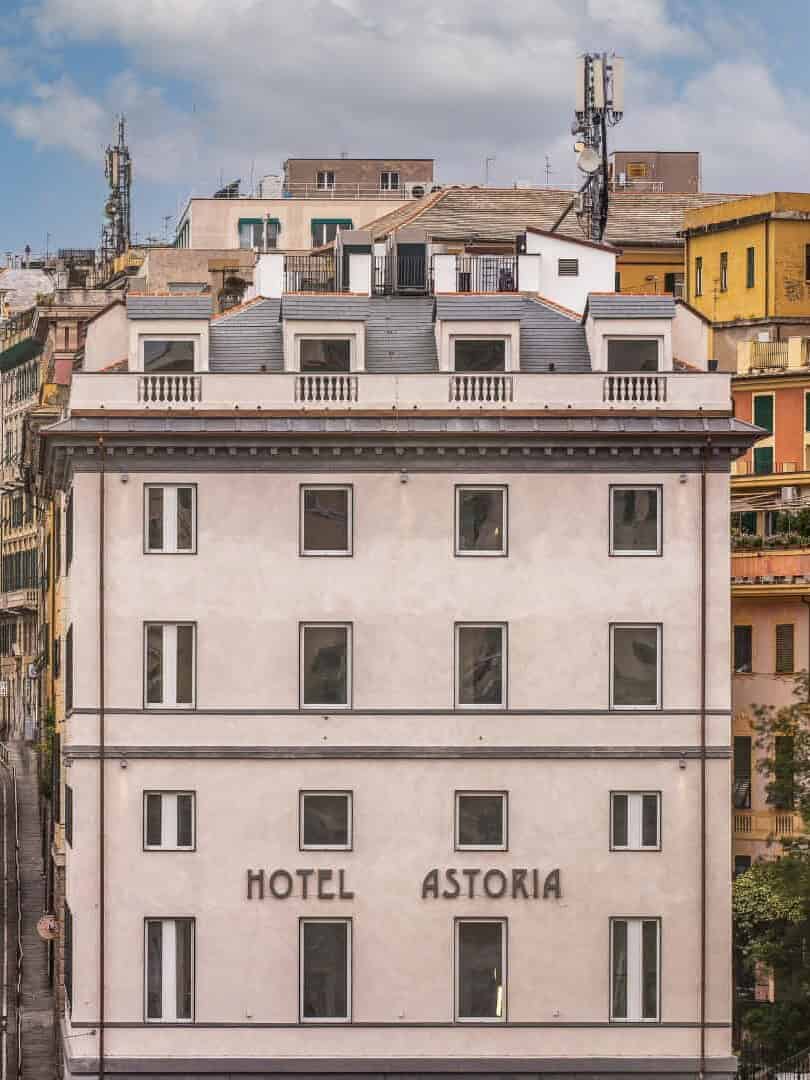
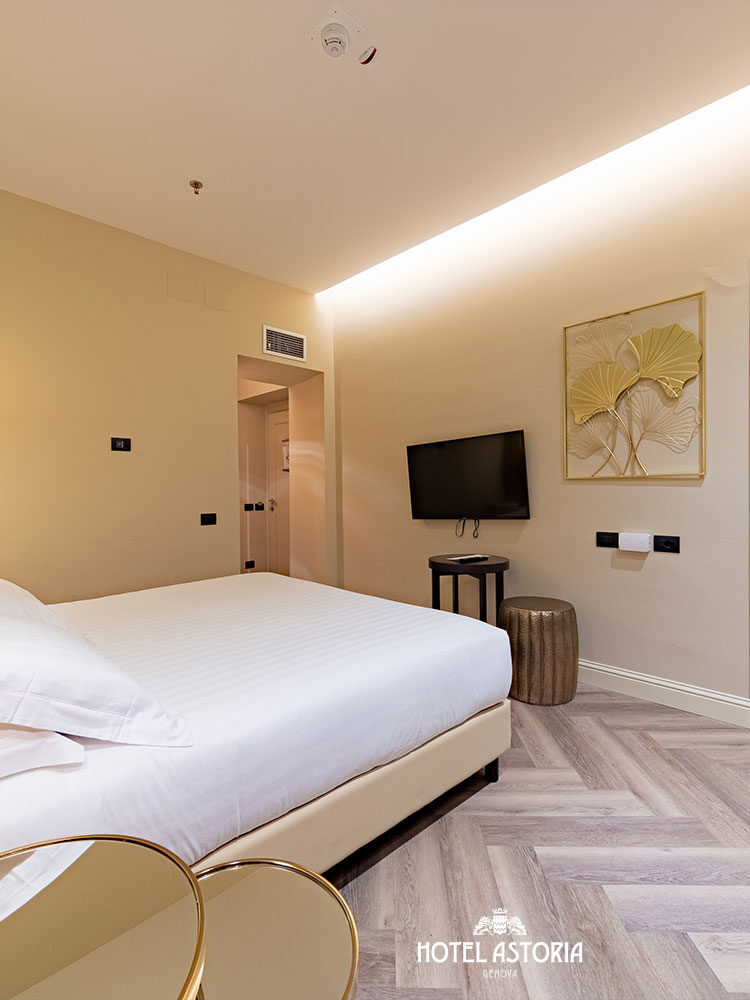
For a family-travel or multi-generation trip like ours, Hotel Astoria hits a nice balance of convenience and value. It's only a few minutes’ walk from Genova Brignole train station. Rooms are bright, comfortable, and practical. Breakfast is served in a lovely dining room, and it’s a convenient base if you’re only in Genoa for a day or two.
Hotel Nuovo Nord
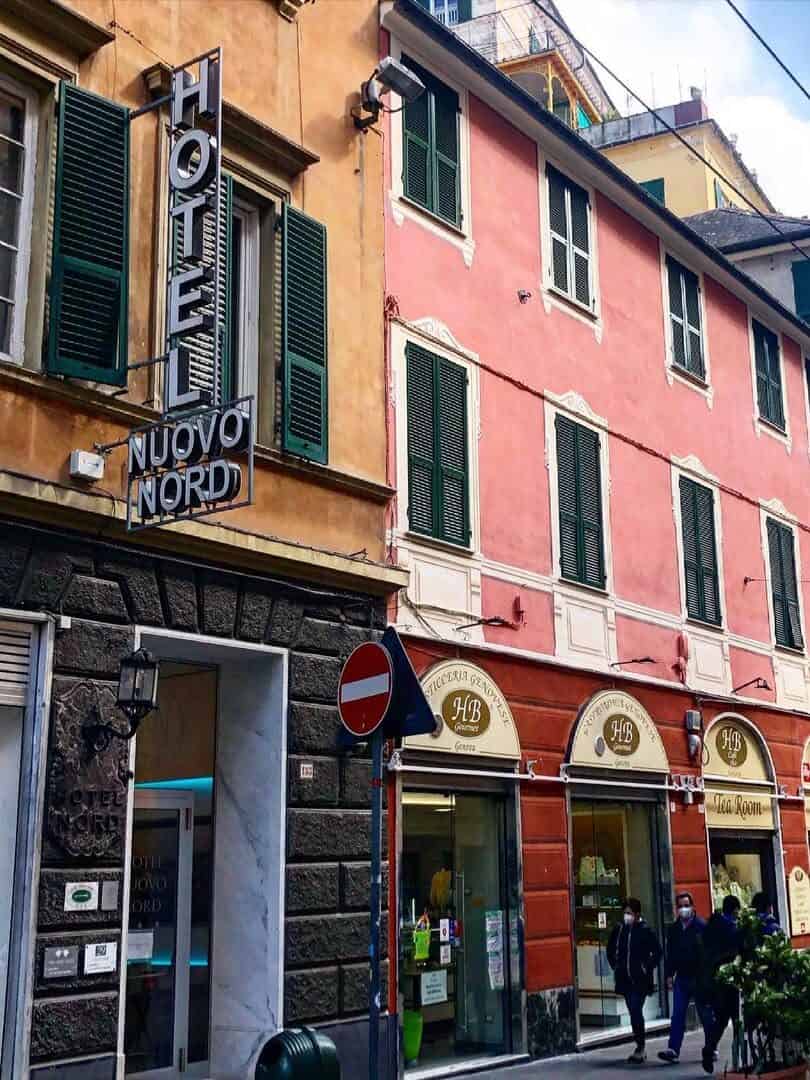
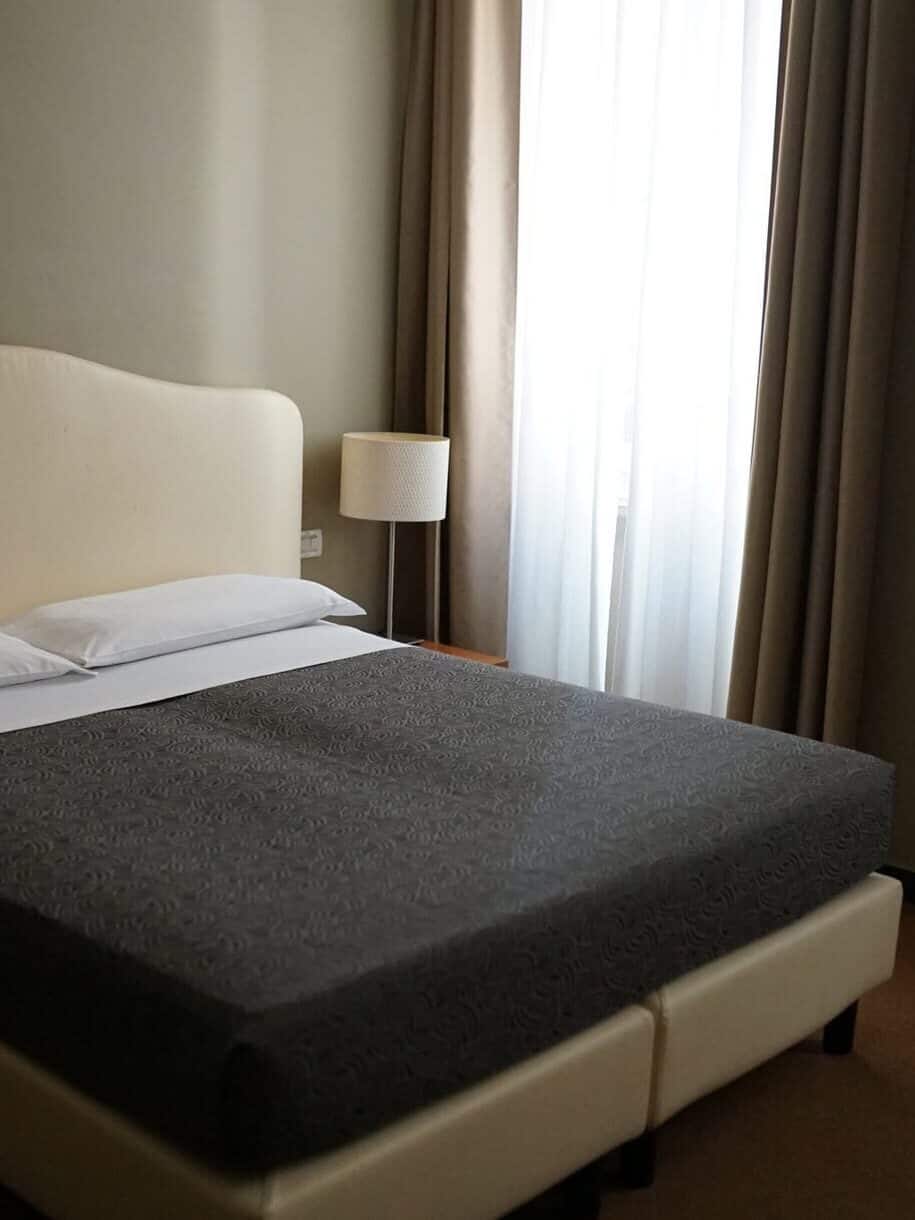
Hotel Nuovo Nord is popular with families and budget travelers. This hotel consistently gets praised for its value and convenient location close to Genoa’s main train stations, making it especially handy if you’re arriving by rail or planning day trips.
Day Trips from Genoa
If you have an extra day or two, Genoa makes a great base for exploring the Ligurian coast and its beautiful seaside towns. The trains are efficient, the coastal views are stunning, and each stop offers its own slice of Italian coastal life.
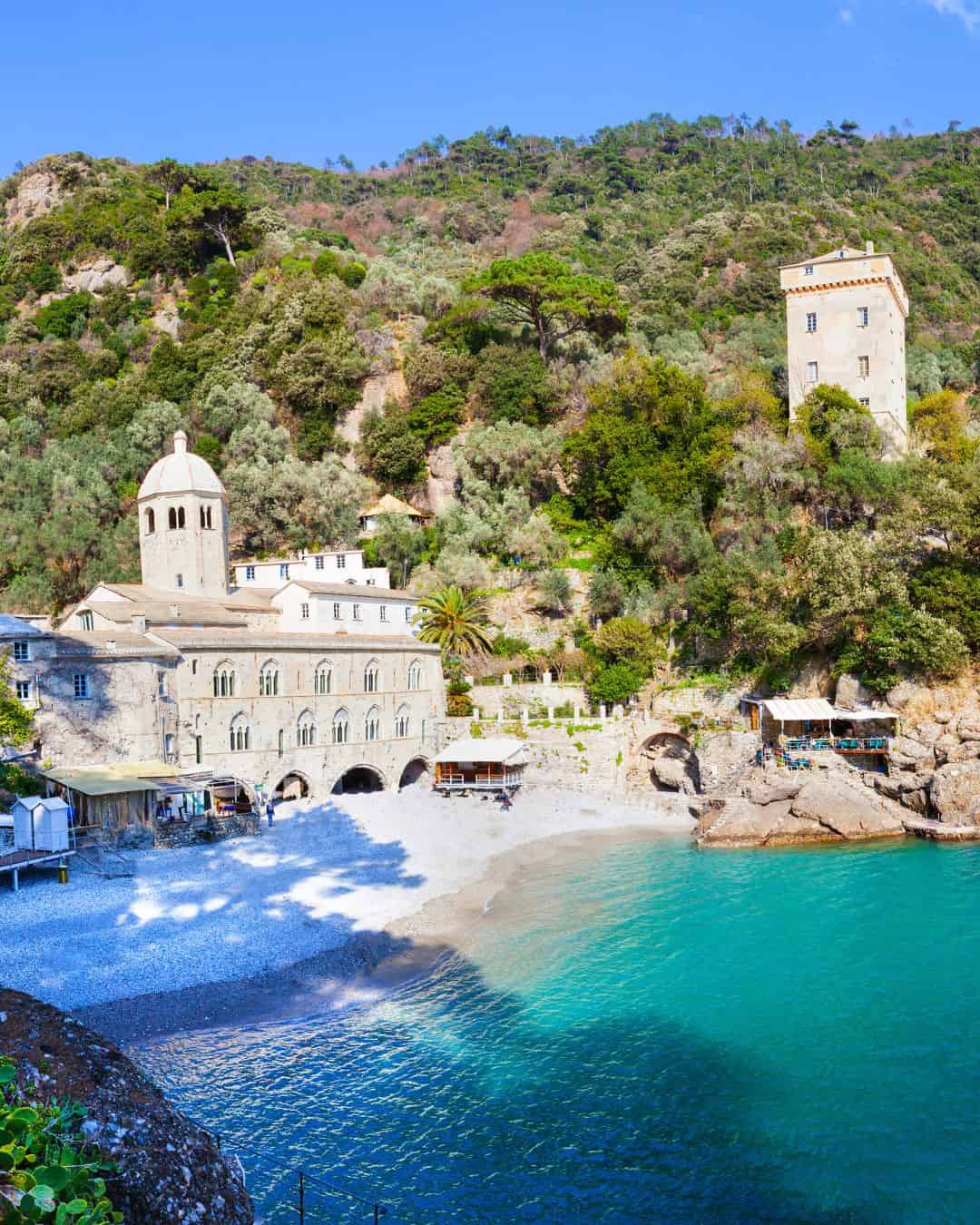
One of the most popular options is Santa Margherita Ligure, a refined seaside town about an hour from Genoa by train. It’s known for its palm-lined promenade, elegant villas, and family-friendly beaches.
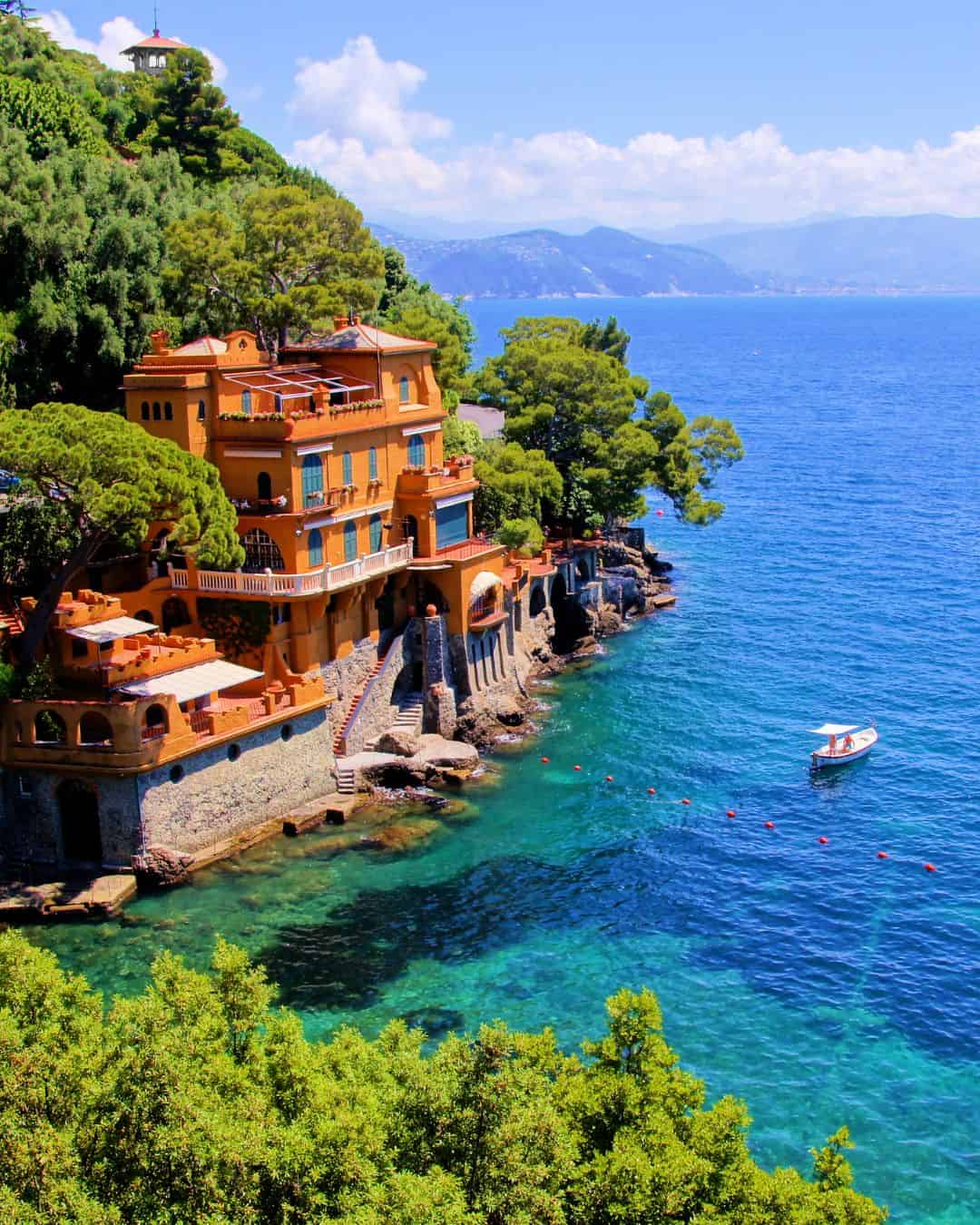
You can also try Portofino, which is just a short ferry or bus ride. It's a small but iconic fishing village that’s now one of Italy’s most photographed coastal destinations.
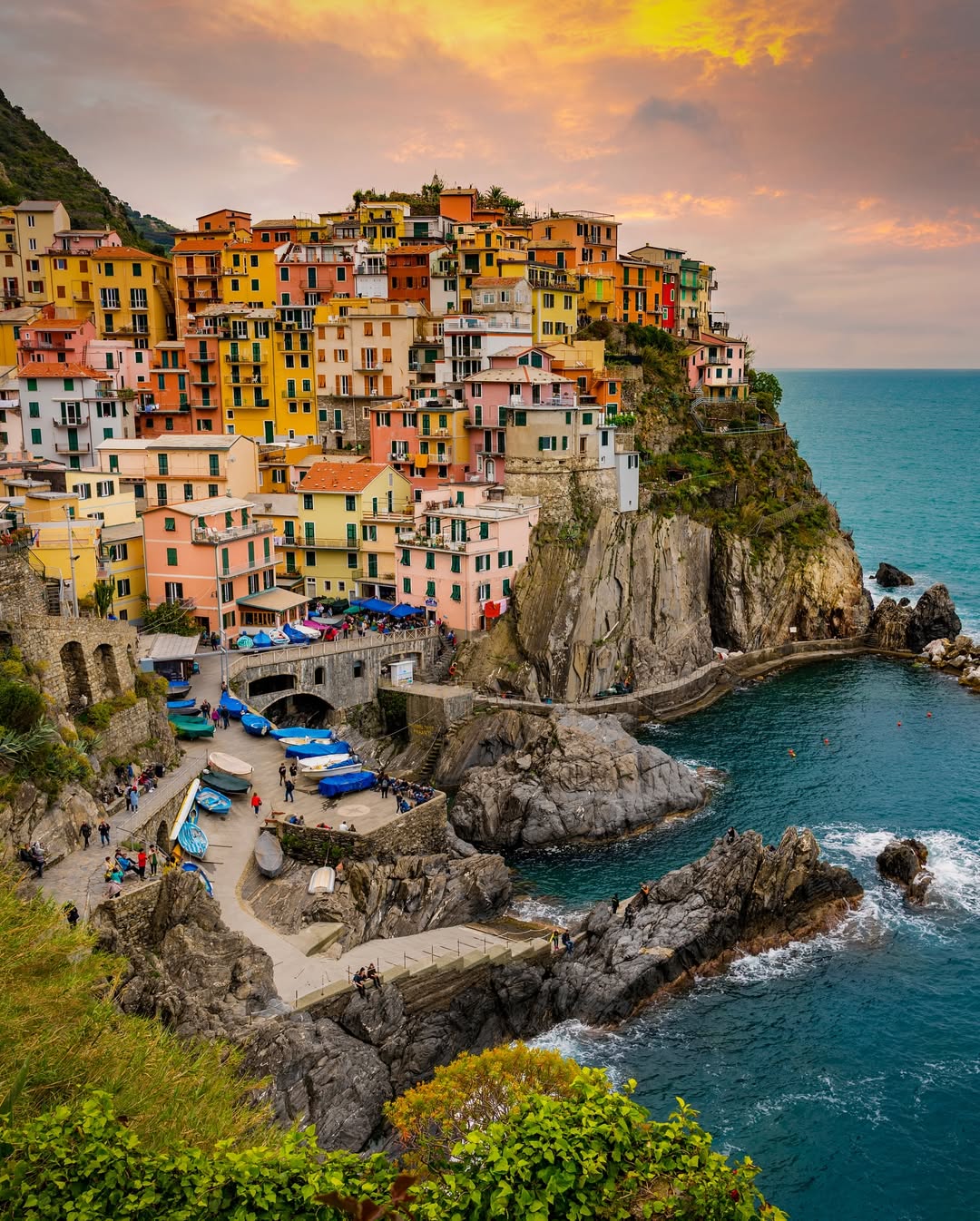
For something more adventurous, consider a longer excursion to the Cinque Terre. Five coastal villages perch along the cliffs, each one offering its own dramatic view over the Ligurian Sea. You can reach them by train from Genoa in about 90 minutes, and spend the day exploring Monterosso, Vernazza, and Manarola, which are among the easiest to visit in one go.