
Summer changes how some European destinations are experienced. This article features places in Europe that feel more comfortable in summer, focusing on locations where longer daylight hours, seasonal activities, and milder conditions make travel feel easier and more relaxed. These places often become more walkable and enjoyable during the warmer months.
Choosing the right destination for summer can make a noticeable difference in pacing and comfort. Better weather and seasonal access often shape the entire experience. Keep reading to see which places made the list and why travelers prefer visiting them during summer.
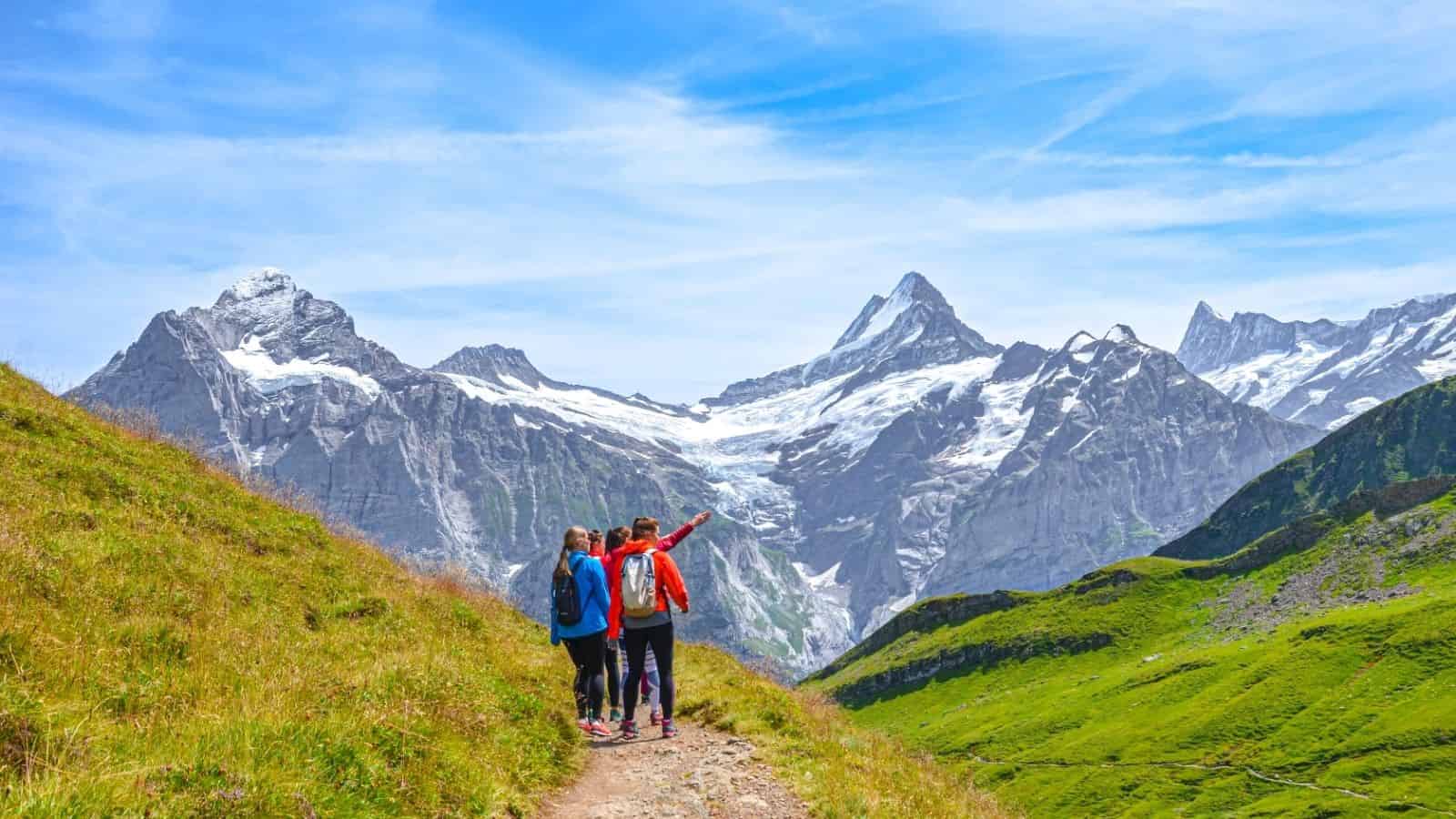
Norway
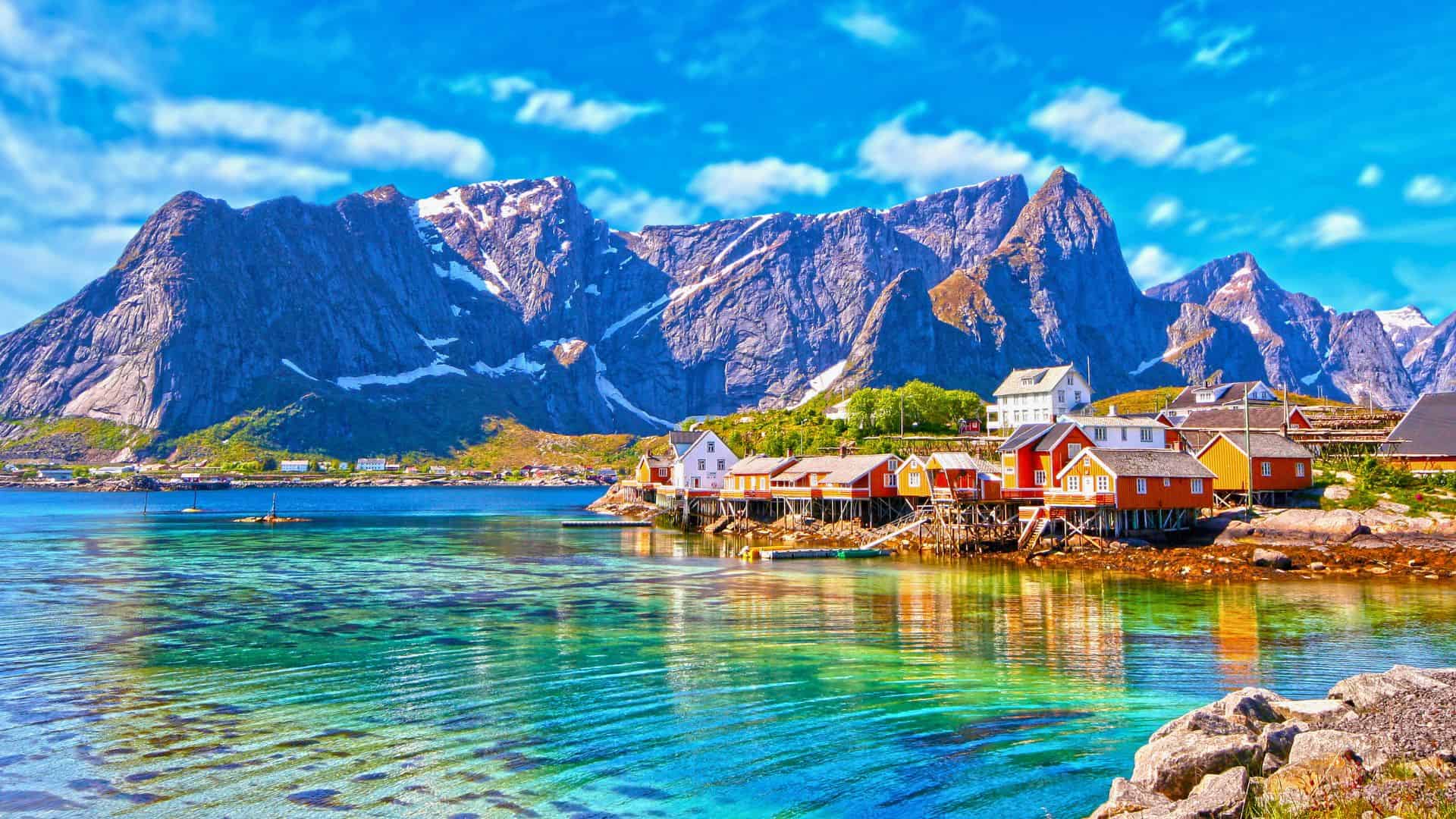
Norway feels noticeably calmer during summer thanks to long daylight hours, cooler temperatures, and easy access to nature. Fjord towns, mountain trails, and coastal routes become far more accessible once snow clears from higher elevations. Even cities like Oslo and Bergen feel less intense than many southern European capitals during peak heat. Travelers often appreciate being able to stay active outdoors without dealing with extreme temperatures.
Denmark
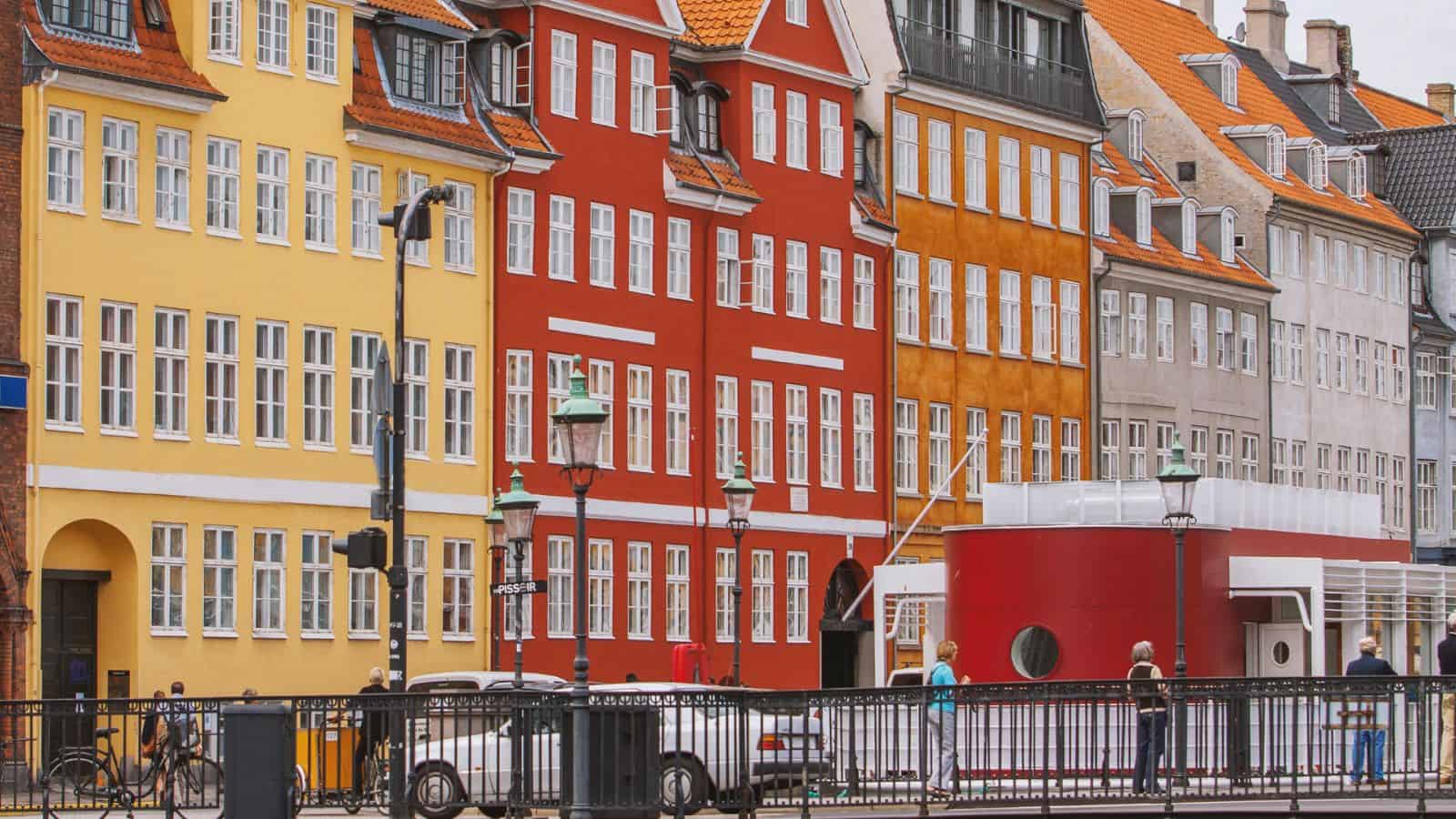
Denmark’s mild summer weather makes daily travel feel easier compared to hotter parts of Europe. Copenhagen’s bike culture, waterfront spaces, and outdoor cafés become central to city life during warmer months. Long evenings and manageable temperatures encourage slower sightseeing without the exhaustion that heavy heat can bring. Many travelers also appreciate how compact and walkable the country feels in summer.
Ireland
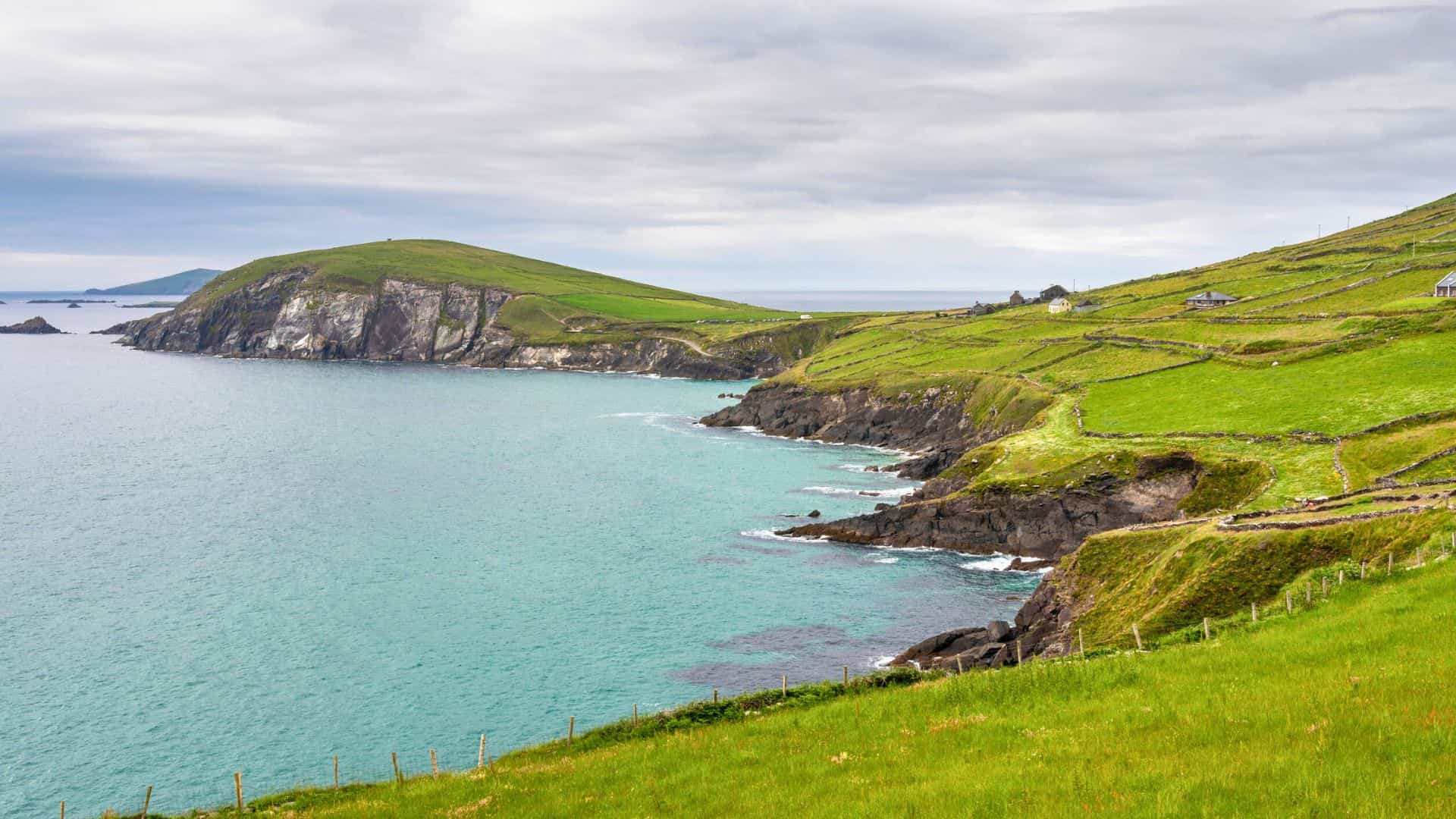
Ireland’s cooler temperatures and green landscapes make summer travel feel more relaxed than in many Mediterranean destinations. Coastal drives, small towns, and countryside routes stay comfortable for longer days outdoors. Rain still appears occasionally, but many travelers prefer that unpredictability over intense heat waves. Summer also brings extended daylight, which helps with road trips and rural sightseeing.
Scotland
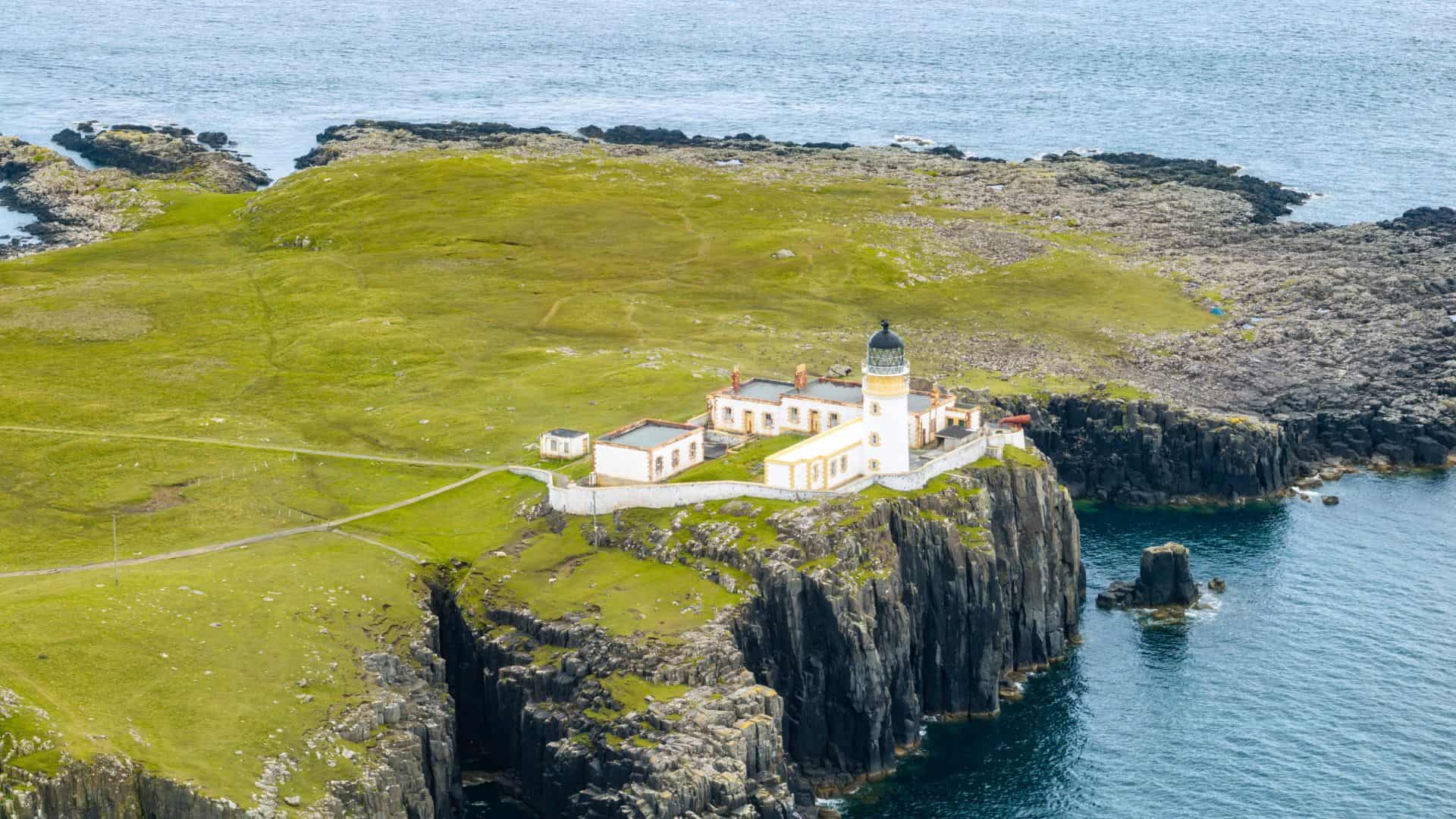
Scotland becomes much more approachable during summer when daylight stretches late into the evening and rural roads are easier to navigate. The Highlands, islands, and historic cities all feel more accessible once weather conditions improve. Travelers often enjoy being able to hike, drive scenic routes, and explore coastal areas without dealing with extreme heat. The cooler climate also makes active sightseeing less draining overall.
Switzerland
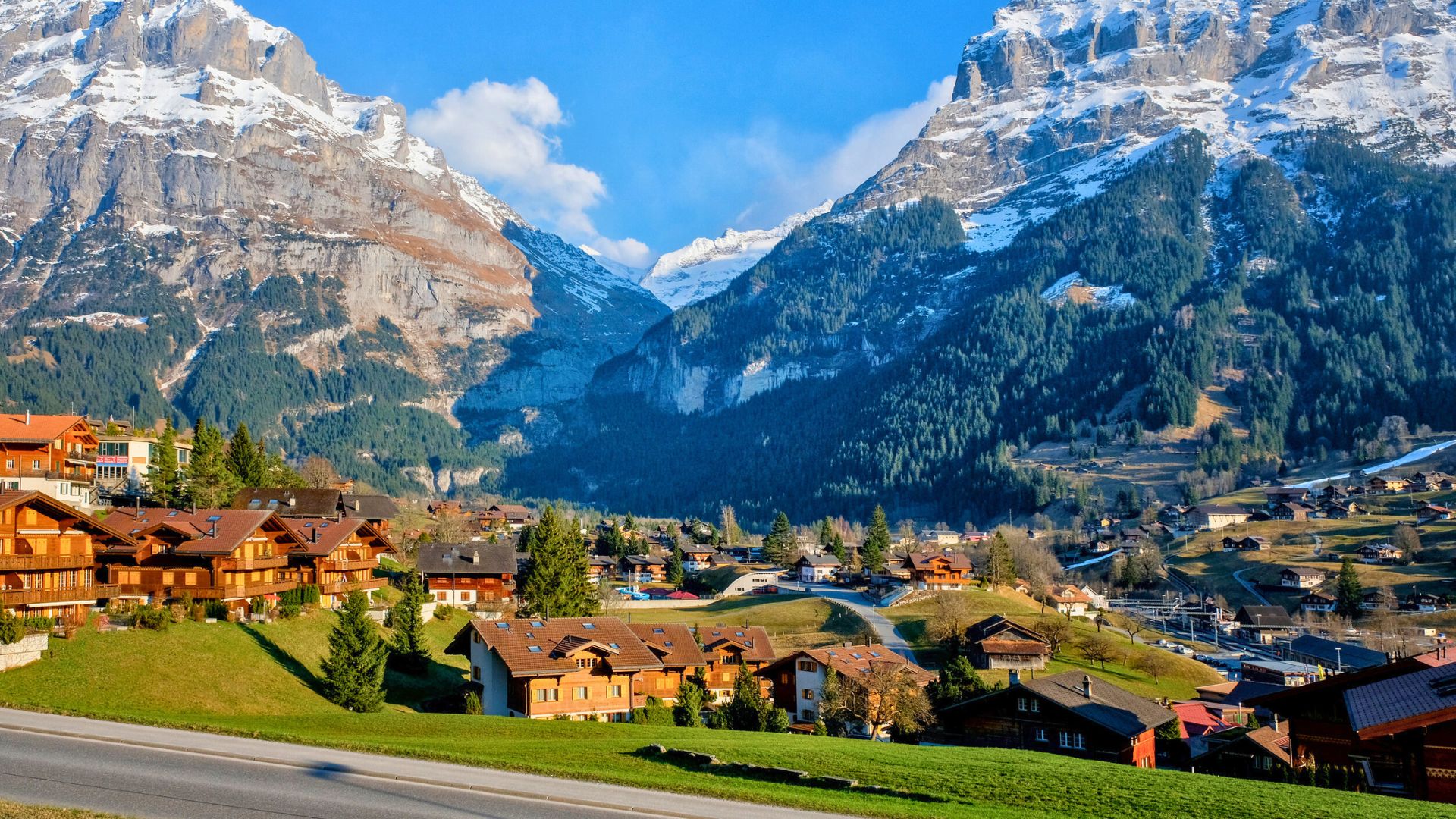
Switzerland’s alpine setting keeps many summer destinations cooler than major lowland cities elsewhere in Europe. Mountain towns, lake regions, and scenic train routes become especially appealing during warmer months. Hiking trails fully reopen, outdoor dining expands, and long daylight hours allow travelers to fit more into each day comfortably. Many visitors appreciate how organized transportation and cleaner mountain air reduce travel fatigue.
Want to save this?
Austria

Austria balances city travel with mountain scenery in a way that feels manageable during summer. Vienna stays active with outdoor concerts and café culture, while alpine regions offer cooler temperatures and hiking access. Travelers can move between historic cities and quieter lake districts without dramatic climate shifts. Summer also brings easier rail travel through scenic regions that can feel harder to access during winter months.
Finland
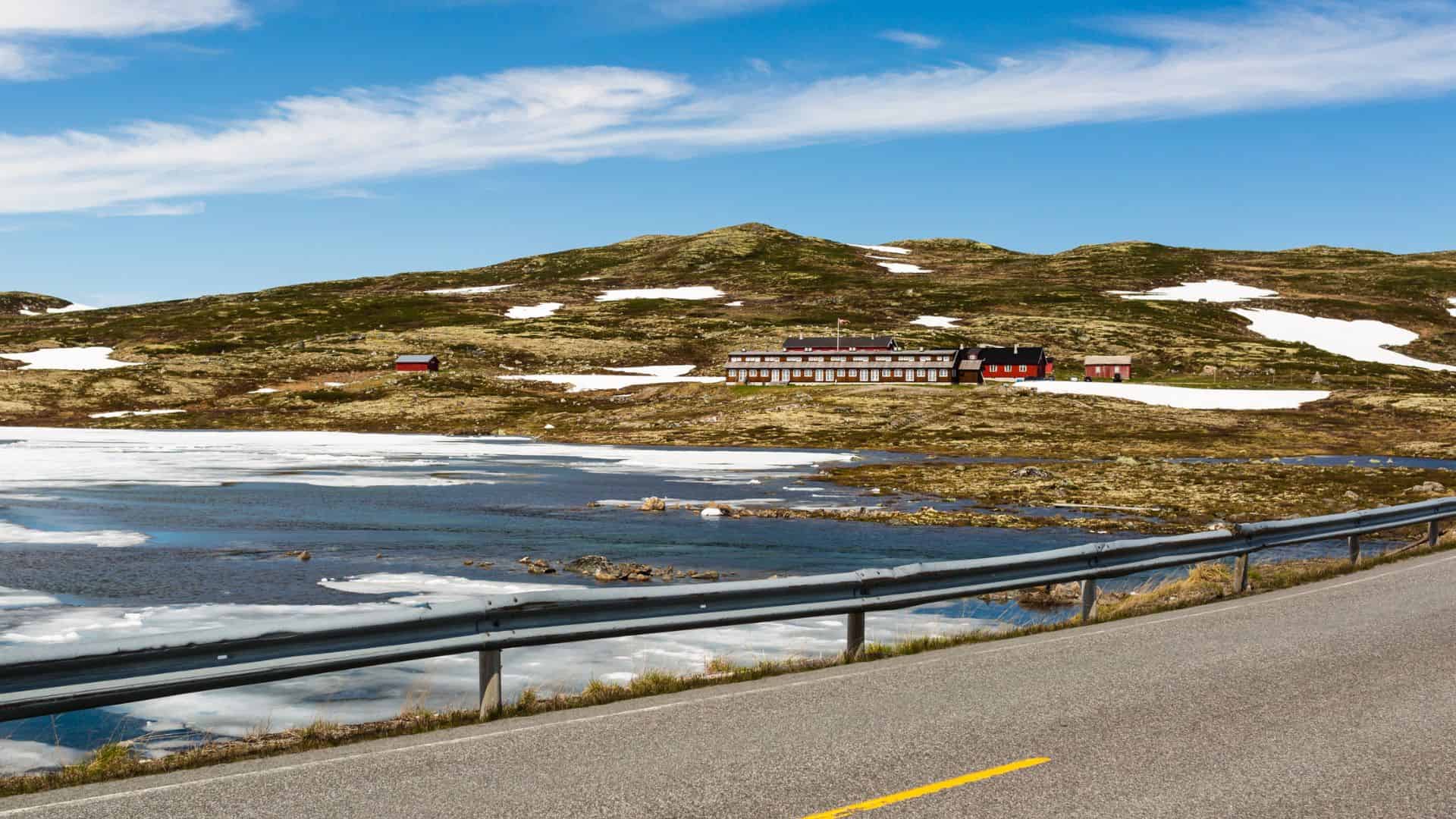
Finland’s summer season transforms the country with long daylight hours and milder temperatures. Lakeside towns, forests, and outdoor markets become major parts of daily life once winter conditions disappear. Helsinki feels more open and active during summer, while northern regions stay relatively cool even during warmer months. Travelers who dislike intense heat often find Finland noticeably more comfortable than southern Europe during peak season.
Netherlands
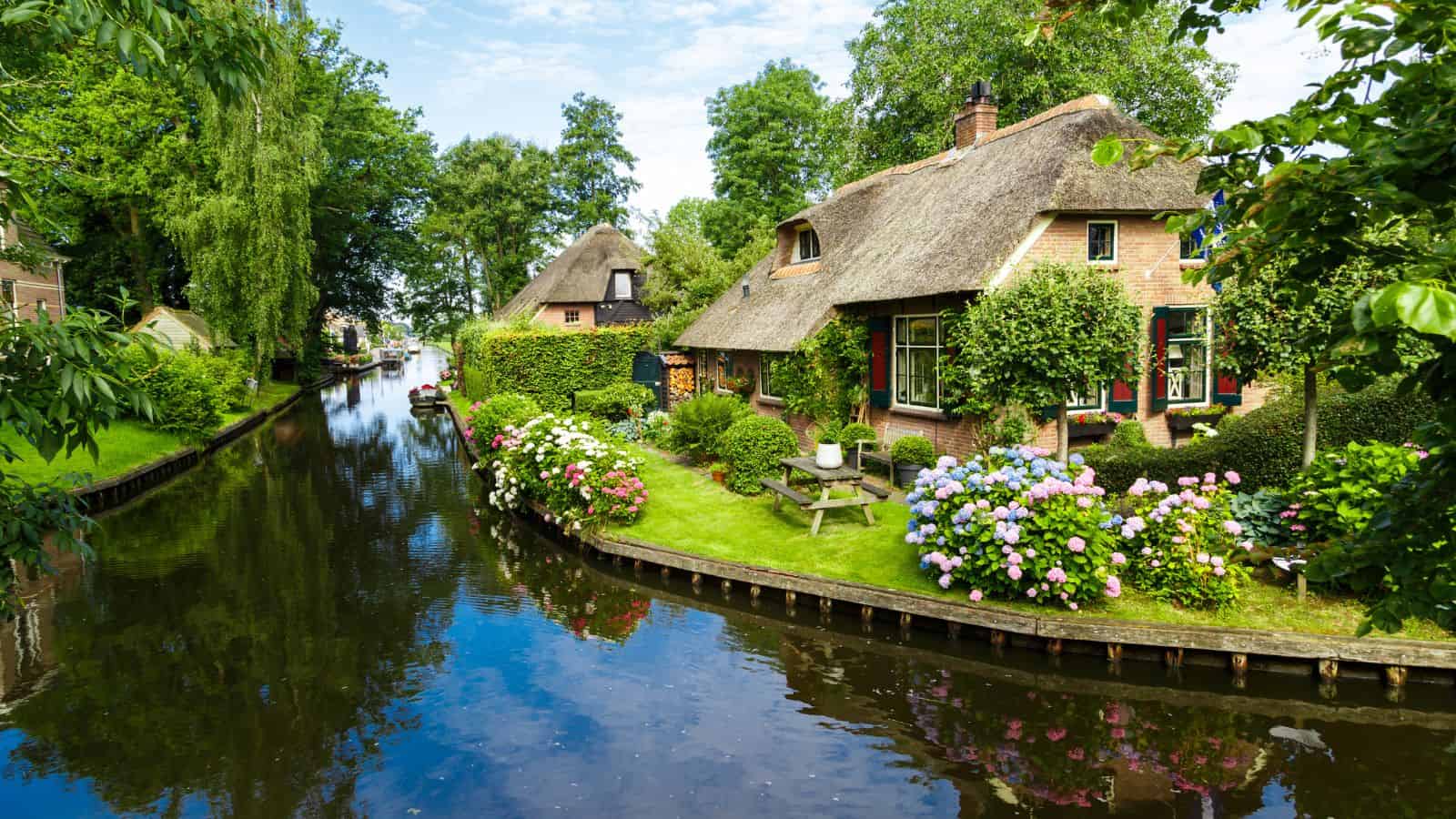
The Netherlands feels especially easy to explore during summer because of its cycling culture, compact cities, and moderate temperatures. Canal walks, outdoor cafés, parks, and smaller towns become more enjoyable without harsh winter weather or Mediterranean-level heat. Train travel between cities also stays relatively short and efficient, making multi-city trips feel less exhausting.
Slovenia
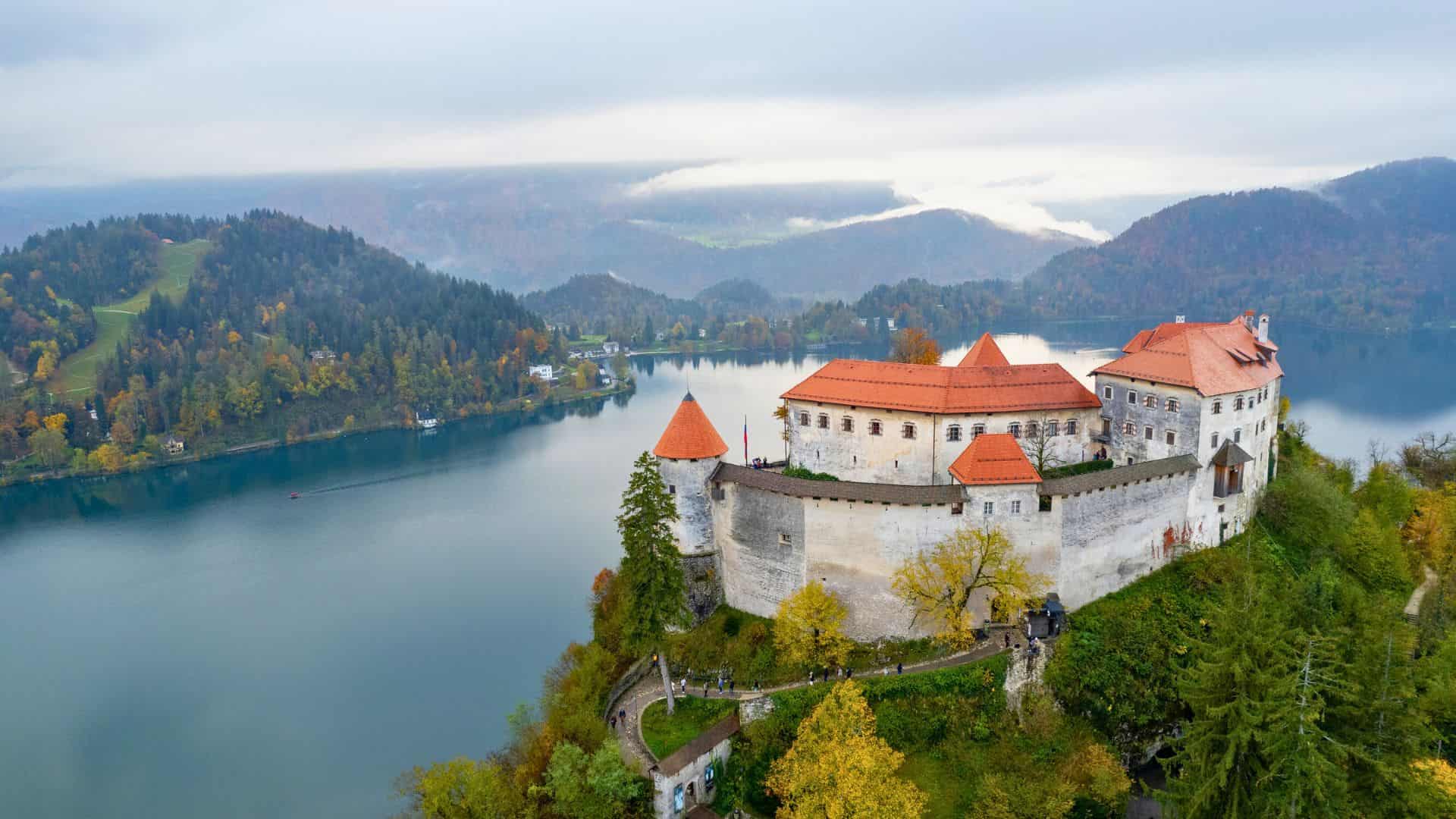
Slovenia combines mountain scenery, lakes, and smaller cities without the overwhelming crowds found in some neighboring countries. Summer weather allows travelers to explore areas such as Lake Bled, Triglav National Park, and Ljubljana comfortably on foot. The country’s relatively compact size also reduces long travel days between destinations. Many visitors appreciate that Slovenia feels active in summer without becoming as intense as larger European tourism hubs.
9 Destinations Where Travelers Struggle to Find Reliable WiFi

Staying connected can feel essential while traveling, but it is not always easy. This article features destinations where travelers struggle to find reliable WiFi, focusing on places where internet access is limited, inconsistent, or slower than expected. What seems like a basic need can quickly become a challenge in certain locations.
Read More Here: 9 Destinations Where Travelers Struggle to Find Reliable WiFi
11 Countries Where Renting a Car Turns Into a Bigger Challenge Than Expected

Renting a car can seem like the easiest way to get around, but it does not always work out that way. This article features countries where renting a car turns into a bigger challenge than expected, focusing on places where road rules, driving habits, paperwork, or conditions make the process more difficult. What looks simple during booking can become stressful once on the road.
Read More Here: 11 Countries Where Renting a Car Turns Into a Bigger Challenge Than Expected

Leave a Reply