
There are trips you plan for months, and then there's Jackson Hole, which somehow still surprises you once you arrive. This wide Wyoming valley holds two national parks, a proper Western town, and more wildlife than you'd believe. Consider this your Jackson Hole travel guide, from someone who fell hard for the place.
Jump to:
- Where is Jackson Hole?
- Why Visit Jackson Hole?
- Best Time to Visit Jackson Hole
- How to Get to Jackson Hole
- Best Things to Do in Jackson Hole
- Other Great Outdoor Adventures and Winter Activities in Jackson Hole
- Where to Stay in Jackson Hole
- Where to Eat in Jackson Hole
- Jackson Hole Travel Tips
- Until Next Time, Jackson Hole
I visited Jackson Hole on my own, which suited the place surprisingly well. As the plane dropped low over the mountains, I had my face pressed to the glass like a kid. The first time the Tetons came up sharp and blue, rising straight off the valley floor, I couldn't look away.
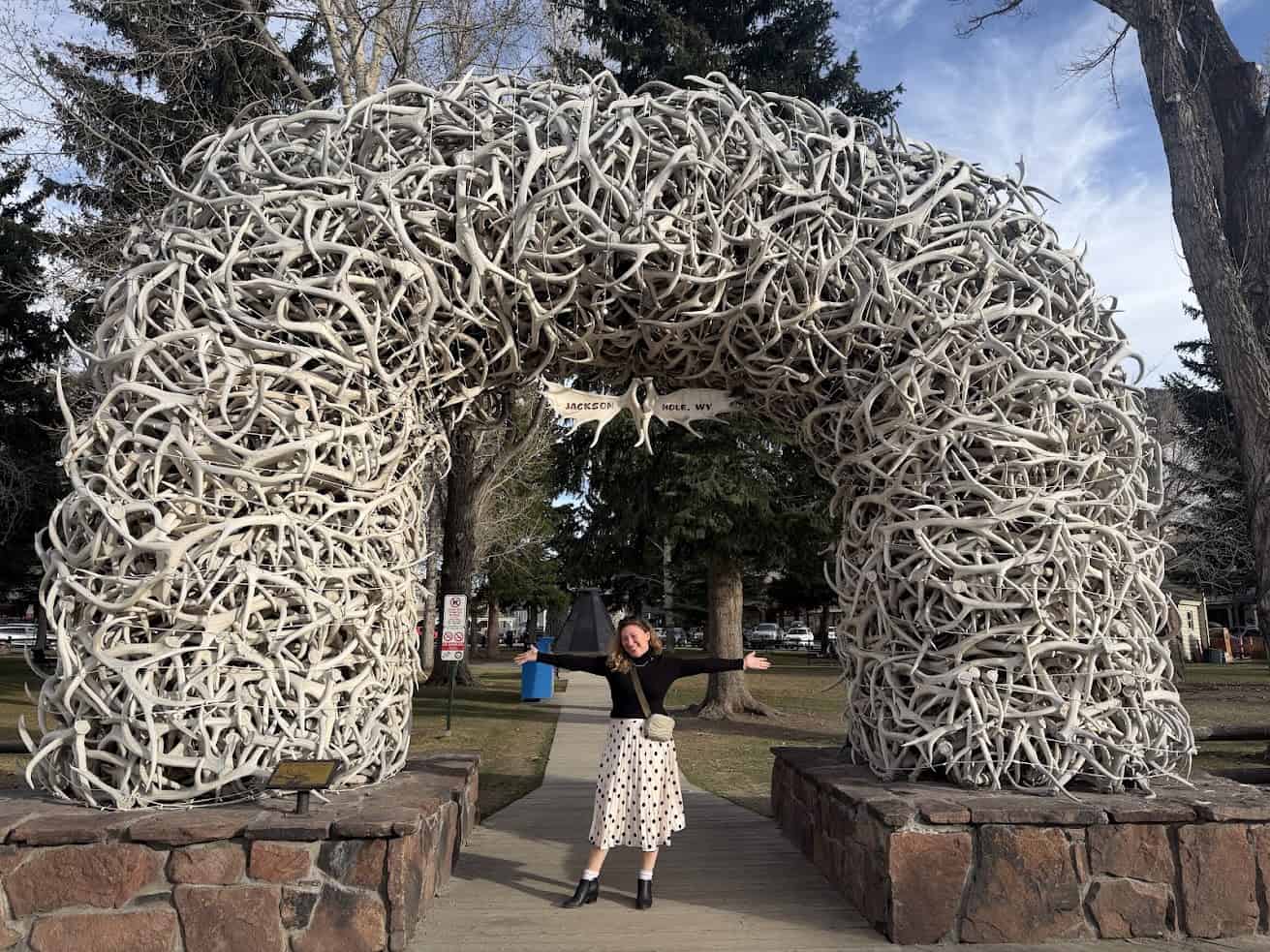
What surprised me most was how much it packs into one place. Grand Teton National Park sits right next door and Yellowstone is an easy day trip. Between them is a real Western town with its historic square, famous antler arches, and elk, moose, and bison wandering through as if they own it.
It's also a valley of contrasts, where one block is lined with art galleries and the next has a bar with saddles for seats. Traveling on my own let me linger at museums, change plans on a whim, and slow down enough to notice.
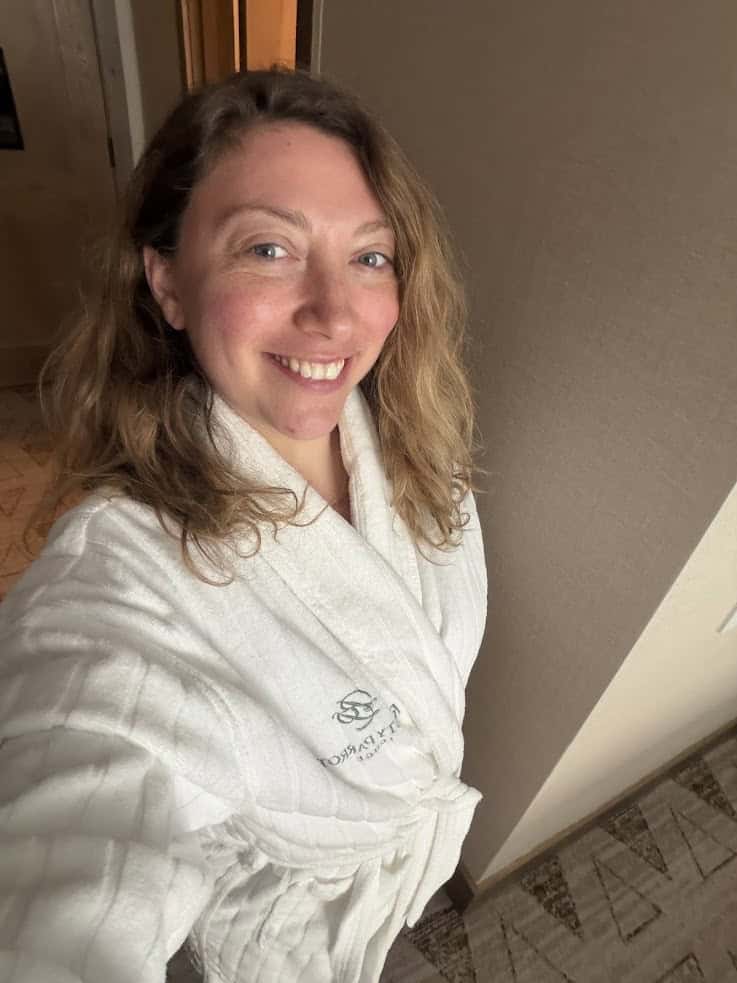
- The Rusty Parrot Lodge & Spa is where I stayed on this trip, and I absolutely loved the place. Come read my full review about the rooms, spa, and other amenities, plus dining at Wild Sage.
Plan Your Trip
Save on fees abroad with the Wise Card—use it at ATMs, restaurants, and for flights or hotels in over 150 countries. Manage 40+ currencies in real-time with the Wise app.
Need Help Planning?
- Cheap Flights: Find the best deals.
- Accommodation: From hostels to luxury stays.
- Car Rental: Affordable options worldwide.
- Sightseeing Tours: Explore without breaking the bank.
- Travel Adapter: One adapter for all your needs.
- Travel Insurance: Don’t risk it—stay covered.
This post includes affiliate links, and as an Amazon Associate I earn from qualifying purchases. Read my full disclosure and privacy policy.
In this visitor guide to Jackson Hole, I'll share everything I learned, from the best time to visit and how to get there to where to stay and what to eat. Whether you're a first-time Jackson Hole traveler or coming back for more, I hope it points you the right way.
Where is Jackson Hole?
Jackson Hole is a valley in the northwest corner of Wyoming, tucked against the Idaho border and framed by dramatic mountains. It sits high, over 6,000 feet up, and the Jackson Hole valley runs about 42 miles long, with the sharp Teton Range on one side and the Snake River winding through the middle.
Jackson Hole vs. Jackson: What's the Difference?
Here's the thing that trips up first-time visitors. The name Jackson Hole refers to the whole valley, not the town. The town of Jackson sits at the southern end, and it's the one people mean when they say downtown Jackson.
Why Visit Jackson Hole?
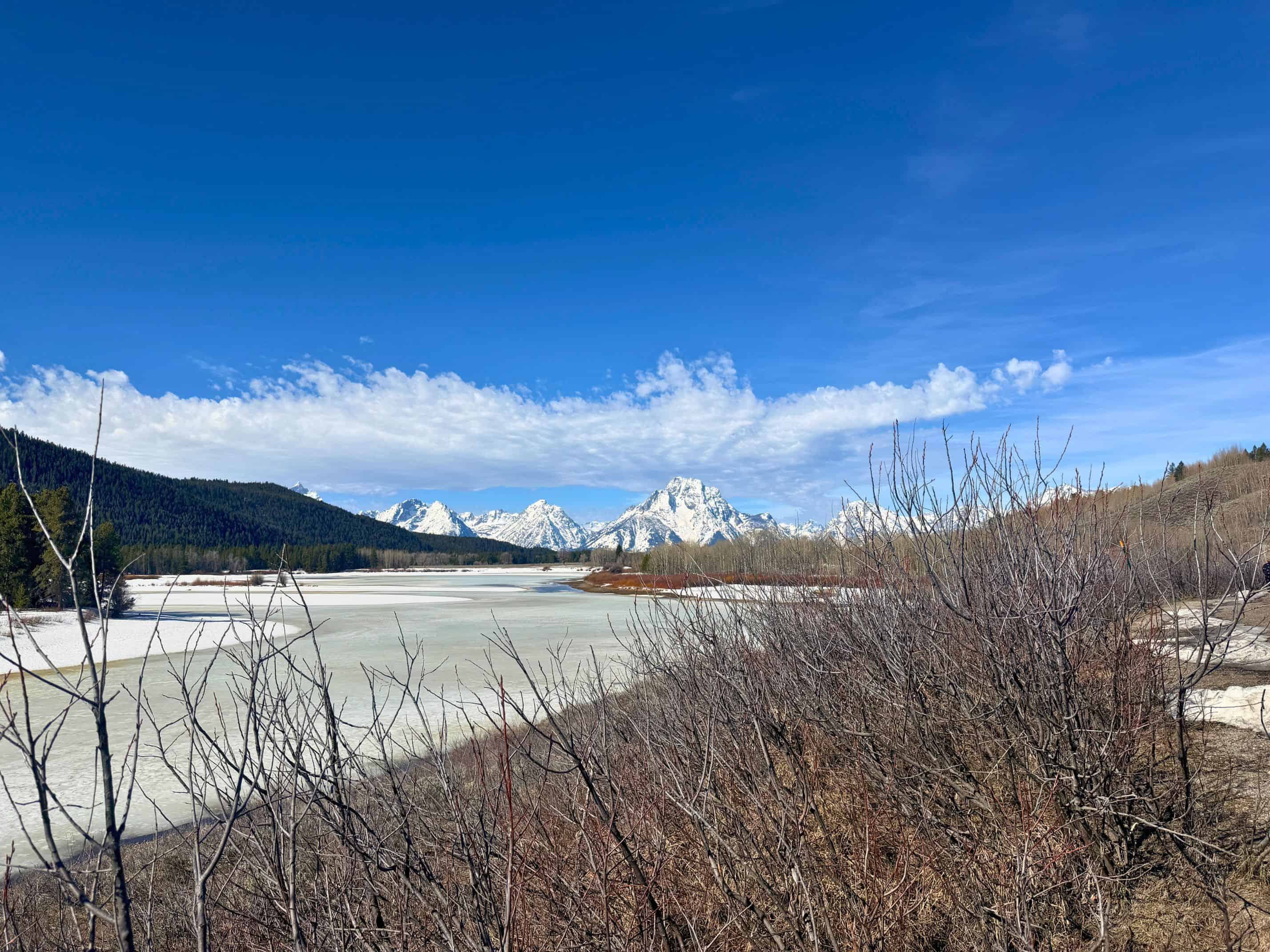
Surrounded by national parks, forests, and wildlife refuges, Jackson Hole valley serves as the gateway to Grand Teton and Yellowstone, with year-round opportunities for hiking, rafting, horseback riding, and skiing.
Then there's the character. Jackson mixes real luxury with plain Western charm, so a shop selling six-figure paintings might sit next to the Million Dollar Cowboy Bar, a saddle-seat spot pouring since the 1930s.
The ski culture is famous but refreshingly unpretentious. Locals like to point out that this isn't Aspen. Here, ski bums and second-home owners share the same chairlifts. The arts scene surprises almost everyone too, from a standout wildlife museum to small galleries and a new planetarium.
Best Time to Visit Jackson Hole
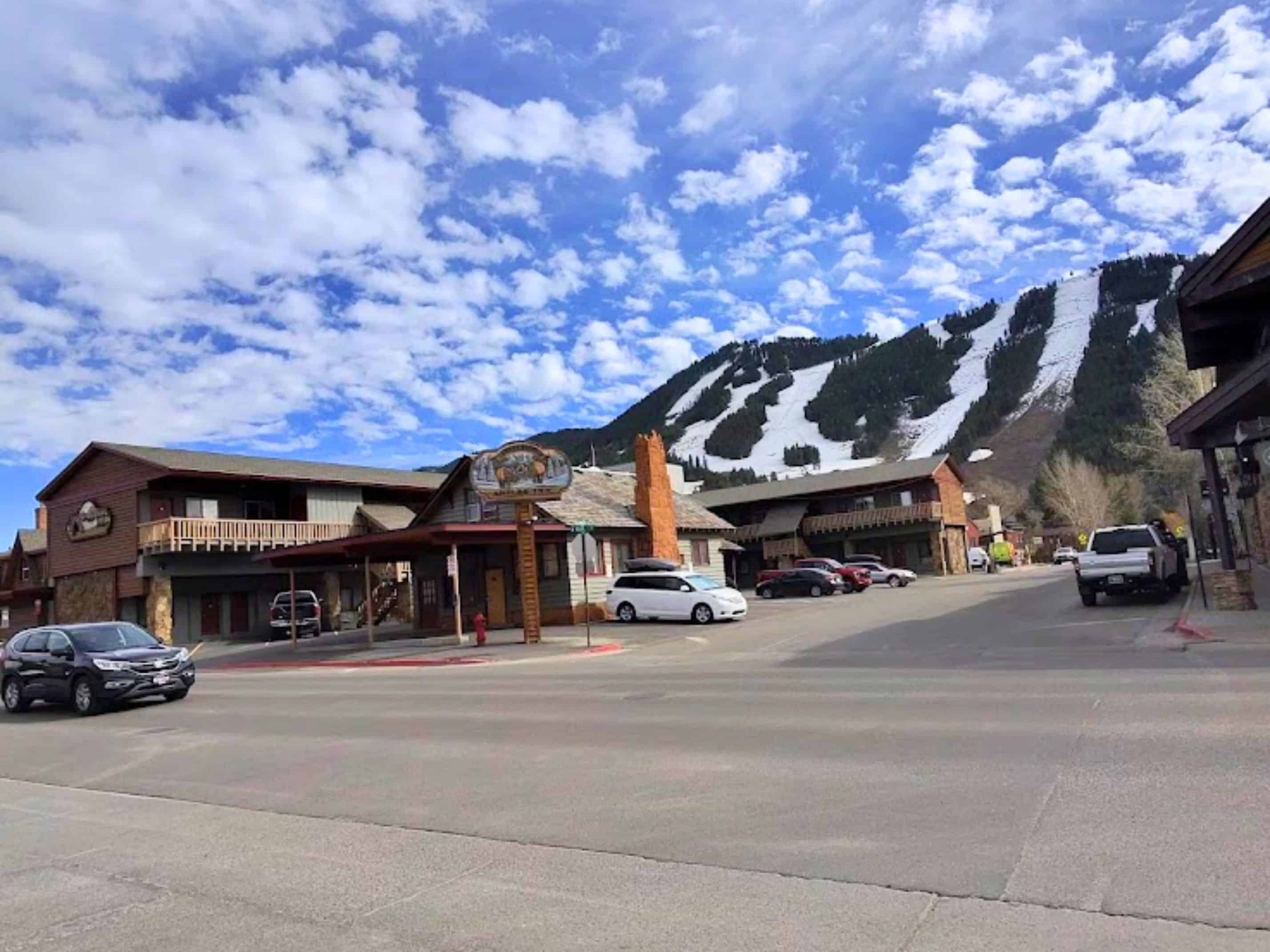
The best time to visit Jackson Hole depends on what you're after. Summer brings long days, open parks, and running rivers, along with the biggest crowds and priciest hotels.
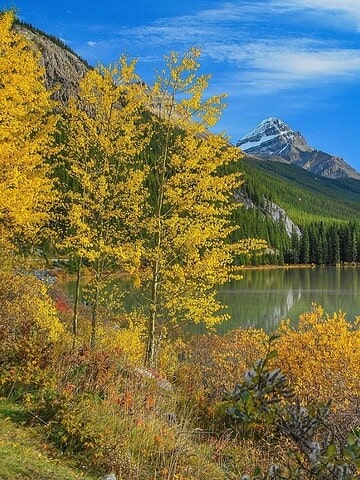
Winter means deep snow and world-class skiing near Grand Teton Mountain. My favorites are the shoulder seasons: fall thins the crowds and turns the cottonwoods gold, while spring brings baby animals and lower prices.
Come at dawn or dusk for the best odds of spotting moose, elk, and bison.
How to Get to Jackson Hole
There are several ways to get to Jackson Hole, from flying into the valley's airport to one of the West's most scenic road trips. The best choice depends on where you're coming from.
Fly Into Jackson Hole Airport (JAC)

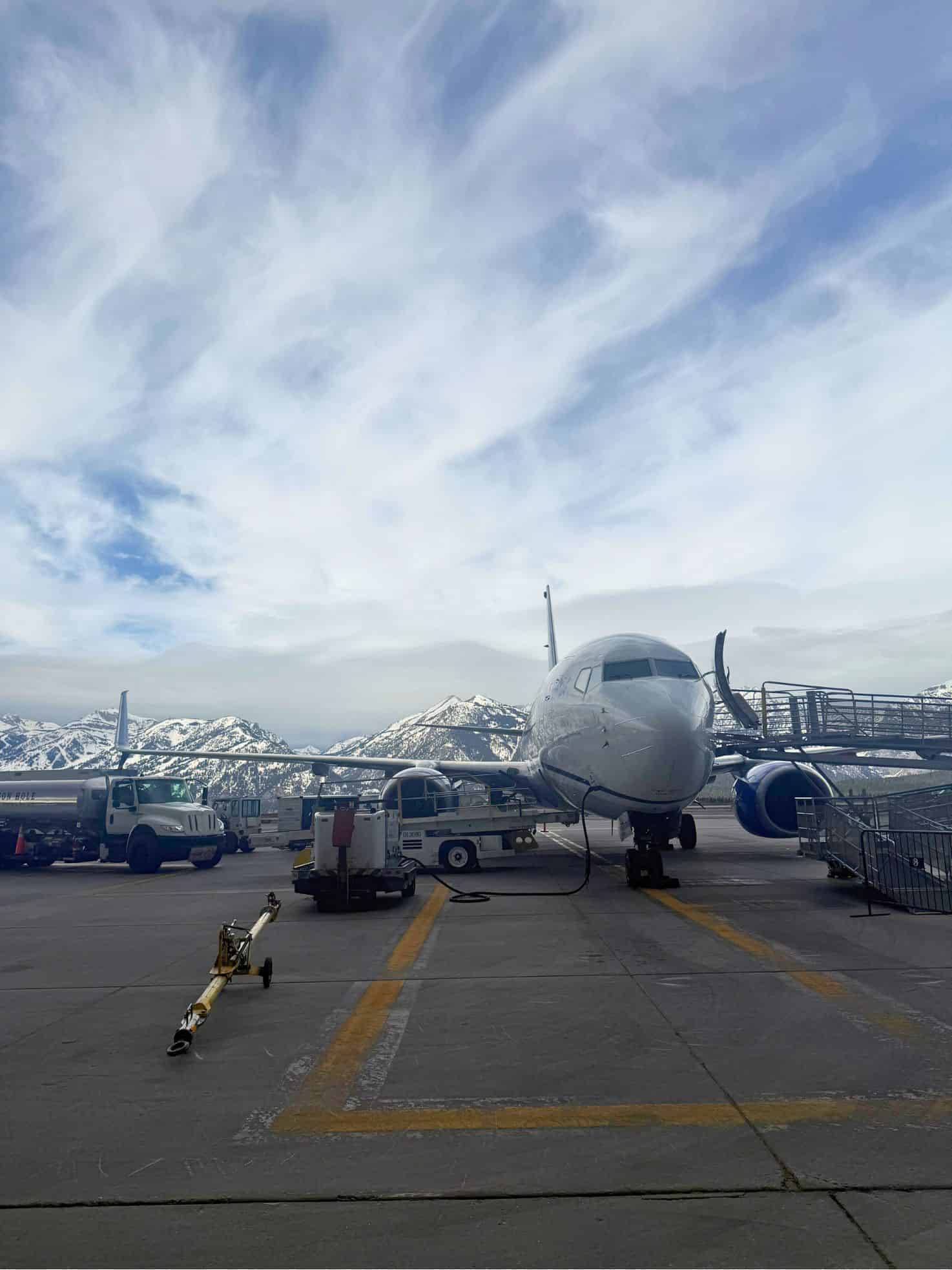
The quickest way is to fly into JAC, set right inside Grand Teton National Park.
Several airlines, including American Airlines, United Airlines, Delta, and Alaska, run seasonal and year-round non-stop flights from major cities like Denver, Salt Lake City, Chicago, Dallas, Los Angeles, and New York.
You can rent a car right at the airport, and the drive into downtown Jackson takes about 15 minutes.
Drive to Jackson Hole
If you enjoy road trips, driving to Jackson Hole rewards you with spectacular mountain scenery. Popular routes include:
- Salt Lake City, Utah: About 5 hours (280 miles)
- Boise, Idaho: About 6 hours (340 miles)
- Idaho Falls, Idaho: About 2 hours (90 miles)
- Bozeman, Montana: About 4.5 hours (235 miles)
Road conditions can change quickly in winter, especially over mountain passes, so check weather forecasts before traveling.
Getting Around Jackson Hole
A rental car is the easiest way to get around, especially for the Grand Tetons and Yellowstone, or to reach trailheads.
If you're staying near Jackson Town Square or Teton Village, the local START Bus connects many spots across the valley.
Guided tours are a good option too, especially for wildlife safaris and Yellowstone day trips.
Best Things to Do in Jackson Hole
The best part of Jackson Hole is that you don't have to choose between outdoor adventure and small-town charm. Here's what should top every first-timer's list.
See Grand Teton National Park
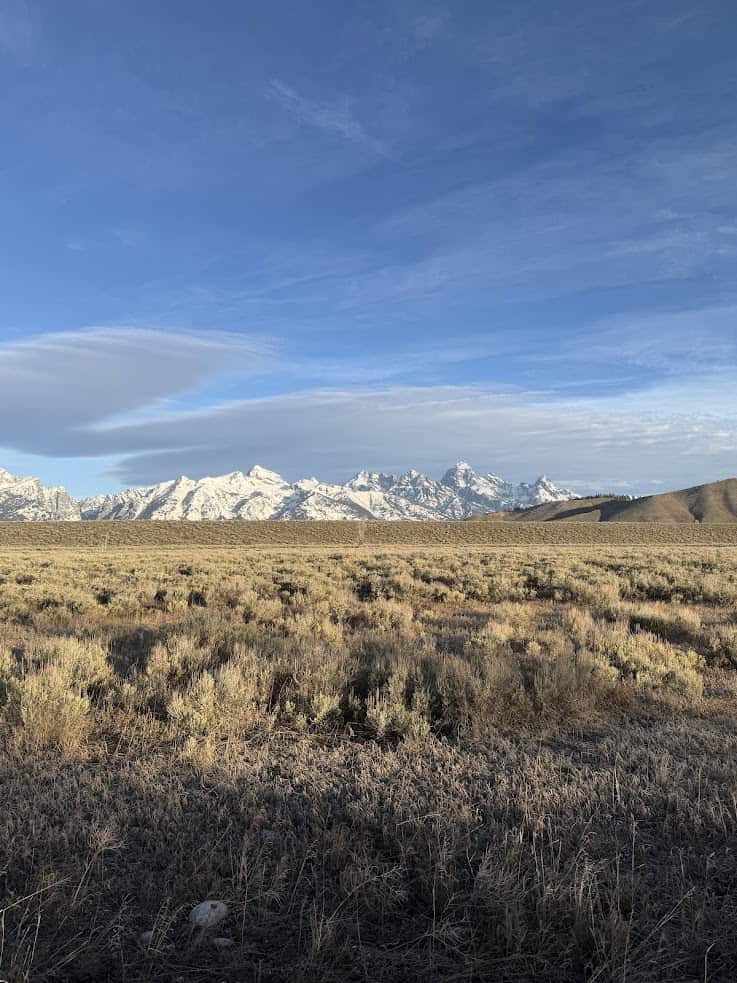
Grand Teton National Park is the closer of the valley's two national parks, and where most visitors spend the most time.
The jagged Teton Range rises over scenic lakes and open meadows, with good chances of spotting moose, elk, bison, and deer.
Start at Jenny Lake, where a shuttle boat carries you across to the Hidden Falls trail, then head to quieter Phelps Lake.
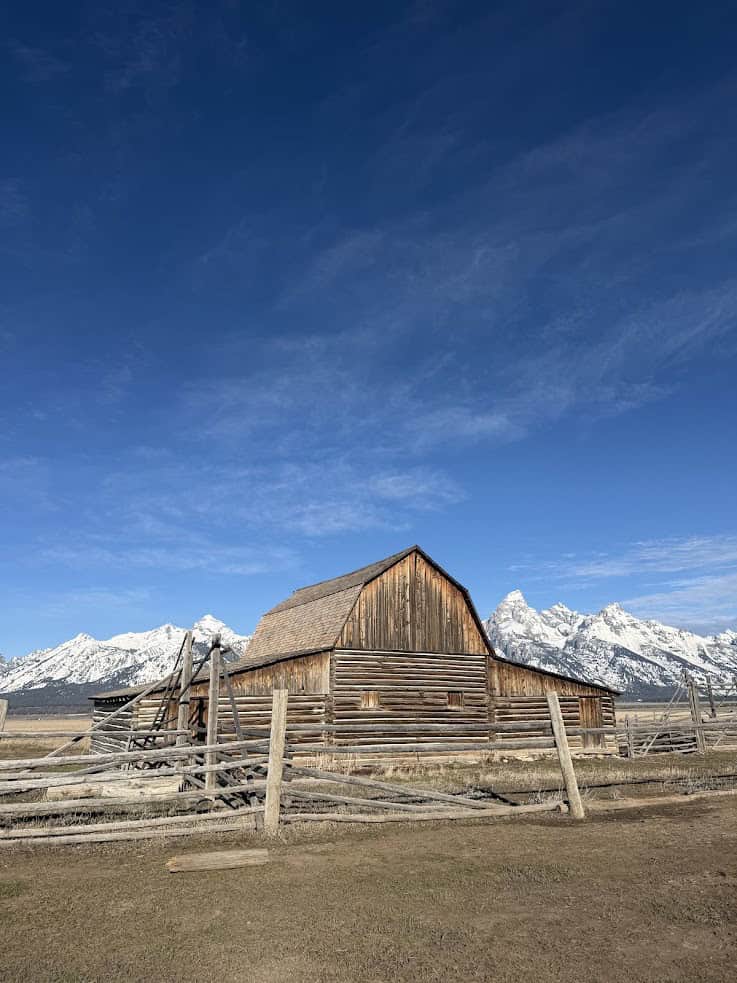
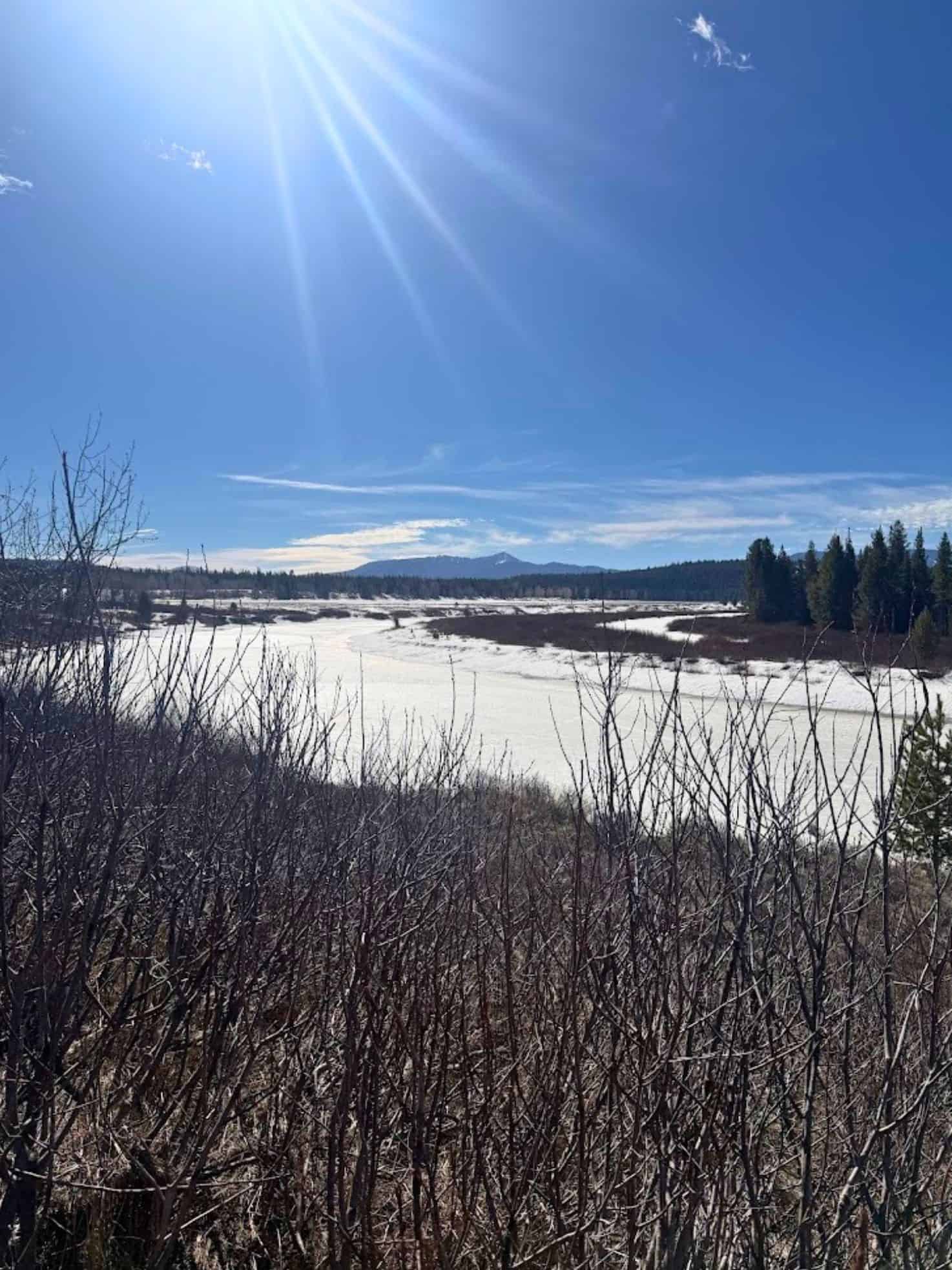
Don't miss Oxbow Bend near Moran, one of Wyoming's best places to see the Tetons reflected in the Snake River. Another classic stop is the Snake River Overlook, made famous by Ansel Adams. End at Mormon Row, where historic barns stand against the dramatic backdrop of the Teton Range.
Jackson Lake and the Gros Ventre River are worth a slow drive too.
Visit Yellowstone National Park
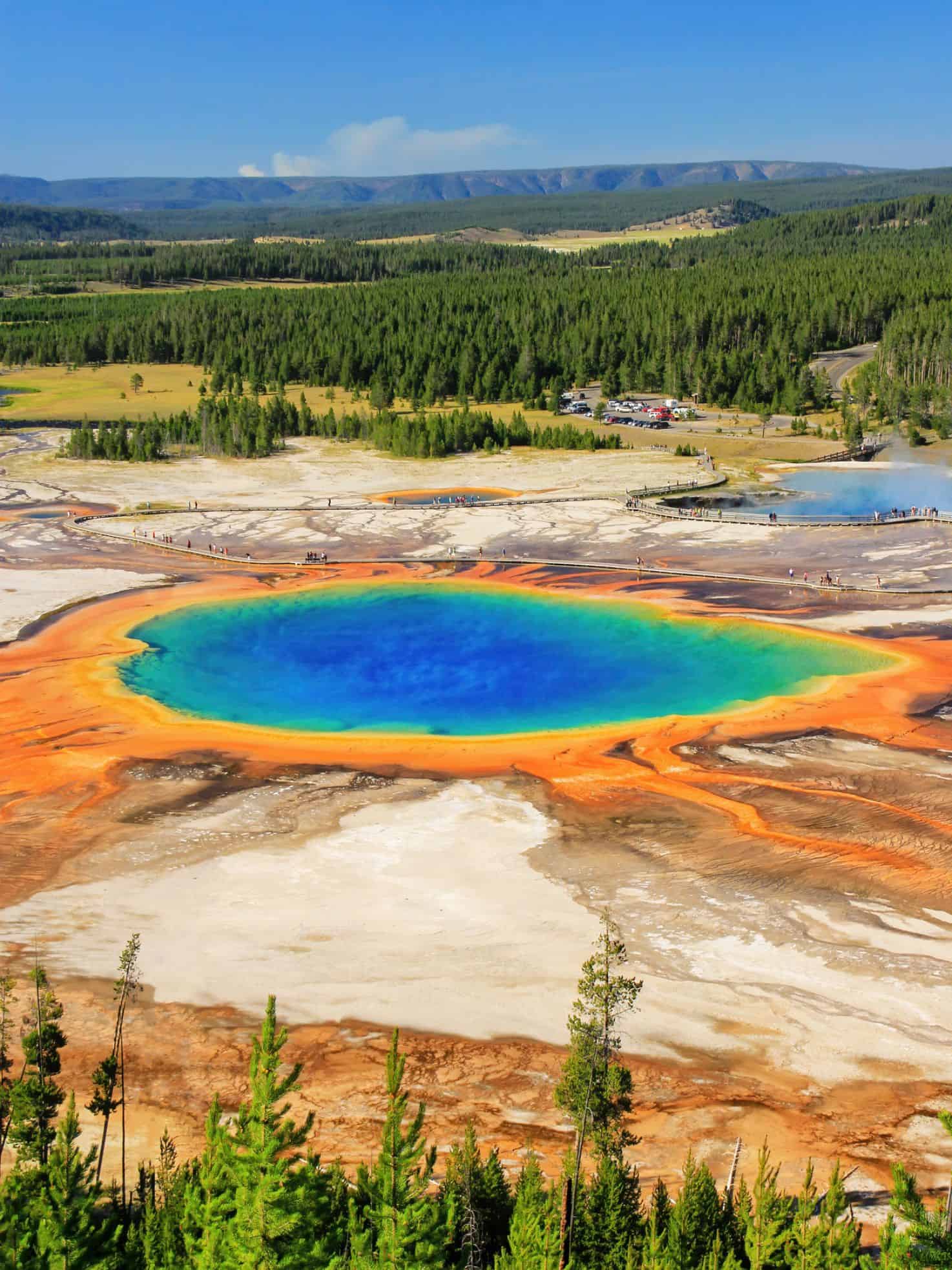
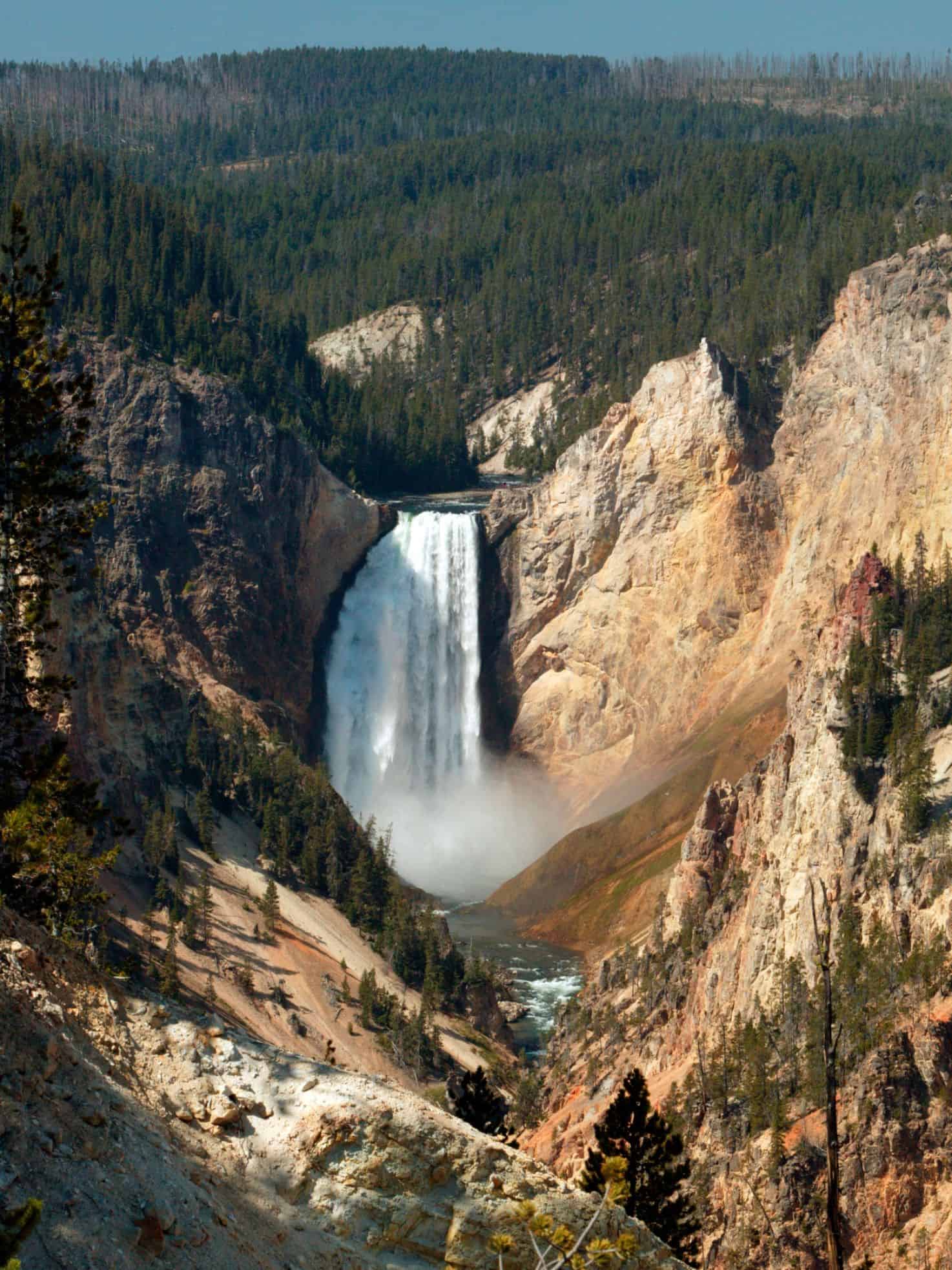
Yellowstone National Park is the first national park in the world, and it's enormous.
This is the land of geysers, and Old Faithful still draws a crowd every time it blows. Most first-time visitors make a stop at the vibrant Grand Prismatic Spring and the steaming boardwalks around the Upper Geyser Basin.
If you have extra time, drive to the Grand Canyon of the Yellowstone, where the Yellowstone River plunges over two dramatic waterfalls.
The closest entrance is about two hours north of Jackson, making it an easy day trip. With only one day, pick one area of the park rather than trying to see everything.
Go on a Wildlife Safari
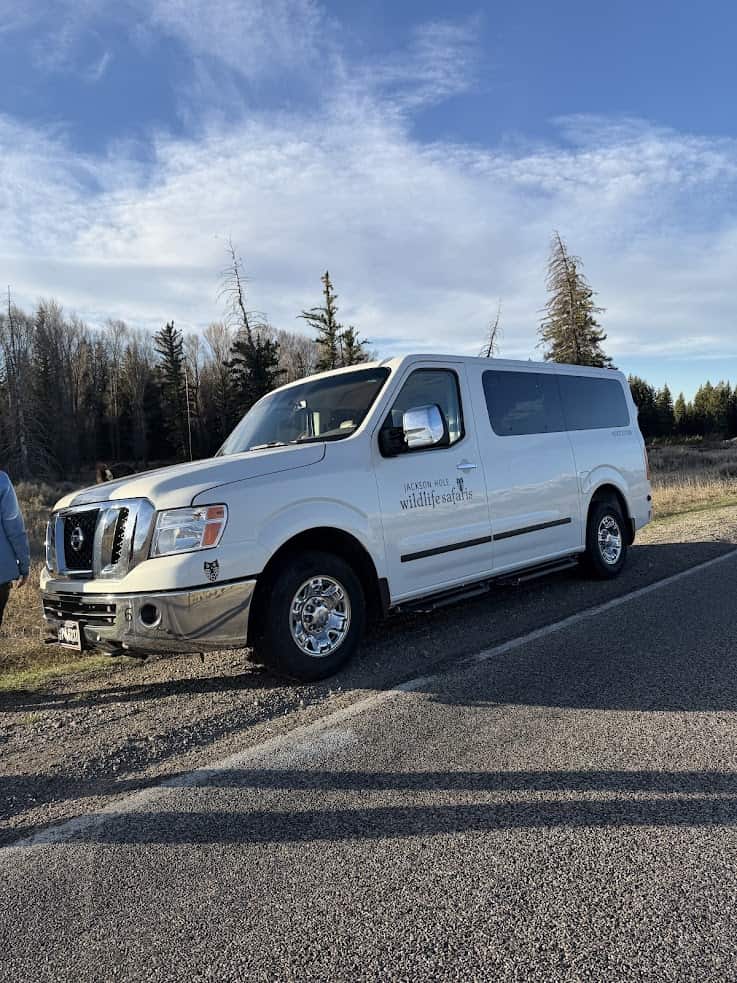
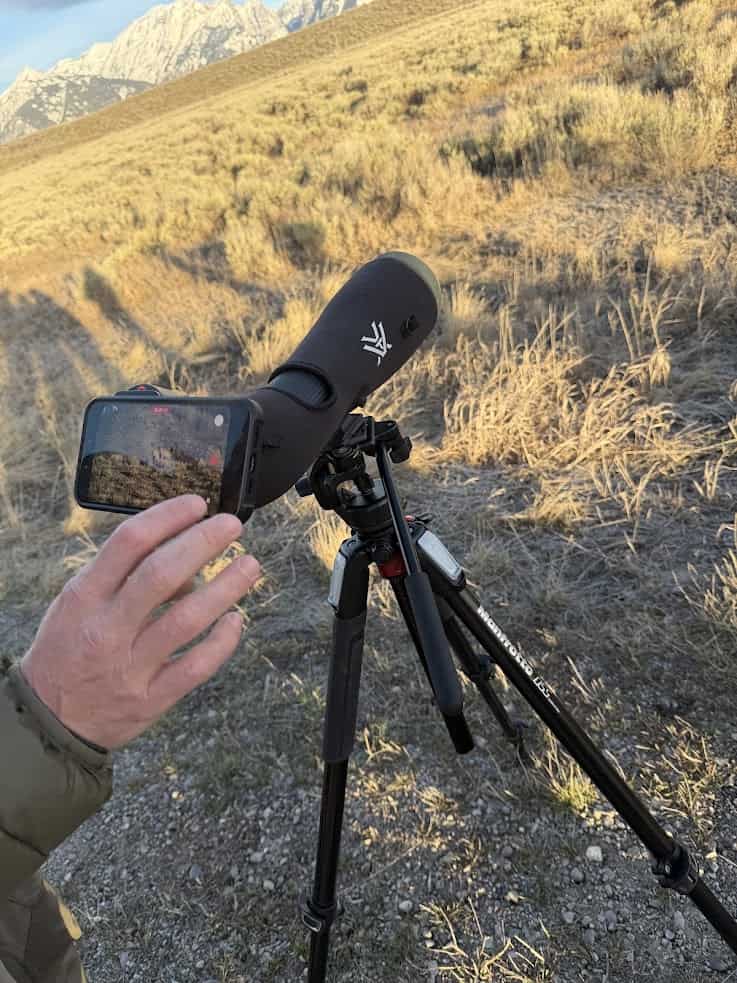
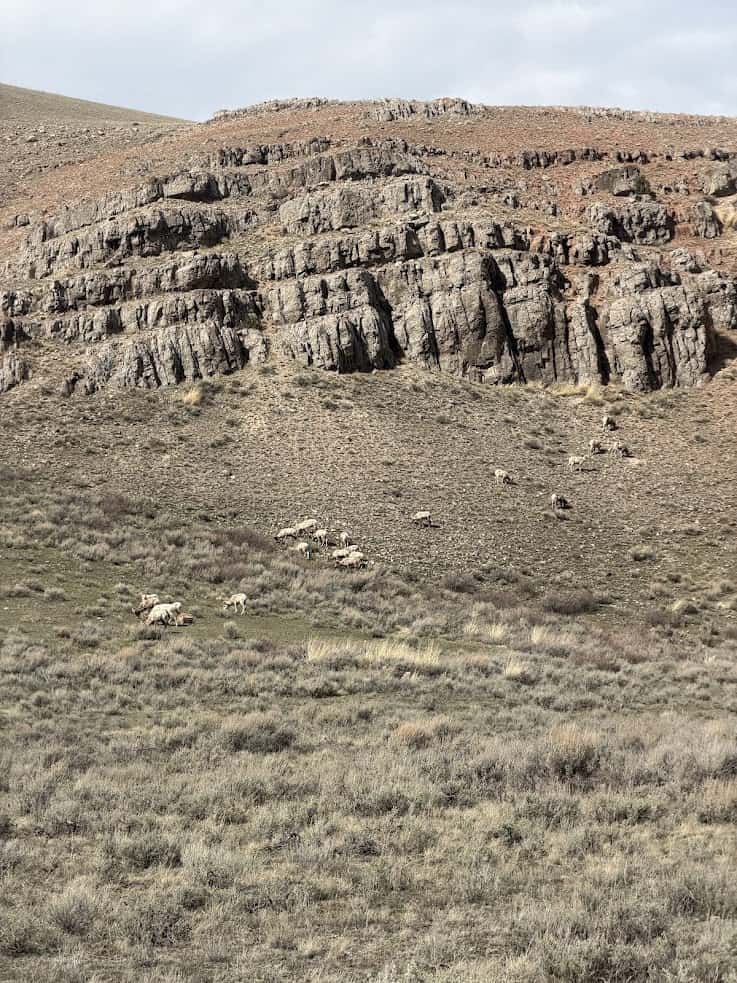
If wildlife tops your list, book a guided safari with a local naturalist who knows where animals gather and can spot ones you'd miss on your own.
I spent a full day in the Greater Yellowstone Ecosystem with a guide from Jackson Hole Wildlife Safaris who picked out a bighorn sheep on a far ridge long before I could. By dusk I'd seen moose, bison, elk, juvenile bald eagles, grouse, and a coyote crossing a meadow like it owned the place.
Tours run half-day or full-day in Grand Teton or Yellowstone, some pairing wildlife watching with a scenic river float, and it's an eco tour well worth a spot on your itinerary.
Wander Jackson Town Square
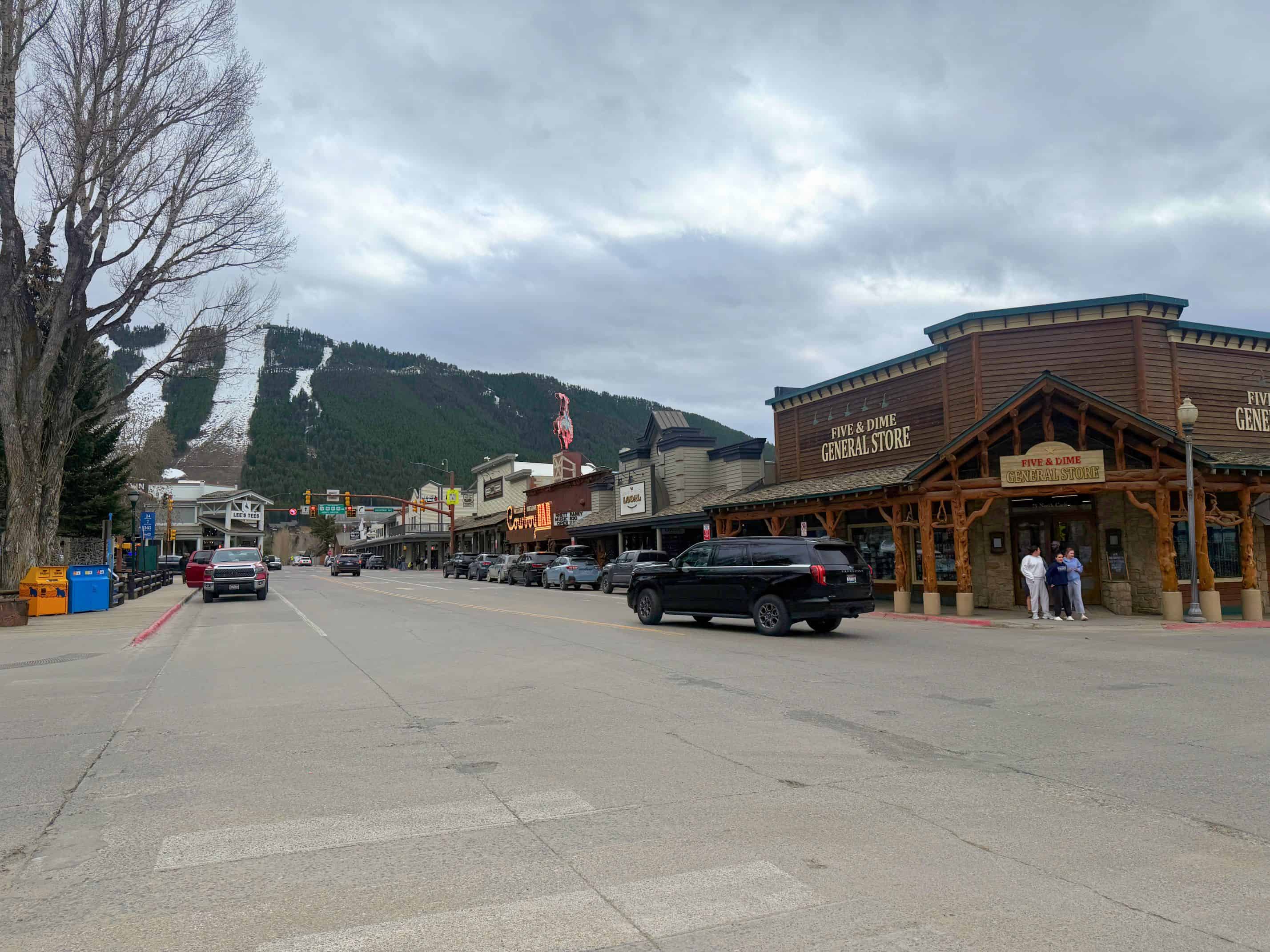
Downtown Jackson is a real town with a real heart, and that heart is the Town Square. You'll know the Jackson town square by the arch of elk antlers on each of its four corners. Those antler arches aren't from hunting.
Every spring the elk drop their antlers on the nearby National Elk Refuge, local Boy Scouts gather them, and each arch holds more than 2,000 antlers stacked by hand.
Around the square you'll find raised boardwalks, shops, galleries, and plenty of ice cream.
Visit Jackson Drug
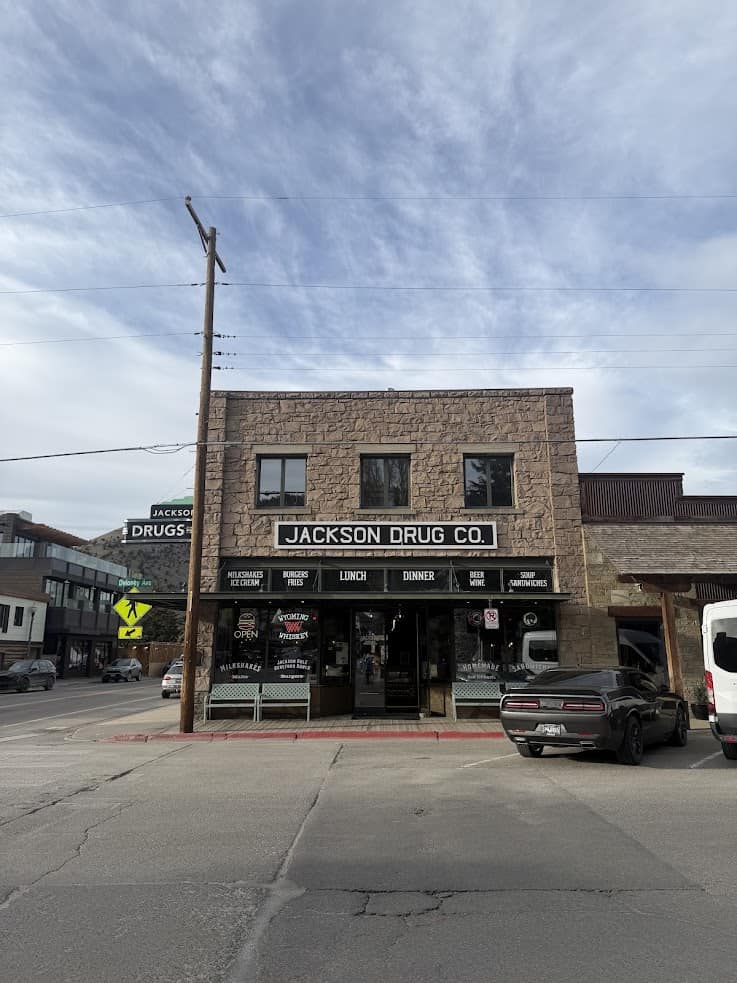
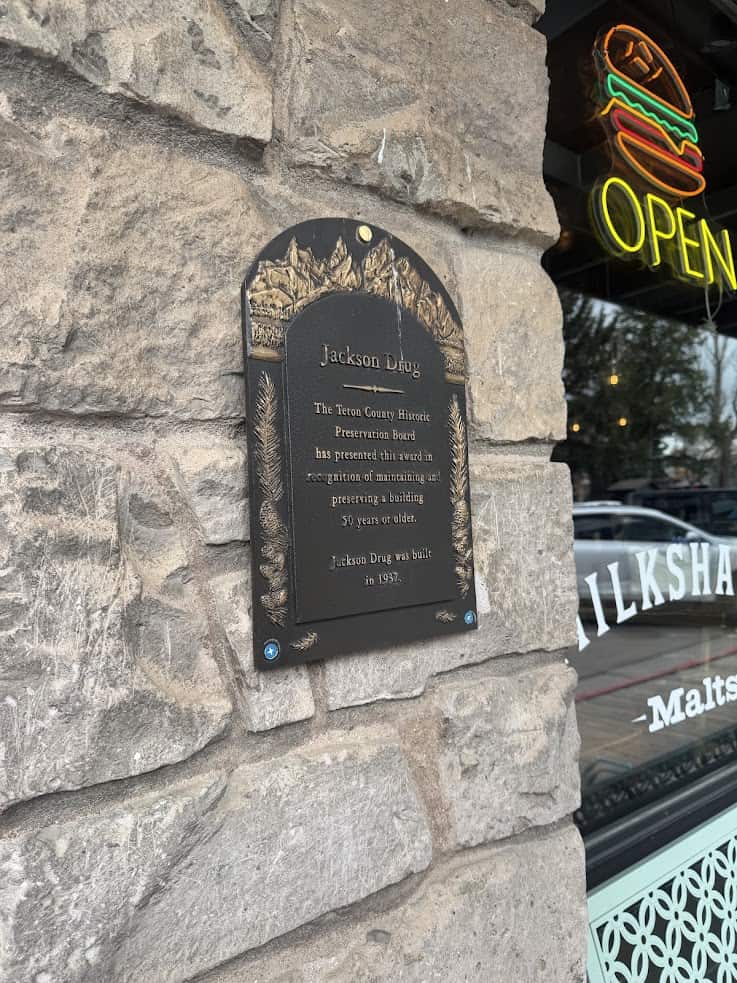
For a step back in time, stop at Jackson Drug just off the square. It opened in 1919 as a drugstore, and the current building dates to 1938.
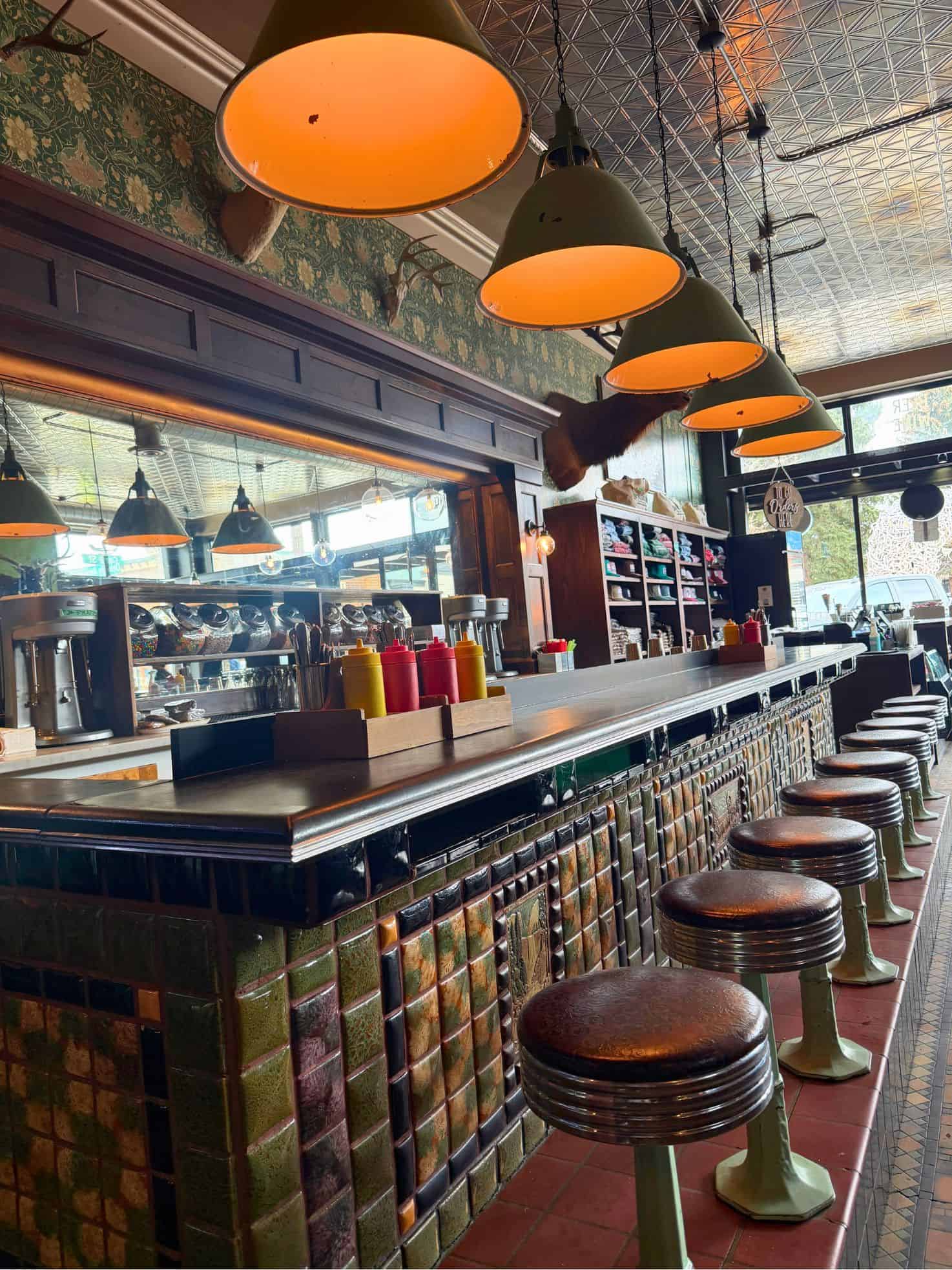
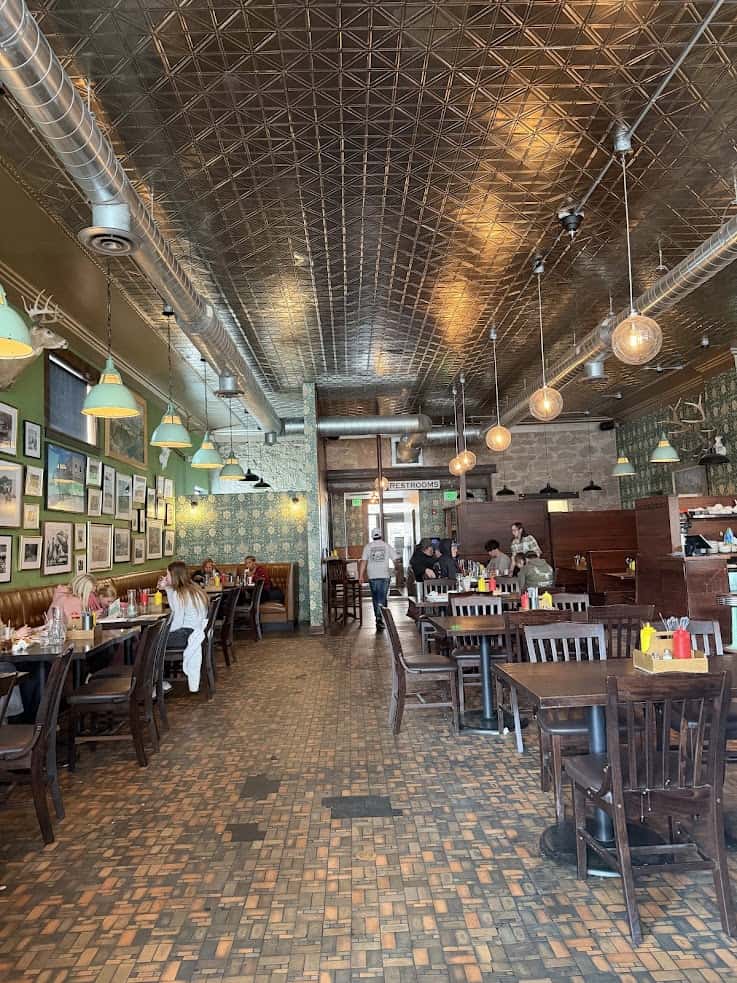
The original soda fountain, tile, bar, and candy jars are all still here, and they make old-fashioned milkshakes the proper way. It's a restaurant now, not a pharmacy, and it sells hats and memorabilia too.
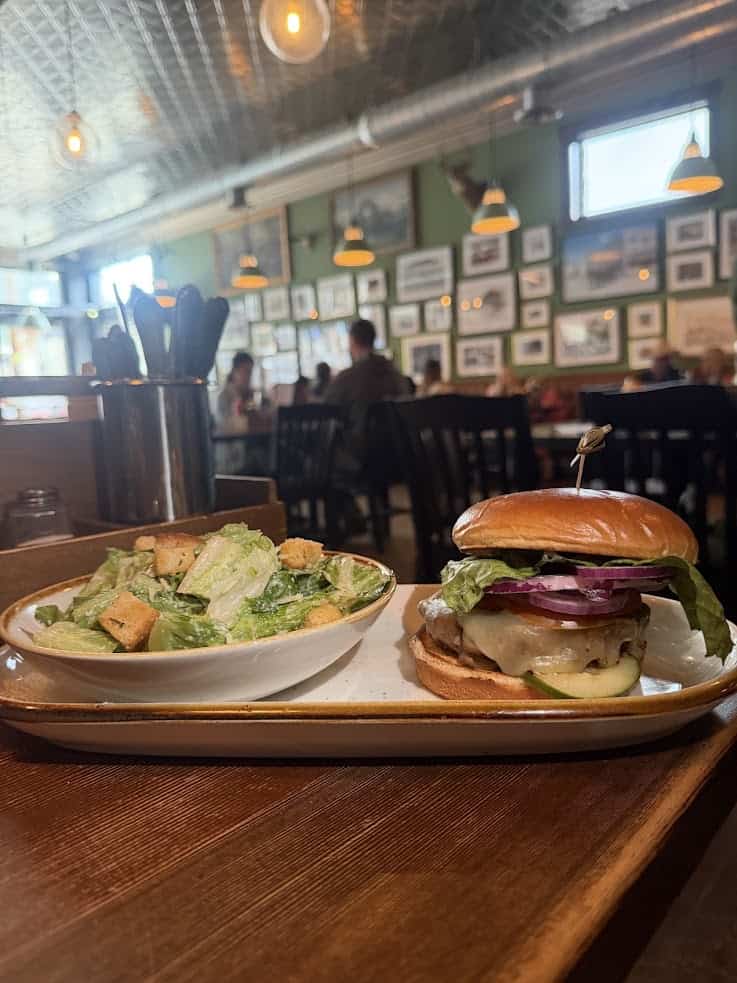
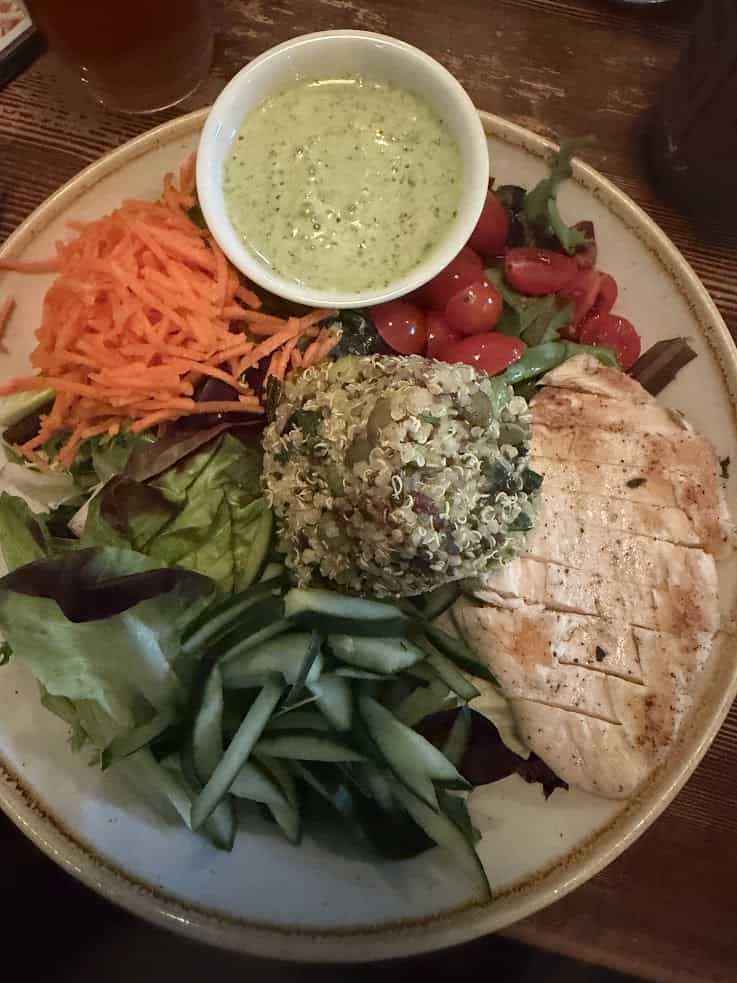
Locals still come in, which is the surest sign a place is worth your time. After a long day in the parks, a thick milkshake at that old counter is exactly what you want.
Discover the National Museum of Wildlife Art
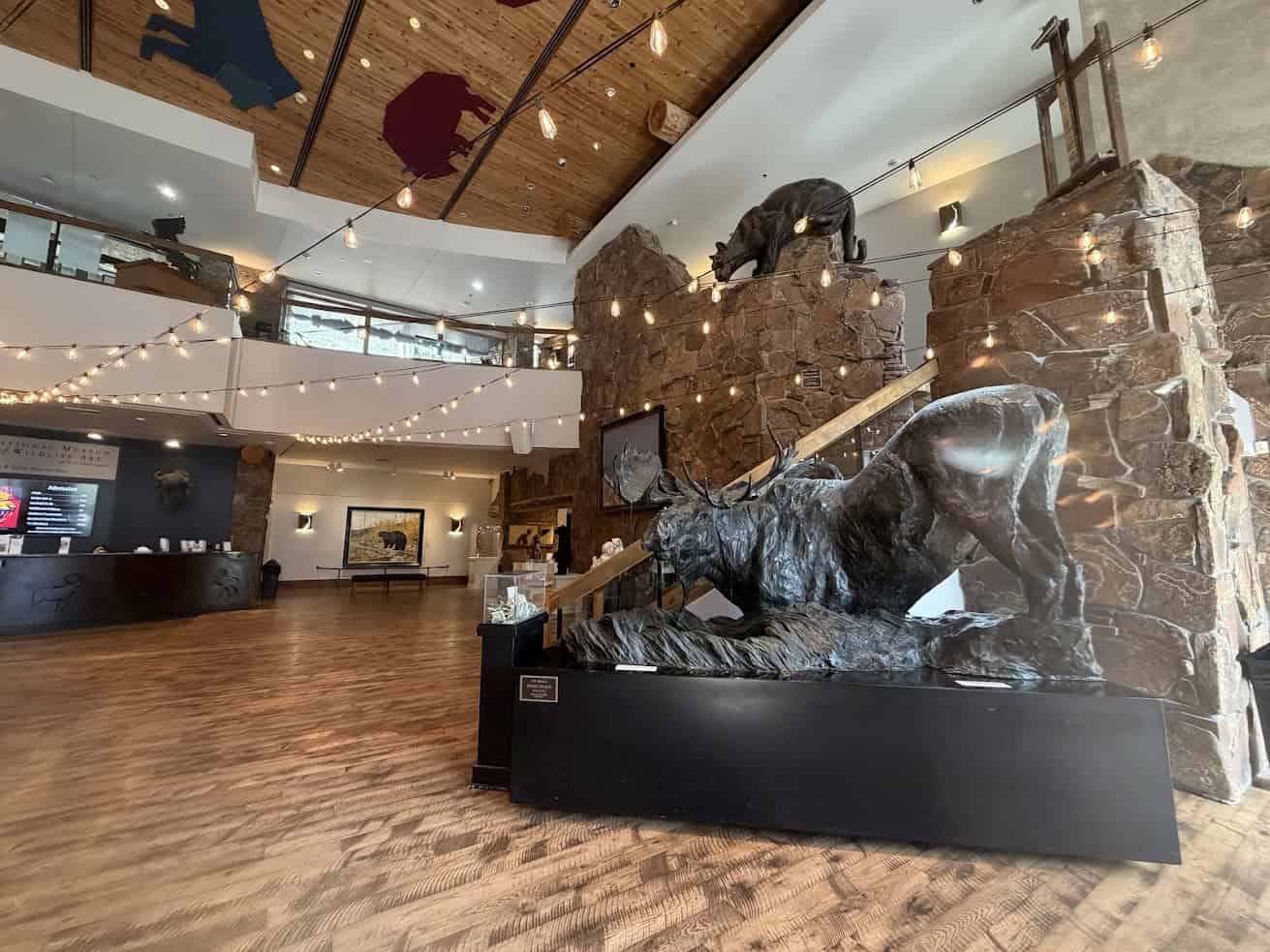
Even if you don't call yourself an artsy person, this place will win you over.
It sits on a hillside north of town, looking straight over the elk refuge, so the animals in the paintings and the ones on the hillside share a view.
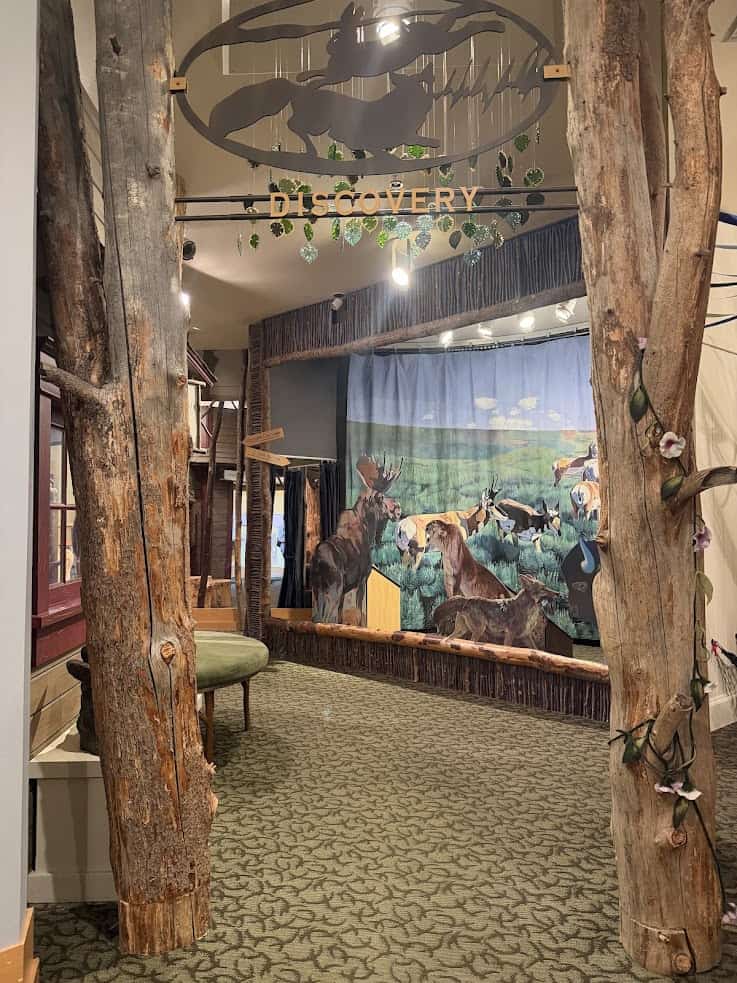
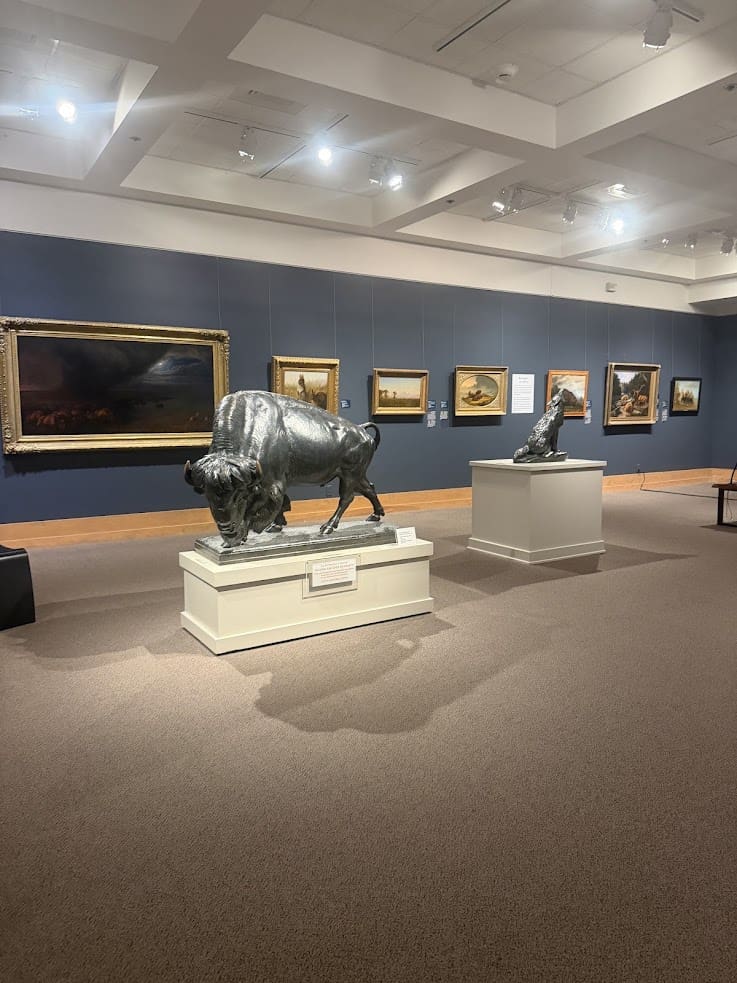
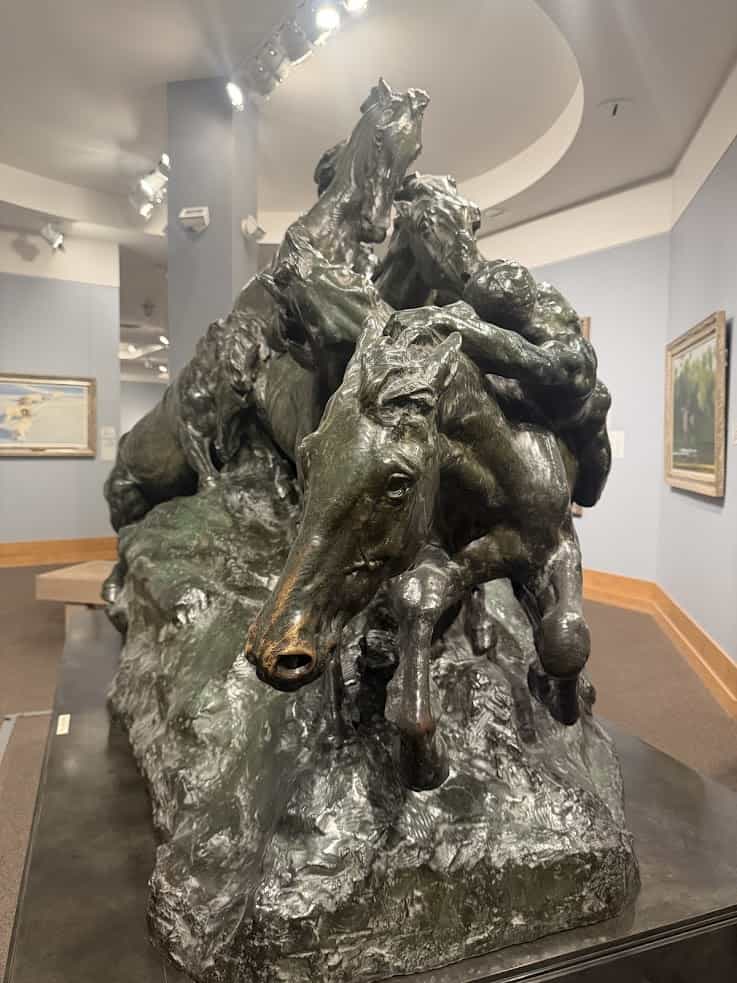
Inside are thousands of works, with galleries of national parks art, American and European wildlife, and modern pieces, plus a children's discovery room.
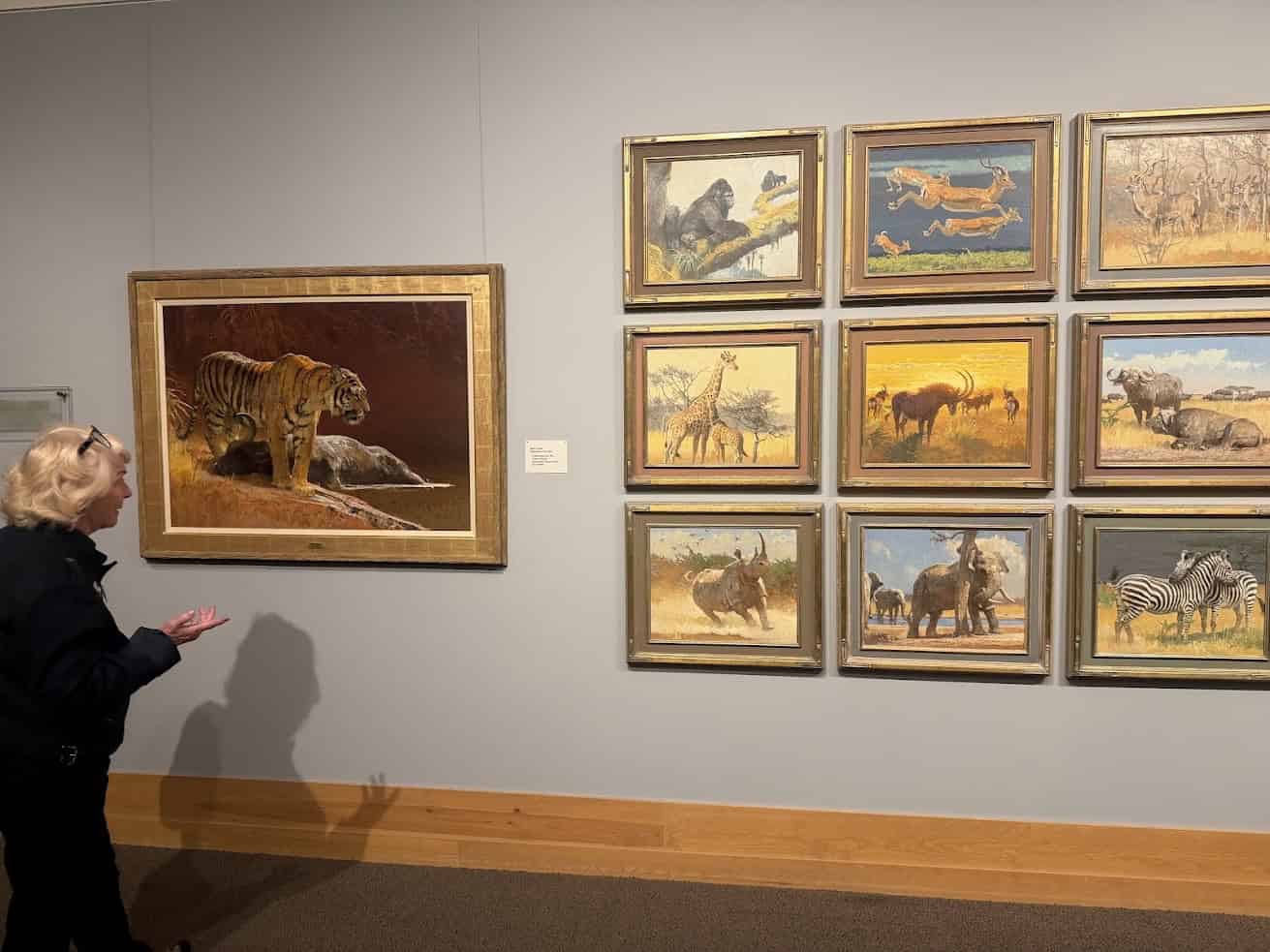
Free guided tours run Wednesday mornings, and you can book a docent-led tour ahead. I came for a quick look and stayed two hours.
Bike the Scenic Pathways
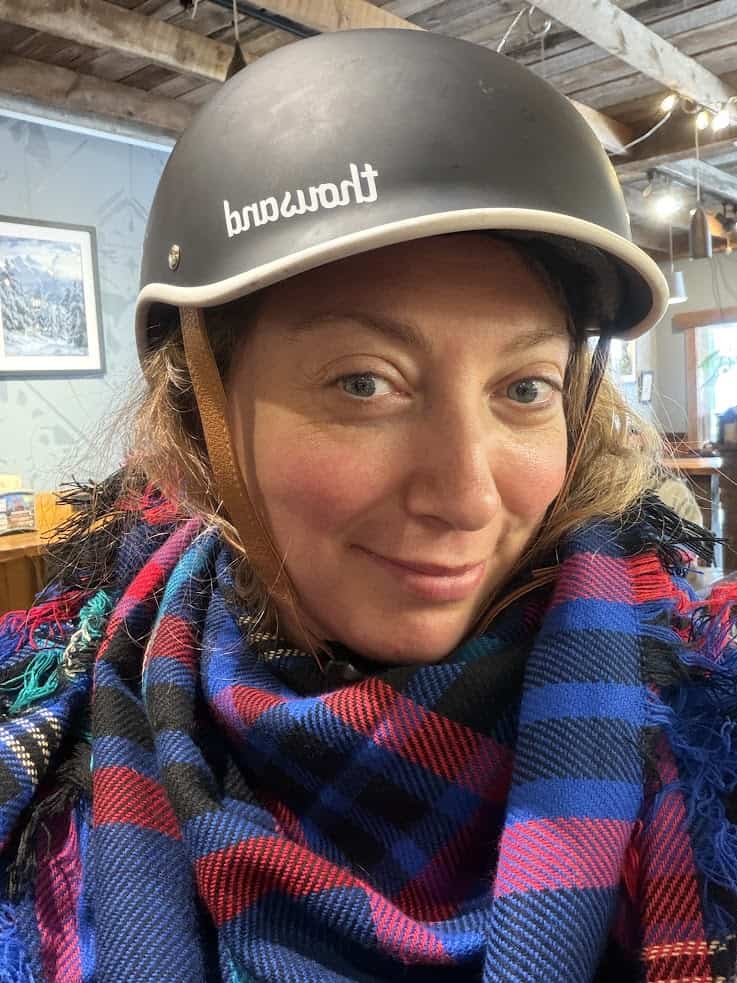
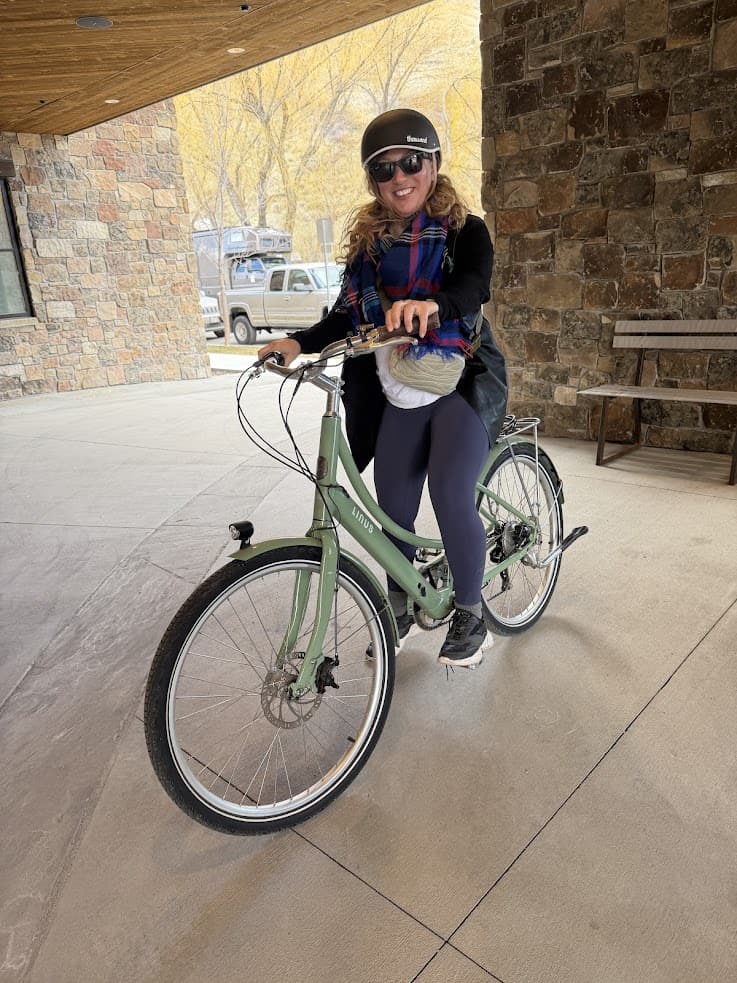
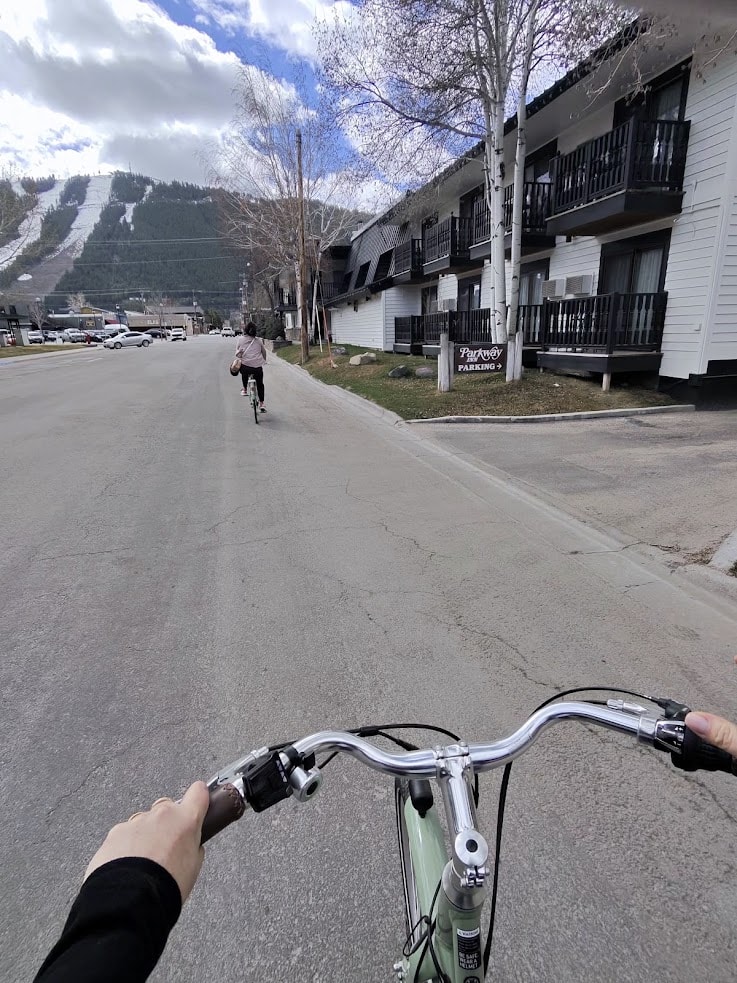
Jackson Hole has more than 50 miles of paved bike paths connecting Jackson, Teton Village, and Grand Teton National Park.
Want to save this?
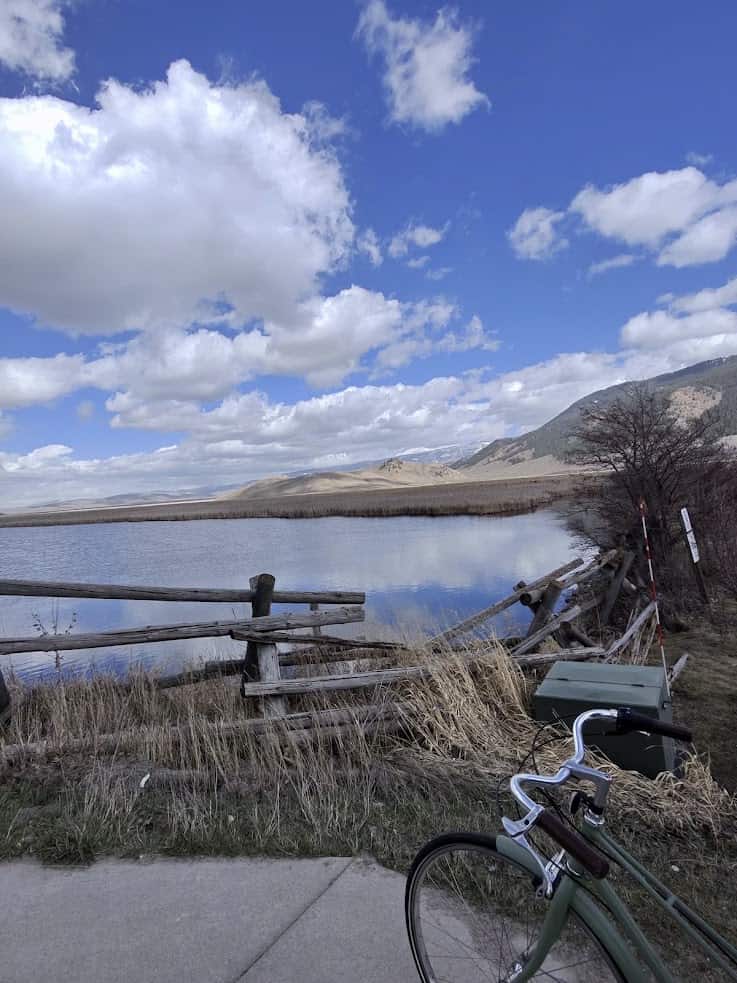
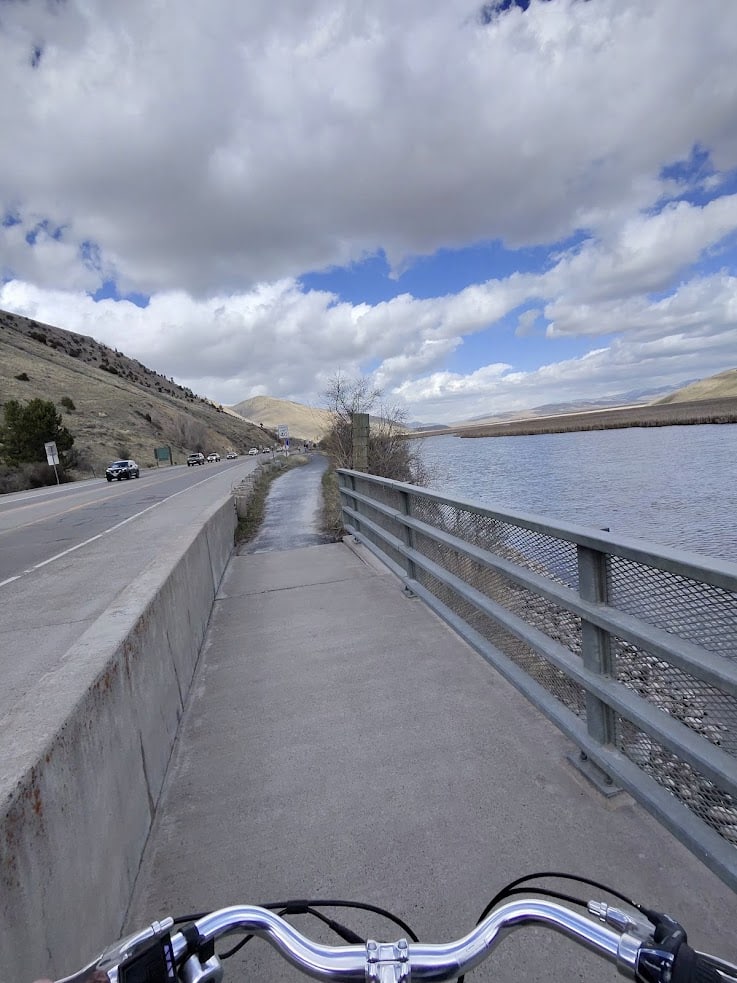
I rented a bike and found it was one of the best ways to slow down and enjoy the valley's mountain views.
Visit the National Elk Refuge
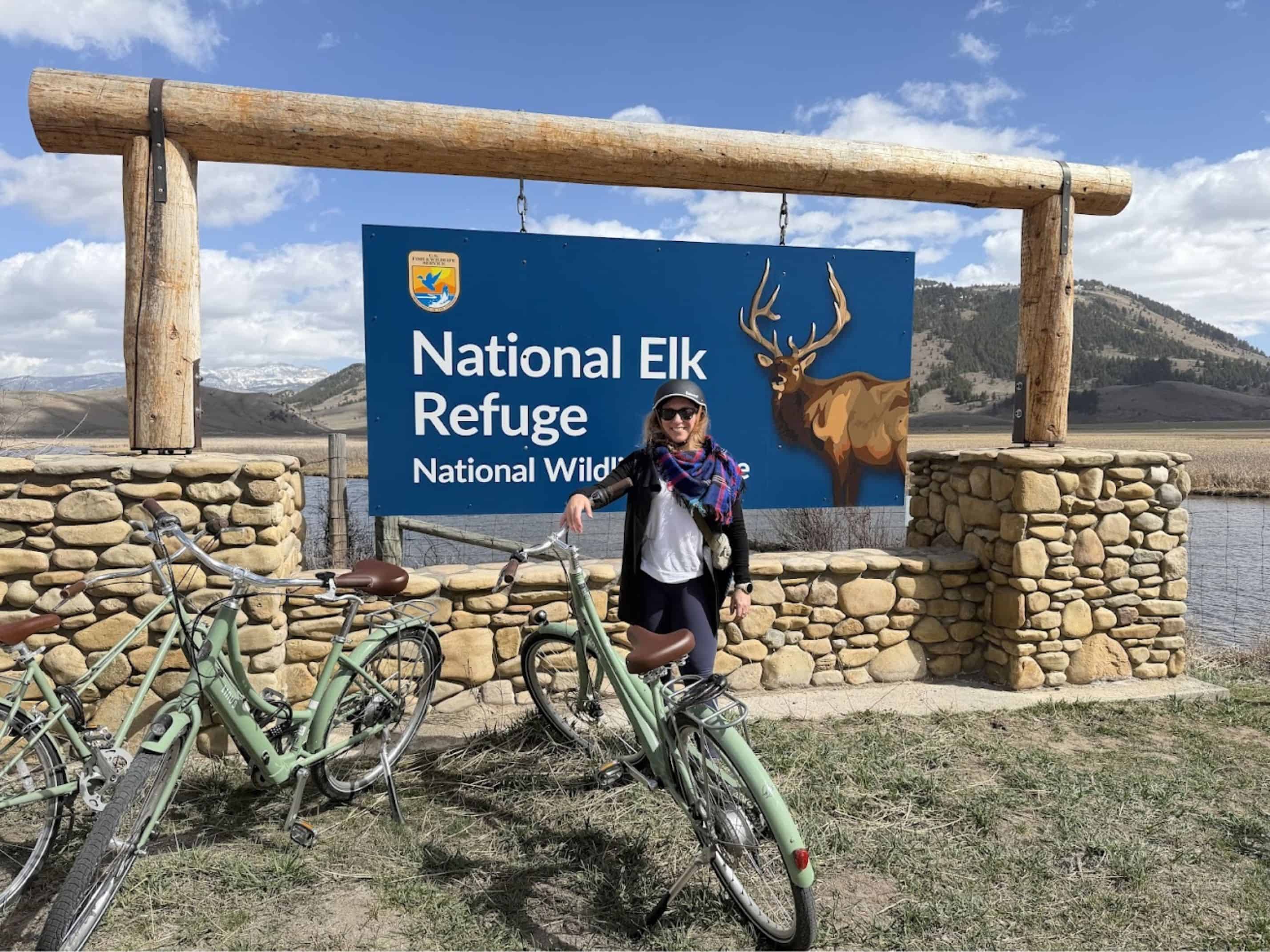
Just north of Jackson, the National Elk Refuge protects nearly 25,000 acres of winter range for one of the largest elk herds in North America.
I came in winter, when thousands migrate down from the mountains, and watching them spread across the snowy valley was a highlight of the trip. Watch for bighorn sheep, bald eagles, and coyotes too.
An interesting way to see it is a horse-drawn sleigh ride, which runs mid-December through early April, with guides sharing the refuge's history while bringing you close to the elk. Outside sleigh season, drive Refuge Road or stop at an overlook.
Grab a Drink at the Million Dollar Cowboy Bar
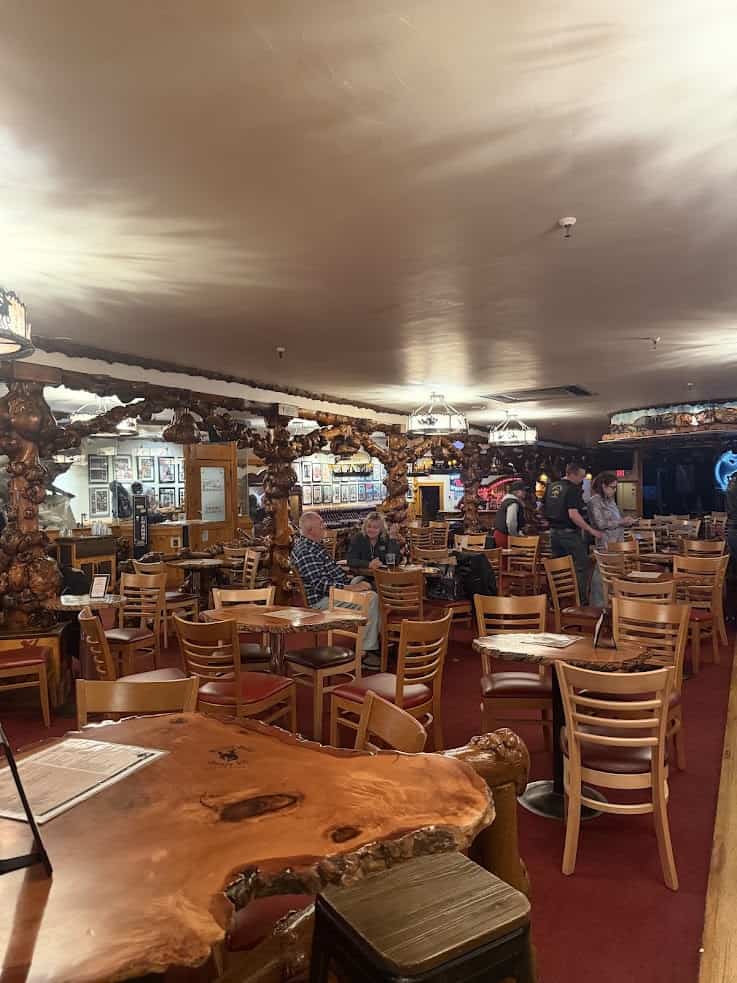
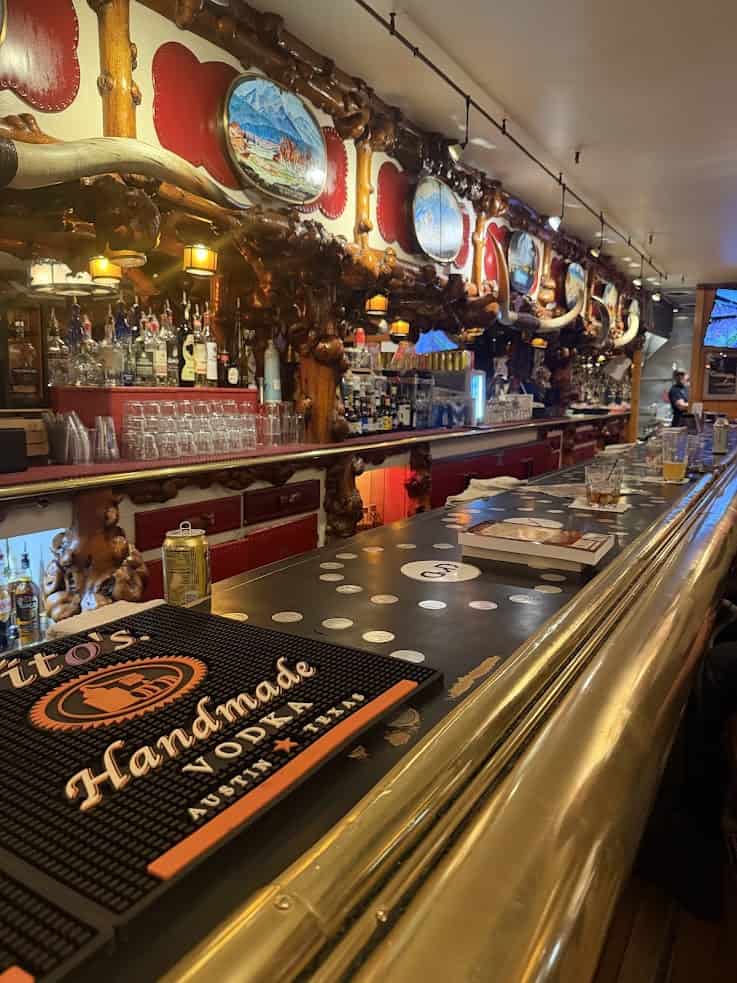
The Million Dollar Cowboy Bar is one of Jackson Hole's most recognizable landmarks, and it's worth visiting even if you're not planning a late night out. The famous saddle bar stools, log interior, and Western memorabilia give it the feel of an old Wyoming saloon.
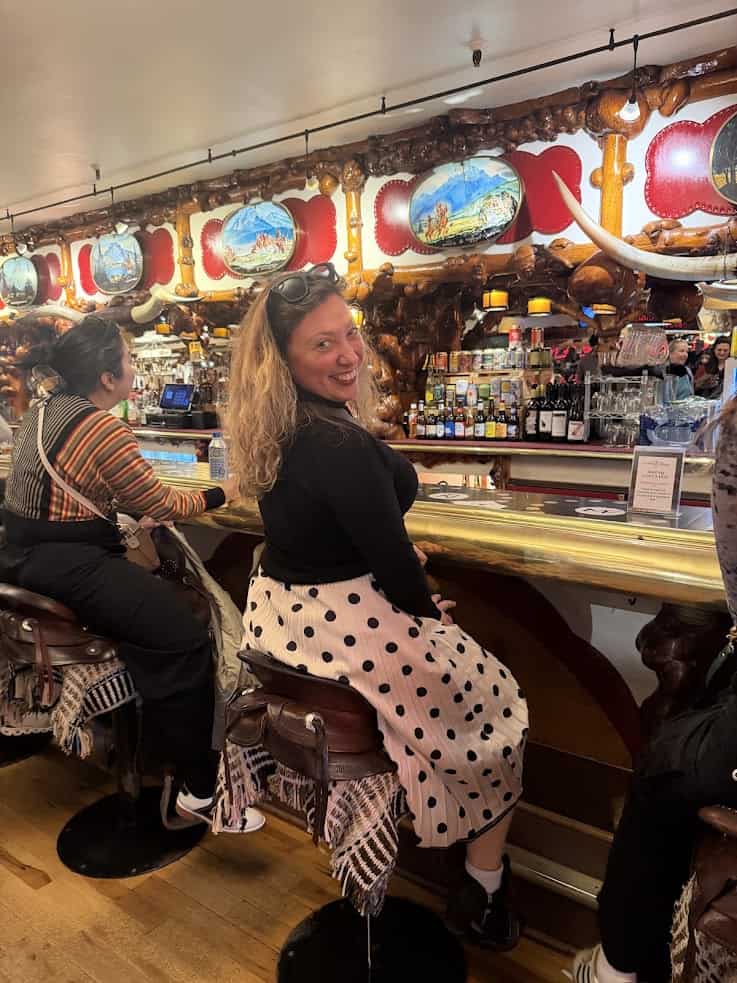
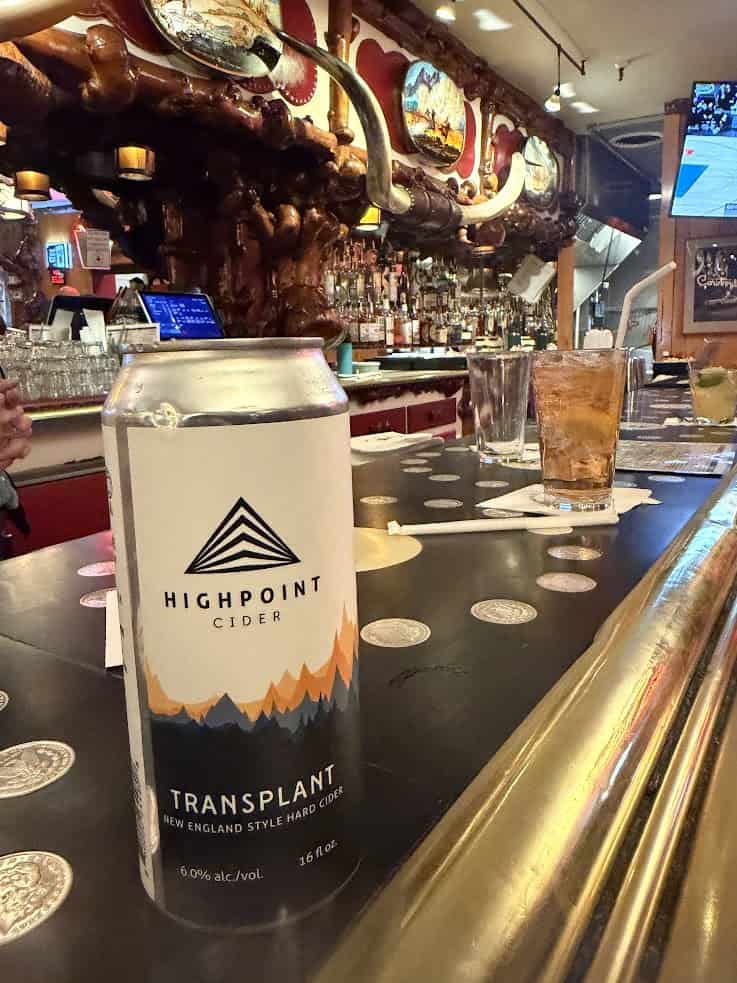
I stopped in for a drink and spent as much time taking in the atmosphere as I did looking at the menu. If you want a classic Jackson Hole experience, this is one place you shouldn't skip.
Other Great Outdoor Adventures and Winter Activities in Jackson Hole
When it warms up, Jackson Hole turns into one giant outdoor playground, and you could spend a week here without running out of things to do.
Go Hiking
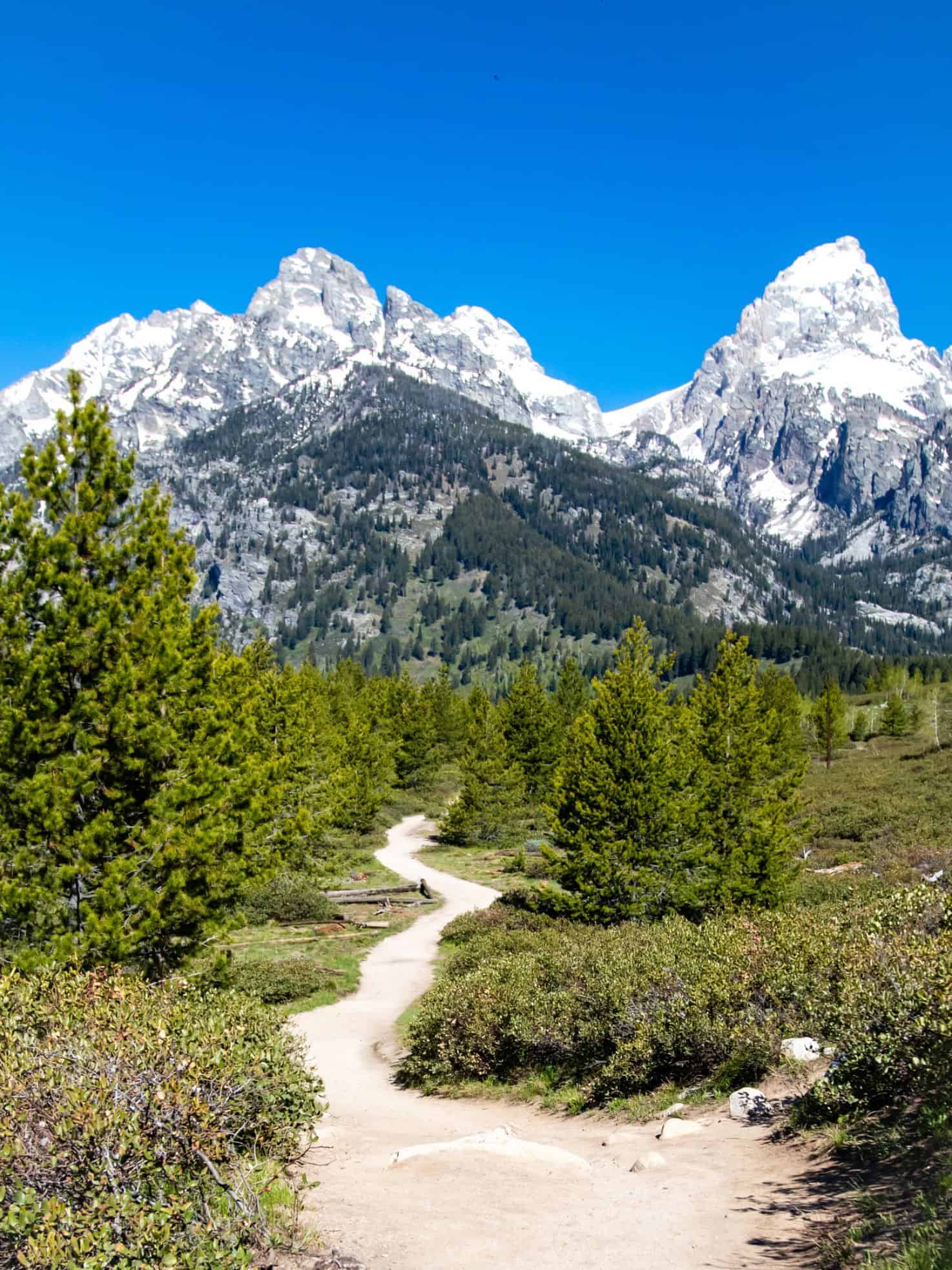
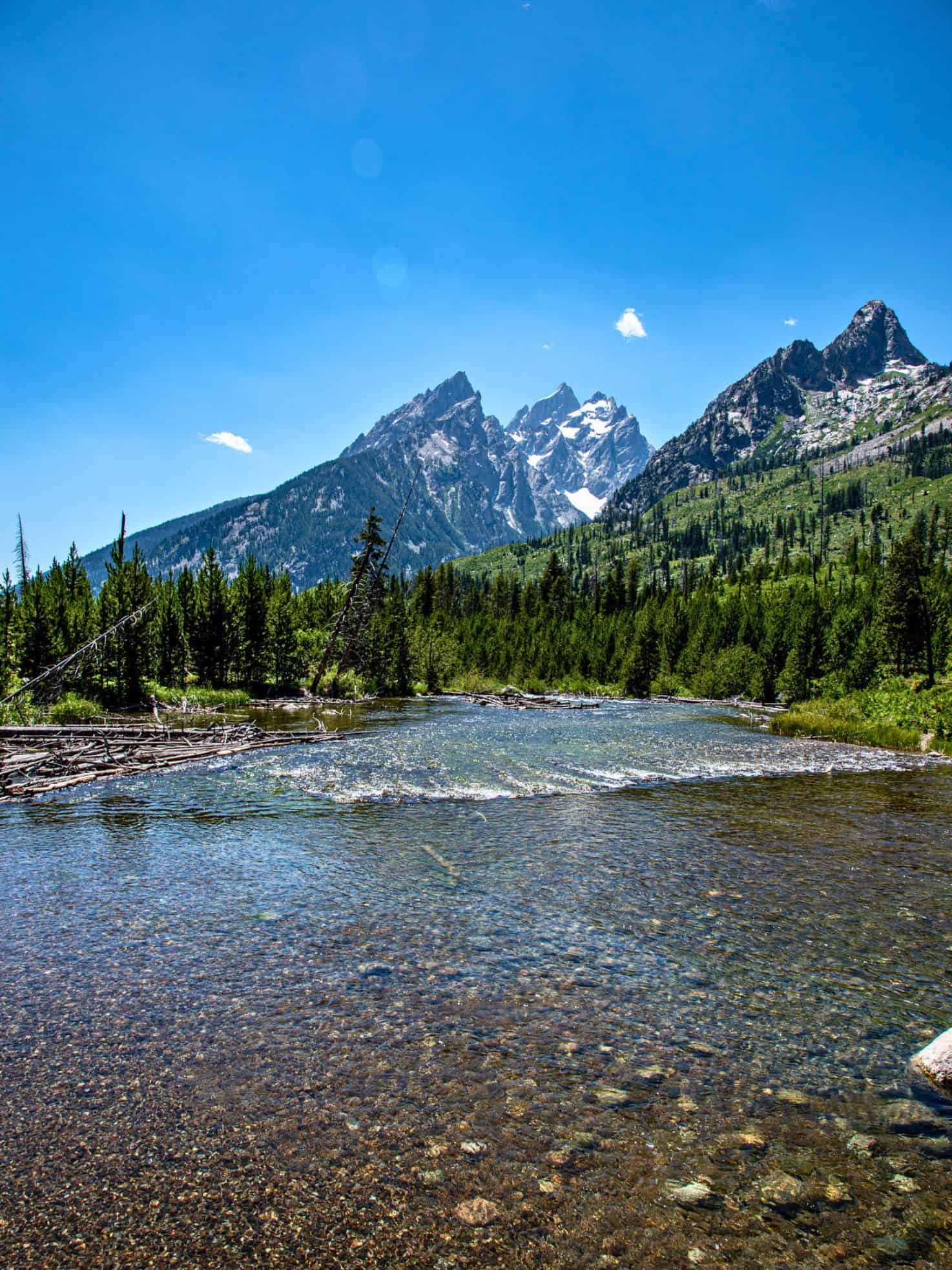
Hiking is the best place to start. Grand Teton alone has miles of hiking trails, from easy lakeside walks at Jenny and Taggart lakes to steep climbs into alpine canyons, so every level finds a route with incredible views of the Teton range.
Float or Raft the Snake River
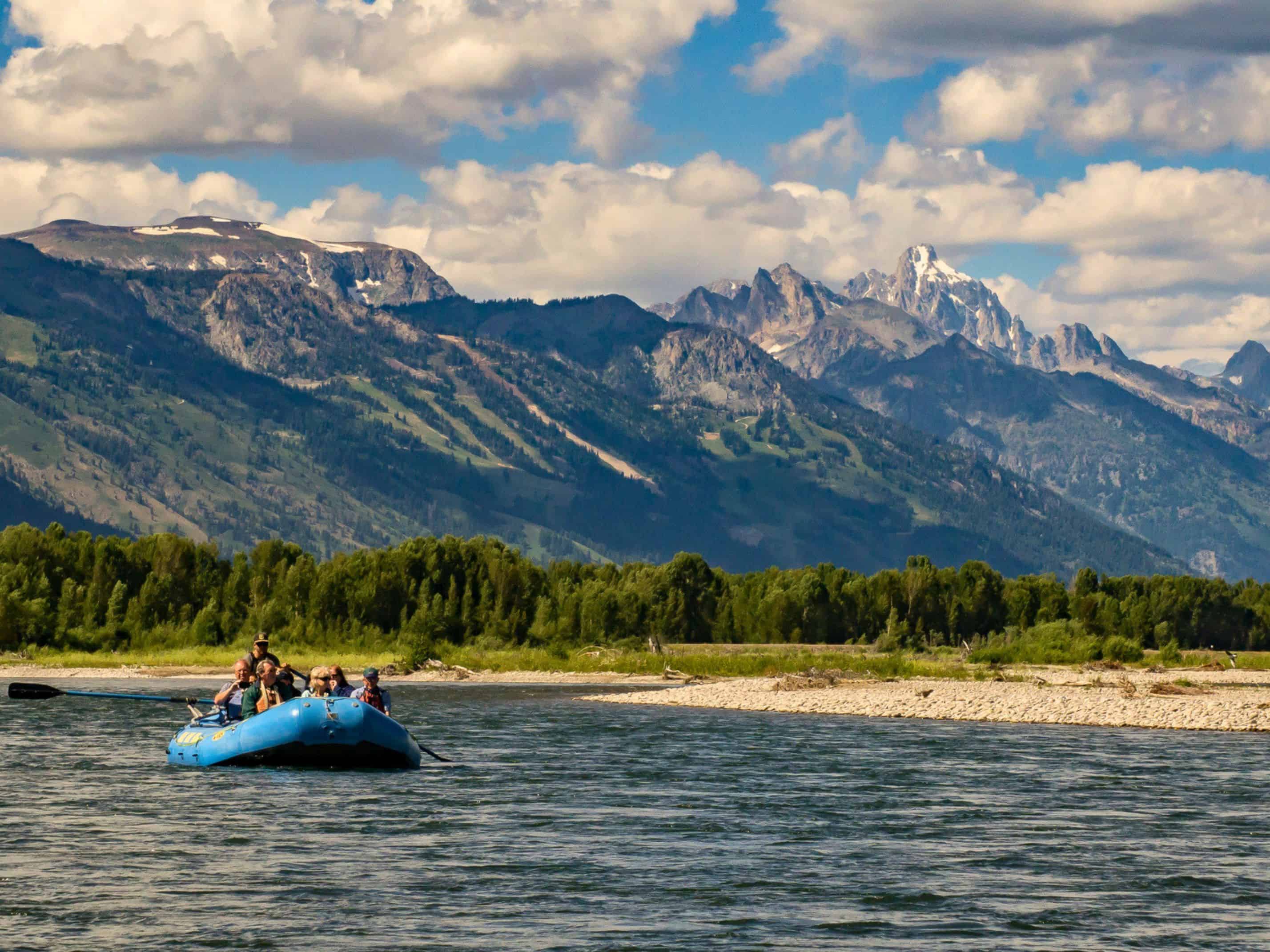
The Snake River gives you two very different trips. Inside Grand Teton, scenic float trips drift through calm water while guides point out moose and bald eagles on the banks.
South of Jackson, the Snake River Canyon serves up whitewater rafting with Class II and III rapids, a thrill without being too much. Many outfitters run both, and some let you combine them in a day.
Try Fly Fishing
The Snake is also one of Wyoming's top fly fishing rivers, home to the native fine-spotted cutthroat trout. Local guides supply gear and lessons for beginners.
Ride the Jackson Hole Aerial Tram
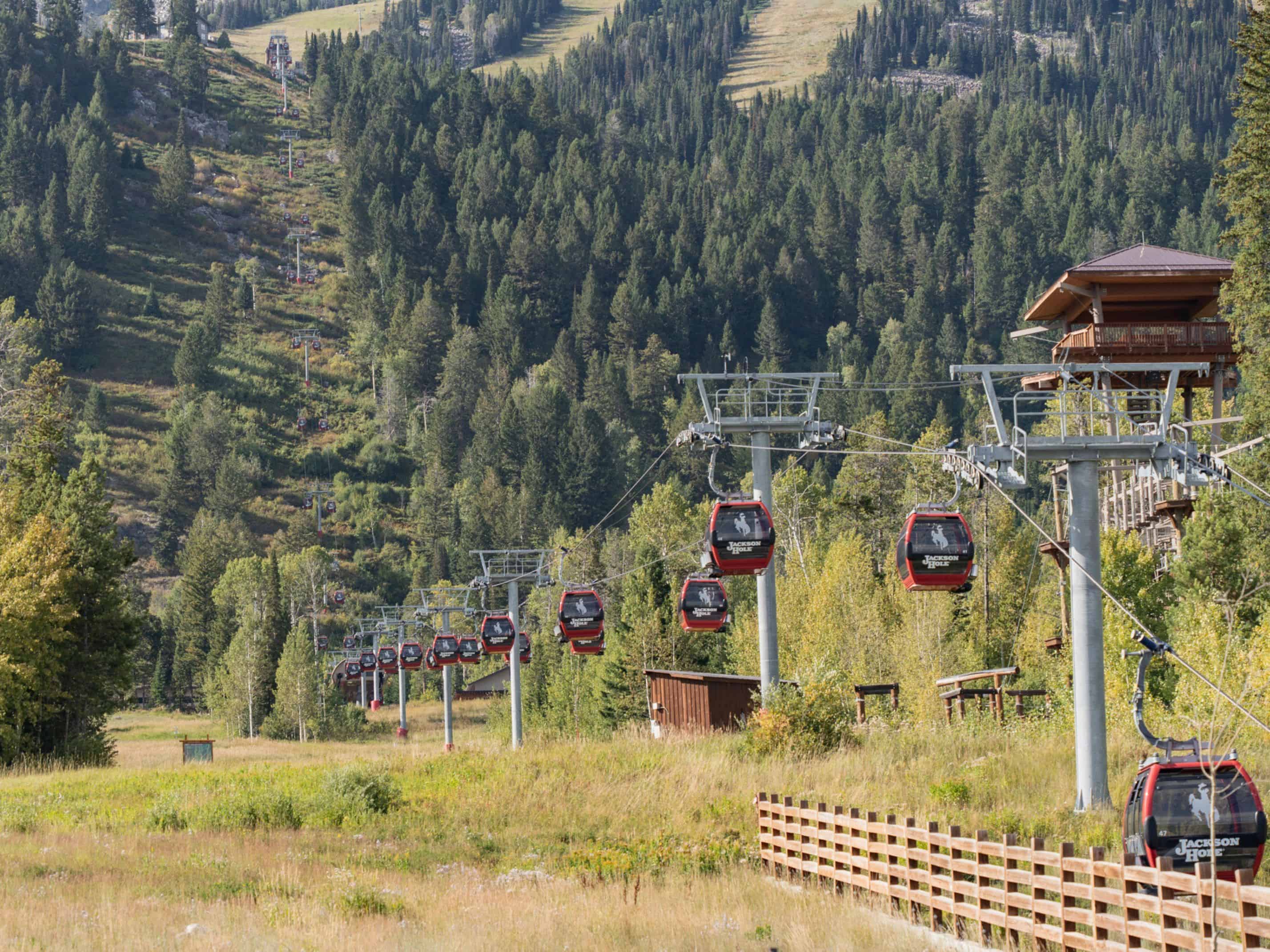
Located in Teton Village, the Jackson Hole Aerial Tram climbs to the 10,450-foot summit of Rendezvous Mountain in just 10 minutes. Sightseeing tickets start at about $55, and the ride offers sweeping views of the Teton Range and Jackson Hole.
Ski or Snowboard at Jackson Hole Mountain Resort
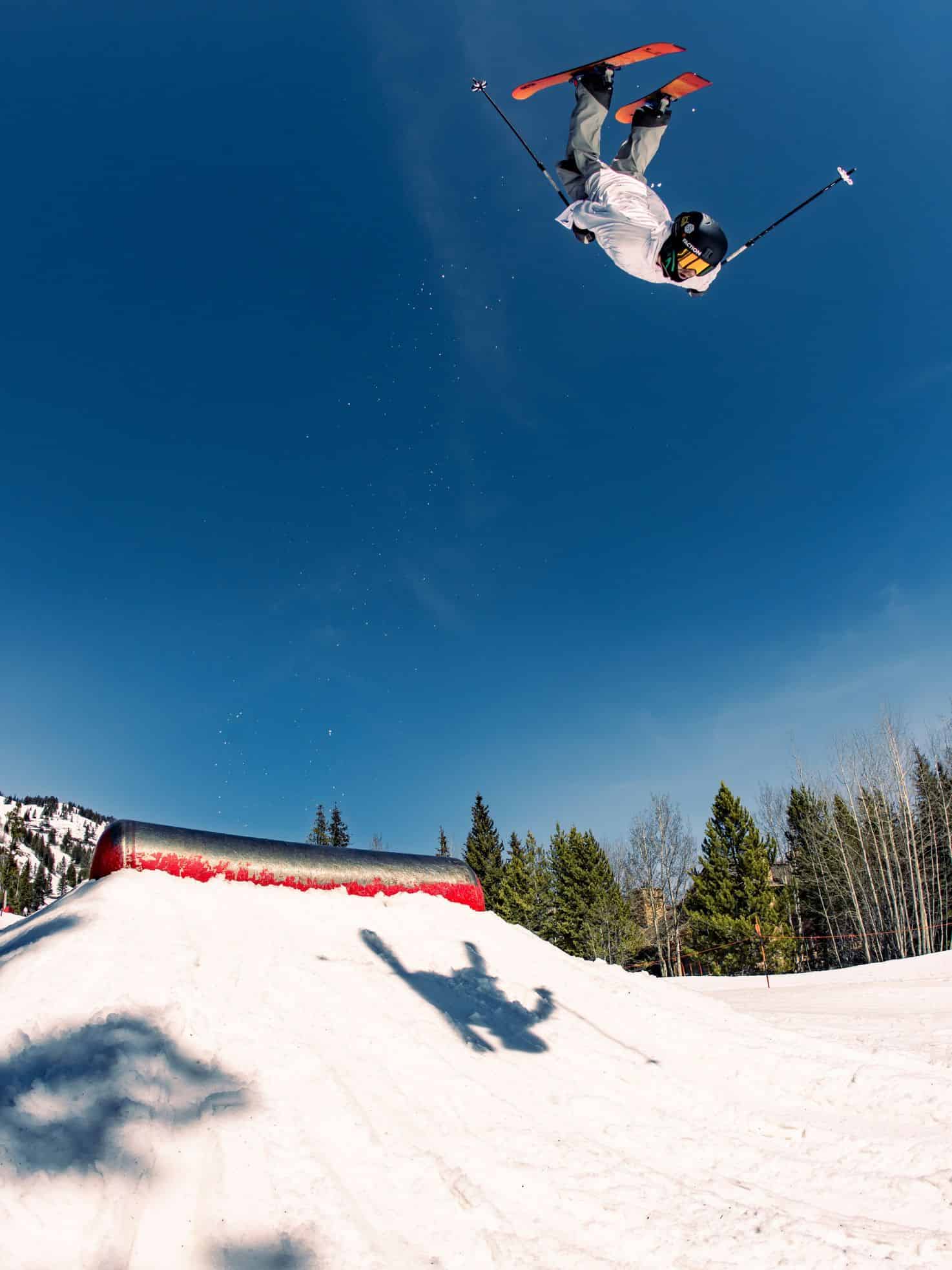
Jackson Hole Mountain Resort in Teton Village is the area's premier ski destination.
Known for steep terrain and deep powder, it's home to Corbet's Couloir, one of North America's most challenging ski runs, with beginner-friendly trails as well.
Snow King Mountain offers a smaller, more relaxed experience, and both areas have lively après-ski scenes.
For the best stay, book one of Jackson Hole's ski-in, ski-out resorts.
Go Snowmobiling
Snowmobiling is one of the best ways into the backcountry after fresh snow. Guided tours run deep into the national forest and reach spots like Granite Hot Springs that are hard to get to by car in winter.
Where to Stay in Jackson Hole
Lodging in Jackson Hole runs the full range, from campgrounds in the parks to grand luxury hotels. Among Jackson Hole hotels, skiers save time with ski-in, ski-out lodging in Teton Village, while staying in town keeps you walking distance from dinner and the Town Square.
The Rusty Parrot Lodge & Spa
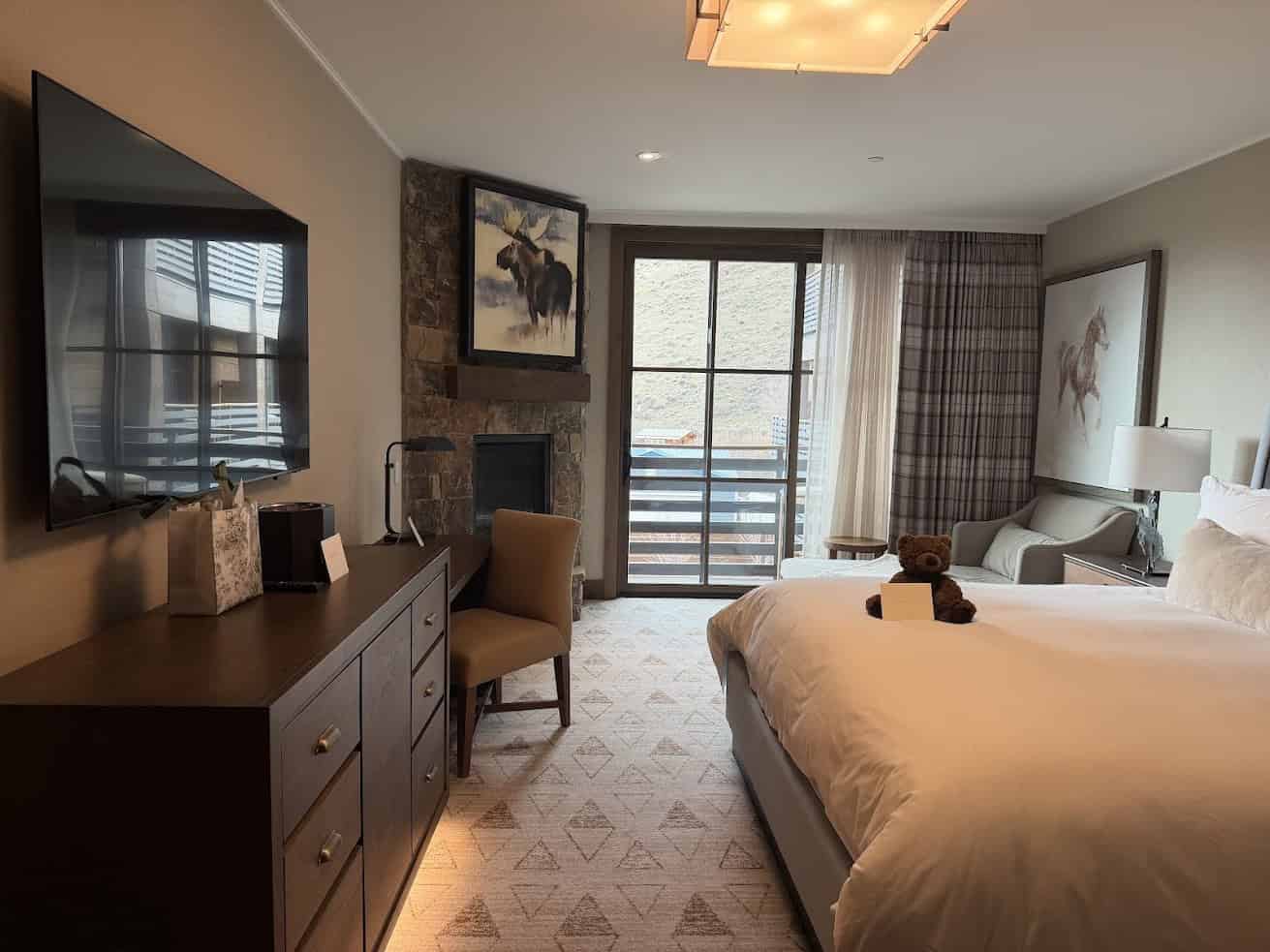
My top pick in town. This family-owned boutique hotel feels warm from the moment you walk in, with the smell of fresh baking and a teddy bear in every room.
After a fire in 2019, the lodge was rebuilt and reopened in 2024 with more rooms and a full spa, without losing the charm that made it a local favorite.
For the full look at the rooms, spa, and the Wild Sage Restaurant, read my Rusty Parrot Lodge & Spa review.
Where to Eat in Jackson Hole
For such a small town, Jackson Hole has an impressive food scene. From cozy bakeries and lively wine bars to creative restaurants, these are the places I'd recommend.
Wild Sage Restaurant
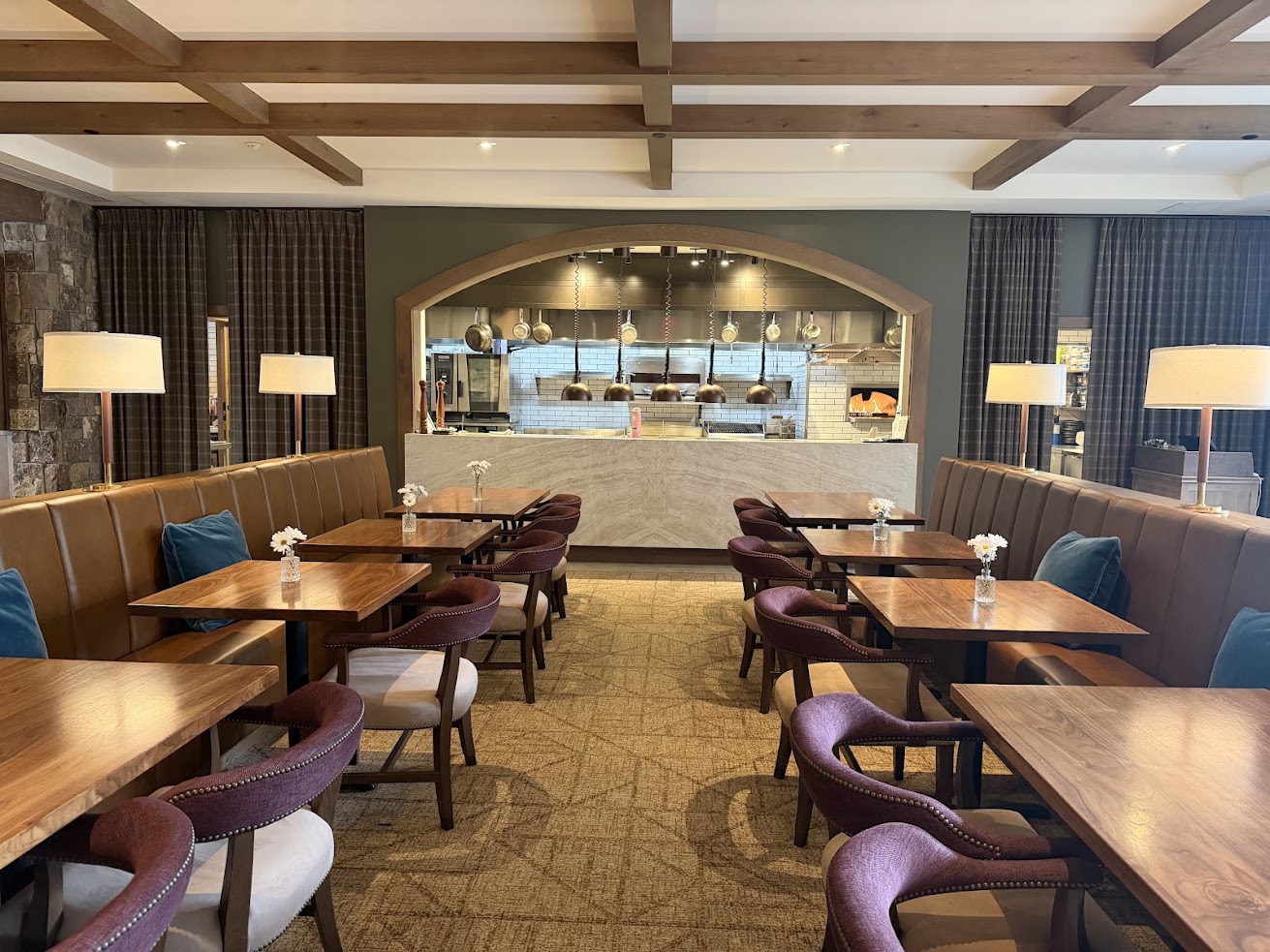
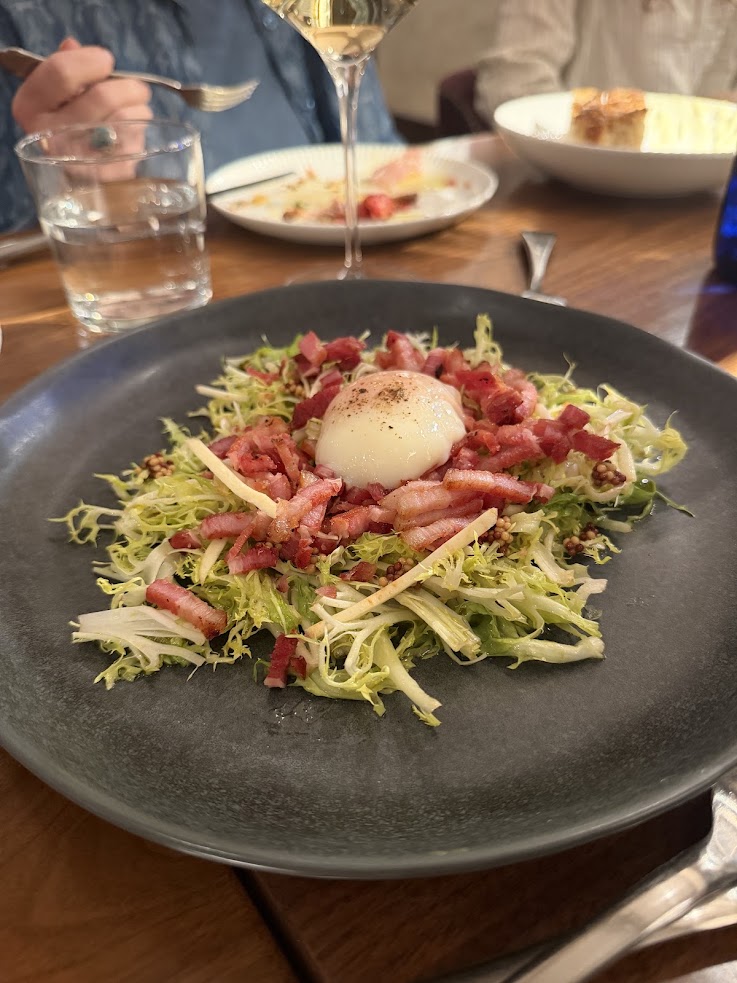
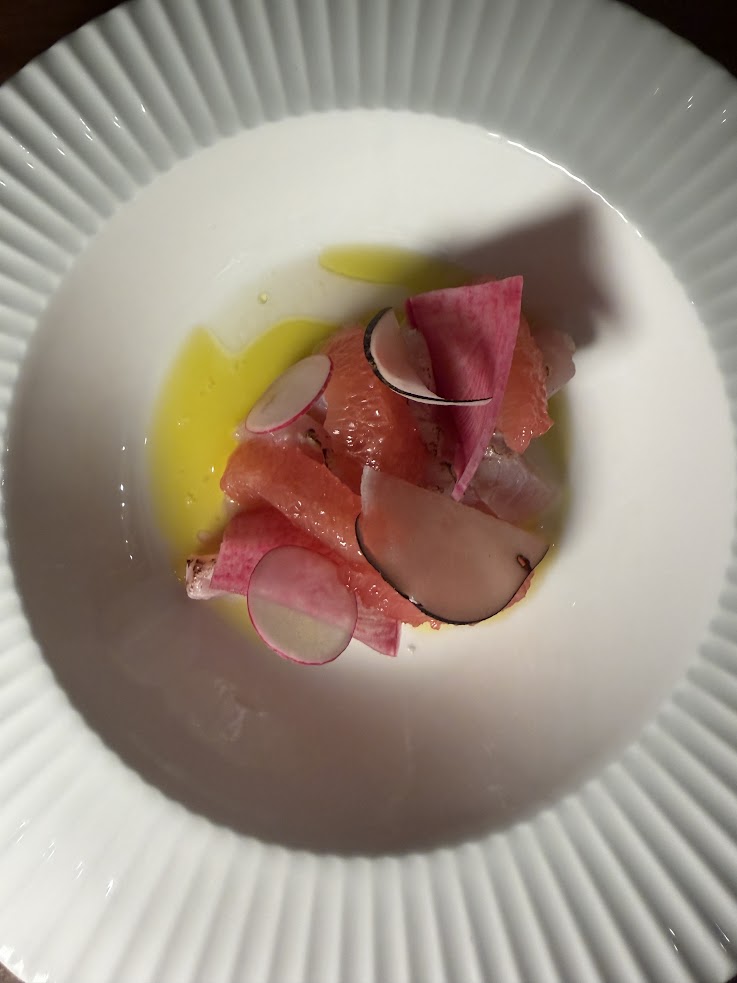
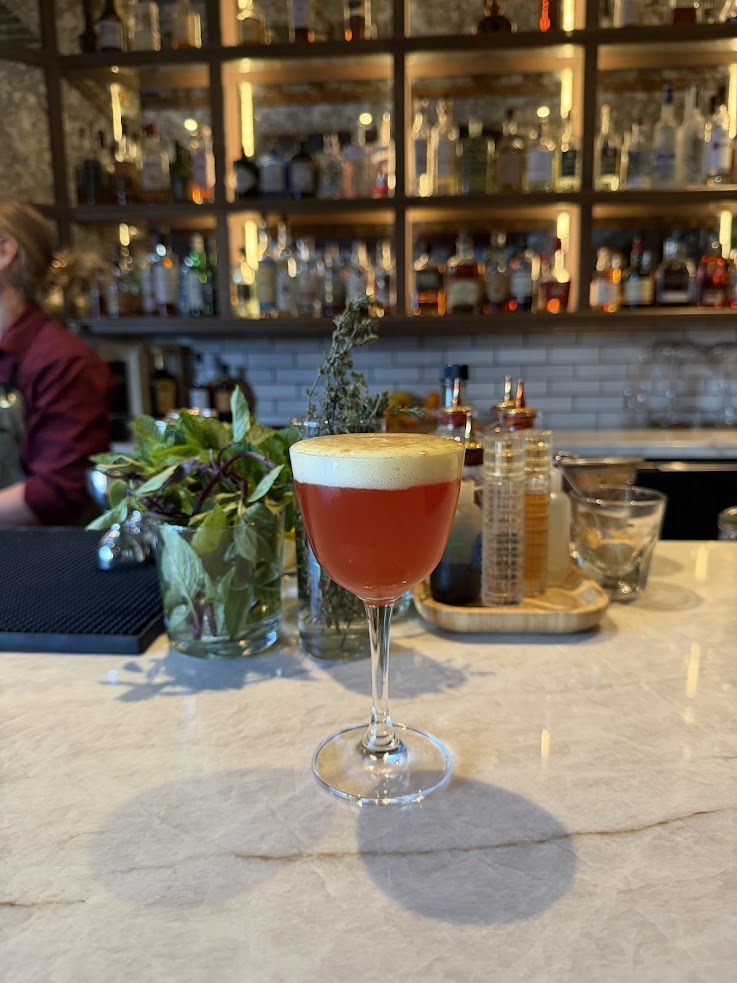
Wild Sage is the Rusty Parrot's in-house restaurant, where I enjoyed both dinner and breakfast during my stay. The seasonal menu changes with what's fresh, so every meal reflects what the kitchen is excited to cook.
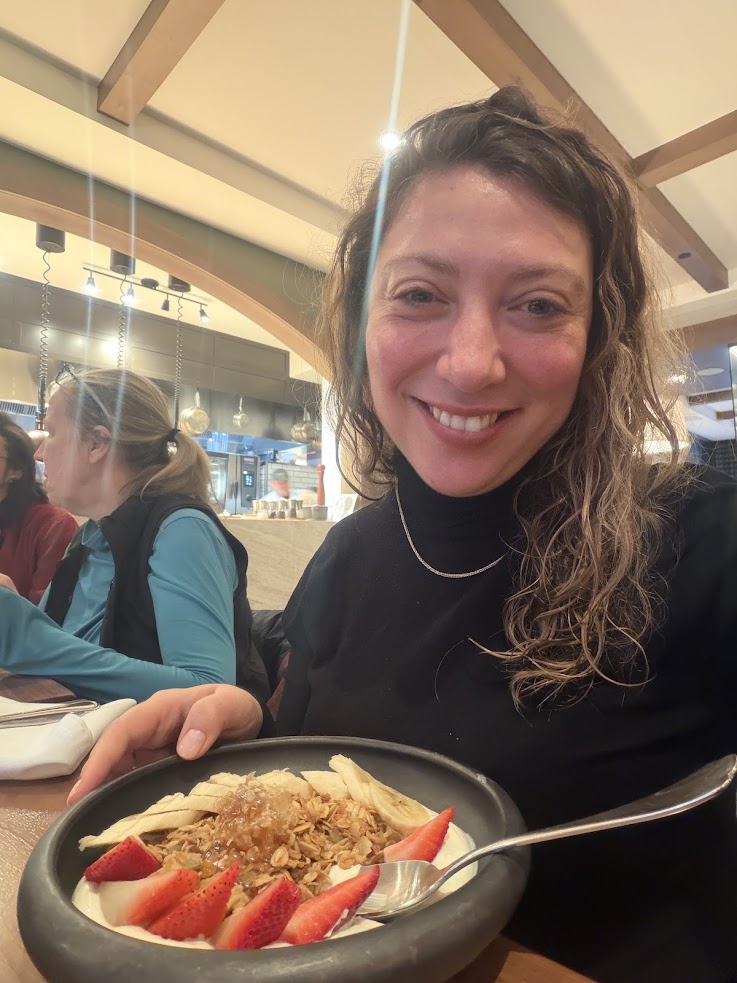
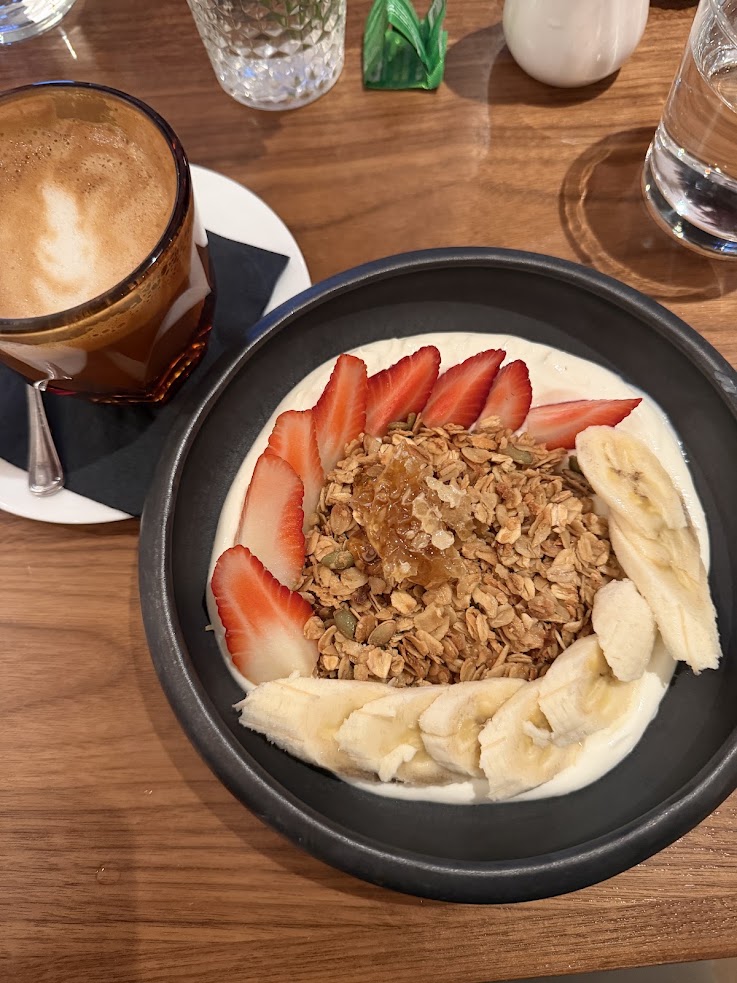
Breakfast was quiet and unhurried, while dinner felt refined without being formal. Like the lodge itself, the experience was warm and personal, and I cover it in more detail in my Rusty Parrot review.
Palate
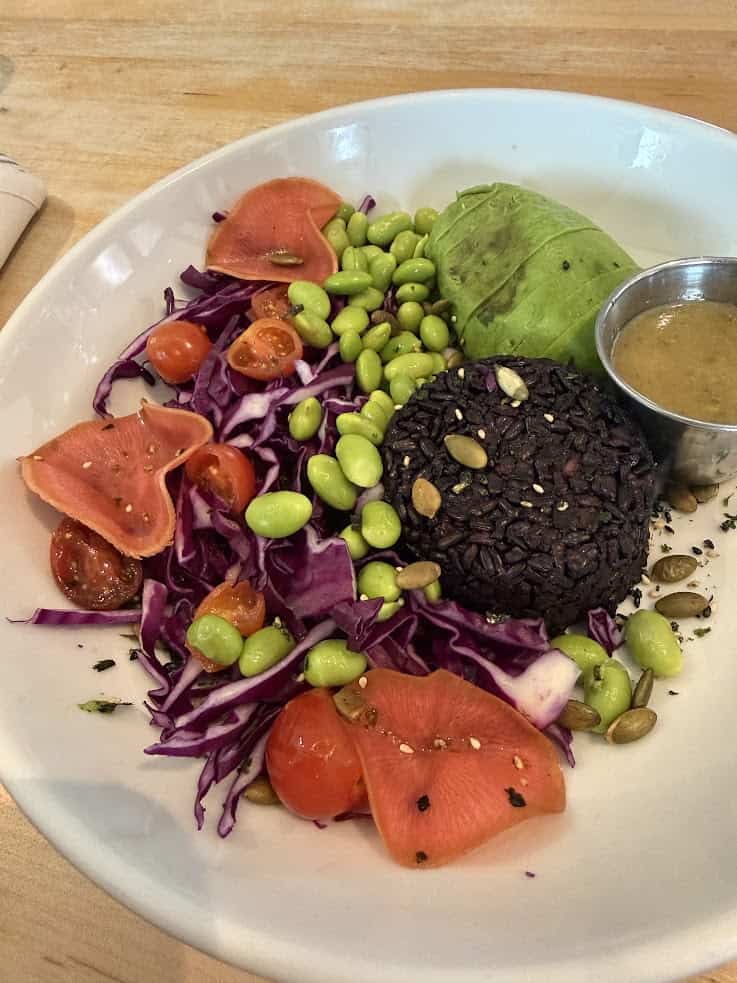
Located inside the National Museum of Wildlife Art, Palate pairs seasonal cuisine with sweeping views of the National Elk Refuge. The menu highlights regional ingredients and changes throughout the year, so no two visits are quite the same.
I came for the museum and stayed for lunch, which turned out to be one of the most memorable meals of my trip. Between the food, the scenery, and a glass of wine, it was easy to linger.
The Kitchen
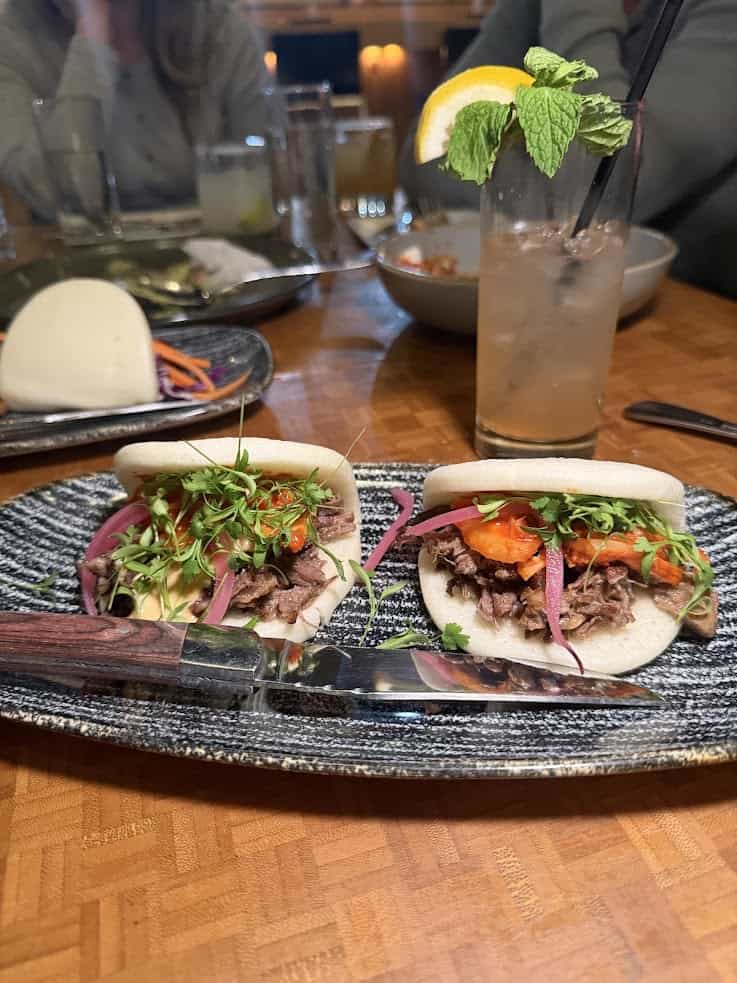
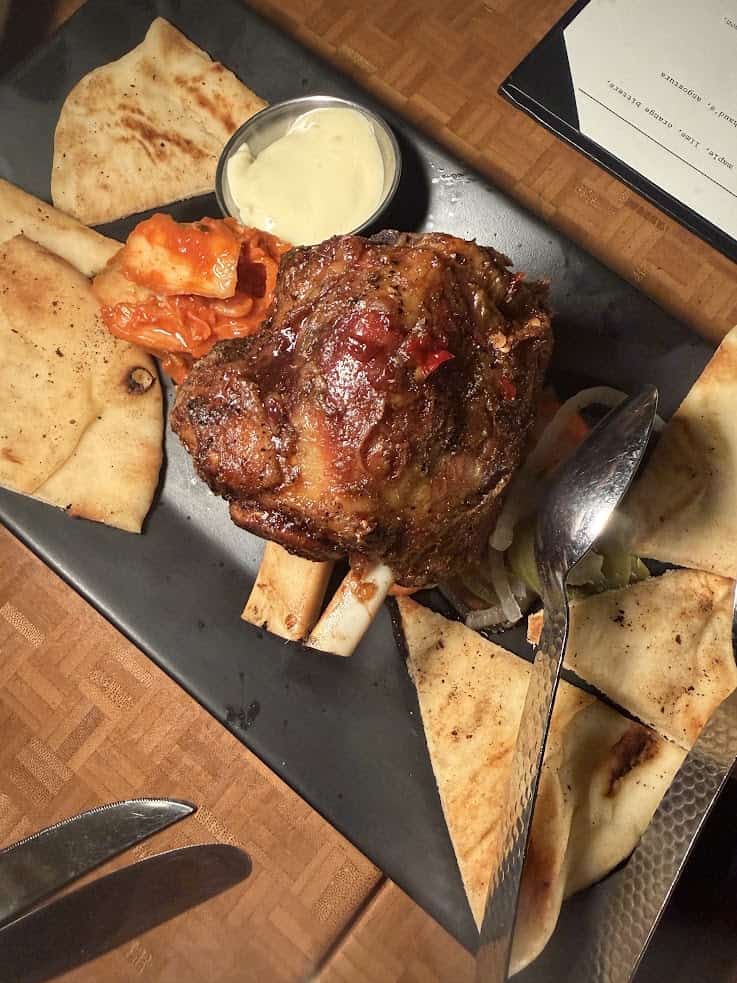
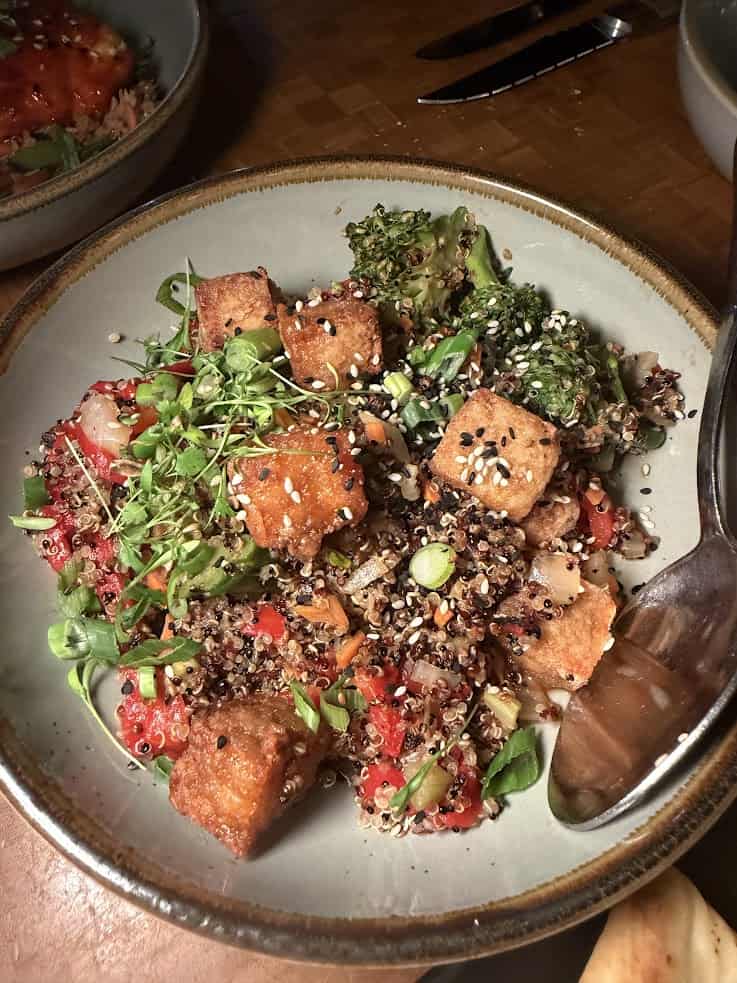
For contemporary American dining with global influences, head to The Kitchen.
The menu combines local ingredients with Asian-inspired flavors, from bao buns and shrimp toast to fresh seafood and expertly cooked steaks.
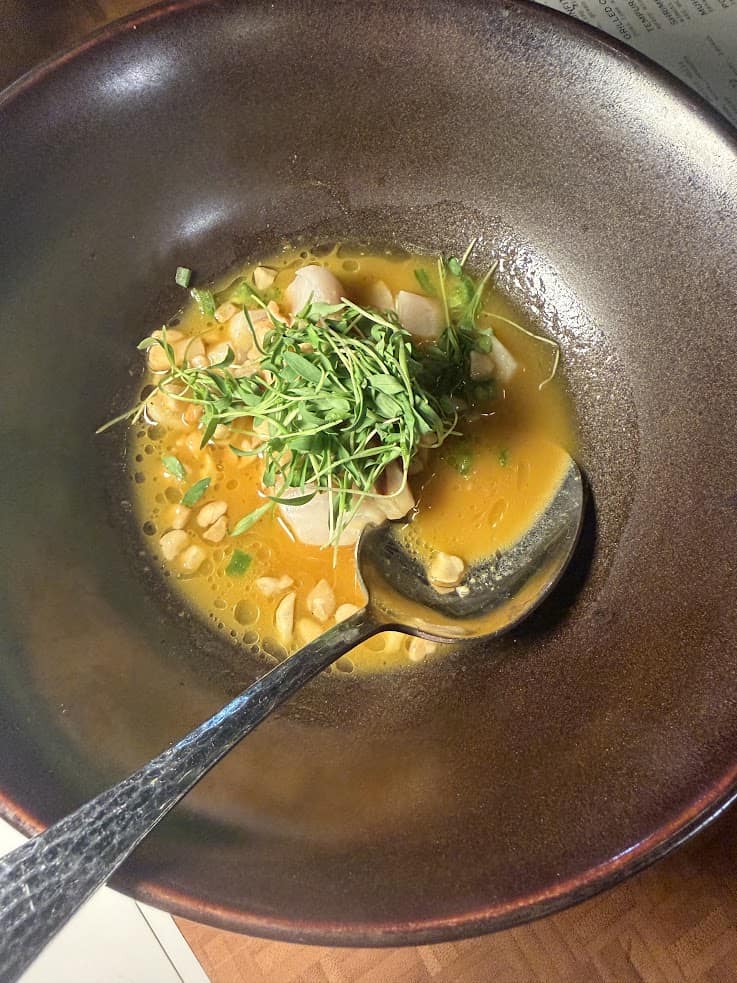
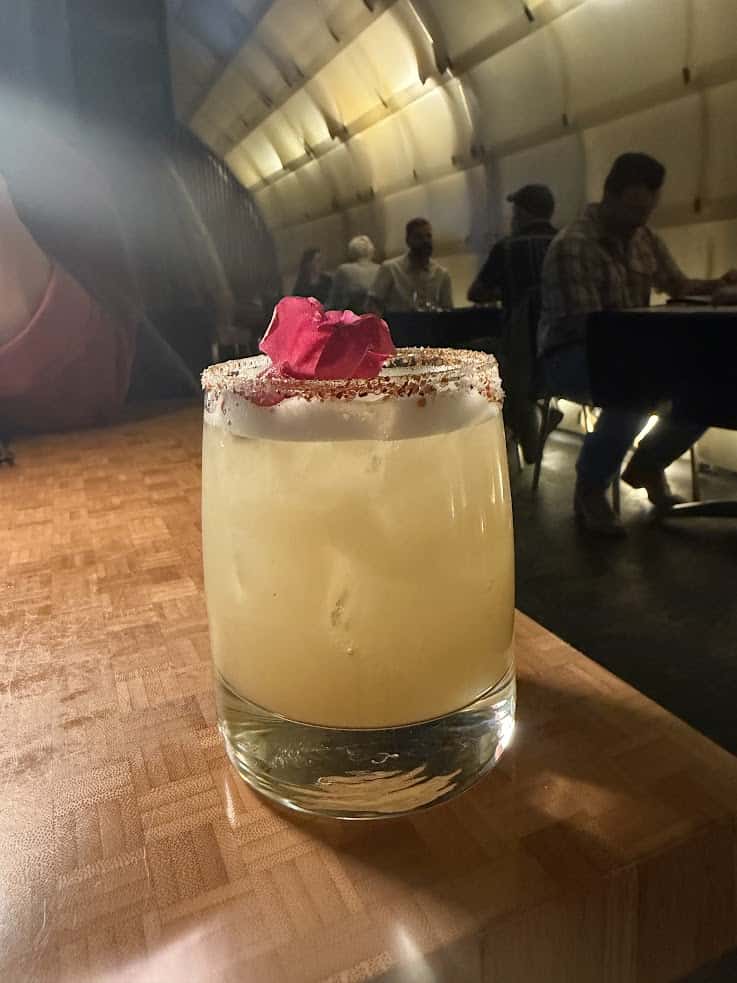
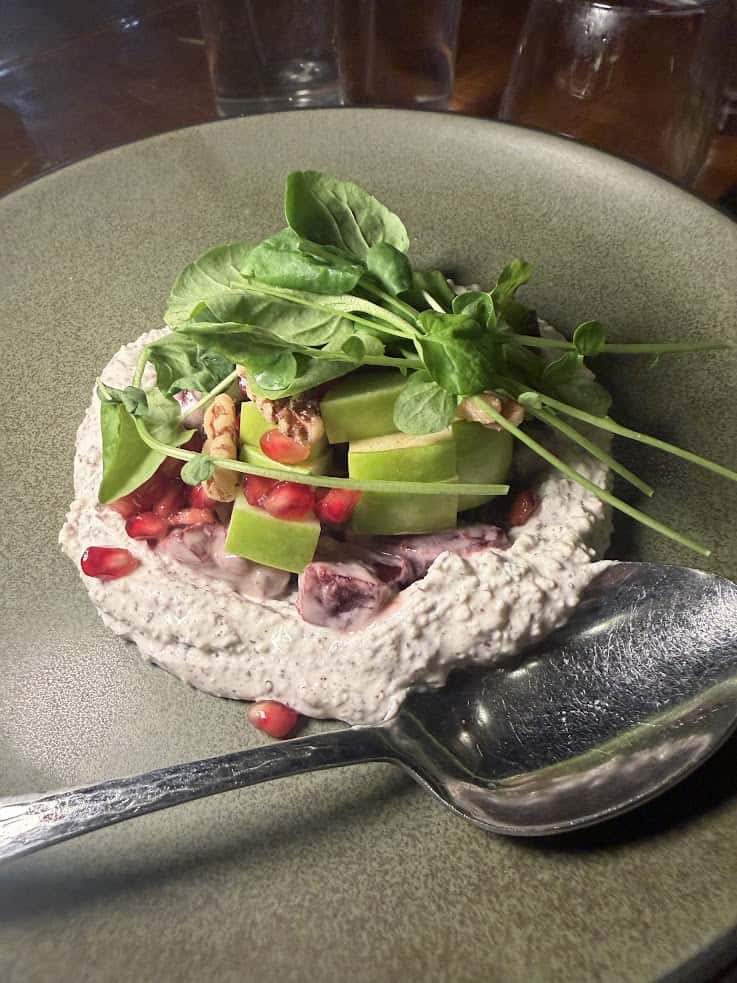
The atmosphere is lively yet relaxed, making it just as comfortable for a solo dinner at the bar as a meal with friends.
Bin22
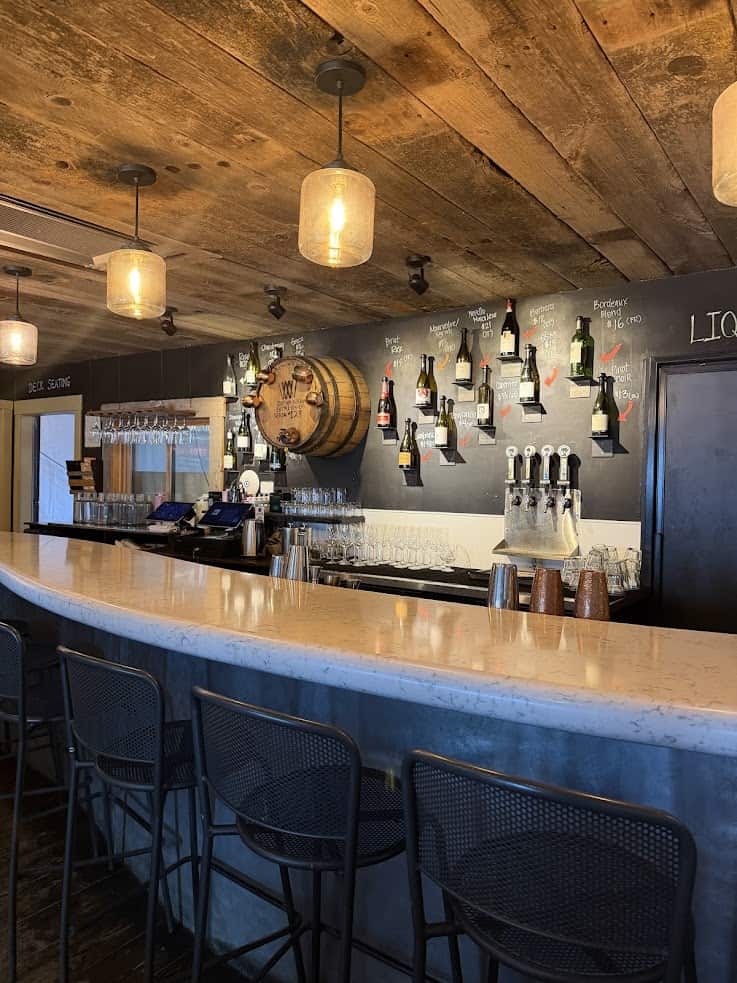
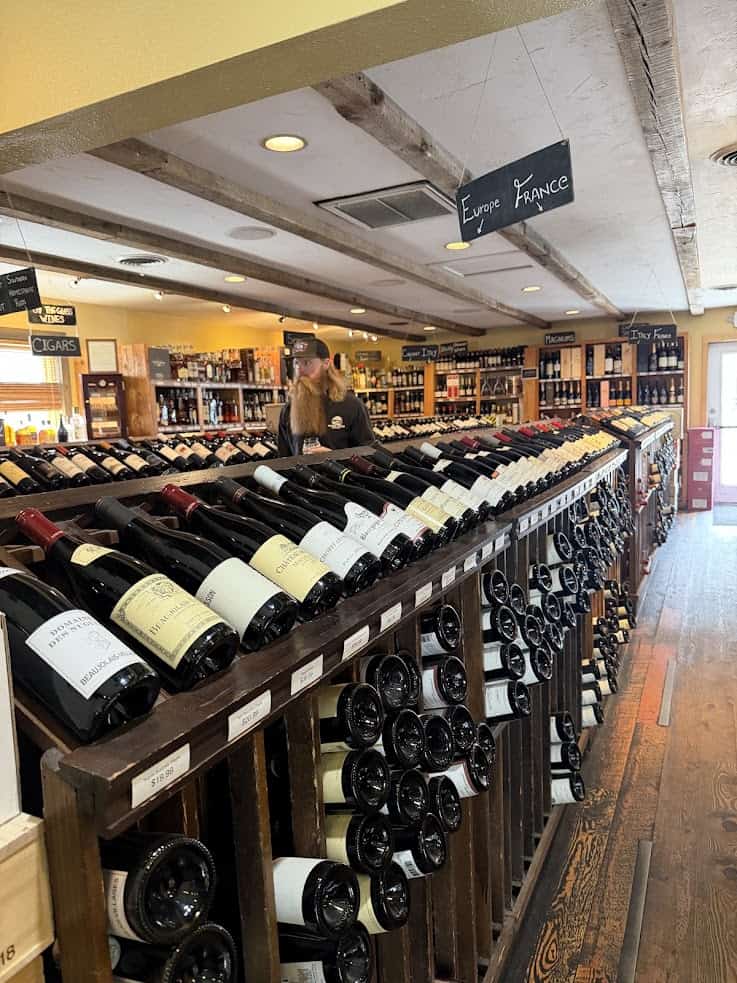
Part wine shop, part tapas bar, Bin22 became one of my favorite casual restaurants in Jackson Hole.
Shared plates like burrata, grilled octopus, patatas bravas, and steak skewers pair perfectly with the extensive wine list.
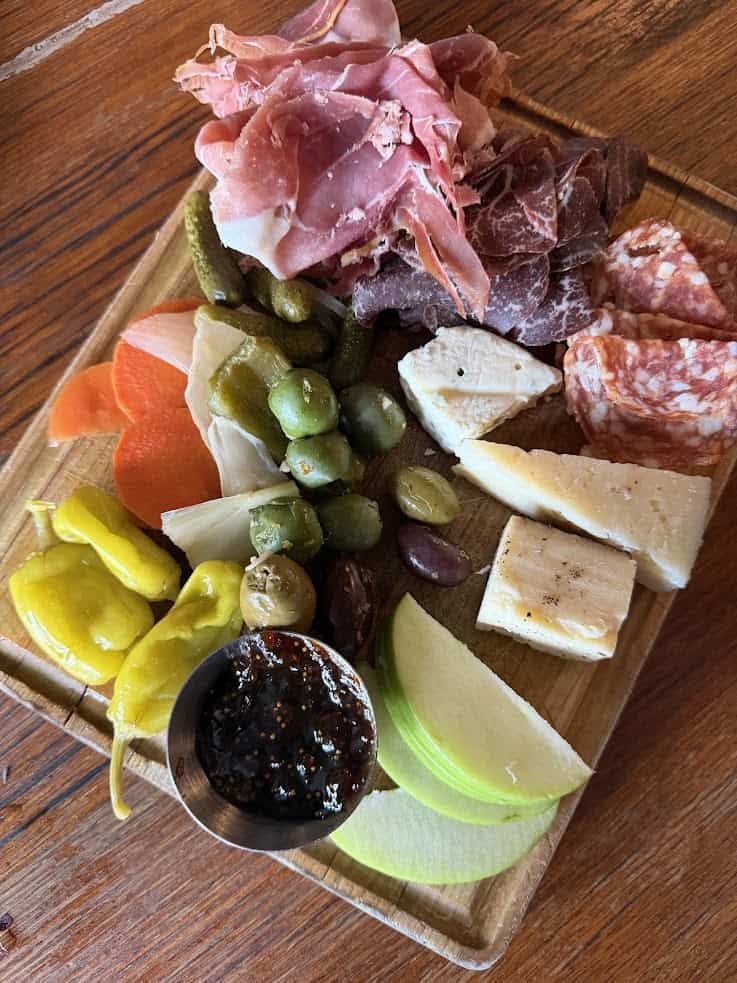
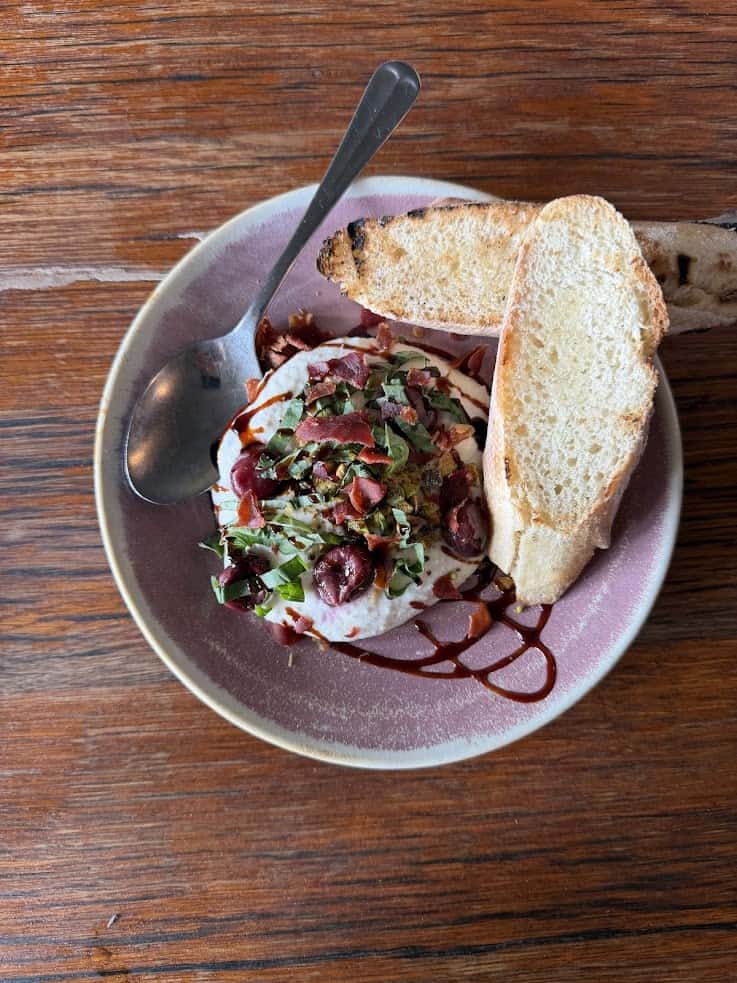
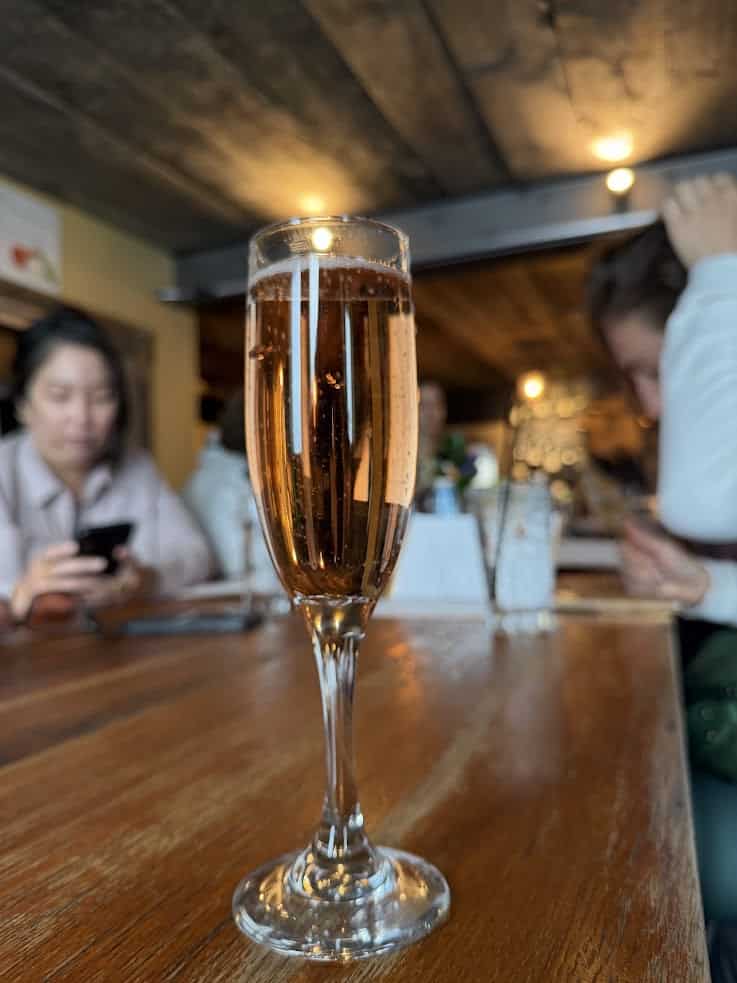
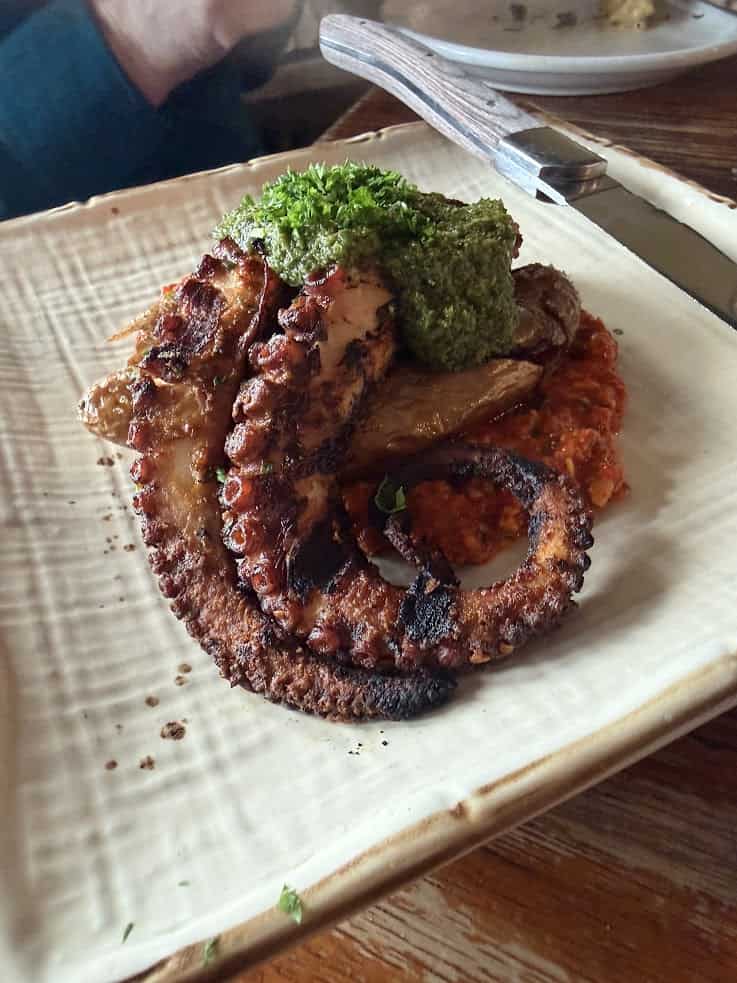
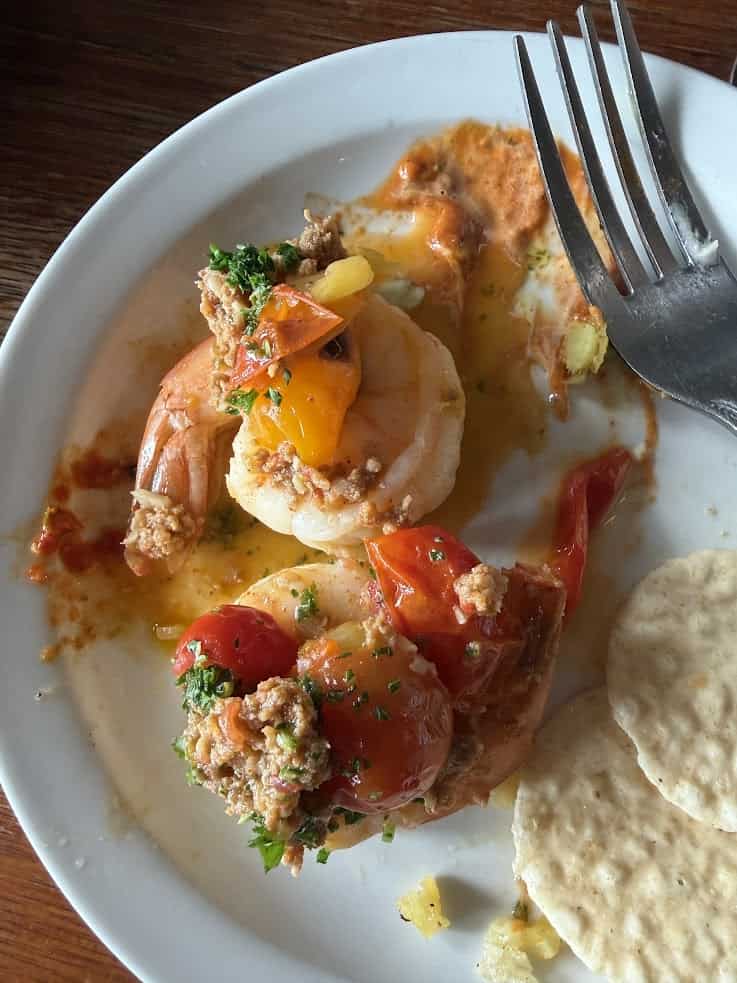

It feels more like a neighborhood spot than a tourist destination, and I stopped in for a light lunch that turned into a much longer afternoon.
Persephone Bakery
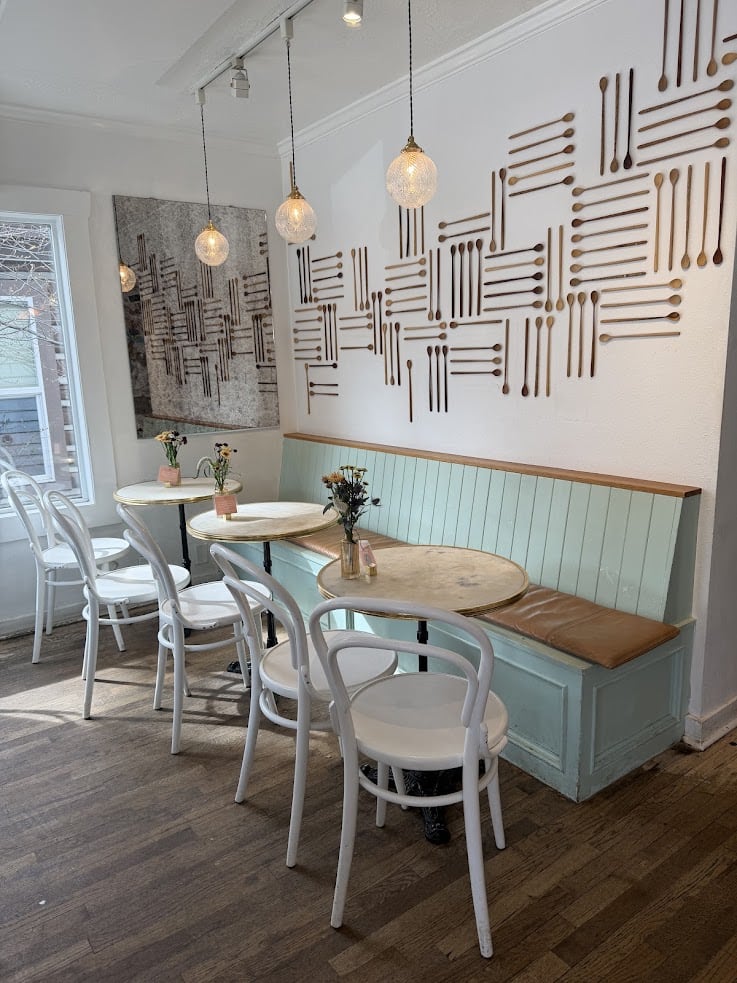
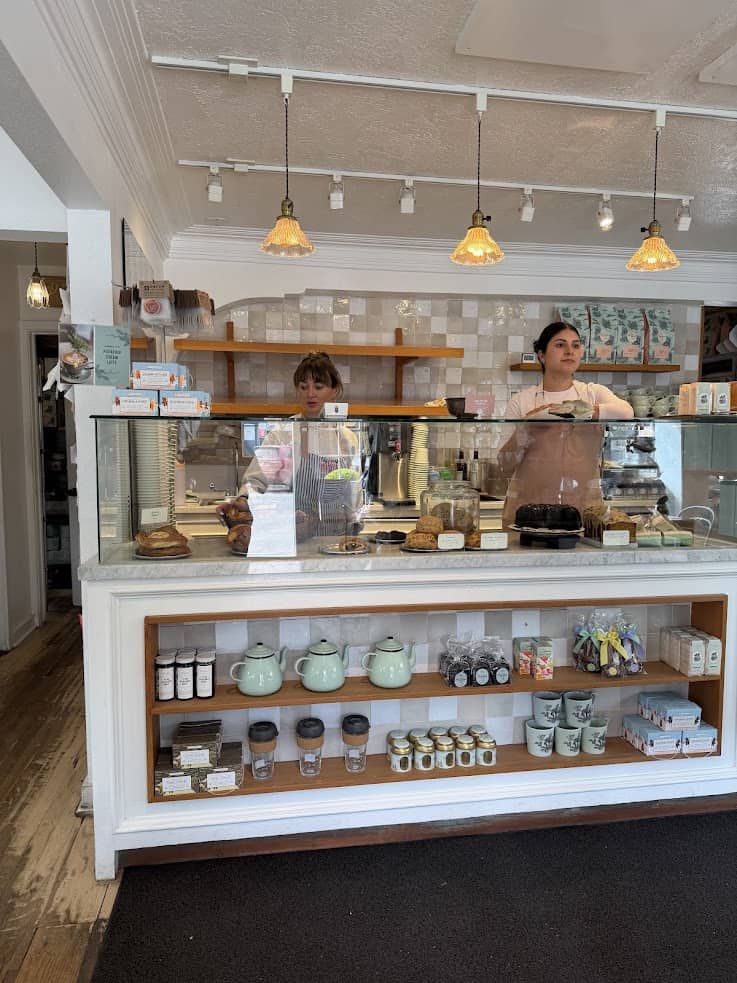
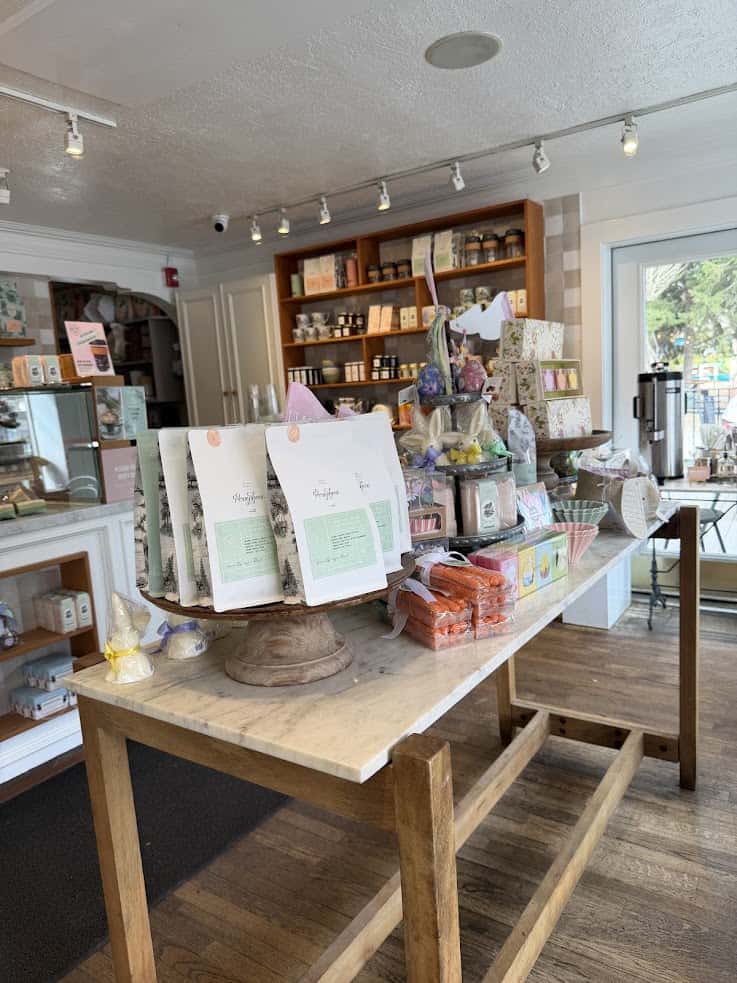
Persephone Bakery is one of Jackson Hole's most popular breakfast spots, and after one visit, I understood why. The bright café serves flaky croissants, fresh pastries, artisan breads, and excellent coffee in a cozy setting.
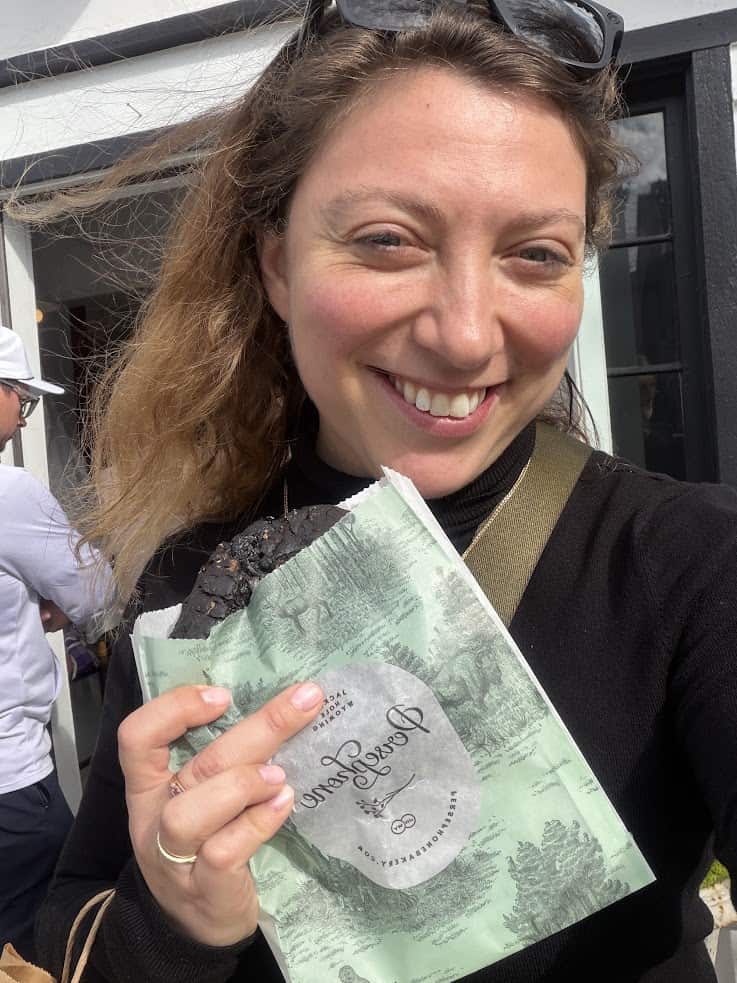
I grabbed a pastry and coffee before exploring town, and it was the perfect slow start to the day. Arrive early, especially during summer, as the bakery fills up quickly and favorite pastries often sell out.
Jackson Hole Travel Tips
A little planning goes a long way here. Between mountain weather, wildlife, and busy national parks, these tips help you make the most of a trip.
Budget for Your Trip
Jackson Hole isn't cheap, and lodging is usually the highest cost. Summer hotel rates run about $220 to $650 a night, and winter can be higher, so the spring and fall shoulder seasons save the most.
Budget for park fees too: a seven-day vehicle pass is $35 per park, while the $80 America the Beautiful Pass pays off across multiple parks in a year.
Dress for Changing Weather
Mountain weather shifts fast, even in summer, so pack layers for cool evenings once the sun drops behind the Tetons. The valley sits above 6,000 feet, so drink plenty of water and ease into your first day at altitude.
Respect Wildlife
Wildlife is a highlight, but keep a safe distance no matter how calm an animal looks. When hiking, carry water and snacks, and bring bear spray in bear country.
Until Next Time, Jackson Hole
I flew home with dust on my boots and a camera roll I still scroll through too often. What stays with me isn't one big moment but the mix: the sleigh gliding past elk, a milkshake at an old soda fountain, and the Tetons turning pink while I stood there alone and perfectly happy.
Take this Jackson Hole travel guide as a starting point, not a script. Give the parks more time than you think you'll need, leave room to wander, and slow down enough to notice where you are. That's the part you'll miss most once you leave.
Leave a Reply