
Fall weather in Canada can change quickly, especially in destinations where mountains, coastlines, or northern climates influence daily conditions. This article features Canadian destinations where fall weather is hard to predict, focusing on places where travelers may encounter sunshine, rain, strong winds, or even early snow within a short period. Packing for only one type of weather can leave visitors unprepared.
Changing conditions do not have to ruin a fall trip when travelers know what to expect. Checking forecasts regularly, dressing in layers, and keeping plans flexible can make sudden shifts easier to manage. Keep reading to see which Canadian destinations made the list and why fall weather can be especially unpredictable in each one.
Banff National Park, Alberta

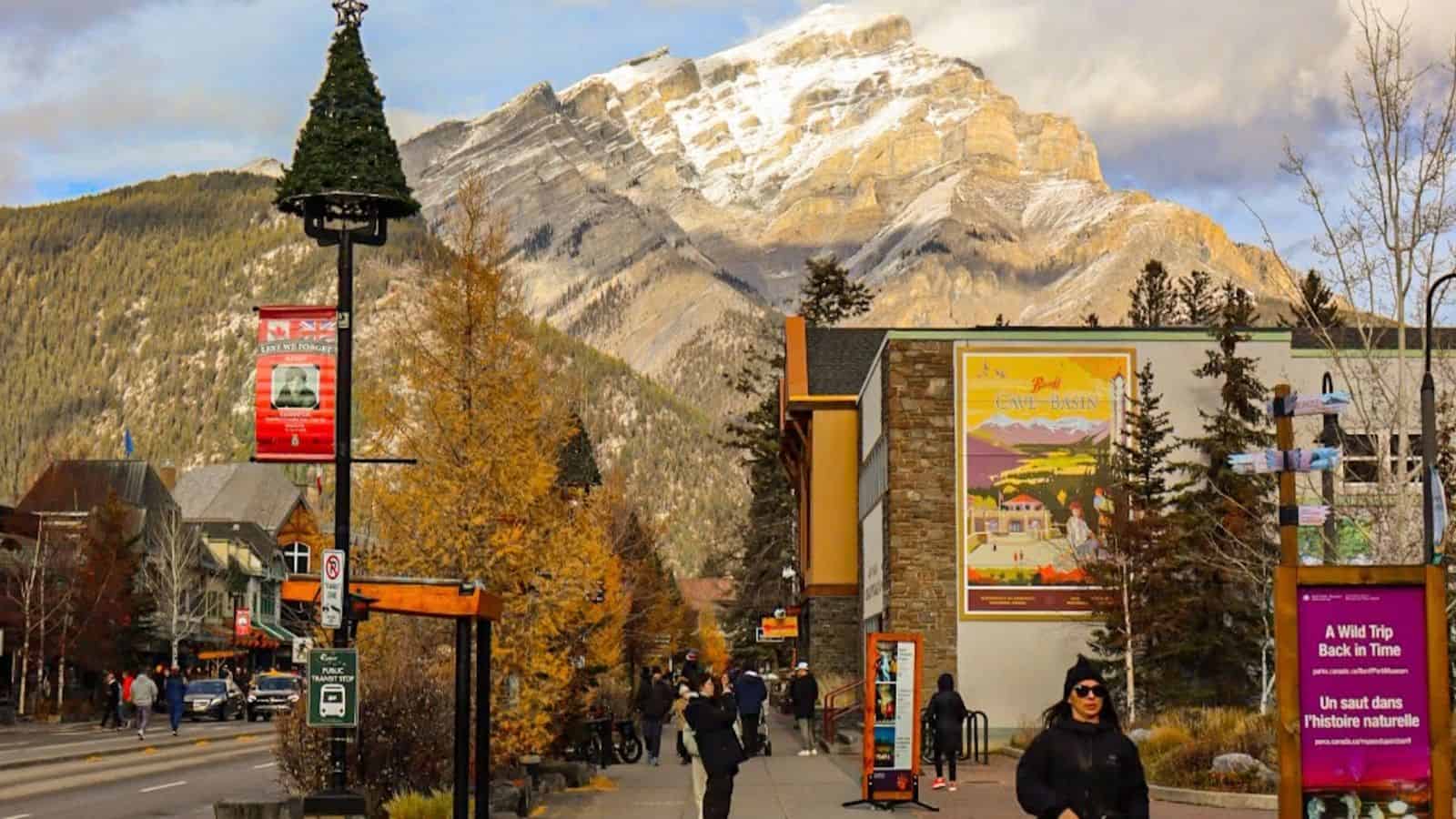
Fall in Banff can look completely different from one day to the next. September may bring mild afternoons and clear mountain views, but snow can arrive surprisingly early at higher elevations. Temperatures also drop quickly after sunset, and conditions at a trailhead may differ from those farther up the mountain. By October, winter-like weather becomes increasingly possible. Travelers should pack layers, check trail and road conditions each morning, and avoid building an itinerary that depends on several consecutive days of clear weather. Having lower-elevation alternatives can help when mountain conditions change.
Whitehorse, Yukon
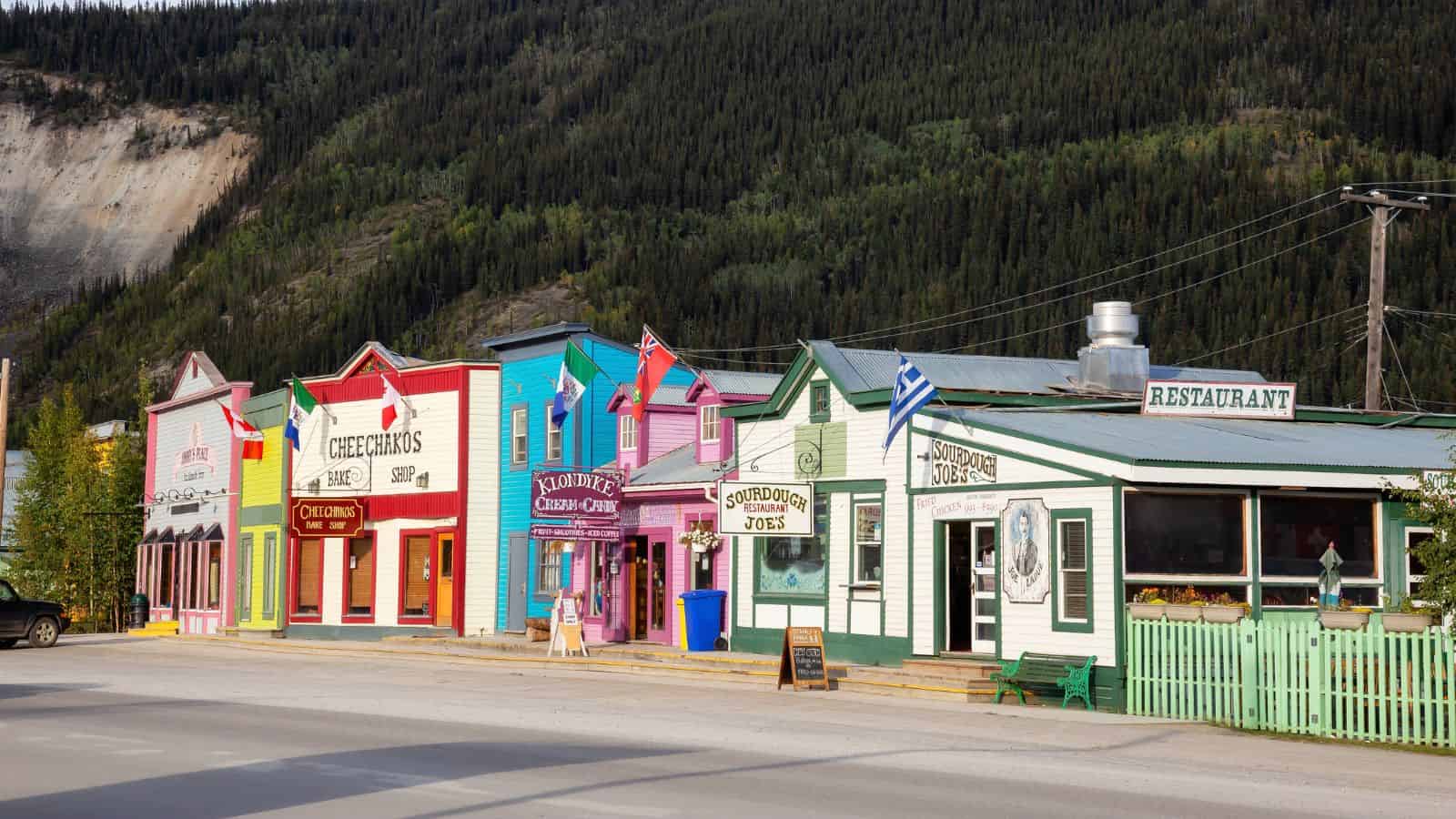
Fall moves quickly in Whitehorse, particularly compared with destinations farther south. September can bring crisp days and changing leaves, but freezing temperatures and early snow become increasingly possible as the season progresses. Daylight also decreases noticeably, affecting how much time travelers have for drives, hikes, and other outdoor plans. Conditions outside the city can be different from those in town, especially on longer routes through the Yukon. Warm layers, gloves, and appropriate footwear should be packed even for an early-fall trip. Travelers driving beyond Whitehorse should also check road conditions before setting out each day.
Prince Edward Island

Fall weather on Prince Edward Island is heavily influenced by its coastal location. September can bring mild days suited to driving and coastal walks, but wind and rain can change conditions quickly. As the season moves toward October and November, temperatures fall and storms become a greater consideration. Strong coastal winds can also make an otherwise moderate temperature feel much colder. Travelers should keep rain gear in the car and avoid planning every outdoor stop for one specific day. Seasonal attractions and businesses may also begin reducing their hours, so weather is not the only variable worth checking.
Jasper National Park, Alberta

Jasper's mountain setting makes fall weather difficult to judge from a forecast alone. Conditions vary with elevation, and higher trails can encounter snow while valleys remain relatively mild. Cold mornings may turn into comfortable afternoons before temperatures fall sharply again after sunset. Rain, snow, fog, and low cloud can also reduce visibility along scenic drives. Travelers should check current road and trail information rather than assuming early fall means summer conditions will continue. Packing for several types of weather and keeping the daily schedule flexible is particularly important when outdoor activities make up most of the itinerary.
Vancouver, British Columbia

Vancouver's fall weather becomes increasingly difficult to plan around as the season progresses. September can still bring stretches of dry, mild weather, but October and November generally introduce more frequent rain and cloud cover. Conditions can change during the same day, particularly when weather systems move in from the Pacific. That matters if your plans depend on views of the surrounding mountains or long periods outdoors. A waterproof jacket and shoes are more practical than relying solely on an umbrella. Keeping museums, markets, cafés, and other indoor activities available as backups makes rainy days easier to manage.
Want to save this?
St. John's, Newfoundland and Labrador

Atlantic weather gives St. John's an especially changeable fall season. Fog, rain, strong winds, and cooler temperatures can arrive quickly, affecting coastal walks and viewpoints around the city. A morning that begins with decent visibility may look completely different several hours later. Wind can also make temperatures feel colder than the forecast suggests. Travelers planning drives along the coast should leave room to move activities between days rather than relying on one specific weather window. Waterproof layers and sturdy footwear are useful, particularly for anyone planning to spend time on exposed trails or near the shoreline.
Calgary, Alberta

Calgary is well known for abrupt temperature changes, and fall makes those swings especially noticeable. Its location near the Rocky Mountains means warm, sunny conditions can give way to colder weather surprisingly quickly. Snow is possible during autumn, but warmer periods can return afterward rather than marking the beginning of continuous winter. That makes packing for a Calgary trip more complicated than simply checking the seasonal average. Travelers heading from the city toward the mountains should prepare for even greater differences. Layers, weather-resistant footwear, and frequent forecast checks are useful when planning both city days and day trips.
Niagara Falls, Ontario

Niagara Falls can have pleasant fall days, but travelers should be prepared for a mix of sunshine, rain, wind, and rapidly changing temperatures. The mist around the falls can make cool days feel colder, especially when combined with stronger winds. September may still feel relatively warm, while conditions become noticeably cooler as October progresses. Rain can also affect how comfortable it is to spend long periods at outdoor viewpoints. Packing a waterproof outer layer is useful even when rain is not expected. Travelers planning boat rides and other seasonal activities should also check operating schedules as autumn advances.
Quebec City, Quebec

Fall is a popular time to visit Quebec City, but temperatures can swing considerably throughout the season. September afternoons may still feel warm, while October brings cooler days, rain, and the possibility of much colder mornings and evenings. Weather can also shift during a full day of walking, making layers especially useful around Old Quebec and nearby parks. Rain can make steep streets and stone surfaces slippery, so footwear matters as much as outerwear. Travelers hoping to see fall foliage should remember that peak color varies each year according to temperatures and other seasonal conditions.
9 Countries Where Tourists Need a Backup Plan

Even a carefully planned trip can change quickly when transportation, weather, closures, or local conditions do not cooperate. This article features countries where tourists need a backup plan, focusing on destinations where delays and unexpected changes can make rigid itineraries difficult to follow. Having another option ready can prevent one problem from disrupting an entire day.
Read More Here: 9 Countries Where Tourists Need a Backup Plan
10 Countries Where $100 a Day Still Goes Surprisingly Far

This article features countries where $100 a day still goes surprisingly far, focusing on destinations where accommodation, meals, local transportation, and activities can remain relatively affordable. Careful travelers may find they can enjoy a comfortable trip without constantly worrying about every expense.
Read More Here: 10 Countries Where $100 a Day Still Goes Surprisingly Far



Leave a Reply