
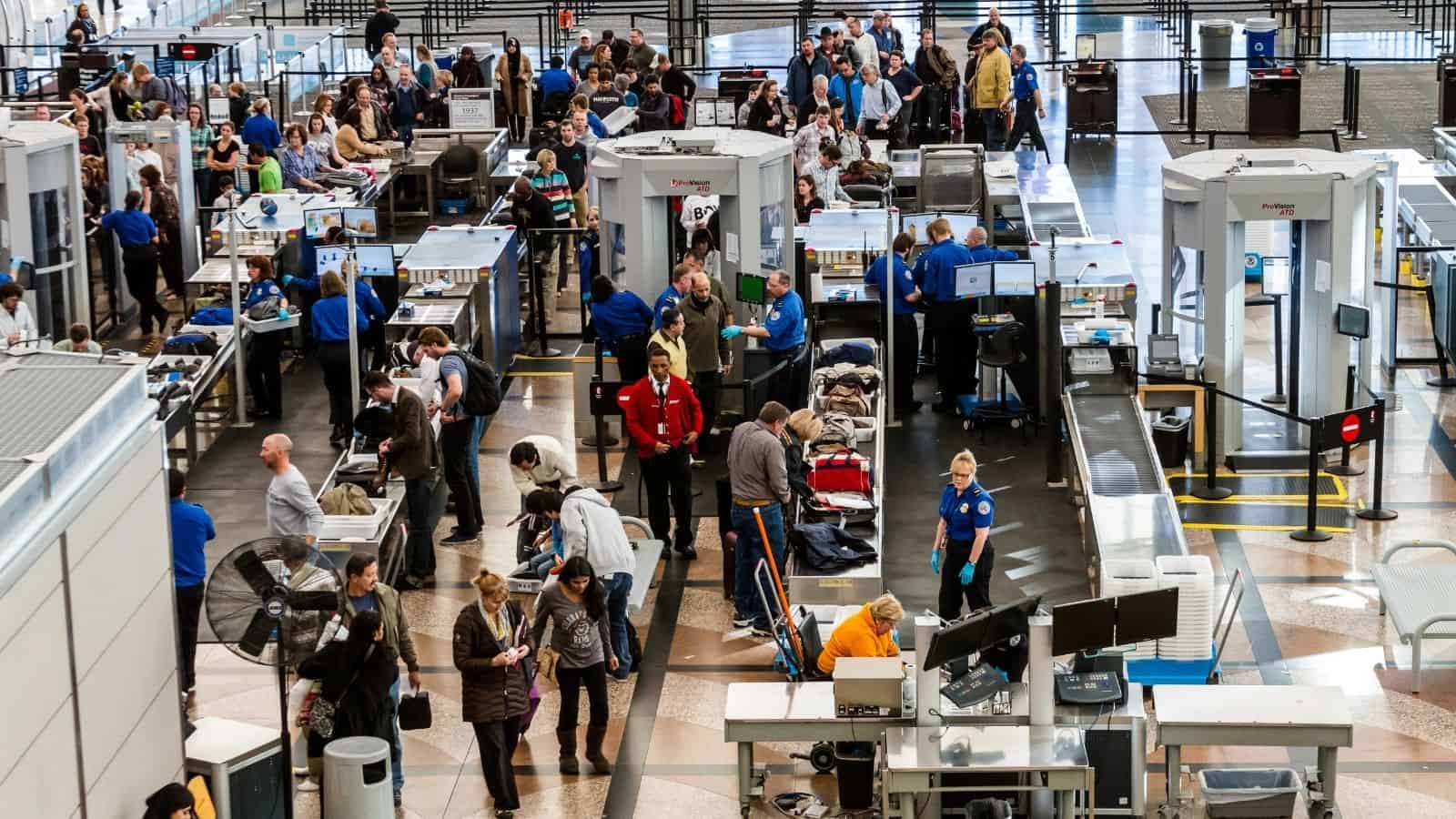
Packing a carry on can seem straightforward until security steps in. This article features items airport security will take from your carry on, focusing on common objects travelers bring without realizing they break airport screening rules. Even everyday items can be confiscated if they do not meet safety guidelines.
Knowing what security officers look for can help travelers avoid delays and prevent losing personal belongings. A quick review before heading to the airport can make the screening process smoother. Keep reading to see which items frequently get taken at checkpoints and why they are not allowed through security.
Golf Clubs

Golf clubs are not allowed in carry-on luggage because of their size and the possibility that they could be used as blunt objects. Even a single club will be flagged during screening. Travelers heading to tournaments or golf trips must pack their equipment in checked baggage instead. Airlines often recommend using a hard-sided travel case to protect clubs during transport. Attempting to bring one through security will almost always result in it being removed from the bag. Checking airline baggage policies ahead of time is important, as sports equipment can be subject to weight limits or additional fees depending on the carrier.
Camping Stoves

Camping stoves often cause issues at security checkpoints, even when they are empty. Residual fuel odor or trace fuel particles can trigger alarms during screening. Security officers may deny the item if they detect any signs of fuel contamination. Travelers bringing a camping stove should clean it thoroughly to remove residue before packing. Even with cleaning, some stoves are still flagged due to their design. Packing the stove in checked luggage is generally the safest option. Fuel canisters themselves are not permitted in either carry-on or checked baggage, so travelers need to plan to purchase fuel after arrival.
Cremated Remains

Transporting cremated remains requires careful preparation. Security screening allows cremated remains in carry-on luggage only if the container can pass through X-ray machines. Containers made from materials such as plastic or cardboard usually work best because they allow scanners to see inside. Metal urns or opaque containers may block the view of the contents, which can cause the item to be rejected. Security agents are not permitted to open the container for inspection. Travelers carrying remains should also bring documentation such as a cremation certificate to help avoid delays during screening.
Foam Toy Swords or Guns

Toy weapons can create problems during airport screening, even when they are clearly designed for children. Foam swords, toy guns, and similar items sometimes resemble real weapons on X-ray images. Because security rules prioritize caution, these items may be removed from carry-on bags. Families traveling with children often discover this rule at the checkpoint. Packing toy weapons in checked baggage is the safest way to avoid confiscation. This approach prevents confusion during screening and keeps the toys from being taken away before boarding.
Jars of Peanut Butter

Peanut butter falls under liquid restrictions for carry-on bags. Although it appears solid, security classifies it as a spreadable substance. Any container larger than 3.4 ounces will be confiscated if it is in a carry-on bag. Even jars that are only partially full are not allowed if the container itself exceeds the size limit. This rule often surprises travelers who assume it behaves like a solid food. Larger jars should be packed in checked luggage, while smaller travel-size portions can pass through security.
Surge Protectors With Extension Cords

Large surge protectors with attached cords sometimes attract additional screening at checkpoints. Their wiring and bulky shape can appear unusual during X-ray scans. Some models may also raise concerns related to electrical safety in the cabin. While they are not always prohibited, they can be removed for closer inspection. Travelers who want to avoid delays often pack them in checked luggage instead. If carrying one in a bag, it should be in good condition with no exposed wires or visible damage.
Want to save this?
Bowling Pins

Bowling pins are rarely considered travel items, but they occasionally appear in carry-on bags for competitions or demonstrations. Security agents typically flag them because they are solid, heavy objects that could be used as blunt instruments. While bowling balls are often permitted in carry-on bags, the pins themselves usually are not. Travelers transporting bowling equipment should place pins in checked luggage. Separating equipment in this way helps prevent problems at the security checkpoint.
Magic 8 Balls

Magic 8 Balls contain liquid sealed inside their plastic casing. The amount of liquid inside exceeds the permitted limit for carry-on liquids. Because the liquid cannot be separated or reduced, security officers will usually confiscate the toy if it is discovered in hand luggage. Many travelers are unaware that the toy contains liquid until it is flagged during screening. Anyone traveling with one should pack it in checked baggage instead.
Canned Foods

Canned foods can create problems during airport security checks because of the liquid inside the container. Soups, sauces, and similar foods are treated as liquids under security guidelines. Containers larger than 3.4 ounces will not be allowed in carry-on bags. In addition, metal cans can slow the screening process because they require additional inspection. Travelers carrying specialty foods or homemade items should pack them in checked baggage to avoid confiscation at the checkpoint.
Cast-Iron Cookware

Cast-iron pans are prohibited in carry-on luggage due to their heavy, solid construction. Security considers them potential blunt objects that could pose a safety risk in the cabin. Travelers sometimes try to carry them on board to prevent damage during transit, but security agents usually remove them during screening. Anyone traveling with cast-iron cookware should pack it carefully in checked luggage with protective padding to prevent damage during transport.
Top 10 Most Expensive Places to Live in the World

A trip to the most expensive places. Some places in the world come with a very high price tag, and knowing the top 10 most expensive places to live can help us understand why. These locations often have sky-high real estate prices and costly living expenses, making them popular spots for wealthy residents and visitors alike. By exploring these cities, we can see not just how much they cost, but also the unique lifestyles and opportunities they offer to those who call them home.
Read More Here: Top 10 Most Expensive Places to Live in the World
11 Countries With Smart Economies That Might Surprise You

Countries that are doing it better than others. Smart economies are often associated with global powerhouses like the United States, Germany, or Japan, but there are other countries with surprisingly strong economies that may not be as well known. These 11 countries with smart economies, which might surprise you, have employed innovative policies, strategic investments, and forward-thinking leadership to build thriving markets. They’ve found creative solutions to global challenges and leveraged their unique strengths to establish themselves as economic leaders in unexpected ways.
Read More Here: 11 Countries With Smart Economies That Might Surprise You




Leave a Reply