
Language expectations can shape how confident a trip feels. This article features destinations where first-time visitors expect more English than they get, focusing on places where signage, menus, and daily interactions rely far less on English than travelers assume. In these destinations, even simple tasks can feel harder without preparation.
Knowing where English is less commonly used can help travelers plan ahead and avoid frustration. Learning a few basics or adjusting expectations can make a big difference. Keep reading to see which destinations made the list and what first-time visitors often wish they had known.

France

In France, many first-time visitors assume English will be widely used because of tourism volume. While English is common in hotels and major attractions, it drops off quickly in neighborhood cafés, local shops, and smaller towns. Menus, signage, and announcements are often French-only. Service interactions tend to begin in French, and switching to English is not automatic. Travelers who expect full English accommodation sometimes mistake cultural reserve for unfriendliness. France works best when visitors attempt basic phrases and adjust expectations. English exists, but it is not the default in everyday life.
Japan
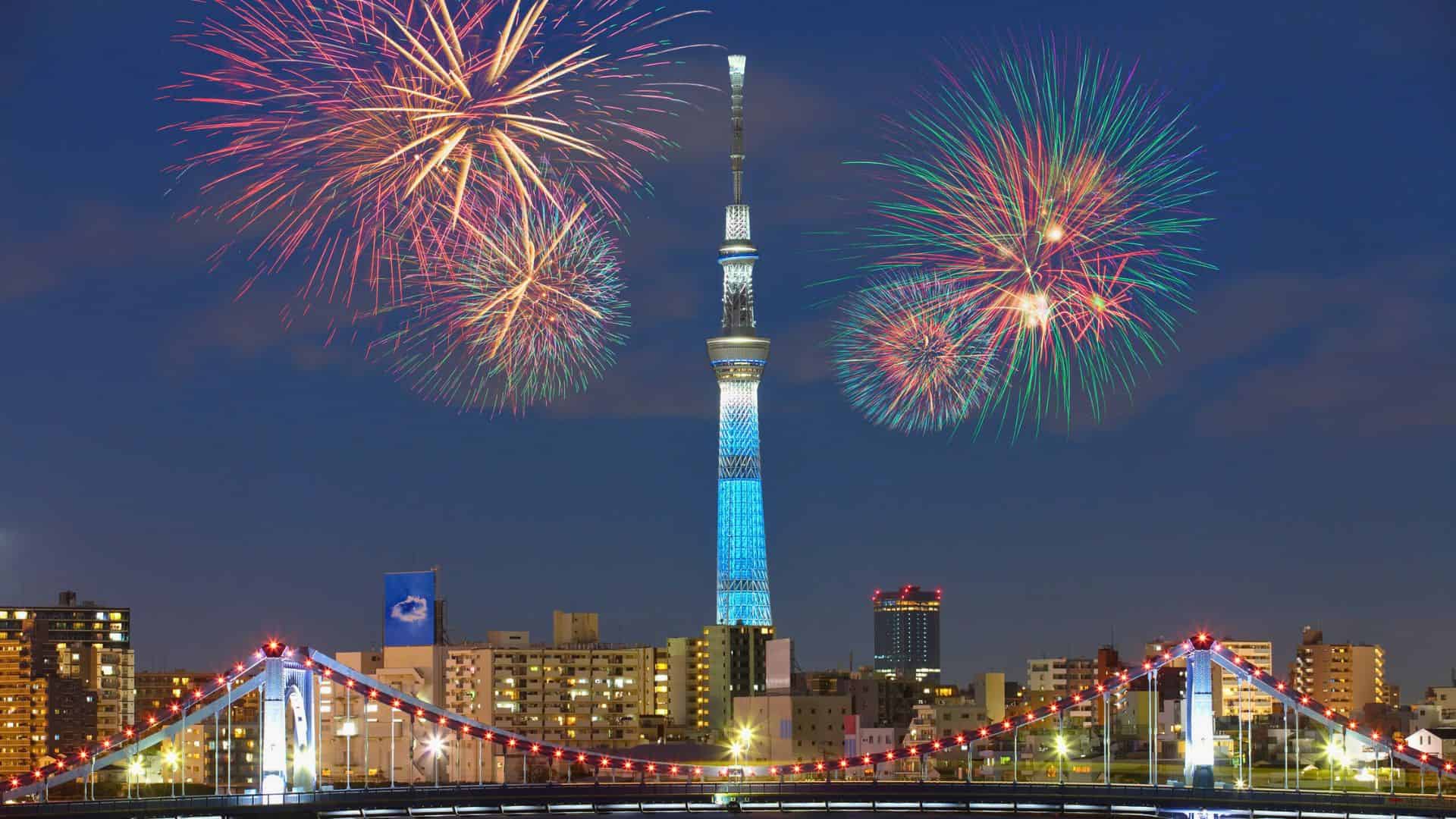
Japan surprises first-time travelers because English presence is uneven. Major train stations and tourist hubs include English signage, but daily interactions often do not. Restaurants, neighborhood shops, and rural areas rely almost entirely on Japanese. Staff may understand some English but feel uncomfortable speaking it. Written English can also be limited or overly formal. Travelers expecting conversational fluency often struggle with menus, directions, and explanations. Japan rewards preparation, visual communication, and patience. English support exists structurally, but not socially, which can feel unexpected for first-time visitors.
South Korea
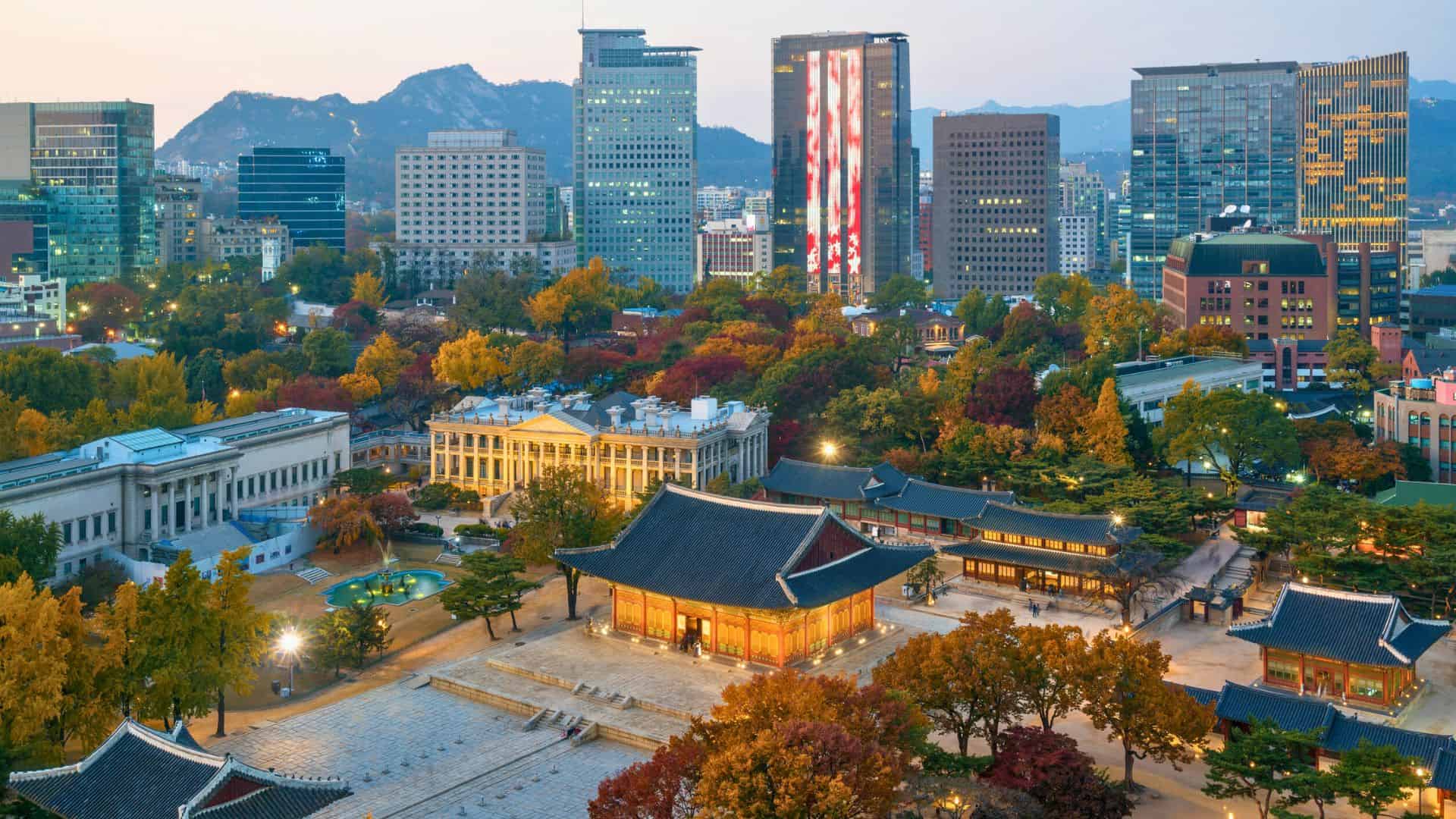
South Korea’s modern image leads many visitors to expect widespread English, especially in Seoul. While younger people often study English, daily use remains limited. Outside major tourist zones, signage, menus, and announcements are frequently Korean-only. Service staff may understand basic requests but avoid extended conversation. Travelers often find that English drops sharply once they leave popular neighborhoods. Translation apps become essential quickly. South Korea is navigable without Korean, but it requires adjustment. Expecting easy English communication can create frustration, especially in local restaurants and transit situations.
Morocco
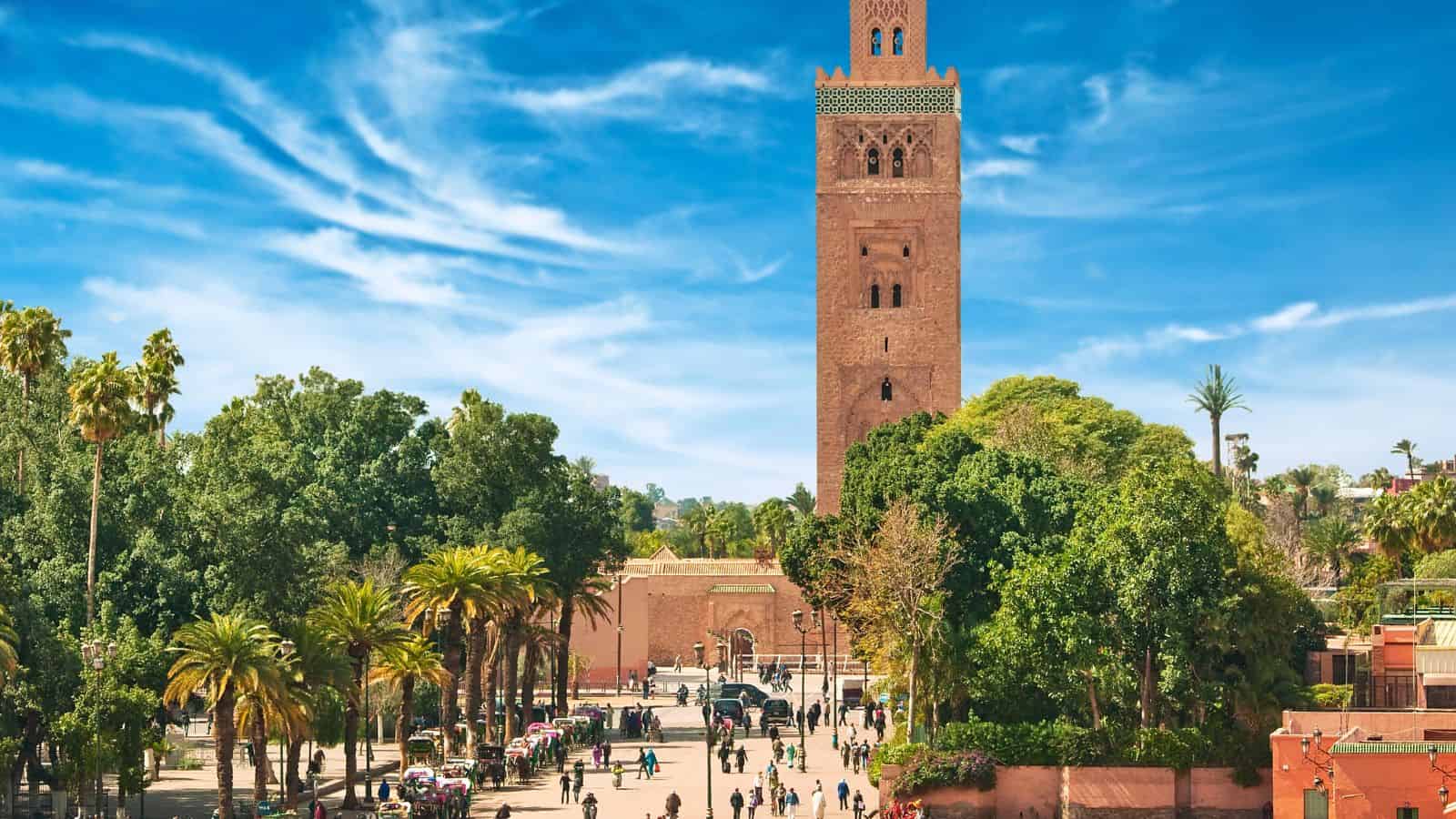
Morocco often surprises visitors who expect English to be the main tourist language. In reality, French and Arabic dominate daily life. While English is spoken in some riads, tours, and shops, it is far from universal. Street signs, menus, and official communication are often not in English. In medinas and smaller towns, French is usually the fallback language. Travelers who rely solely on English can struggle with directions, prices, and logistics. Morocco works best when visitors recognize that English is present but secondary in most interactions.
Italy

Italy’s popularity gives first-time visitors the impression that English will be widely spoken. While many Italians understand basic English, especially in tourist areas, conversations often default to Italian. Outside major cities and attractions, English becomes less common quickly. Menus, announcements, and signage may not include translations. Service interactions tend to be brief and functional rather than explanatory. Travelers expecting detailed English guidance often feel unprepared. Italy rewards flexibility and observation. English helps, but it is not consistently available in everyday settings.
Want to save this?
Thailand
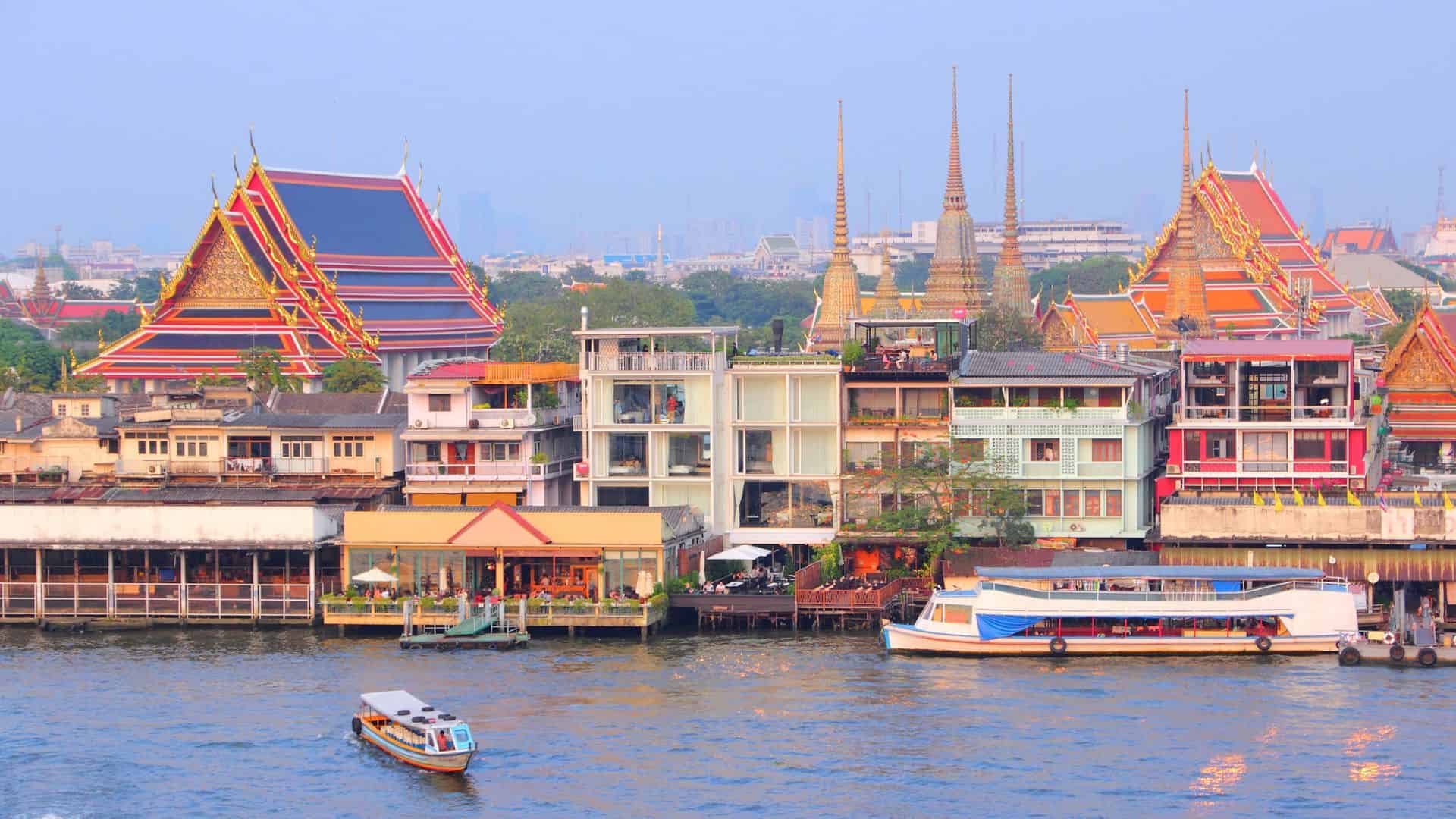
Thailand is often marketed as an easy destination, which leads many first-time visitors to assume English is widely spoken. In reality, English is common in hotels, major tours, and popular tourist streets, but it drops off quickly elsewhere. Local restaurants, markets, and transportation hubs often operate almost entirely in Thai. Staff may understand simple words but struggle with full questions or explanations. Outside Bangkok and resort areas, English signage becomes rare. Thailand remains welcoming, but travelers who expect smooth English communication everywhere often feel unprepared without translation tools.
Turkey

Turkey surprises many visitors because English usage varies dramatically by region. In major tourist centers, English is present but not dominant. In everyday interactions, Turkish is the default, and staff may know only basic phrases. Outside coastal resorts and historic centers, English signage and conversation become limited quickly. Travelers often expect easier communication due to Turkey’s popularity, then struggle with directions, transport, and menus. Turkish hospitality is strong, but language support is not automatic. Visitors benefit from learning simple phrases or relying on visual communication.
Portugal

Portugal is often described as English-friendly, which can create unrealistic expectations. While many people speak English, especially in Lisbon and Porto, daily interactions still default to Portuguese. Menus, announcements, and local signage may not be translated. In smaller towns and traditional neighborhoods, English proficiency drops noticeably. Travelers sometimes confuse politeness with fluency. Portugal is easier than many destinations, but English is not universal. Visitors who expect constant English support may struggle outside tourist corridors, especially in local transport and neighborhood dining.
Vietnam

Vietnam challenges visitors who expect English to be widely spoken beyond tourist infrastructure. Hotels, tour operators, and major attractions usually accommodate English, but everyday interactions often do not. Local restaurants, shops, and transportation rely heavily on Vietnamese. Accents and limited shared vocabulary can complicate communication even when English is attempted. Signage is inconsistent, and explanations are often brief. Travelers who expect conversational English frequently feel disoriented. Vietnam is navigable with patience and tools, but English alone is rarely sufficient in daily life.
9 Countries Where First-Time Travelers Misjudge Distances

Distances can look short on a map but feel very different in real life. This article features countries where first-time travelers misjudge distances, focusing on places where geography, transportation speed, or road conditions make travel take far longer than expected. What seems like a quick hop often turns into a full travel day.
Read More Here: 9 Countries Where First-Time Travelers Misjudge Distances
9 Places Where First Time Travelers Overbook and Burn Out
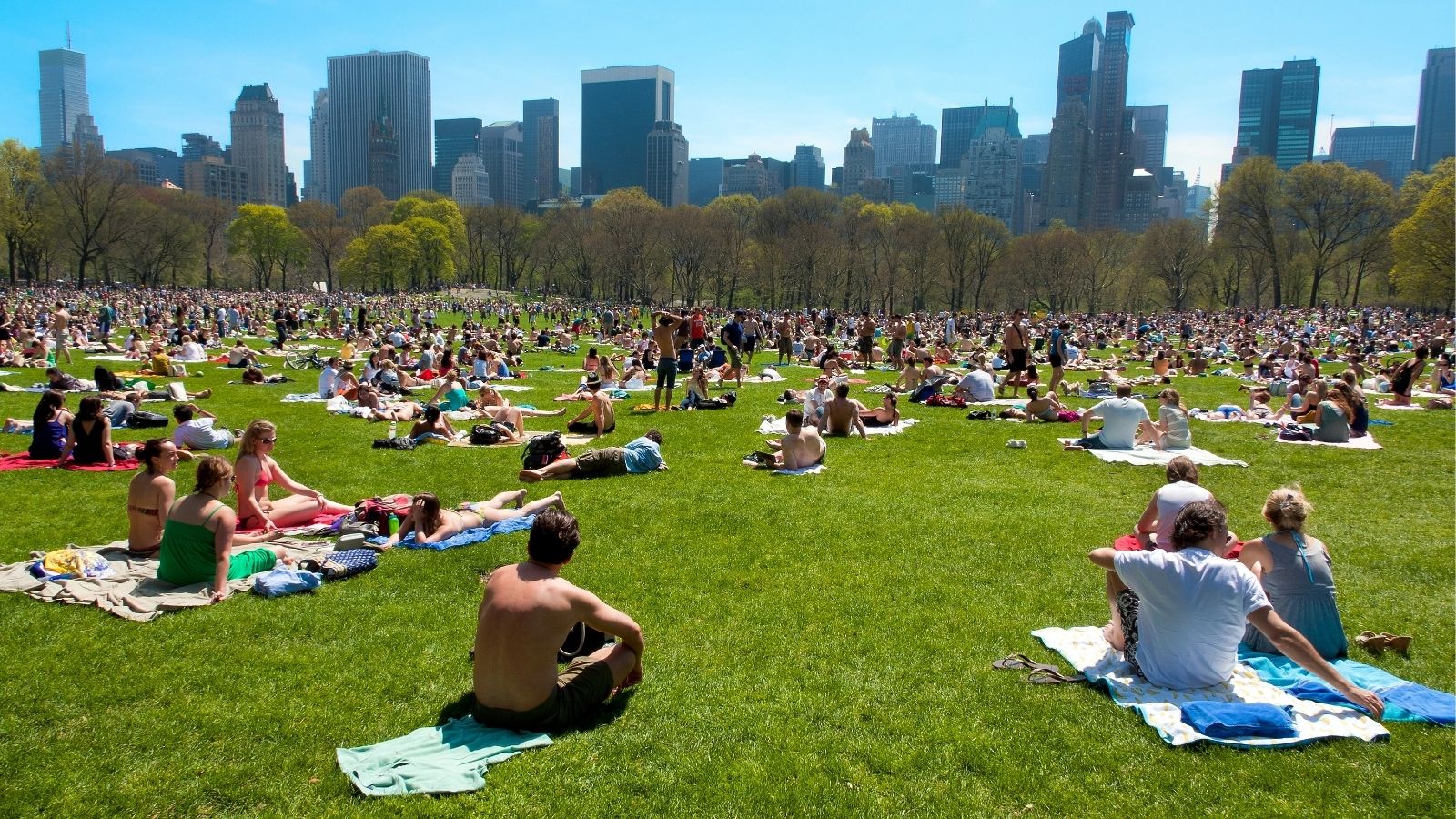
Trying to see everything can quickly drain the fun from a trip. This article features places where first time travelers overbook and burn out, focusing on destinations that look manageable on paper but feel overwhelming once the schedule fills up. Tight timelines, long distances, and constant movement often leave travelers more tired than satisfied.
Read More Here: 9 Places Where First Time Travelers Overbook and Burn Out



Leave a Reply