
Short distances do not always mean short travel times. This article features Asian cities where traffic makes short distances take longer, focusing on places where congestion, road conditions, or transit patterns slow movement more than visitors expect. What looks like a quick ride can turn into a long wait on the road.
Knowing where traffic is a major factor can help travelers plan smarter routes and allow extra time. Adjusting expectations can reduce frustration during busy travel days. Keep reading to see which cities made the list and why getting around can take longer than it seems.
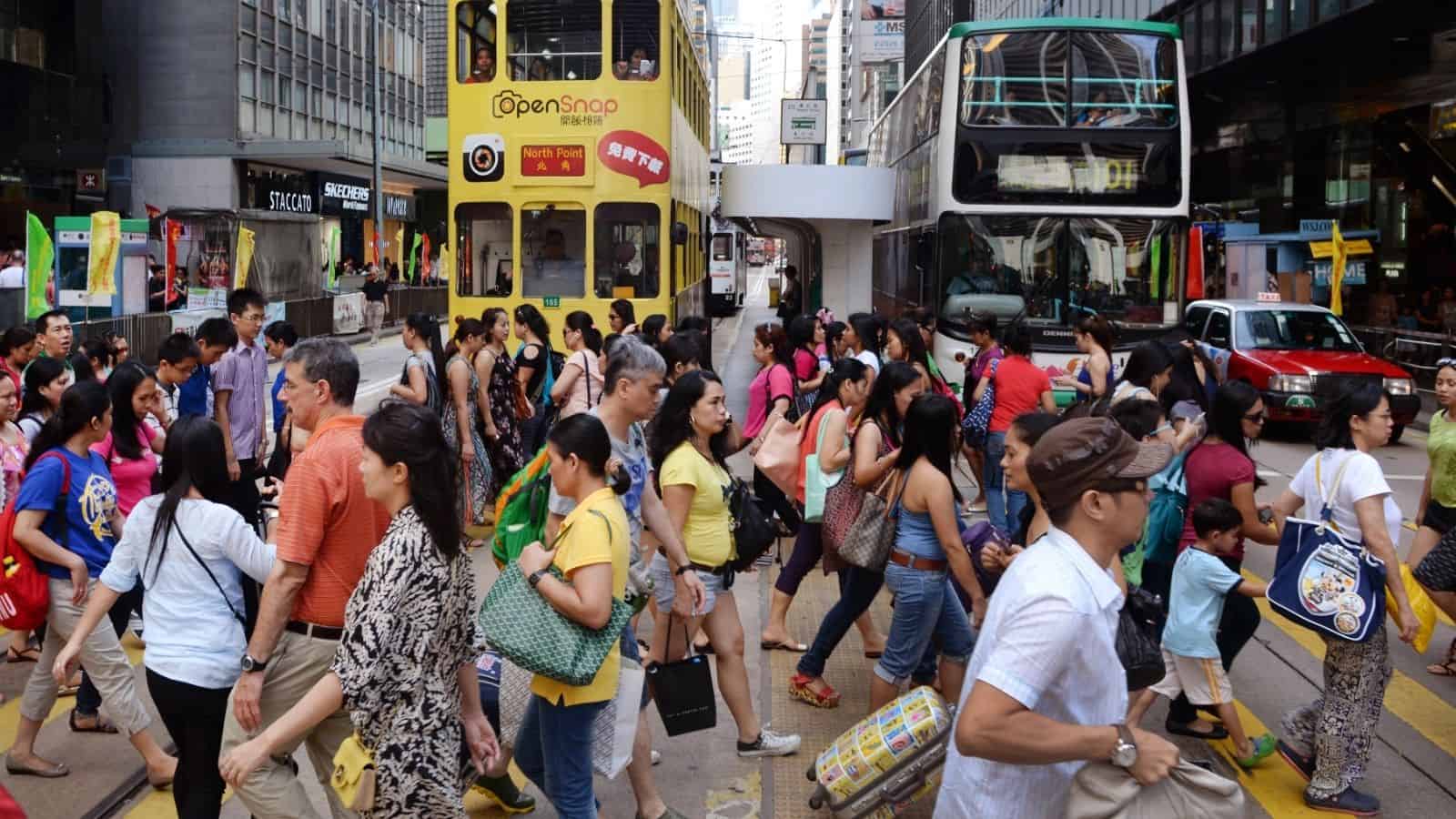
Bangkok, Thailand

Bangkok often appears manageable on a map, but traffic congestion can slow even short trips. Peak hours extend for long periods, and key roads become heavily congested. Short rides between neighborhoods can take significantly longer than expected. Public transport helps in some areas, but coverage is not complete. Travelers who rely only on taxis may face delays. Using a mix of rail transit and planning around peak times helps reduce travel time.
Manila, Philippines

Manila’s traffic is known for its intensity, particularly during rush hours. Distances that appear short can take extended periods due to congestion. Road conditions and volume of vehicles contribute to slow movement. Public transport options exist but may not cover all areas efficiently. Travelers who do not plan routes carefully may face delays. Allowing extra travel time is essential when moving between neighborhoods.
Jakarta, Indonesia

Jakarta experiences heavy traffic throughout much of the day. Short trips can take longer than expected due to congestion and road conditions. Public transport improvements have helped, but coverage is still developing. Travelers who rely on road transport alone may encounter delays. Planning routes carefully and allowing additional time helps manage movement across the city.
Mumbai, India
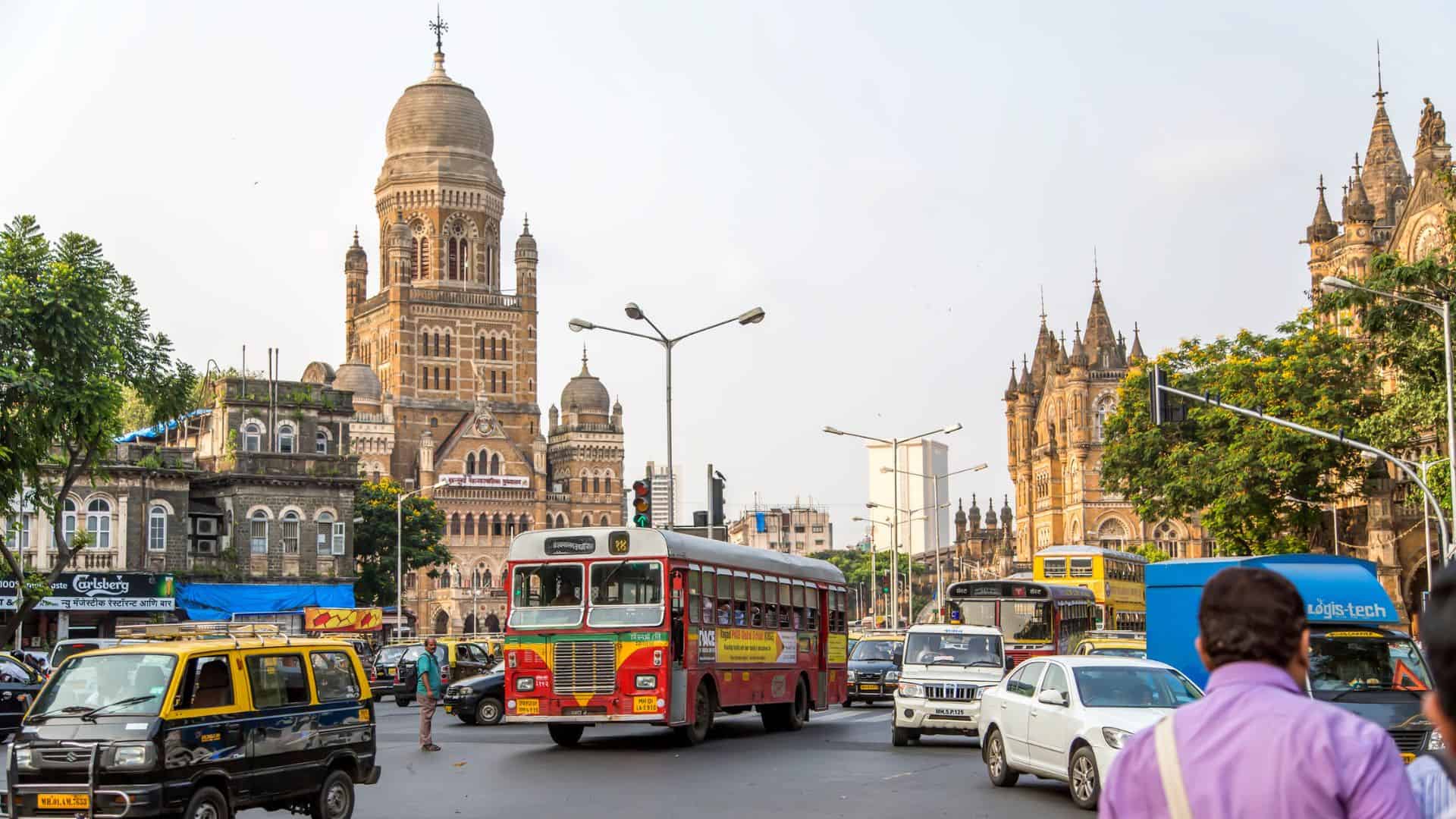
Mumbai’s density contributes to slow-moving traffic across the city. Even short distances can involve extended travel times. Peak hours are particularly congested, and road conditions vary. Local trains offer faster alternatives but can be crowded. Travelers who depend on road transport may find schedules difficult to maintain. Combining transport options helps reduce delays.
Ho Chi Minh City, Vietnam

Ho Chi Minh City’s streets are filled with motorbikes, which shape traffic flow. While movement is constant, it is not always fast. Short distances can take longer due to congestion at intersections. Public transport options are limited, making road travel common. Travelers who underestimate travel time may run into delays. Allowing extra time and staying near planned activities helps manage movement.
Kuala Lumpur, Malaysia

Kuala Lumpur combines modern infrastructure with busy traffic patterns. Congestion during peak hours can slow short trips significantly. Public transport is available but may not connect all areas directly. Travelers relying on taxis or private transport may face delays. Planning routes and using rail systems where possible helps reduce travel time.
Want to save this?
Beijing, China

Beijing’s size and population contribute to heavy traffic across the city. Major roads can become congested, especially during peak periods. Short distances may involve longer travel times due to traffic flow. The subway system offers an alternative, but it can be crowded. Travelers who rely on road transport may face delays. Using public transit strategically helps manage movement.
Delhi, India

Delhi’s traffic patterns vary by time of day, but congestion is common. Short trips can take longer due to road conditions and vehicle volume. Public transport options such as the metro provide alternatives, though not all areas are directly connected. Travelers who depend on road transport may encounter delays. Planning ahead and allowing extra time helps maintain schedules.
Dhaka, Bangladesh

Dhaka’s traffic congestion is among the most challenging in the region. Short distances can take extended periods due to road density and limited infrastructure. Public transport options are available but may not significantly reduce travel time. Travelers who underestimate distances often face delays. Building extra time into plans is necessary when moving through the city.
Seoul, South Korea

Seoul has a well-developed transport system, but traffic congestion still affects road travel. Short distances can take longer during peak hours. The subway offers efficient alternatives, though it can be crowded. Travelers who rely on taxis may face delays in certain areas. Using public transport and planning around busy periods helps reduce travel time.
Tokyo, Japan

Tokyo’s road traffic can slow movement despite the city’s efficient transport network. While trains are reliable, taxis and buses may take longer due to congestion. Short distances can still require more time than expected when traveling by road. Travelers who rely on taxis for convenience may face delays. Using the rail system for most trips helps maintain a predictable schedule.
9 Things Visitors Find Confusing About Train Travel in Europe
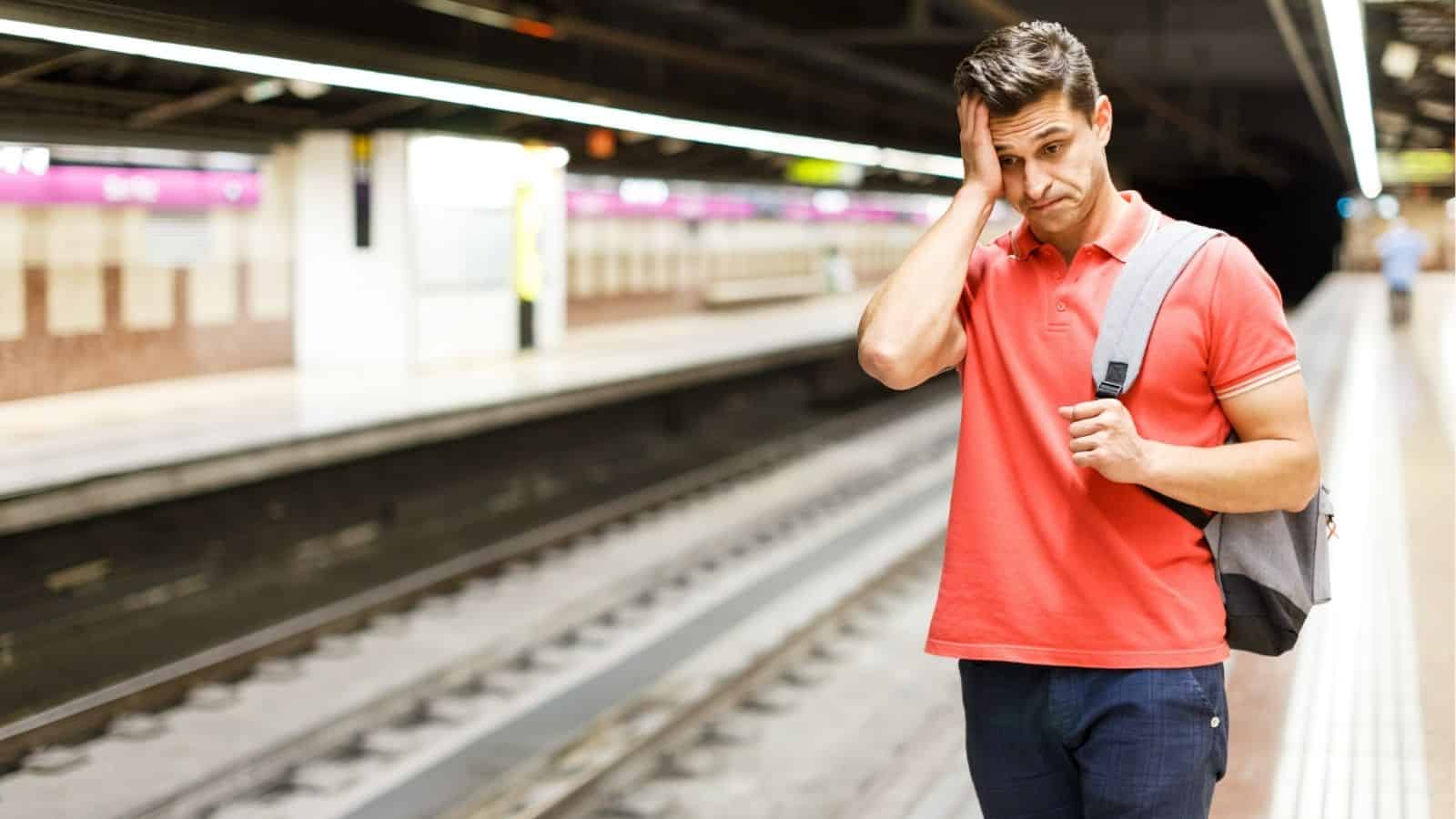
Train travel in Europe sounds simple, but many visitors are surprised once they start using it. Here are common points of confusion, from tickets and platforms to schedules that work differently than expected. These details often catch travelers off guard, especially those used to driving or flying.
Read More Here: 9 Things Visitors Find Confusing About Train Travel in Europe
10 U.S. Cities Sitting on Fault Lines Experts Say Could Shift Anytime

Some cities sit in places where the ground itself is not as stable as it seems. This article features U.S. cities sitting on fault lines experts say could shift anytime, focusing on locations where seismic activity remains a real concern based on geological data and historical patterns. These areas may feel normal day to day, but the risk beneath the surface is always present.
Read More Here: 10 U.S. Cities Sitting on Fault Lines Experts Say Could Shift Anytime



Leave a Reply