
Hotel rooms can look standard in photos but feel very different in person. This article features places in Japan where hotel rooms feel smaller than expected, focusing on destinations where compact layouts and space limits surprise first time visitors. What seems typical online can feel tight once luggage is unpacked.
Knowing where room sizes run smaller can help travelers plan and pack more carefully. Choosing the right type of accommodation can make a noticeable difference. Keep reading to see which places made the list and what visitors often wish they had considered before booking.

Tokyo, Japan

Many travelers expect standard city hotel sizes, but Tokyo rooms are often compact. High land costs and dense development lead to smaller layouts, especially in central districts. Budget and mid-range hotels may have limited space for luggage. Narrow entryways and compact bathrooms are common. Travelers with multiple bags may find movement restricted. Choosing larger room categories or business hotels with more space helps improve comfort.
Osaka, Japan
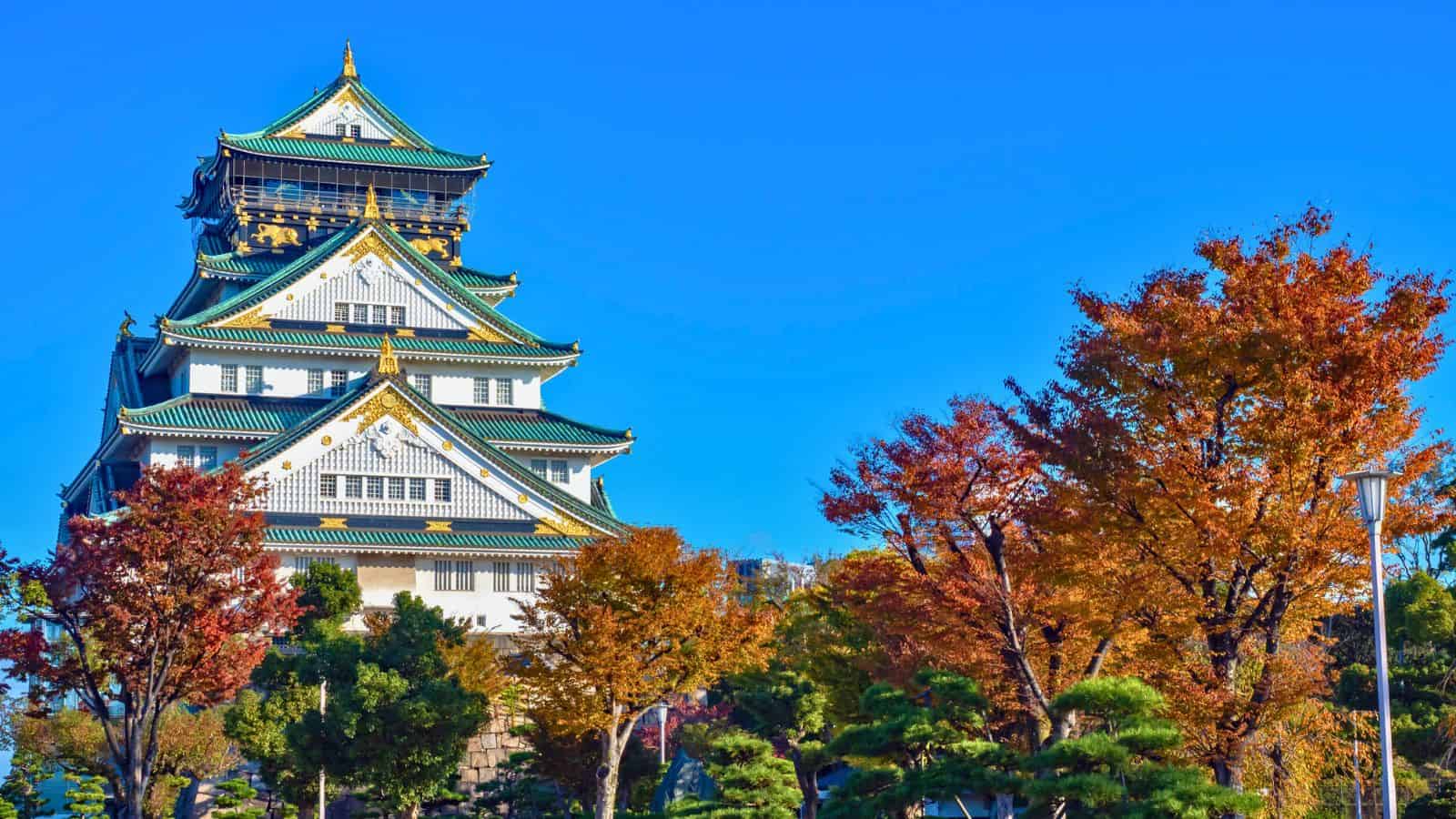
Osaka offers a wide range of accommodations, but many rooms are smaller than expected. Hotels in busy areas prioritize efficient use of space. Layouts often include compact bathrooms and limited storage. Travelers expecting larger rooms may find it difficult to open suitcases fully. Central locations tend to have smaller options. Booking higher-tier rooms or checking square meter listings helps set expectations.
Kyoto, Japan

Kyoto combines traditional and modern accommodations, but space can still be limited. Business hotels often feature compact layouts similar to Tokyo. Even some traditional stays balance design with space efficiency. Travelers expecting larger rooms in historic settings may be surprised. Limited floor space can affect comfort for longer stays. Reviewing room dimensions before booking helps avoid inconvenience.
Fukuoka, Japan
Fukuoka’s hotels are generally efficient in design, which can result in smaller rooms. Budget-friendly options often prioritize functionality over space. Travelers staying near transport hubs may encounter tighter layouts. Luggage storage space can be limited. Visitors expecting larger accommodations may need to adjust. Choosing slightly higher categories improves room size and comfort.
Sapporo, Japan

Sapporo’s accommodations vary, but many central hotels still follow compact design standards. Winter travel often involves bulky clothing, which reduces available space inside rooms. Storage areas may feel limited during colder months. Travelers with larger luggage may find movement restricted. Selecting rooms with additional space or storage options helps manage these constraints.
Want to save this?
Nagoya, Japan
Nagoya’s business hotels focus on efficiency, resulting in smaller room sizes. Standard rooms may offer minimal space beyond the bed and basic furnishings. Travelers expecting more room for luggage or movement may need to adjust. Central locations tend to prioritize compact layouts. Checking room size details before booking helps align expectations.
Hiroshima, Japan
Hiroshima’s accommodations are often practical but compact. Hotels near major attractions and transport hubs tend to offer smaller rooms. Layouts prioritize function over extra space. Travelers with multiple bags may find storage limited. While comfortable for short stays, space can feel restricted over time. Booking larger room types improves comfort.
Kobe, Japan
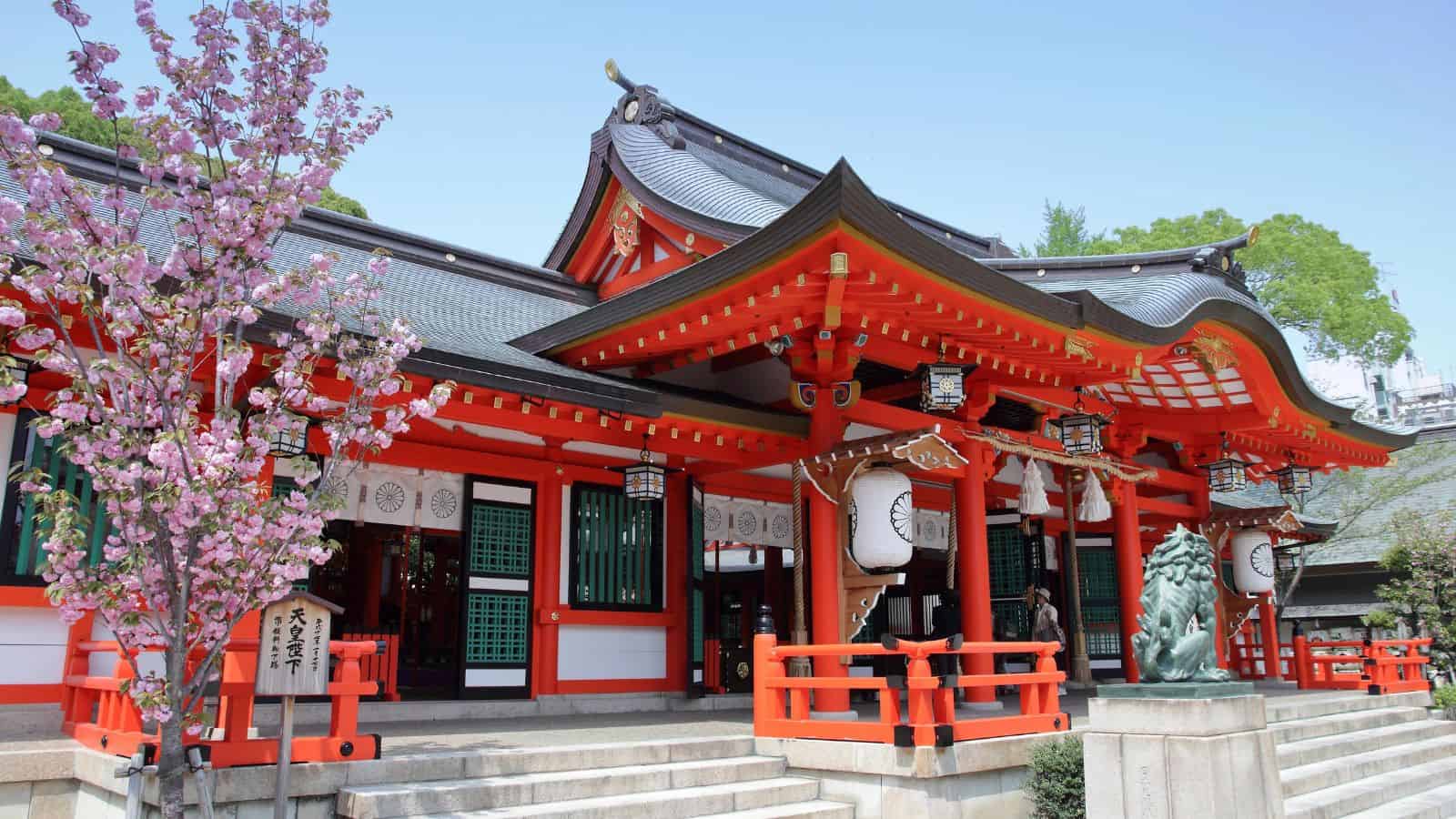
Kobe offers a mix of accommodations, but smaller room sizes are common in central areas. Hotels often focus on efficient use of space, particularly in business districts. Travelers expecting more spacious layouts may find rooms tighter than anticipated. Limited storage can affect longer stays. Reviewing room dimensions helps avoid surprises.
Kanazawa, Japan
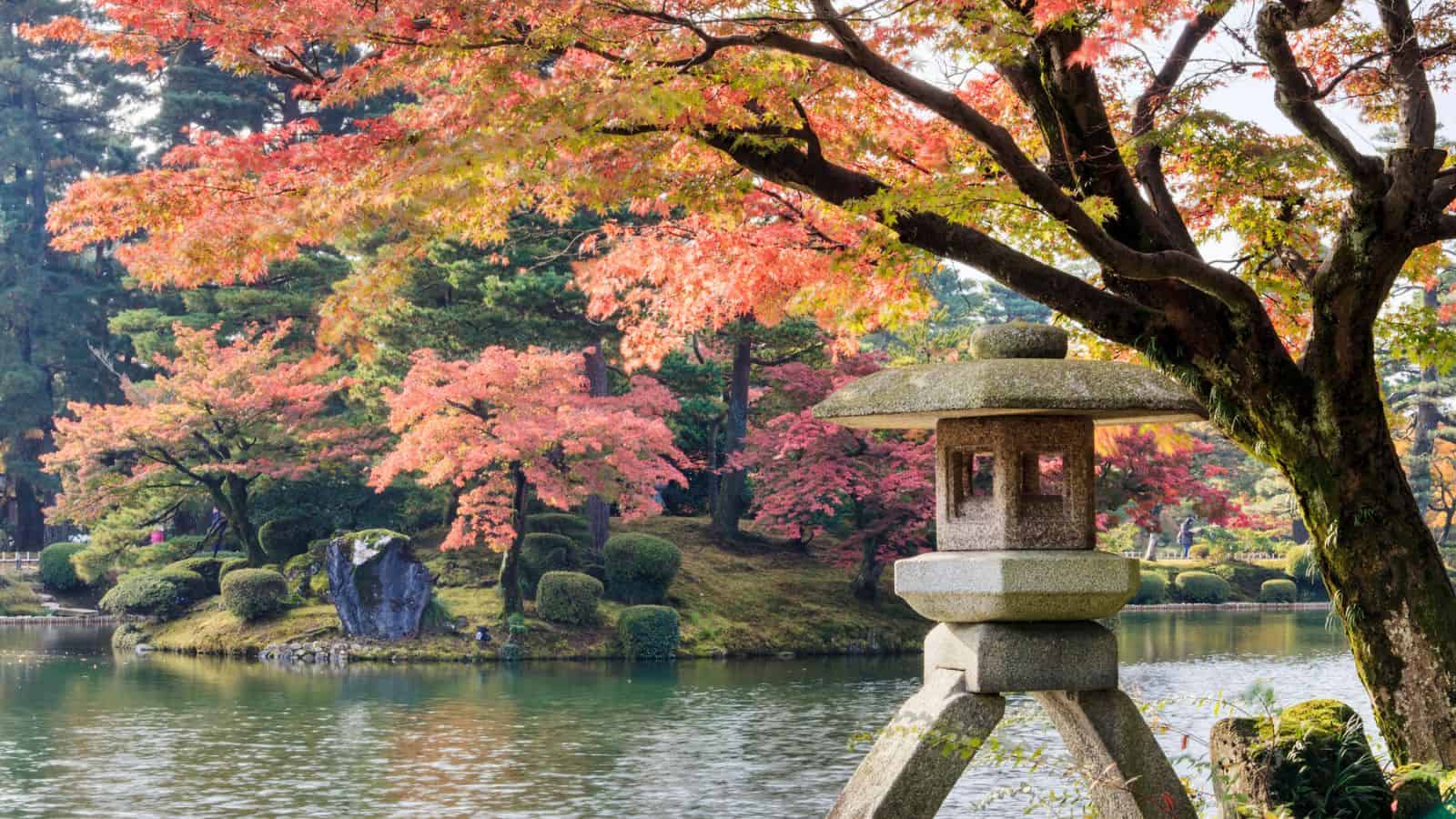
Kanazawa’s accommodations blend modern and traditional styles, but space can still be limited. Smaller hotels and guesthouses often prioritize design over size. Travelers with larger luggage may find movement restricted. Rooms may feel compact despite thoughtful layouts. Checking room details before booking helps manage expectations.
9 Countries Where First-Time Travelers Misjudge Distances
Distances can look short on a map but feel very different in real life. This article features countries where first-time travelers misjudge distances, focusing on places where geography, transportation speed, or road conditions make travel take far longer than expected. What seems like a quick hop often turns into a full travel day.
Read More Here: 9 Countries Where First-Time Travelers Misjudge Distances
10 Things You Should Never Leave Behind in a Hotel Room
Hotel rooms can feel like a temporary home, which makes it easy to forget important items when checking out. This article features things you should never leave behind in a hotel room, focusing on belongings that are often overlooked but difficult or costly to replace. From everyday essentials to valuable items, these are the things travelers most regret leaving behind.
Read More Here: 10 Things You Should Never Leave Behind in a Hotel Room
Leave a Reply