
Local customs can feel easy to overlook when traveling close to home. This article features American destinations where tourists learn local customs the hard way, highlighting places where everyday behavior, unspoken rules, or regional expectations catch visitors off guard. These moments often come from simple assumptions that do not hold up once travelers arrive.
Understanding how locals do things can change how welcome a trip feels. Paying attention to small details can prevent awkward situations and make days run more smoothly. Keep reading to see which destinations made the list and what visitors often wish they had known before arriving.

New Orleans

New Orleans trips people up because it’s not a nonstop party for locals. Tourists often assume anything goes, then learn the hard way about neighborhood respect, parade etiquette, and noise boundaries. Drinking in public is allowed in certain areas, but behavior still matters. Blocking sidewalks during second lines, touching Mardi Gras throws before they land, or wandering into residential streets late at night can draw sharp reactions. Locals value rhythm and courtesy. New Orleans rewards those who pay attention, move with the crowd, and understand when celebration ends and daily life resumes.
Hawaii

Hawaii’s customs are rooted in respect, not rules, which is why tourists often stumble. Visitors may treat beaches, trails, and cultural sites as purely recreational, overlooking their significance to locals. Ignoring kapu signs, trespassing on private land, or behaving loudly in sacred areas quickly causes friction. Taking rocks or sand is deeply frowned upon. Even casual behavior, like standing too close during ceremonies, can offend. Hawaii expects visitors to move with humility. The islands welcome guests, but only those who recognize they are entering a living culture, not a theme park.
New York City
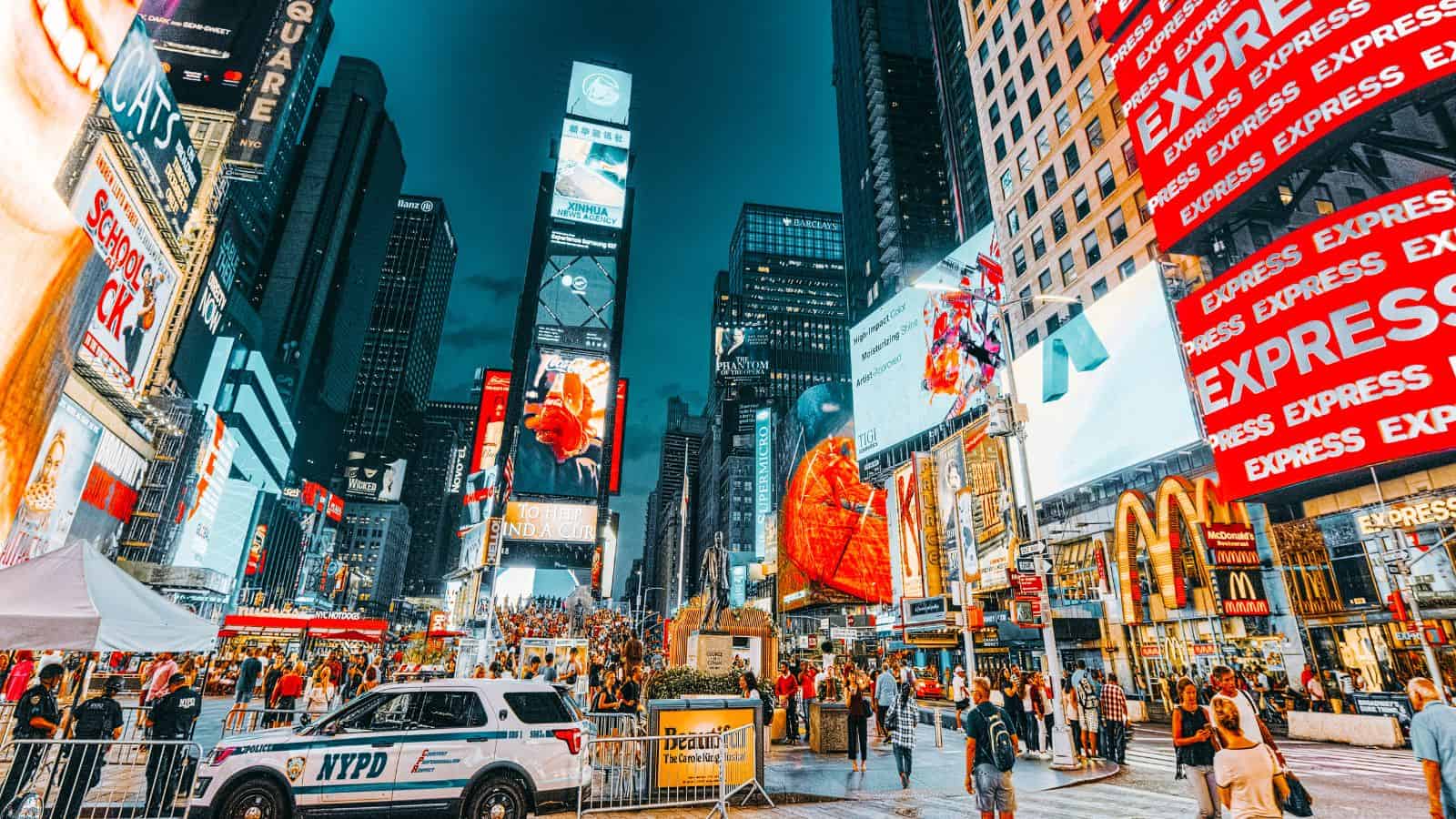
New York teaches etiquette through impatience. Tourists often stop suddenly on sidewalks, block subway doors, or stand still on stairways, earning immediate reactions. Locals expect efficiency and spatial awareness. Walking shoulder-to-shoulder, hesitating at turnstiles, or treating rush hour like sightseeing breaks unspoken rules. Noise is tolerated, inefficiency is not. New York’s customs prioritize movement and momentum. Visitors who adapt quickly blend in; those who don’t feel the city’s frustration fast. It’s not rudeness. It’s a shared agreement to keep things moving.
Las Vegas

Las Vegas looks lawless, but it runs on quiet rules. Tourists often underestimate distances, overdrink, and forget that casinos, hotels, and sidewalks still have expectations. Blocking walkways, filming security, or ignoring posted behavior policies can lead to removal quickly. Casinos are private spaces, not public free-for-alls. Locals and workers expect guests to manage themselves. Vegas allows excess within boundaries. Visitors learn the hard way that while the city sells freedom, it enforces control efficiently and without much warning.
Savannah

Savannah’s charm masks strong expectations around manners and space. Tourists often treat historic squares like picnic grounds or party zones, ignoring that many are residential and memorial spaces. Public drinking is regulated, not unlimited. Loud behavior, climbing monuments, or treating cemeteries casually draws quick disapproval. Locals value grace and restraint, especially in historic districts. Savannah expects visitors to slow down, speak softly, and observe before acting. The city rewards politeness. Those who assume Southern friendliness means anything goes usually learn otherwise.
San Francisco
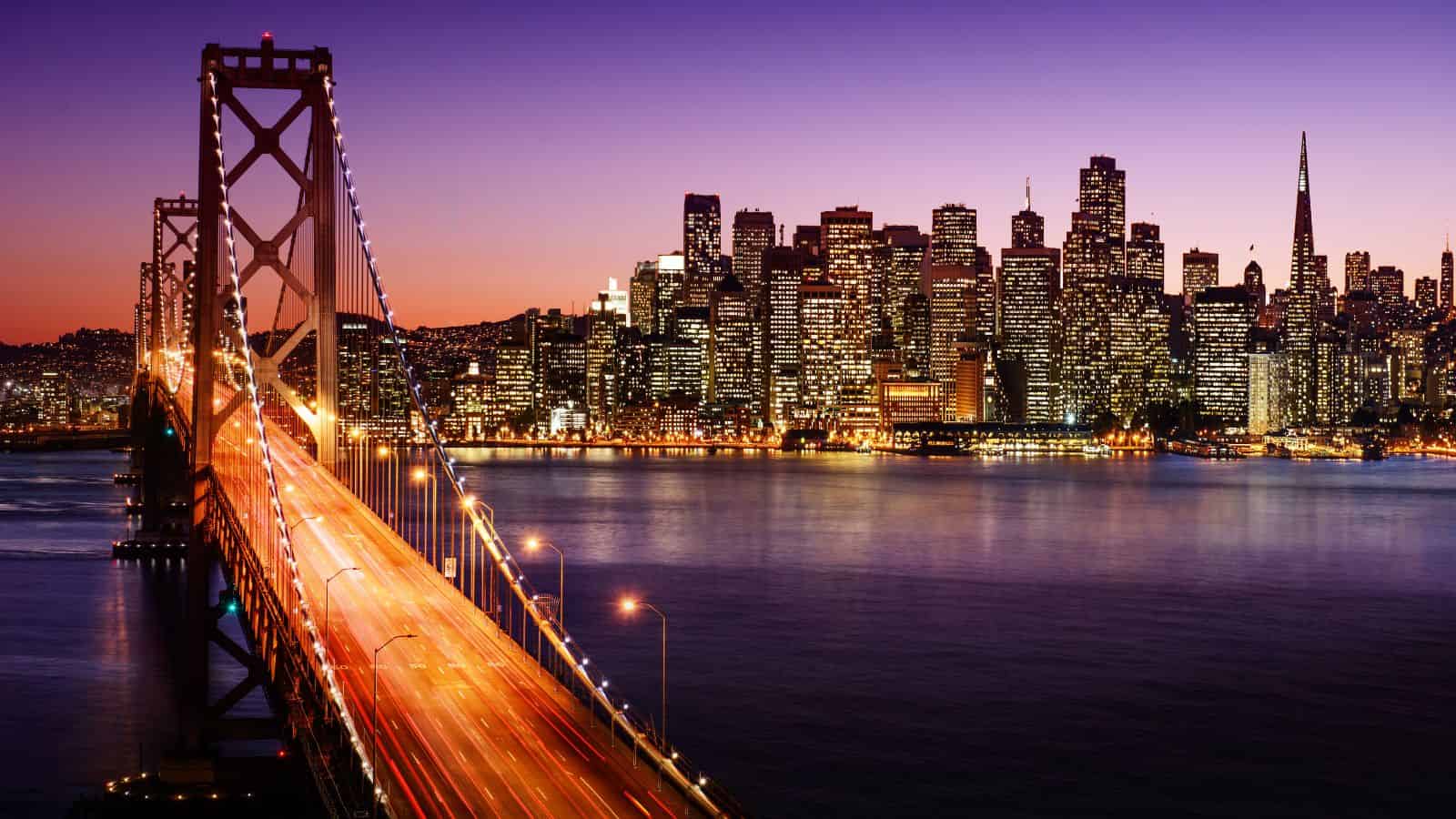
San Francisco catches visitors off guard because local norms prioritize awareness and boundaries. Tourists often underestimate how neighborhood-specific behavior is. Loud behavior on residential streets, careless parking, or leaving belongings visible in cars breaks unspoken rules quickly. Photographing people experiencing homelessness or treating certain areas like spectacle draws criticism. Locals expect visitors to be observant, not performative. Public transit etiquette also matters. Standing in doorways or ignoring priority seating gets noticed. San Francisco rewards visitors who move thoughtfully and respect that daily life continues alongside tourism.
Santa Fe

Santa Fe’s customs are tied closely to Indigenous and Hispanic traditions, which tourists sometimes overlook. Visitors may treat historic pueblos, churches, and markets as photo backdrops without understanding their cultural weight. Photography restrictions are often implied rather than clearly posted. Touching artifacts, entering restricted spaces, or speaking casually during ceremonies can cause offense. Locals value reverence and patience. Santa Fe expects visitors to ask before photographing and to observe before participating. The city feels welcoming, but it assumes cultural sensitivity. Tourists who rush or treat traditions casually often receive quiet but firm correction.
Want to save this?
Charleston
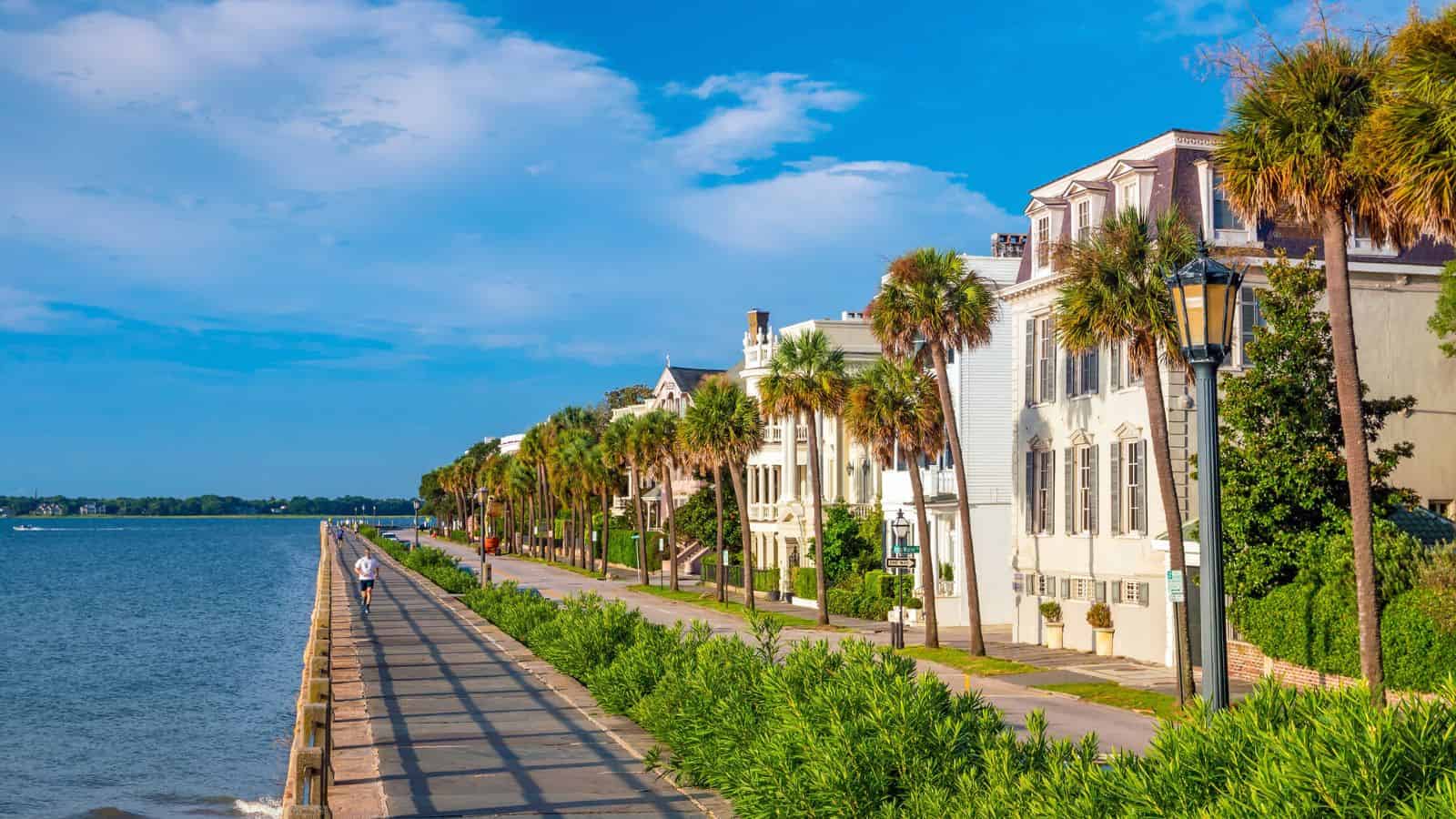
Charleston’s beauty hides strict expectations around decorum. Tourists often assume historic streets are open-air attractions rather than lived-in neighborhoods. Loud nightlife behavior, blocking sidewalks, or treating private homes like museum exhibits draws immediate pushback. Plantation sites and cemeteries are especially sensitive spaces where casual behavior is frowned upon. Locals value courtesy, volume control, and spatial awareness. Charleston expects visitors to move slowly and respectfully. Southern politeness does not equal tolerance. Visitors who mistake charm for leniency often learn local boundaries quickly.
Boston

Boston’s customs revolve around order and local ownership. Tourists often run into trouble by ignoring transit etiquette, jaywalking unpredictably, or standing confused in busy areas. Locals expect decisiveness, especially on narrow sidewalks and crowded trains. The city’s history is taken seriously, and treating landmarks casually can draw comments. Neighborhoods feel strongly claimed, and outsiders are noticed quickly. Boston isn’t unfriendly, but it’s direct. Visitors who hesitate, block space, or dismiss local rhythms often feel corrected without much cushioning.
Alaska
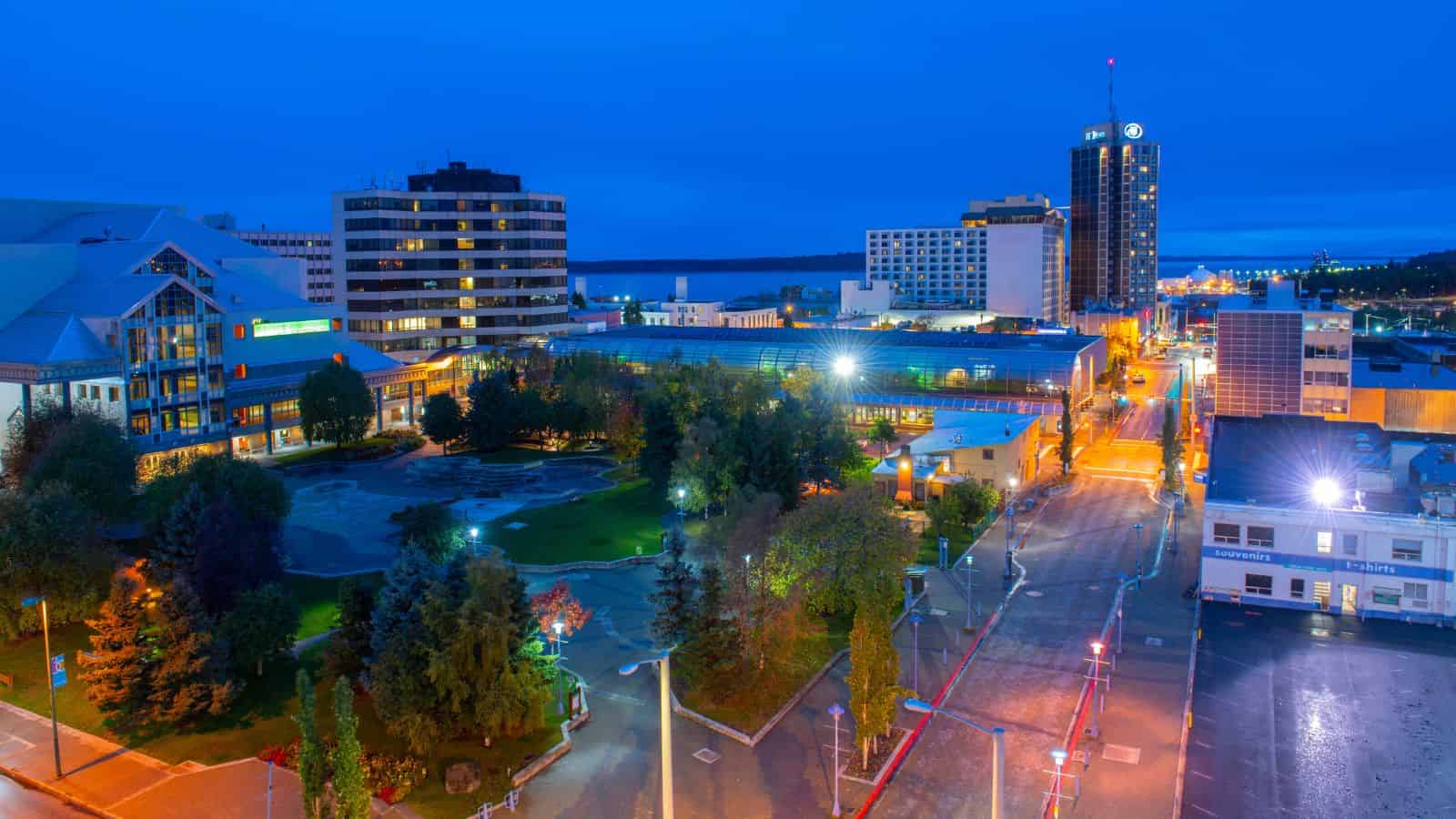
Alaska’s customs are rooted in safety and self-reliance, which many visitors underestimate. Tourists often approach wildlife too closely, ignore posted warnings, or treat remote areas like guided parks. Locals expect visitors to understand that distances are real, help is limited, and nature is not a backdrop. Wandering off trails, ignoring weather changes, or assuming cell service exists breaks unspoken rules quickly. Alaska values preparedness and humility. Visitors who treat the state casually often learn hard lessons about respect for environment, space, and personal responsibility.
Nashville
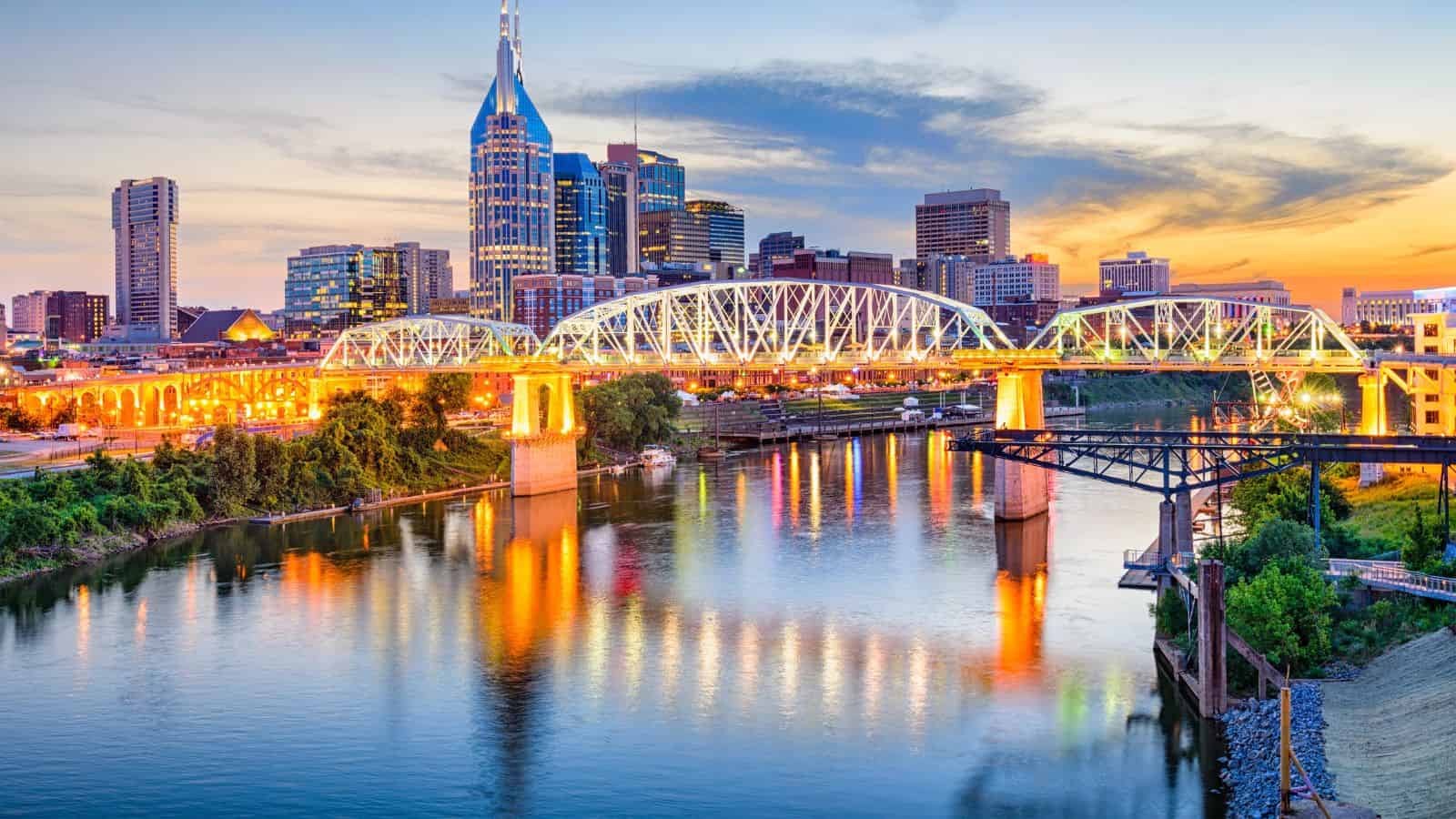
Nashville’s party reputation hides strong local expectations. Tourists often assume Broadway behavior applies everywhere, then clash with residents in nearby neighborhoods. Loud late-night noise, public intoxication outside entertainment zones, or treating musicians as props draws frustration. Locals value the city’s working music culture, not just its party image. Respecting live performances, tipping properly, and knowing when the party ends matter. Nashville welcomes visitors, but it expects awareness. Those who treat the city like a nonstop bachelor party destination often meet firm boundaries.
Key West

Key West feels relaxed, but it runs on clear social lines. Tourists often mistake laid-back energy for rule-free behavior. Noise ordinances, environmental protections, and neighborhood boundaries are enforced, even if the atmosphere feels casual. Feeding wildlife, climbing landmarks, or treating residential streets like extensions of Duval Street can cause problems. Locals value balance between fun and preservation. Key West expects visitors to enjoy themselves without disrupting daily life. Those who ignore the difference between visitor zones and living spaces learn local limits quickly.
Sedona

Sedona’s customs center on respect for land and quiet. Tourists often treat trails, vortex sites, and scenic overlooks as performance spaces, ignoring expectations around noise, crowding, and preservation. Climbing off-trail, stacking rocks, or blocking paths for photos breaks local norms. Many sites hold spiritual meaning, even if not marked clearly. Locals expect visitors to move gently and leave no trace. Sedona welcomes curiosity, but not disruption. Travelers who prioritize content over conduct often feel corrected, sometimes bluntly.
13 Destinations Where Overpacking Becomes a Real Problem

Packing too much can turn a trip into a hassle instead of a help. This article features destinations where overpacking becomes a real problem, focusing on places where terrain, transportation, climate, or daily logistics make extra bags more trouble than they are worth. In these locations, travelers often realize too late that less really would have worked better.
Read More Here: 13 Destinations Where Overpacking Becomes a Real Problem
9 Countries Where Driving Is Harder Than It Looks

Driving abroad can seem straightforward until reality sets in. This article features countries where driving is harder than it looks, focusing on places where road rules, signage, traffic flow, or local habits catch visitors off guard. What appears manageable on a map can feel stressful once behind the wheel.
Read More Here: 9 Countries Where Driving Is Harder Than It Looks



Leave a Reply