
Every fall, a few million parents drive home from a college campus to a house with one less person in it. The quiet hits harder than most of them expect. Empty nest travel has become the way many parents get through that first strange year.
Jump to:
It usually starts in the driveway. Somebody carries a suitcase up three flights of stairs to a first apartment, somebody says goodbye faster than planned, and then there is a long drive back with the radio on and nothing much to say. Kindergarten parents cry at drop-off, and everyone understands why. Nobody warns parents that the last drop-off can feel the same, only heavier.
What comes next is harder to name. The laundry pile shrinks. The grocery bill drops. The calendar, which used to be packed with practices, pickups, and permission slips, suddenly has white space. Some parents feel relief and then feel guilty about the relief. Others feel a loss that sits in the chest for months, and both reactions are completely normal.
Somewhere in the middle of all that, a lot of them start looking at flights. Not because a trip fixes anything, but because moving through a new place gives the mind something else to hold. The travel industry has noticed, too. Tour companies, cruise lines, and hotels have started designing trips around this exact stage of life because the people booking them are no longer just retirees.
- A first trip after the kids move out does not have to be far from home. Two nights at a downtown Miami hotel with a rooftop pool and a spa is enough to reset a tired brain. For more room to move, a few unhurried days in Jackson Hole give you mountains, wildlife and a small town that is easy to walk on your own.
Plan Your Trip
Save on fees abroad with the Wise Card—use it at ATMs, restaurants, and for flights or hotels in over 150 countries. Manage 40+ currencies in real-time with the Wise app.
Need Help Planning?
- Cheap Flights: Find the best deals.
- Accommodation: From hostels to luxury stays.
- Car Rental: Affordable options worldwide.
- Sightseeing Tours: Explore without breaking the bank.
- Travel Adapter: One adapter for all your needs.
- Travel Insurance: Don’t risk it—stay covered.
This post includes affiliate links, and as an Amazon Associate I earn from qualifying purchases. Read my full disclosure and privacy policy.
So here is what this looks like in practice, from the shift that happens at home to the destinations that suit it, plus the travel tips that make a first trip after the kids are gone go smoothly.
The House is Quieter, and That Takes Some Getting Used To

The first few weeks are the strangest part. Parents describe walking past a closed bedroom door out of habit, cooking too much food, and reaching for the phone at the time of night when a check-in text used to come. None of that is dramatic. It is just constant.
There is also an identity problem underneath it, and it catches working parents off guard as often as anyone else. A person can hold a full-time job for twenty years and still find that being somebody's mother or father quietly became the center of who they are. When that role changes shape overnight, the question of what comes next is real.
Timing makes it harder for people in the sandwich generation. Plenty of parents hit the empty nest in the same stretch of years that brings aging parents, career changes, or loss. Home stops feeling whole for a while.
Not everyone grieves, though, and that deserves to be said out loud. Some parents drop a kid off, feel proud, drive home, and sleep fine. Knowing your child is exactly where they want to be is its own kind of proof that the job got done.
The Perks of an Empty Nest Nobody Mentions
Once the shock settles, something else shows up. Parents start noticing how much of every single day used to belong to somebody else, and how much of it is now theirs to spend however they want.
A Schedule That Finally Opens Up
Dinner stops being a deadline. That sounds small until you count the years of getting food on the table by six o'clock for people who may or may not have been hungry. Cooking becomes optional again, and so does most of the evening.
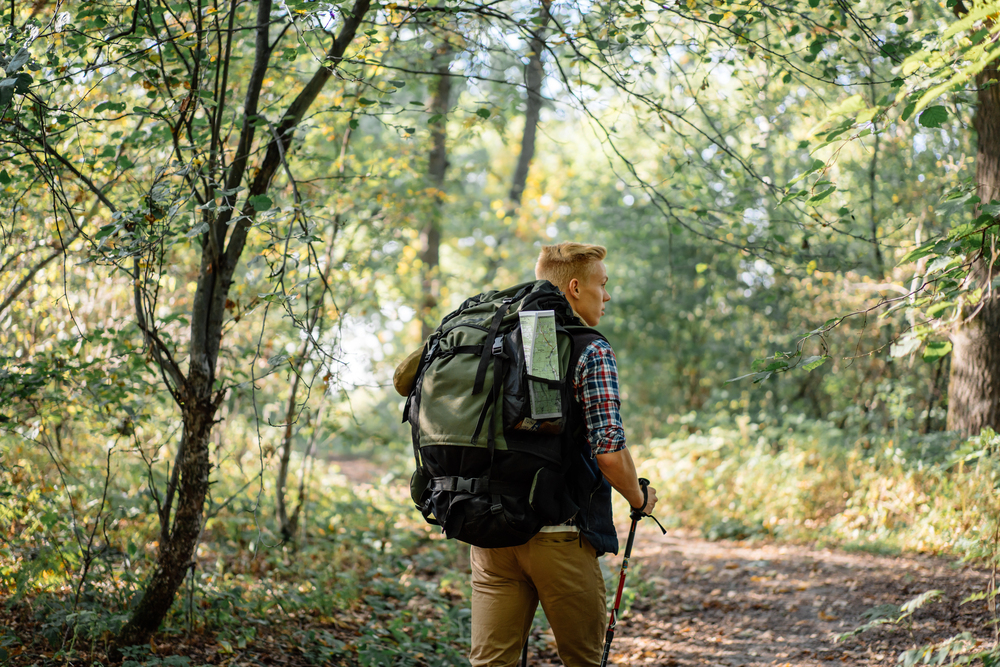
The same goes for weekends. Parents in this stage talk about spending more time on the things they shelved years ago, like a club board seat, a standing hiking date with friends, or a class they kept meaning to sign up for. A schedule with fewer daily responsibilities in it is the first real perk of the empty nest, and it arrives before anyone books anything.
Freedom That Shows Up All at Once

Long stretches of the calendar are suddenly free, and that newfound freedom is a strange thing to hold when you have not held it since your twenties. Trips no longer bend around school breaks. Prices drop if you can leave on a Tuesday in October rather than the first week of July.
Spontaneity comes back with it. A last-minute flight stops being impossible. A three-day getaway no longer requires a month of planning and four people to agree on it.
Why Travel Helps in This New Chapter
Travel is not therapy and nobody should sell it that way. Still, there is a reason so many parents book something within that first year, and it's more practical than romantic.
Grief Travel and the Road as a Soft Landing
Some people call it grief travel, meaning travel taken during a period of loss. It does not have to mean a death. A busy household and a family dinner every night are real things to lose, and a house that has gone silent counts as a loss worth naming, especially for single parents.
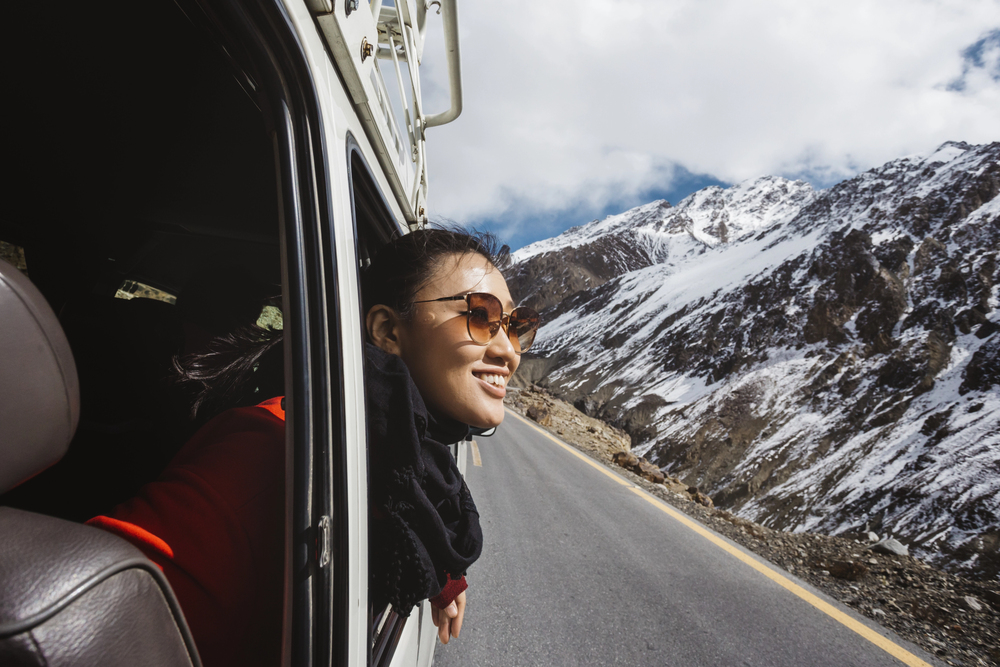
What the road does is simple. It interrupts the loop. New scenery, an unfamiliar street, and a menu in another language occupy the brain in a way the living room cannot. Many parents come home reporting the same thing: that a week away gave their feelings room to move without anyone offering advice they did not ask for.
A Slower Pace, On Purpose

Family travel runs on logistics. Somebody is hungry, somebody is bored, and the itinerary bends around nap schedules and attention spans. Traveling without kids removes all of that at once.
Want to save this?
This is why slow travel suits empty nesters so well. One town instead of five. A morning that starts whenever the body wakes up. Time to linger over coffee, read the whole menu, and sightsee at whatever speed feels right that day. Ask empty nesters what they want from a trip now, and you rarely hear a list of sights. You hear rest.
Where Empty Nesters are Going
There is no single right destination for this, and that is part of the appeal. Some travelers finally book the bucket-list trip they shelved in 2004. Others start small and close to home.
Big Country, Close to Home

A national park road trip is one of the easiest first trips to pull off in the U.S. Theodore Roosevelt National Park in North Dakota is a good example of the type, with wide open scenery, easy driving, and lodging in nearby Medora. North Dakota also sits within reach of other quiet stretches of the plains, so adding a few days takes very little planning.
A rental car and a loose plan will get you through most of it. Biking, hiking, and long, unhurried drives make up the bulk of the appeal, a reminder that adventure travel does not have to mean a mountain in Nepal. Park lodges, in particular, tend to suit solo travelers, since dinner in a shared dining room is easier than dining alone in a city restaurant.
Trips That Need a Passport

For a bigger swing, Chile covers an enormous range in one country, from the desert in the north to the glaciers in the south. Tuscany draws a different crowd, the kind who would rather stay put for two weeks, take a cooking class, and spend the trip learning new things instead of racing between different destinations.
European cities with reliable public transportation are another easy pick, since nobody has to drive or park. A cruise handles the planning problem entirely for anyone who does not want to think about it. Meals, accommodation, and each shore excursion come sorted; the ship doubles as the hotel that moves overnight, and river cruises give solo travelers real camaraderie without giving up the right to skip dinner and read on the balcony instead.
Short Getaways that Need Almost No Planning
Not every trip needs two weeks. A coastal drive, a spa weekend, or a few nights in Napa will do plenty of work on a tired brain. A small boutique hotel or a quiet resort often costs less midweek, and vacation packages that bundle the flight and the room take the math off the table.
Travel Tips for a Safe and Successful First Trip
A few habits help empty nesters travel alone with real confidence, and none of them are complicated.
Before the Flight
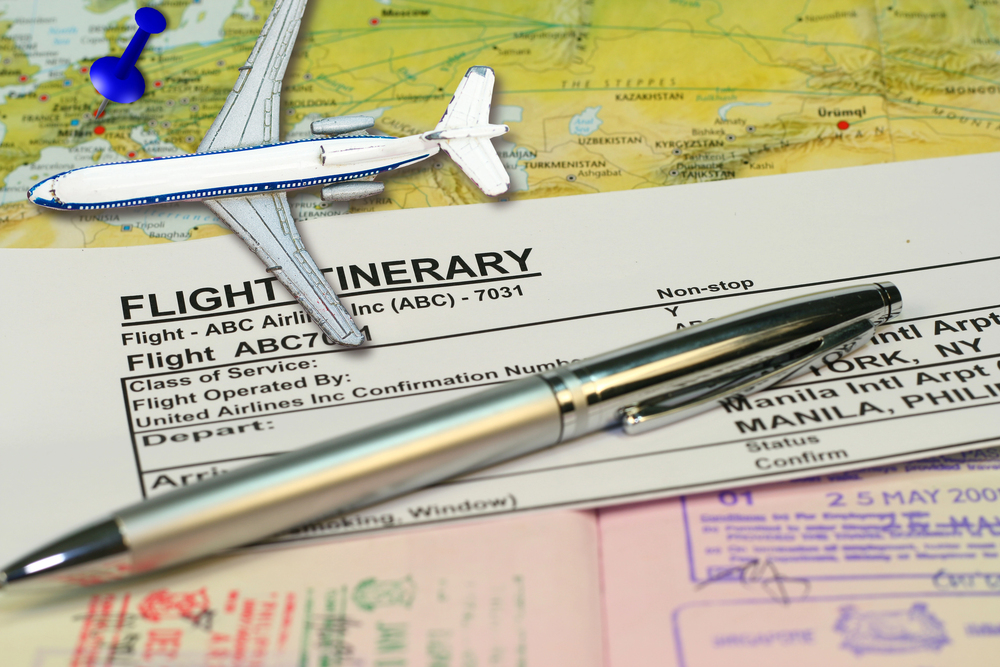
Share a full itinerary with someone at home, including hotel details, and agree on a check-in schedule. Buy travel insurance, especially for anything international. Book the airport transfer in advance so your arrival day has one less decision, and read up on how public transportation works before you land.
Price comparison helps here too. Skyscanner and similar sites let you scan a whole month of flight prices at once, which matters more when no school calendar controls the dates anymore. Pack one suitcase you can carry up stairs by yourself, and keep copies of your passport somewhere separate from the original.
Once on the Ground
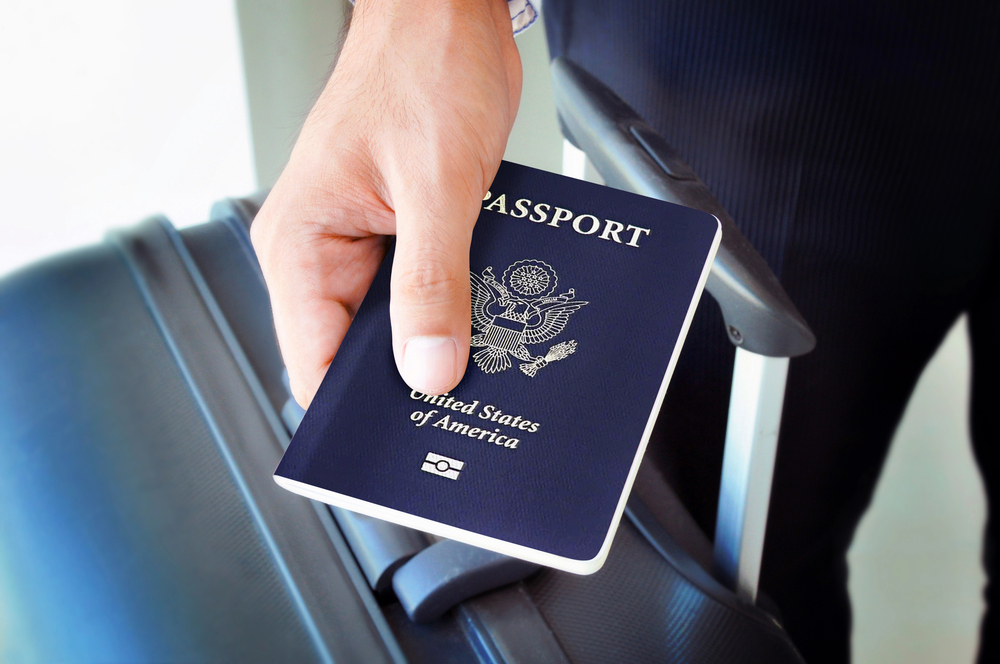
Secure your cash, cards, and passport, arrive in new places before dark when you can, and stay aware of what is happening around you. The oldest rule is still the best one: if something feels wrong, trust your gut, leave the situation, and call the police if you need to.
Beyond safety, say yes more than usual. Try new food, take the walking tour, sit at the bar instead of a table. That willingness is a large part of why this kind of trip lands the way it does.
Traveling as Empty Nesters, Side by Side

Solo trips get most of the attention, but plenty of couples find that traveling as empty nesters is the best way to reconnect they have had in decades.
Two people who spent twenty years coordinating rides now get to plan around what they actually want to see. Just-the-two-of-us trips have become one of the defining habits of this group.
Most parents reaching this stage now are Gen X, deep in midlife and still fit enough for long walking days and early flights. Many of them are not done with family trips either. They simply take a different shape now, built around adult children and grandparents rather than school holidays.
Embracing the Next Chapter

Becoming an empty nester is an inevitable phase for most parents, right alongside the sleepless newborn nights and the teenage years. It deserves the same honesty. There will be grief, and there will also be a wonderful feeling that sneaks up on you in an airport at six in the morning.
The parents who navigate this stage best tend to treat it as a beginning rather than a subtraction. Once the kids have flown, the calendar belongs to you again, and waiting for the perfect moment only shortens the runway.
So book something. Embrace new experiences, reclaim the parts of yourself that were shelved for two decades, and let empty nest travel help you rediscover what you actually like doing. The next chapter is already open. This is the perfect time to see where it goes.


Leave a Reply