
Cultural norms can shape how people act in public, and they are not always obvious to visitors. This article features Asian countries where visitors misjudge public behavior rules, focusing on places where everyday actions like speaking volume, gestures, or queueing carry different expectations. What feels normal in one country can come across very differently in another.
Understanding these public behavior rules can help travelers avoid awkward situations and show respect. Small adjustments can improve interactions and make daily travel smoother. Keep reading to see which countries made the list and what visitors often misunderstand.
Japan
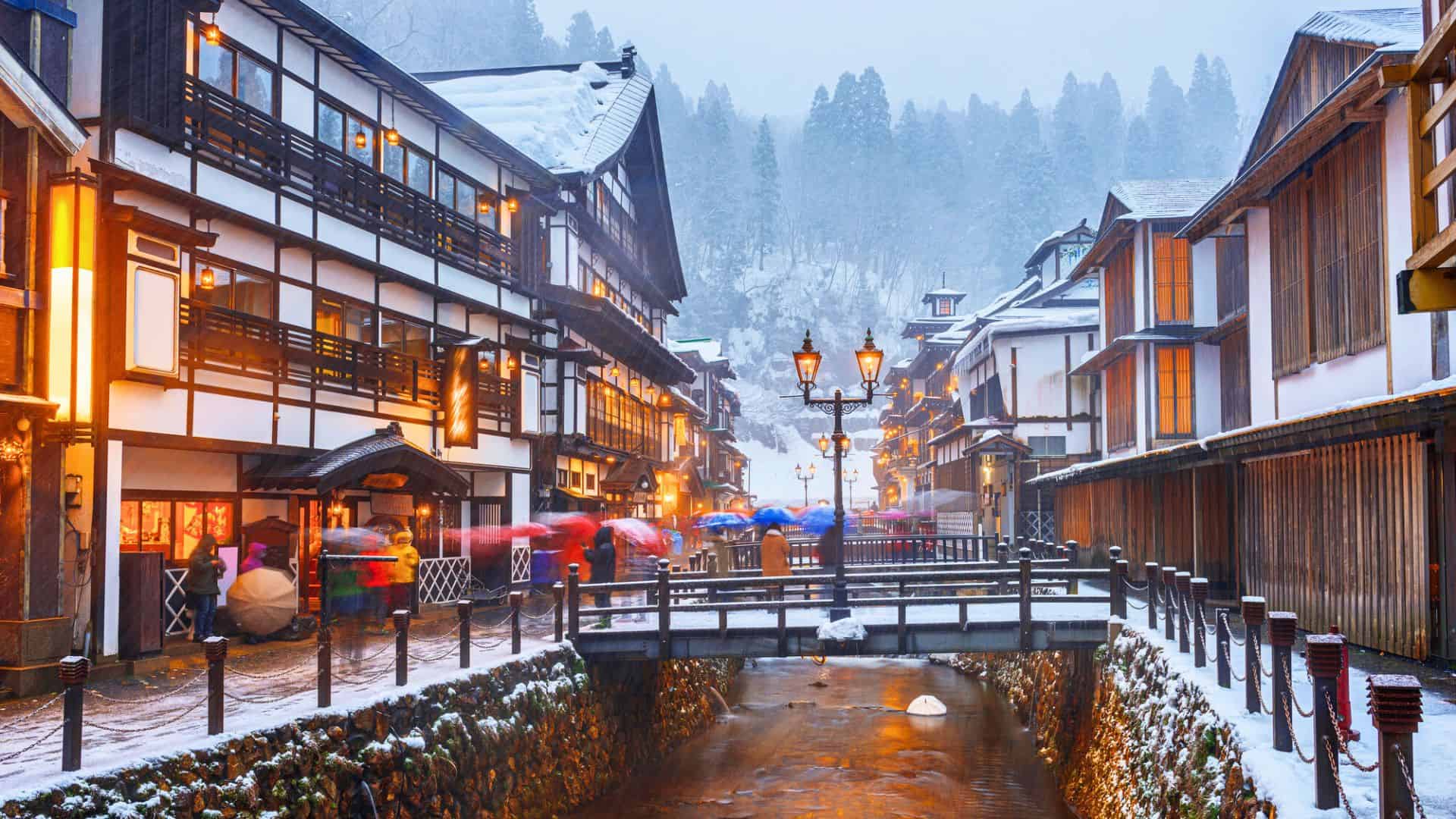
Many visitors expect a relaxed, informal environment, but public behavior in Japan follows clear social expectations. Speaking loudly on public transport, taking phone calls on trains, or eating while walking in certain areas can draw attention. Queuing etiquette is strictly observed, and people typically stand on designated sides of escalators. Small actions, such as not removing shoes when required, can cause discomfort. Travelers who pay attention to local behavior patterns and adjust accordingly usually avoid issues and move through public spaces more smoothly.
Singapore
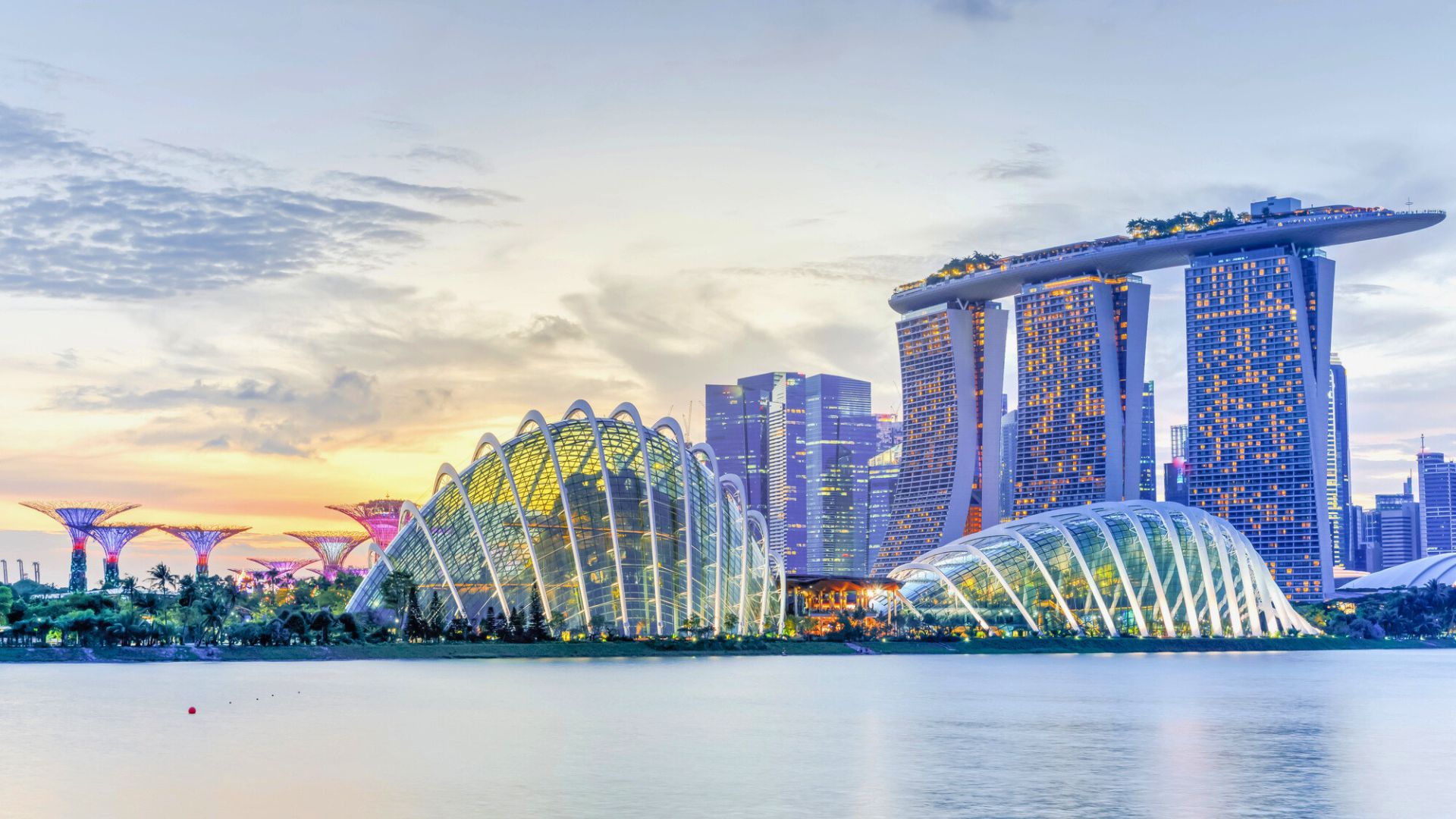
Singapore enforces strict public regulations that can surprise first-time visitors. Eating or drinking on public transport is prohibited, and littering or jaywalking can result in fines. Chewing gum is restricted, and smoking is limited to designated areas. These rules are consistently enforced, and penalties are not symbolic. Travelers who assume informal behavior is acceptable may face immediate consequences. Understanding and following posted signs helps avoid unnecessary issues.
Thailand

Thailand is often seen as relaxed, but there are important cultural expectations in public spaces. Disrespecting religious sites, such as wearing inappropriate clothing at temples, can cause problems. Public displays of anger are discouraged, and raising one’s voice is often viewed negatively. The monarchy is highly respected, and criticism is taken seriously under local laws. Visitors who remain aware of these expectations and behave calmly in public settings typically avoid misunderstandings.
South Korea
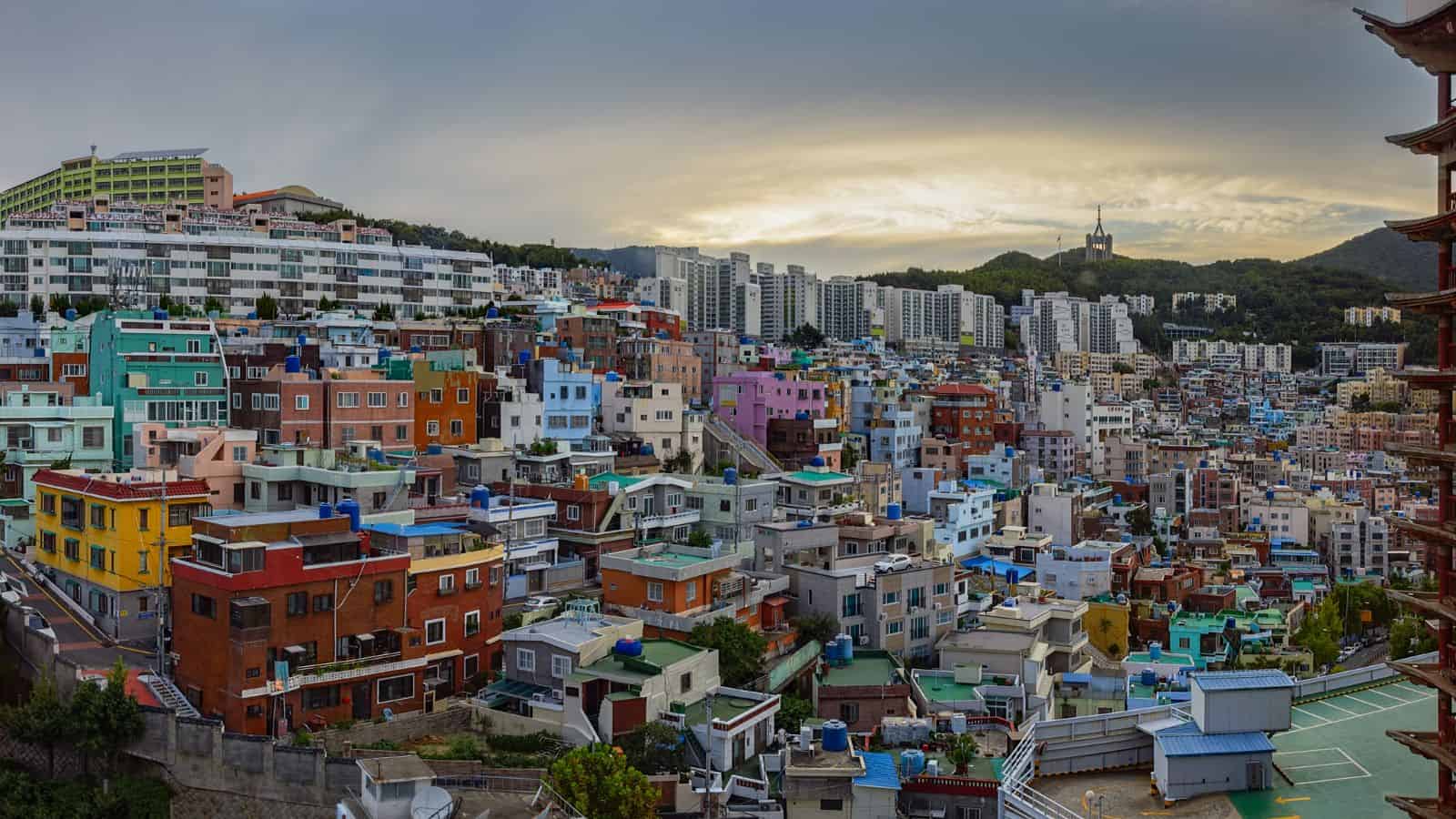
South Korea blends modern city life with strong social norms. Public transport etiquette is structured, with priority seating reserved for elderly passengers. Eating on buses or trains is uncommon. Age hierarchy influences interactions, including how items are given or received. Speaking loudly in quiet public areas can stand out. Visitors who observe how locals behave in shared spaces tend to adapt quickly and avoid drawing unwanted attention.
United Arab Emirates

The United Arab Emirates has clear expectations around public conduct, especially in places like Dubai and Abu Dhabi. Public displays of affection are limited, and certain clothing standards apply in public areas and religious sites. Alcohol consumption is restricted to licensed venues. Behavior considered normal in other destinations may not be acceptable here. Travelers who overlook these differences can encounter fines or warnings. Respecting local laws and customs is essential.
India

India’s cultural norms vary by region, but public behavior expectations are often more conservative than visitors anticipate. Dress standards are more modest in many areas, particularly at religious sites. Public displays of affection are less common. Queue systems can differ from what some travelers expect, requiring patience and awareness. Social interactions may involve closer proximity or direct communication styles. Observing local behavior and adjusting accordingly helps visitors navigate public spaces more comfortably.
Want to save this?
Indonesia
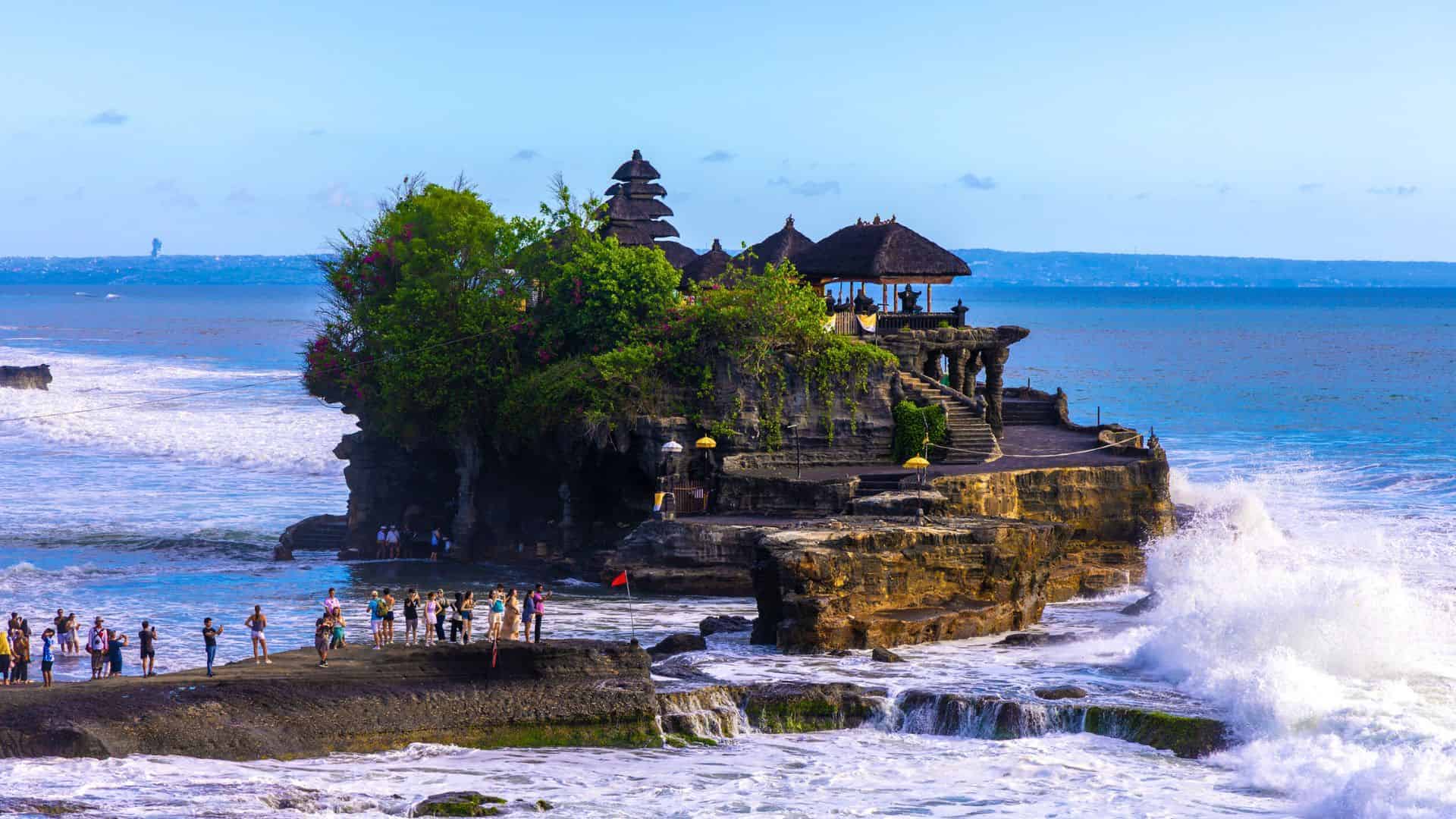
Indonesia includes a mix of cultural and religious influences that shape public behavior. In areas such as Bali, expectations may feel more relaxed, but other regions follow stricter norms. Dress codes apply in temples and rural areas, and modest clothing is often expected. Public conduct that appears casual in tourist zones may not be appropriate elsewhere. Travelers who move between regions without adjusting behavior may encounter confusion or discomfort. Awareness of local context is important.
Vietnam

Vietnam’s public spaces operate with informal patterns that can feel unfamiliar. Traffic flow, sidewalk use, and queuing may not follow structured systems. At the same time, behavior in temples and cultural sites requires respect and appropriate dress. Raising one’s voice or showing frustration in public can stand out. Visitors who remain flexible and observe local habits usually adapt more easily to the environment.
Malaysia

Malaysia combines modern urban life with strong cultural and religious influences. Dress codes vary by setting, but modest clothing is expected in religious sites and some public areas. Public behavior that draws attention, such as loud arguments, may be frowned upon. Alcohol consumption is permitted but regulated. Travelers who assume uniform standards across the country may misread expectations. Adjusting behavior based on location helps avoid issues.
China

China’s public behavior norms can differ significantly from those in Western countries. Personal space expectations, queuing habits, and communication styles may feel different. Loud conversations in public areas are more common, while rules in places like temples or historic sites remain strict. Certain actions, such as photographing restricted areas, can lead to problems. Travelers who remain attentive to signage and local practices usually navigate these differences more effectively.
Philippines

The Philippines is often perceived as relaxed, but public behavior still follows social expectations. Respect for elders and polite communication are important in daily interactions. Dress codes apply in religious spaces, and behavior in formal settings is more structured than some visitors expect. Public patience and courtesy are valued, particularly in shared spaces. Travelers who approach interactions respectfully and observe local norms typically have smoother experiences.
11 Countries With Smart Economies That Might Surprise You

Countries that are doing it better than others. Smart economies are often associated with global powerhouses like the United States, Germany, or Japan, but there are other countries with surprisingly strong economies that may not be as well known. These 11 countries with smart economies, which might surprise you, have employed innovative policies, strategic investments, and forward-thinking leadership to build thriving markets. They’ve found creative solutions to global challenges and leveraged their unique strengths to establish themselves as economic leaders in unexpected ways.
Read More Here: 11 Countries With Smart Economies That Might Surprise You
9 Countries Where Spring Is an Ideal Time to Travel Abroad

Spring can change how a destination feels, often in ways travelers do not expect. This article features countries where spring is an ideal time to travel abroad, focusing on places where weather, crowd levels, and pricing create better conditions than other times of year. These factors can make trips easier to plan and more comfortable day to day.
Read More Here: 9 Countries Where Spring Is an Ideal Time to Travel Abroad



Leave a Reply