
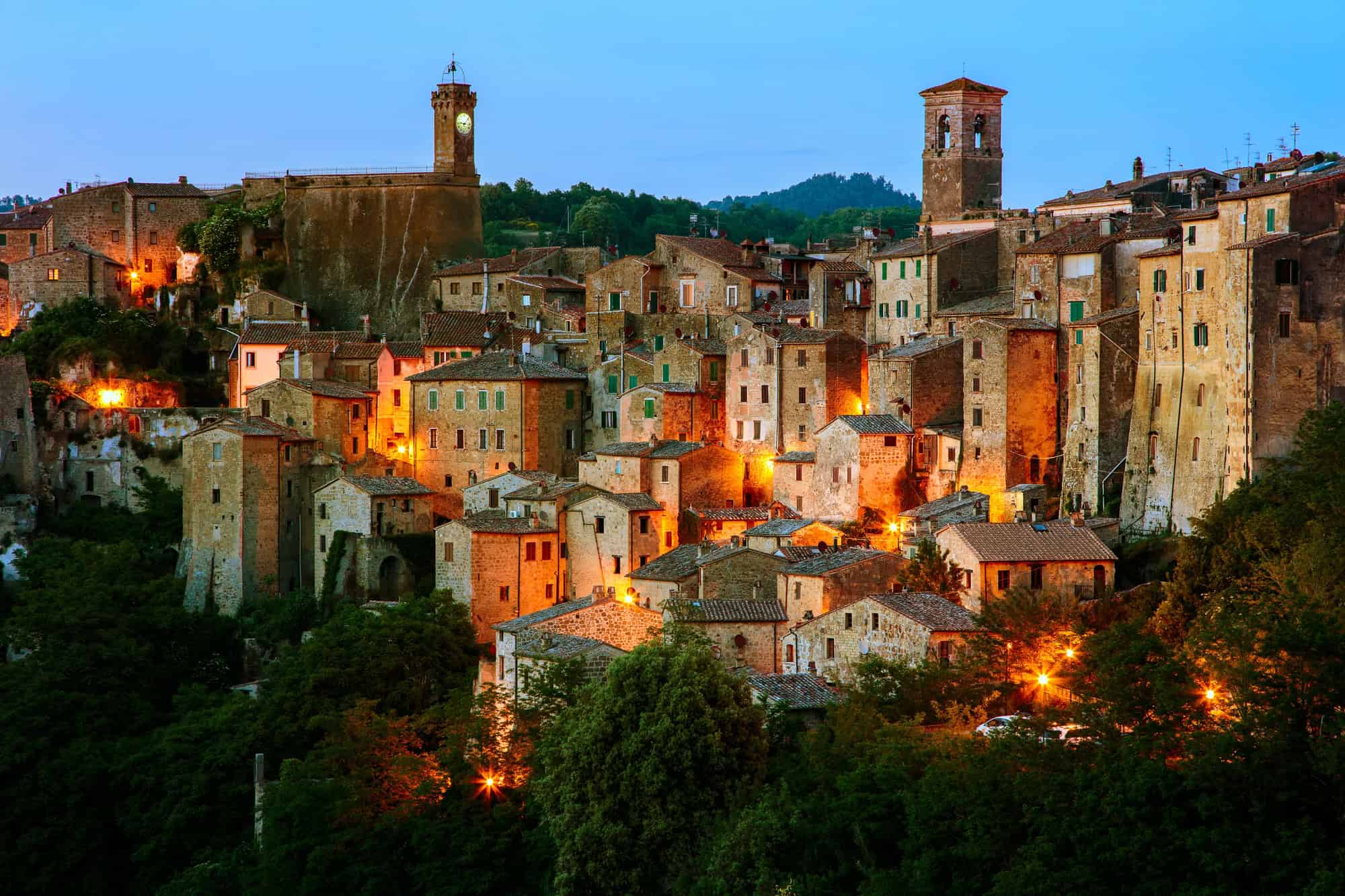
Planning a trip to Tuscany feels different than planning almost anywhere else in Italy. After traveling through busy Mediterranean cities on a cruise itinerary, Tuscany stands out as a place that quietly asks you to slow down.
Jump to:
- Why Tuscany Feels Built for Slower Travel
- Tuscan Wine Country as a Landscape Experience
- Place to Visit: Villages That Define Tuscany More Than Cities
- Where to Stay in Tuscany and Why Location Matters
- Florence as a Culinary Anchor Within Tuscany Travel
- Experiencing Tuscany Without Overspending
- Landscapes That Shape the Journey
- Art and History in Everyday Tuscany
- Food Traditions That Connect It All
- Coastal Tuscany and Changing Scenery
- Planning Tuscany With Families in Mind
- Why Tuscany Leaves a Lasting Impression
This is not a region that rewards rushing or over-scheduling. Tuscany feels best when you leave space for the unexpected and allow the landscape, food, and villages to shape the days.
As I map out this trip for our family, Tuscany keeps revealing itself as a collection of moments rather than a checklist.
Vineyards, hill towns, and long meals seem just as important as museums or landmarks.
Plan Your Trip
Save on fees abroad with the Wise Card—use it at ATMs, restaurants, and for flights or hotels in over 150 countries. Manage 40+ currencies in real-time with the Wise app.
Need Help Planning?
- Cheap Flights: Find the best deals.
- Accommodation: From hostels to luxury stays.
- Car Rental: Affordable options worldwide.
- Sightseeing Tours: Explore without breaking the bank.
- Travel Adapter: One adapter for all your needs.
- Travel Insurance: Don’t risk it—stay covered.
This post includes affiliate links, and as an Amazon Associate I earn from qualifying purchases. Read my full disclosure and privacy policy.
This guide focuses on how Tuscany comes together as a whole, especially for travelers who want balance, flexibility, and a pace that works for families.
Why Tuscany Feels Built for Slower Travel
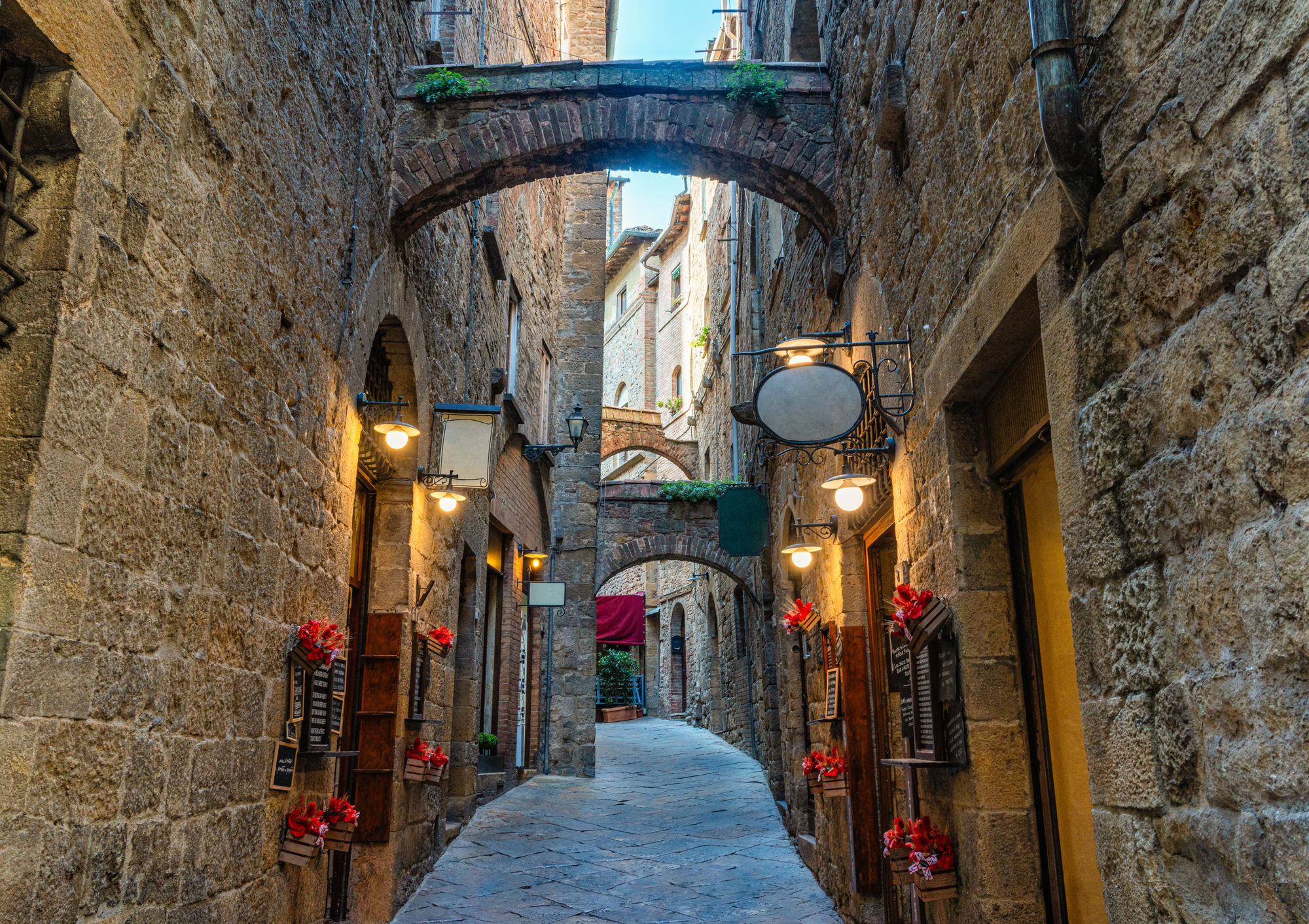
Tuscany sits at the heart of Italy, but it feels worlds away from the rush of larger cities. Rolling hills, vineyard-covered valleys, and small towns create a rhythm that encourages wandering rather than chasing highlights.
When planning, it becomes clear that Tuscany works best when days are loosely structured, and meals are treated as part of the experience, not something squeezed in between stops.
This slower pace is something we learned to value on previous trips, usually after long days that ended with tired kids and missed moments. Tuscany feels like the antidote to that kind of travel. Fewer destinations often lead to fuller days.
Tuscan Wine Country as a Landscape Experience
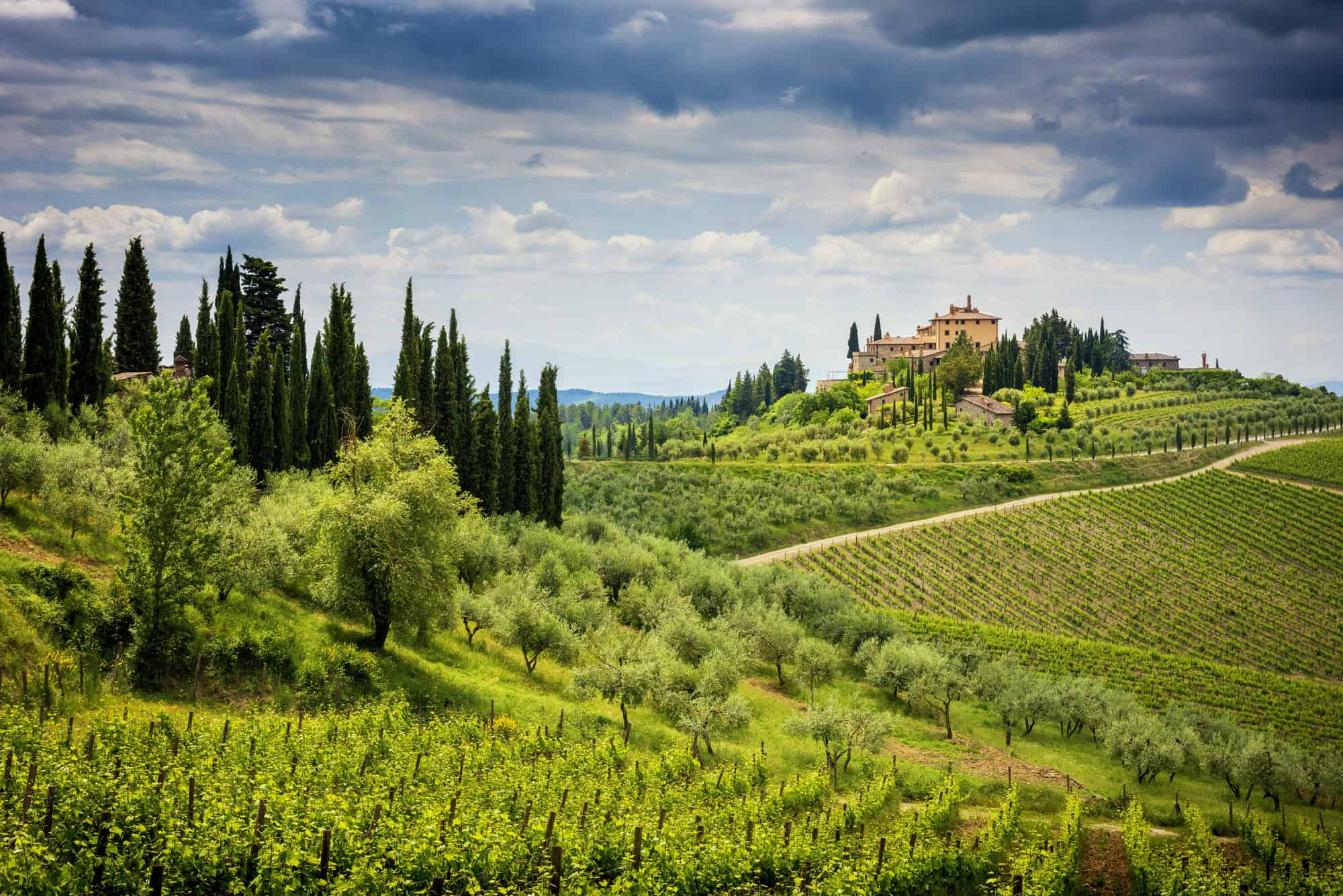
Tuscany’s vineyards are impossible to separate from the scenery itself. Regions producing Chianti, Brunello di Montalcino, and Vernaccia are woven directly into the countryside, making even short drives feel intentional. Wine tours here are not just about tasting. They are about understanding how land, climate, and tradition intersect.
- If you still haven't had enough of wine tasting, you can visit more by booking here.
For families, the key is moderation. Short winery visits, scenic drives through vineyard roads, or even stopping at small estates can offer the atmosphere without turning the day into a rigid schedule. Tuscany’s wine regions add depth even when wine is not the main focus.
Place to Visit: Villages That Define Tuscany More Than Cities
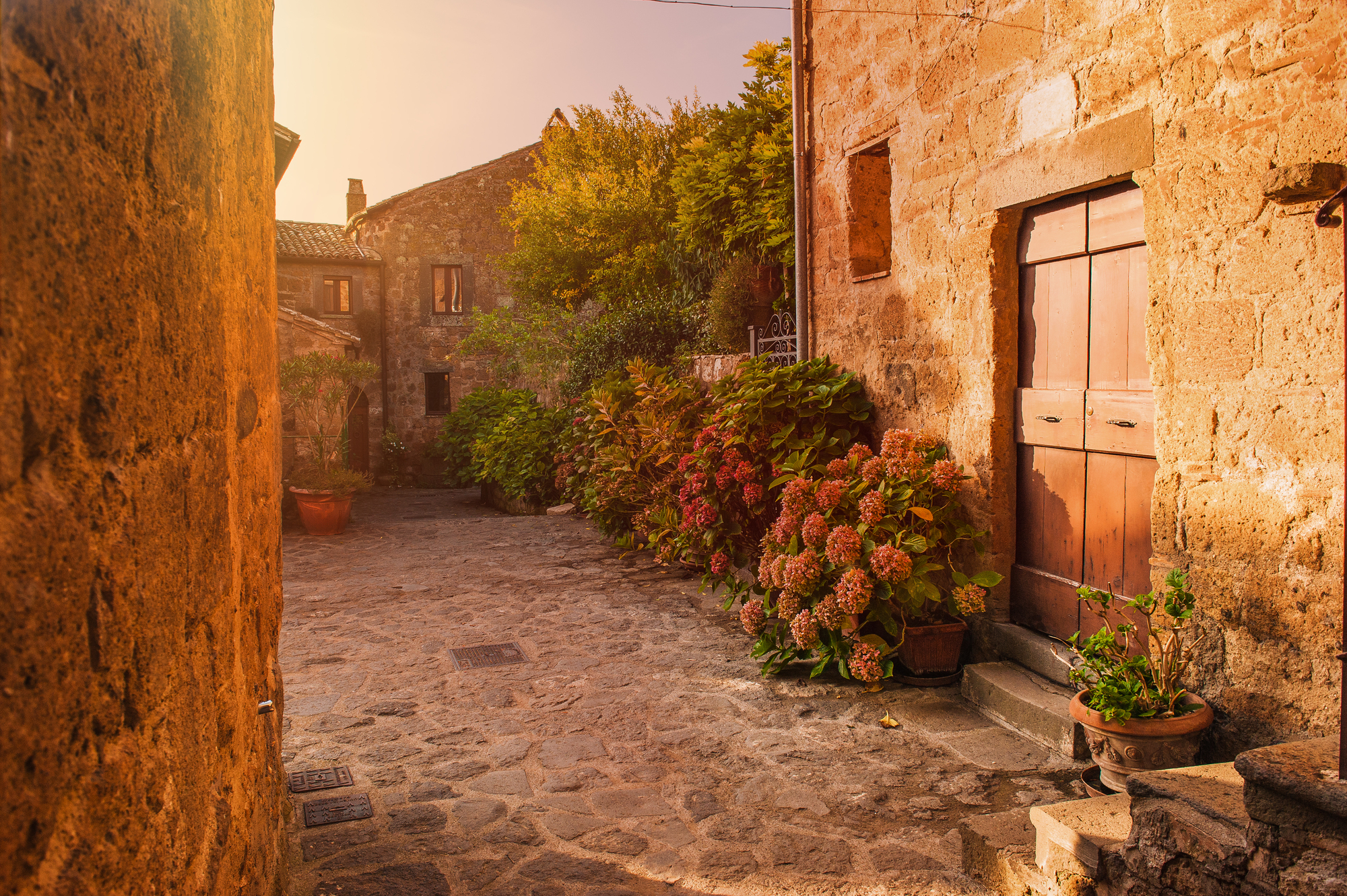
While Florence often anchors a Tuscany itinerary, the villages are what give the region its character. Towns like Pienza, known for pecorino cheese, or Montepulciano, with its Renaissance architecture and wine culture, feel personal and grounded. Cortona adds an artistic layer with views that stretch far beyond the town walls.
These villages are ideal for families because they invite exploration without pressure. Short walks, small piazzas, and casual meals naturally replace packed itineraries.
Where to Stay in Tuscany and Why Location Matters
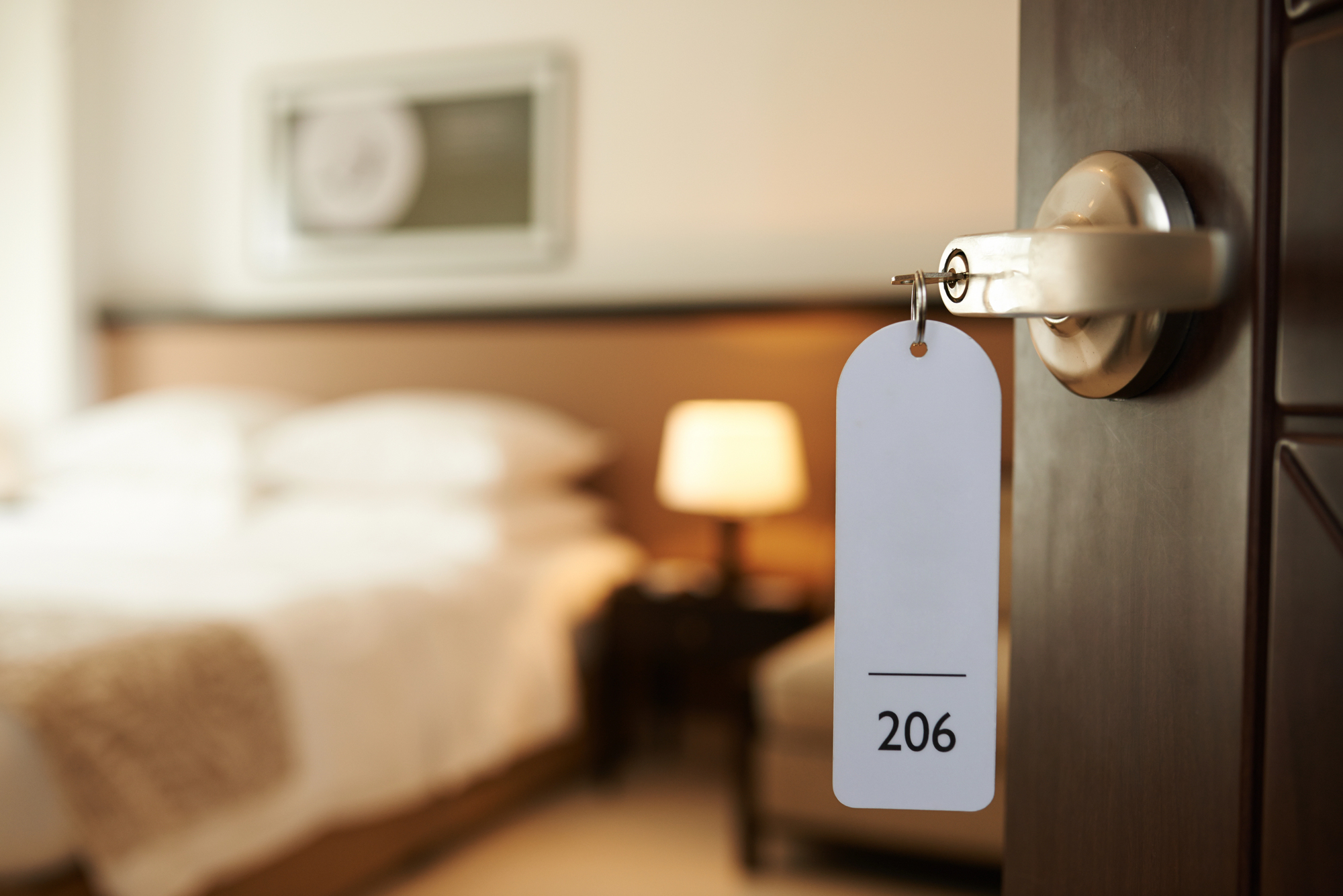
Deciding where to stay in Tuscany matters more than it does in many destinations because the region is spread out, and each area offers a different pace. When planning, it quickly becomes clear that this choice shapes how relaxed or rushed the trip will feel.
Staying in a small Tuscan village
Staying in a small Tuscan village or countryside agriturismo works well for families who want slower mornings, open space, and quieter evenings. These areas make it easier to settle in, take day trips without packing up constantly, and enjoy everyday moments like local markets and long dinners.
Why Florence works as a short base
Florence can work as a short base for art, food, and walkable sightseeing, especially for first visits, but pairing it with time outside the city often creates a better balance.
For longer stays in Tuscany
If staying longer, splitting the trip between Florence and a village or countryside stay helps keep the experience varied without feeling hectic. Choosing where to stay in Tuscany is less about finding the perfect hotel and more about matching the location to how your family actually travels.
Florence as a Culinary Anchor Within Tuscany Travel

Florence plays a central role in Tuscany, but not only because of its art. It is also where Tuscan food traditions come into sharp focus. Dishes like ribollita, pappa al pomodoro, lampredotto, and simple tomato-based meals show how deeply food is tied to place.
Want to save this?
Rather than planning every meal in advance, Florence works best when you mix sit-down restaurants with informal food stops. That flexibility matters when traveling with kids and helps meals feel like part of the journey rather than an obligation. This is also where food-focused planning can branch naturally into deeper exploration without overwhelming the rest of the trip.
Experiencing Tuscany Without Overspending
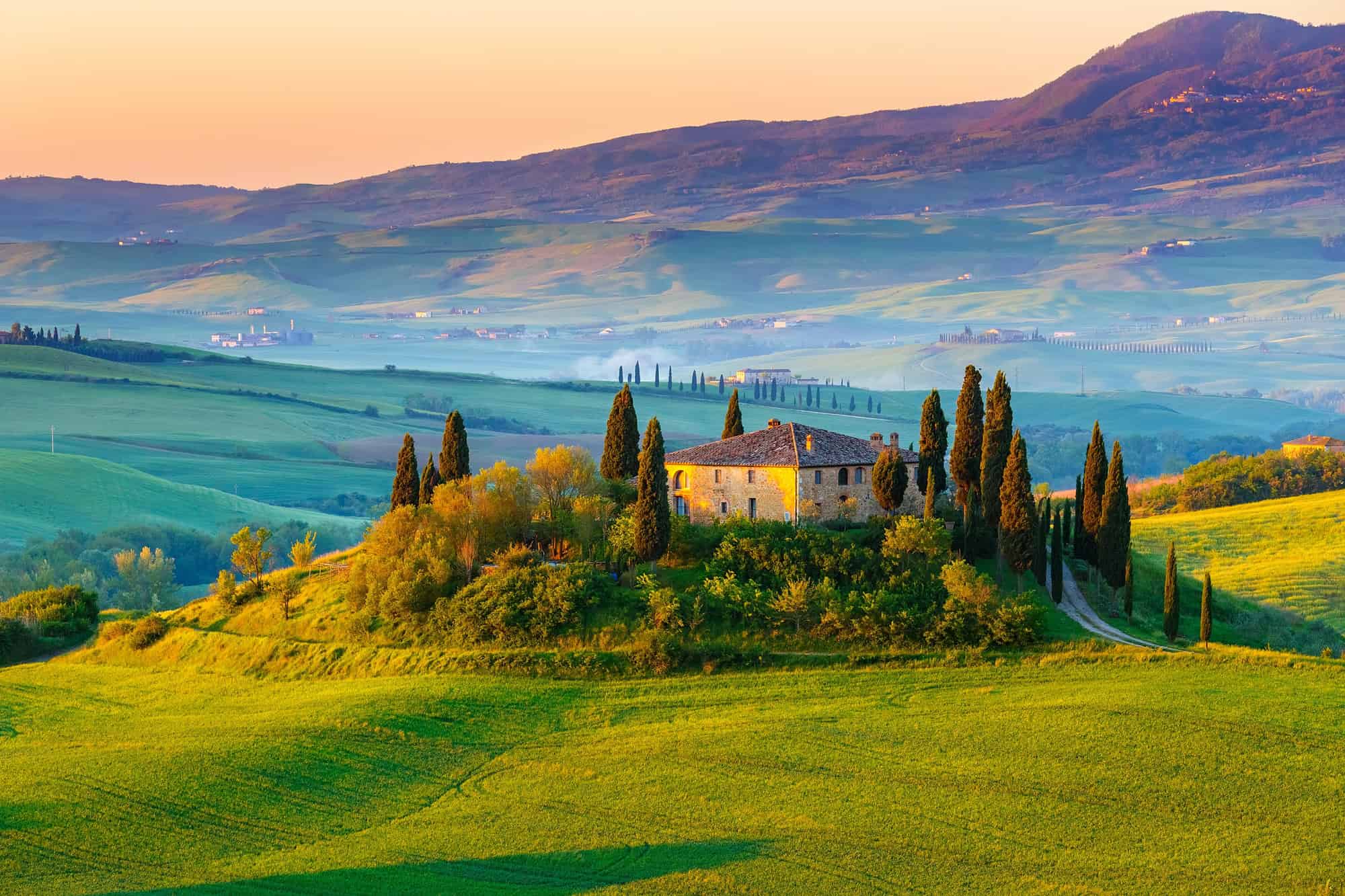
Tuscany does not require a luxury budget to feel meaningful. Walkable towns, open countryside, and affordable trattorias make it accessible when approached thoughtfully. Shoulder seasons offer the added benefit of fewer crowds and gentler pricing, which can make a noticeable difference for families.
Some of the most memorable moments often come from simple choices like picnics with local bread and cheese or wandering village streets without an agenda. Tuscany rewards presence more than spending.
Landscapes That Shape the Journey
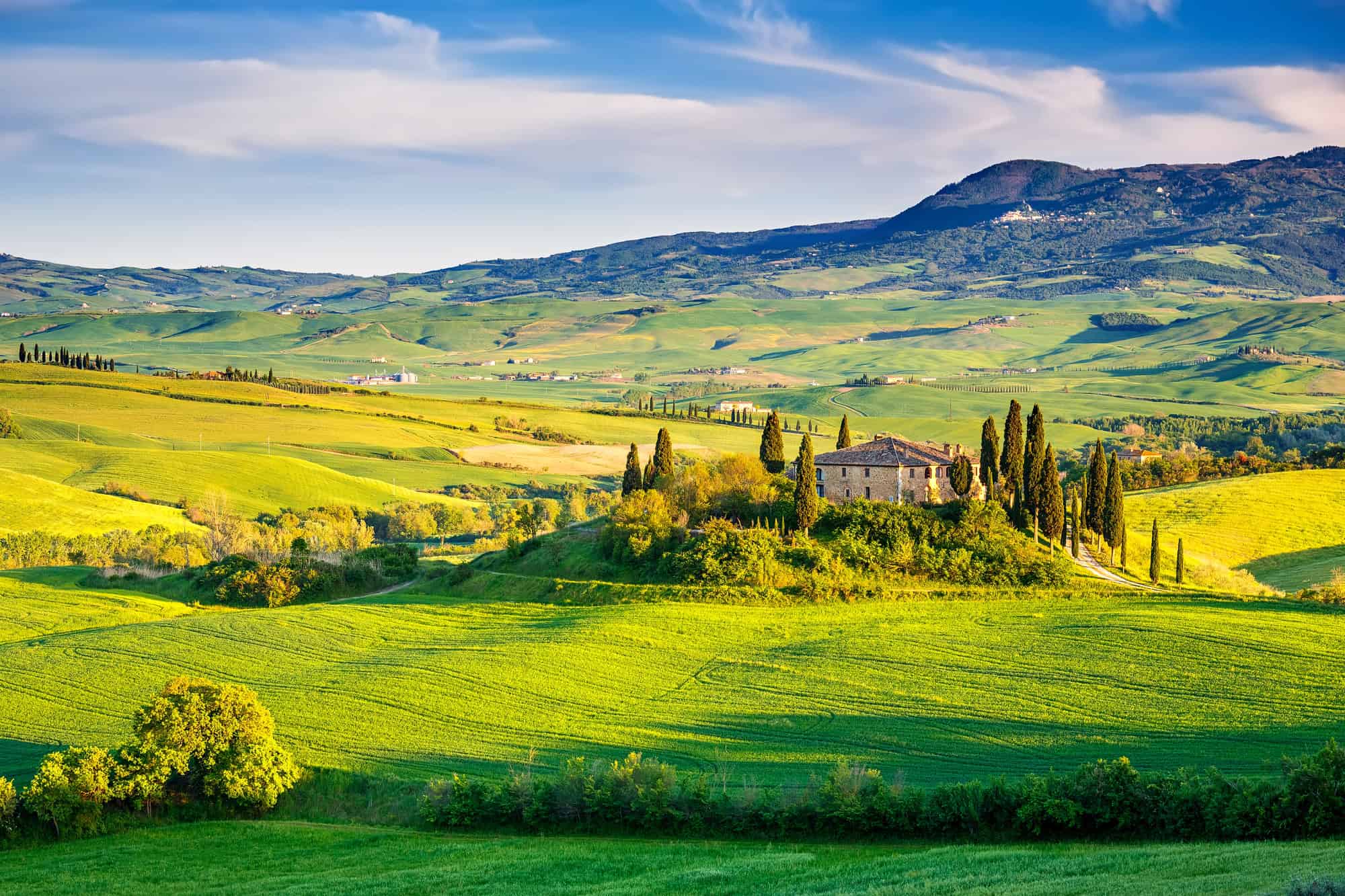
Tuscany’s scenery is not something you pass through between destinations. It is the experience itself. Olive groves, vineyards, and hill towns create natural pauses throughout the day. Areas like Val d’Orcia and Chianti feel designed for slow drives and spontaneous stops.
For families, this means travel days feel less like transit and more like part of the adventure. Space and scenery help reset energy levels in ways crowded cities often cannot.
Art and History in Everyday Tuscany
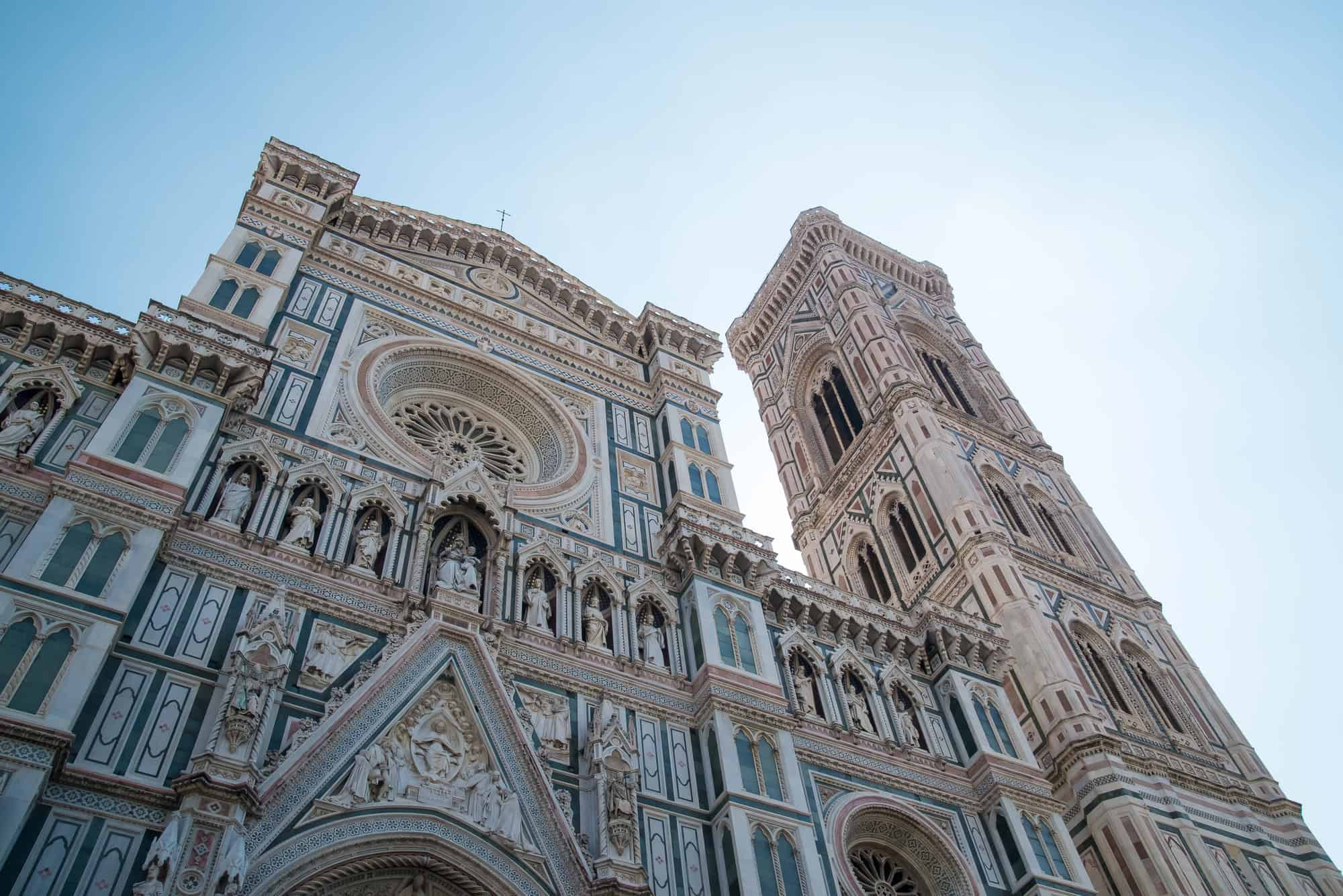
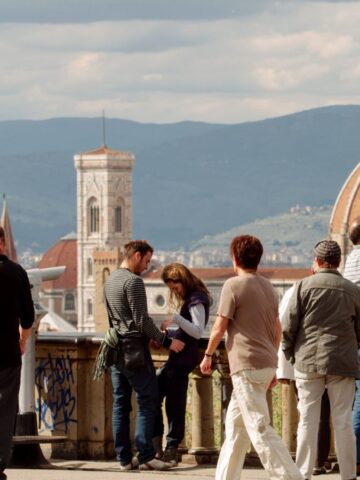
Florence remains Tuscany’s artistic centerpiece, with landmarks like the Florence Cathedral and Uffizi Gallery showcasing Renaissance mastery. At the same time, history shows up everywhere in Tuscany, from village walls to small churches and artisan workshops.
It's definitely worth it to book a walking tour and skip-the-line tickets, especially if you want a knowledgeable guide as you explore the city. You can even try a Farmer's Market tour for an even better experience!
Choosing one or two meaningful cultural stops often works better than trying to see everything. Tuscany’s atmosphere carries history even when you are not inside a museum.
Food Traditions That Connect It All

Tuscan cooking reflects the region’s values. Simple ingredients, seasonal produce, and time-tested techniques come together in dishes like bistecca alla fiorentina, ribollita, and hand-rolled pastas. Wine tastings reinforce how closely food, land, and tradition are connected.
- Explore a local farmer's market and choose fresh produce for your meal by booking here.
This connection between landscape and cuisine is one of the reasons Tuscany feels cohesive rather than fragmented.
Coastal Tuscany and Changing Scenery
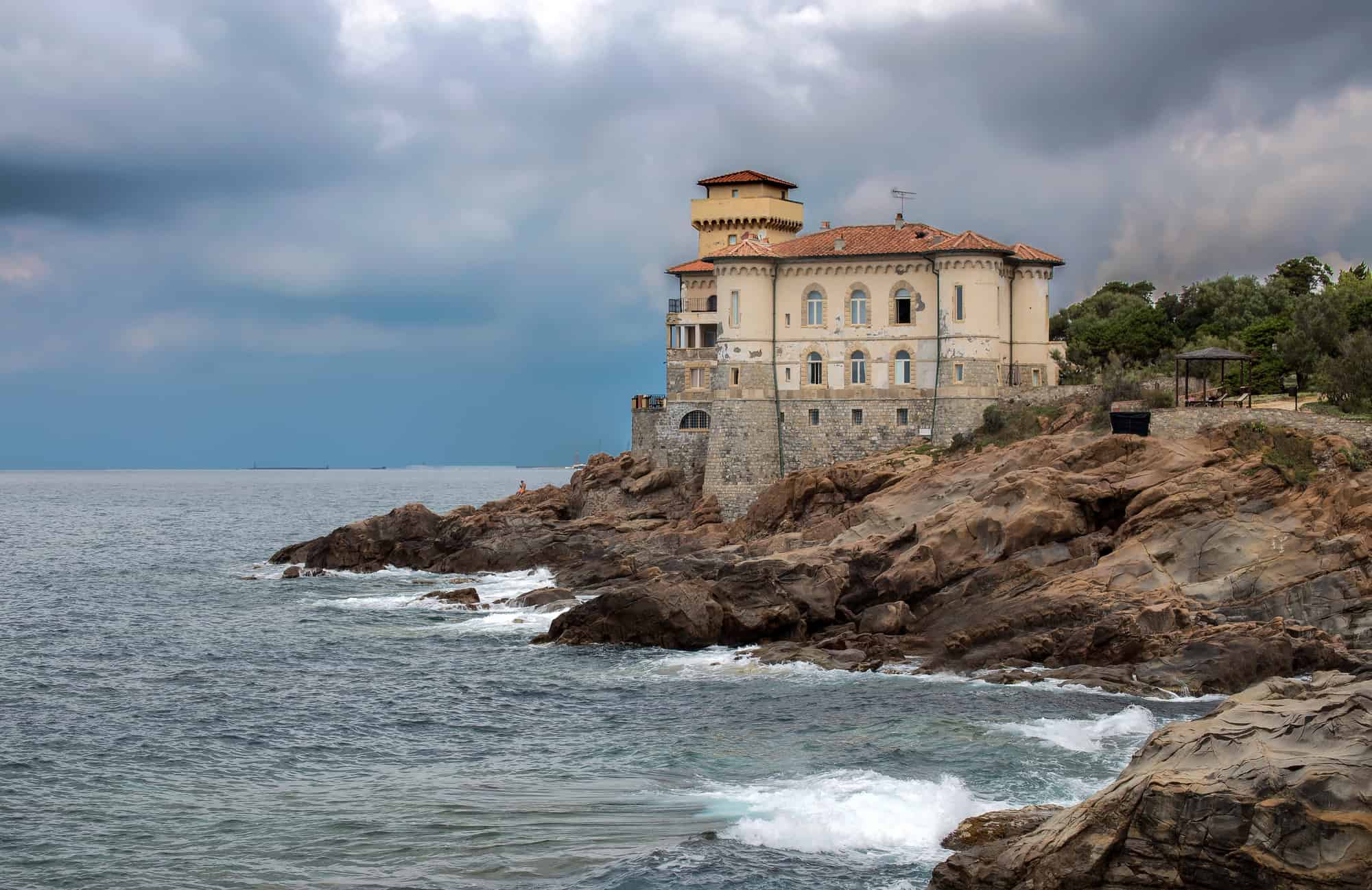
Beyond the countryside, Tuscany’s coastline introduces a different rhythm. Seaside towns like Viareggio and nearby coastal areas, including Cinque Terre, offer contrast to inland villages. This variety makes Tuscany especially appealing for longer stays.
Families benefit from this shift in scenery, as it breaks up the trip without adding complexity.
Planning Tuscany With Families in Mind
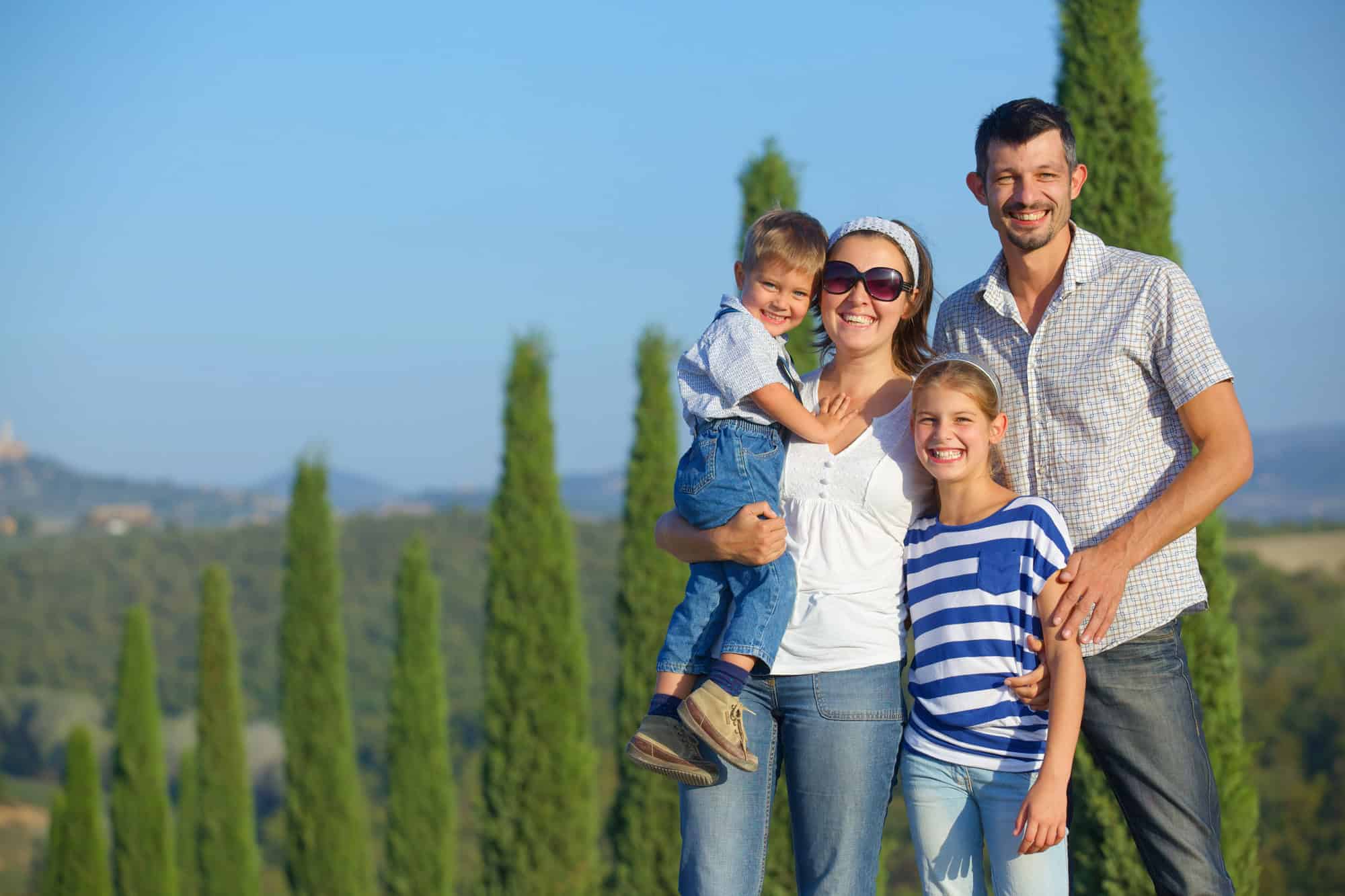
Spring and fall remain ideal seasons to visit Tuscany, offering mild weather and manageable crowds. Renting a car provides flexibility, especially when visiting villages. Agriturismos often work well for families by offering space and a slower pace.
Most importantly, Tuscany rewards realistic pacing. Planning fewer stops per day allows the region to unfold naturally.
Why Tuscany Leaves a Lasting Impression
The more I plan this trip, the more it becomes clear that Tuscany is not about seeing everything. It is about how places connect. A village lunch, a scenic drive, a quiet walk, and a simple meal can define the day just as much as a major attraction.
Tuscany has a way of turning planning into anticipation and anticipation into memories that feel deeply rooted in place.
This article was adapted from the original post published on Food Drink Life.

Leave a Reply