
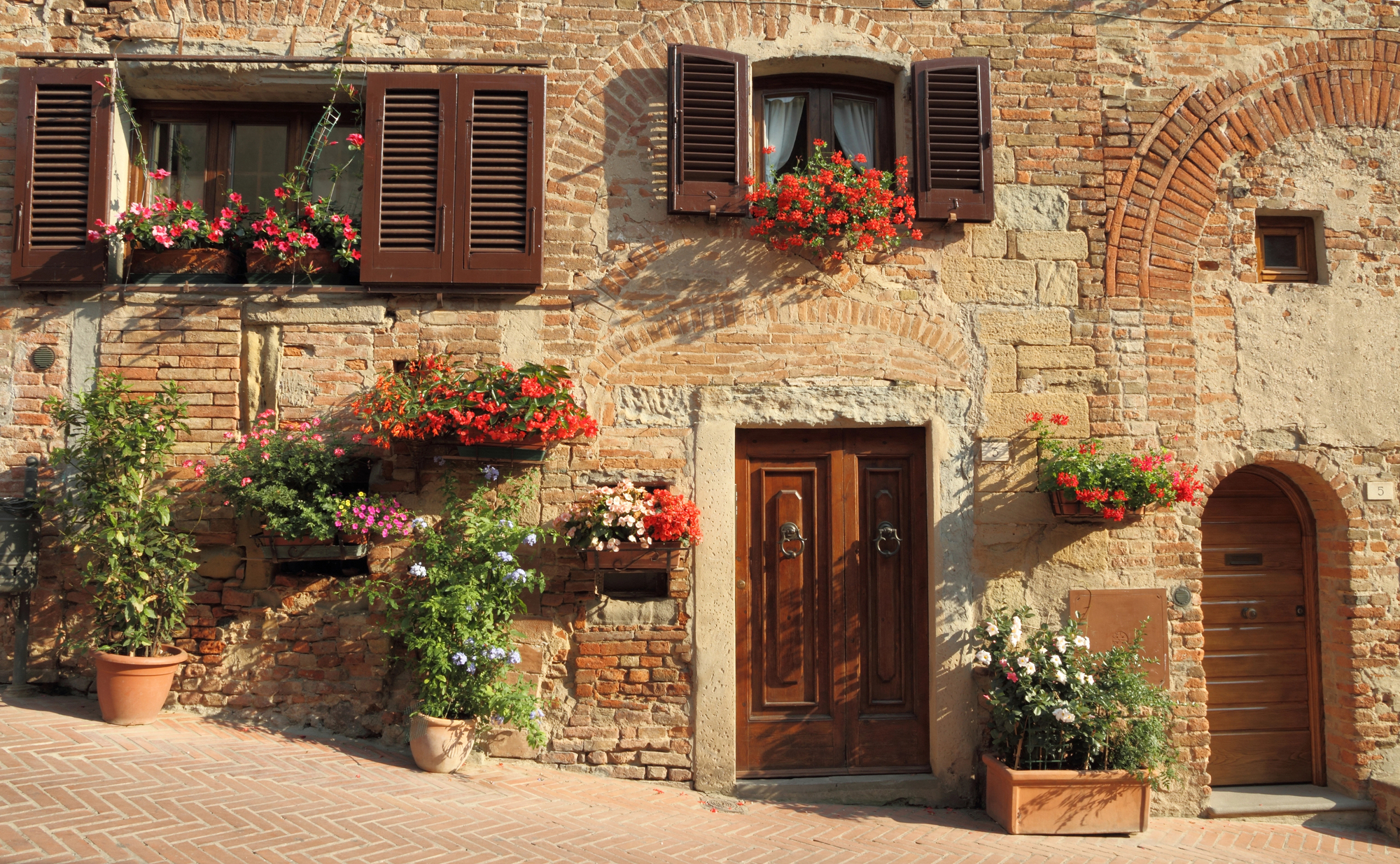
Planning a trip through Tuscany villages feels different from mapping out big European cities. Instead of building days around museums or landmarks, I find myself thinking in slower moments. Morning coffee in a quiet piazza. Short drives through vineyards. Letting the day unfold without rushing to the next stop.
Jump to:
- What Makes Tuscan Villages So Special
- Montepulciano: Wine Tasting, Views, and Wandering Streets
- Pienza: A Small Village with Big Renaissance Energy That is Worth a Visit
- San Gimignano: Towers and Timeless Views
- Volterra: Layers of History in One Place
- Cortona: Art, Quiet Corners, and a Slower Pace
- Barga: A Village That Feels Lived In
- Gaiole in Chianti: Vineyards and Open Roads
- Siena: Not a Village, But a Charming Town Worth the Time
- Eating Your Way Through Tuscany Villages
- Planning Tips for Visiting Villages in Tuscany with Family
- Why Tuscany Villages Anchor the Trip
After traveling through places like Barcelona, Marseille, Genoa, Naples, Palermo, and even Tunisia on a Mediterranean cruise, our family started to recognize a familiar rhythm.
- If you’re new to cruising or just want to make sure your first experience goes smoothly, these first time cruise tips will help you get the most out of your voyage.
The bigger the city, the faster the pace, and the sooner someone in the back seat asked, “Are we there yet?”
We loved the energy of places like Genoa and Palermo, but those trips also taught us that constant movement can wear everyone down faster than expected.
Tuscany feels like the natural counterbalance to that kind of travel. The villages invite slower mornings, casual wandering, and the kind of stops that happen because something smells good or looks interesting, not because it was pinned on a map.
It reminds me of the moments we enjoyed most during vacations, when the schedule loosened and the day unfolded naturally, which is exactly why the smaller towns feel like the heart of this trip.
The heart of the experience seems to live in the smaller towns. These villages in Tuscany are where history, food, and daily life blend together naturally.
Plan Your Trip
Save on fees abroad with the Wise Card—use it at ATMs, restaurants, and for flights or hotels in over 150 countries. Manage 40+ currencies in real-time with the Wise app.
Need Help Planning?
- Cheap Flights: Find the best deals.
- Accommodation: From hostels to luxury stays.
- Car Rental: Affordable options worldwide.
- Sightseeing Tours: Explore without breaking the bank.
- Travel Adapter: One adapter for all your needs.
- Travel Insurance: Don’t risk it—stay covered.
This post includes affiliate links, and as an Amazon Associate I earn from qualifying purchases. Read my full disclosure and privacy policy.
This is not a checklist style guide. It is how I am approaching the best villages in Tuscany while planning a family trip that balances curiosity, pacing, and plenty of time to sit down and eat.
What Makes Tuscan Villages So Special
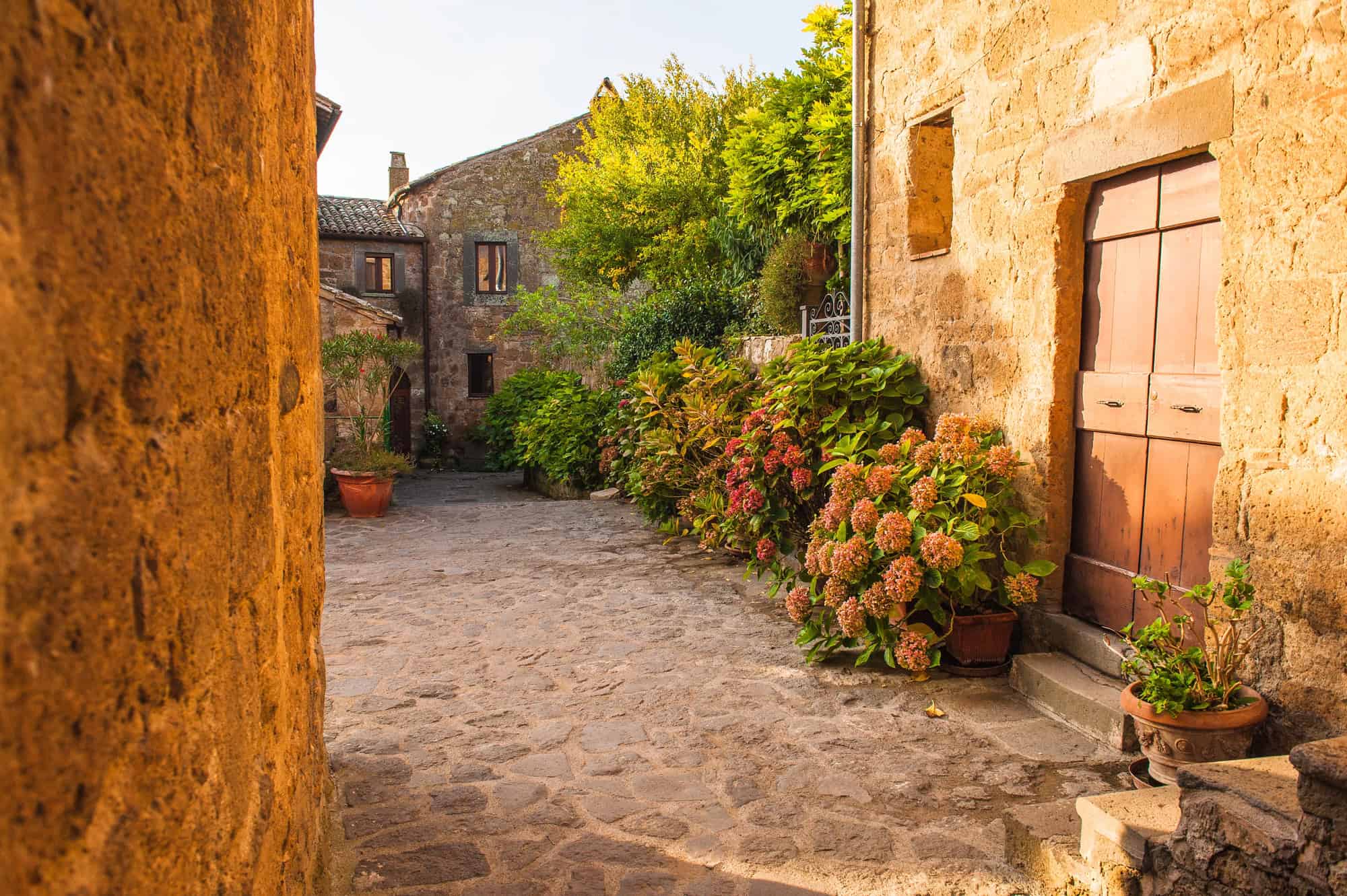
What draws me to Tuscany villages is not just how they look, though the rolling hills and stone buildings help. It is how contained they feel. You can walk almost everywhere. Kids can roam a little more freely. Lunch does not feel rushed.
Each village has its own rhythm. Some revolve around wine. Others around food traditions or long-standing crafts. And unlike larger cities, the villages in Tuscany feel lived in rather than staged for visitors.
Montepulciano: Wine Tasting, Views, and Wandering Streets
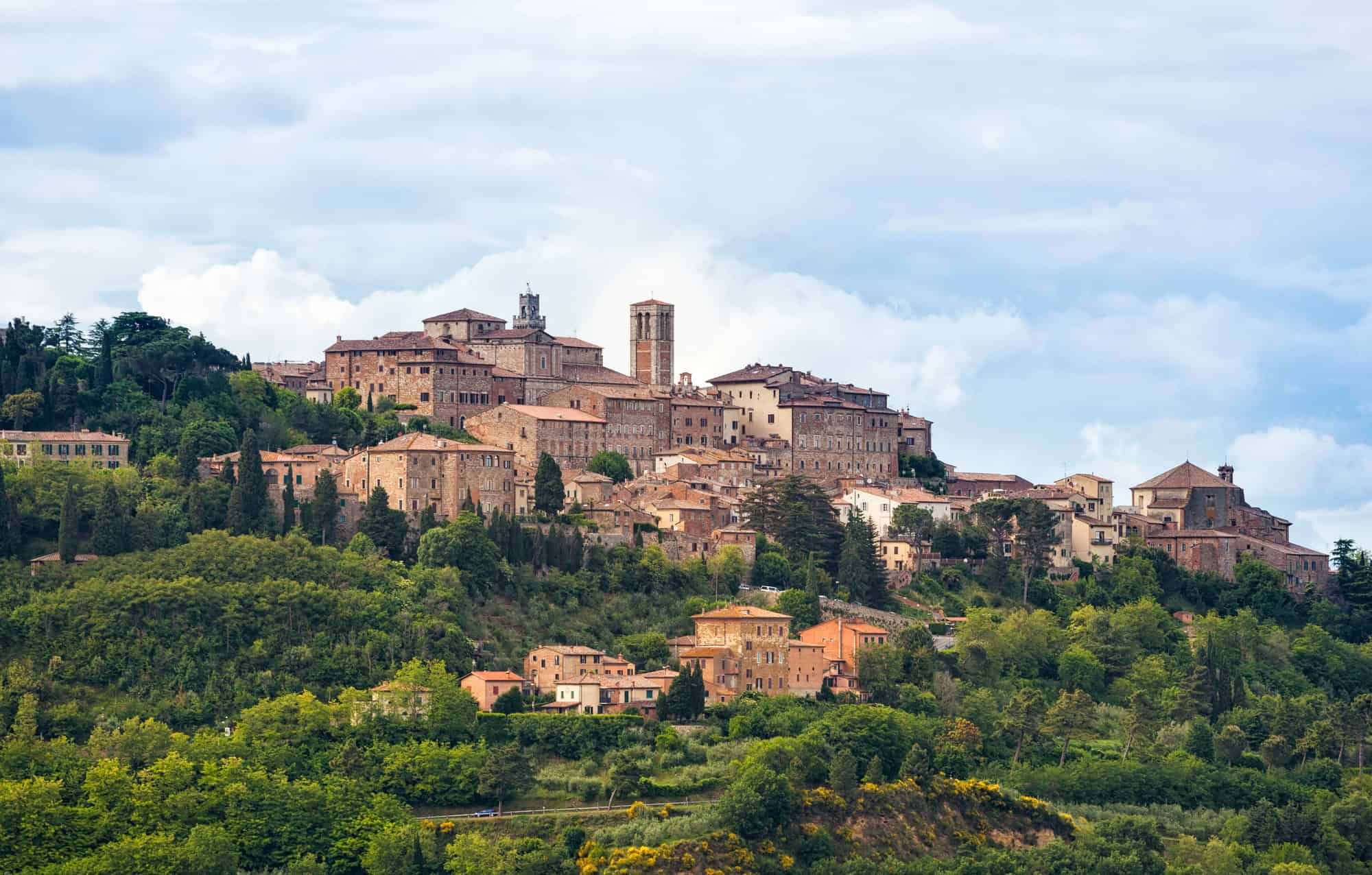
Montepulciano keeps coming up as one of the best villages in Tuscany for good reason. Built high on a hill, it is known for Vino Nobile di Montepulciano and wide views over the countryside.
What appeals to me most is how walkable it is. Renaissance palaces line the streets, and wine cellars are tucked into places that feel casual rather than commercial. Even if wine tastings are brief when traveling with kids, the atmosphere alone makes Montepulciano worth building into a Tuscany villages route.
Pienza: A Small Village with Big Renaissance Energy That is Worth a Visit
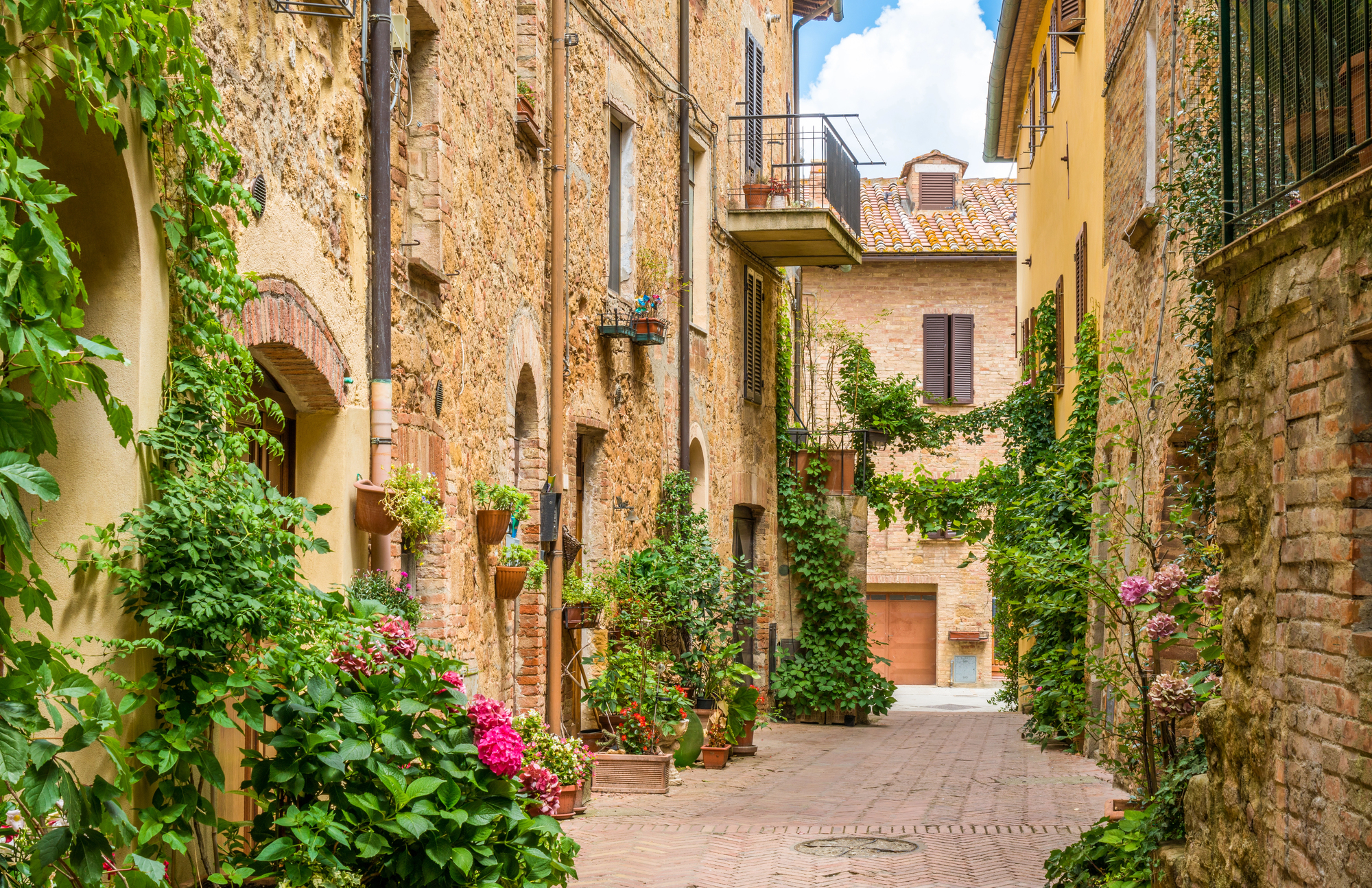
Pienza feels like the kind of place where a short stop turns into a long afternoon. Designed in the 15th century as an ideal Renaissance city, it is compact and easy to explore without feeling repetitive.
Pecorino cheese is the star here, and this is one of those villages in Tuscany where food becomes part of the sightseeing. For families, it is an easy win. A short walk, a long lunch, and time to browse small shops without feeling overwhelmed.
You can even book a Typical Gourmet Lunch at Ancient Tuscan Farmhouse in advance for a smoother trip.
San Gimignano: Towers and Timeless Views
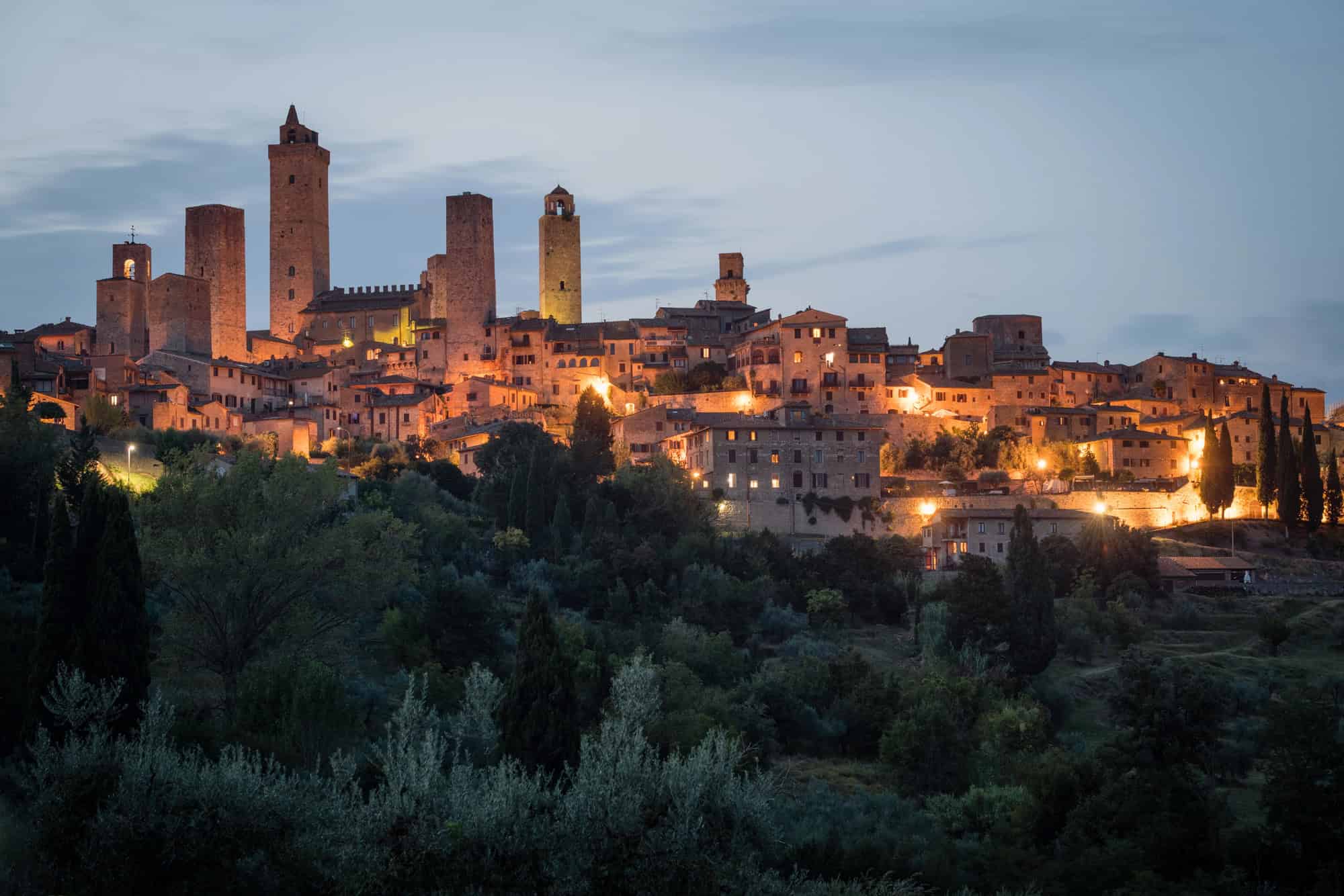
San Gimignano is often one of the first Tuscany villages people mention, and I understand why. The skyline of medieval towers is unlike anything else in the region.
- If you still haven't had enough of wine tasting, you can visit more at San Gimignano by booking here.
It does feel more visited than some villages in Tuscany, but arriving early or later in the day seems key. Climbing one of the towers offers sweeping views that help you understand the geography of Tuscany itself. From a planning standpoint, this feels like a village to pair with a quieter stop nearby to balance the day.
Volterra: Layers of History in One Place
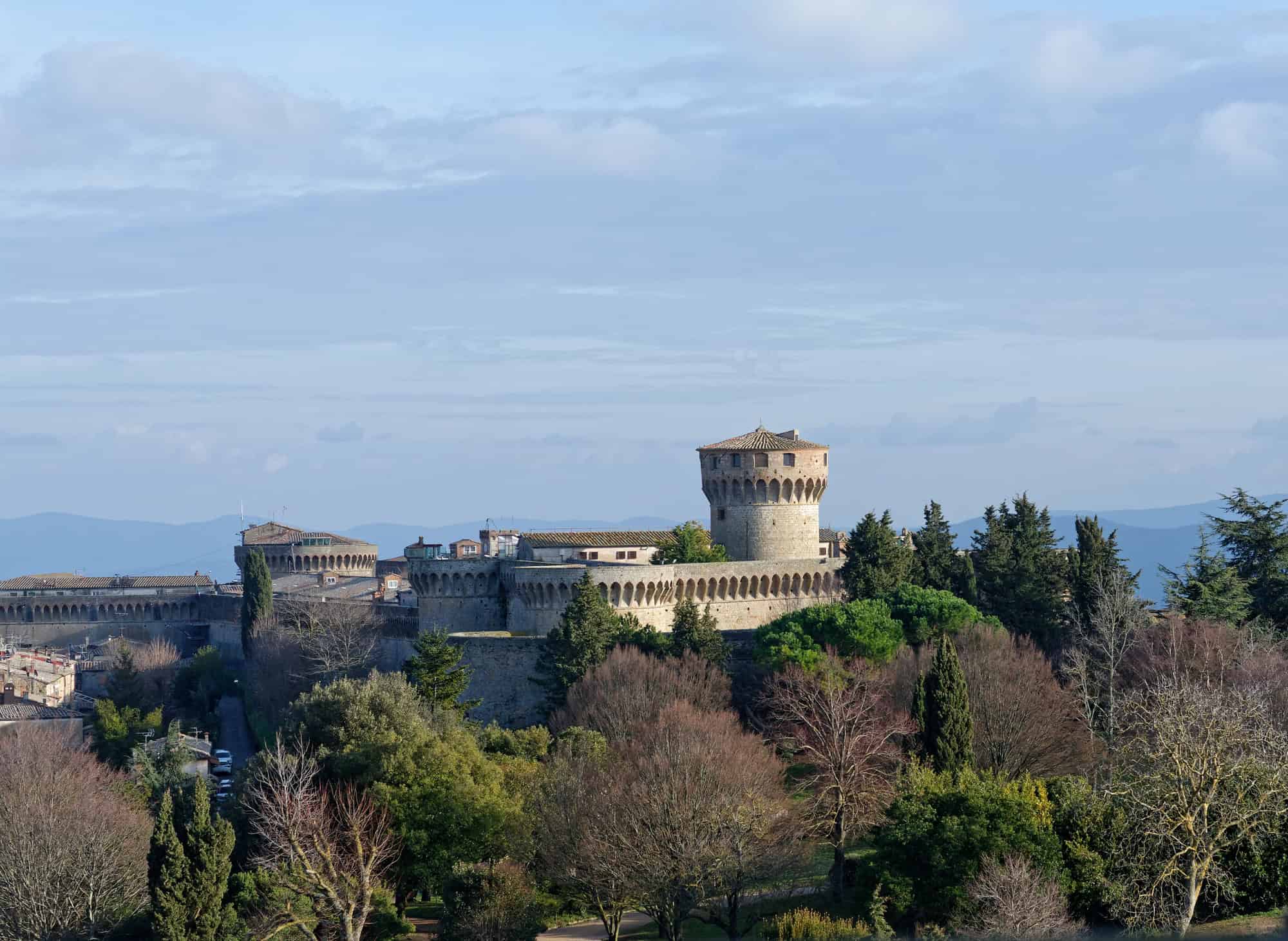
Volterra feels deeper and slightly more serious than some other villages. Its Etruscan roots, medieval streets, and Roman amphitheater create a layered experience that appeals if you enjoy history unfolding slowly.
Want to save this?
This is one of those Tuscany villages I would plan for a half day rather than a quick stop. There is enough substance here to warrant a slower pace, especially when traveling with family members who like stories more than stairs.
If you have more time, you can even visit a farmhouse in the rolling hills of Volterra for an authentic culinary experience.
Cortona: Art, Quiet Corners, and a Slower Pace
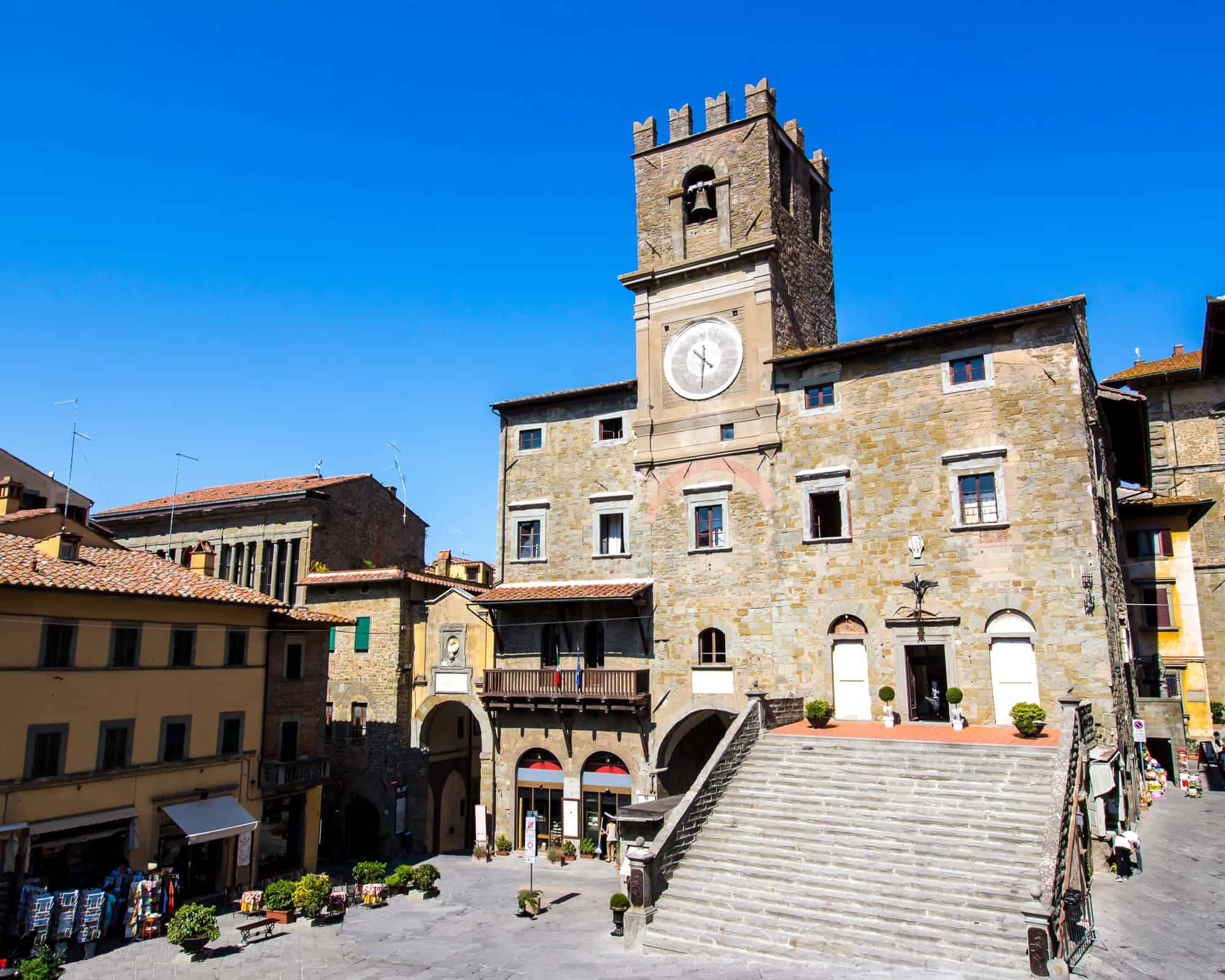
Cortona has an artistic reputation and a calm presence that stands out. Perched high on a hill, it feels like a place designed for lingering rather than sightseeing sprints.
It is easy to imagine spending an afternoon here wandering cobbled streets, visiting the Etruscan Academy Museum, and settling into the main square for a long break. Among the best villages in Tuscany, Cortona feels especially suited to travelers who want space to breathe.
- Learn to cook the Tuscan way in from booking this fun pasta and pizza cooking class in Cortona!
Barga: A Village That Feels Lived In
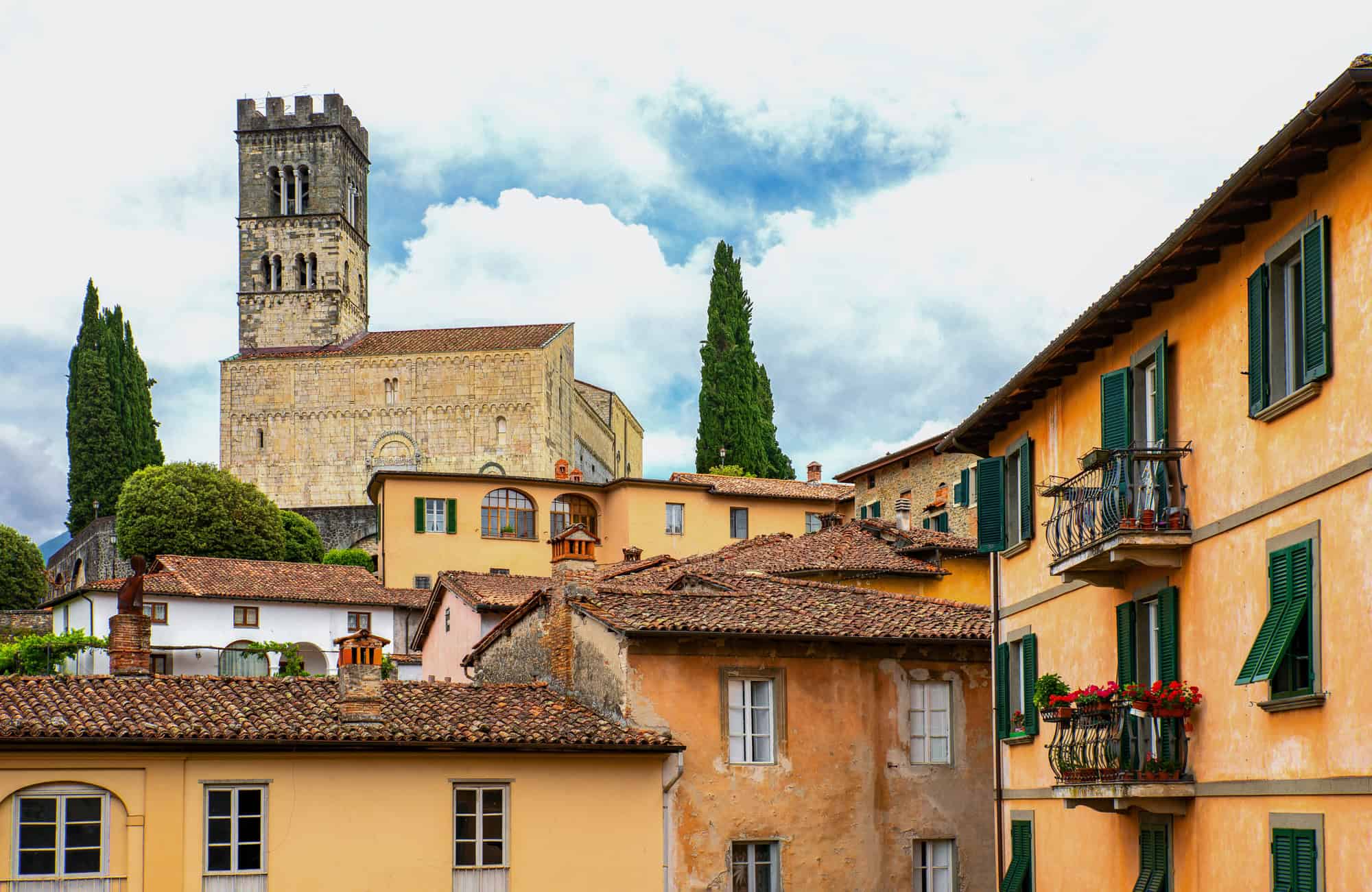
Barga is not always on the first Tuscany villages list, which makes it even more appealing. Surrounded by the Apuan Alps, it feels grounded and residential rather than tourist-driven.
Its medieval streets, Duomo, and local trattorias suggest a place where daily life continues at its own pace. This is the type of village I would build into an itinerary specifically to slow everything down.
Gaiole in Chianti: Vineyards and Open Roads
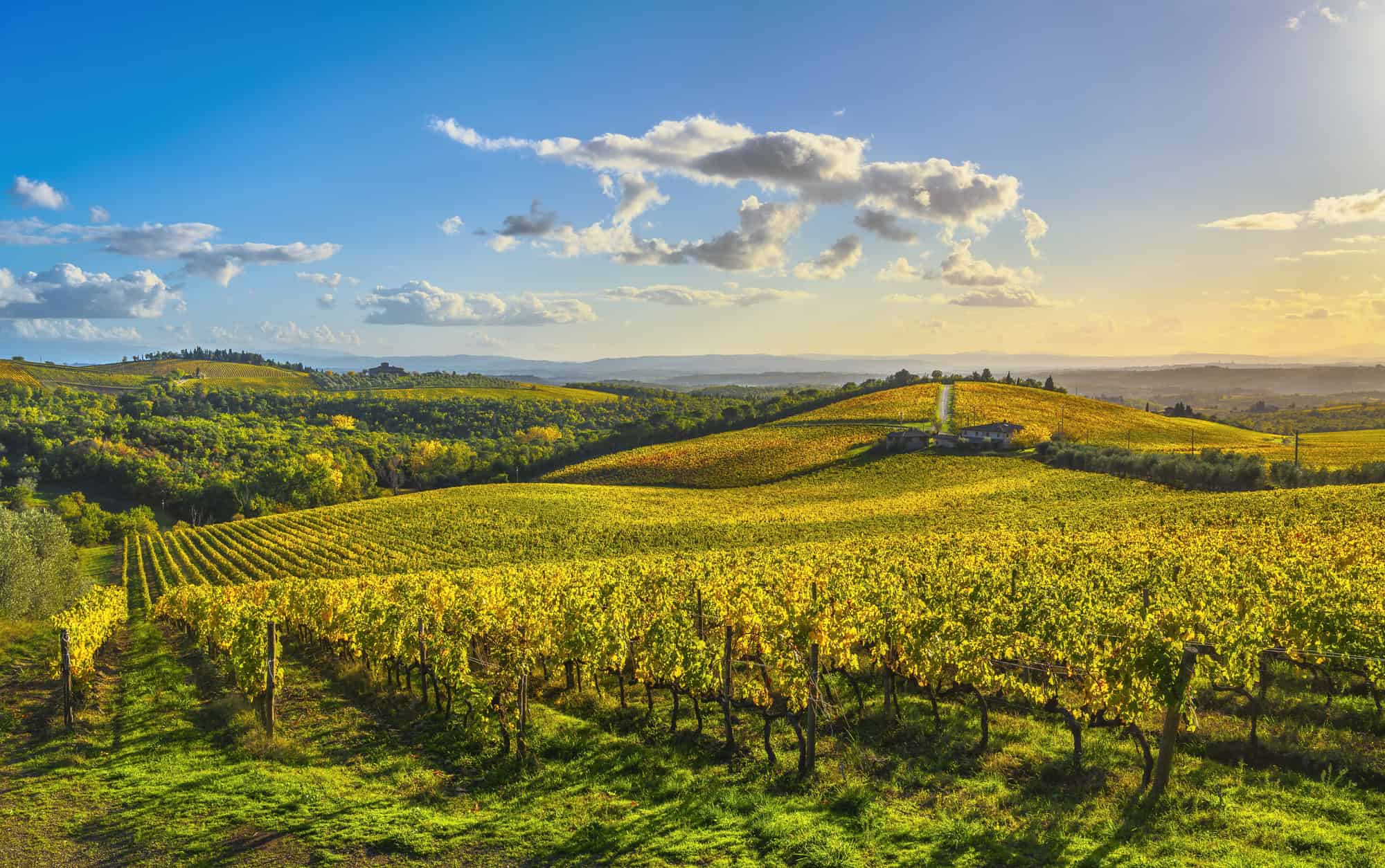
Gaiole in Chianti appeals even if cycling is not the main goal. Known as the starting point for the Eroica cycling event, it sits among vineyards and quiet roads that define the Chianti landscape.
For families, this feels like a scenic pause rather than an activity hub. Good food, good wine for adults, and space to move around without crowds make it an easy addition to a Tuscany villages route.
Siena: Not a Village, But a Charming Town Worth the Time
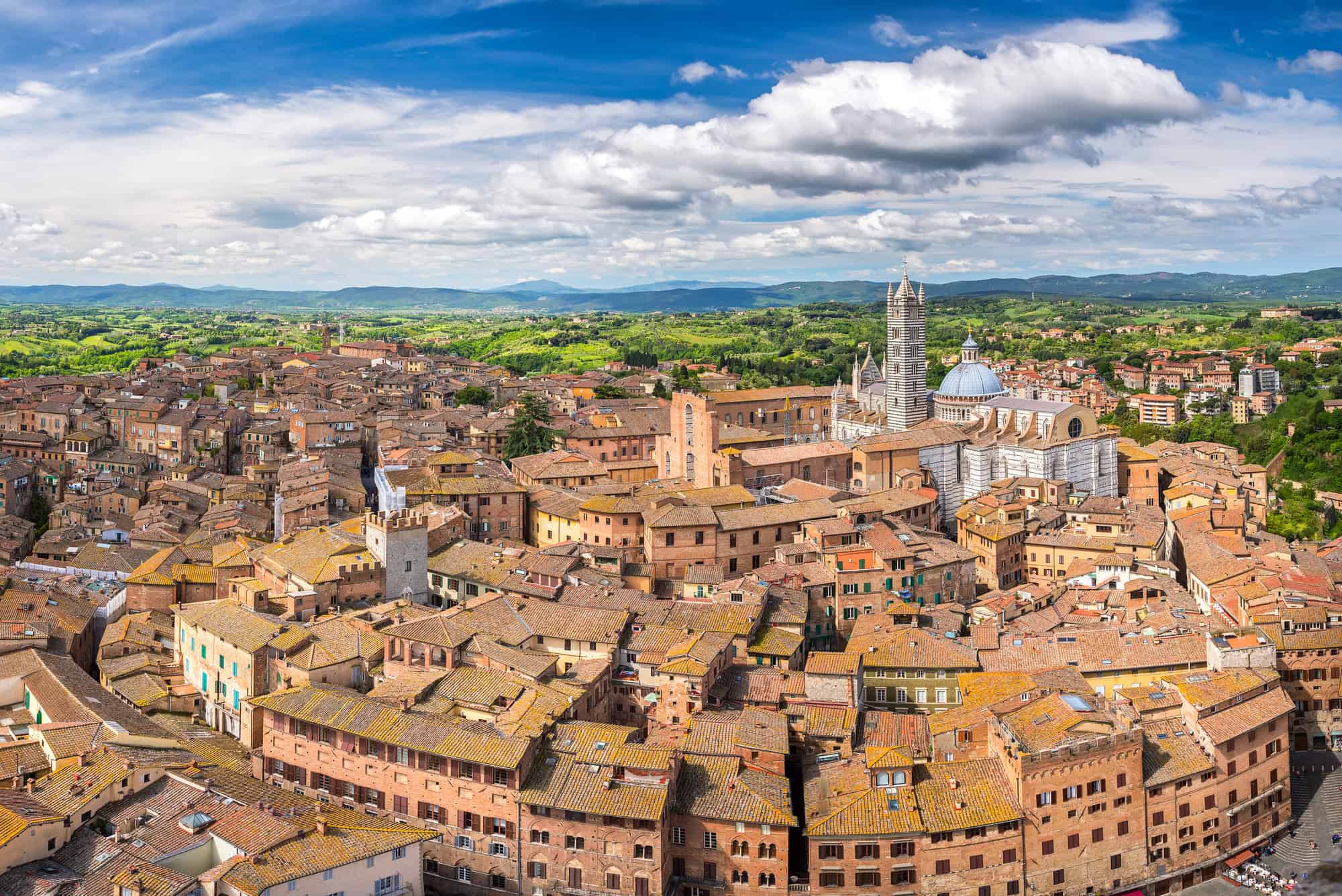
Siena may technically be a town, but it fits naturally into a discussion about villages in Tuscany. Its medieval center feels intimate, and Piazza del Campo invites long breaks and people watching.
It's definitely worth it to book a walking tour and skip-the-line tickets, especially if you want a knowledgeable guide as you explore the city. You can even try a Farmer's Market tour for an even better experience!
From a family travel perspective, Siena offers structure without stress. One main square, clear landmarks, and plenty of places to stop for gelato. It feels like a bridge between village life and city energy.
Eating Your Way Through Tuscany Villages
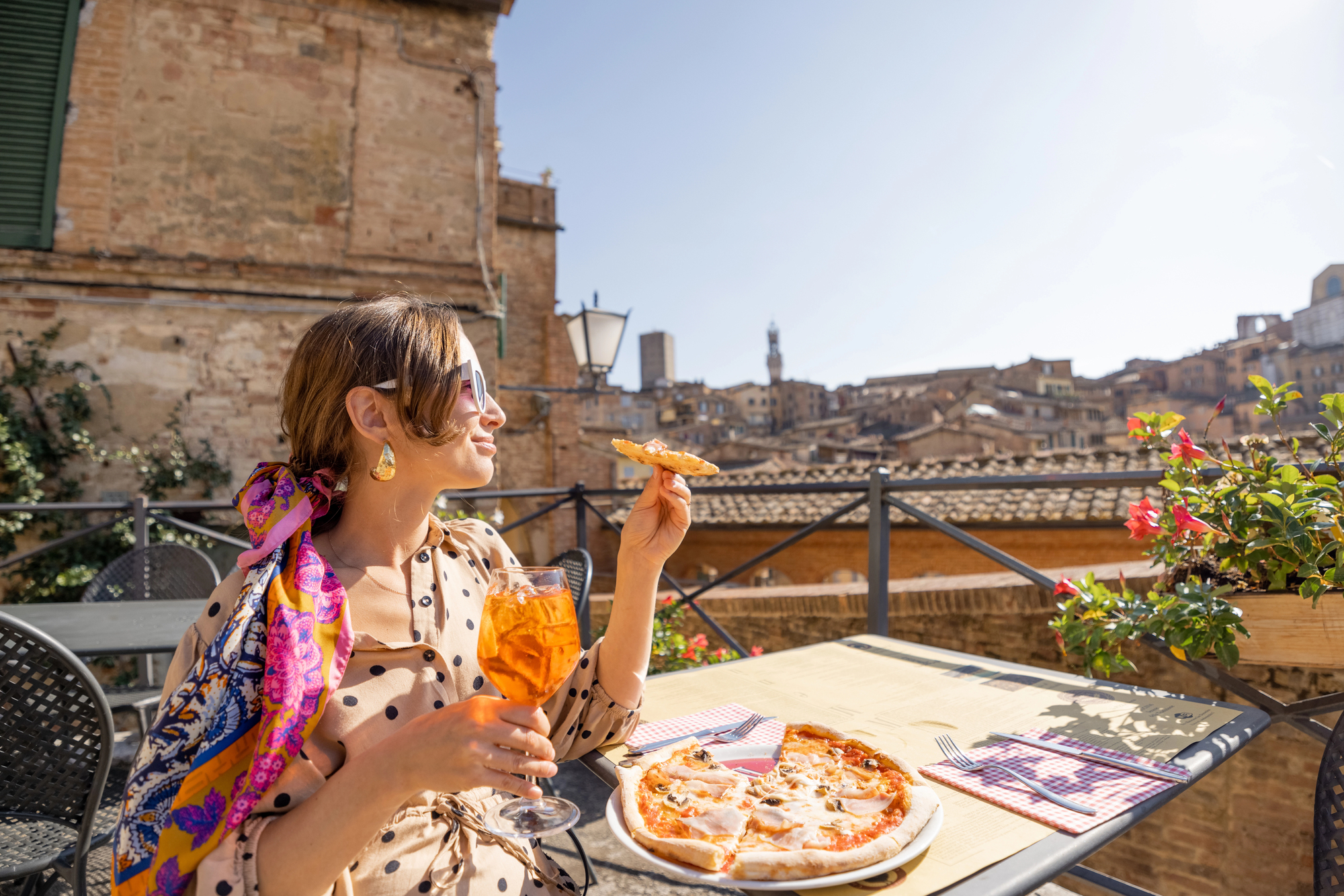
Food feels inseparable from village life in Tuscany. Dishes like ribollita, pappa al pomodoro, and hand rolled pici pasta show up again and again, each time slightly different depending on the village.
What I like most when planning is knowing that meals do not need to be overthought. Local trattorias tend to keep menus simple and seasonal. That consistency makes Tuscany villages especially approachable when traveling with kids.
Planning Tips for Visiting Villages in Tuscany with Family
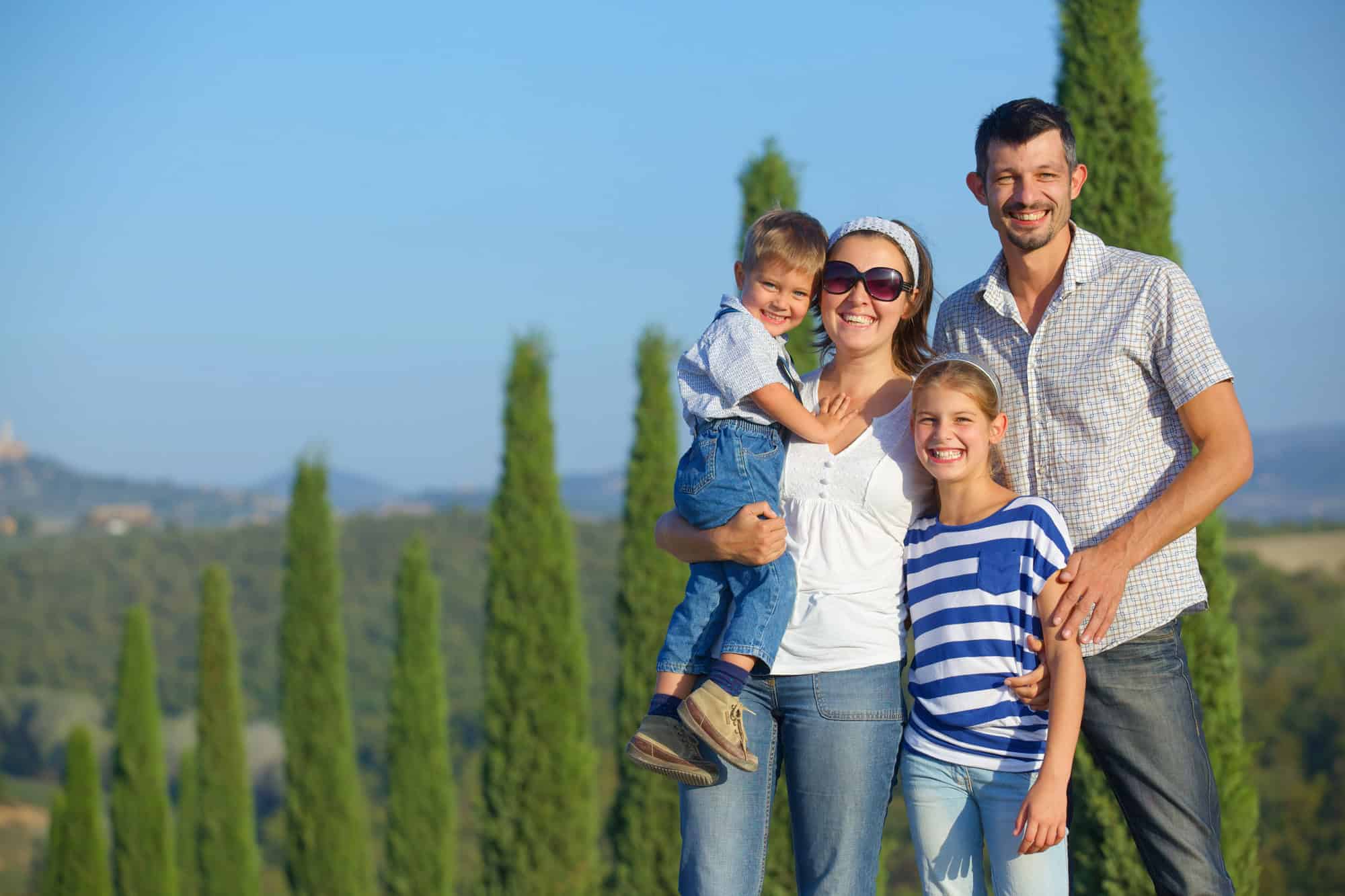
When planning a Tuscany villages itinerary, less really does feel like more.
I am spacing villages closer together rather than hopping across the region. Short drives matter. Renting a car offers flexibility, especially when traveling with family, but days are built around one or two villages max.
Spring and fall seem ideal for balancing weather and crowds. And leaving open time in the schedule feels just as important as choosing which villages in Tuscany to include.
Why Tuscany Villages Anchor the Trip
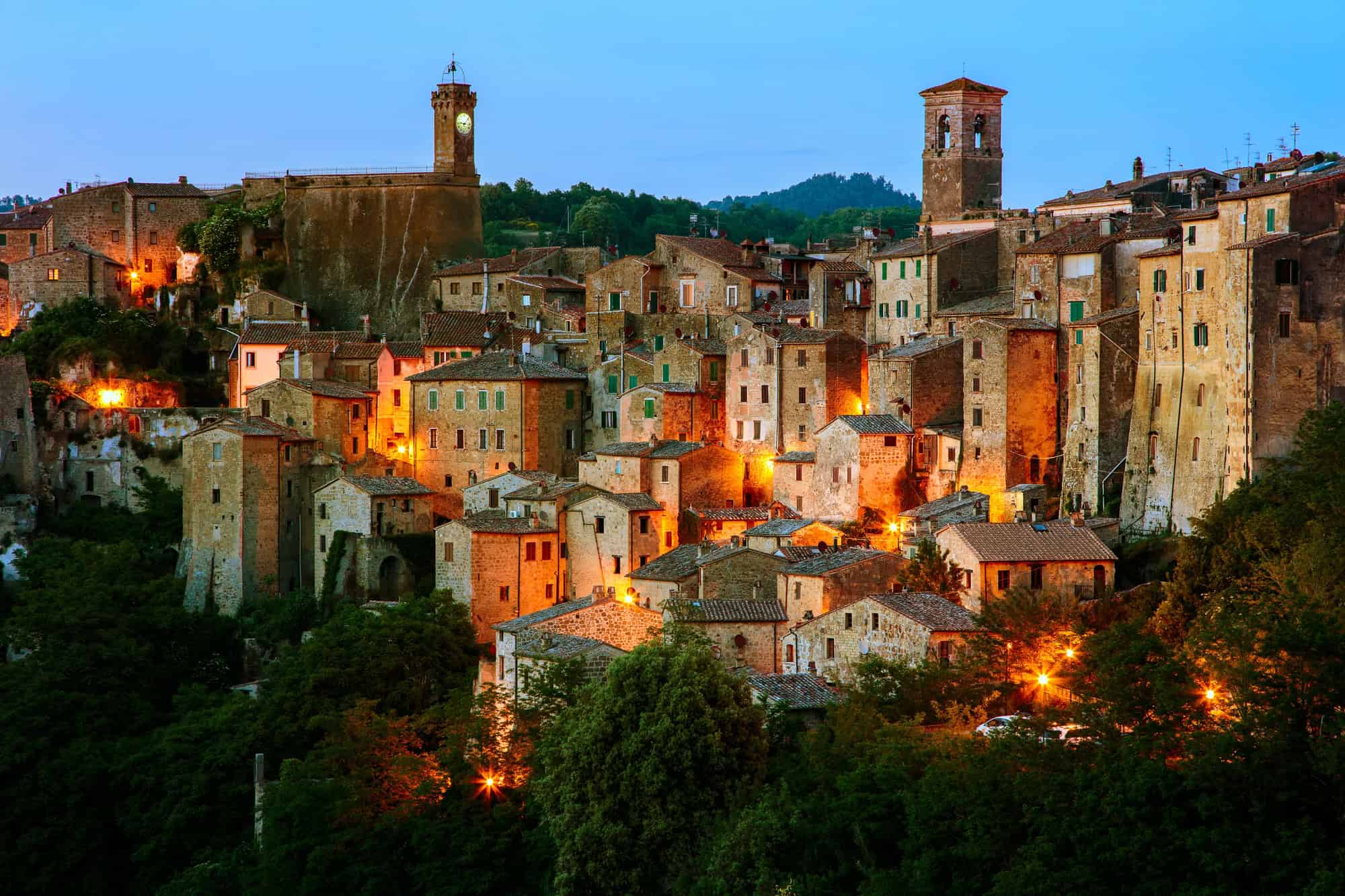
The more I plan this trip, the more obvious it becomes that the villages in Tuscany are not something you squeeze in between bigger stops. They are the reason to go in the first place. Cities like Florence may draw you in, but it is the smaller towns that seem to shape how the days actually unfold.
Each Tuscan village offers its own rhythm and personality. Montepulciano feels rooted in wine culture and hilltop views that invite you to linger, while places like Barga promise quiet streets, local conversations, and moments where nothing feels hurried. These villages do not compete with each other. They complement one another, creating a layered experience that feels thoughtful instead of packed.
What draws me most is how naturally these towns encourage a slower pace. This is travel built around unplanned turns, meals that stretch longer than expected, and afternoons where the best memory might be something simple like sitting in a small piazza watching daily life pass by. Tuscany villages anchor the trip because they leave space for that kind of connection, the kind that stays with you long after the route is finished.
This article was adapted from the original published on Food Drink Life.
Leave a Reply