
Putting together a Tuscany travel guide feels very different from planning most of our previous trips, which might be why I’m already more excited than prepared.
Jump to:
- Understanding Tuscany Before You Go
- Vineyards and Wine Routes That Shape a Tuscany Travel Itinerary
- Enchanting Villages That Reward Slow Exploration
- Florence as a Cultural and Culinary Anchor
- Budget-Friendly Planning Without Losing the Tuscany Experience
- Landscapes That Define Your Trip to Tuscany Experience
- Art, History, and the Renaissance Without Overloading Your Days
- Coastal Tuscany and Optional Extensions
- Practical Planning Tips for a Tuscany Travel Guide
- Why This Tuscany Guide Approach Works
After visiting cities like Barcelona and Marseille, and cruising through Italian ports such as Genoa, Naples, and Palermo, I have learned that not every destination rewards fast movement.
Tuscany feels like a place that works best when you give it time, even if that time is limited.
What draws me in while planning this trip is how Tuscany balances variety and calm.
You have historic cities, rural landscapes, vineyards, and small villages all within relatively short distances. That makes it appealing for families or first-time planners who want depth without constantly packing up and moving on.
Instead of rushing between highlights, Tuscany seems designed for slower mornings, flexible afternoons, and evenings that revolve around food and conversation.
This guide is built around that idea. Rather than treating the region like a checklist, the goal is to understand how days might realistically flow.
Plan Your Trip
Save on fees abroad with the Wise Card—use it at ATMs, restaurants, and for flights or hotels in over 150 countries. Manage 40+ currencies in real-time with the Wise app.
Need Help Planning?
- Cheap Flights: Find the best deals.
- Accommodation: From hostels to luxury stays.
- Car Rental: Affordable options worldwide.
- Sightseeing Tours: Explore without breaking the bank.
- Travel Adapter: One adapter for all your needs.
- Travel Insurance: Don’t risk it—stay covered.
This post includes affiliate links, and as an Amazon Associate I earn from qualifying purchases. Read my full disclosure and privacy policy.
Some days will center on one town or region, while others allow for short drives paired with unplanned stops. Based on past travel experience, that balance is what keeps everyone engaged without feeling overwhelmed.
Understanding Tuscany Before You Go
Before mapping out specific stops, it helps to understand why Tuscany works so well as a travel region. It is compact enough to explore without long transit days, yet diverse enough that no two areas feel the same.
From vineyard-covered hills to Renaissance cities, the region offers contrast without complication.
From a planning perspective, Tuscany also feels forgiving. If a day runs long or plans shift, there is usually something worthwhile nearby.
That matters when traveling as a family or with mixed energy levels, something I have learned after navigating busy Mediterranean cities, where pacing can make or break the experience.
Vineyards and Wine Routes That Shape a Tuscany Travel Itinerary
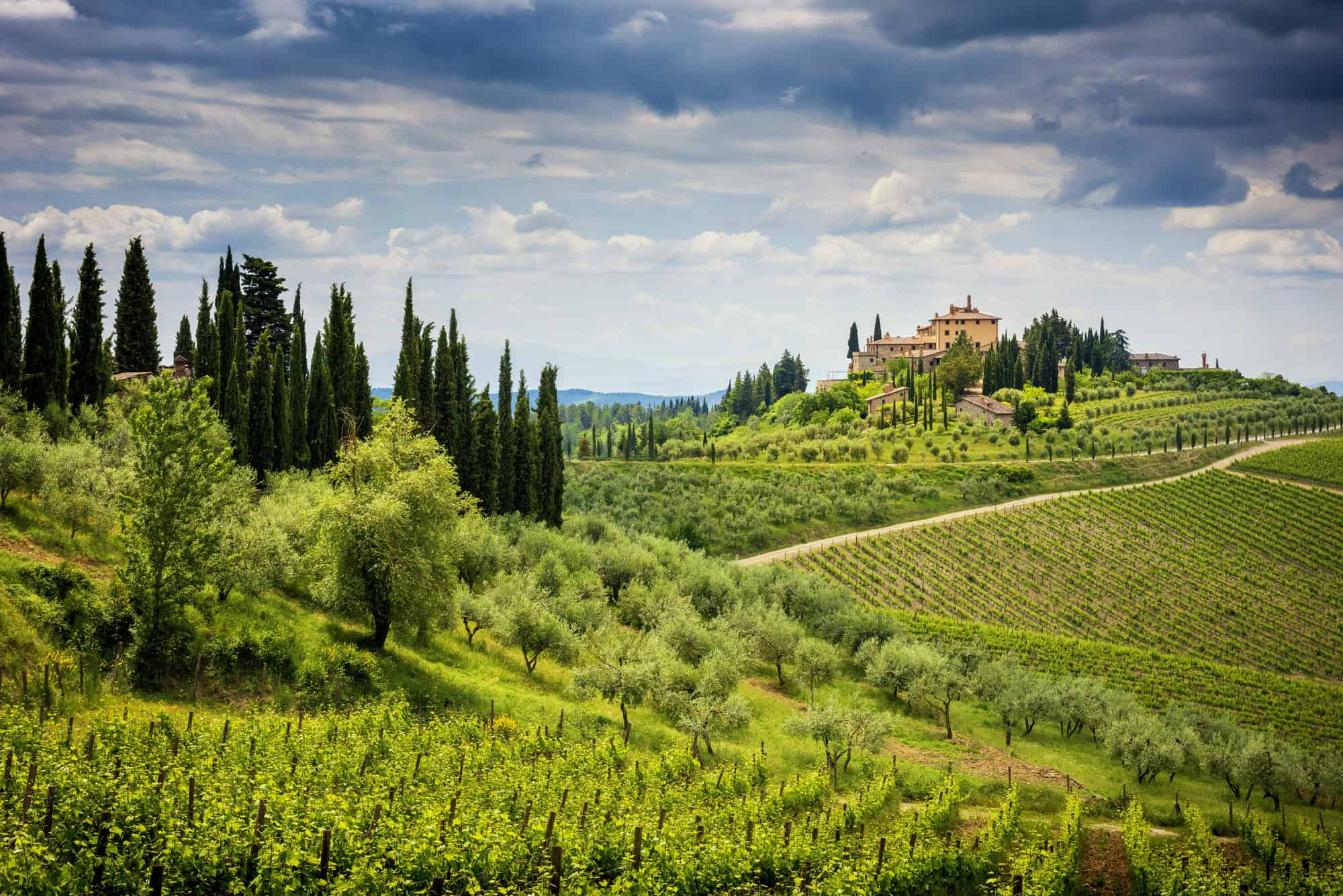
One of the anchors of any Tuscany itinerary is its wine country. Tuscany is home to some of the most well-known wine regions in Italy, including Chianti, Montalcino, and San Gimignano. Even for travelers who are not focused on wine tastings, these areas define the landscape and influence how days unfold.
As we plan, wine routes stand out as natural connectors between towns rather than standalone activities. Driving through Chianti, for example, is as much part of the experience as stopping at a winery. Vineyards, olive groves, and small villages create a rhythm that encourages shorter drives and longer stops.
For families, this is where pacing matters. Choosing one winery or tasting experience instead of several in a day leaves room for scenery breaks, meals, or downtime. Smaller, family-run wineries often feel more approachable and flexible, which aligns well with a slower travel style.
You can even book ahead of time through GetYourGuide for worry-free travel.
Enchanting Villages That Reward Slow Exploration
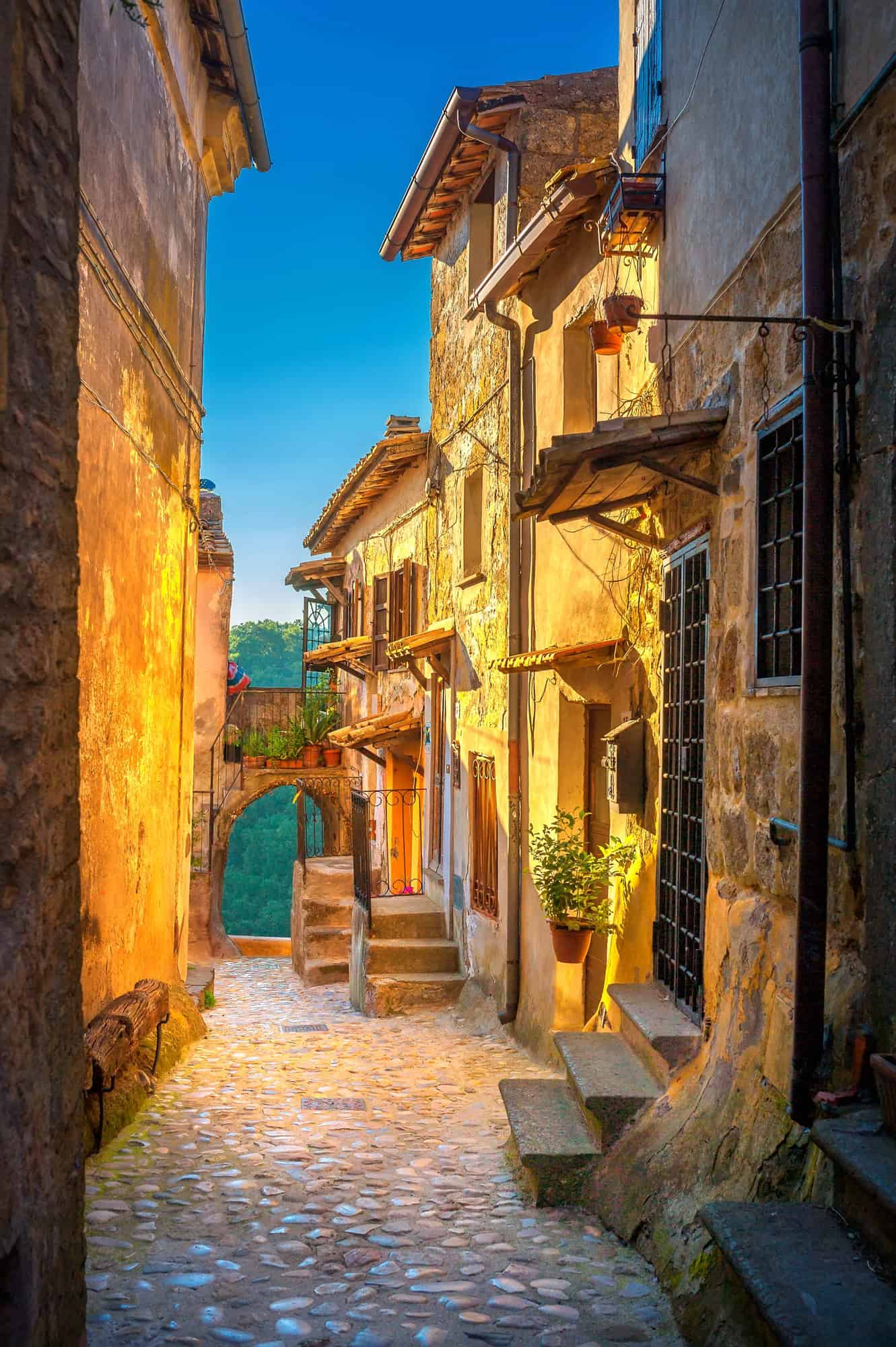
Beyond the major cities, Tuscany’s villages are where the region feels most personal. Places like Pienza, Montepulciano, and Cortona are often described as hidden gems, but what makes them special is how lived-in they feel.
While planning, I keep coming back to the idea of limiting village hopping. Visiting one village thoroughly rather than squeezing in several creates space to wander, stop for coffee, or browse local shops without pressure. That approach mirrors what worked well for us in smaller Mediterranean ports, where lingering often led to the most memorable moments.
Villages also offer natural breaks for families. Compact centers, walkable streets, and central piazzas make it easier to explore without constant logistics. These stops feel less like sightseeing and more like settling into daily life, even if only for a few hours.
Florence as a Cultural and Culinary Anchor
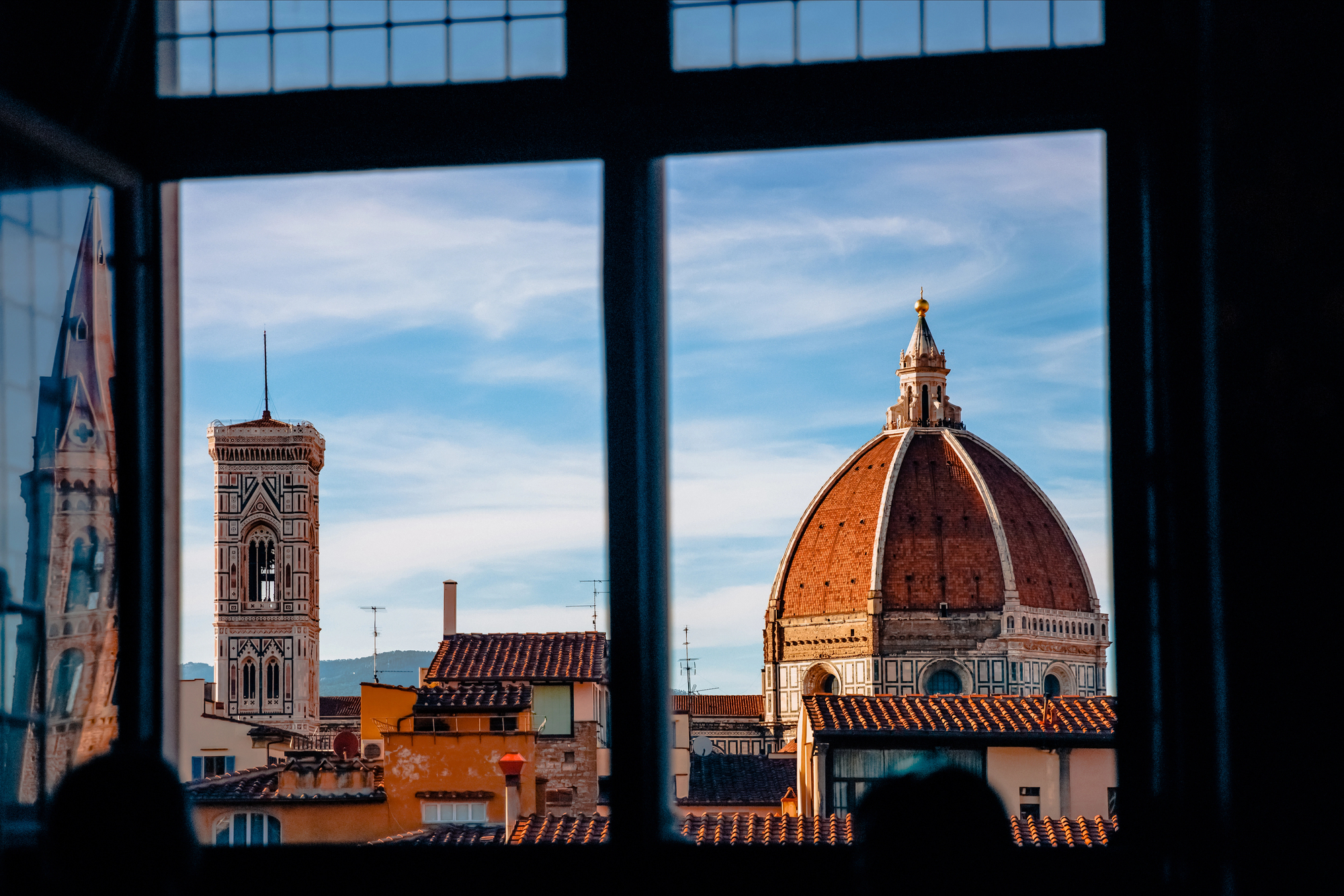
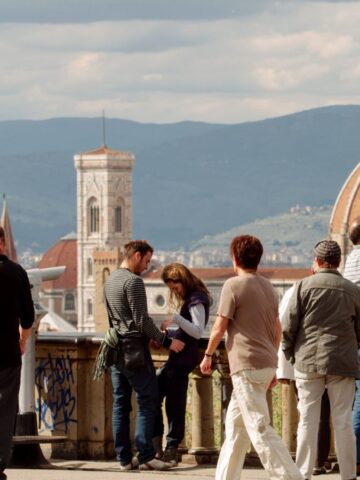
No Tuscan itinerary feels complete without Florence, even when the focus is on the broader region. Florence often becomes the entry point, and while it can feel busy, it also sets the tone for art, food, and history across Tuscany.
- You can check out my Florence, Italy Itinerary for if you're planning to visit!
Want to save this?
From a planning standpoint, Florence works well when treated as a base rather than a checklist. Instead of trying to see everything in one visit, focusing on a few highlights allows room to enjoy meals, neighborhoods, and downtime.
This is especially helpful for travelers new to Italy who may still be adjusting to pace and crowds.
Florence is also where food-focused planning naturally fits in. Markets, trattorias, and casual dining spots make it easy to balance sightseeing with relaxed meals.
Budget-Friendly Planning Without Losing the Tuscany Experience
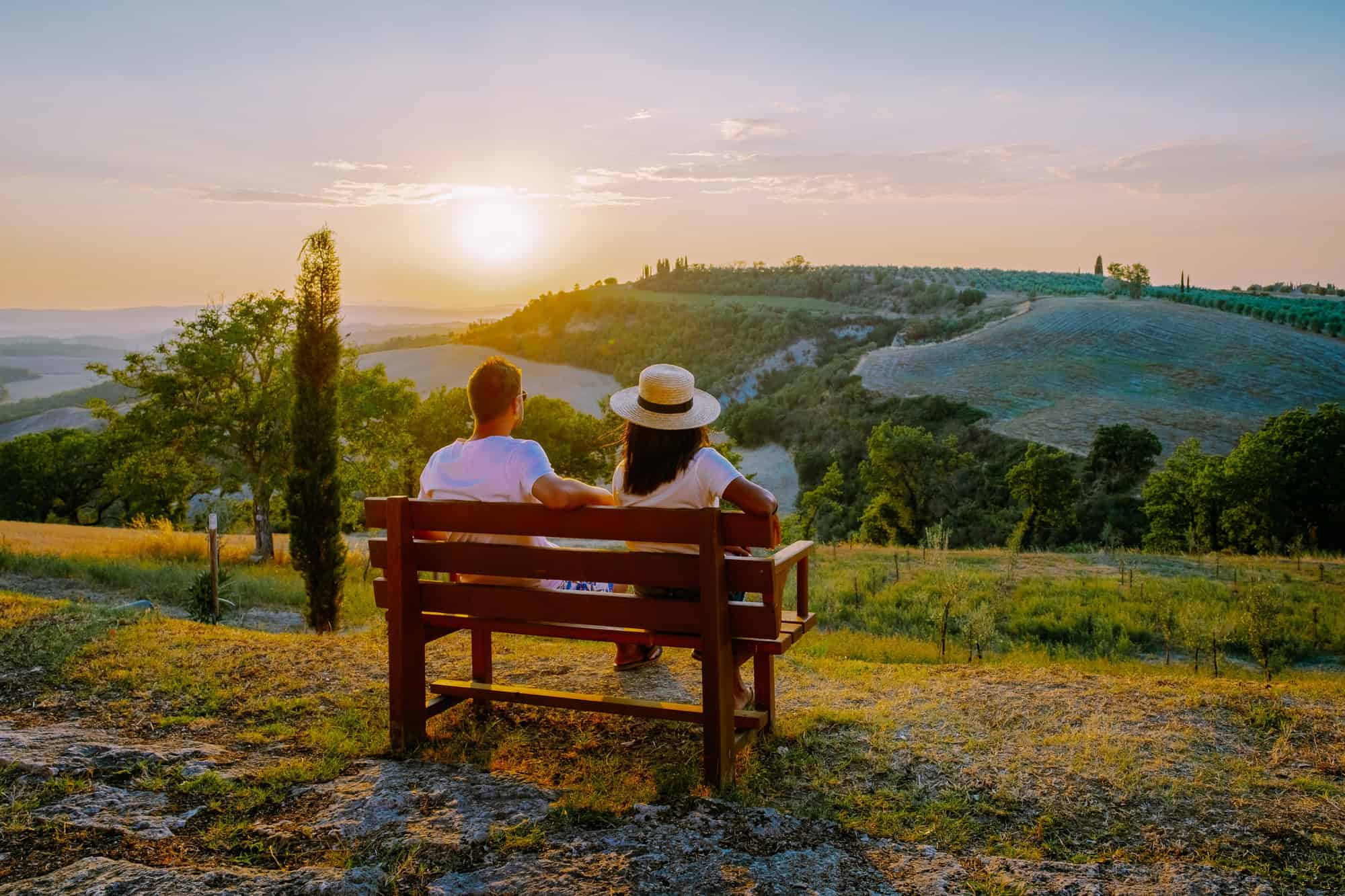
One of the most reassuring parts of planning this guide to Tuscany is realizing that the region does not require constant splurging. Tuscany lends itself well to budget-conscious travel without sacrificing experience.
Simple choices make a difference. Staying outside major cities, eating lunch instead of dinner at restaurants, and focusing on local markets can stretch a budget while still feeling authentic. Public spaces, scenic drives, and village walks cost nothing yet often become highlights.
For families, budget planning also reduces pressure. Fewer ticketed attractions and more open-ended days allow for flexibility if energy runs low.
Landscapes That Define Your Trip to Tuscany Experience
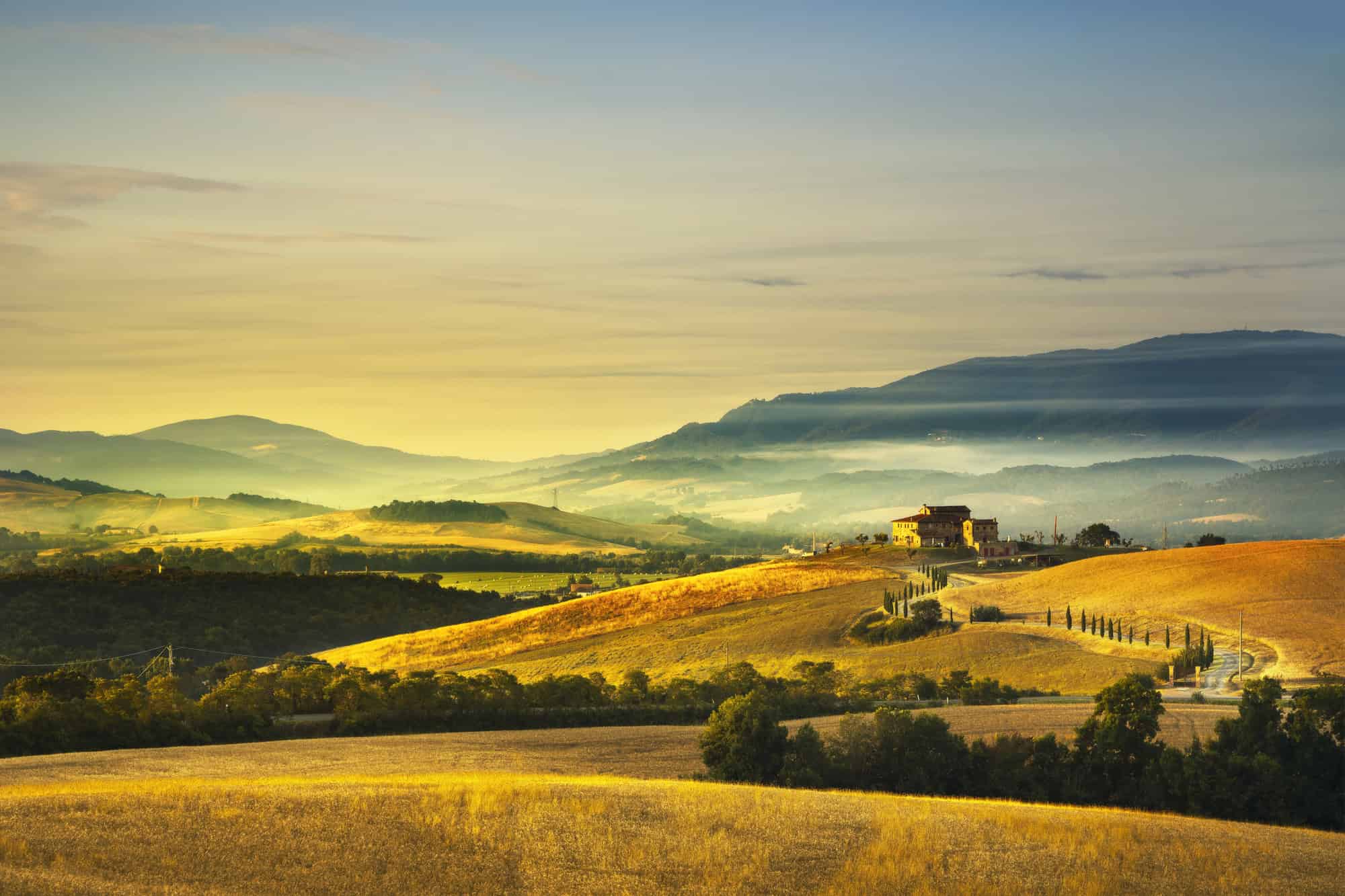
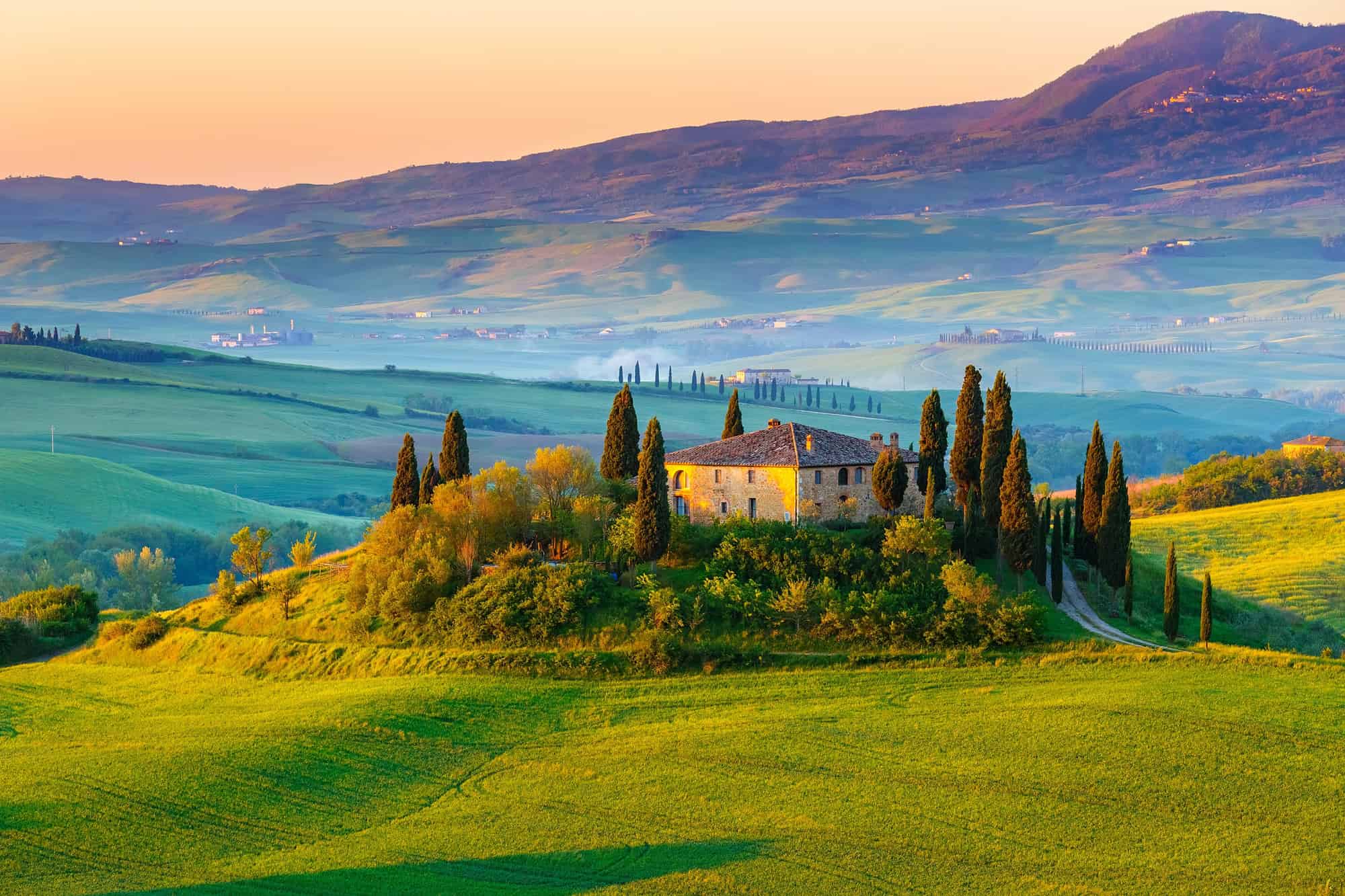
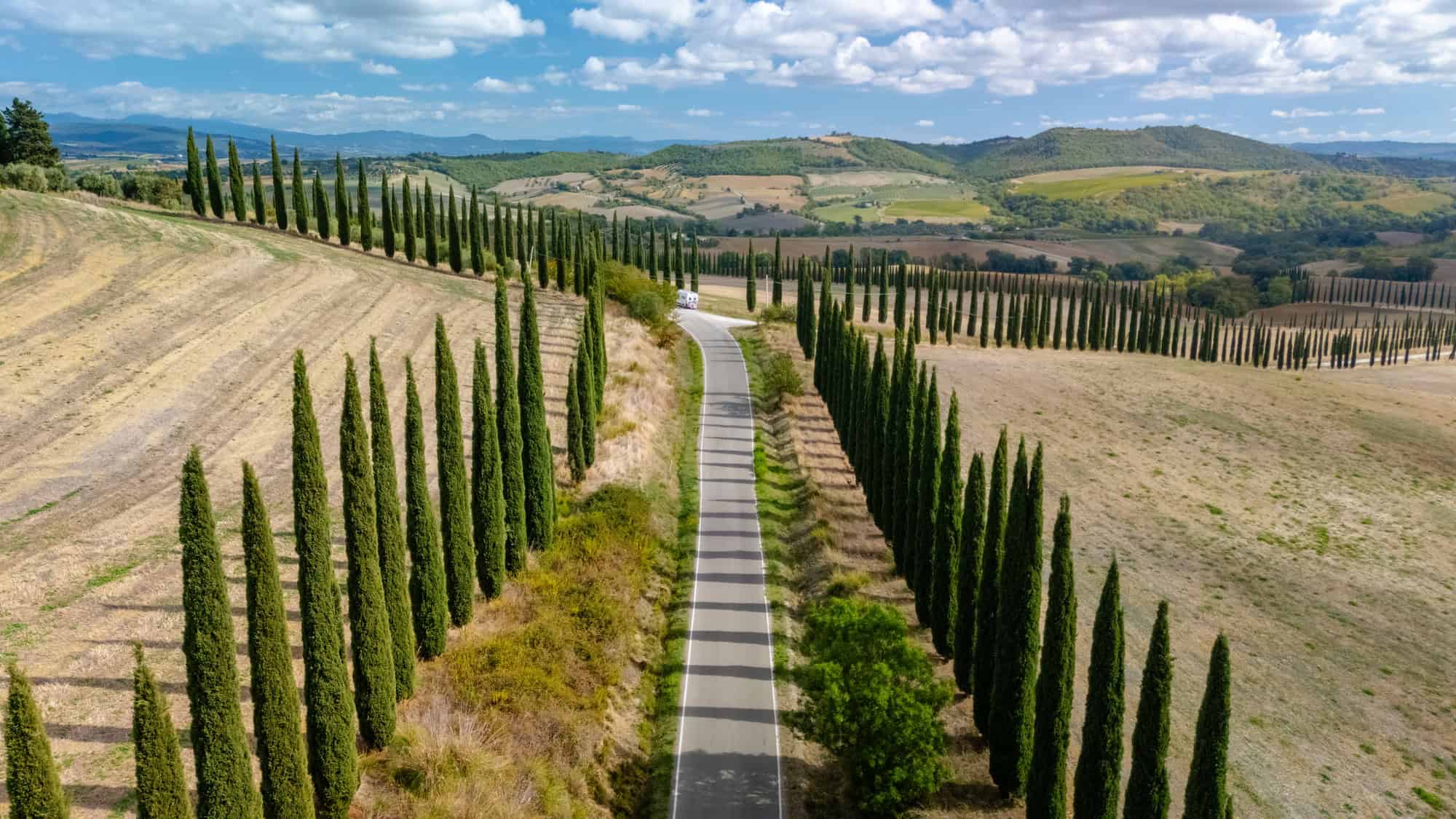
Tuscany’s landscapes are not just scenery. They shape how you move through the region. Rolling hills, vineyards, olive groves, and cypress-lined roads turn even short drives into part of the experience.
As someone planning this trip after visiting coastal and urban destinations, the appeal lies in how the landscape encourages pauses. Viewpoints, roadside villages, and quiet stretches make it easy to slow down without feeling like you are missing out.
Art, History, and the Renaissance Without Overloading Your Days
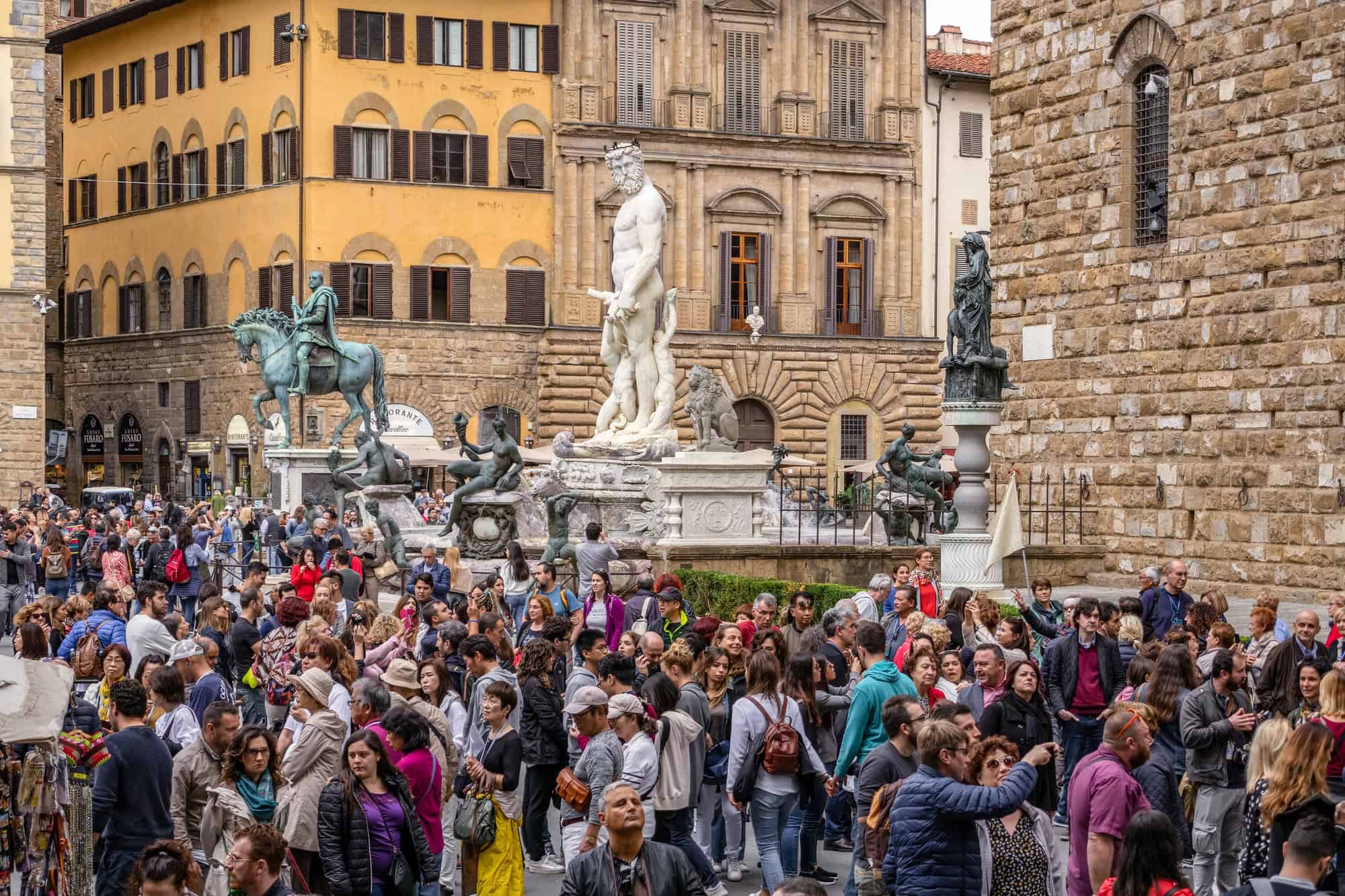
Florence may be the heart of Renaissance art, but Tuscany’s cultural depth extends far beyond one city. Churches, town halls, and small museums appear throughout the region.
When planning, I am approaching art and history selectively. One major museum or site per day feels more sustainable than stacking highlights. This mirrors what worked well in cities like Barcelona, where spacing cultural visits prevented burnout.
For families or first-time visitors, this approach keeps history engaging rather than exhausting.
Coastal Tuscany and Optional Extensions
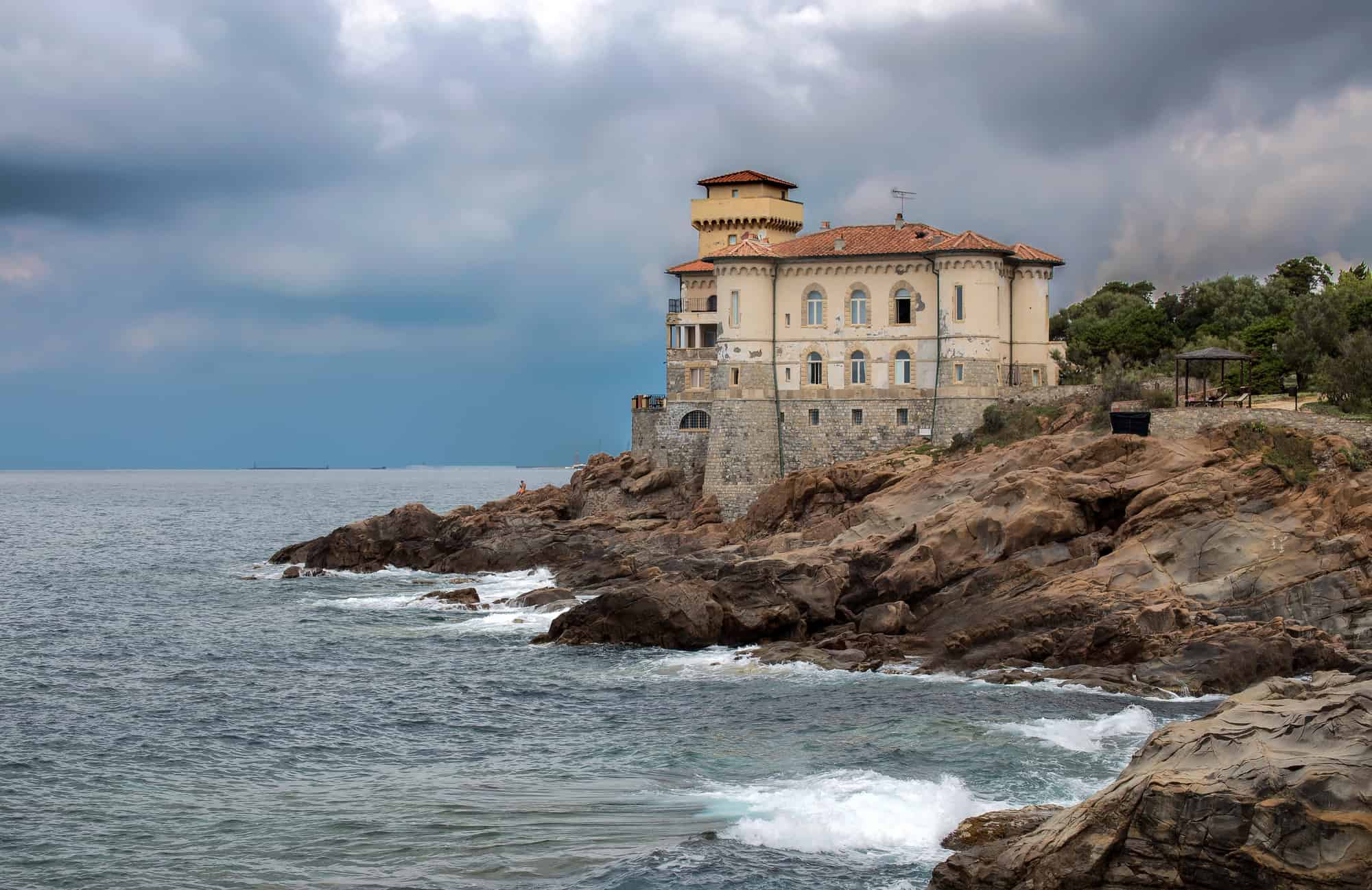
While inland Tuscany often gets the spotlight, the coastline adds another layer to the region. Places along the Tyrrhenian Sea offer a change of pace and scenery, especially for longer stays.
From a planning perspective, coastal stops work best as optional extensions rather than mandatory additions. This flexibility helps travelers adapt plans based on time, weather, or group preferences.
Practical Planning Tips for a Tuscany Travel Guide
Best time to visit Tuscany
Spring and fall offer mild weather and fewer crowds, making them ideal for balanced itineraries.
Getting around Tuscany
A car provides flexibility, especially in rural areas, but trains work well between major cities.
Where to stay in Tuscany
Agriturismos, small hotels, and village stays often provide more space and calmer evenings, which works well for families.
Daily pacing
Plan one main activity per day and let the rest unfold naturally. This keeps the itinerary adaptable.
Why This Tuscany Guide Approach Works
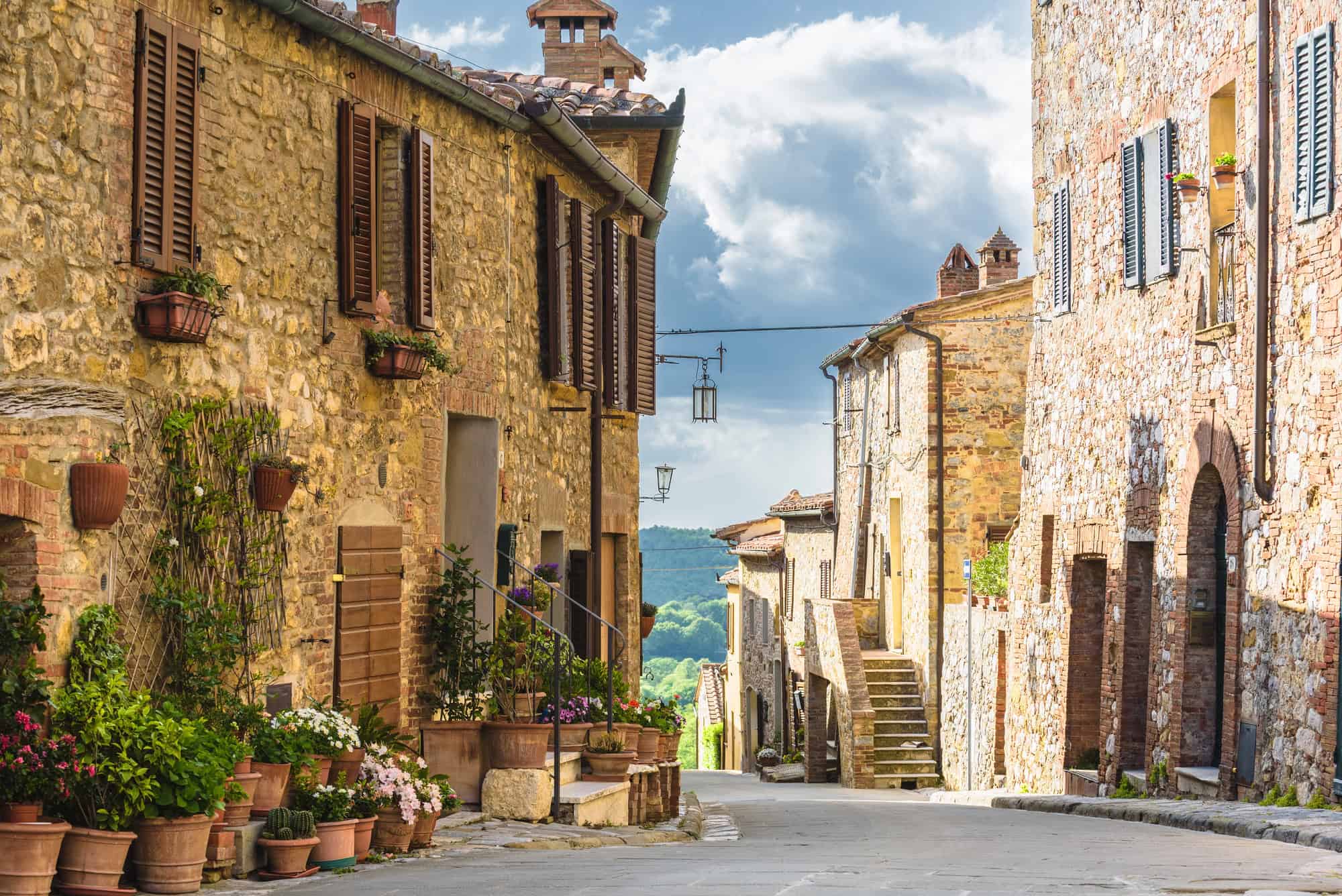
What draws me to Tuscany as I plan this trip is how forgiving it feels. Unlike fast-paced city itineraries, Tuscany allows room for adjustment. Whether traveling as a couple or with family, the region supports a rhythm that blends exploration with rest.
This Tuscany travel guide is not about seeing everything. It is about creating days that feel full without feeling rushed.
This article is an adaptation of the original piece published on Food Drink Life.

Leave a Reply