
The TSA is known for its strict rules when it comes to airport security, but some items that seem harmless can actually be banned from flights. These surprising everyday objects are often overlooked by travelers, who may not realize they violate TSA regulations until they’re stopped at the security checkpoint. From common household products to seemingly innocuous gadgets, there are a number of items that raise eyebrows when discovered in carry-on bags.
Here are 9 everyday objects that TSA has banned, even though they may appear safe or harmless. Whether it’s a seemingly innocent item or something you never expected, these rules might just surprise you. Make sure to know what to pack and leave behind before heading to the airport.
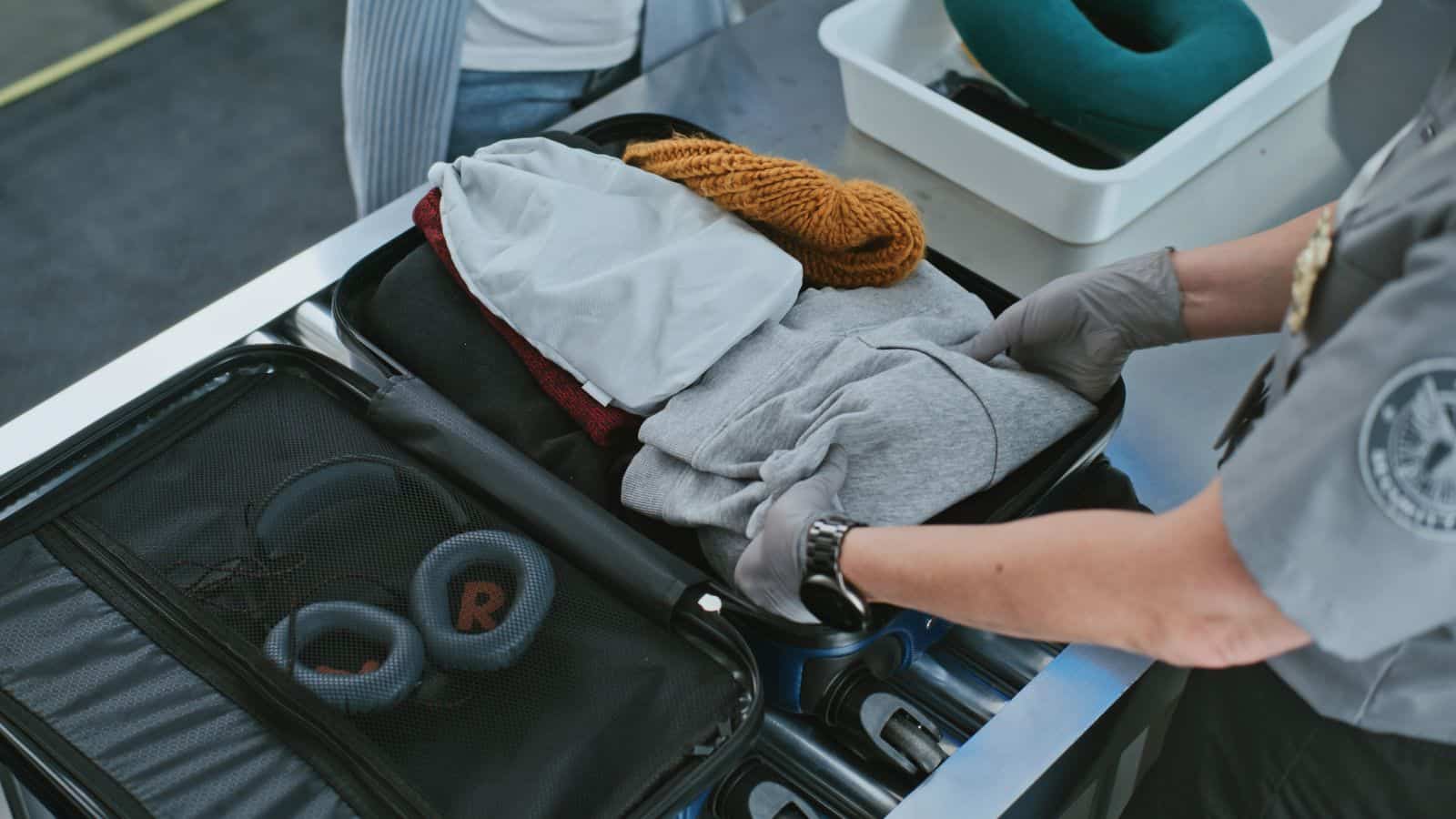
Snow globes

Snow globes might seem harmless, but their liquid content often exceeds TSA's 3.4-ounce rule. Even small ones can be hard to verify, especially when labels are missing or the globe isn’t in a clear container. The liquid inside can’t be tested easily, so many agents confiscate them outright. Travelers hoping to bring back snow globes as souvenirs should pack them in checked bags or purchase TSA-approved miniature versions. Otherwise, you risk losing them at security checkpoints. Always double-check liquid volumes, even for decorative items that don’t appear to be standard liquid containers.
Wrapped gifts

Neatly wrapped presents often raise concerns at security checkpoints. TSA agents may need to inspect the contents, especially if scanners can’t clearly identify what’s inside. If they can’t determine what the gift holds, they’ll likely unwrap it. This means your carefully taped paper and ribbon could be removed in seconds. It’s better to travel with unwrapped items and bring gift bags or wrapping supplies separately. This not only speeds up the process but saves you from having to rewrap under pressure in a crowded terminal or risk the contents being mishandled during inspection.
Gel heating pads
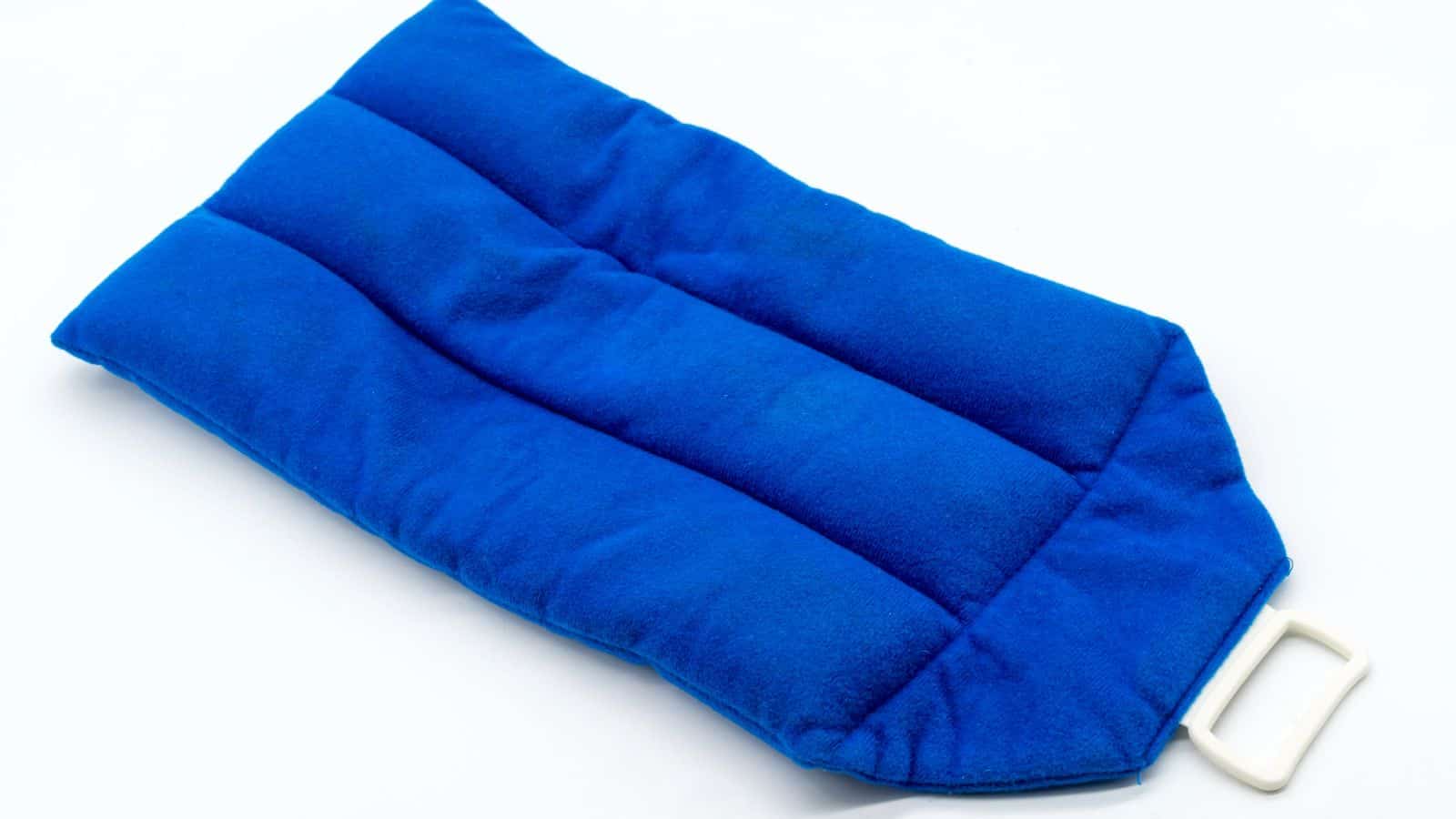
Gel-based heating pads often violate TSA’s liquid and gel rules if they exceed 3.4 ounces. Even though they’re used for medical relief, TSA treats the gel as a potentially restricted substance unless accompanied by medical documentation. These items can also trigger alarms in X-ray machines. If you need pain relief while traveling, consider switching to dry heat patches or air-activated warmers, which are easier to pass through screening. For longer trips, pack gel-based options in your checked luggage and confirm with the airline ahead of time if you’ll need documentation for carry-on approval.
Foam toy swords

Foam swords may be soft, but they’re still considered replicas of weapons and can trigger concern with TSA agents. The agency bans anything that closely resembles a weapon, even if made of lightweight or flexible material, especially if it’s long or shaped like a blade. This rule is strict for items resembling combat gear, even if intended as costumes or souvenirs. Travelers should pack toy weapons in checked luggage, no matter how harmless they seem. If you're attending a convention or themed event, call ahead to clarify rules and avoid having to part with your prop.
Cremated remains

Transporting cremated remains through TSA checkpoints requires special attention. While they aren’t outright banned, they must be packed in a container that can be clearly scanned—metal urns or dense ceramic ones may block X-ray views. TSA agents are not allowed to open containers, so if the remains can't be screened, they won’t be permitted in carry-on bags. Use a container made from wood, plastic, or biodegradable materials that passes X-ray inspection. It’s also wise to bring documentation and check with the airline beforehand to understand any additional policies around transporting ashes.
Canned soup or sauces
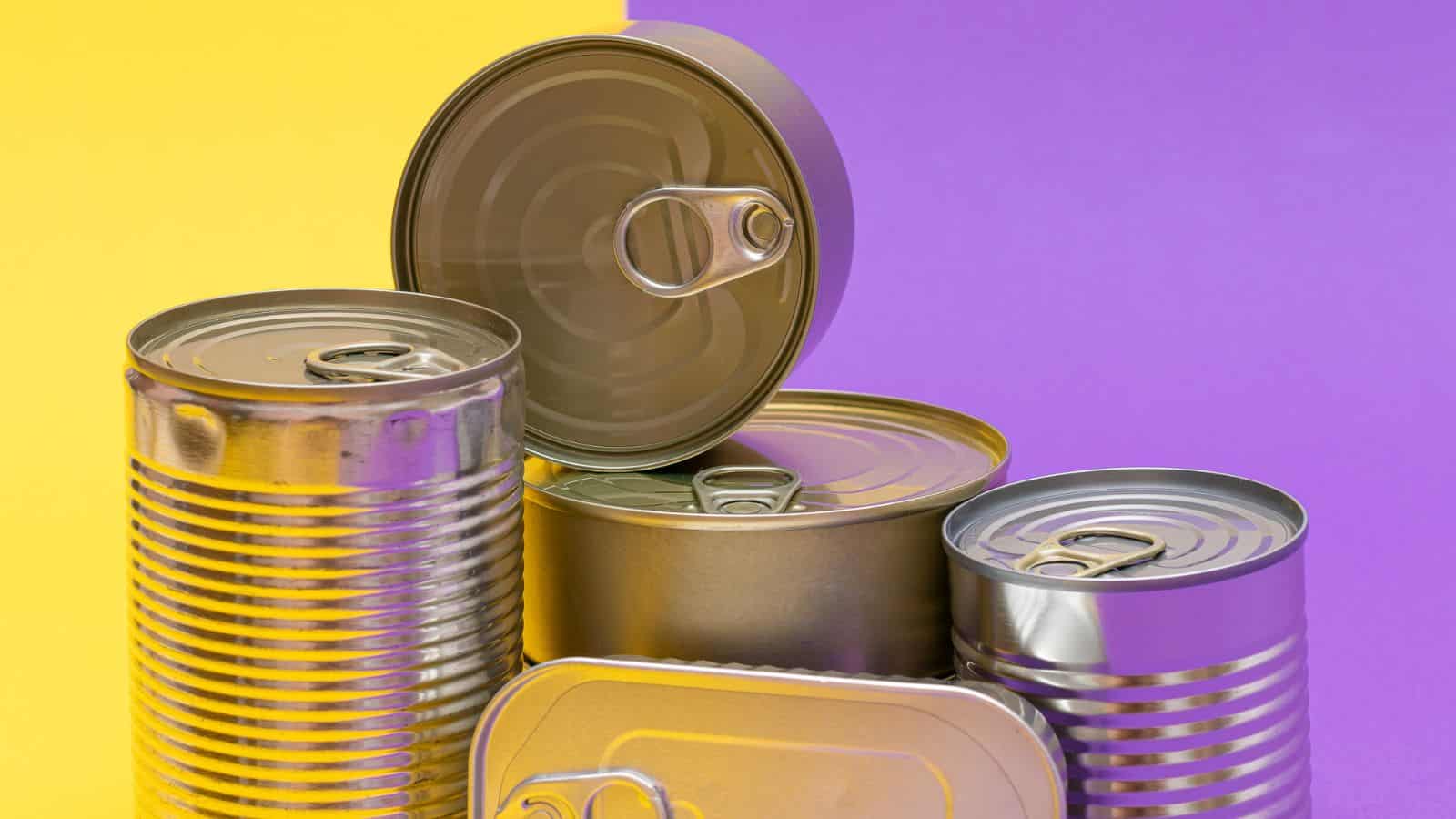
Though they seem solid, canned goods like soup, pasta sauce, or even refried beans often contain more liquid than TSA regulations allow for carry-ons. These are classified as liquids or gels, and if they exceed 3.4 ounces and don’t fit in your quart-sized bag, they’ll be confiscated. Even sealed metal cans don’t make it through, since TSA agents can’t see their contents. Travelers heading home with local food souvenirs often run into this issue. It’s best to pack canned foods in checked luggage or opt for shelf-stable, vacuum-sealed alternatives that meet airport security screening standards.
Want to save this?
Large amounts of powders

Powdered substances over 12 ounces, like protein powder, spices, powdered drink mixes, or even baby formula, can raise red flags in carry-on bags. Though not banned, they may require additional screening, which slows down the process and could result in disposal if agents can’t verify the contents. Travelers are often unaware of the volume rule or pack powders loosely in unmarked bags. For smoother screening, store them in clear, labeled containers and pack only what’s necessary. If you need to bring more, placing the bulk in checked luggage avoids unnecessary delays and potential removal during inspection.
Lighters shaped like firearms
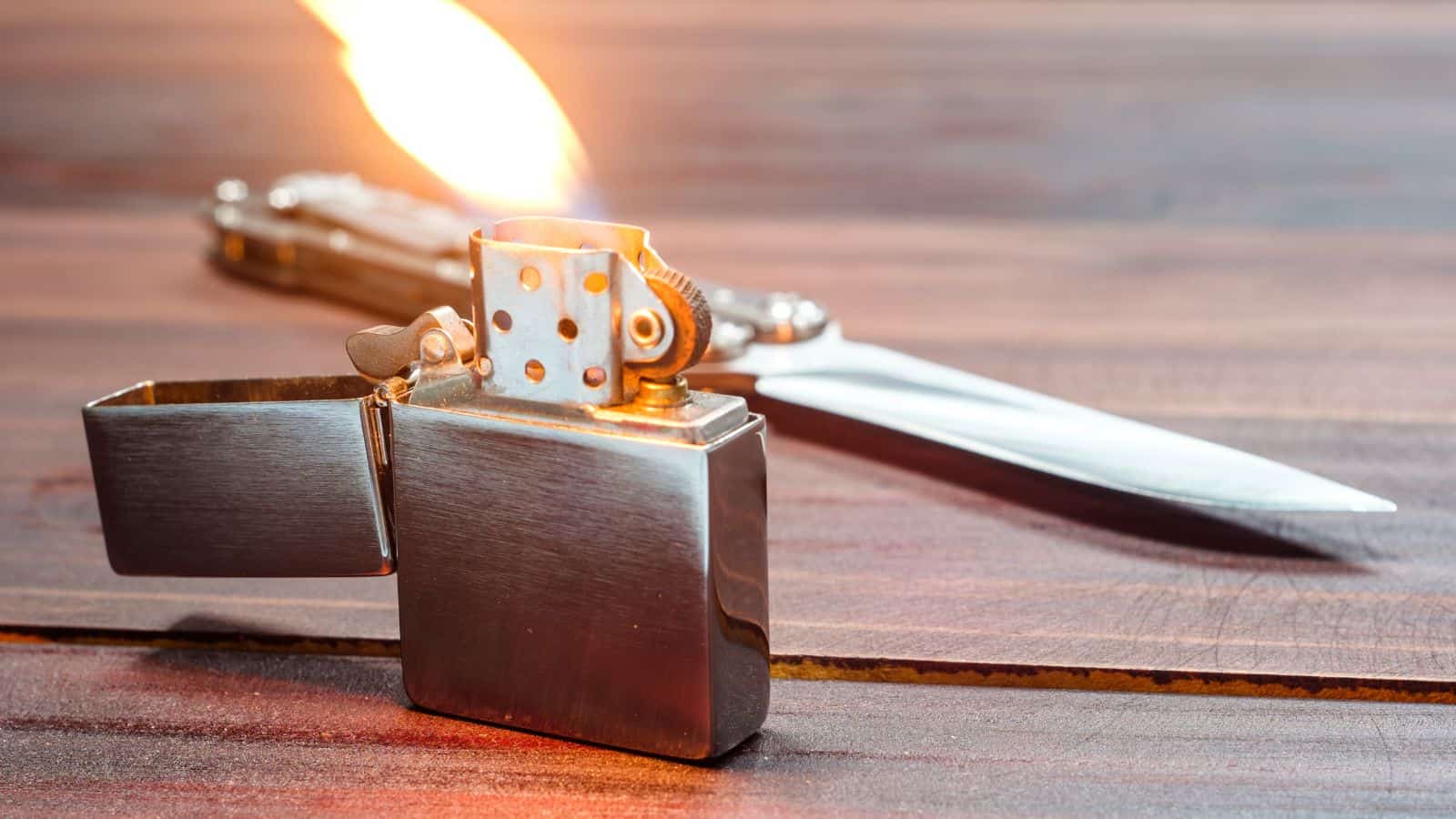
Even if they’re non-functioning, lighters made to look like guns or weapons are strictly prohibited in carry-on bags. These novelty items can cause confusion or alarm during security screening and are treated seriously, regardless of their intended use. Some travelers buy them as souvenirs or gifts without realizing they violate TSA rules. Realistic replicas, even in lighter form, are flagged immediately. You may be asked to discard them, face questioning, or experience additional screening. If you’re carrying any type of lighter, it’s safer to keep it simple and opt for a standard model with no weapon-related design.
Liquid bleach or cleaning products
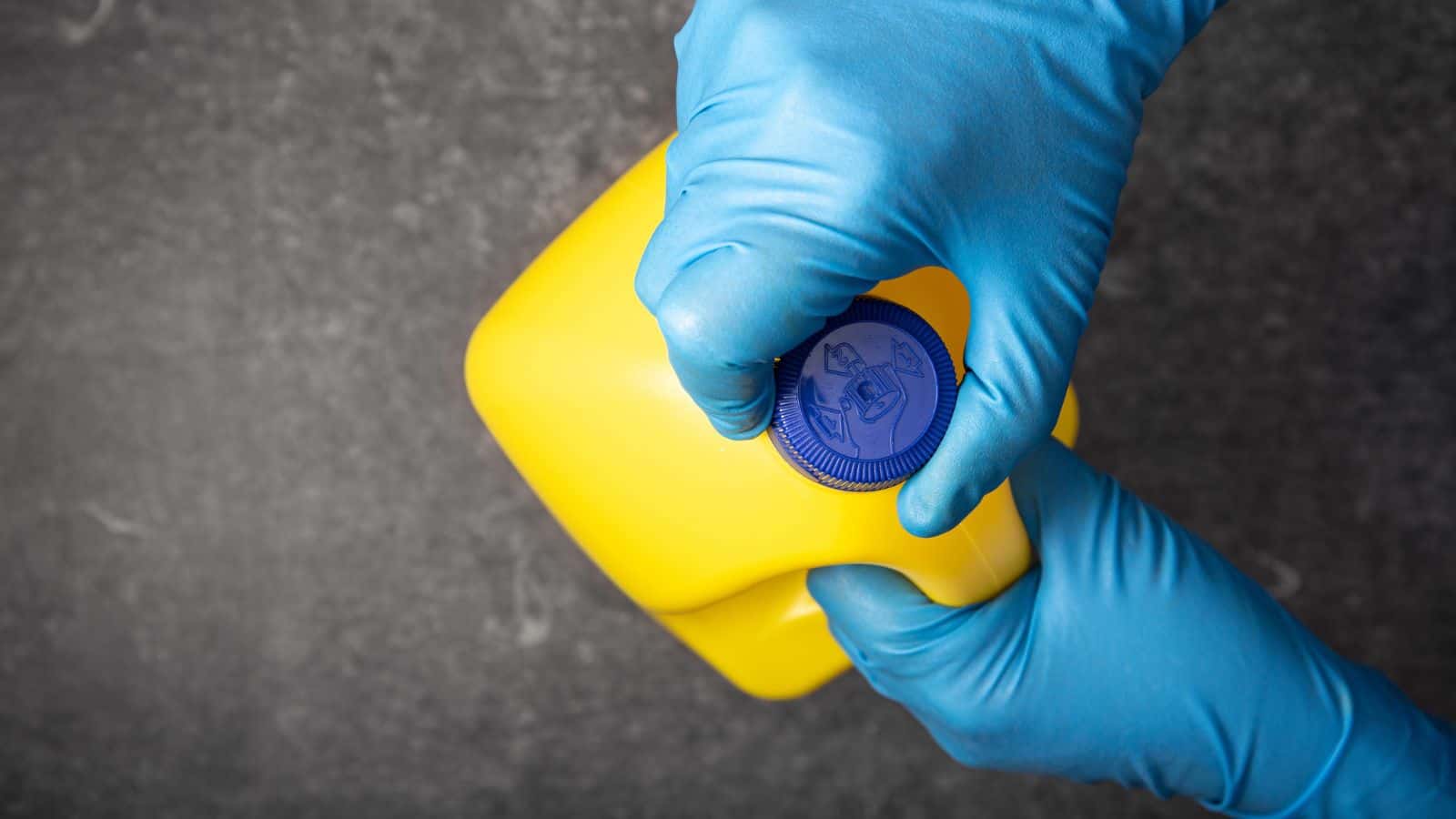
Household cleaning products such as bleach, drain cleaner, or concentrated disinfectants are banned from both carry-on and checked luggage due to their chemical composition. These liquids are corrosive and can leak under pressure, posing health and safety risks to passengers and luggage handlers. Travelers sometimes pack them to clean vacation rentals or bring home favorites from abroad, but TSA agents remove them on sight. Even small, travel-sized versions are not permitted if the substance is classified as hazardous. For travel cleaning needs, consider wipes or solid alternatives that meet regulations and avoid damaging your luggage or triggering alarms.
Surprise! That’s Not Allowed

Think your carry-on is harmless? Think again. These nine everyday objects have been banned or restricted by TSA, and most travelers have no idea. From seemingly innocent snow globes and camping stoves to tools under seven inches and even certain types of food, it’s often the ordinary things that cause the biggest delays at security. Some items are flagged for being potential hazards, others for being too easy to misuse. Either way, getting stopped at the checkpoint can mean losing valuables or missing your flight. The key is knowing the rules before you pack, not learning them the hard way at the airport. Whether you’re a frequent flyer or a first-time traveler, reviewing this list can help you breeze through security and keep your trip on track. Because when it comes to flying, it’s not just what you bring — it’s what you shouldn’t.
11 TSA-Friendly Snacks That'll Save You From Overpriced Airport Food

How about TSA-friendly snacks? Finding travel-friendly and TSA-approved snacks can make a big difference in your journey. Security restrictions mean some foods won’t make it past the checkpoint, so knowing what to pack helps avoid unnecessary delays. The right snacks keep hunger in check, saving you from overpriced airport food and making travel more enjoyable.
Read More Here: 11 TSA-Friendly Snacks That'll Save You From Overpriced Airport Food
13 Hacks for Comfortable Long-Haul Flights in Economy

Have a more comfortable flight with these tips! Long-haul flights in economy class can often feel cramped and uncomfortable, leaving travelers dreading the journey ahead. However, with the right strategies, it is possible to make these long trips more bearable. Here are 13 hacks for comfortable long-haul flights in economy that can help transform the flying experience into a more pleasant one.
Read More Here: 13 Hacks for Comfortable Long-Haul Flights in Economy




Leave a Reply