
Arrival can take far longer than most travelers expect. This article features countries where arrival screening takes much longer than expected, focusing on places where immigration checks, health screenings, or document reviews move slowly and require patience. What seems like a quick airport process can turn into a long wait before leaving the terminal.
Knowing where delays are common can help travelers plan smarter connections and manage expectations. Extra time built into arrival days can prevent frustration and missed plans. Keep reading to see which countries made the list and why entry there often takes longer than anticipated.
United States
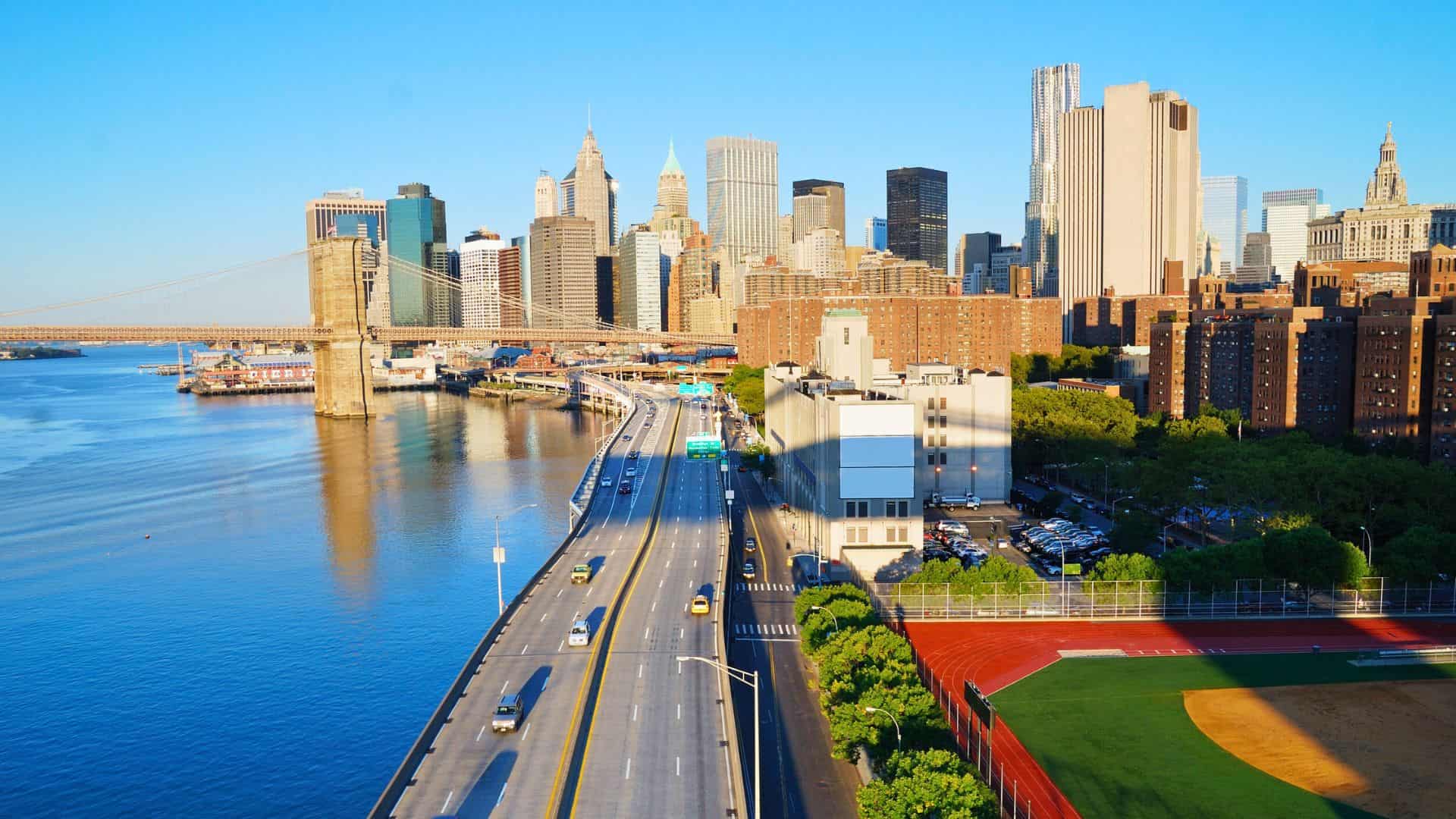
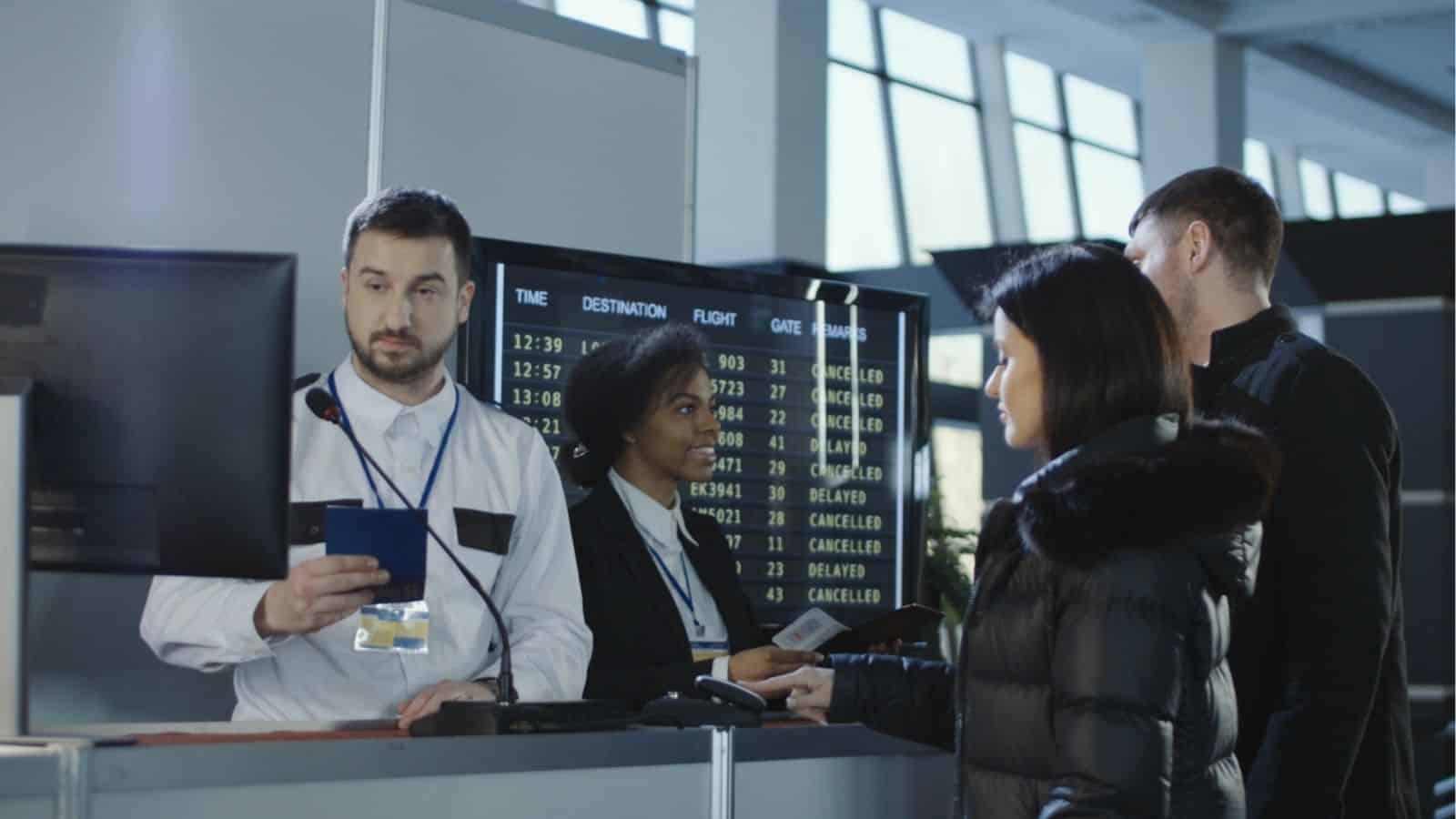
The United States surprises many first-time arrivals with how long entry can take, even after long international flights. Immigration lines are often understaffed during peak arrival windows, and processing is highly individualized. Questions can be detailed, fingerprints and photos are standard, and secondary screening is common. Customs declarations and baggage rechecks add another layer. Even travelers with visas or ESTA approval often wait longer than expected. The process is thorough rather than fast. The U.S. prioritizes scrutiny over speed, which means arrivals should plan for extended waits before reaching onward connections.
United Kingdom

The UK’s arrival process often takes longer than visitors anticipate due to volume and staffing patterns. Large waves of international arrivals funnel into limited passport control points, especially at major hubs like Heathrow. While eGates speed things up for some travelers, others face long manual lines. Border officers may ask follow-up questions, and secondary checks are not unusual. Delays also occur during peak travel seasons and early mornings. The UK’s screening is orderly but not quick. Travelers frequently underestimate how much buffer time they need after landing.
Australia

Australia is known for strict biosecurity, and that extends arrival times significantly. In addition to passport control, travelers undergo detailed customs screening focused on food, plant, and animal products. Declarations are taken seriously, and inspections can be time-consuming even when nothing is confiscated. Lines move slowly because each passenger is processed carefully. Flights often arrive in clusters, compounding delays. Australia’s system is efficient but uncompromising. First-time visitors are often surprised that arrival takes much longer than in other countries, even when paperwork is complete.
Canada
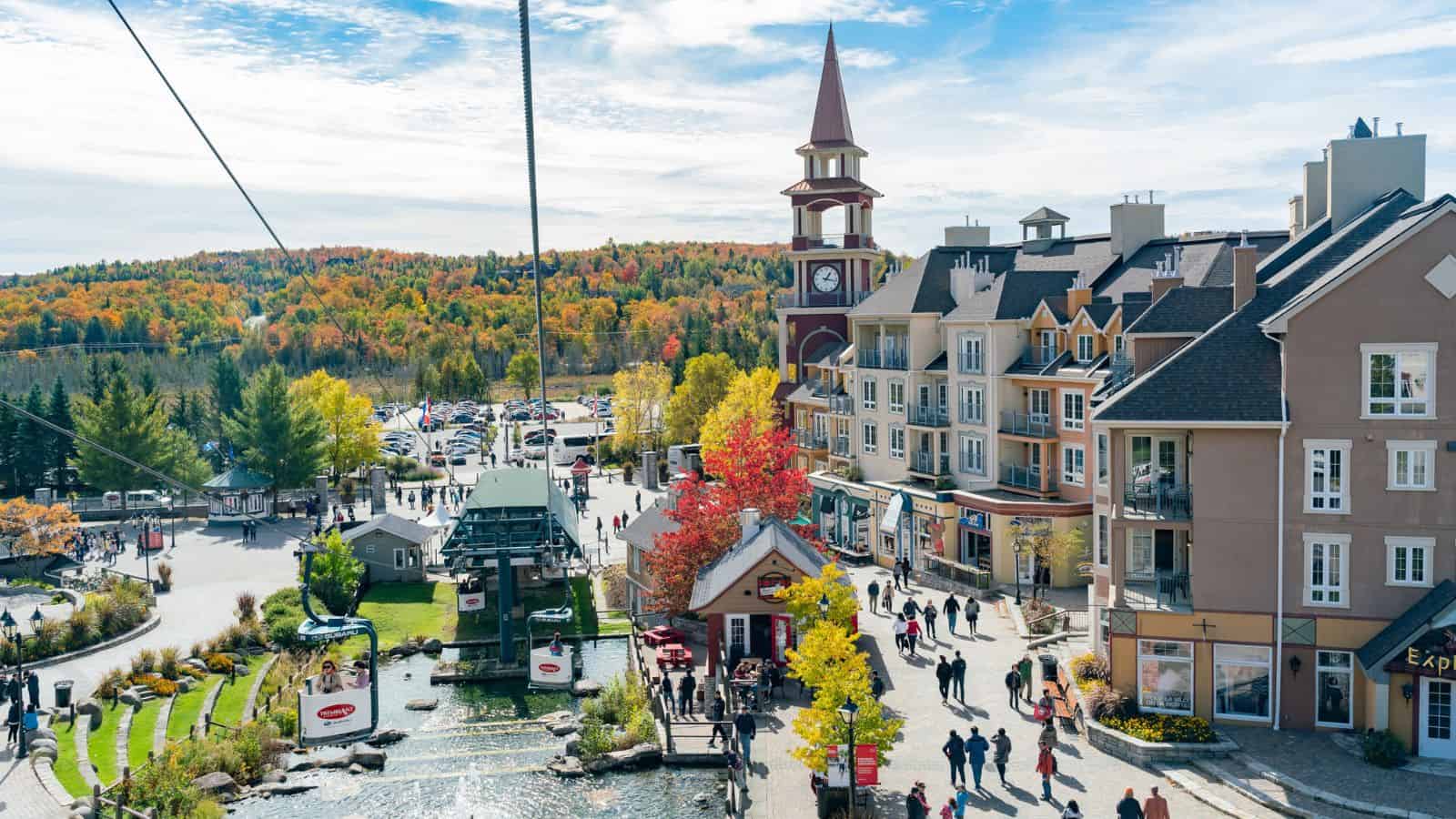
Canada’s arrival screening often feels slower than expected due to layered processing. Travelers may use kiosks first, then speak with officers afterward, which adds steps rather than eliminating them. Staffing levels fluctuate, and international arrivals frequently bunch together. Customs questions can be detailed, especially for longer stays. Secondary screening is common but usually routine. Airports outside Toronto can feel particularly slow when multiple long-haul flights arrive at once. Canada’s system is methodical and calm, but not fast. Visitors should expect delays even when entry requirements are straightforward.
Japan
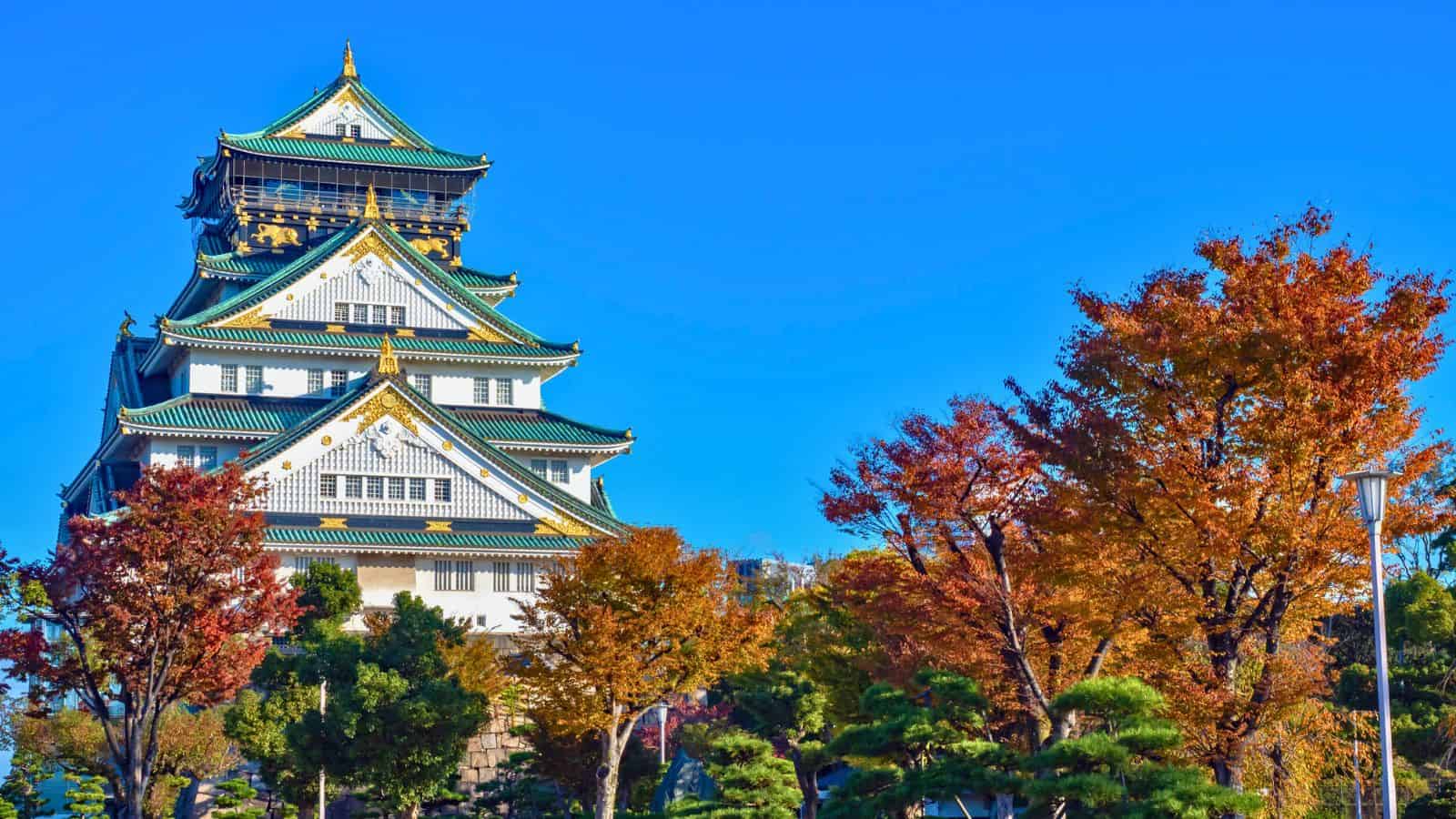
Japan’s arrival process is orderly but often slower than travelers expect. Procedures include multiple steps, such as fingerprinting, photographs, and paperwork verification. Lines move steadily but deliberately. Language barriers can slow communication, especially for first-time visitors unfamiliar with forms or instructions. During peak seasons, staffing may not scale quickly enough to handle volume. Japan prioritizes accuracy and consistency over speed. Travelers often assume efficiency equals quick entry, but Japan’s screening favors precision. Building extra time into arrival plans helps reduce frustration.
Want to save this?
China
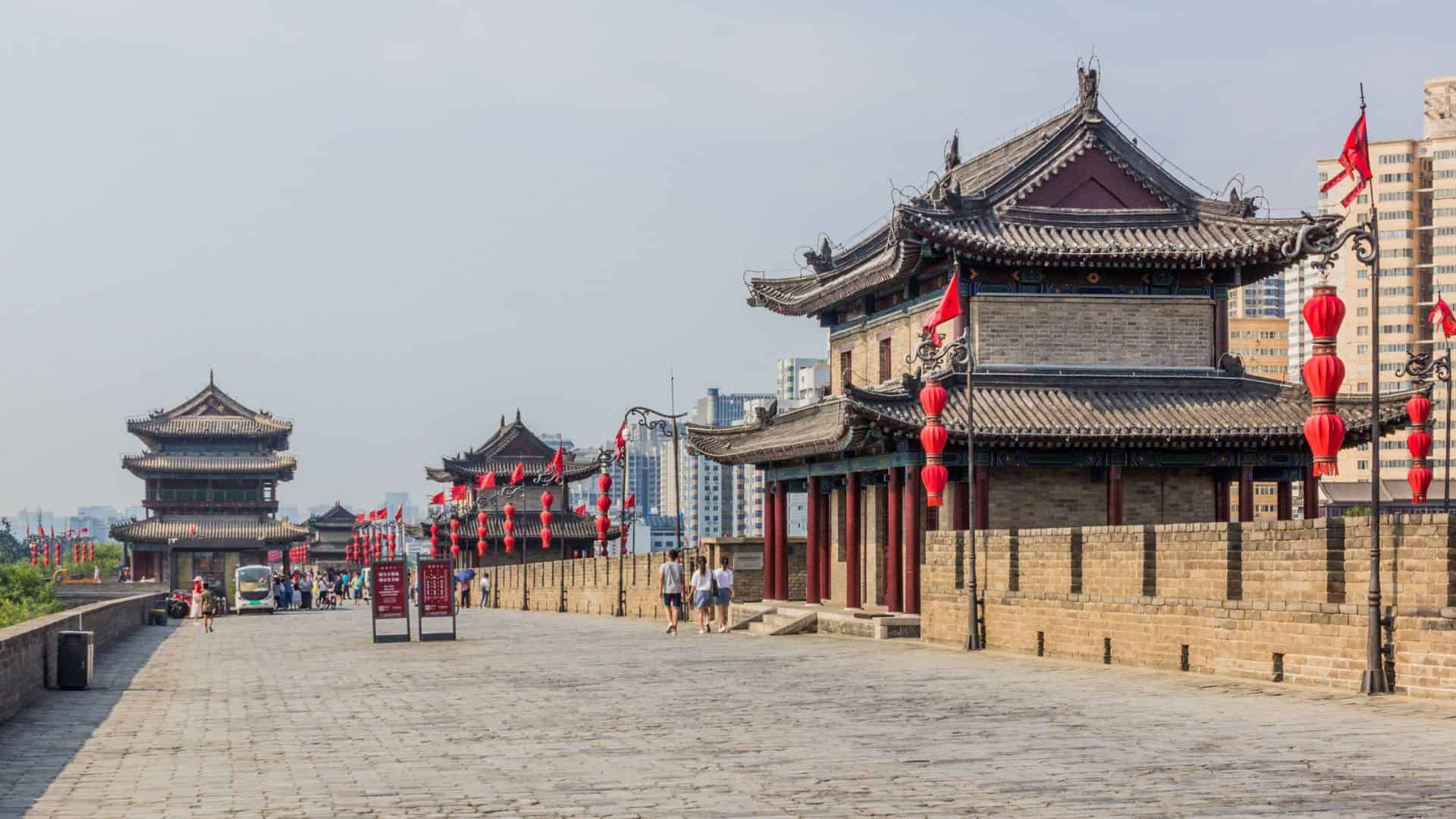
China’s arrival screening can feel lengthy due to layered checks and paperwork. Immigration forms, fingerprinting, and document verification are standard, and lines move slowly during peak arrival windows. Travelers may be asked detailed questions about itineraries, accommodations, and visas. Signage and instructions can be confusing for first-time visitors, which adds to delays. Secondary screening is not uncommon, especially for those with complex travel histories. China’s process emphasizes control and verification over speed. Visitors often underestimate how much time entry can take, even when all documents are in order.
India

India’s arrival process often takes longer than expected because of volume and manual checks. Major airports handle large numbers of international arrivals with limited counters open at certain times. Visa verification can be detailed, and questions may be repeated across checkpoints. Lines move unevenly, with sudden pauses that add to waiting time. First-time visitors are often surprised by how long it takes to clear both immigration and customs. India’s screening is thorough but not streamlined. Travelers benefit from patience and generous buffer time, especially when connecting onward.
South Africa

South Africa’s arrival screening feels slow largely due to staffing and scheduling. Multiple international flights often arrive close together, overwhelming passport control. Manual processing is common, and officers may ask detailed questions about accommodations and return travel. Customs checks can also add time, especially for travelers carrying equipment or multiple bags. Even when lines are orderly, they move gradually. South Africa’s system is methodical rather than rushed. Visitors often underestimate how long entry will take and are caught off guard by extended waits before exiting the airport.
Brazil
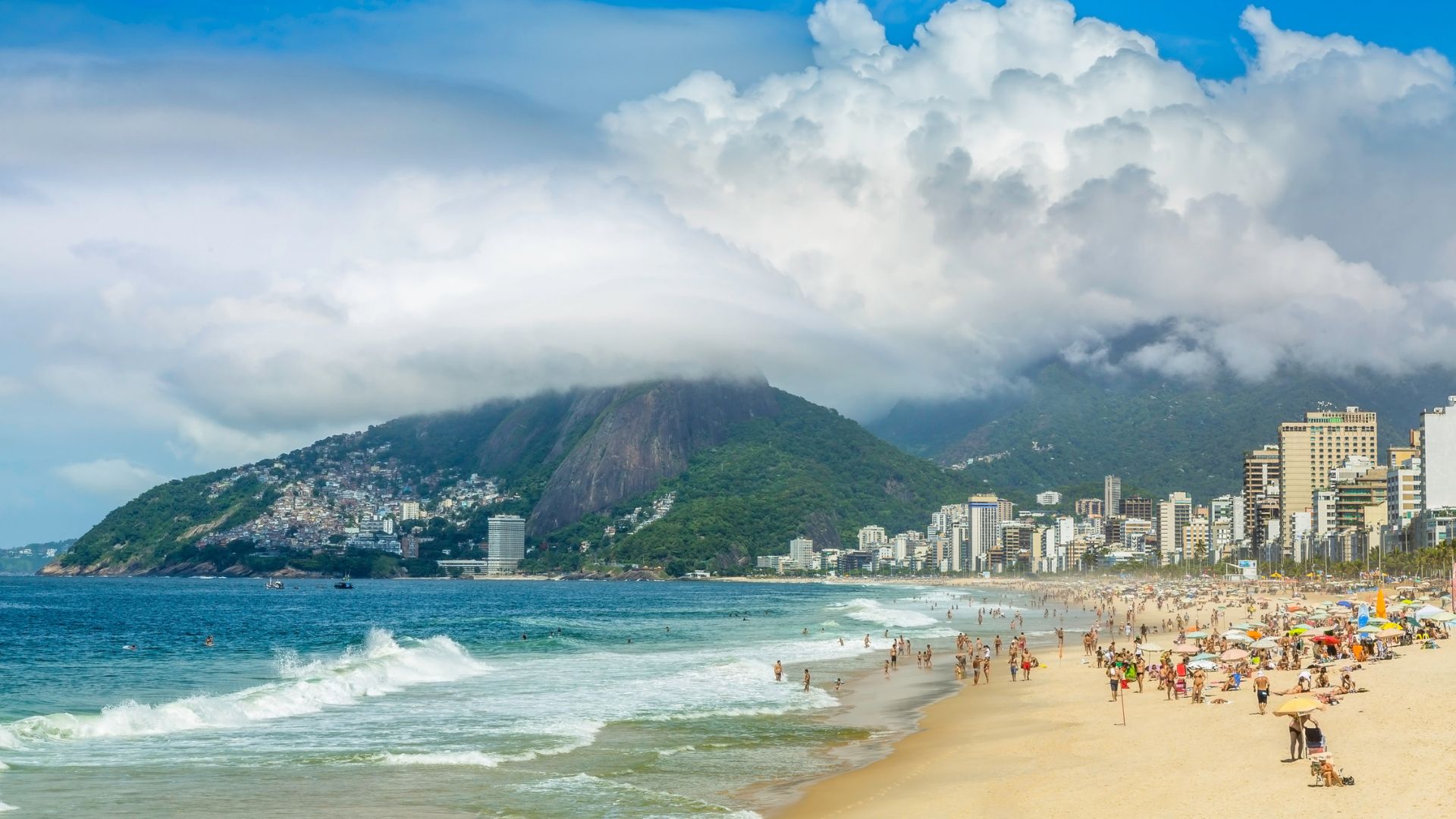
Brazil’s arrival screening can be unpredictable. Processing times vary widely depending on staffing and arrival volume. Immigration questions may be brief or detailed, and biometric checks add time. Customs screening can feel slow, particularly when multiple flights land simultaneously. Signage and queue management are not always clear, which adds to confusion. First-time visitors often expect a faster process based on Brazil’s tourism image. In practice, entry can take much longer than anticipated. Building flexibility into arrival plans helps reduce stress when delays occur.
10 Places Where Tourists Often Book the Wrong Area

Choosing where to stay can shape the entire trip. This article features places where tourists often book the wrong area, focusing on destinations where neighborhoods look close on a map but feel very different in reality. Being in the wrong spot can mean long commutes, limited food options, or missing the parts people hoped to experience.
Read More Here: 10 Places Where Tourists Often Book the Wrong Area
9 Destinations That Punish Poor Planning More Than Others

Some places leave little room for last-minute decisions. This article features destinations that punish poor planning more than others, focusing on locations where timing, reservations, and logistics matter more than travelers expect. In these spots, showing up unprepared can quickly lead to missed access, higher costs, or limited options.
Read More Here: 9 Destinations That Punish Poor Planning More Than Others



Leave a Reply