
Long flights can be both an exciting and exhausting experience. However, many passengers unknowingly do things that make their time in the air even more uncomfortable. Whether it’s not preparing properly for jet lag, overpacking, or ignoring the cabin environment, some behaviors can quickly turn a 10-hour journey into a miserable one. Travelers often make simple mistakes that are easy to avoid with a little preparation and awareness.
Here are 11 ways passengers accidentally sabotage their long flight experience. By being mindful of these common pitfalls, it's possible to arrive at your destination feeling refreshed and ready to explore rather than drained and irritable. From handling carry-on luggage to maintaining personal comfort, these tips can help make that long flight more enjoyable. So, next time you're heading to the airport, make sure you're prepared to avoid these all-too-common mistakes.
Wearing Tight or Uncomfortable Clothing

Wearing jeans that dig into your waist or shirts that restrict your arms can quickly turn a long flight into a test of endurance. When you're sitting in one position for several hours, your clothing needs to move with you. Tight clothes can reduce circulation, increase swelling in your legs or ankles, and make bathroom breaks awkward. Soft, breathable fabrics like cotton or knits paired with stretchy waistbands or layers make all the difference. You’ll also want socks that don’t cut into your skin. Comfort isn’t about fashion, it’s about keeping your body relaxed and your movements unrestricted.
Skipping Hydration

Cabin air is extremely dry, often drier than most deserts. That means your body is constantly losing moisture, even if you’re not sweating. If you don’t drink enough water, you may experience headaches, fatigue, dry eyes, chapped lips, or worse jet lag. Many people don’t feel thirsty on flights, but that doesn’t mean you’re hydrated. Sipping water regularly throughout the flight is key. Avoid relying on in-flight service alone—bring your own bottle and fill it before boarding. Hydration also helps your immune system, which matters when you’re breathing recycled air for eight hours straight in a packed cabin.
Drinking Too Much Alcohol or Caffeine

Ordering that extra glass of wine or downing two coffees before boarding might seem like a way to calm nerves or stay alert, but both can backfire. Alcohol and caffeine dehydrate you and can disrupt your body’s natural rhythms. Alcohol may make you feel sleepy at first, but it lowers sleep quality and can increase restlessness, especially at altitude. Caffeine can do the same—leaving you wired when you want to sleep. On long-haul flights, staying hydrated and balancing your fluid intake can help reduce jet lag and make it easier to rest and adjust to new time zones.
Ignoring Sleep Preparation

If you’re hoping to sleep mid-flight without packing the right tools, you’re setting yourself up for frustration. Noise from engines, crying babies, and cabin announcements make earplugs essential. Light from windows or screens can mess with your circadian rhythm, so an eye mask helps block it out. A neck pillow prevents awkward angles that lead to neck pain. Even a hoodie can help you feel cocooned. Long-haul travel is less draining when you can rest—even briefly—so preparing a compact sleep kit with these items can dramatically improve how you feel upon arrival.
Overpacking Your Personal Item

Stuffing your under-seat bag with every gadget, book, and snack you own might feel smart, but it often backfires. You’ll sacrifice legroom, making it harder to stretch your legs or shift position. Plus, digging around for what you actually need, like earbuds, medicine, or a phone charger, can be frustrating when everything’s buried. A cluttered bag also adds to stress during boarding and security checks. Instead, pack strategically: only the things you’ll actually use in-flight should go under the seat. Keep heavier or less essential items in your overhead bag to free up space and make movement easier.
Not Adjusting to Destination Time

Your body clock doesn’t magically sync to your destination the moment you land. If you spend the entire flight sticking to your home schedule—eating, sleeping, or watching movies at familiar times—you’re setting yourself up for worse jet lag. Instead, start shifting your habits before the flight or during it. Try eating meals according to your destination’s time zone and adjusting your sleep schedule gradually. Even changing your watch or phone clock in advance helps mentally prepare you. Small changes mid-flight can smooth the transition and reduce the exhaustion and disorientation that often hit upon arrival.
Want to save this?
Neglecting Movement and Stretching
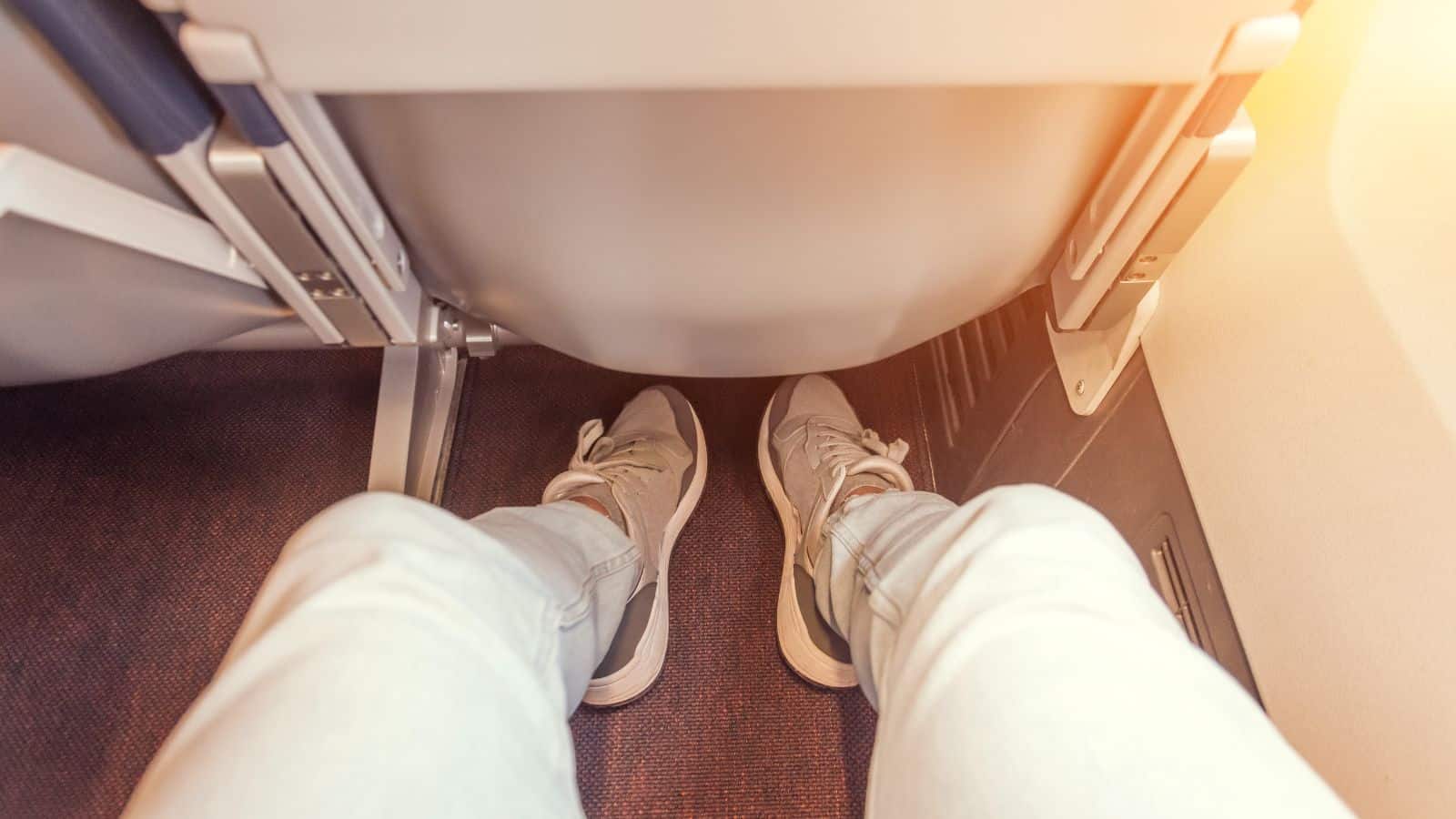
Remaining seated for long stretches can stiffen your muscles, reduce circulation, and increase the risk of blood clots, especially on flights longer than four hours. Many passengers stay still out of convenience or shyness, but even small movements help. Flex your ankles, roll your shoulders, or stretch your legs at regular intervals. Taking a short walk down the aisle every hour or two keeps your blood flowing. Compression socks also help reduce swelling. Your body isn’t meant to stay folded in a seat for ten hours straight, gentle movement can make a noticeable difference by the time you land.
Forgetting to Charge Devices or Bring Backups

There’s nothing worse than settling into a long flight only to realize your tablet, phone, or headphones are dead and there’s no outlet available. Even if your seat has charging ports, they may not work. Bring a portable charger and pre-download your music, movies, podcasts, or books in case Wi-Fi is spotty or unavailable. Noise-canceling headphones or an e-reader can turn a stressful trip into a manageable one. Being prepared tech-wise helps pass the time, reduce boredom, and avoid relying solely on in-flight entertainment, which might not be to your liking or might not work at all.
Eating Heavy or Salty Meals Before Boarding

That big plate of fried food or extra-spicy takeout might hit the spot before a flight, but it can cause serious discomfort once you're cruising at altitude. Cabin pressure affects digestion, and heavy or greasy meals can lead to bloating, heartburn, or an upset stomach mid-flight. Salty foods worsen dehydration, making you feel sluggish or irritable. A balanced, moderate meal with fiber, protein, and water-rich ingredients is a better option. Skip foods known to cause gas or discomfort, especially if you're prone to stomach issues. Feeling physically off for eight hours in a cramped seat isn’t worth it.
Wearing Strong Perfume or Cologne

You might love your scent, but confined airplane cabins aren’t the place for bold fragrances. The air doesn’t circulate well, and strong smells tend to linger far longer than expected. Some passengers are sensitive or allergic to fragrances, and a scent that feels refreshing to you can cause migraines, sneezing, or nausea in others. Cleanliness and subtle deodorant are more than enough. Being scent-aware helps everyone breathe easier and keeps your seatmates from silently suffering through a cloud of musk, floral spray, or spicy cologne for the entire flight.
Being Passive About Seat Comfort

If your seatbelt is broken, your screen doesn’t work, or your seatmate is intruding into your space, speak up early. Don’t wait until you’re halfway through the flight to alert the crew; solutions are more likely when you address issues right away. Whether it’s asking for a blanket, changing seats, or needing help with the overhead fan, voicing your needs can improve your experience. Staying silent out of politeness may leave you uncomfortable for hours. Flight attendants are used to handling small problems and can’t help unless they know something’s wrong.
10 Travel Trends That Do More Damage Than Good

Did you know that some travel trends are harmful? Popular travel habits can shape the way people explore the world, but there are 10 travel trends that do more damage than good. While some may seem appealing or convenient, they can negatively affect local communities, the environment, and even travelers. Understanding the impact of these trends is crucial for making informed decisions that promote responsible and sustainable travel.
Read More Here: 10 Travel Trends That Do More Damage Than Good
13 Hacks for Comfortable Long-Haul Flights in Economy

Have a more comfortable flight with these tips! Long-haul flights in economy class can often feel cramped and uncomfortable, leaving travelers dreading the journey ahead. However, with the right strategies, it is possible to make these long trips more bearable. Here are 13 hacks for comfortable long-haul flights in economy that can help transform the flying experience into a more pleasant one.
Read More Here: 13 Hacks for Comfortable Long-Haul Flights in Economy




Leave a Reply