
When traveling, health experts recommend being prepared for all situations, whether it’s a long-haul flight, exploring a new city, or dealing with the unpredictable. Packing the right health essentials can ensure a comfortable and safe journey. From maintaining hydration levels to safeguarding against travel-related illnesses, there are a few must-have items that can make all the difference.
Here are 11 travel essentials that health experts never leave home without. These items help manage common travel discomforts like jet lag, dehydration, and fatigue, ensuring that you stay healthy while enjoying your trip. With the right preparations, travelers can enjoy their vacations without worrying about health concerns. Make sure your next trip includes these vital items to enhance your experience and ensure peace of mind.

Reusable Water Bottle

Travel often leads to dehydration due to dry airplane air, long walking tours, or limited access to safe drinking water. Carrying a reusable water bottle helps you keep fluid intake steady, especially in transit when bottled options may be expensive or unavailable. Health experts recommend filling up before boarding a flight or setting out for the day. Some models include built-in filters, which come in handy when tap water quality is uncertain. Staying hydrated supports energy, digestion, and mental clarity—making a reusable bottle one of the simplest and most effective tools to keep your body functioning on the go.
Hand Sanitizer (at least 60% alcohol)

Touching elevator buttons, tray tables, rental car handles, or public restrooms increases exposure to viruses and bacteria. Hand sanitizer with at least 60% alcohol helps cut down your risk when soap and clean water aren’t accessible. Health experts recommend using it before eating, after touching shared surfaces, and during airport security checks. Travel-sized bottles fit easily into backpacks or pockets and are allowed through airport security in small quantities. Keeping it accessible throughout the trip—whether you’re in a taxi or hiking trail—makes it easier to stay consistent with hygiene habits when sinks aren’t nearby.
Prescription Medications + Backup Supply

Missing or losing your medication can disrupt your trip or, in serious cases, create health emergencies. Health professionals always pack their prescribed medications in their carry-on bag, not checked luggage, to avoid separation. Bringing a few extra days' worth of pills helps if you’re delayed or rerouted unexpectedly. Include documentation like a doctor’s note or prescription copy, especially for international travel. For refrigerated medications, carry a portable cooler if needed. It’s also wise to know the generic names of your medications in case you need to find a pharmacy abroad. Preparation reduces stress and helps you manage your condition confidently.
Sunscreen (Broad Spectrum SPF 30+)
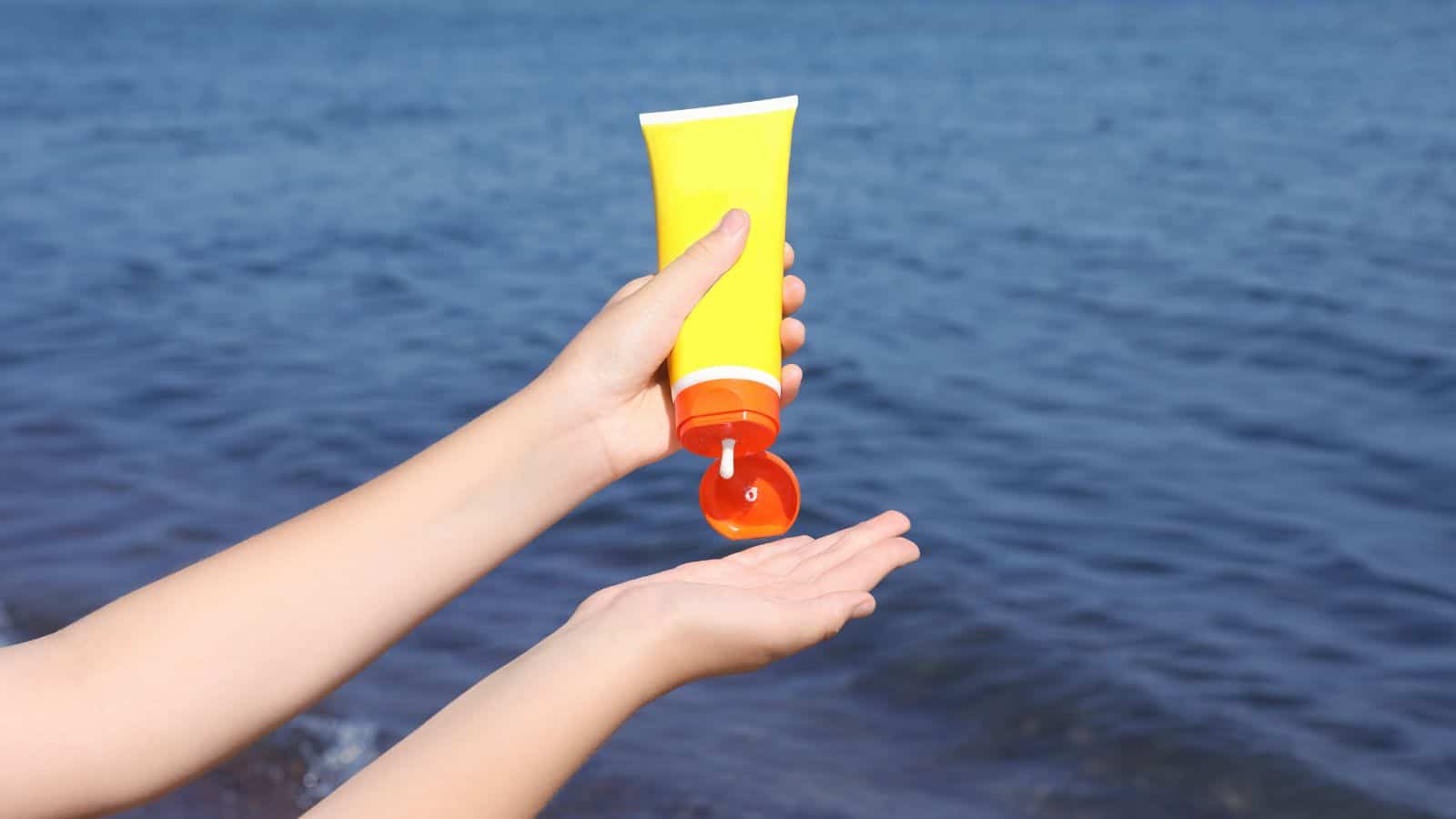
UV exposure happens on beaches, city sidewalks, mountain trails, and even during flights. Health experts apply sunscreen every day, not just when lounging outdoors. A broad-spectrum sunscreen with SPF 30 or higher protects against both UVA and UVB rays, which contribute to sunburn, skin aging, and long-term skin damage. Travel sizes are easy to pack, and stick or mineral formats are great for carry-on. Apply 15 minutes before sun exposure and reapply every two hours, especially after sweating or swimming. Even cloudy days or high elevations increase UV intensity—so sunscreen is a non-negotiable part of any travel routine.
First-Aid Kit

Unexpected scrapes, blisters, headaches, or allergic reactions can happen anywhere—from remote hikes to airport terminals. That’s why health experts carry a compact first-aid kit. Essentials often include adhesive bandages, antiseptic wipes, tweezers, gauze, pain relievers, antihistamines, and any travel-specific items like motion sickness tablets. Kits can be customized based on your destination, length of stay, and planned activities. Having your own supplies means you won’t waste time searching for a pharmacy in an unfamiliar location or language. It also helps address small issues before they grow into bigger ones that could disrupt your plans or require medical attention.
Electrolyte Packets

Travel can throw off your body’s hydration balance, especially during long flights, intense heat, or gastrointestinal issues. Electrolyte packets help replenish sodium, potassium, and other minerals lost through sweat or illness. Health professionals often bring them along for hiking, running around cities, or after recovering from food-related trouble. Packets are lightweight, take up little space, and dissolve easily in water. They’re also useful after alcohol consumption or when adjusting to high altitudes. Whether you're sweating on a trail or battling jet lag, these can help your body recover more quickly and stay balanced when clean hydration alone isn’t enough.
Want to save this?
Compression Socks

Health experts use compression socks on long flights or bus rides to help maintain circulation and reduce swelling in the legs and feet. They can also lower the risk of blood clots, especially for travelers with underlying conditions or those sitting still for several hours. Compression socks come in varying pressure levels—moderate compression is enough for most travel. They can also help reduce fatigue after walking or standing all day. Lightweight and washable, they’re easy to pack and reuse during multi-leg trips. Wearing them is a small step that supports comfort and circulation in the air or on the road.
Sleep Mask + Earplugs

Unfamiliar environments often make sleeping harder—think bright cabin lights, hotel hallway noise, or chatty seatmates. That’s why health professionals rely on a soft sleep mask and noise-blocking earplugs. These help create a personal bubble in otherwise disruptive settings, making it easier to rest and recover. Sleep is essential for immunity, mood, and focus, especially across time zones. A blackout mask paired with earplugs can turn a noisy red-eye flight or bright Airbnb room into a better sleep environment. They're lightweight, reusable, and fit easily into a carry-on or day bag for quick access whenever you need rest.
Disinfecting Wipes

Tray tables, armrests, hotel remotes, and rental car touchscreens are rarely cleaned as often as needed. Health experts keep disinfecting wipes on hand to clean shared surfaces before use. A quick wipe-down reduces contact with bacteria and viruses that linger on plastic and metal. Especially helpful in high-traffic spaces like planes, airport lounges, or public bathrooms, these wipes create an extra layer of protection. They can also be used to freshen up small personal items like phones or keys. Choose wipes that are travel-size and alcohol-based for convenience and effectiveness. They’re one of the easiest ways to stay proactive.
Travel Insurance Information

Whether it's a missed connection, lost luggage, or medical emergency, health professionals make sure their insurance details are easily accessible. This includes printed copies and digital versions of policies, emergency contacts, and claim procedures. Having this info on hand helps save time and reduce confusion during a crisis—especially in a different country or unfamiliar city. Some travelers keep a summary card in their wallet or travel pouch. It's especially important when traveling with chronic conditions or engaging in high-risk activities. Coverage won’t prevent problems, but quick access to help makes a difficult situation more manageable.
Snacks with Protein or Fiber

Delays, layovers, and tight schedules can leave little time to eat, especially options that support energy and digestion. Health experts pack snacks like nuts, protein bars, roasted chickpeas, or dried fruit for steady blood sugar and fewer stomach issues. These items store well without refrigeration and prevent the crash that comes from sugary convenience food. They’re also helpful in case of missed meals, food restrictions, or long excursions. A few balanced snacks in your bag mean you’re not stuck relying on airport vending machines or questionable food during your trip. It’s a simple habit that supports energy and comfort.
9 Airport Gate Etiquette Mistakes That Make Everyone Hate You

Take note of these things! Navigating the airport can be stressful, and certain behaviors at the gate can make the experience even worse for everyone around. There are nine airport gate etiquette mistakes that make everyone hate you, and recognizing these actions can help create a more pleasant environment for all travelers. Whether it’s taking up too much space with luggage or engaging in loud conversations, these habits can quickly irritate fellow passengers.
Read More Here: 9 Airport Gate Etiquette Mistakes That Make Everyone Hate You
15 Common Airport Mistakes You Might Be Making

Avoid making these mistakes at all costs! Navigating an airport can be a stressful experience, and many travelers unknowingly make mistakes along the way. There are 15 common airport mistakes you might be making that can lead to unnecessary delays and frustration. From packing the wrong items to misjudging security lines, these blunders can turn an exciting trip into a hassle.
Read More Here: 15 Common Airport Mistakes You Might Be Making




Leave a Reply