
What you wear while traveling is not always just a matter of comfort or personal style. This article features countries where what you wear can matter, focusing on destinations where religious traditions, cultural expectations, local laws, or dress codes can affect what is considered appropriate. Clothing that seems completely normal at home may attract unwanted attention or prevent entry to certain places.
Understanding local expectations before packing can help travelers avoid awkward situations and show respect for the communities they visit. Rules may also change depending on whether you are at a religious site, beach, government building, or public space. Keep reading to see which places made the list and what travelers should know before deciding what to wear.
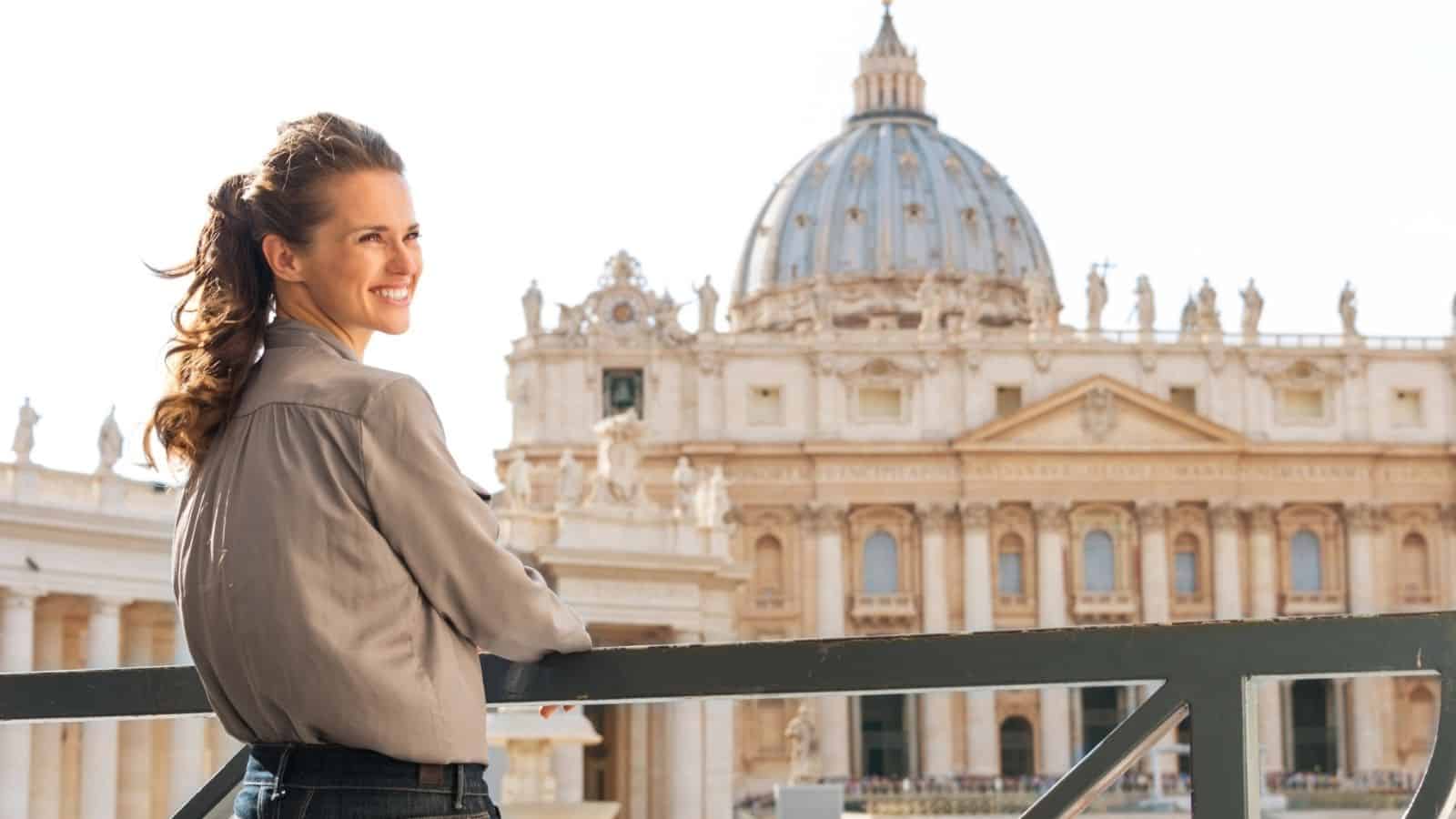
Saudi Arabia
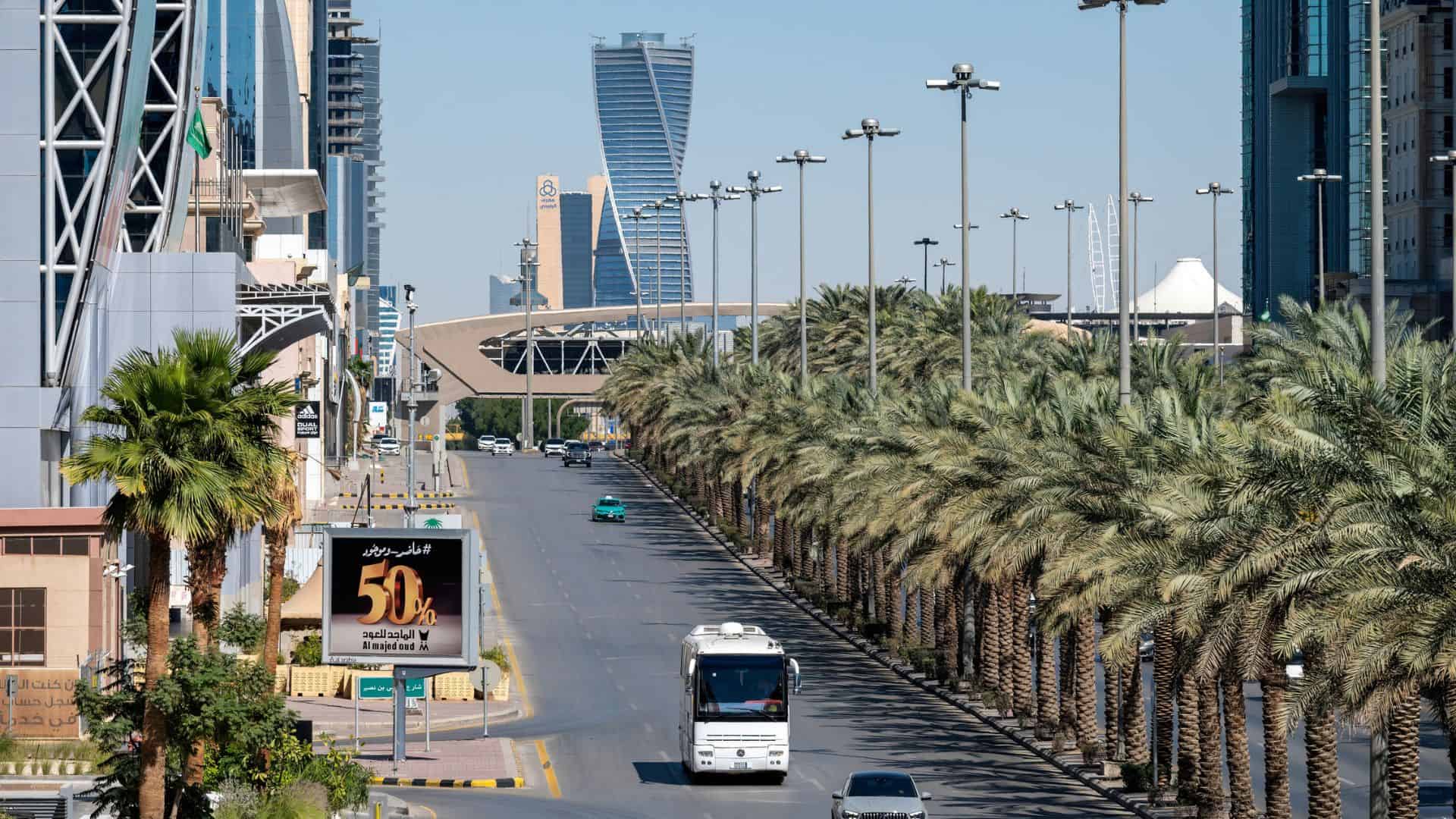
Saudi Arabia has become more accessible to international tourists, but clothing expectations remain more conservative than in many Western countries. Visitors are generally expected to dress modestly in public, avoiding clothing that is extremely tight, revealing, or printed with potentially offensive images or messages. Women tourists are not generally required to wear an abaya or cover their hair, but shoulders and knees are better kept covered in many settings. Standards can feel stricter around religious areas. Packing loose, lightweight clothing makes it easier to stay comfortable while respecting local expectations.
United Arab Emirates

The United Arab Emirates can feel very relaxed inside international resorts, but expectations change depending on where you go. Swimwear is generally appropriate at beaches and pools, while malls, mosques, government buildings, and residential areas call for more coverage. Clothing that exposes too much skin may attract attention or result in a request to cover up. Dubai tends to feel more flexible in tourist districts, but visitors should not assume the same standards apply everywhere. Carrying a light layer or scarf makes it easy to adjust when moving between beaches, restaurants, religious sites, and public spaces.
Iran
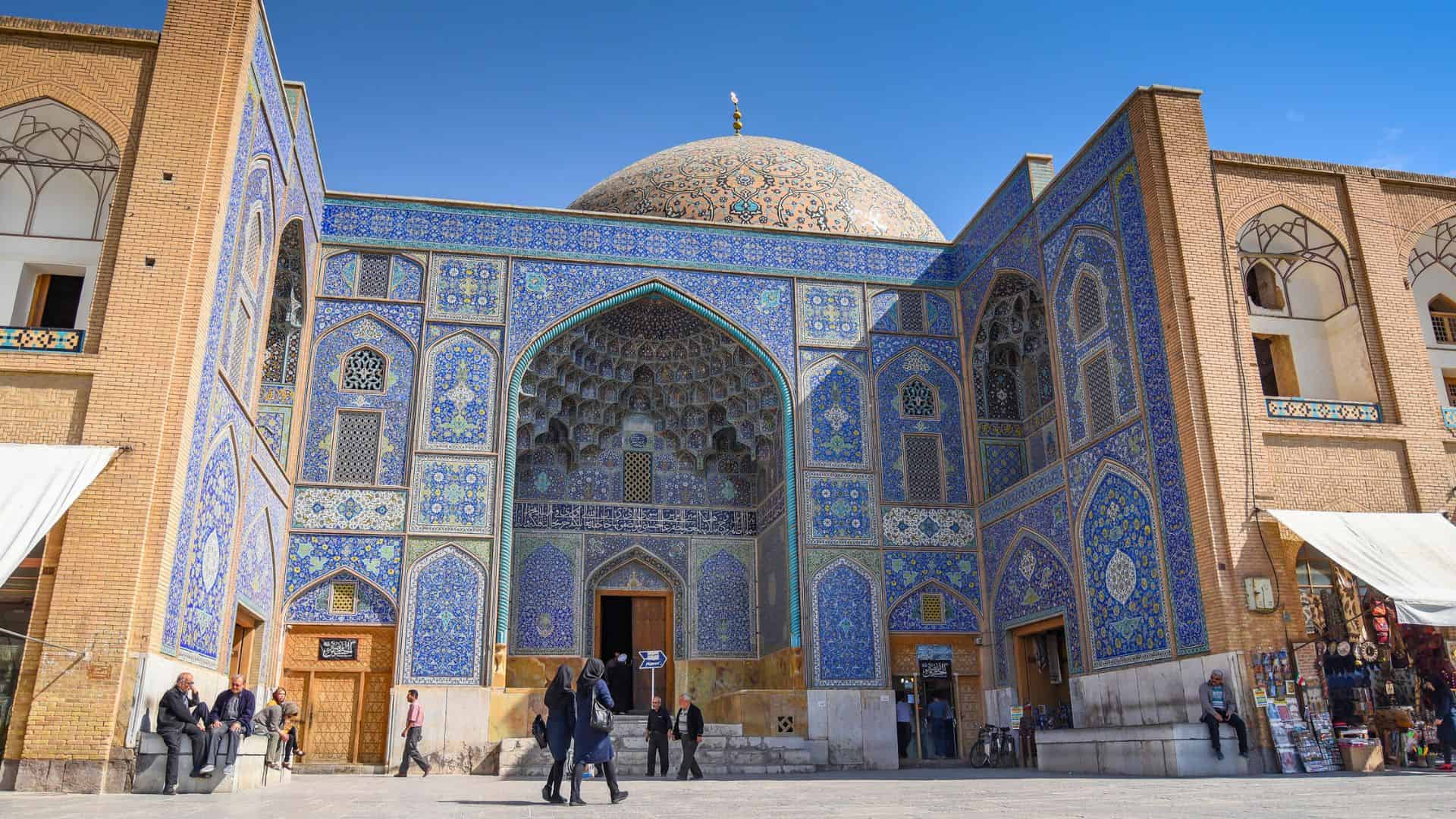
Iran has legally enforced clothing requirements that visitors need to understand before traveling, particularly rules affecting women. Dress regulations and their enforcement have also been politically contentious and can change, making current guidance important before departure. Travelers should not rely on older blogs or photographs to determine what is acceptable. Men also face expectations regarding appropriate public clothing. Because these requirements involve more than social etiquette, visitors should check current government travel advice and entry information shortly before traveling and pack accordingly rather than assuming ordinary tourist clothing will always be acceptable.
Vatican City
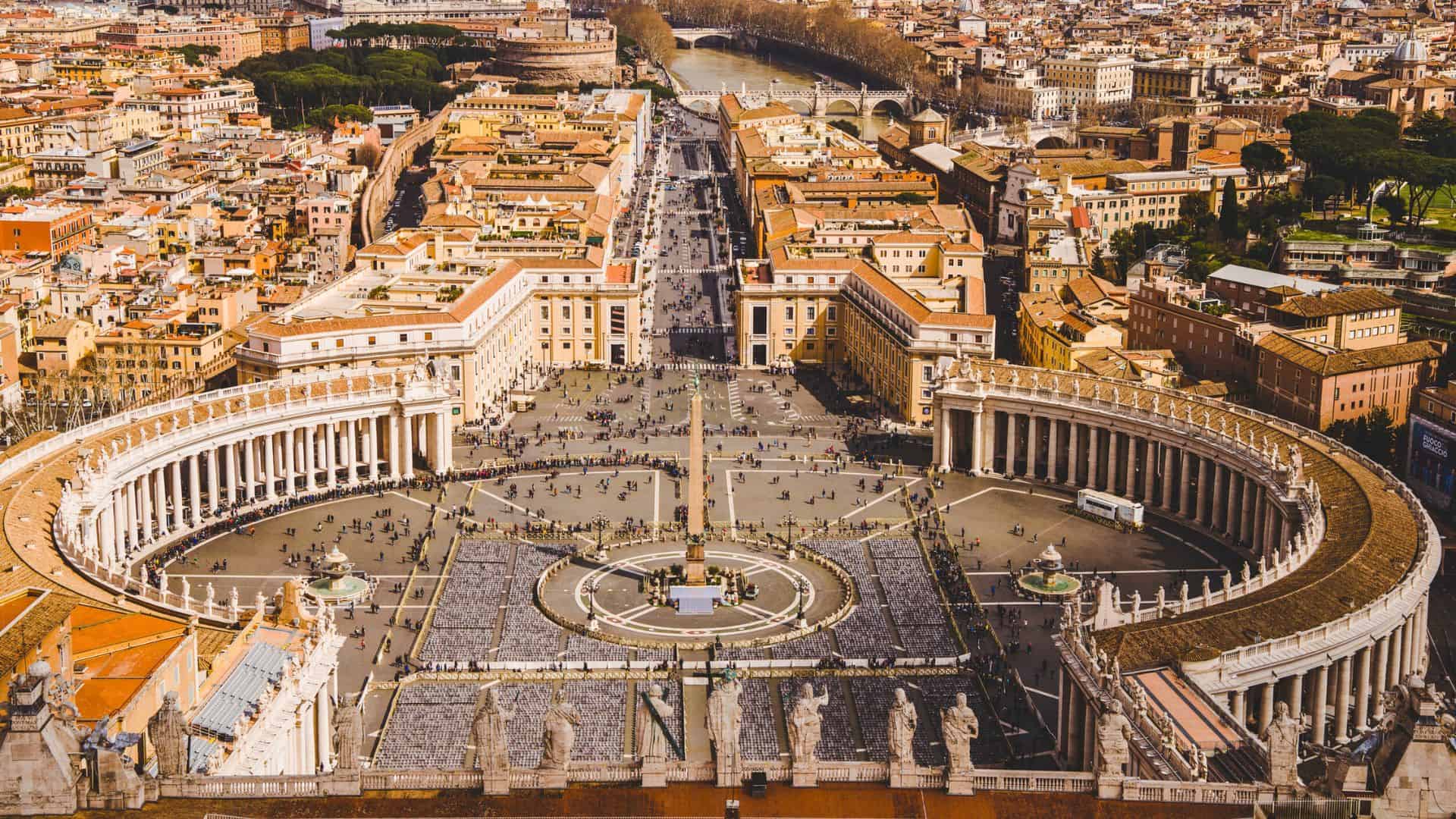
Vatican City is one of the clearest examples of a destination where an outfit can determine whether you get inside a major attraction. St. Peter's Basilica and other religious spaces expect visitors to dress respectfully, generally requiring shoulders and knees to be covered. Very revealing clothing may result in visitors being refused entry, even after they have already waited in line. This catches people out during Rome's hot summers, when shorts and sleeveless tops are common. A lightweight scarf, longer skirt, trousers, or appropriate cover-up can prevent an inconvenient change of plans.
India

India does not have one nationwide tourist dress code, but clothing expectations vary considerably between regions and settings. Beachwear that seems ordinary in Goa may feel out of place in a rural town or at a religious site. Temples, mosques, and other sacred spaces may require visitors to cover their shoulders or legs, remove shoes, or follow additional rules. Lightweight trousers, longer skirts, and tops with more coverage are useful additions to a travel wardrobe. Watching what local residents wear can also provide a practical indication of what fits comfortably within a particular setting.
Morocco
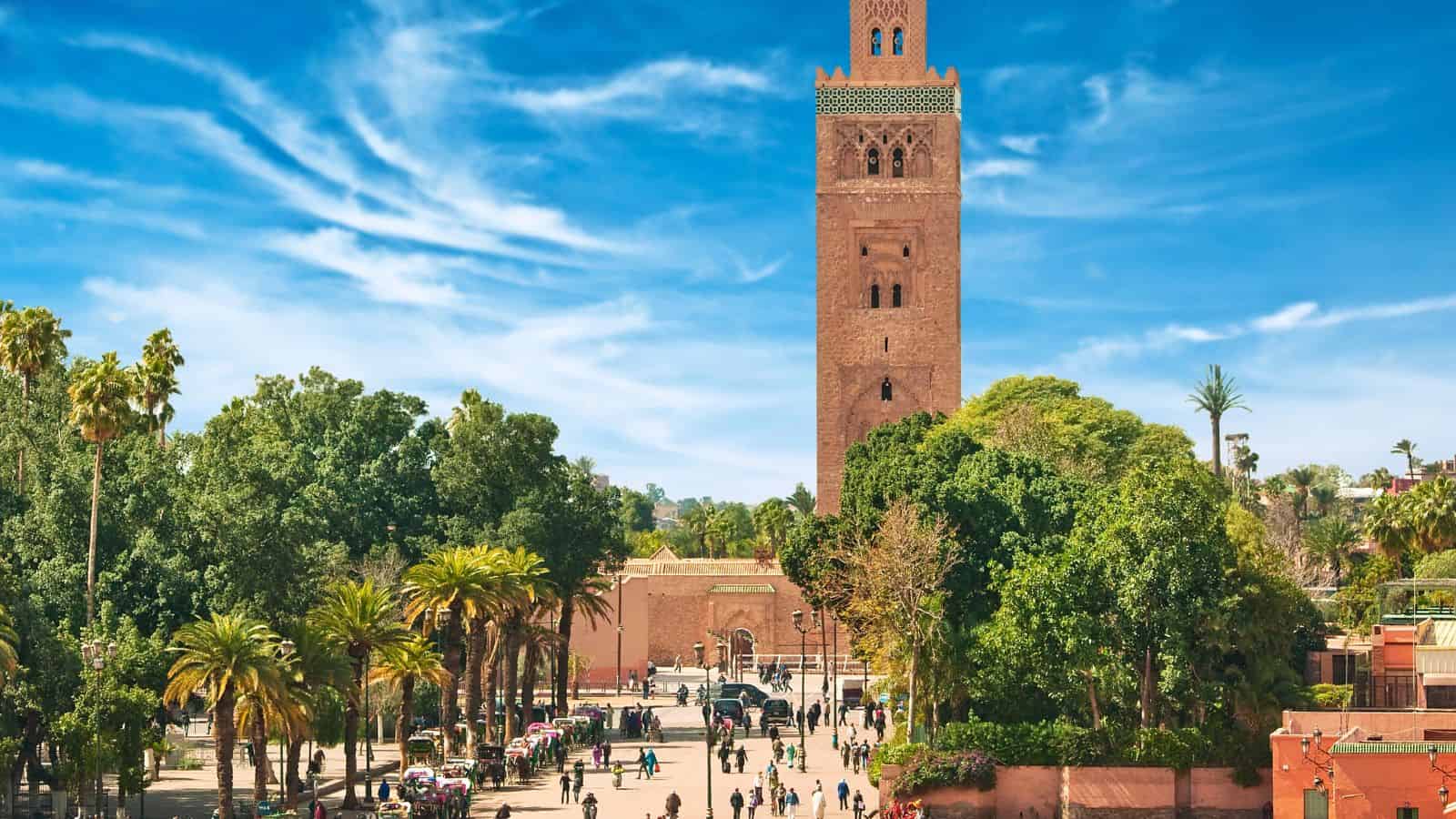
Morocco receives large numbers of international visitors, but travelers can still encounter more conservative clothing norms than they expect, particularly away from resorts. There is no need for most tourists to adopt traditional Moroccan clothing, though covering shoulders, cleavage, and thighs can help visitors fit more comfortably into everyday public settings. Expectations may be stronger around mosques, rural communities, and religious occasions. Beach resorts are generally more relaxed. Loose trousers, longer dresses, and breathable shirts are practical because they provide coverage while also working well in Morocco's warm climate.
Want to save this?
Indonesia
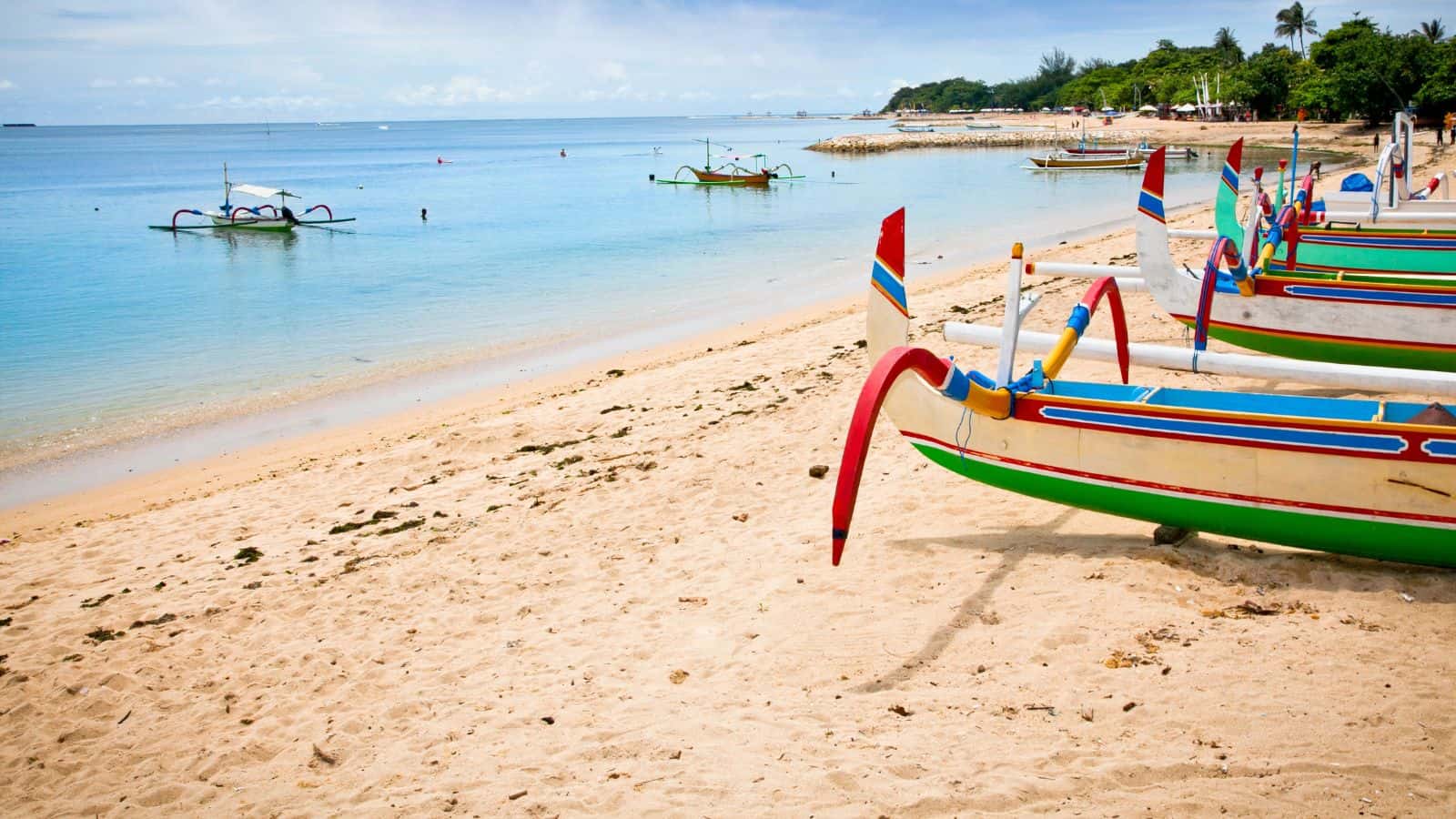
Clothing expectations in Indonesia can change significantly depending on the island and activity. Bali's resort areas are accustomed to beachwear, but temples require considerably more coverage, and visitors may need a sarong or sash before entering. Outside major tourist areas, modest clothing can be more appropriate for everyday sightseeing. Standards can be particularly conservative in predominantly Muslim regions, including Aceh, where local regulations are stricter. Travelers moving around the country should therefore avoid treating Bali's beach culture as representative of Indonesia as a whole. A lightweight cover-up can be useful throughout the trip.
Thailand

Thailand's heat makes shorts and sleeveless tops tempting, but major religious sites have dress standards that can catch first-time visitors by surprise. Buddhist temples generally expect respectful clothing, often including covered shoulders and knees. Some important sites may refuse entry when clothing does not meet their requirements. Beachwear should also stay at the beach rather than being treated as everyday clothing in towns, shops, or temples. Lightweight trousers and breathable shirts make sightseeing easier without becoming uncomfortable. Travelers should check individual attraction rules because requirements can differ between temples, palaces, and other cultural sites.
Italy
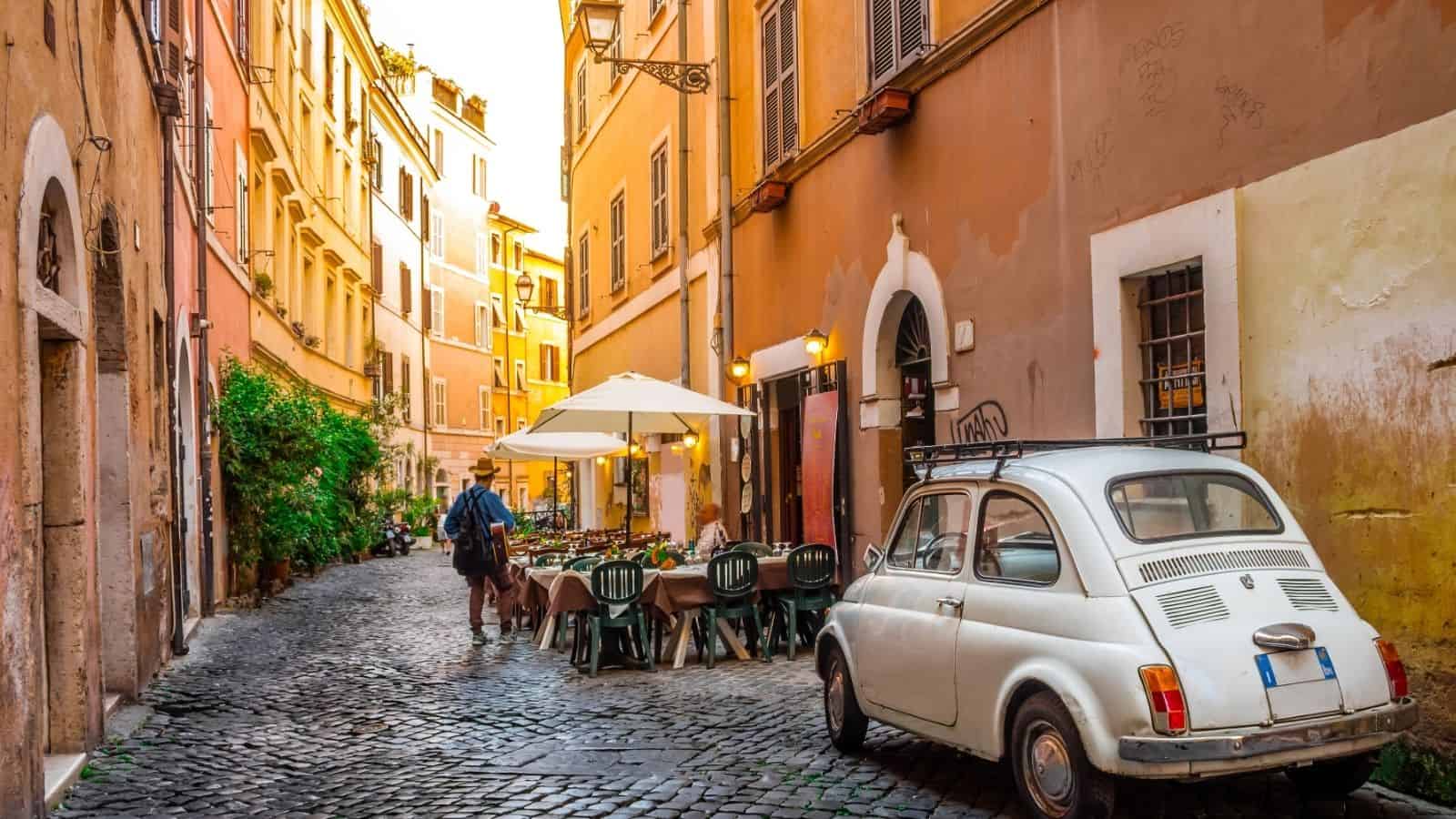
Italy feels relaxed about clothing in most everyday settings, but churches can be a different story. Major religious attractions, particularly in Rome and Vatican City, may enforce rules requiring shoulders and knees to be covered. Travelers dressed for a hot day of sightseeing can therefore reach a church and find their outfit inappropriate for entry. Some higher-end restaurants and venues may also maintain their own dress expectations. Packing one lightweight layer or longer item makes spontaneous church visits much easier. It is a small consideration that can prevent travelers from missing places they had planned to see.
Qatar
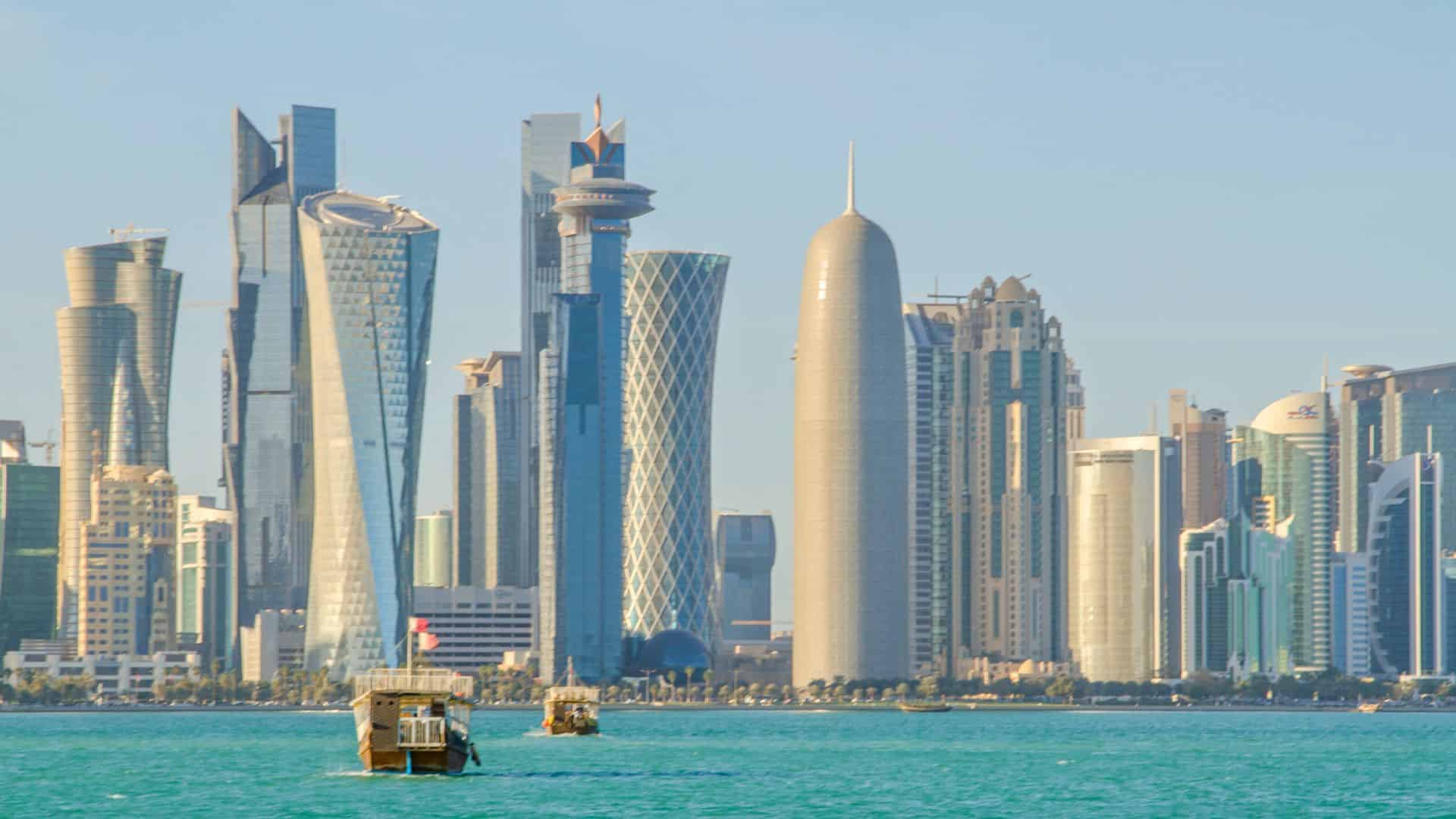
Qatar combines international hotels and modern shopping districts with relatively conservative social expectations. Visitors are generally advised to choose modest clothing in public areas, particularly when visiting mosques, government buildings, markets, and places away from resort environments. Swimwear belongs at pools and beaches rather than shopping centers or city streets. Women may need additional coverage when entering certain religious sites, while men should also avoid overly revealing clothing. Lightweight fabrics make following these expectations easier in the heat. Travelers who pack with several different settings in mind are less likely to feel uncomfortable or underdressed.
10 Tricks That Make Long Flights More Comfortable
Long flights can be tiring, but a few simple habits can make the journey much easier. This article features tricks that make long flights more comfortable, focusing on practical ways to stay rested, organized, and comfortable from takeoff to landing. Small adjustments can have a bigger impact than many travelers expect.
Read More Here: 10 Tricks That Make Long Flights More Comfortable
10 Cities Where a Private Guide Can Save You Hours of Planning
Planning a city trip can take almost as much time as the trip itself. This article features cities where a private guide can save you hours of planning, focusing on destinations where complex layouts, language differences, or countless sightseeing options make it hard to know where to start. A knowledgeable local guide can help travelers spend less time researching and more time enjoying the experience.
Read More Here: 10 Cities Where a Private Guide Can Save You Hours of Planning


Leave a Reply