
Travel can feel very different in places where daily routines do not follow the pace visitors are used to at home. This article features countries where life moves at a different pace, focusing on destinations where meals, business hours, social routines, and attitudes toward time may require travelers to adjust their expectations. What feels slow or unfamiliar at first is often simply part of how everyday life works locally.
Understanding these differences can make it easier to adapt instead of becoming frustrated when schedules or routines do not go as expected. A little flexibility can go a long way when visiting another culture. Keep reading to see which countries made the list and how the pace of daily life differs in each one.
Japan

Japan presents an interesting contradiction when it comes to pace. Tokyo's stations and business districts can move extremely quickly, yet many everyday routines are highly deliberate. A tea ceremony, neighborhood bathhouse, temple visit, seasonal festival, or carefully prepared meal can encourage a completely different sense of time. Smaller cities and rural areas reveal another side again, with quieter streets and slower local transportation. Travelers may find themselves moving efficiently between places and then spending considerably longer once they arrive. Japan shows that a different pace does not always mean slower; sometimes it means knowing when to move quickly and when not to rush.
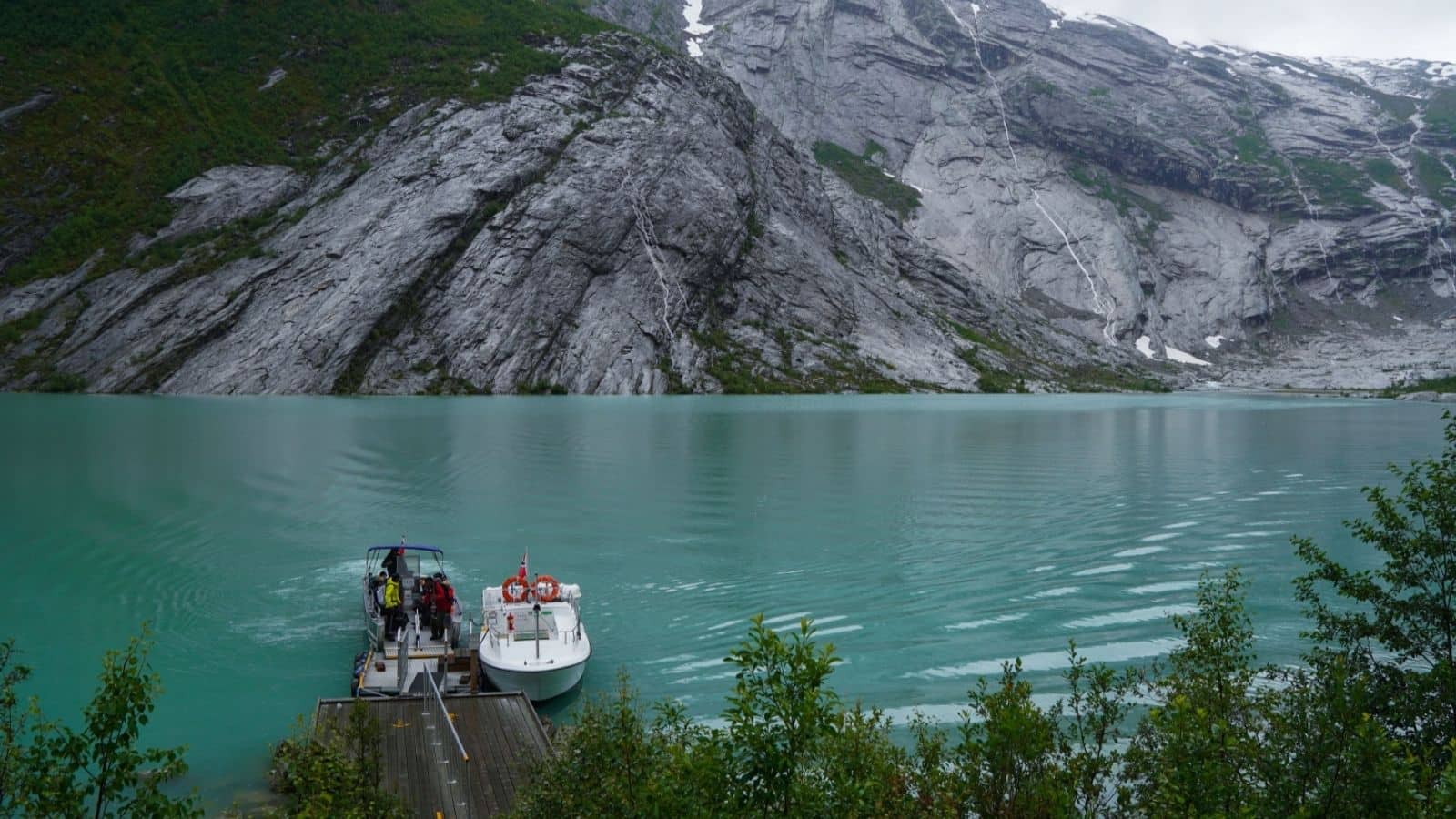
Norway

Norway can feel slower outside its larger cities, particularly in communities surrounded by mountains, fjords, and long stretches of coastline. Outdoor time is part of everyday life rather than something reserved for vacations, and weekends often revolve around hiking, skiing, cabins, or time with family. Travelers may also notice fewer expectations around constant shopping and late-night activity in smaller places. Businesses can close earlier than visitors expect, especially outside major tourist areas. The result is a daily rhythm that can feel noticeably quieter, with schedules shaped as much by daylight, weather, and outdoor plans as by work.
Denmark

Daily life in Denmark can feel efficient without requiring everyone to move at top speed. In Copenhagen and other cities, cycling allows people to move between work, school, shops, and home without every trip becoming a car journey. Cafés, parks, waterfront spaces, and neighborhood gathering places also make social time visible throughout the day. Travelers accustomed to shops staying open late may need to adjust to different business hours, particularly outside central areas. The pace is less about doing nothing and more about giving ordinary routines clear boundaries, with work, meals, errands, and leisure occupying their own parts of the day.
Finland

Finland may feel noticeably quieter to travelers accustomed to crowded public spaces and constant conversation. Silence is not necessarily treated as uncomfortable, and personal space tends to be respected. Outside Helsinki, forests, lakes, and smaller communities can make that difference even more apparent. Sauna culture also creates a regular reason to slow down and disconnect from the day's activity. At the same time, transportation and public services generally keep daily routines organized. Travelers may find that Finland's different pace comes less from moving slowly and more from having fewer expectations that every quiet moment needs to be filled.
New Zealand

New Zealand's smaller cities and towns can feel noticeably less hurried than major urban centers elsewhere. Outside Auckland and Wellington, travelers often encounter communities where shops close earlier, traffic is lighter, and outdoor activities occupy a larger part of the day. Hiking, beaches, lakes, and weekend trips are accessible from many population centers, making recreation easier to fit into ordinary schedules. Long driving distances between some destinations can require patience, however, particularly on winding rural roads. Travelers who stop trying to cover the country quickly may find that its pace makes more sense when they spend longer in each region.
Switzerland

Switzerland can feel unusually precise to travelers arriving from places where schedules are treated more loosely. Trains, appointments, shops, and everyday routines tend to run according to clearly defined times. That does not necessarily make life feel rushed. Instead, the predictability can create a steady rhythm, with less time spent wondering when something will happen. Cities also place lakes, parks, and walking routes close to daily life. Travelers may notice that people can move efficiently through the workday and still make time for hiking, cycling, or meeting friends once the day is finished.
Want to save this?
Germany

Germany's pace often becomes easier to understand once travelers notice how clearly different parts of the day are separated. Work, shopping, meals, and personal time tend to follow established routines, and Sunday can feel particularly different when many stores close and streets become quieter. In smaller towns, visitors may also encounter earlier closing hours than they expect. At the same time, trains and regional transportation make it possible to move between communities without driving everywhere. The structure can require some adjustment, but it also creates predictable periods when daily activity noticeably slows down.
Netherlands

The Netherlands moves quickly in some ways and surprisingly slowly in others. Trains and bicycles keep people moving efficiently, particularly in larger cities, but daily life often remains centered on compact neighborhoods where errands do not require long journeys. Cycling to work, school, shops, or a friend's house changes the rhythm compared with places built around cars and long commutes. Cafés, parks, canals, and outdoor terraces also encourage people to spend time close to home. Travelers may notice that efficiency here often means reducing unnecessary travel time rather than packing more activities into every available hour.
Sweden

Sweden has a structured daily rhythm, but travelers may notice that breaks and personal time are taken seriously. The tradition of fika, a coffee break usually shared with other people, is a good example. It creates a reason to stop rather than eat or drink while rushing somewhere else. Cities remain efficient, with extensive public transportation and cycling options, yet parks and waterfront areas are integrated into everyday routines. Seasonal changes also influence how people spend their free time. Summer brings long evenings outside, while colder months shift social life toward homes, cafés, and indoor gatherings.
Australia

Australia's pace varies considerably between major cities and smaller coastal communities. Sydney and Melbourne can feel every bit as fast as other international cities, while smaller towns may operate around earlier mornings, outdoor activities, and quieter evenings. Beaches, parks, sports, and outdoor dining are woven into everyday routines in many areas rather than being treated solely as vacation activities. Travelers may also encounter businesses closing earlier than expected outside major centers. The difference becomes especially noticeable on longer trips, when moving beyond the largest cities reveals communities where the day is organized more around daylight and local routines.
9 Countries That Work Surprisingly Well for a Last-Minute Family Trip

Planning an international family trip at the last-minute can sound stressful, but some destinations make it easier than expected. This article features countries that work surprisingly well for a last-minute family trip, focusing on places where transportation is manageable, family-friendly activities are easy to find, and travelers can put together a good itinerary without months of preparation.
Read More Here: 9 Countries That Work Surprisingly Well for a Last-Minute Family Trip
10 Places Where What You Wear Can Matter

What you wear while traveling is not always just a matter of comfort or personal style. This article features countries where what you wear can matter, focusing on destinations where religious traditions, cultural expectations, local laws, or dress codes can affect what is considered appropriate. Clothing that seems completely normal at home may attract unwanted attention or prevent entry to certain places.
Read More Here: 10 Places Where What You Wear Can Matter

Leave a Reply