
Tourism brings economic benefits, but too much of it can strain communities and infrastructure. This article features countries reaching their limit with tourism, focusing on destinations where visitor numbers are starting to exceed what local systems and environments can comfortably handle. Rising crowds, housing pressure, and environmental concerns are pushing some places to rethink how tourism works.
Understanding these pressures can help travelers make more thoughtful choices about when and where to go. Visiting responsibly can make a difference for both residents and the places people want to see. Keep reading to see which countries are facing the greatest strain from growing tourism.
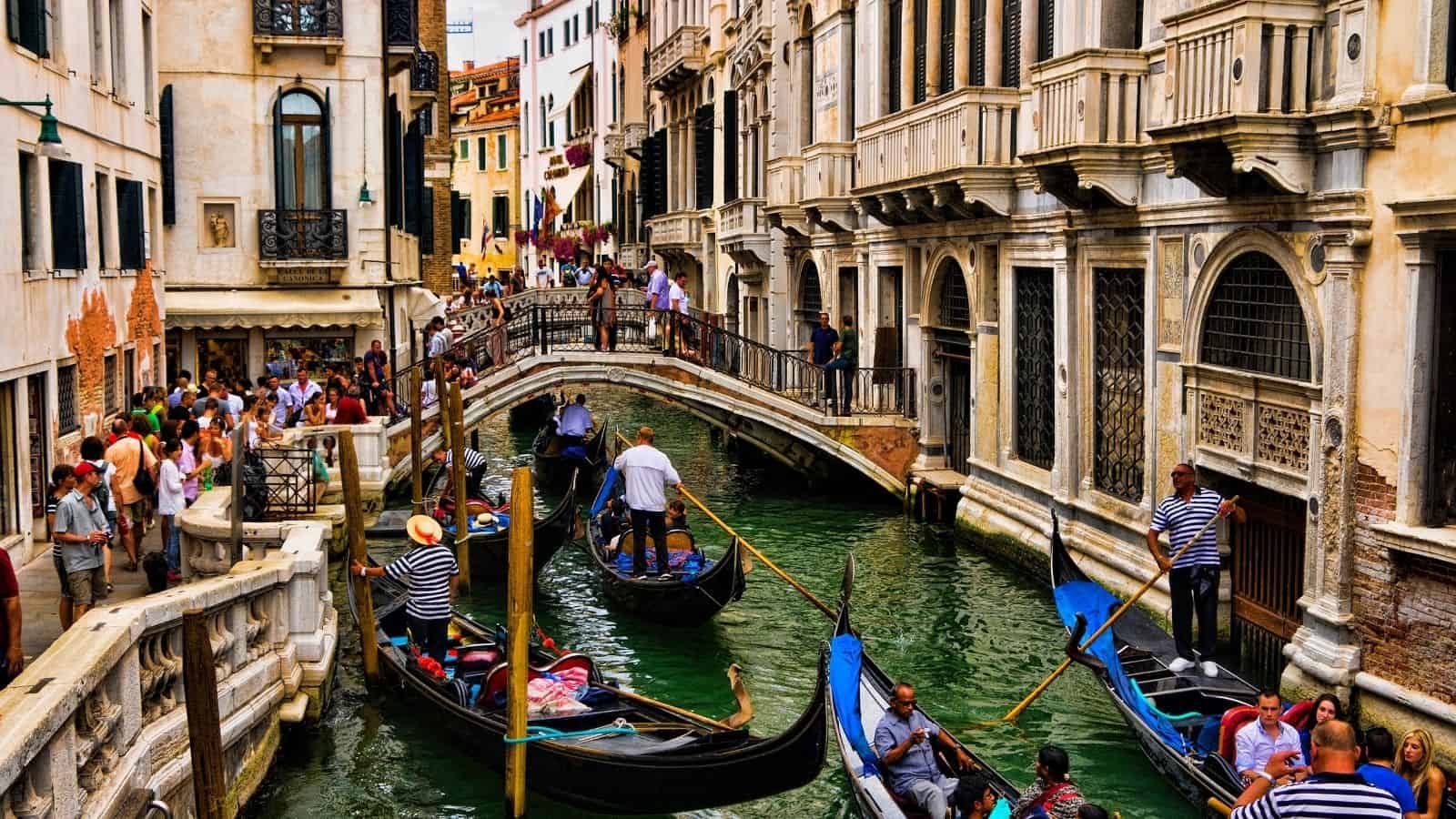
Venice, Italy
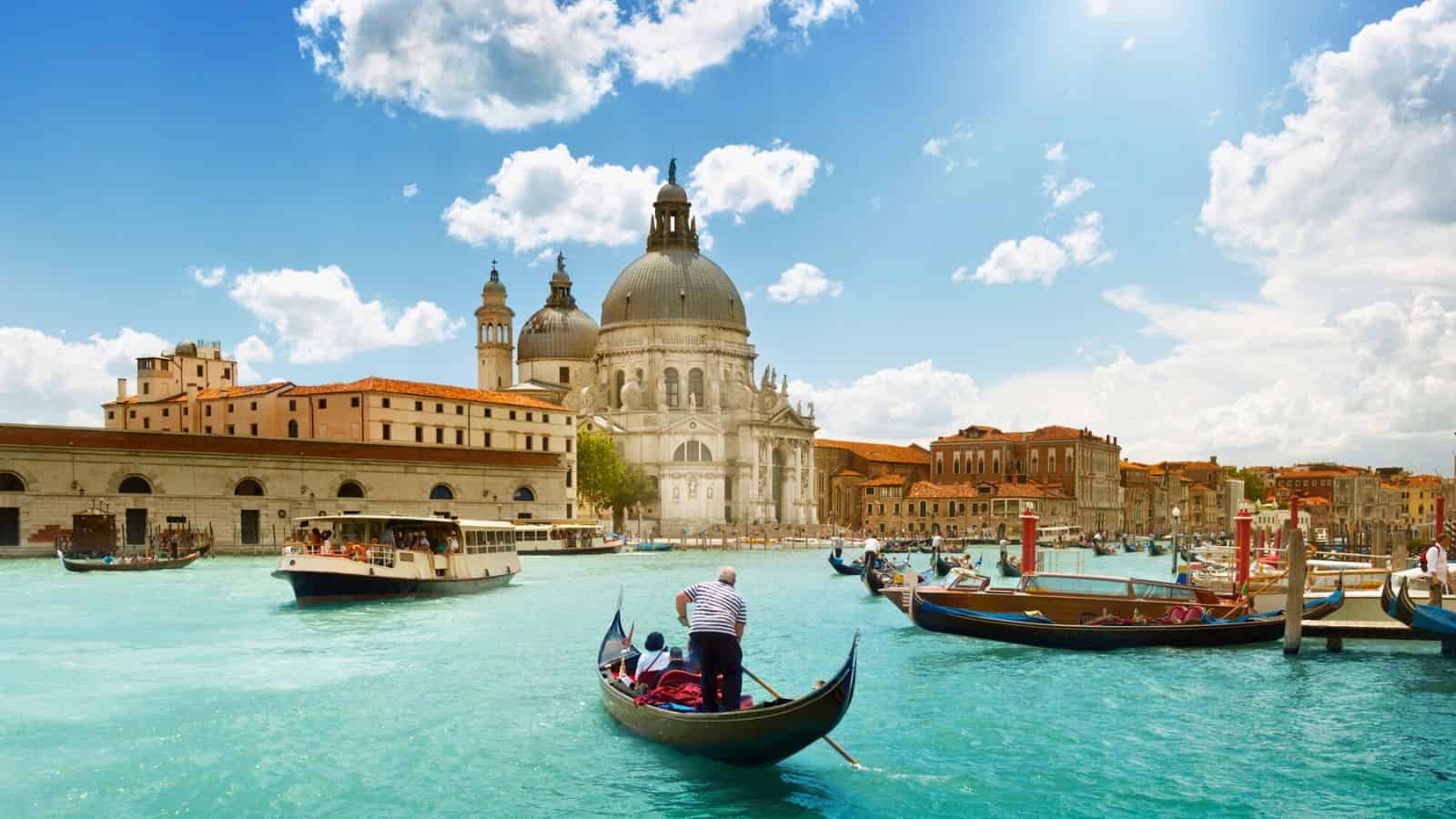
Venice has long attracted large numbers of visitors because of its canals, historic architecture, and compact layout. In recent years, the sheer volume of day-trippers and cruise passengers has placed heavy pressure on the city’s infrastructure. Narrow streets and bridges become congested during peak periods, while short-term rentals have pushed housing costs higher for residents. Environmental concerns have also grown around canal pollution and cruise ship traffic. Authorities have begun testing entry fees for day visitors and limiting cruise ship access in an effort to manage visitor flow and protect the city’s fragile environment.
Barcelona, Spain
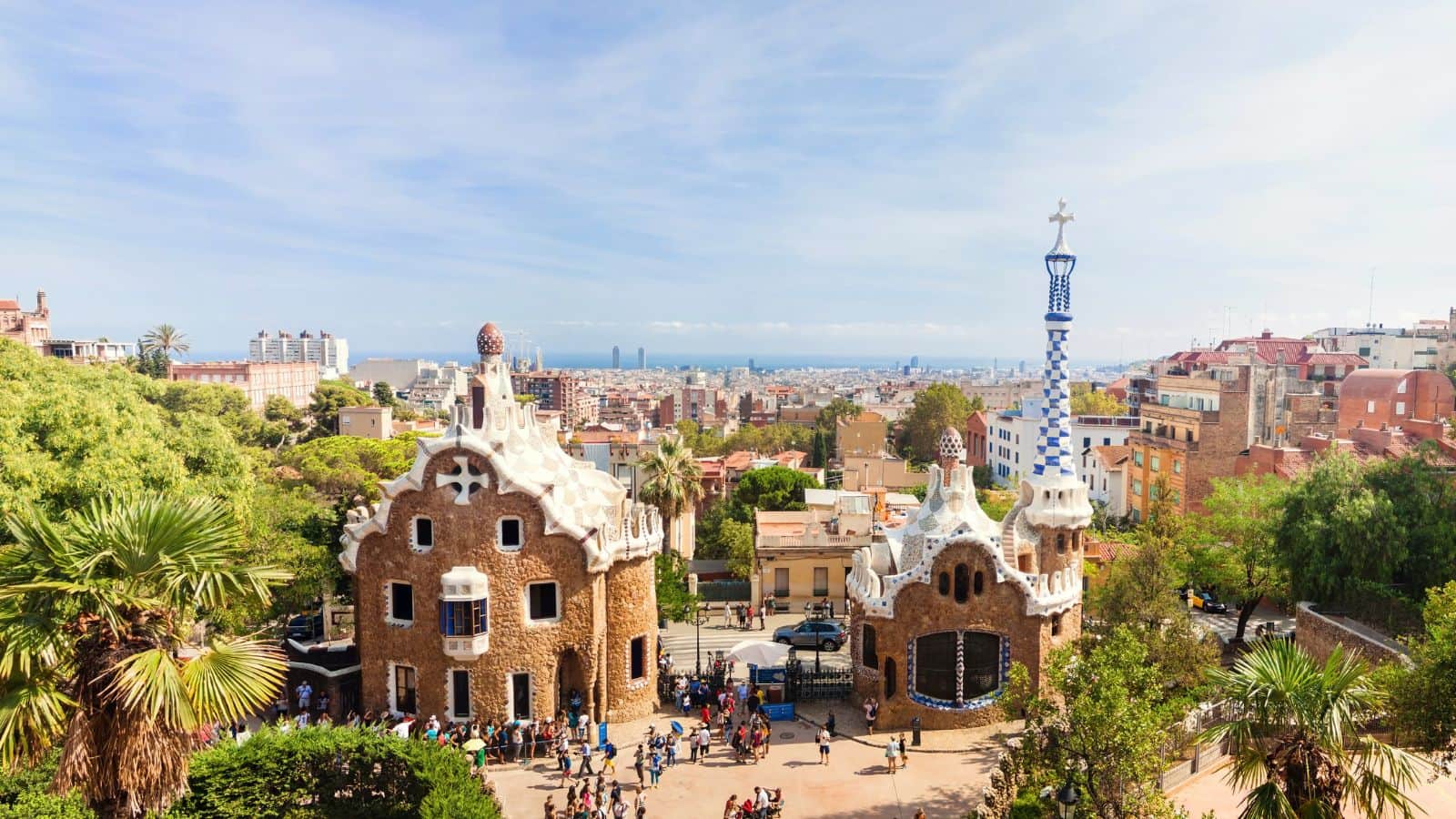
Barcelona’s architecture, beaches, and cultural landmarks attract large international crowds each year. Popular areas such as La Rambla and the Gothic Quarter regularly experience heavy congestion, particularly during summer. Residents have raised concerns about rising rents and the expansion of short-term rental properties. While tourism remains a major part of the city’s economy, local authorities are working to reduce pressure on residential neighborhoods. Regulations on vacation rentals and limits on visitor numbers in certain attractions are part of ongoing efforts to balance tourism with everyday life in the city.
Iceland
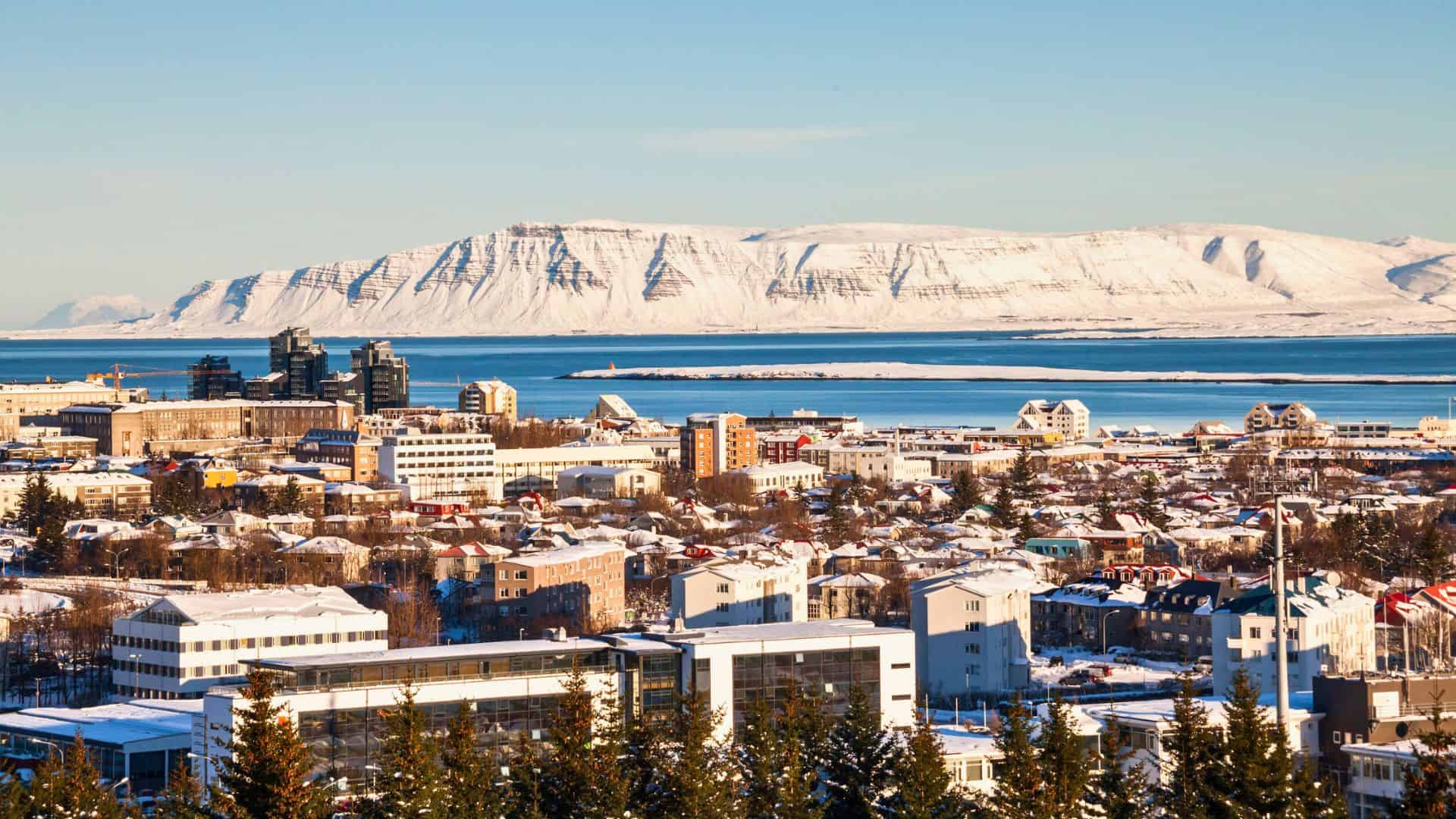
Iceland’s landscapes, including volcanoes, glaciers, and geothermal areas, have drawn rapid growth in visitor numbers over the past decade. Sites such as the Golden Circle and the Blue Lagoon now see heavy daily traffic during peak seasons. The country’s small population and limited infrastructure make it difficult to absorb sudden tourism growth. Environmental concerns have also emerged around fragile terrain and waste management in remote areas. Authorities have discussed measures such as entrance fees at natural sites and encouraging off-season travel to spread visitors more evenly throughout the year.
Bhutan
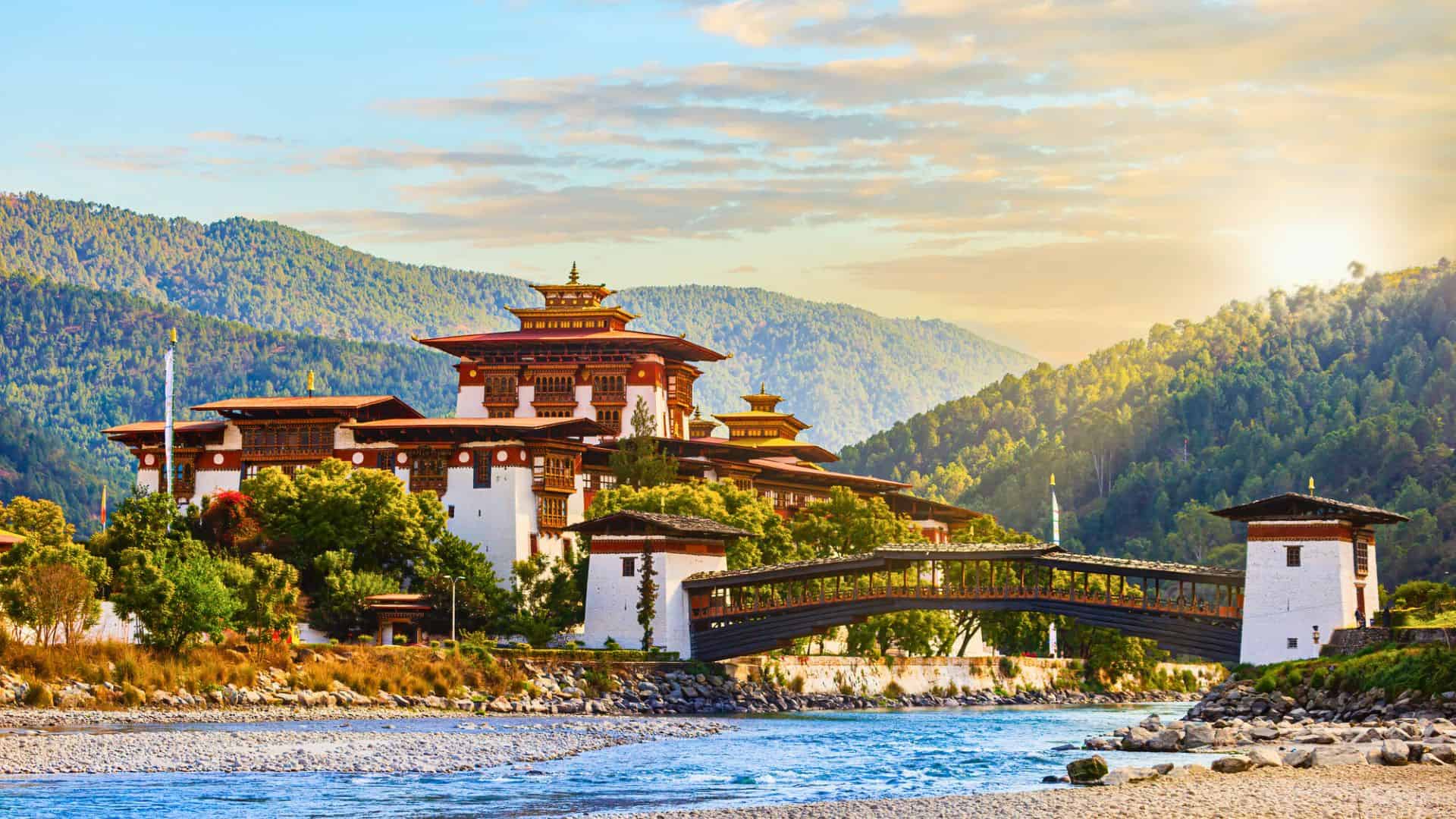
Bhutan has long taken a controlled approach to tourism in order to protect its cultural traditions and environment. Visitors are required to pay a daily tourism fee that covers accommodation, meals, and licensed guides. This system limits the total number of tourists entering the country each year while maintaining revenue from tourism. The policy reflects a broader national strategy that prioritizes cultural preservation and environmental protection. By controlling visitor numbers, Bhutan aims to maintain a sustainable balance between tourism and local life.
Maldives
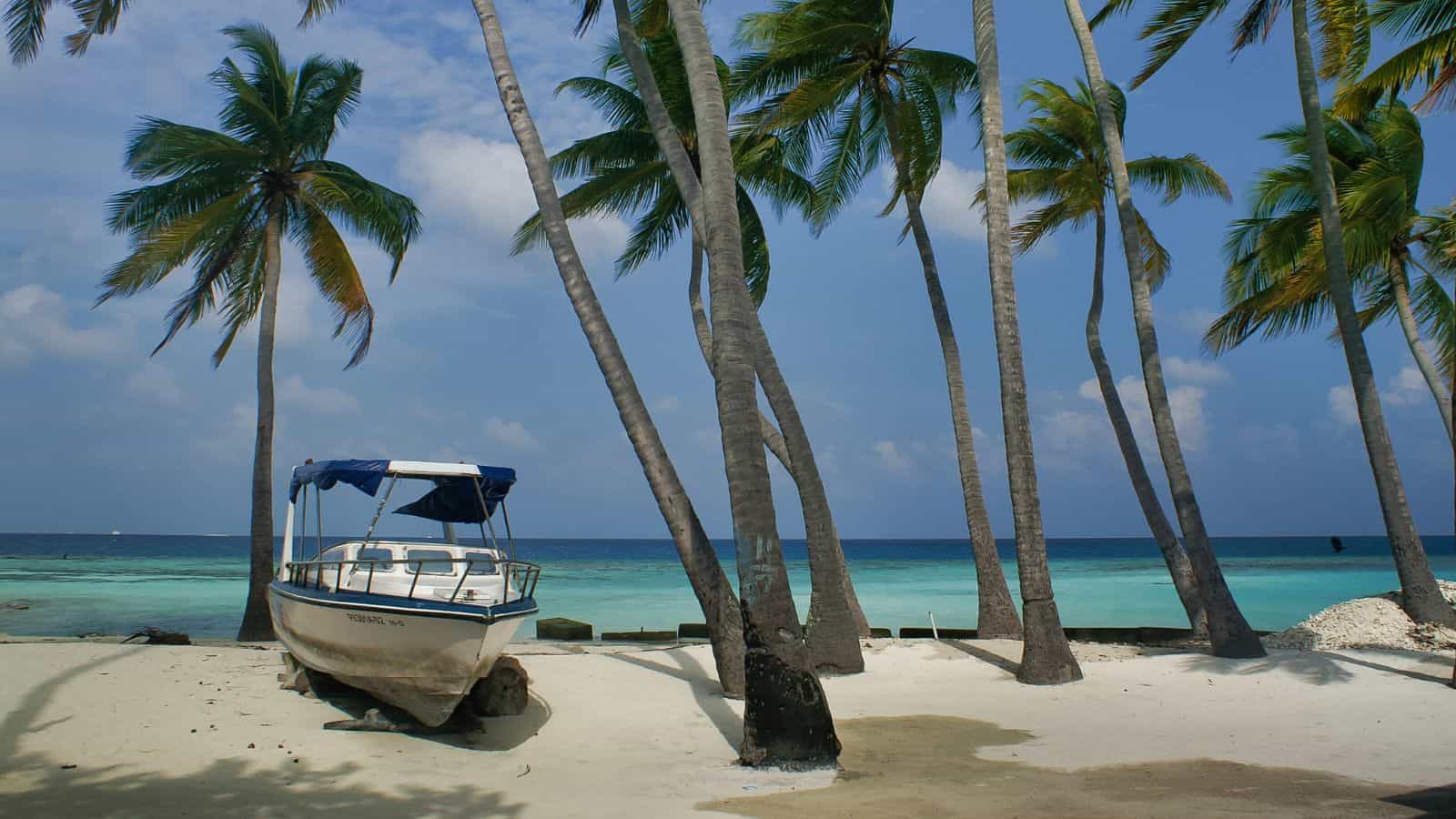
The Maldives has become a major international resort destination, drawing visitors to its beaches and coral reefs. However, the growth of tourism has raised concerns about pressure on marine ecosystems. Coral reefs, which are central to the country’s appeal, have been affected by pollution and development in some areas. Authorities have begun discussing ways to manage tourism growth more carefully. These discussions include encouraging eco-friendly resort development and considering limits on access to particularly sensitive islands.
Bali, Indonesia
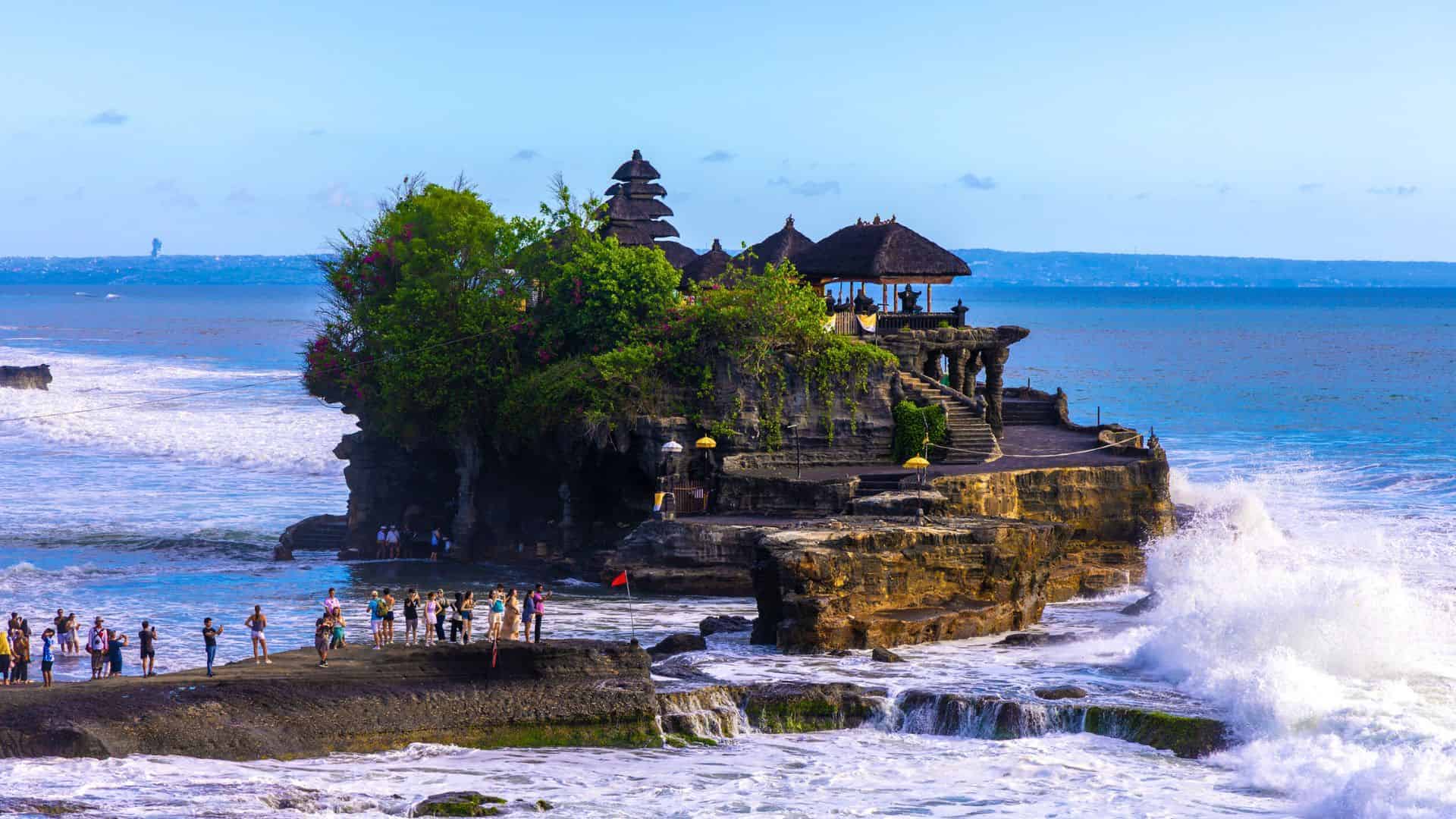
Bali has become one of Southeast Asia’s busiest tourism destinations, known for its temples, beaches, and cultural events. Rapid growth in visitor numbers has increased pressure on infrastructure, especially in areas such as Ubud and Seminyak. Waste management and traffic congestion have become recurring challenges. Rising property prices have also affected local housing markets. In response, Indonesian authorities have discussed policies to manage tourism growth, including stricter oversight of short-term rentals and campaigns encouraging more responsible travel practices.
Want to save this?
Machu Picchu, Peru

Machu Picchu receives large numbers of visitors each year, which has created preservation concerns for the historic site and surrounding landscape. Foot traffic on ancient stone pathways has contributed to gradual wear. To reduce the impact, the Peruvian government has introduced strict entry systems that require advance reservations and limit the number of daily visitors. Timed entry windows and guided routes help control movement within the site. These measures are designed to protect the archaeological complex while still allowing visitors to experience it.
Thailand
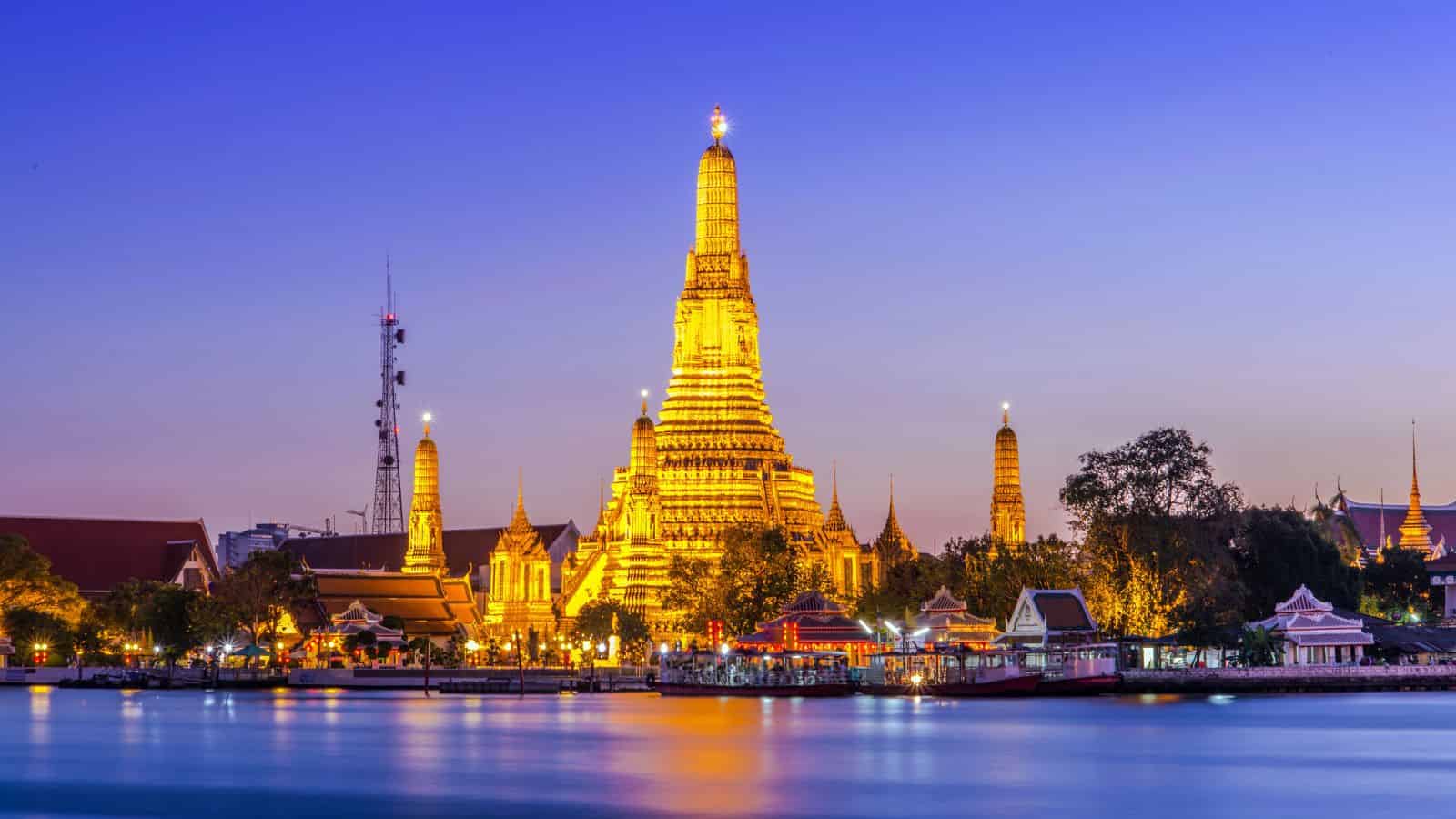
Thailand’s beaches and islands attract millions of international visitors every year. Locations such as Phuket and Koh Phi Phi have faced environmental pressure from heavy tourism activity. In some cases, authorities have temporarily closed beaches to allow ecosystems to recover. Waste management and coral reef damage have also become national concerns. The government has discussed policies aimed at spreading visitors across more destinations and introducing conservation measures in sensitive coastal areas.
New Zealand
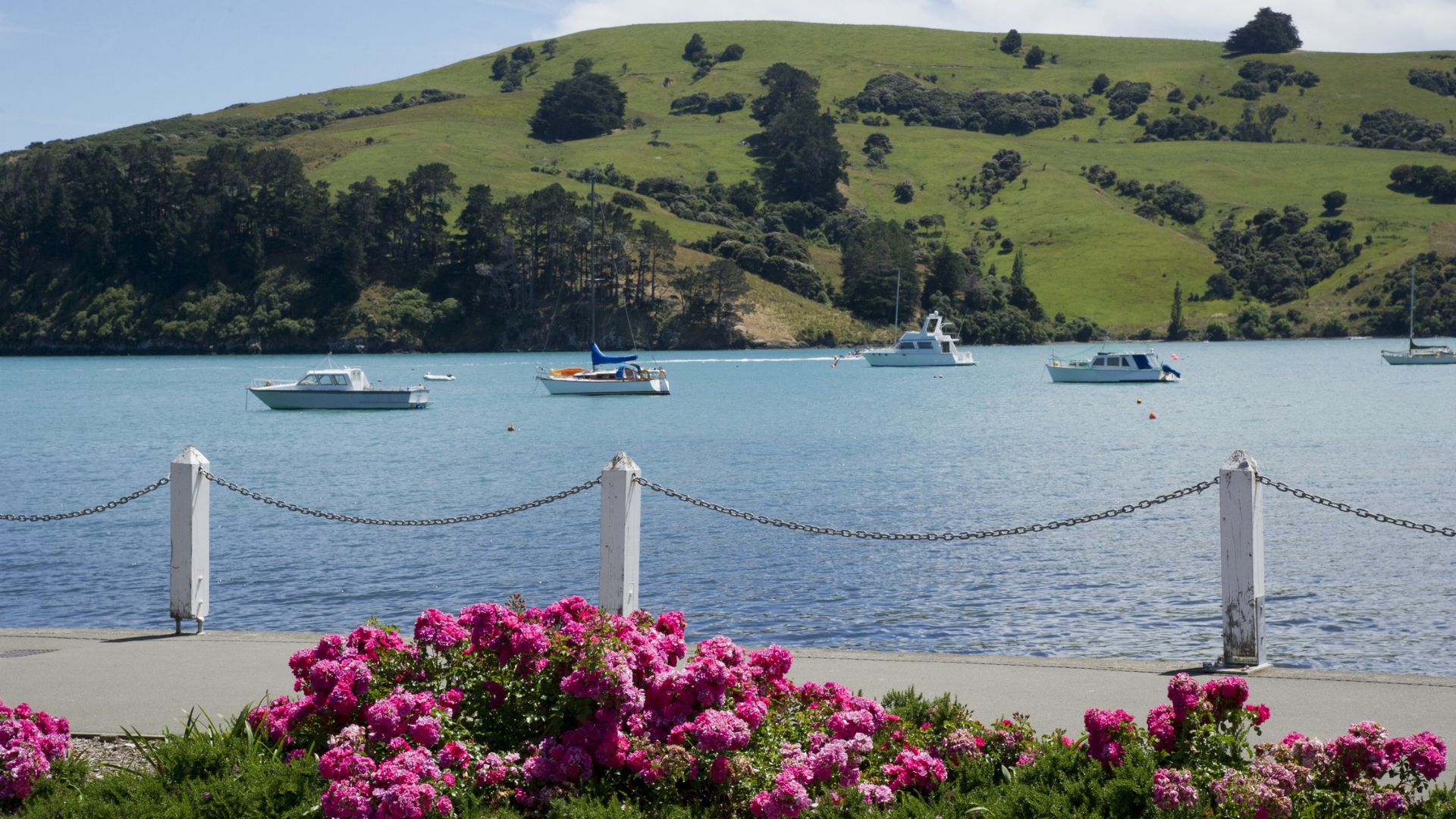
New Zealand’s mountains, lakes, and national parks draw visitors from around the world. Popular hiking routes and protected areas have experienced heavy traffic during peak travel months. In some parks, infrastructure such as trails and parking areas has struggled to keep up with demand. Officials have discussed possible visitor caps for certain high-traffic sites, along with higher conservation fees for international travelers. These discussions focus on maintaining access while protecting fragile ecosystems.
Galápagos Islands, Ecuador

The Galápagos Islands host unique wildlife found nowhere else in the world, making them one of the most carefully managed tourism destinations. Increasing visitor numbers have raised concerns about pollution, waste, and disturbance to wildlife habitats. Ecuador has established strict visitor quotas and rules governing how tourists interact with animals and natural areas. Guided tours and regulated routes help control movement across the islands. These policies aim to protect the ecosystem while allowing tourism to support the local economy.
9 Things Visitors Find Confusing About Train Travel in Europe

Train travel in Europe sounds simple, but many visitors are surprised once they start using it. Here are common points of confusion, from tickets and platforms to schedules that work differently than expected. These details often catch travelers off guard, especially those used to driving or flying.
Read More Here: 9 Things Visitors Find Confusing About Train Travel in Europe
13 Things Travelers Say They Learned the Hard Way in Asia

Traveling through Asia can be eye opening, but it also comes with moments that catch people off guard. This list brings together lessons visitors often mention after the trip is over. These are everyday situations, cultural differences, and travel habits that seem small at first but can lead to confusion or stress if misunderstood.
Read More Here: 13 Things Travelers Say They Learned the Hard Way in Asia



Leave a Reply