
Airports are known for high prices, but not every purchase is worth it. This article features overpriced airport items experienced travelers always skip, focusing on common buys that cost far more than they should. Many frequent flyers learn quickly which items add little value once the boarding call begins.
Knowing what to avoid can keep travel budgets under control and reduce regret at the gate. Small decisions before takeoff can make a noticeable difference in overall trip costs. Keep reading to see which airport items seasoned travelers tend to leave on the shelf.
Currency Exchange Booth Services

Airport currency exchange kiosks are convenient but often offer unfavorable exchange rates and service fees. The speed comes at a cost. Frequent travelers typically withdraw cash from a bank ATM at their destination or use travel cards with lower international fees. If cash is needed immediately, exchanging a small amount through a bank before departure can be more cost-effective. Relying on airport booths usually results in paying more than necessary for the same currency.
Phone Chargers and Adapters

Chargers and plug adapters sold at airport shops often cost significantly more than standard retail prices. Quality can also vary, especially with universal adapters. Experienced travelers pack both their primary charger and a spare before departure. A multi-port adapter purchased ahead of time is usually cheaper and more versatile than last-minute airport options. Keeping these essentials in your carry-on prevents rushed purchases when your battery drops unexpectedly during a layover.
Pre-packaged Snacks

Small packs of chips, nuts, and protein bars often cost several times more inside airport shops than at supermarkets. Frequent travelers avoid this markup by packing snacks from home or purchasing them in bulk before arriving at the airport. Non-perishable items that travel well help control both spending and portion sizes. Planning ahead is especially helpful for families, where multiple snack purchases can add up quickly.
Souvenirs and Gifts

Airport souvenir shops tend to stock generic items at elevated prices. Mugs, magnets, and T-shirts sold post-security often cost more than similar products in local markets. Travelers who want meaningful keepsakes typically shop within the city rather than waiting until departure. Independent boutiques and artisan markets offer better value and more distinctive designs. Airport purchases are usually a last resort rather than a planned expense.
Alcohol and Perfume at Duty-Free

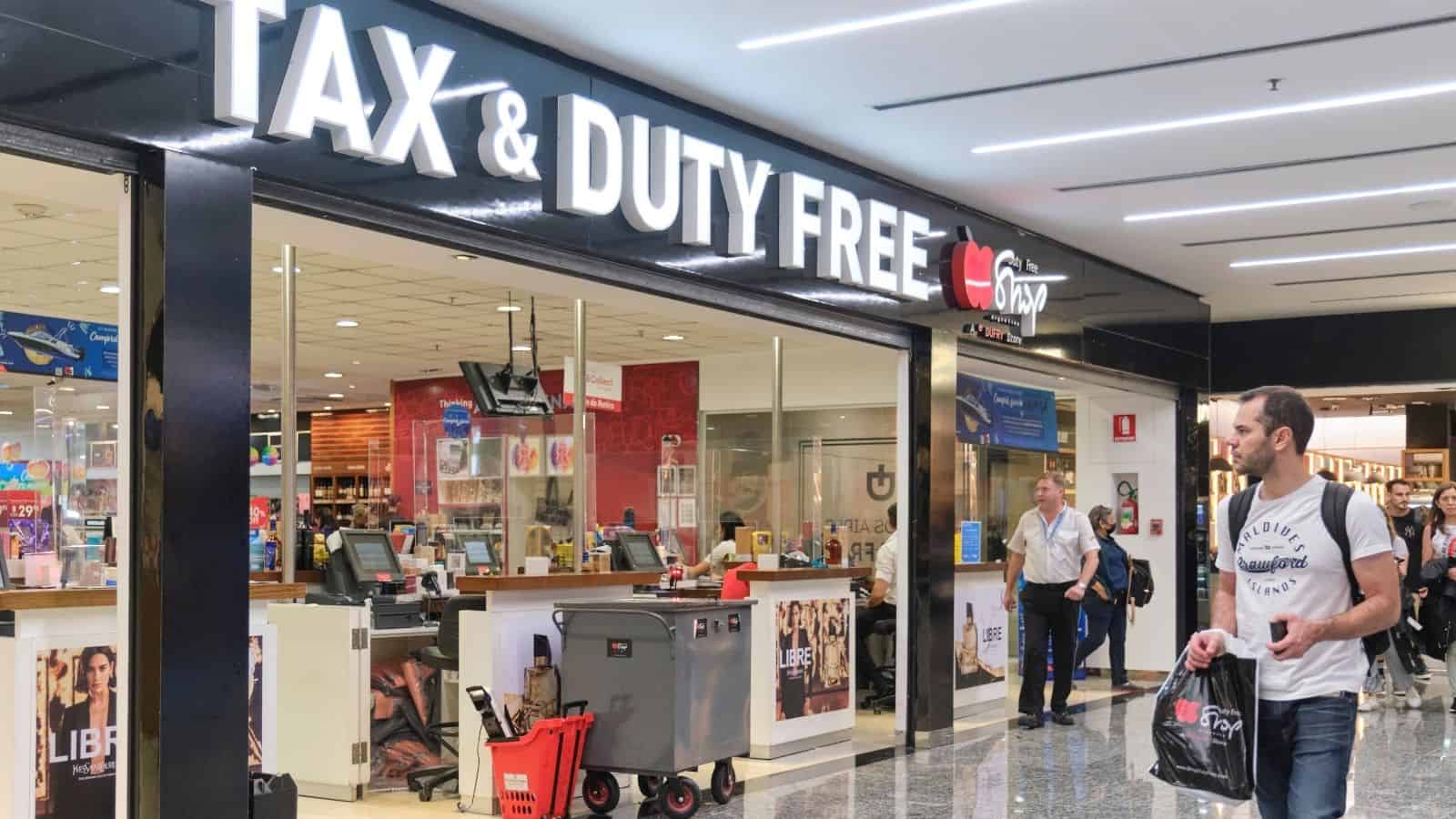
Duty-free pricing does not always guarantee savings. Brand-name alcohol and fragrance may cost as much—or more—than at local retailers. Selection is often limited, and travelers may overlook country-specific import limits. Comparing prices before departure helps determine whether a duty-free purchase is worthwhile. Seasoned travelers check local store pricing in advance rather than assuming airport shops offer better deals.
Over-the-Counter Medication

Travel-size medications sold in airport convenience stores are frequently overpriced and contain only a few doses. A small pack of pain relievers or allergy tablets can cost nearly the same as a full box at a pharmacy. Experienced travelers assemble a personal travel kit before leaving home, including essential medications and basic remedies. Keeping these items in a carry-on ensures access during flights and prevents paying premium airport prices for limited quantities.
Want to save this?
Bottled Water

Airport bottled water often carries a steep markup compared to grocery store prices. While security rules limit bringing liquids through screening, you can carry an empty reusable bottle and refill it once inside. Most major airports now offer water stations or fountains near gates. Seasoned travelers rely on this simple habit to avoid paying several dollars for something they can access for free. It also reduces single-use plastic waste. A collapsible or lightweight bottle fits easily in a carry-on and eliminates the need for repeated purchases during layovers or long travel days.
Headphones

Airport electronics stores tend to charge premium prices for basic headphones. The selection is often limited, and quality may not justify the cost. Experienced travelers know that buying ahead from a trusted retailer saves money and ensures better durability. Whether wired earbuds or wireless models, keeping a spare pair in your bag prevents last-minute impulse purchases. Airport shops capitalize on urgency, especially before long flights. Planning ahead avoids overspending on an item you likely could have replaced for half the price elsewhere.
Neck Pillows

Travel pillows displayed near airport checkout counters are often priced far above their value. Many are bulky, poorly constructed, and flatten quickly. Buying one before your trip allows you to choose a model that actually supports your neck and compresses easily for packing. Frequent flyers often test options at home rather than gambling on an impulse purchase at the terminal. Investing in a better-designed pillow in advance typically costs less and delivers more comfort during long-haul flights.
Magazines and Books

Printed books and magazines at airport newsstands frequently cost more than in bookstores or supermarkets. With digital options widely available, travelers can download reading material before departure and avoid paying inflated prices. E-books, audiobooks, and saved articles take up no space and can be accessed offline. Even for those who prefer physical copies, purchasing ahead from a local shop or borrowing from a library is more economical. Experienced travelers rarely pay airport pricing for reading material when alternatives are easy to arrange.
11 TSA-Friendly Snacks That'll Save You From Overpriced Airport Food

How about TSA-friendly snacks? Finding travel-friendly and TSA-approved snacks can make a big difference in your journey. Security restrictions mean some foods won’t make it past the checkpoint, so knowing what to pack helps avoid unnecessary delays. The right snacks keep hunger in check, saving you from overpriced airport food and making travel more enjoyable.
Read More Here: 11 TSA-Friendly Snacks That'll Save You From Overpriced Airport Food
10 Travel Trends That Do More Damage Than Good

Did you know that some travel trends are harmful? Popular travel habits can shape the way people explore the world, but there are 10 travel trends that do more damage than good. While some may seem appealing or convenient, they can negatively affect local communities, the environment, and even travelers. Understanding the impact of these trends is crucial for making informed decisions that promote responsible and sustainable travel.
Read More Here: 10 Travel Trends That Do More Damage Than Good




Leave a Reply