
Tourism can bring new businesses, jobs, and energy to a city, but it can also change how locals experience everyday life. This article features U.S. cities where tourism is changing daily life, highlighting places where growing visitor numbers are affecting housing, transportation, local businesses, and popular neighborhoods. In many cases, residents are adapting to changes that continue year after year.
Understanding how tourism shapes these cities gives travelers a better perspective on the places they visit. Being aware of local challenges can also encourage more thoughtful travel choices. If you'd like to go beyond the usual sightseeing, GoWithGuide connects travelers with local guides who share the history, culture, and everyday life behind the places they call home.
Keep reading to see which U.S. cities made the list and how tourism is influencing daily life.
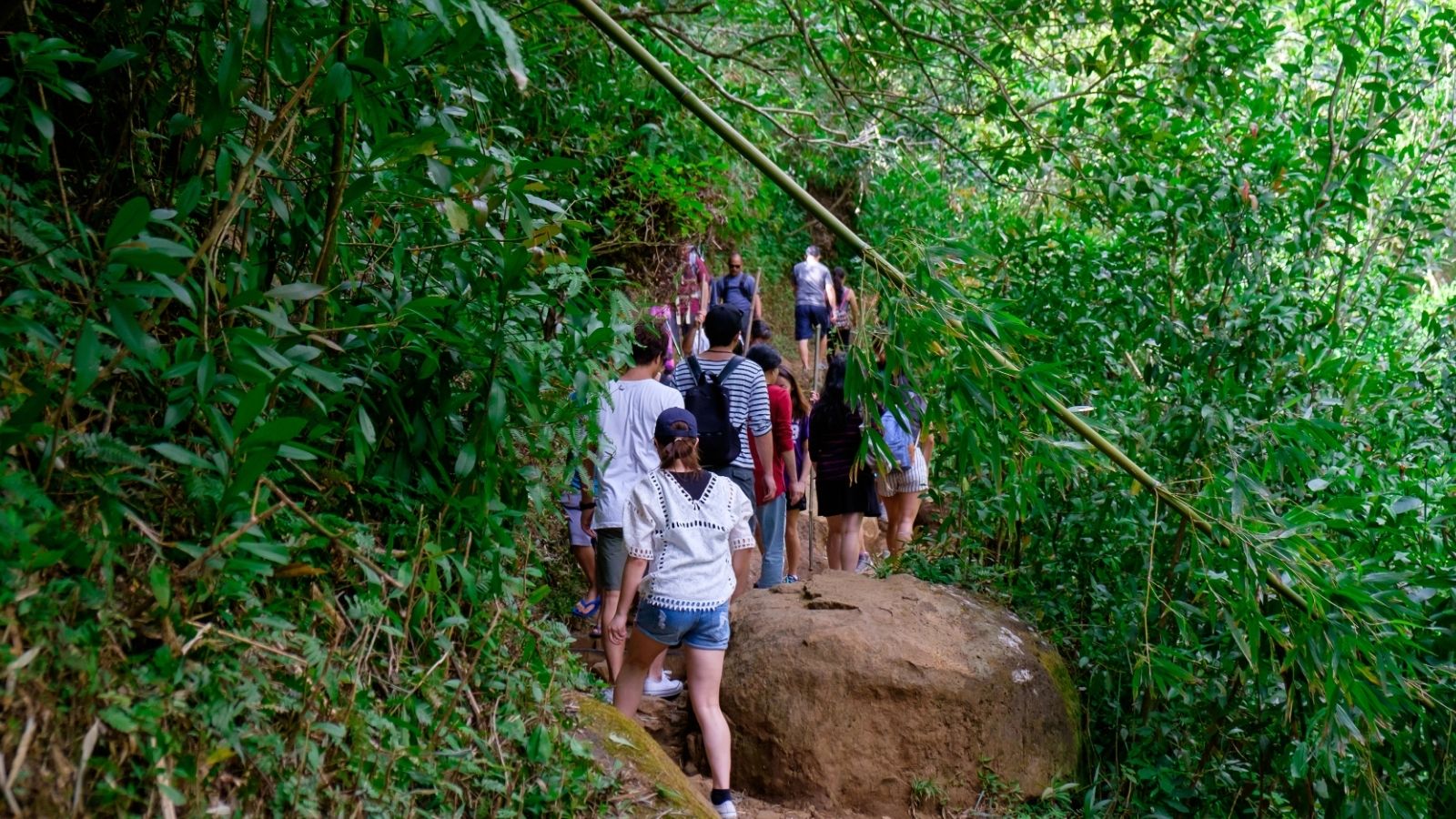
Las Vegas, Nevada

Las Vegas is designed around tourism, yet the effects reach far beyond the Strip. Residents deal with traffic from conventions, concerts and weekend crowds, while service workers often face long commutes and irregular schedules. Tourism growth contributes to pressure on housing, water use and public infrastructure in a desert region. Neighborhoods near entertainment districts experience added noise and congestion, even when locals are simply trying to get to work or school. The visitor economy creates jobs, but it also shapes the pace and cost of daily life.
New Orleans, Louisiana

Tourism supports a large share of New Orleans’ economy, but it is also reshaping residential neighborhoods. Short-term rentals have spread beyond the French Quarter into places such as Marigny and Treme, reducing the number of homes available to long-term tenants. Festival crowds create traffic, noise and pressure on sanitation services, while businesses increasingly focus on visitors rather than nearby residents. Locals still value the city’s music, food and celebrations, but many worry that everyday community life is becoming harder to maintain as tourism expands.
Honolulu, Hawaii
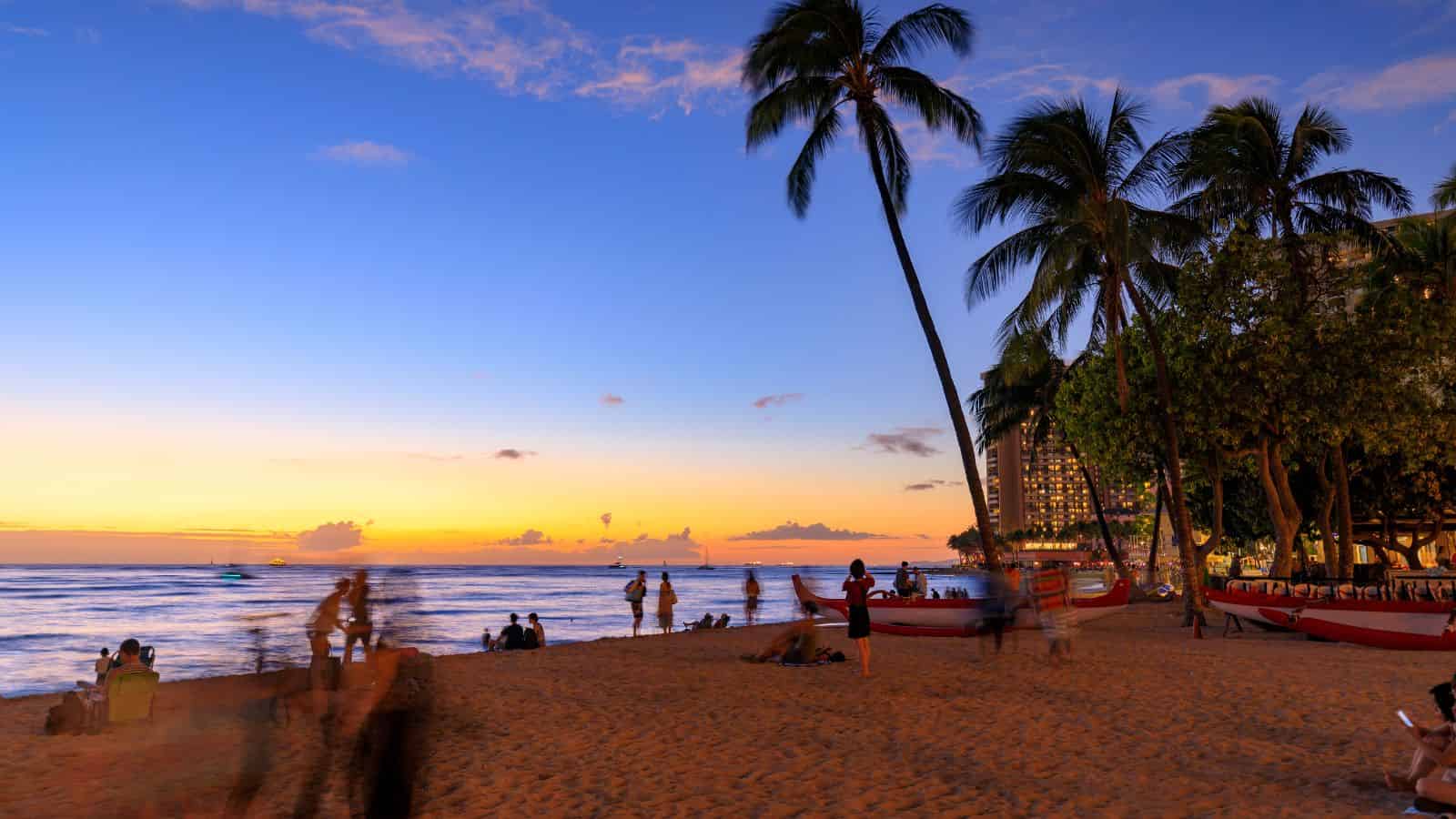
In Honolulu, tourism influences everything from traffic patterns to housing costs. Visitors fill Waikiki, public beaches, hiking trails and shopping areas throughout the year, making some spaces harder for residents to access. Vacation rentals reduce long-term housing supply in a city where affordability is already a serious issue. Grocery stores, roads and public facilities also face heavier use during peak travel periods. Tourism remains central to the local economy, but many residents are asking for stronger protections for neighborhoods, natural areas and Native Hawaiian communities.
Savannah, Georgia

Savannah’s growing popularity has brought more tour groups, weekend visitors and short-term rentals into its residential core. Downtown sidewalks and squares can become crowded, while buses and tours increase traffic on streets that were not designed for heavy use. Some long-term residents have watched nearby homes turn into vacation rentals and local storefronts shift toward souvenirs and visitor services. The city’s preserved architecture remains a major draw, but residents are increasingly concerned about keeping the center of Savannah livable rather than turning it into a backdrop for tourism.
Charleston, South Carolina
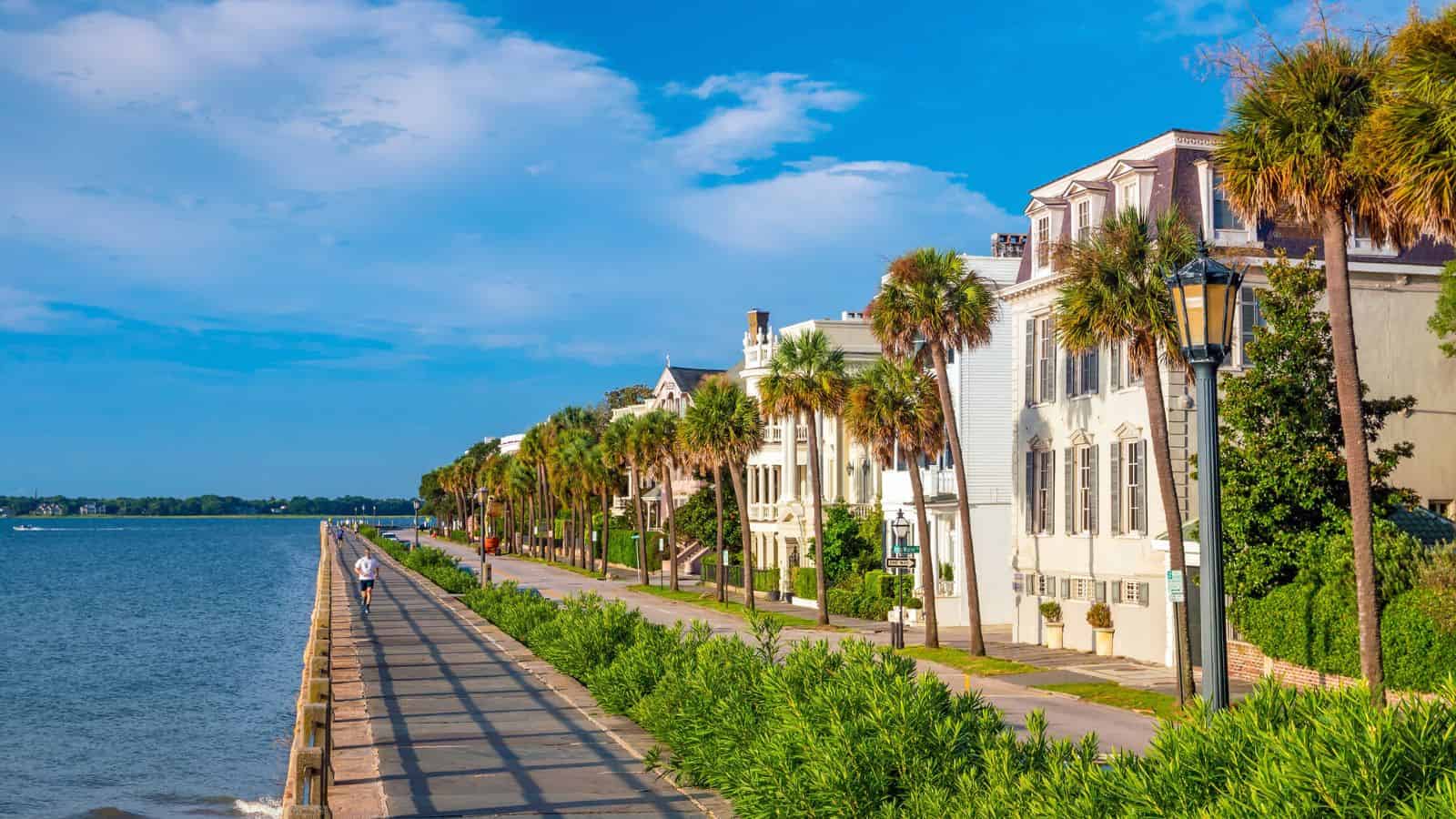
Charleston’s historic district attracts steady visitor traffic, but residents increasingly feel the pressure in their daily routines. Cruise passengers, walking tours and carriage traffic crowd narrow streets and make parking difficult. Rising property values and short-term rentals have also changed residential neighborhoods near downtown. Some shops and restaurants now focus more on tourists than on local needs, while public services must handle larger seasonal crowds. The city benefits financially from tourism, but residents worry that downtown is becoming less practical as a place to live.
Los Angeles, California

Los Angeles is large enough to absorb millions of visitors, but tourism still creates intense pressure in specific neighborhoods. Residents near Hollywood, Venice Beach, Griffith Park and Runyon Canyon face heavy traffic, parking shortages and crowded public spaces. Vacation rentals can also bring noise and frequent turnover into residential streets. Popular hiking areas show signs of erosion, while public transportation struggles with additional demand. Tourism is only one part of life in Los Angeles, but in heavily visited districts it can influence everything from commutes to housing availability.
Want to save this?
New York City, New York

Tourism is part of everyday life in New York, but the volume changes how residents move through the city. Crowds around Times Square, Central Park and major museums spill into sidewalks and subway stations, especially during holidays and summer. Short-term rentals have also added pressure in some neighborhoods where housing is already expensive. Restaurants and public spaces increasingly cater to visitors, while locals adjust their schedules to avoid the busiest areas. The city benefits from tourism, but residents often feel its effects during ordinary errands, commutes and weekends.
Sedona, Arizona
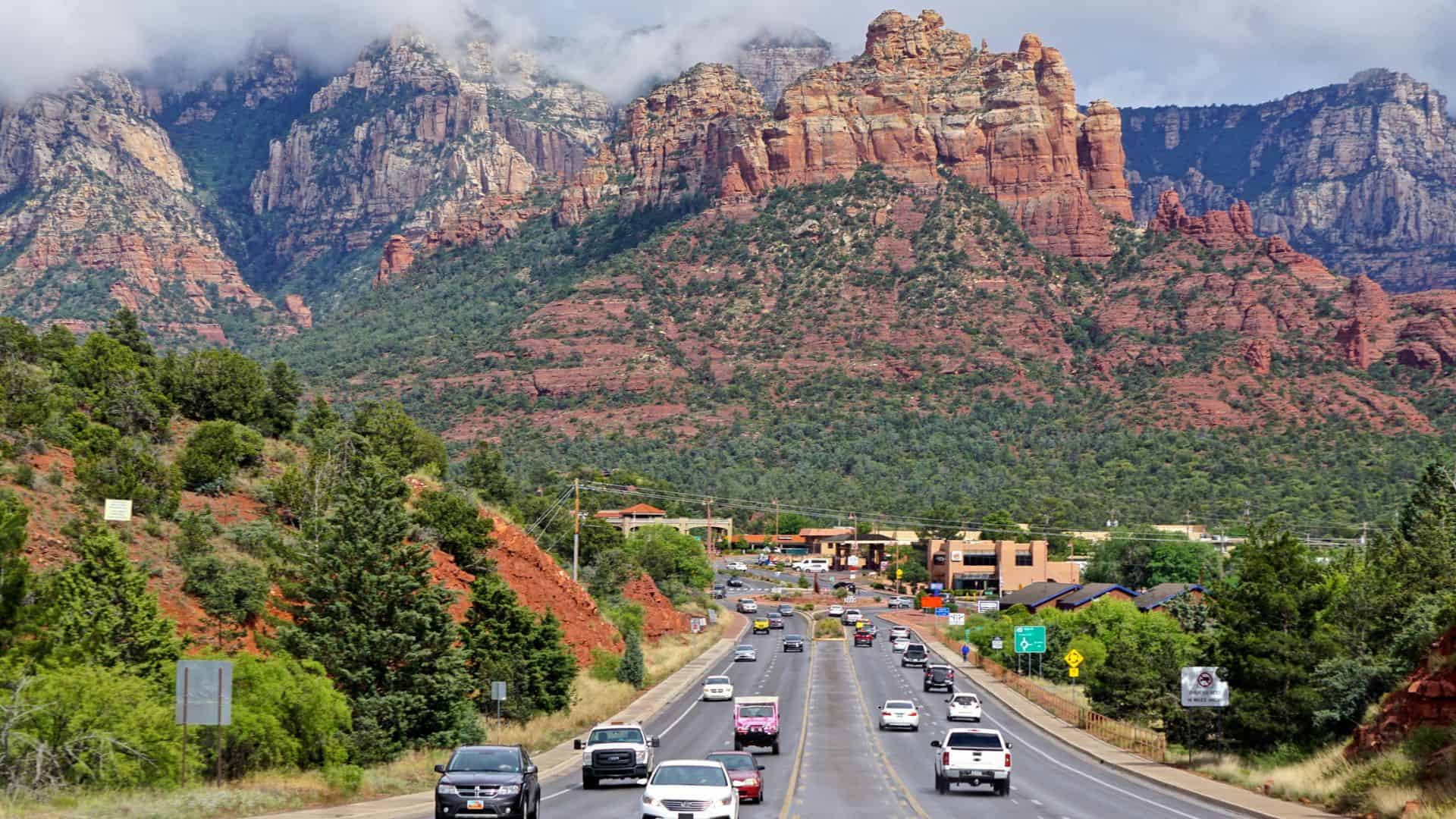
Sedona’s popularity has changed how residents use their own town. Trailhead parking often fills early, traffic backs up on the main roads and weekend crowds make short errands take much longer. Vacation rentals have reduced long-term housing options, making it difficult for local workers to live near their jobs. Heavy trail use has also increased erosion, litter and pressure on emergency services. Residents continue to support tourism, but many want stricter management so the town’s roads, neighborhoods and natural areas are not overwhelmed.
Miami, Florida
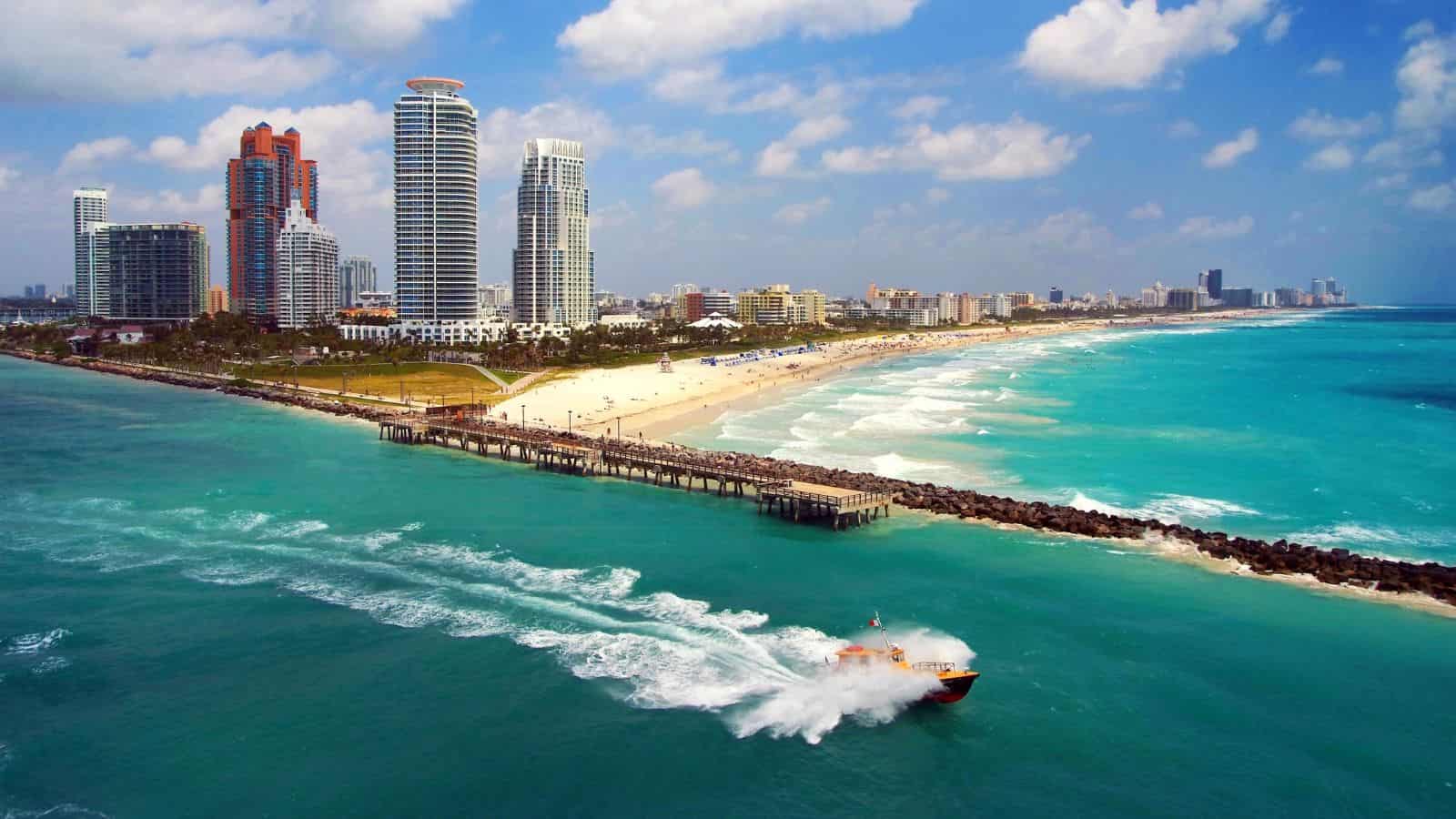
Tourism in Miami affects housing, transportation and access to public spaces. Beach crowds, cruise traffic and major events add pressure to roads and sanitation systems, especially in neighborhoods near the coast. Short-term rentals have expanded in areas such as Wynwood and Little Havana, contributing to rent increases and faster neighborhood change. Residents also face higher prices in districts shaped by nightlife and visitor demand. Tourism brings employment and investment, but it can make ordinary housing, commuting and beach access more difficult for local families.
San Francisco, California
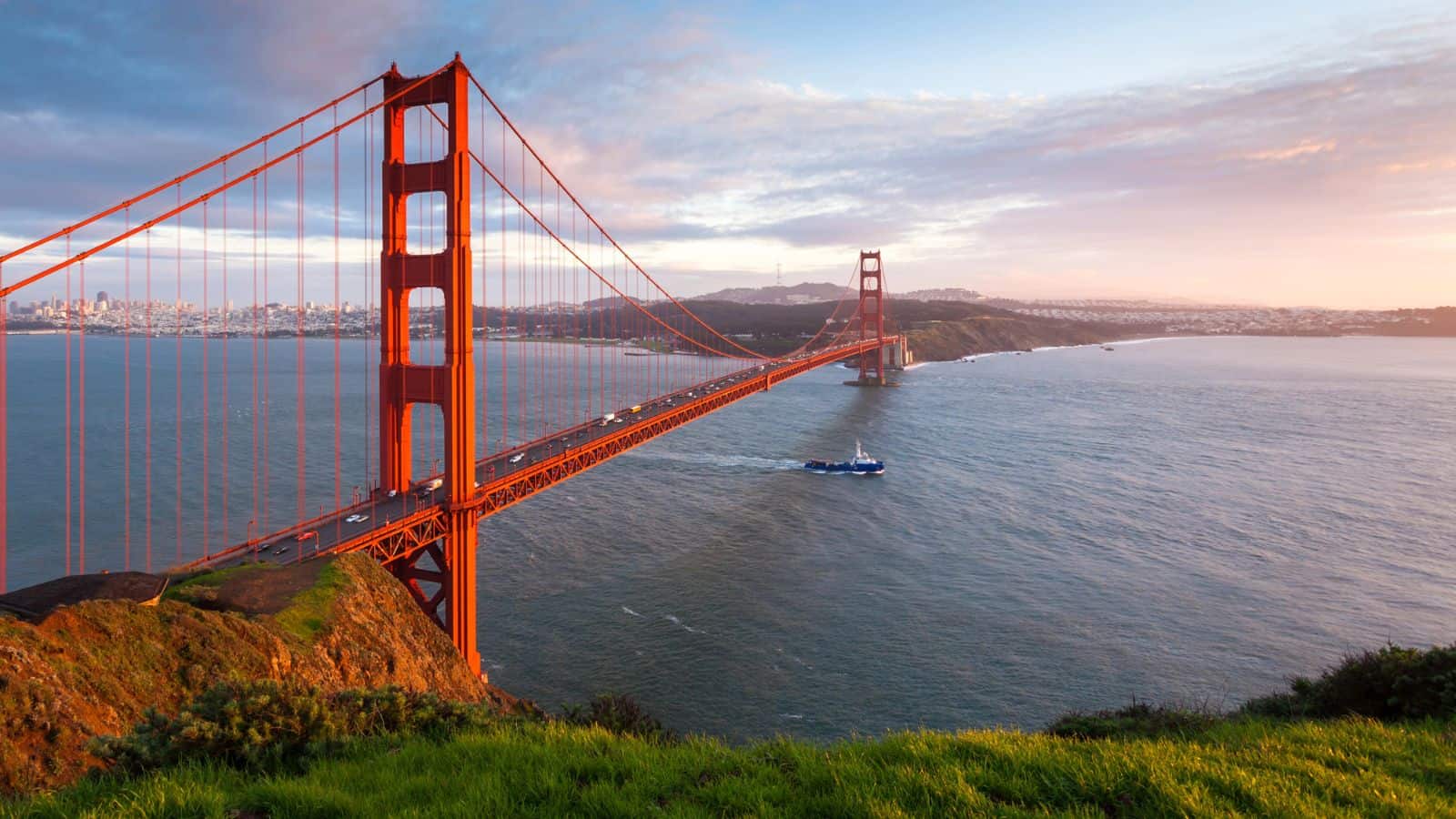
In San Francisco, tourism is concentrated in a handful of neighborhoods, which can make daily movement difficult for residents nearby. Tour buses, rental cars and visitors crowd areas around Fisherman’s Wharf, Lombard Street and the Golden Gate Bridge. Parking becomes scarce, public transit fills quickly and popular trails see more wear. Vacation rentals have also affected housing availability in an already expensive market. For locals, the impact is less about the total number of visitors and more about how heavily they gather in the same streets and public spaces.
10 European Destinations That Cost Less Than Their Neighbors
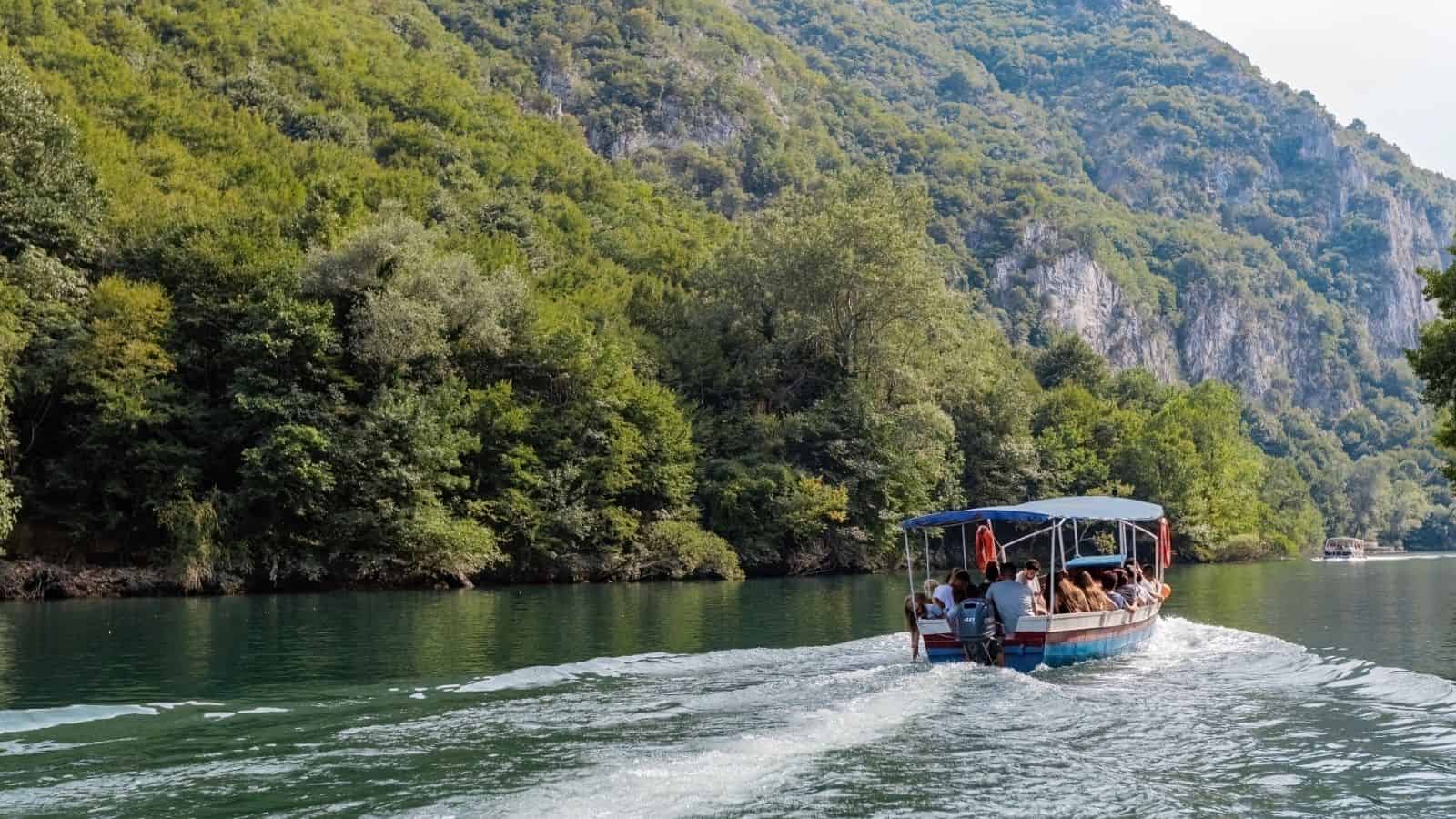
Travel costs can vary dramatically even between neighboring countries and cities. This article features European destinations that cost less than their neighbors, focusing on places where lodging, dining, transportation, and everyday expenses are noticeably lower than nearby alternatives. Travelers are often surprised by how much further their budget goes without sacrificing the overall experience.
Read More Here: 10 European Destinations That Cost Less Than Their Neighbors
10 Places Parents Say They Would Visit Again With Their Kids

Not every family vacation lives up to expectations, but some destinations leave parents eager to return. This article features places parents say they would visit again with their kids, focusing on destinations that balance fun, convenience, and activities for different ages. These are the trips families often remember fondly long after they return home.
Read More Here: 10 Places Parents Say They Would Visit Again With Their Kids



Leave a Reply