
Flight delays and missed connections can turn a simple trip into a stressful one. This article features flight hacks that reduce delays and missed connections, focusing on strategies travelers use to keep plans on track. Small choices around booking, timing, and airport habits often make a bigger difference than expected.
Knowing how to plan smarter can help avoid tight connections and last minute issues. A few adjustments can make travel days feel more predictable and less rushed. Keep reading to see which flight hacks make the biggest impact and how to use them on your next trip.

Book Early Morning Flights

Many travelers prefer later departures, but flights scheduled early in the day are less likely to be delayed. Aircraft and crew are already in position from overnight, reducing the chance of cascading delays. As the day progresses, disruptions tend to build across the network. Travelers who choose early departures often avoid delays that affect later flights. Starting early increases the likelihood of staying on schedule and protects onward connections.
Avoid Tight Connections

Short layovers may look efficient, but they leave little room for delays. Even minor schedule changes can make it difficult to reach the next gate in time. Larger airports may require long walks or additional security checks. Travelers who choose slightly longer connection windows have more flexibility if the first flight is delayed. Allowing extra time reduces the risk of missed connections and rebooking complications.
Choose Hubs With Multiple Daily Flights
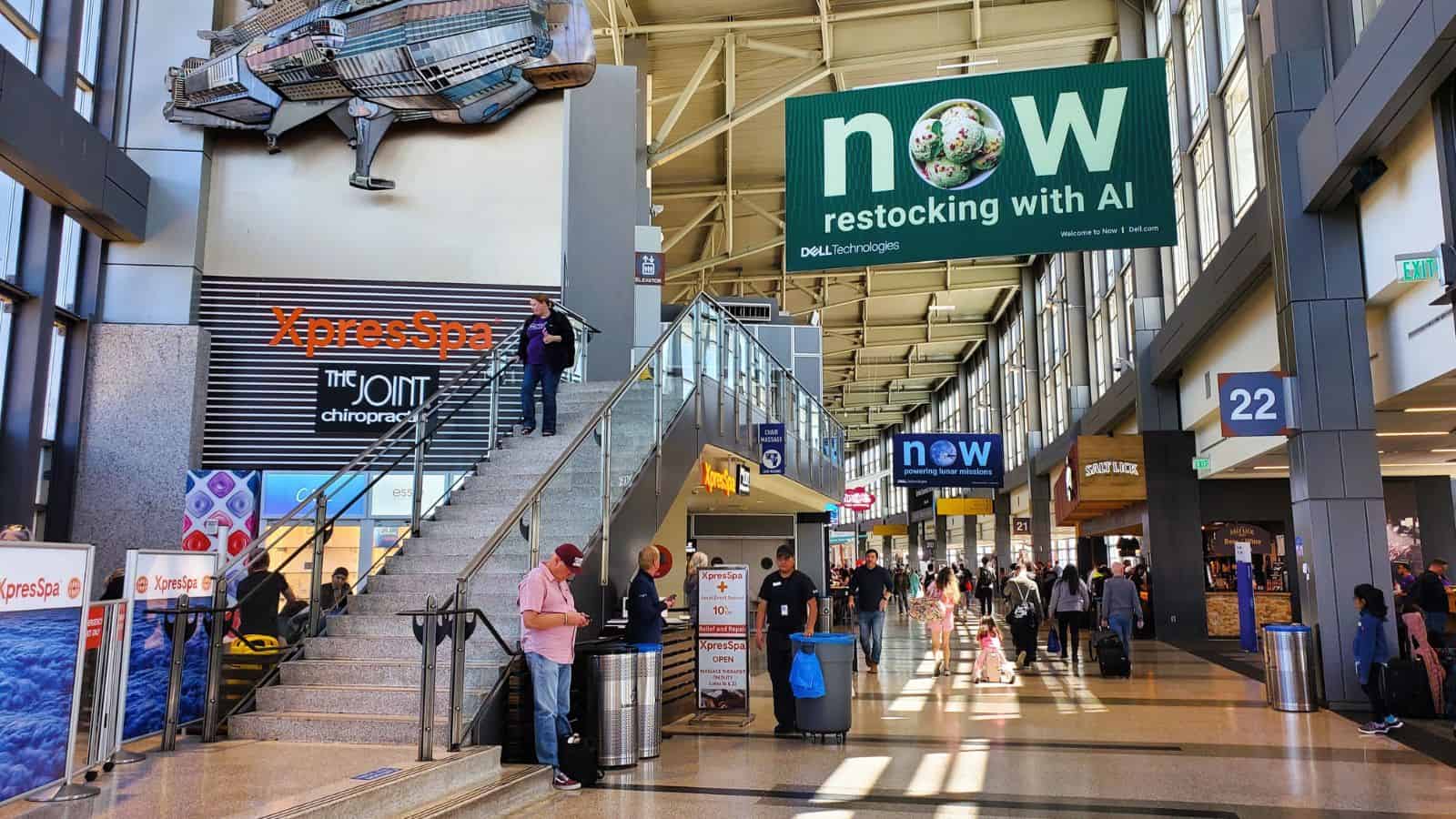
Connecting through major hubs increases the number of backup options if a flight is delayed or canceled. Smaller airports may only have one or two flights per day on certain routes. If a connection is missed, rebooking can take significantly longer. Larger hubs offer more frequent departures, making it easier to adjust plans. Selecting routes with multiple alternatives improves recovery options.
Fly Nonstop When Possible
Each connection adds another point where delays can occur. Weather, mechanical issues, or airport congestion can affect any segment of a trip. Nonstop flights remove the risk of missing a connection entirely. While they may cost more, they often reduce total travel time and uncertainty. Travelers who prioritize direct routes generally face fewer disruptions.
Sit Near the Front of the Plane

Seat location can affect how quickly you exit the aircraft. Passengers seated near the front can disembark faster, which is especially important during tight connections. Delays on the runway or during taxiing can compress available connection time. Being closer to the exit helps reduce time spent waiting to leave the plane. This small adjustment can make a difference when moving between gates.
Track Your Incoming Aircraft

Many delays originate from earlier flights using the same aircraft. Checking the status of your plane before departure can provide early warning of delays. If the inbound aircraft is late, your flight may also be affected. Travelers who monitor this information can adjust plans or prepare for changes in advance. Awareness of aircraft movement helps reduce uncertainty.
Want to save this?
Avoid Last Flights of the Day

The final flights of the day carry higher risk because there are fewer backup options. If a delay or cancellation occurs, rebooking may not be possible until the next day. Earlier flights offer more opportunities to recover from disruptions. Travelers who avoid late departures reduce the chance of overnight delays. Choosing earlier time slots improves flexibility.
Check In Early and Monitor Gate Changes
Checking in early secures your place on the flight and allows more time to respond to changes. Gate assignments can shift, especially in large airports. Travelers who monitor updates closely can move quickly if changes occur. Waiting until the last minute increases the risk of missing announcements. Staying aware of real-time updates helps prevent missed connections.
Pack Light and Avoid Checked Bags on Tight Trips

Checked baggage can slow down connections, especially if bags need to be re-routed. Travelers with only carry-on luggage can move directly between gates without waiting. In the event of a missed connection, rebooking is often simpler without checked bags. Packing light improves flexibility and reduces delays during transfers.
Build Buffer Time Into Important Trips

When timing is critical, building extra time into the itinerary reduces risk. Arriving a few hours earlier or even a day before an important event provides a safety margin. Flights can be affected by weather, congestion, or operational issues. Travelers who schedule tight arrivals risk missing key plans. Adding buffer time helps absorb unexpected delays and keeps the trip on track.
13 Things Travelers Say They Learned the Hard Way in Asia

Traveling through Asia can be eye opening, but it also comes with moments that catch people off guard. This list brings together lessons visitors often mention after the trip is over. These are everyday situations, cultural differences, and travel habits that seem small at first but can lead to confusion or stress if misunderstood.
Read More Here: 13 Things Travelers Say They Learned the Hard Way in Asia
9 Things You Should Prepare Before Visiting the United States
Traveling to the United States can feel straightforward, but a few details can catch visitors off guard. This article features things you should prepare before visiting the United States, focusing on entry requirements, daily logistics, and practical habits that help trips run smoothly. Small oversights can lead to delays or added stress once you arrive.
Read More Here: 9 Things You Should Prepare Before Visiting the United States




Leave a Reply