
Summer is one of the busiest times to visit Europe, but not every attraction is at its best during peak season. This article features European attractions travelers regret visiting during peak summer, focusing on places where large crowds, long waits, and higher costs often change the experience. What seems like a bucket-list stop can feel very different when thousands of other visitors arrive at the same time.
Understanding how peak season affects popular attractions can help travelers make better timing decisions. Visiting during quieter months often leads to a more comfortable experience. Keep reading to see which European attractions made the list and why some travelers wish they had gone at a different time.
Stonehenge, England

Stonehenge often surprises visitors because the summer experience can feel more structured and crowded than expected. The visitor center, shuttle process, and surrounding paths all become busier during peak travel months. Access near the stones is limited to protect the site, which means travelers may feel more distant from the monument than they imagined. Large tour groups can also make the visit feel less quiet or reflective. Booking ahead and choosing less crowded times helps make the experience smoother.
The Sistine Chapel, Vatican City

The Sistine Chapel is one of the most anticipated stops in Vatican City, but summer crowds can make the visit feel rushed. Visitors usually move through as part of a larger museum route, and the chapel itself can become packed. Noise, crowd control, and limited standing space can make it harder to focus on the ceiling and walls. The sacred atmosphere may feel less present when people are moving through in a constant stream. Early tours or less busy travel periods can improve the experience.
The Acropolis, Athens, Greece

The Acropolis can be difficult during peak summer because crowds and heat arrive at the same time. The site has exposed pathways, steep sections, and limited shade, which makes midday visits especially draining. Narrow routes can become congested when tour groups arrive, slowing movement up and around the ruins. Many travelers underestimate how physically demanding the visit feels in high temperatures. Early morning or late afternoon visits usually offer better conditions and a more manageable pace.
The Eiffel Tower, Paris, France

The Eiffel Tower is one of the most recognizable landmarks in Europe, which is exactly why summer visits can feel difficult. Long security lines, crowded elevators, and packed viewing areas often take up more time than travelers expect. The heat and congestion can make the wait feel even longer, especially for families or visitors with limited time in Paris. Photos are harder to take without crowds, and the overall experience can feel rushed. Visiting early in the morning or later in the evening usually makes the landmark easier to manage.
The Colosseum, Rome, Italy

The Colosseum draws heavy crowds throughout the year, but peak summer brings longer lines, stronger heat, and slower movement inside the site. Visitors often expect to focus on the history and structure, but crowded pathways can make it difficult to pause and take everything in. The lack of shade also adds to the discomfort during midday visits. Guided tours and timed tickets can help, but the experience still feels much more manageable outside the busiest hours. Early entry is usually the better choice.
The Palace of Versailles, France
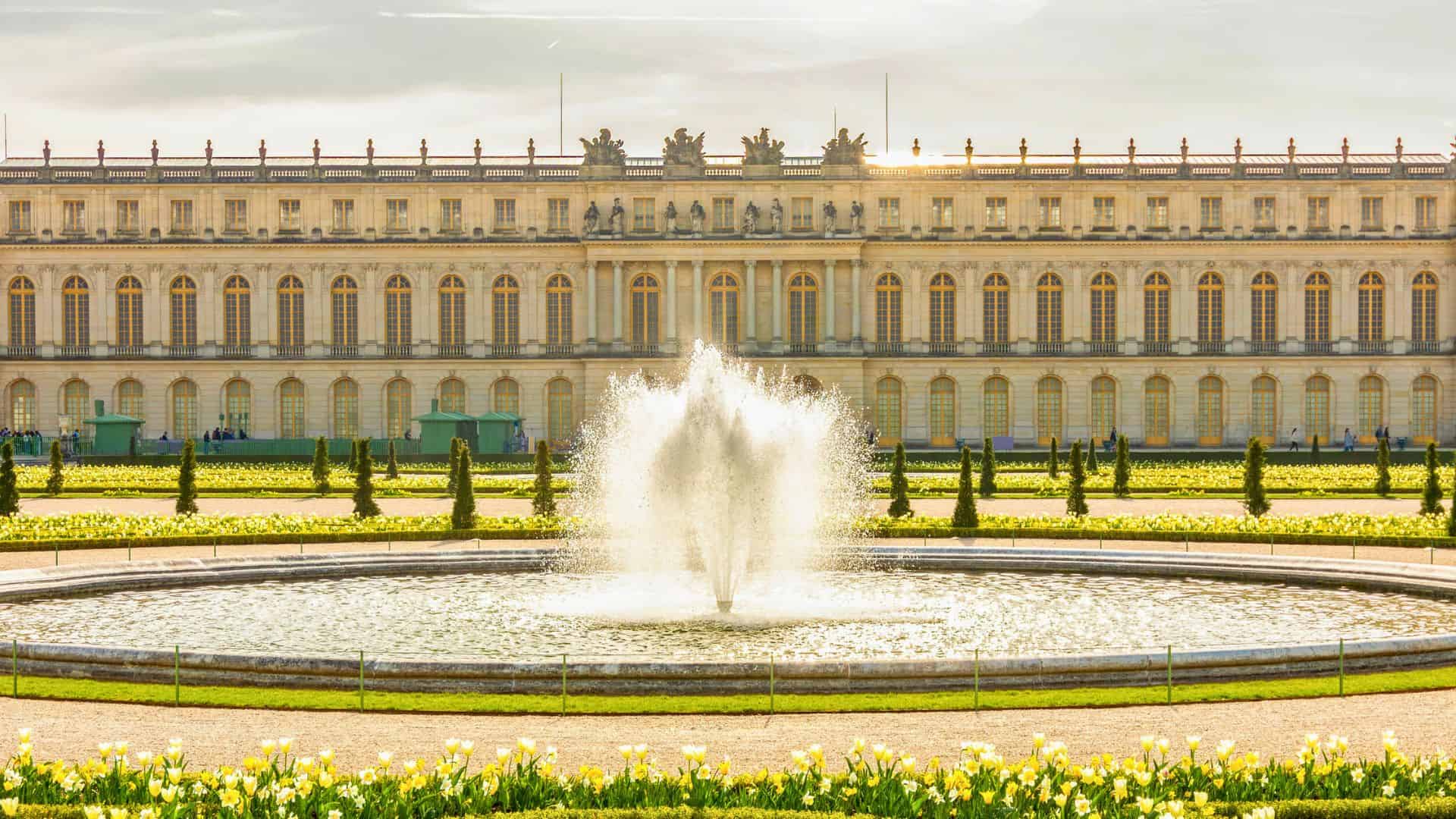
Versailles can feel overwhelming during peak summer because the palace rooms, hallways, and gardens attract large tour groups. Inside, crowded corridors make it difficult to move slowly or appreciate the details at your own pace. The Hall of Mirrors is especially busy, with visitors stopping for photos in tight spaces. The gardens offer more room, but weekends and holidays still bring heavy foot traffic. Travelers who visit on weekdays, book ahead, and arrive early usually have a more manageable experience.
Want to save this?
Sagrada Família, Barcelona, Spain

Sagrada Família is one of Barcelona’s most visited attractions, and summer crowds can make the experience feel compressed. Timed entry helps control flow, but the interior still fills quickly with tour groups and visitors moving through the same spaces. The basilica’s details are easy to miss when people are trying to photograph, listen to guides, and keep pace at the same time. Long waits outside can also feel uncomfortable in the heat. Visiting early or choosing shoulder season usually allows for a calmer experience.
Neuschwanstein Castle, Bavaria, Germany

Neuschwanstein Castle draws large summer crowds because of its setting and reputation, but the logistics can feel tiring. Visitors often face long lines for tickets, shuttle buses, and guided entry times. Inside, tours move quickly because space is limited and groups are scheduled closely together. Outside, popular viewpoints can become crowded with photographers. Travelers who expect a quiet castle visit may feel rushed instead. Booking tickets online and visiting outside peak hours can reduce some of the pressure.
St. Mark’s Square, Venice, Italy

St. Mark’s Square becomes one of Venice’s busiest areas during peak summer. Tour groups, day-trippers, vendors, and cruise passengers can fill the space quickly, making it harder to appreciate the setting. Lines for nearby attractions and cafés grow long, while walking through the square can feel slow and crowded. Heat and humidity also make lingering less comfortable. Travelers who visit early in the morning or after the daytime crowds thin out usually get a better sense of the square’s scale and history.
The Louvre Museum, Paris, France

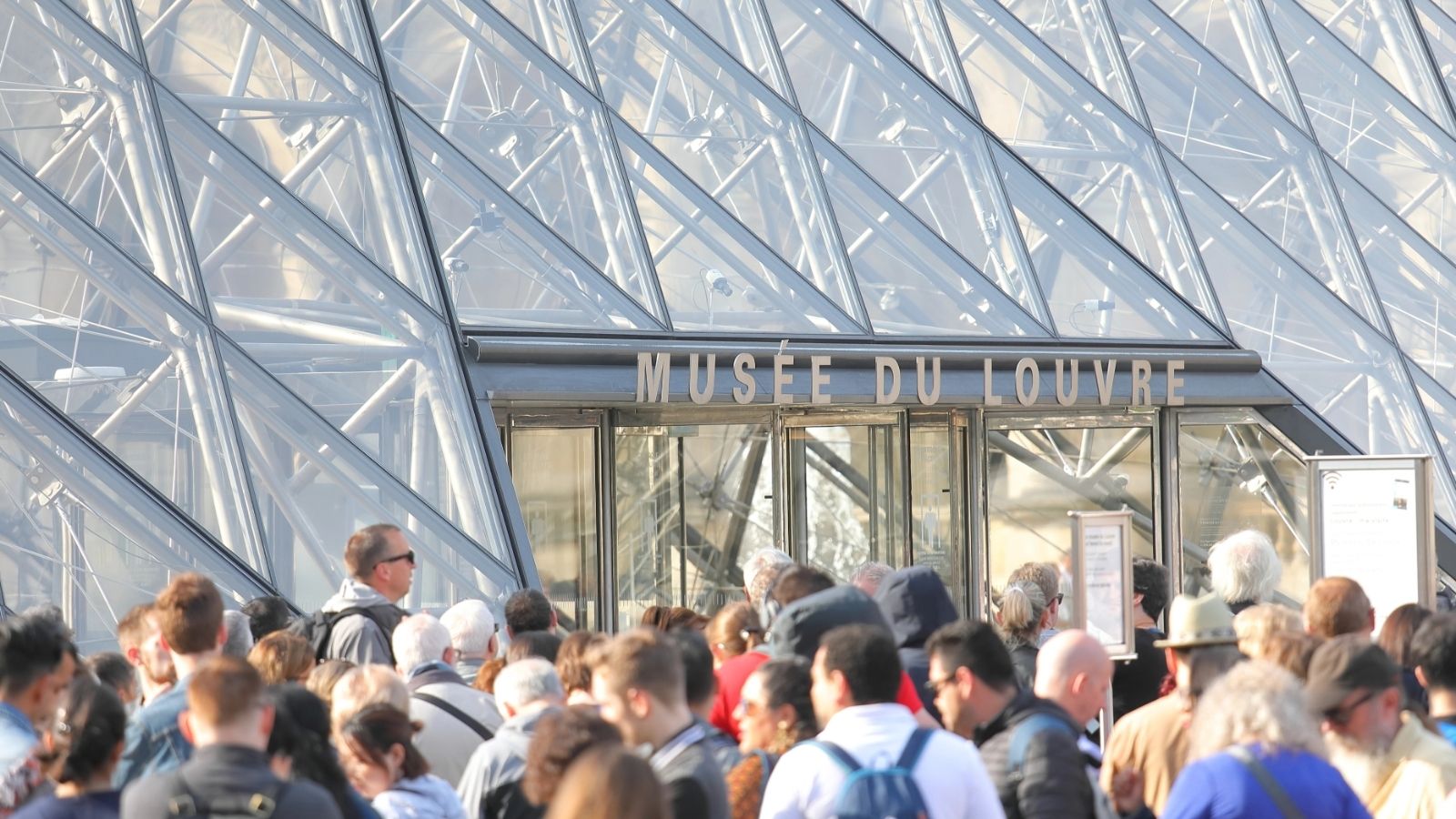
The Louvre is large enough to absorb many visitors, but its most famous galleries become extremely crowded in summer. The Mona Lisa area is especially difficult, with visitors packed tightly and moving slowly through the room. Navigating the museum can also become tiring when lines, heat, and crowd flow build throughout the day. Travelers who expect a quiet museum experience may find the busiest sections overwhelming. Booking tickets in advance and focusing on less crowded wings can make the visit feel more worthwhile.
The Anne Frank House, Amsterdam, Netherlands

The Anne Frank House is a powerful historical site, but peak summer demand makes planning essential. Entry is limited, tickets sell out quickly, and narrow interior spaces can feel crowded even with controlled visitor numbers. The emotional weight of the museum can be harder to absorb when movement feels tight and timed. Travelers who arrive without advance reservations often miss the chance to visit entirely. Booking early and choosing a quieter time slot helps preserve the seriousness of the experience.
Read More Here: The Anne Frank House, Amsterdam, Netherlands
10 Places Where Tourists Often Book the Wrong Area

Choosing where to stay can shape the entire trip. This article features places where tourists often book the wrong area, focusing on destinations where neighborhoods look close on a map but feel very different in reality. Being in the wrong spot can mean long commutes, limited food options, or missing the parts people hoped to experience.
Read More Here: 10 Places Where Tourists Often Book the Wrong Area
11 American Cities Travelers Say Feel Genuinely Friendly

First impressions can shape how a trip feels, and some cities stand out for how people interact. This article features American cities travelers say feel genuinely friendly, focusing on places where everyday interactions feel easier, more welcoming, and less rushed. These cities often leave visitors talking about the people just as much as the sights.
Read More Here: 11 American Cities Travelers Say Feel Genuinely Friendly
Leave a Reply