
Family travel can feel expensive at first glance, but the final cost often depends on planning choices. This article features family trips that cost less than expected if you plan them right, focusing on destinations and strategies that help stretch a budget without cutting key experiences. Timing, lodging options, and transportation decisions often make a bigger difference than families realize.
Smart planning can turn a high priced idea into a manageable getaway. Small adjustments in when and how a trip is booked can lower costs across the board. Keep reading to see which family trips made the list and what planning steps help keep spending under control.

National Park Road Trip

A national park road trip can be one of the most cost-effective family vacations available. Entrance fees are modest, especially compared to major attractions, and annual passes can cover multiple parks. Camping, RV sites, or simple cabins keep lodging costs down, while packing groceries prevents expensive restaurant stops. Many activities—hiking, wildlife spotting, scenic drives, ranger programs—are included in the entry fee. Planning your route in advance reduces fuel waste and unnecessary detours. With flexible pacing and built-in nature-based entertainment, families often find they spend far less than they would on heavily commercial destinations.
All-Inclusive Resort During Shoulder Season

All-inclusive resorts can feel expensive at first glance, but booking during shoulder season often changes the math. Rates drop significantly outside peak holidays, and bundled pricing covers accommodations, meals, snacks, drinks, and many activities. That predictability helps families avoid surprise expenses. Instead of paying separately for dining, entertainment, and transportation, most of it is included upfront. Some resorts also offer reduced rates for children. Planning flights early and choosing less popular travel weeks makes this type of vacation more affordable than many families expect.
Cruise With Kids Sail Free Promotions

Cruises frequently run “kids sail free” or reduced-fare promotions, especially outside school break peaks. When you calculate that lodging, meals, onboard activities, and entertainment are included, the per-day cost can compare favorably to land-based vacations. Budgeting becomes easier because you prepay most major expenses. Families can avoid constant restaurant spending, and children’s clubs reduce the need for paid entertainment. Planning shore excursions independently instead of booking ship packages also lowers costs. With careful timing and promotion tracking, cruises often cost less overall than expected.
Beach Town Vacation Rental Split With Another Family

Renting a larger beach house and splitting the cost with another family can dramatically reduce per-family expenses. Instead of booking multiple hotel rooms, you share one property with a kitchen, living space, and laundry. Cooking most meals instead of dining out daily keeps food costs manageable. Many beach towns also offer free activities—boardwalk walks, swimming, playgrounds, and local events. Booking well in advance or just outside peak summer weeks often secures lower nightly rates. When planned thoughtfully, a shared vacation rental creates more space and lower overall costs.
City Trip Built Around Free Attractions

Major cities can seem expensive, but planning around free attractions changes the experience. Many museums offer free admission days, and public parks, waterfronts, and historic neighborhoods cost nothing to explore. Walking tours, public festivals, and street performances provide entertainment without ticket fees. Staying slightly outside the city center lowers hotel costs, especially near reliable public transit. Purchasing transit passes instead of using rideshares adds savings. By mapping out low-cost attractions before arrival, families often discover that urban trips can be surprisingly affordable while still feeling full and engaging.
Theme Park Trip With Off-Site Lodging

Theme park vacations are often labeled expensive, but thoughtful planning changes the outcome. Staying at hotels outside the park area can cut nightly costs significantly, especially if they include free breakfast or shuttle service. Buying multi-day tickets in advance typically lowers the per-day price. Packing snacks, refillable water bottles, and small meals helps avoid inflated in-park food spending. Visiting during less crowded weeks can also reduce lodging rates and eliminate the need for paid fast-pass upgrades. With a clear budget and early bookings, a theme park trip can cost far less than families initially expect.
Want to save this?
Camping Near a Lake or State Park

Camping trips remain one of the most budget-friendly family vacations available. Campsite fees are typically low, and many parks offer clean facilities and organized programs at little or no additional cost. Families can bring groceries and cook over a fire or portable stove, avoiding restaurant bills. Days are filled with swimming, hiking, fishing, biking, and nature programs that require minimal spending once you arrive. Planning gear ahead of time and borrowing equipment when possible reduces upfront costs. With simple accommodations and built-in outdoor entertainment, the total expense often surprises families in a good way.
International Trip to a Budget-Friendly Country

International travel does not always mean luxury pricing. Choosing destinations where accommodation, food, and transportation are affordable can offset airfare costs. In many countries, family rooms, local transit, and casual dining are significantly cheaper than in North America. Booking flights during fare sales and traveling during shoulder season further reduces expenses. Families who research exchange rates and average daily costs often find their money stretches further abroad than at home. When accommodations include breakfast and public transport is reliable, the overall trip cost can be more manageable than expected.
Train-Based European Itinerary

A train-focused European trip can reduce both transportation stress and hidden costs. Booking regional rail passes in advance often provides savings over last-minute tickets. Trains eliminate baggage fees and city-center airport transfers, which add up quickly. Staying in family-run guesthouses or booking family rooms lowers nightly accommodation costs. Many European cities are walkable, reducing the need for taxis. Planning routes carefully and limiting long-distance segments helps manage expenses. When families compare the total cost—including transit, lodging, and meals—train-based travel often proves more efficient and affordable than expected.
Road Trip With Pre-Planned Stops

A well-organized road trip can cost less than flying, especially for larger families. Booking motels early locks in lower rates, and mapping fuel-efficient routes avoids unnecessary mileage. Packing coolers with groceries reduces restaurant stops, while prioritizing free attractions—national monuments, scenic overlooks, public beaches—keeps entertainment costs low. Flexible timing allows families to avoid peak lodging prices in popular areas. Sharing driving responsibilities reduces fatigue and eliminates the need for additional overnight stops. With clear planning and realistic daily distances, road trips often deliver strong value per dollar spent.
Farm Stay or Agritourism Experience

Farm stays and agritourism properties often include built-in activities that would cost extra elsewhere. Children can participate in feeding animals, collecting eggs, or helping with seasonal harvests without additional fees. Many properties include breakfast or access to fresh produce, reducing meal expenses. Rural accommodations are typically priced lower than urban hotels, and surrounding countryside offers free outdoor exploration. Booking directly with hosts can also lower service fees. For families seeking hands-on experiences and open space, agritourism delivers entertainment, education, and lodging in one package—often at a lower overall cost than traditional resorts.
10 Places Where Tourists Often Book the Wrong Area

Choosing where to stay can shape the entire trip. This article features places where tourists often book the wrong area, focusing on destinations where neighborhoods look close on a map but feel very different in reality. Being in the wrong spot can mean long commutes, limited food options, or missing the parts people hoped to experience.
Read More Here: 10 Places Where Tourists Often Book the Wrong Area
9 Countries Where First-Time Travelers Misjudge Distances
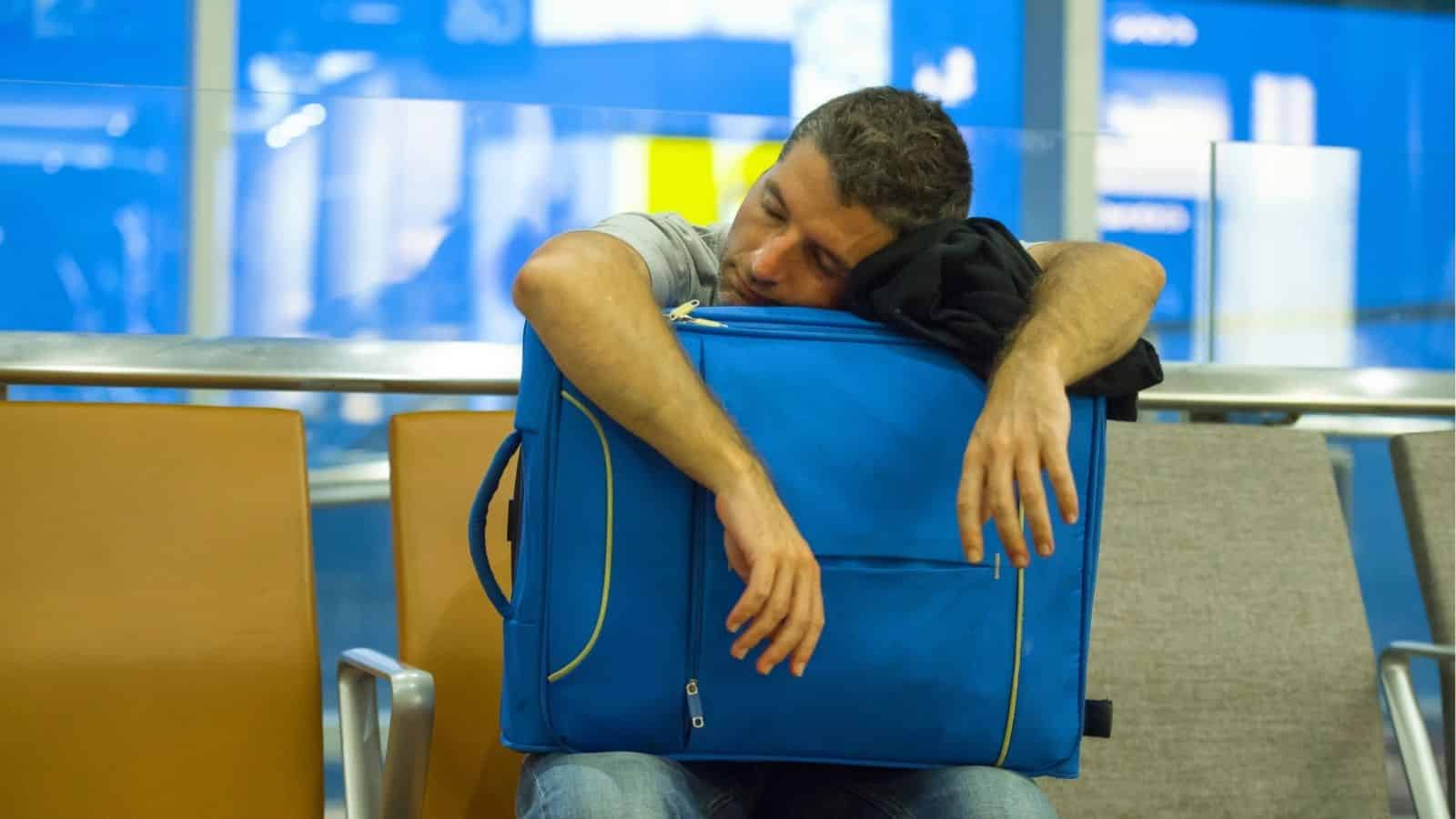
Distances can look short on a map but feel very different in real life. This article features countries where first-time travelers misjudge distances, focusing on places where geography, transportation speed, or road conditions make travel take far longer than expected. What seems like a quick hop often turns into a full travel day.
Read More Here: 9 Countries Where First-Time Travelers Misjudge Distances



Leave a Reply