Rules can feel flexible while traveling, until they are not. This article features European destinations where visitors learn rules are not optional, focusing on places where regulations around behavior, access, or daily routines are taken seriously. In these destinations, small missteps can lead to fines, denied entry, or uncomfortable encounters.
Knowing where rules are strictly enforced can help travelers adjust expectations and avoid trouble. Paying attention to local norms can make the experience smoother and more respectful. Keep reading to see which European destinations made the list and what visitors often wish they had known ahead of time.
Zurich

Zurich operates on a culture of precision where rules are expected to be followed quietly and consistently. Visitors often learn this through everyday moments, like recycling incorrectly, jaywalking, or making noise during designated quiet hours. Public transport relies on trust-based ticketing, but inspections are frequent and fines are immediate. Sidewalks, bike lanes, and shared spaces each have clear purposes, and using them incorrectly draws attention fast. Zurich isn’t aggressive about enforcement, but it is uncompromising. Tourists who assume flexibility quickly realize that order is part of daily life, not a suggestion.
Vienna
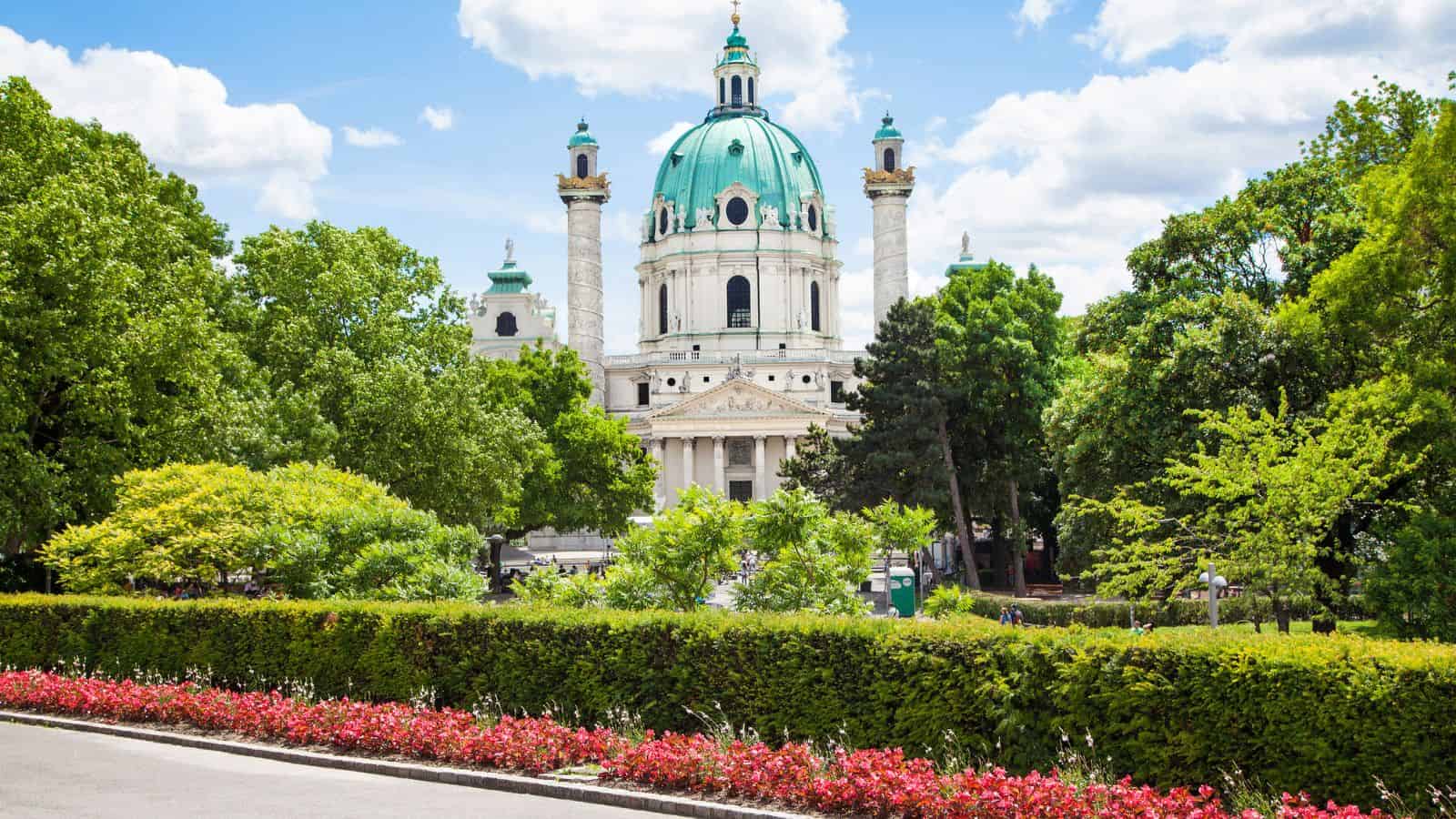
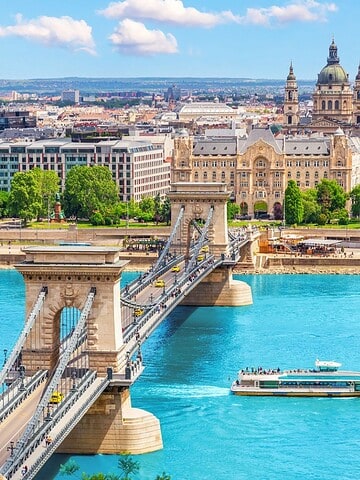
Vienna’s elegance comes with strict expectations around behavior and systems. Public transport rules are enforced through frequent inspections, and riding without a validated ticket results in on-the-spot fines. Pedestrian signals are followed even on empty streets, and ignoring them is frowned upon. Museums, cafés, and historic buildings maintain formal conduct standards that visitors are expected to respect. Noise, line-cutting, and casual rule-breaking stand out immediately. Vienna values structure and predictability. Travelers often arrive expecting relaxed European charm and leave understanding that in Vienna, rules quietly govern daily movement.
Amsterdam
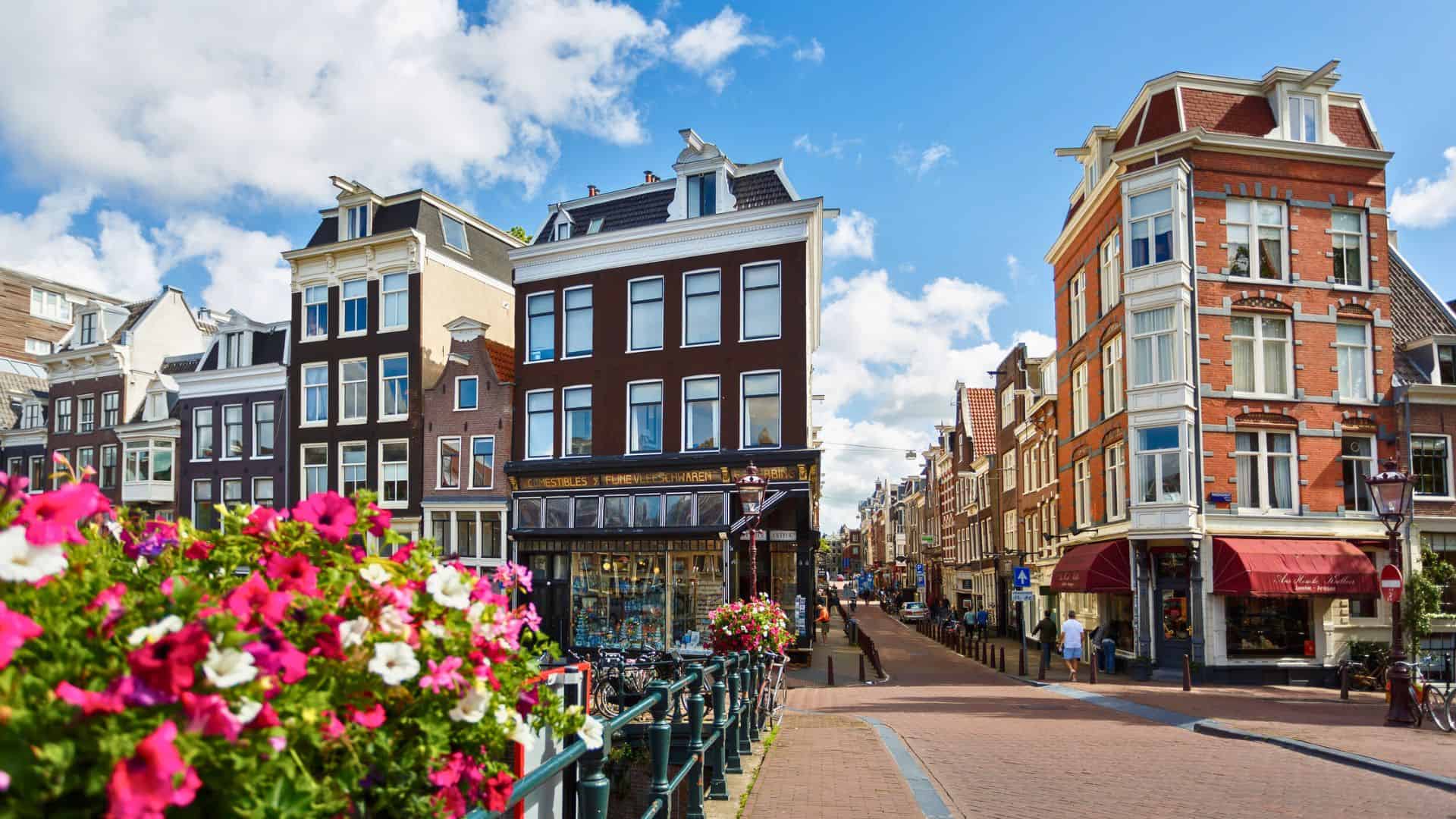
Amsterdam’s biggest rule shock comes from bikes. Visitors who wander into bike lanes, stop suddenly, or ignore cycling signals learn quickly that these lanes are not optional. Cyclists expect pedestrians to know the rules, and collisions are taken seriously. Public behavior around canals, short-term rentals, and nightlife is increasingly regulated, with fines enforced. Smoking, drinking, and noise are restricted in many central areas. Amsterdam may look casual, but it runs on clear systems. Tourists who treat the city like a free-form playground often encounter firm, immediate correction.
Venice

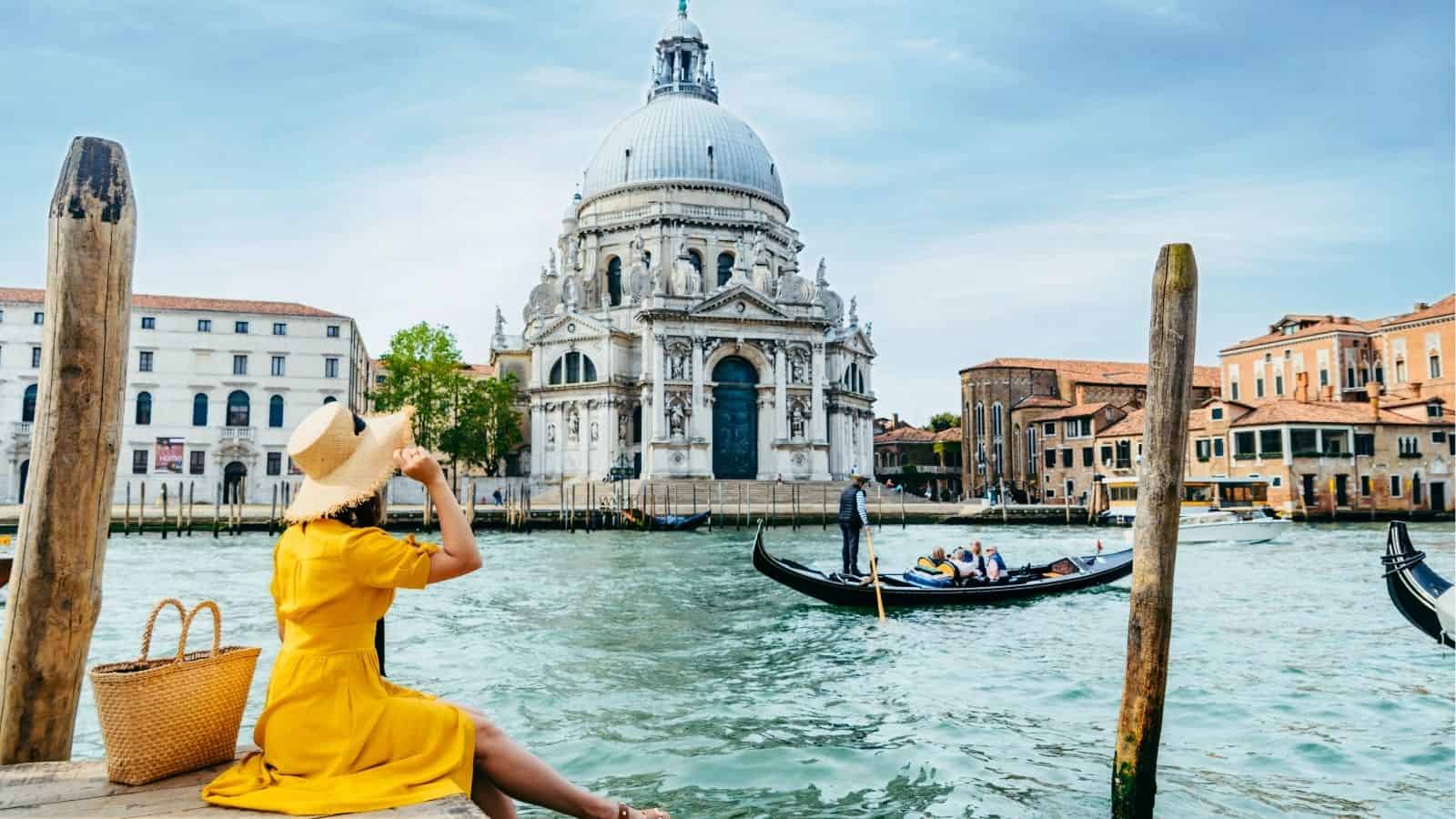
Venice enforces visitor rules aggressively due to over-tourism. Sitting on steps, bridges, or monuments can result in fines, as can eating in prohibited areas. Walking routes, crowd controls, and entry regulations change frequently and are enforced by local police. Swimming in canals, pulling luggage incorrectly, or ignoring directional signage draws penalties. Venice has little tolerance left for rule-bending. The city expects visitors to adapt to preservation-focused regulations. Travelers who assume Italy means flexibility quickly learn that Venice operates under strict controls designed to protect fragile infrastructure.
Munich

Munich’s rules reflect broader German expectations around order and responsibility. Crossing streets against signals, even when empty, draws disapproval. Recycling and waste sorting are taken seriously, and misuse can lead to complaints. Beer gardens may feel relaxed, but public behavior still follows clear norms. Public transport inspections are common, and excuses don’t carry weight. Quiet hours are respected in residential areas. Munich isn’t hostile to visitors, but it expects compliance. Tourists often learn that politeness here means following the rules without needing reminders.
Barcelona
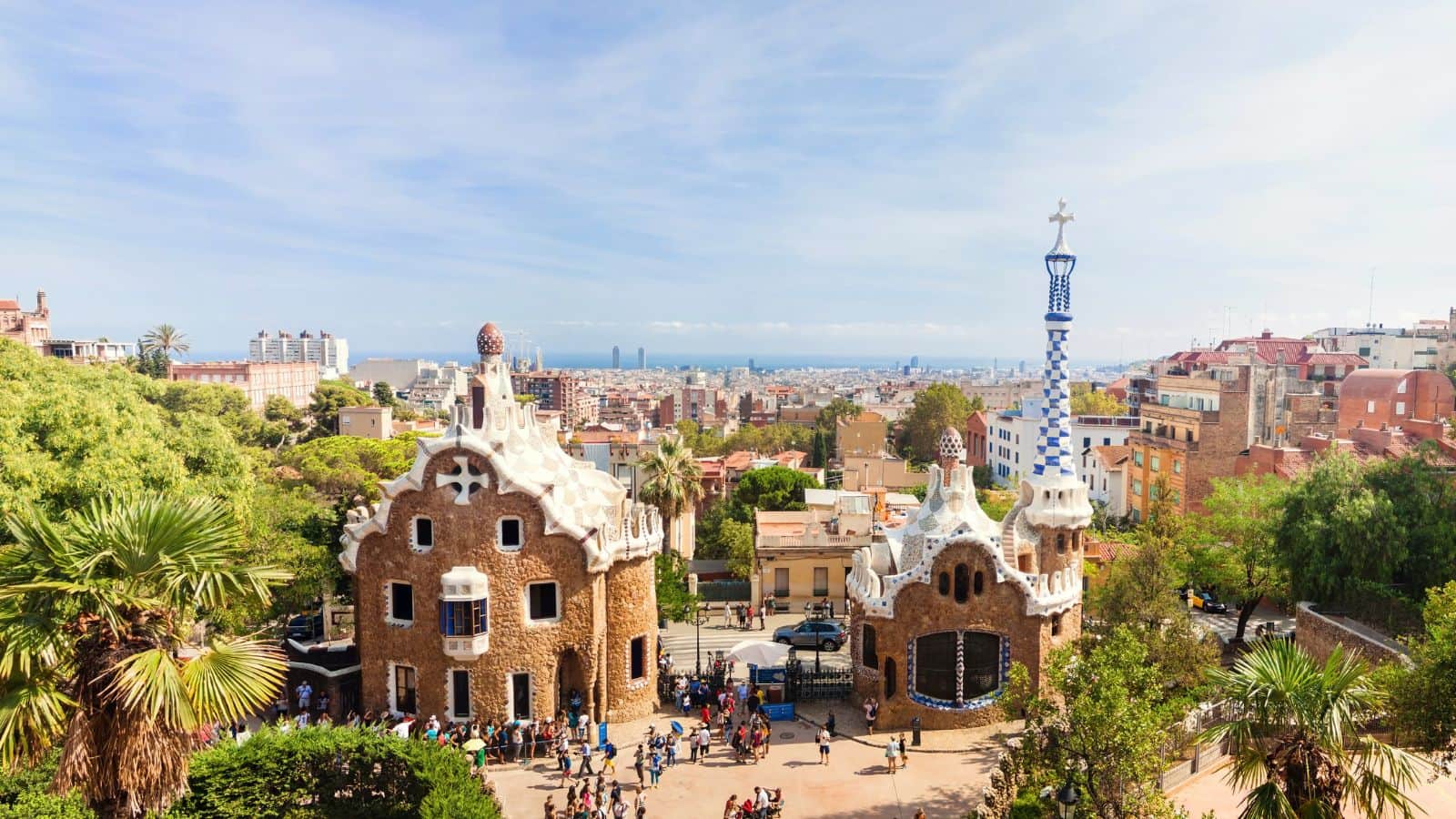
Barcelona has tightened rules as tourism pressure has increased, and visitors feel it quickly. Drinking alcohol in public is restricted in many areas, with fines enforced. Noise ordinances are strict, especially at night, and tourist behavior in residential neighborhoods is closely monitored. Sitting on sidewalks, blocking doorways, or using scooters incorrectly can result in penalties. Beaches also have clear rules around smoking, alcohol, and hours of use. Barcelona no longer tolerates “vacation behavior” that disrupts daily life. Visitors who assume Mediterranean looseness quickly learn that local regulations are actively enforced.
Paris
Want to save this?
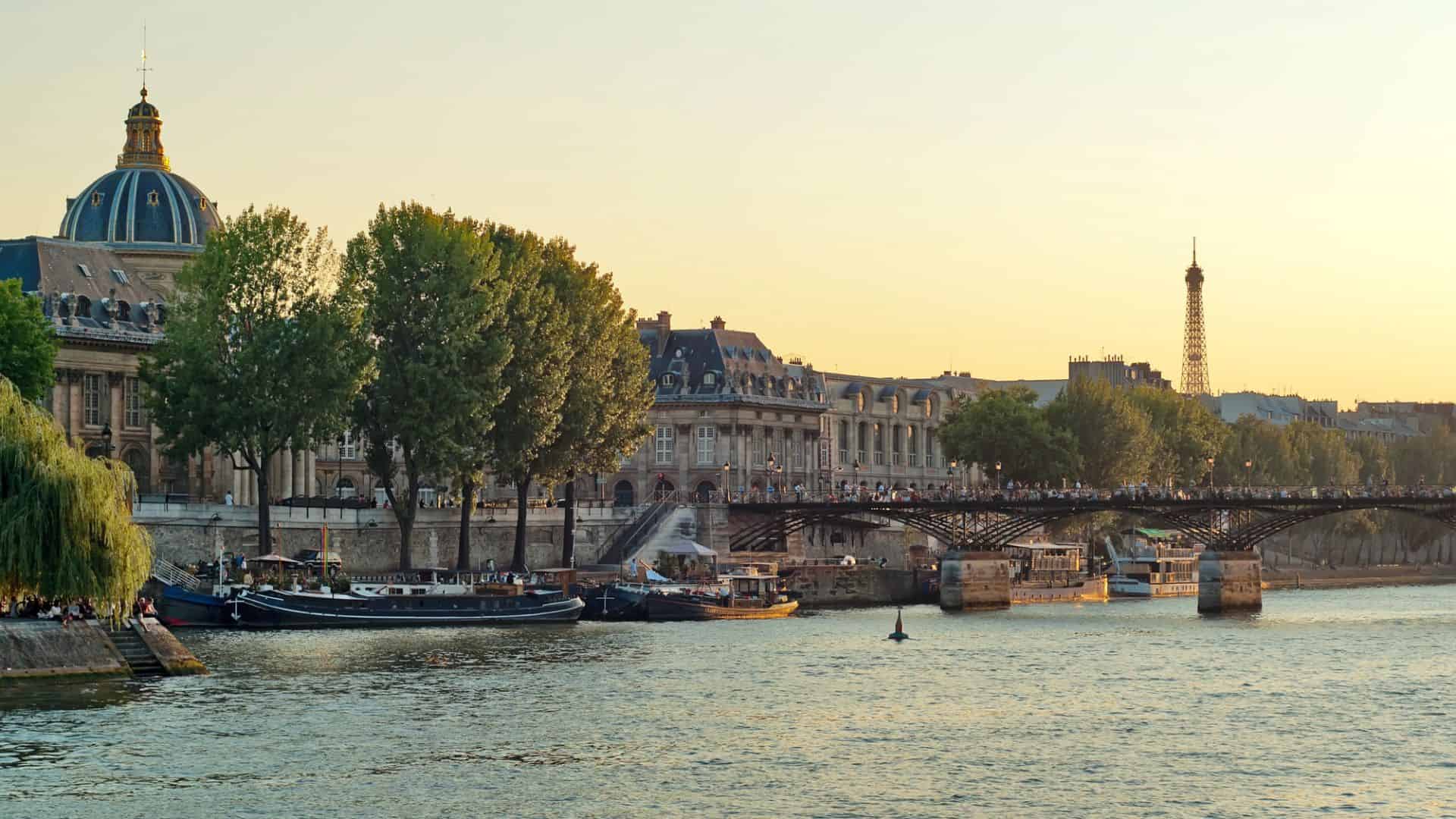
Paris enforces rules quietly but consistently. Public transport requires valid tickets at all times, with inspections common and fines immediate. Smoking restrictions are expanding, including in parks and near public buildings. Museum and monument rules around photography, behavior, and movement are enforced without much explanation. Sitting, eating, or lingering in restricted areas can result in warnings or penalties. Paris expects visitors to understand systems and follow them independently. Travelers who rely on leniency or explanations often find none. In Paris, compliance is assumed, not negotiated.
Berlin

Berlin’s relaxed image hides strict expectations around order and civic responsibility. Crossing streets against pedestrian signals, even when empty, draws disapproval. Recycling and waste separation are enforced, and misuse can lead to fines or complaints. Noise rules are taken seriously, especially late at night. Public transport operates on trust but includes frequent inspections. Berlin allows personal freedom, but only within clearly defined boundaries. Visitors often mistake the city’s creative reputation for flexibility. In reality, rules exist everywhere, and locals expect them to be followed without discussion.
Rome

Rome has introduced increasingly strict visitor regulations to protect historic areas. Sitting on monuments, eating near landmarks, or entering fountains can result in fines. Dress codes are enforced at churches, and security is quick to intervene. Traffic restrictions in central zones are monitored electronically, catching unaware drivers. Rome may feel chaotic, but enforcement is selective and serious. Visitors who assume disorder means leniency are often surprised. The city expects tourists to respect preservation rules, even when crowds and noise suggest otherwise.
Copenhagen

Copenhagen runs on social trust backed by firm enforcement. Cycling rules are strict, and visitors who drift into bike lanes or ignore signals are corrected immediately. Public transport requires valid tickets, with inspections frequent and fines non-negotiable. Public spaces are clean and orderly, and littering or disruptive behavior stands out. Quiet behavior is expected on transit. Copenhagen feels friendly, but it is highly structured. Visitors who don’t understand the systems learn quickly that rules here are designed for efficiency and fairness, not flexibility.
Geneva

Geneva reflects Swiss precision at every level. Public order laws cover noise, behavior, and even how shared spaces are used. Public transport inspections are routine, and fines are issued without debate. Pedestrian signals, recycling systems, and quiet hours are followed strictly. Geneva does not rely on visible policing because compliance is expected. Visitors often underestimate how closely daily behavior is regulated. The city values calm, predictability, and respect for shared rules. Tourists who assume neutrality equals leniency quickly learn that structure here is absolute.
Florence

Florence enforces visitor rules to protect its historic core. Eating on church steps, sitting on monuments, or wandering into restricted zones can result in fines. Dress codes at churches are enforced more strictly than visitors expect. Museum rules around movement, photography, and crowd flow are closely monitored. Florence looks romantic, but it operates under preservation-first policies. Visitors who treat the city as an open-air backdrop quickly face correction. Florence expects guests to behave as caretakers of the city, not just observers.
14 Destinations That Feel More Honest Than Instagram

Photos can smooth out rough edges, but they rarely tell the full story of a place. This list looks at destinations where daily life, local routines, and real moments matter more than polished shots. These are places travelers describe as grounded, where what you see in person matches what stays with you after the trip.
Read More Here: 14 Destinations That Feel More Honest Than Instagram
9 Destinations That Punish Poor Planning More Than Others

Some places leave little room for last-minute decisions. This article features destinations that punish poor planning more than others, focusing on locations where timing, reservations, and logistics matter more than travelers expect. In these spots, showing up unprepared can quickly lead to missed access, higher costs, or limited options.
Read More Here: 9 Destinations That Punish Poor Planning More Than Others