
Boarding can be stressful even before the plane door opens. This list breaks down common habits that slow things down and create tension at the gate. These are small actions that many people do without realizing how much they affect everyone else waiting to board.
A smoother boarding process helps the entire flight start on a better note. Knowing what to avoid can make lines move faster and keep frustration low. Read on to see which mistakes make the list and how simple changes can make boarding easier for everyone around you.

Standing up and lining up long before your boarding group is called

This mistake creates unnecessary congestion and tension at the gate. When passengers crowd the boarding area well before they are eligible to board, it becomes difficult for airline staff to manage the flow and for other travelers to know where they should stand. It also blocks access for passengers who actually need to board first, including those with mobility needs or priority boarding. Most experienced travelers know that standing early does not get you on the plane faster. It simply compresses everyone into a smaller space and increases frustration before the flight even begins.
Blocking the aisle while searching for your seat or rearranging bags
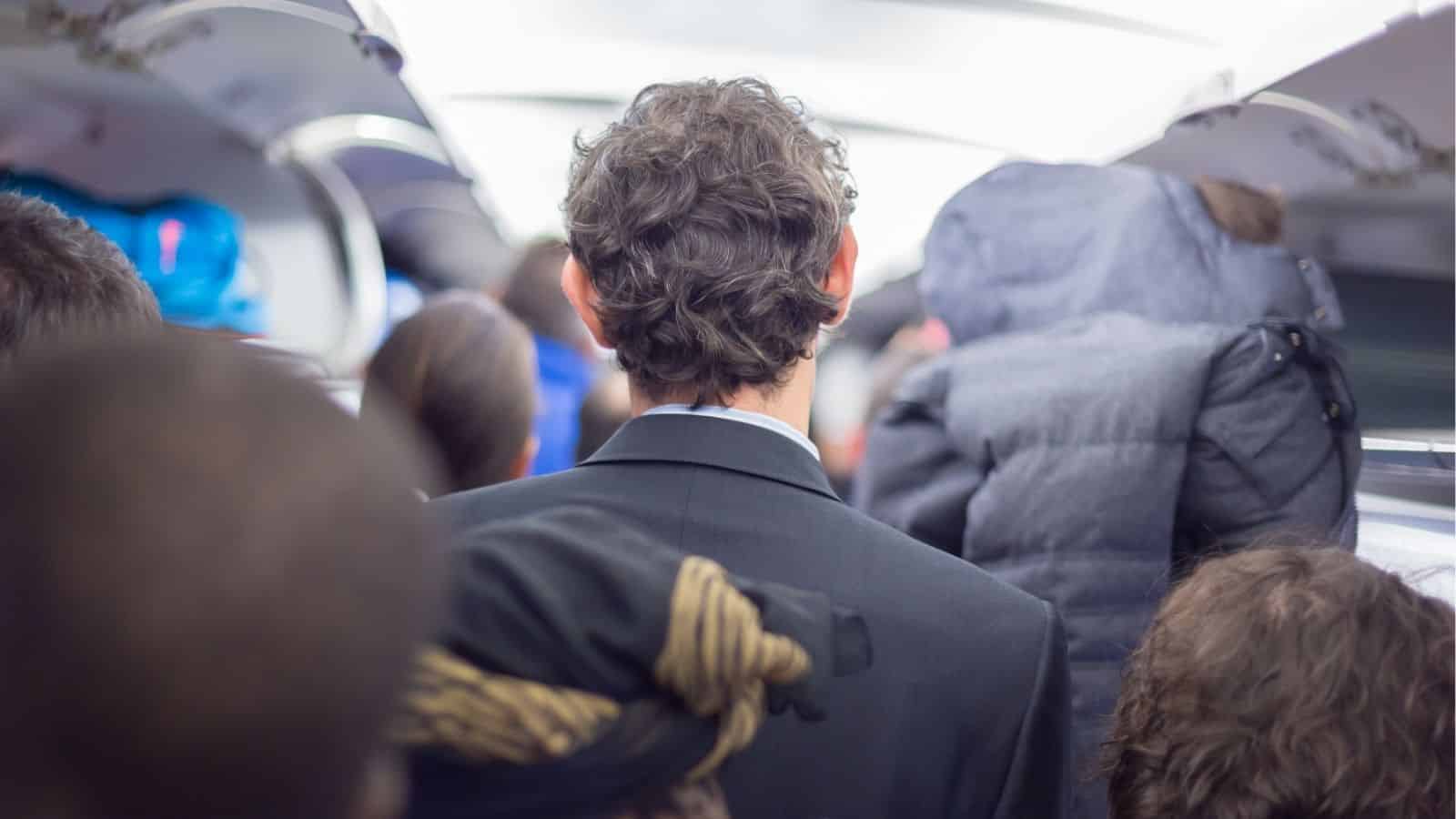
Once on the plane, the aisle is shared space. Stopping there to check seat numbers, open multiple bags, or reshuffle belongings immediately backs up everyone behind you. Other passengers are often holding heavy carry-ons or waiting to reach their row, and even short delays add up quickly. The smoother approach is to identify your seat before boarding and keep essentials accessible. If you need time to organize, step into your row first. Passengers tend to get irritated not by small mistakes, but by actions that hold up the entire boarding process.
Bringing oversized carry-ons that clearly won’t fit overhead

Oversized bags slow boarding for everyone. When a carry-on does not fit overhead, flight attendants must stop the line, search for space, or tag the bag for gate checking. This creates delays and draws attention away from helping other passengers get settled. Many travelers find this frustrating because it feels avoidable. Airlines publish size limits clearly, and frequent flyers often measure bags in advance. Bringing a bag that is too large shifts the inconvenience onto everyone else. It is one of the quickest ways to disrupt the boarding flow and test patience across the cabin.
Ignoring boarding zones and hoping no one notices

Boarding zones exist to manage crowding and keep the process moving predictably. When passengers board out of order, it causes confusion at the scanner and frustration among those who waited their turn. Even when gate agents stop the person, the interruption slows the line. Other passengers notice, and resentment builds quickly. Most travelers are not bothered by honest mistakes, but deliberately skipping ahead feels unfair. Following your assigned zone helps keep the system working smoothly. It also reduces stress for airline staff, who are trying to board hundreds of people efficiently in a limited time.
Stopping at the plane door to put on jackets or adjust belongings
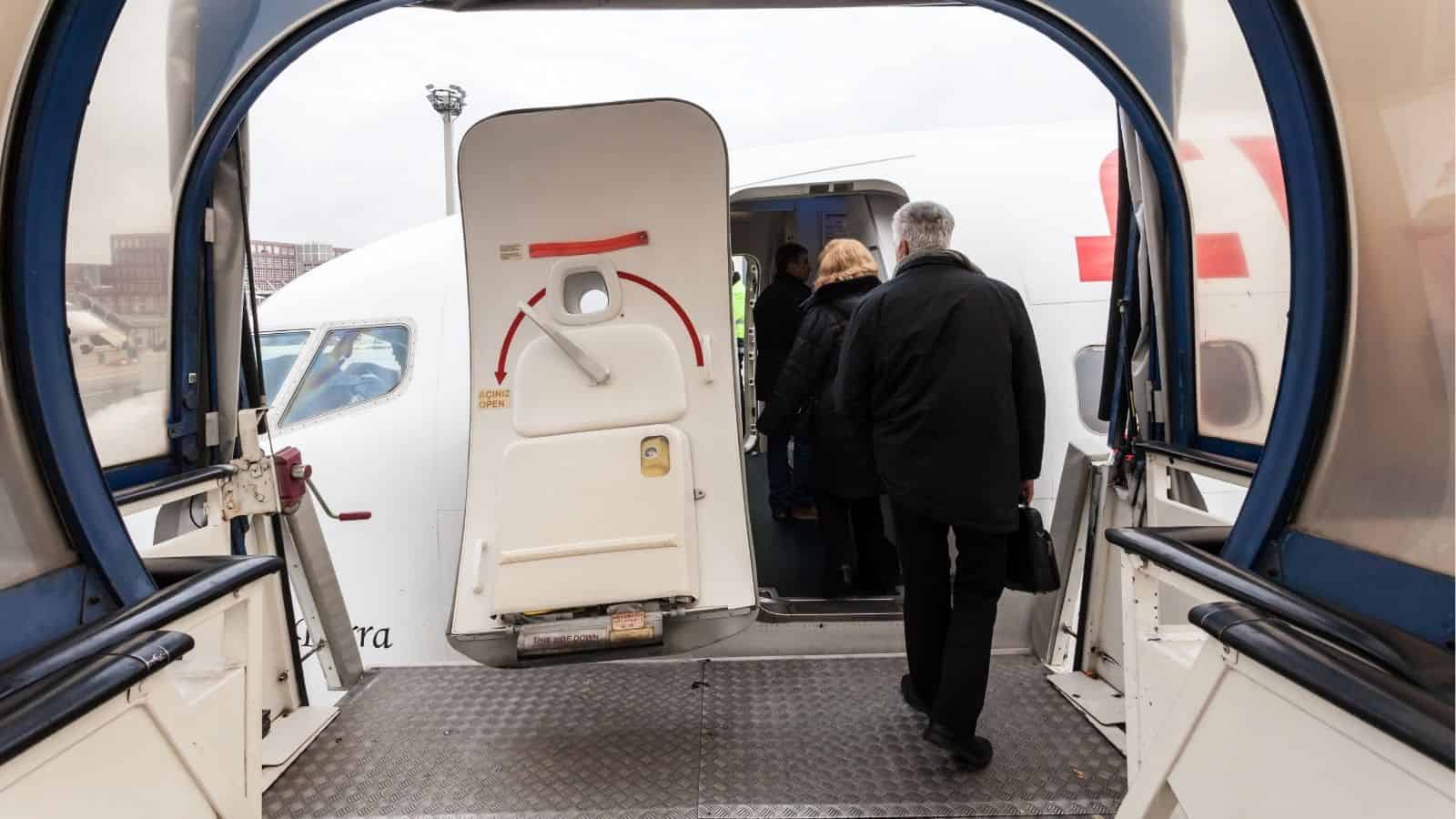
The aircraft doorway is one of the tightest bottlenecks during boarding. Pausing there to put on jackets, switch bags, or check your phone blocks the flow immediately. Passengers behind you often cannot move forward or step aside, which causes a chain reaction of delays. Most travelers expect minor pauses, but stopping completely at the door stands out. A better approach is to finish adjusting clothing and belongings while waiting at the gate or after stepping fully into the aisle. Keeping the doorway clear helps boarding move faster and lowers tension across the cabin.
Want to save this?
Using the aisle to reorganize bags instead of stepping into your row
The aisle is not the place to repack your carry-on or decide what goes where. When passengers stop in the aisle to move items between bags, retrieve headphones, or shift jackets, everyone behind them is forced to wait. This creates a bottleneck that quickly slows the entire cabin. Most experienced travelers know to step into their row first, even if it means temporarily blocking their own seatmates. Passengers are generally patient with brief seat-level adjustments, but aisle delays feel inconsiderate because they affect dozens of people at once.
Letting travel companions cut ahead to rejoin you in line
Line-cutting, even when framed as rejoining a companion, is one of the fastest ways to irritate other passengers. When one person holds a spot for multiple people who arrive later, it disrupts the order everyone else has respected. Travelers notice when groups merge unexpectedly, especially in already crowded boarding areas. While airlines sometimes accommodate families or special situations, casual cutting feels unfair. Most passengers would rather wait their turn than watch the line quietly reorganize itself around someone else’s convenience.
Hovering near the gate when you’re not boarding yet

Standing directly in front of the gate before your group is called makes it harder for everyone to know where to go. It blocks sightlines, crowds the scanner, and forces boarding passengers to squeeze through unnecessarily tight spaces. Gate areas are already limited, and hovering creates confusion rather than readiness. Many seasoned travelers stay seated until their group is announced, then move decisively. Hovering often signals impatience, but it rarely speeds anything up. Instead, it adds tension and makes the boarding process feel more chaotic than it needs to be.
Taking extra time at the scanner with documents not ready
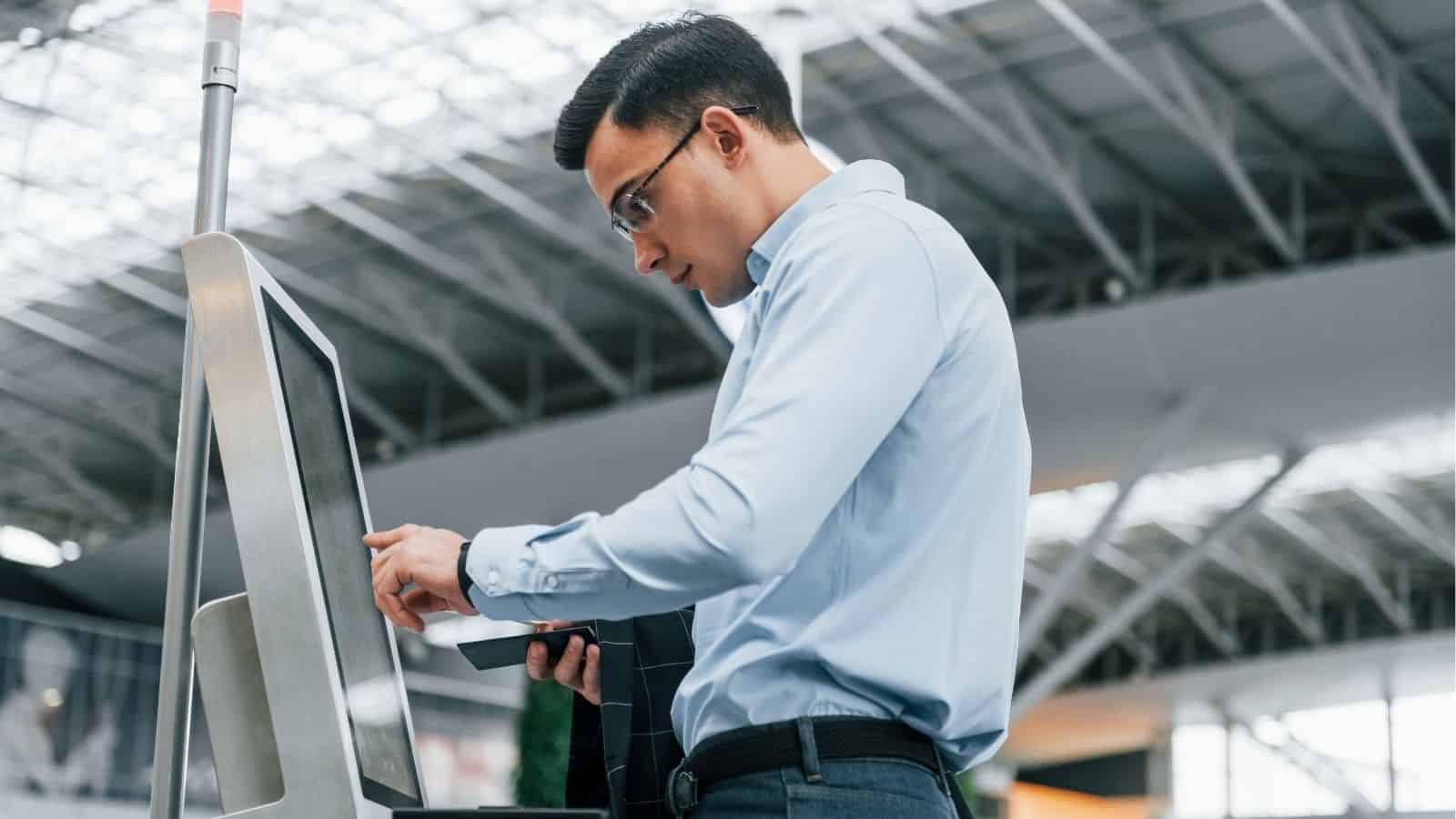
The boarding scanner is another critical choke point. When passengers reach the front without boarding passes or identification ready, the line stops abruptly. Searching through bags or phones at that moment holds up everyone behind you. Most travelers understand brief technical issues, but being unprepared feels preventable. Keeping documents accessible before stepping forward helps maintain momentum. Boarding moves quickly when each person is ready, and frustration builds when it doesn’t. This small delay is noticeable because it happens right at the point where everyone expects the process to flow smoothly.
15 Flight Tips That'll Help Calm Your Travel Anxiety

Always feeling anxious when flying? Traveling by plane can be a source of anxiety for many people, but there are 15 flight tips that'll help calm your travel anxiety. Understanding how to manage stress during a flight can make the experience more pleasant and enjoyable. Simple strategies, from breathing techniques to choosing the right seat, can significantly reduce feelings of unease and help travelers feel more at ease.
Read More Here: 15 Flight Tips That'll Help Calm Your Travel Anxiety
15 Common Airport Mistakes You Might Be Making

Avoid making these mistakes at all costs! Navigating an airport can be a stressful experience, and many travelers unknowingly make mistakes along the way. There are 15 common airport mistakes you might be making that can lead to unnecessary delays and frustration. From packing the wrong items to misjudging security lines, these blunders can turn an exciting trip into a hassle.
Read More Here: 15 Common Airport Mistakes You Might Be Making




Leave a Reply