
Flying from a mild or warm climate into cold weather can make packing more complicated than expected. This article features things to pack before flying somewhere cold, focusing on practical items that help travelers handle low temperatures, wind, snow, and changing indoor conditions. Packing the right layers and cold-weather gear can also prevent expensive last-minute purchases after arrival.
Cold-weather packing is about more than bringing a heavy coat. Clothing that layers well, weather-resistant footwear, and a few useful accessories can make getting around much easier. Keep reading to see which items are worth adding to your luggage before flying somewhere cold.

Thermal Base Layers

Thermal tops and leggings add warmth without requiring several bulky sweaters. They fit underneath everyday clothing and are particularly useful when temperatures drop below freezing or you expect to spend long periods outside. Merino wool and synthetic fabrics can also manage moisture better than cotton when you are walking between heated buildings and cold streets. Pack at least one set even if the forecast looks manageable. Temperatures can feel considerably colder when wind enters the picture, and having a base layer gives you an easy way to add warmth without changing your entire outfit.
Insulated Jacket

A warm jacket should be near the top of your packing list when flying somewhere cold. Choose one that provides enough insulation for your destination without taking up most of your suitcase. Packable down or synthetic jackets work well because they compress when not needed. If you are leaving from a warm climate, keep the jacket accessible in your carry-on rather than checking it. You may need it immediately after landing, especially if you have to wait outside for a shuttle, walk to a train station, or reach accommodations in freezing temperatures.
Waterproof Winter Boots
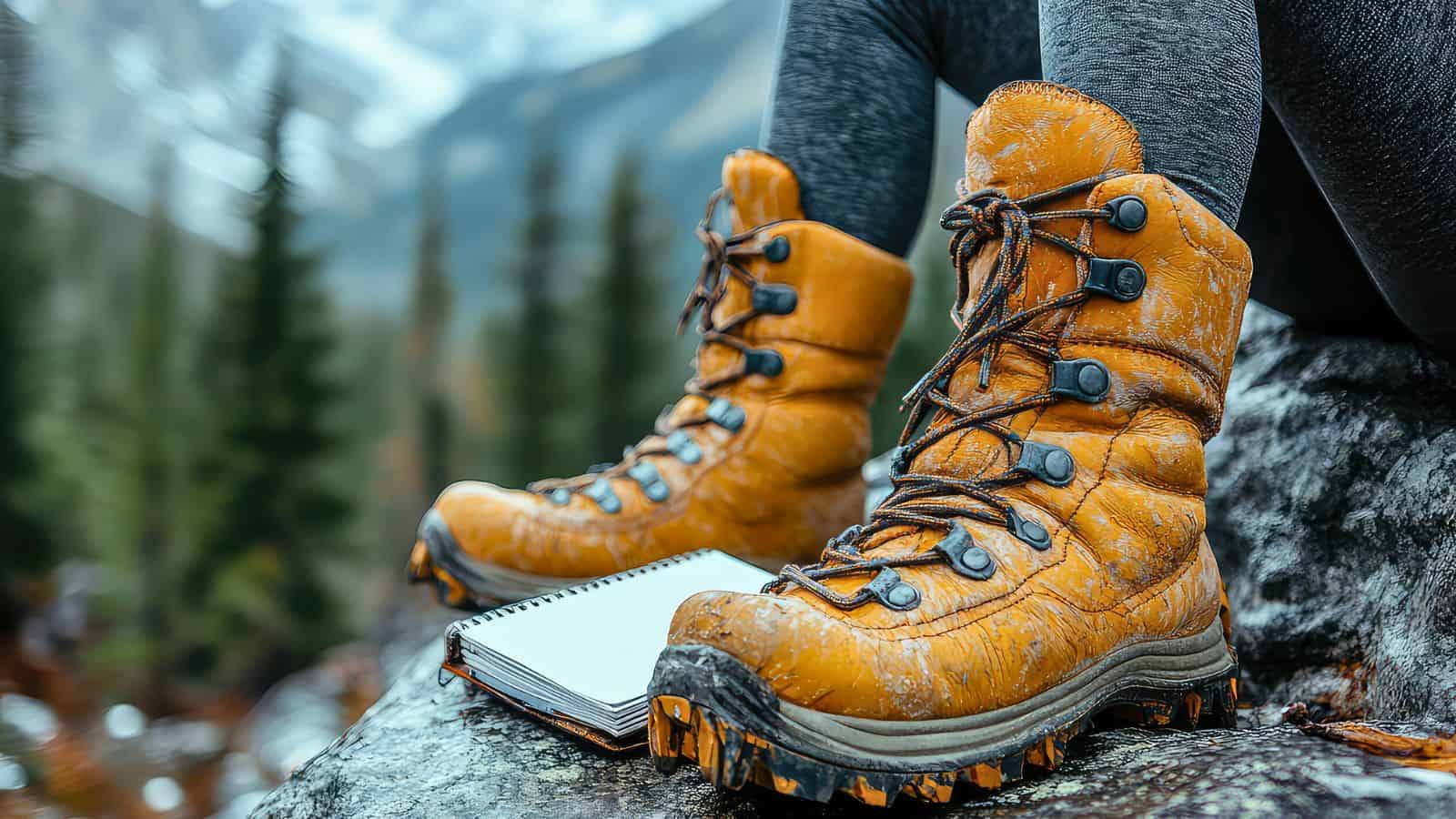
Regular sneakers may be comfortable for the airport, but they can become a problem once you encounter snow, slush, or icy sidewalks. Pack waterproof boots with good traction if your destination regularly experiences winter conditions. Make sure they are already broken in before traveling, since cold-weather trips often involve more walking than expected. Because boots take up considerable suitcase space, wearing your bulkiest pair on the flight can make packing easier. Bring appropriate socks as well, and leave enough room inside the boots so thick layers do not make them uncomfortably tight.
Moisturizer and Lip Balm

Cold outdoor air combined with heated indoor spaces can leave skin and lips feeling dry surprisingly quickly. Pack moisturizer and lip balm in travel-size containers that can stay in your personal bag throughout the flight. You will probably want them before you even reach your destination, since aircraft cabins are already very dry. Sunscreen is also worth packing because winter does not eliminate UV exposure, particularly at higher elevations or around snow. Keeping these smaller skin-care essentials together in an accessible pouch makes it easier to use them regularly rather than leaving everything buried in your checked suitcase.
Hat That Covers Your Ears

Cold wind can make an otherwise manageable temperature feel much harsher, particularly when your ears and head are exposed. Pack a warm beanie or another close-fitting hat that covers your ears and fits easily inside a coat pocket. It is a small item, so there is little reason to leave it behind even when the forecast does not look extremely cold. A hat becomes especially useful during early mornings, evening walks, outdoor tours, and long waits for transportation. Keep it accessible during your flight so you can put it on before leaving the airport terminal.
Warm Gloves

Gloves are easy to forget when packing but frustrating to replace after arriving somewhere freezing. Choose a pair warm enough for your destination and consider touchscreen-compatible fingers if you expect to use maps or take photos outside. Waterproof or water-resistant gloves are more practical when snow is likely. Keep them with your jacket rather than deep inside checked luggage so they are available immediately after landing. For extremely cold destinations, thin liner gloves can be worn underneath a heavier pair, giving you extra insulation without requiring your hands to remain uncovered whenever you need more dexterity.
Want to save this?
Portable Power Bank

Phone batteries can lose charge more quickly in very cold conditions, which is inconvenient when you depend on your device for maps, transportation tickets, reservations, and communication. Pack a fully charged power bank and the correct cables in your carry-on. Airlines generally require spare lithium batteries and power banks to remain in carry-on baggage rather than checked luggage, so check your carrier’s specific rules before flying. Once you arrive, keeping your phone in an inside coat pocket can also help protect it from prolonged exposure to freezing temperatures while you are walking around outside.
Reusable Water Bottle

Travelers often think more about hydration in hot weather, but cold trips can be dehydrating too. Heated buildings, dry winter air, and long flights can leave you drinking less water than you normally would. Bring an empty reusable bottle through airport security and fill it afterward where permitted. An insulated bottle is particularly useful at your destination because it can keep water from becoming unpleasantly cold and may also work for warm drinks. Having something within reach during sightseeing days reduces the need to search for a shop every time you want a drink.
Compact Umbrella

Snow is not the only weather you may encounter on a cold-weather trip. Many destinations experience a mix of rain, sleet, wet snow, and strong winds, particularly when temperatures hover around freezing. A compact umbrella can be useful for rainy city days and takes up little space in a backpack. Pair it with a waterproof outer layer rather than relying on the umbrella alone, especially in windy conditions. Check the forecast shortly before departure because winter precipitation varies considerably by destination. If persistent snow is expected instead of rain, good outerwear will generally matter more than an umbrella.
Packing Cubes

Winter clothing takes up considerably more suitcase space than summer outfits, so organization becomes important quickly. Packing cubes help separate base layers, sweaters, socks, and accessories while making it easier to find smaller items without unpacking everything. Compression versions can reduce the volume of soft clothing, although they will not reduce your suitcase's actual weight. Use them strategically rather than filling every available inch, particularly if your airline has strict baggage limits. Leaving some space also gives you room for souvenirs or additional clothing you may end up buying once you experience the destination's weather firsthand.
Sunglasses

Sunglasses might seem like a summer packing item, but they can be surprisingly important somewhere cold. Bright winter sun reflecting from snow can create considerable glare, particularly in mountain destinations and places with extensive snow cover. Pack a pair with proper UV protection and keep them in your personal bag rather than checked luggage. They are especially useful for skiing trips, winter road trips, and long days outdoors. If your itinerary includes high elevations, sun protection becomes even more important, so sunglasses can be paired with sunscreen rather than assuming cold temperatures mean the sun is no longer a concern.
11 Countries That Are Surprisingly Easy to Visit

International travel can seem complicated, but some destinations make the process much easier than expected. This article features countries that are surprisingly easy to visit, focusing on places where entry requirements, transportation, and everyday travel are more straightforward than many travelers assume. These destinations often surprise visitors with how simple it is to get around and settle into daily life.
Read More Here: 11 Countries That Are Surprisingly Easy to Visit
10 Countries Where $100 a Day Still Goes Surprisingly Far

A $100 daily travel budget may sound limiting, but in some countries it can cover much more than travelers expect. This article features countries where $100 a day still goes surprisingly far, focusing on destinations where accommodation, meals, local transportation, and activities can remain relatively affordable. Careful travelers may find they can enjoy a comfortable trip without constantly worrying about every expense.
Read More Here: 10 Countries Where $100 a Day Still Goes Surprisingly Far




Leave a Reply