
Weather can change quickly on the trail, turning a comfortable hike into a cold, wet, or difficult one. This article features travel essentials for hiking in unpredictable weather, focusing on practical gear that can help hikers prepare for sudden rain, temperature drops, strong winds, and changing trail conditions. Packing the right items can make a major difference when the forecast does not go as planned.
Preparation does not have to mean carrying an overloaded backpack. Versatile layers, weather protection, and a few useful pieces of gear can cover several situations without adding too much weight. Keep reading to see which hiking essentials are worth packing when changing weather is part of the trip.
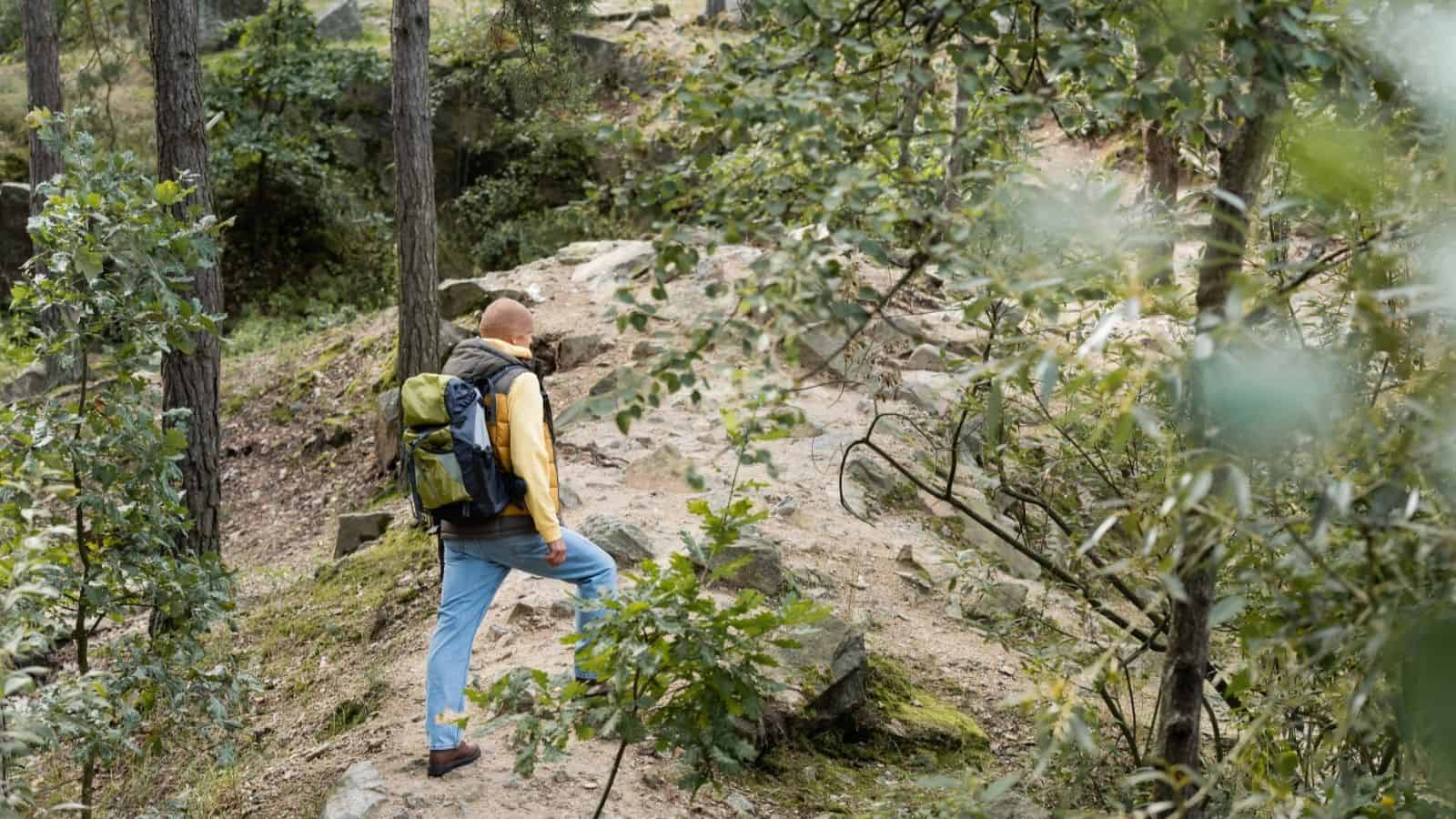
Packable Down Jacket
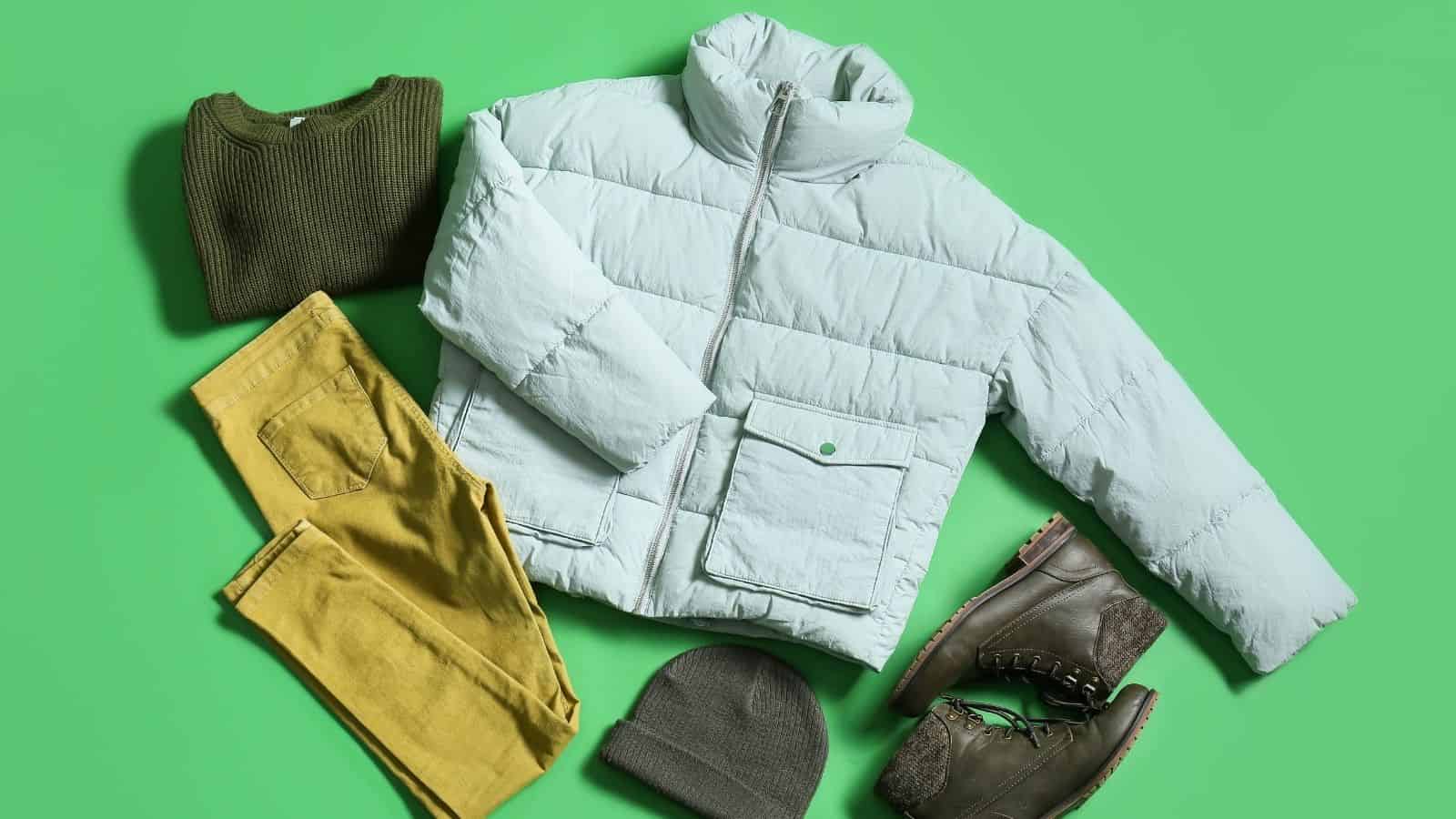
A lightweight down jacket gives hikers a warm layer without taking up much room in a backpack. Temperatures can drop quickly at higher elevations, after sunset, or when clouds and wind move in. Look for one that compresses into a small pouch so it is easy to carry even when the forecast looks warm. Down works best as an insulating layer rather than your main rain protection, so pair it with a waterproof shell when wet weather is possible.
Rock Climbing Pants
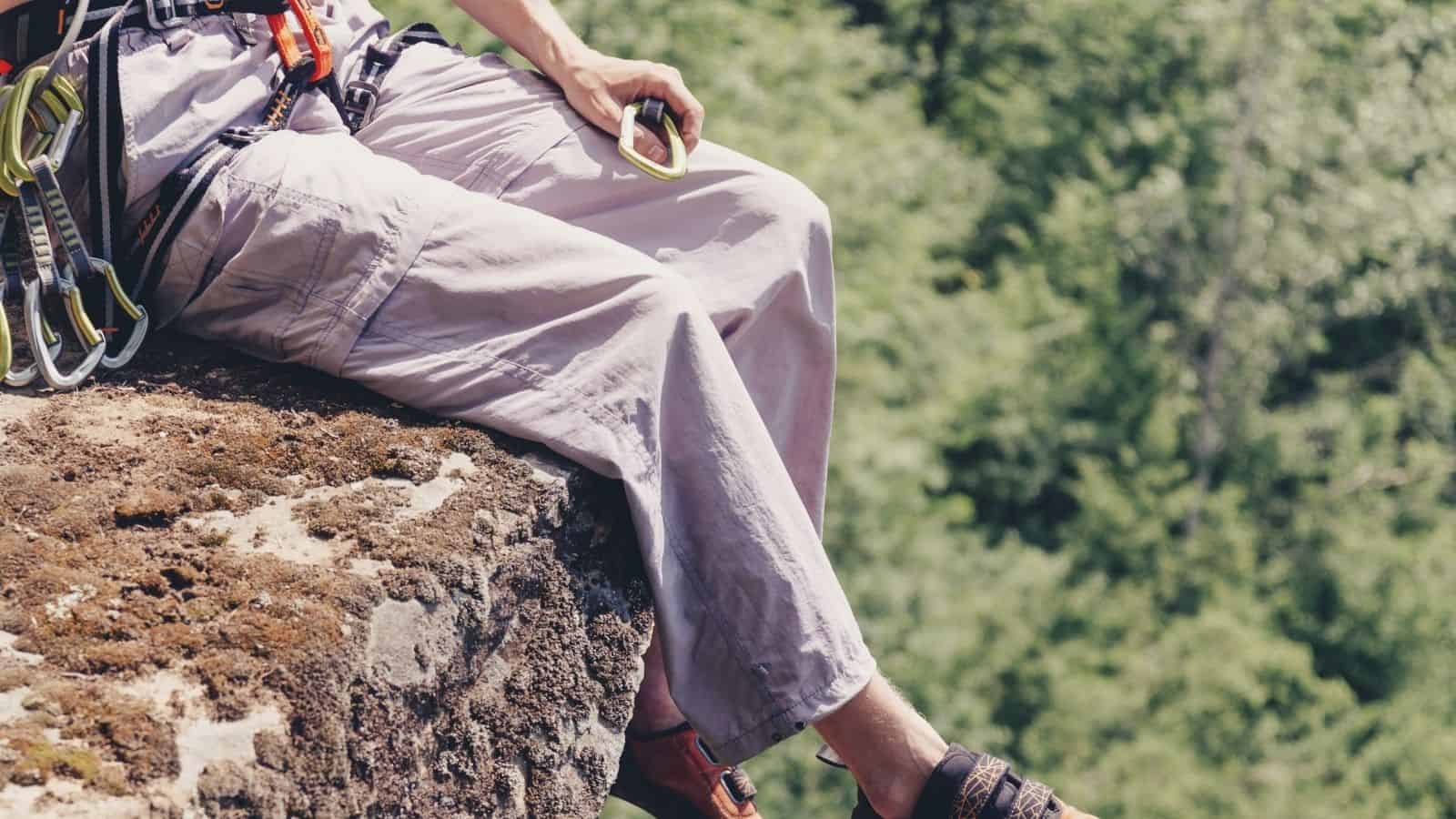
Rock climbing pants are useful well beyond technical climbing. Their flexible fabric and roomy construction make scrambling, steep climbs, and long trail days more comfortable than hiking in jeans or restrictive pants. Many options are lightweight, abrasion-resistant, and quick-drying, which helps when trails become wet or muddy. Zippered pockets are also useful for keeping small essentials secure, like the Kailas Durable Softshell Pants. Choose a pair that allows unrestricted movement and can comfortably accommodate a base layer underneath when temperatures fall.
Waterproof Rain Shell
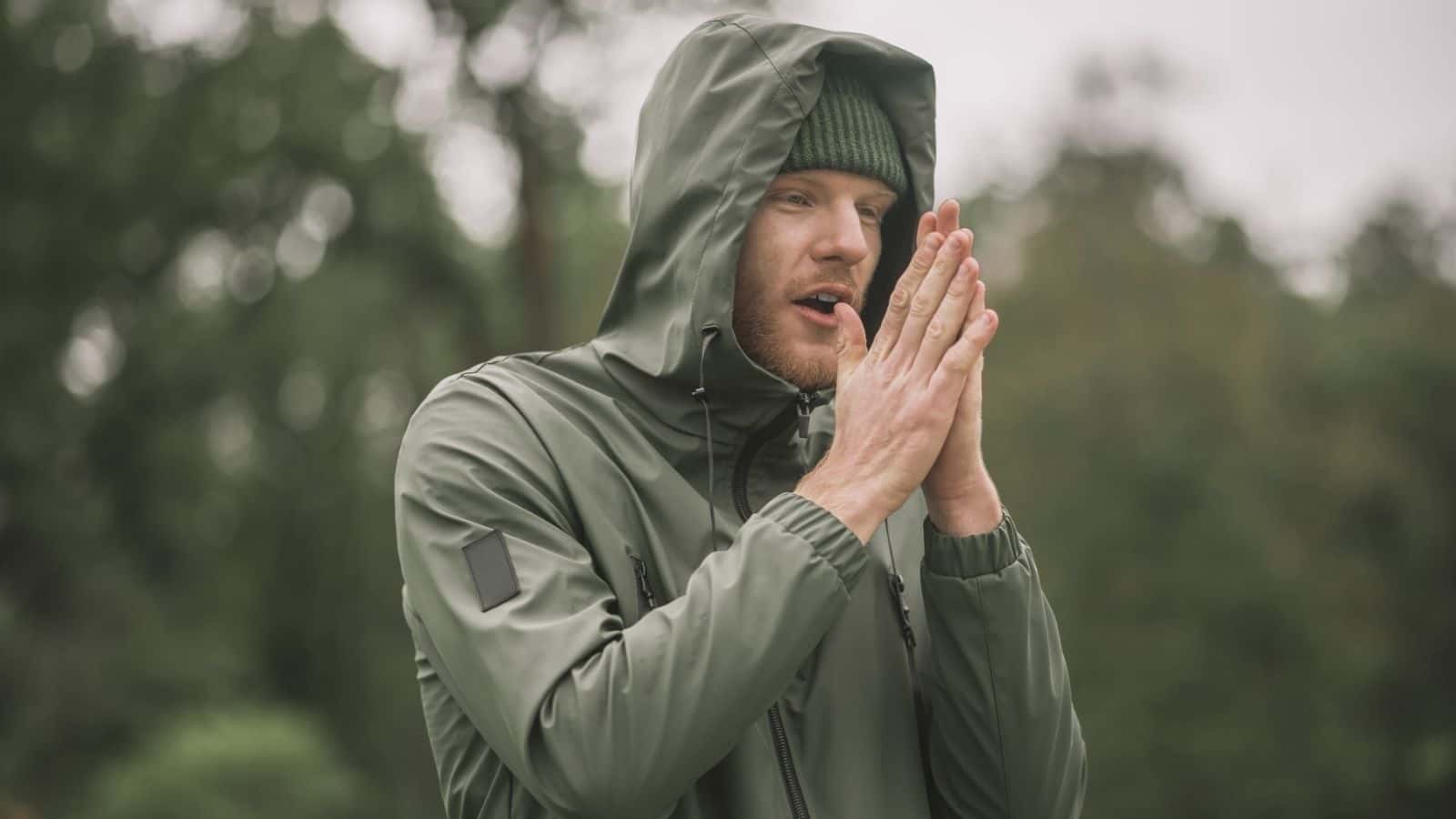
A A dependable rain shell can turn an unexpected storm from a trip-ending problem into a manageable inconvenience. Choose a lightweight waterproof jacket that packs easily and has enough room underneath for insulating layers, like the Kailas MONT X GORE-TEX Hardshell Jacket. Breathability matters because hiking generates heat even when the outside temperature is cool. Adjustable cuffs, a secure hood, and sealed seams provide additional protection when wind accompanies the rain. Keep the shell somewhere accessible rather than buried at the bottom of your backpack so you can put it on quickly.
Waterproof Hiking Boots
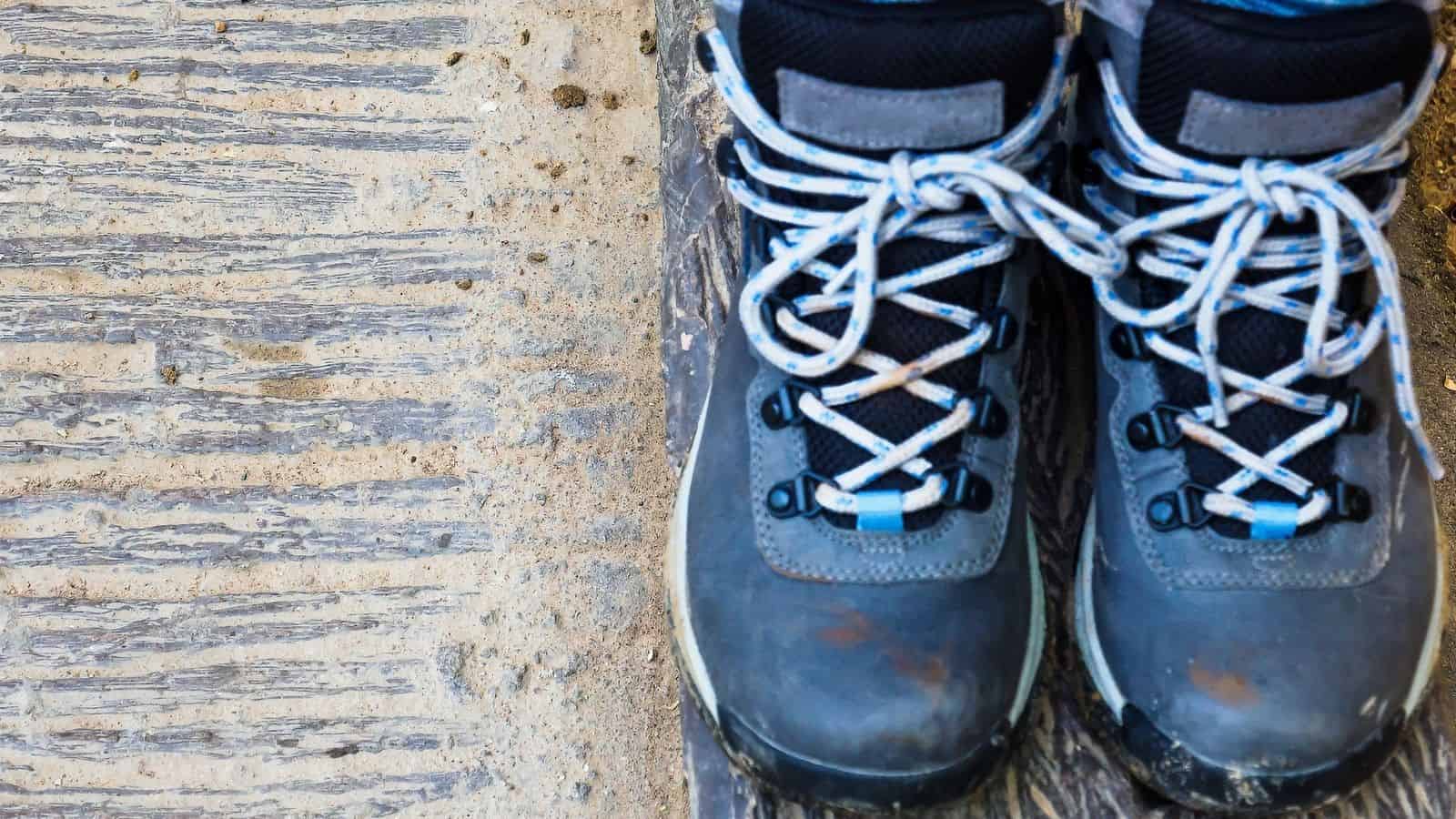
Trail conditions can change rapidly after rain, particularly on mountain routes where puddles, mud, and small streams may appear unexpectedly. Waterproof hiking boots help keep feet dry while providing traction on slippery surfaces. Look for a pair with a supportive sole and enough grip for loose rock and wet terrain, like the Kailas YAN GTX MID Waterproof Trekking Shoes. Boots should already be broken in before a longer hike, since new footwear can quickly cause blisters. Pair them with moisture-wicking hiking socks rather than cotton, which holds moisture against the skin.
Moisture-Wicking Base Layers

Layering works best when the clothing closest to your skin manages Layering works best when the clothing closest to your skin manages moisture effectively. Merino wool and synthetic base layers move sweat away from the body and dry faster than cotton, making the Kailas XM2 Merino Wool Half-Zip a practical option for changing trail conditions. This becomes particularly important when temperatures drop after a strenuous climb because damp clothing can make hikers feel cold surprisingly quickly. A lightweight long-sleeved base layer takes up little backpack space and can be added when conditions change. For colder routes, thermal leggings can also fit comfortably underneath climbing or hiking pants.
Compact Emergency Blanket

An emergency blanket weighs almost nothing but can become important if a hike takes longer than planned or someone becomes injured. The reflective material helps reduce heat loss while waiting for assistance or sheltering from unexpectedly cold conditions. It can also serve as temporary protection from wind or damp ground. Emergency blankets are not substitutes for proper clothing, navigation, or preparation, but their tiny packed size makes them worth carrying. Keep one inside an emergency kit alongside basic first-aid supplies.
Want to save this?
Headlamp With Spare Power

Bad weather can slow a hike considerably, turning a planned afternoon return into an evening descent. A headlamp leaves both hands free for balance, trekking poles, or scrambling and is much more practical on trails than relying on a phone flashlight. Carry spare batteries or make sure a rechargeable model has enough power before leaving. A headlamp is worth packing even for daytime hikes because delays caused by storms, navigation problems, injuries, or slower-than-expected trail conditions can easily push a hike past sunset.
Offline Map and Navigation Tools

Clouds, fog, and heavy rain can obscure landmarks and make familiar-looking trails much harder to follow. Download an offline map before leaving reliable service and carry a backup navigation option when heading into remote terrain. A paper map and compass are useful if you know how to use them. Phones should be fully charged, with a power bank available for longer routes. Weather can also force hikers to abandon the original route, making it important to know alternate trails, shelters, and safe turnaround points.
Trekking Poles

Trekking poles become particularly useful when dry trails suddenly turn muddy, slippery, or unstable. They add extra points of contact with the ground and can improve balance on steep descents, stream crossings, loose rock, and wet surfaces. Adjustable poles are easier to shorten for climbs and lengthen for descents, while collapsible versions can be attached to a backpack when they are not needed. They also reduce some of the strain placed on knees during long downhill sections, especially when carrying a loaded pack.
Weatherproof Emergency Kit
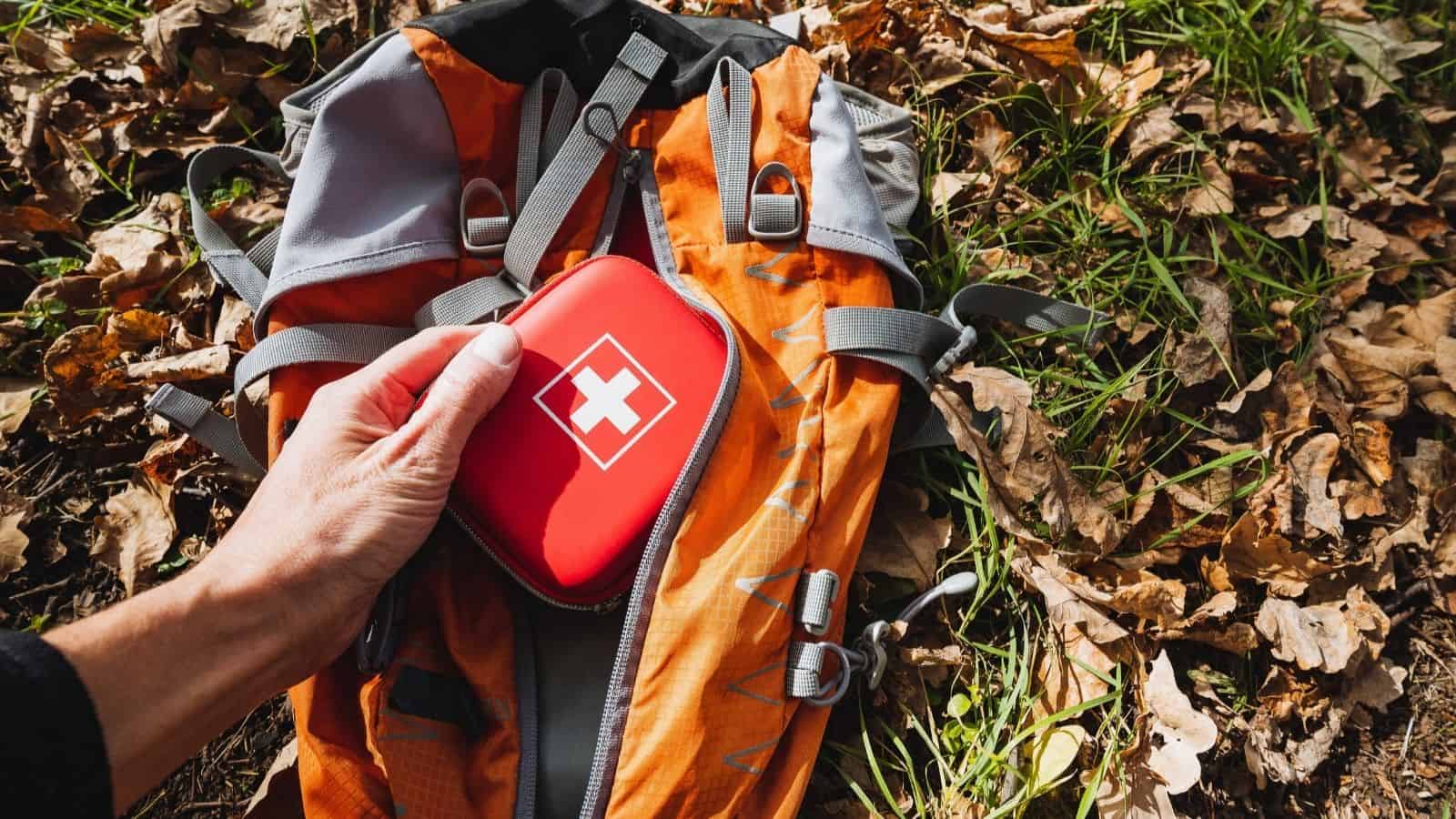
A small emergency kit should cover problems that become more serious when weather deteriorates. Include basic first-aid supplies, blister treatment, a whistle, fire-starting supplies where appropriate, an emergency blanket, extra food, and a small amount of backup water or a purification method. Sunscreen also belongs in the pack because unpredictable weather includes sudden sun exposure, not just rain and cold. Keep everything protected in a waterproof pouch. The goal is to carry enough essentials to handle an unexpected delay without making the backpack unnecessarily heavy.
10 Destinations With Surprisingly Affordable Hotels Under $200

Finding a good hotel does not always mean spending several hundred dollars a night. This article features destinations with surprisingly affordable hotels under $200, focusing on places where travelers can often find comfortable, well located stays without taking up most of their vacation budget. In some destinations, that price can even cover amenities or locations that would cost much more elsewhere.
Read More Here: 10 Destinations With Surprisingly Affordable Hotels Under $200
9 U.S. Lake Towns Made for a Late Summer Family Weekend

Late summer is a good time to squeeze in one more family trip before school schedules take over. This article features U.S. lake towns made for a late summer family weekend, focusing on places where swimming, boating, easy hikes, and time by the water can fill a few days without requiring an overly packed itinerary.
Read More Here: 9 U.S. Lake Towns Made for a Late Summer Family Weekend


Leave a Reply