
Long flights can be tiring, but a few simple habits can make the journey much easier. This article features tricks that make long flights more comfortable, focusing on practical ways to stay rested, organized, and comfortable from takeoff to landing. Small adjustments can have a bigger impact than many travelers expect.
Preparing before the flight and making smart choices once onboard can help the hours pass more comfortably. These tips can reduce discomfort and leave travelers feeling better when they arrive. Keep reading to see which tricks are worth trying on your next long-haul flight.
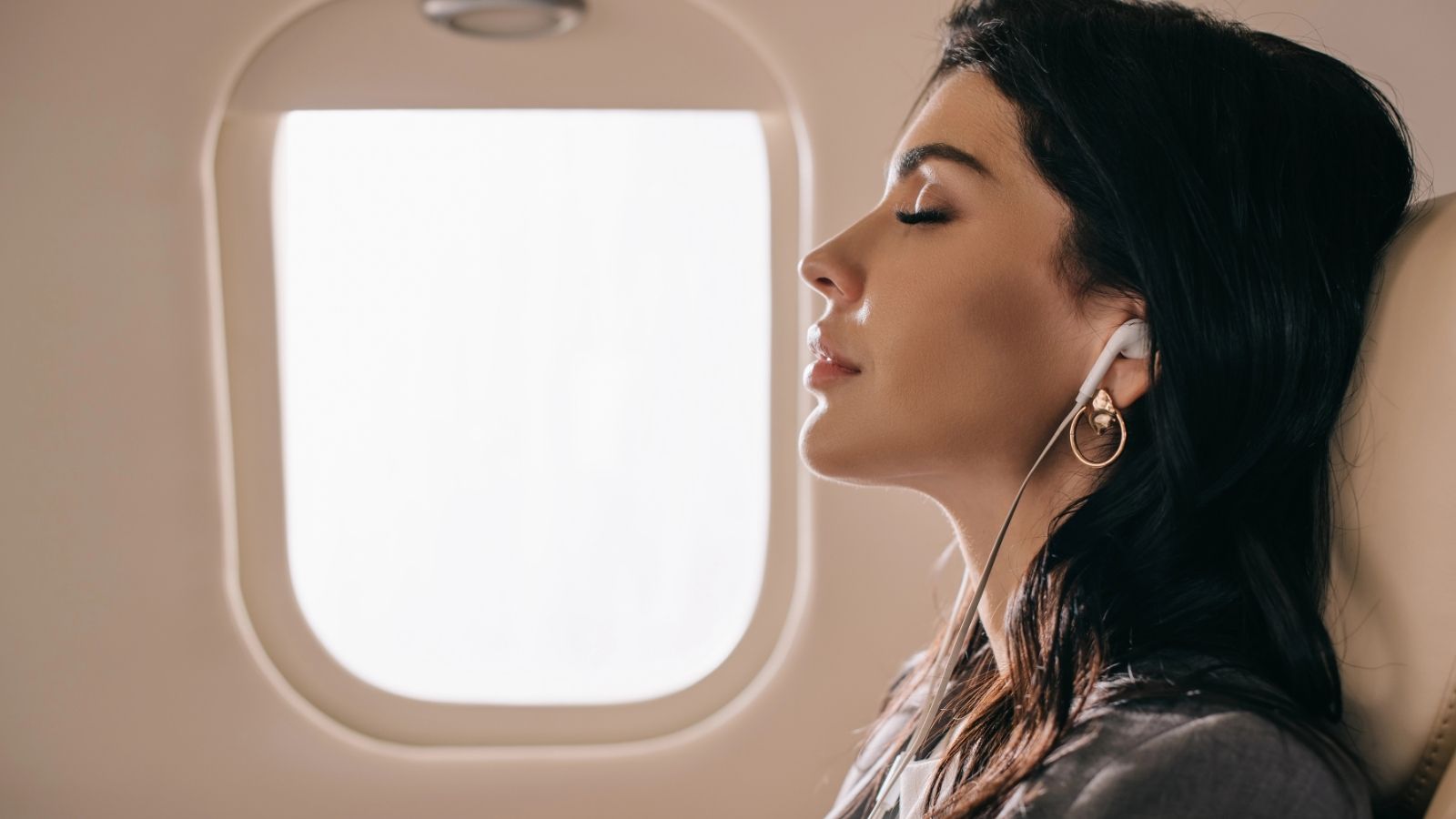
Use Light to Support Your Body Clock

Cabin lighting and window shades can affect how alert or sleepy you feel. Use an eye mask when it is nighttime at your destination, and seek light when it is daytime there. Lower your screen brightness before resting, especially on overnight flights. You do not need to follow the new time zone perfectly, but making small adjustments during the flight can help. Managing light carefully may also make the first day after arrival feel less exhausting.
Break the Flight Into Smaller Sections
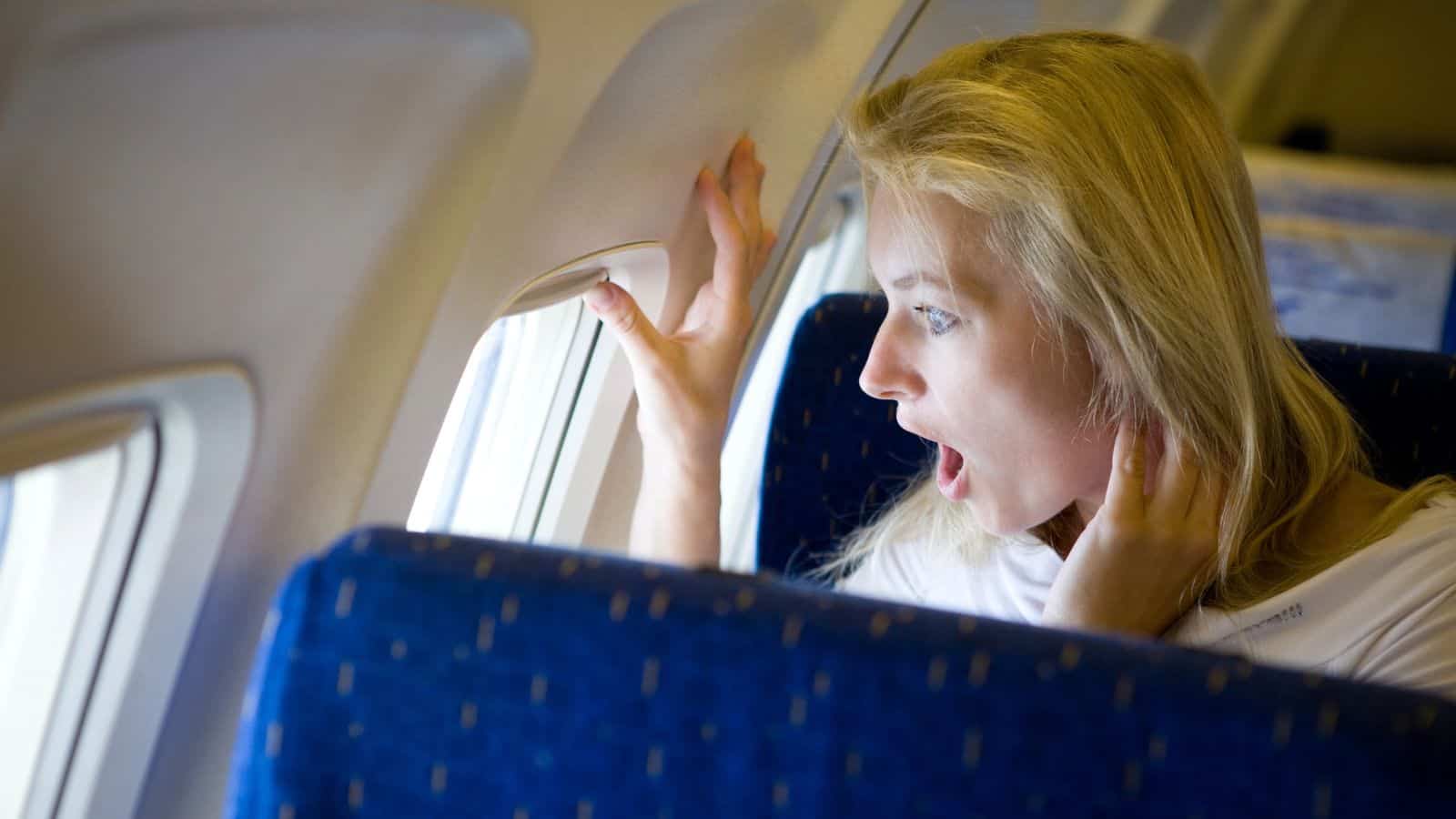
Thinking about ten or twelve hours at once can make the trip feel endless. Divide the flight into smaller blocks, such as a meal, one movie, a walk, a nap, and a podcast. Each activity gives you a short milestone to reach instead of watching the clock constantly. The flight map can help you track progress, but avoid checking it every few minutes. Moving from one planned activity to another makes the time feel more manageable.
Plan When You Eat
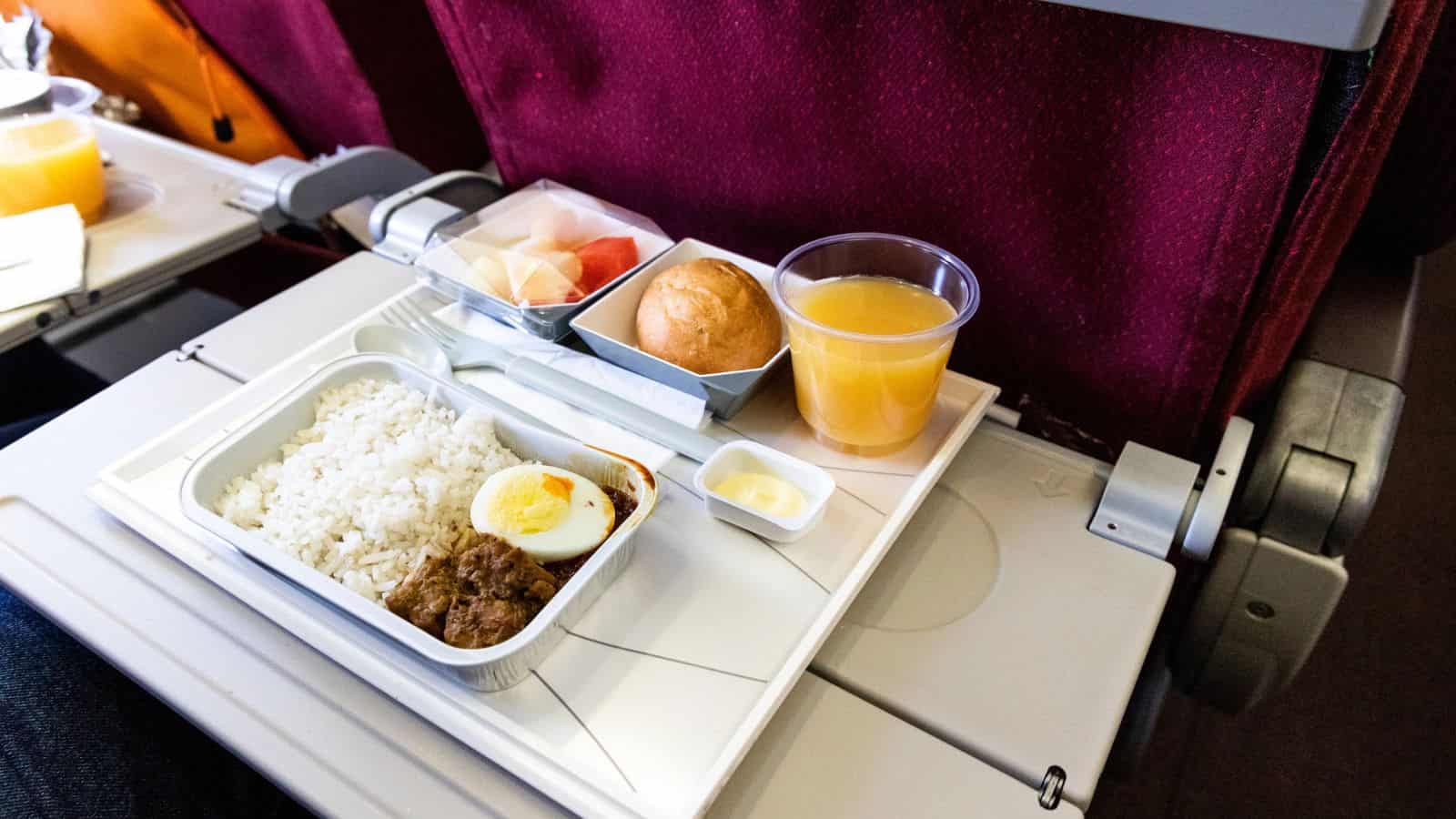
Airline meal times do not always match your normal routine or the time at your destination. Eating a light meal before boarding gives you more control if service happens at an inconvenient hour. Choose foods that are filling without being too heavy, and carry a few snacks in case you get hungry between services. Nuts, fruit, crackers, and granola bars travel well. Spacing meals carefully can prevent sluggishness, bloating, and unnecessary wake-ups during the flight.
Choose Your Seat Carefully
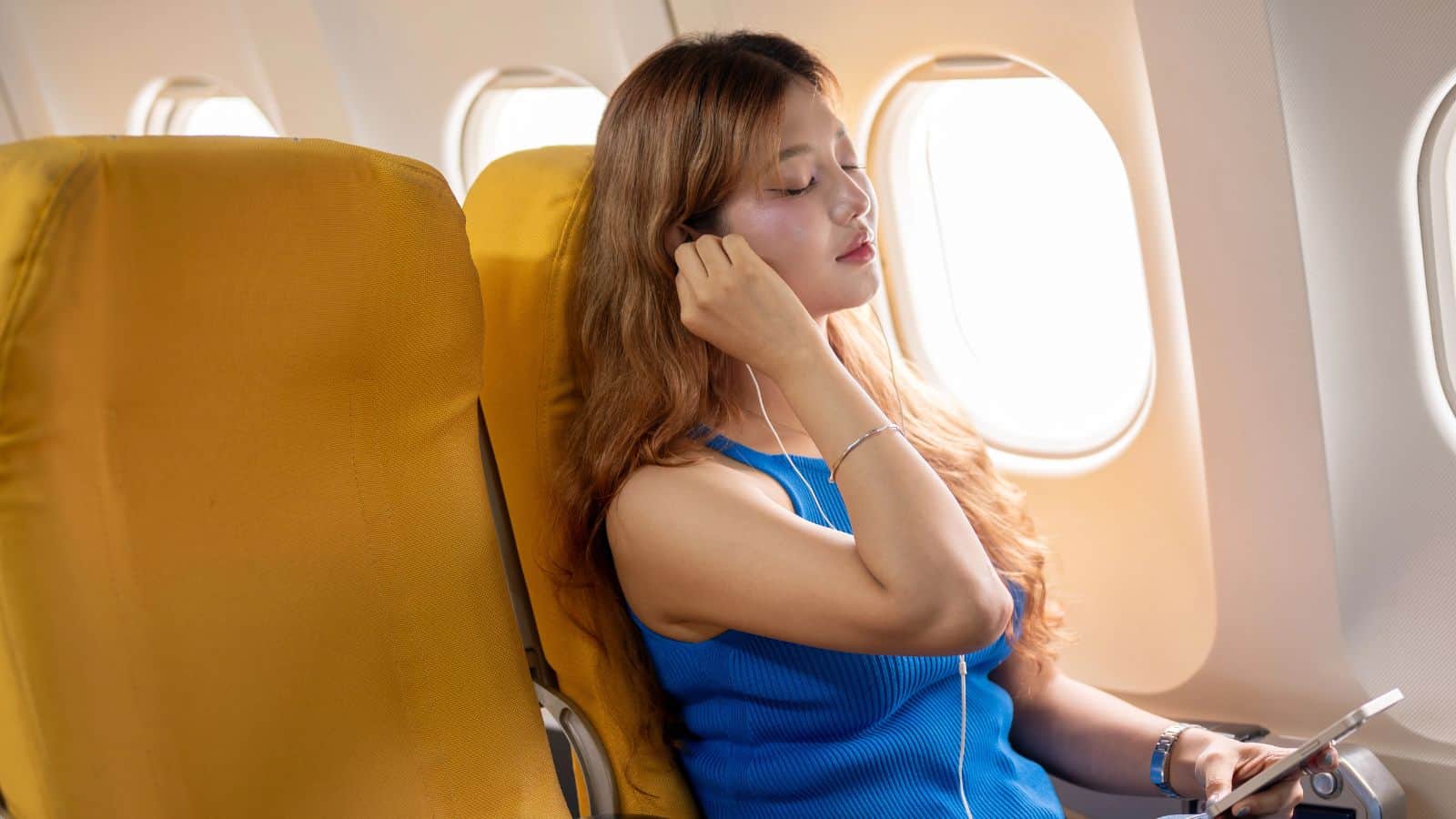
Your seat can shape the entire flight. A window seat works well if you plan to sleep, while an aisle seat makes it easier to stretch and use the restroom. Check the aircraft map for rows near galleys, restrooms, or seats with limited recline. Extra-legroom seats may be worth the cost on a long route. Recheck the map before departure since better seats sometimes open when other passengers change plans or receive upgrades.
Download Entertainment Before Boarding

In-flight entertainment can be unreliable, and onboard Wi-Fi may be slow or expensive. Download a mix of movies, shows, podcasts, books, and music before leaving home. Include both short and long options so you can choose based on your energy level. Check that everything works in airplane mode, and pack wired headphones in case Bluetooth is restricted. Having several choices ready keeps you from spending the flight repeatedly scrolling through the same limited menu.
Organize Your Carry-On for Easy Access

Keep the items you will use most in a small pouch or personal bag under the seat. Chargers, medication, tissues, lip balm, snacks, headphones, and an eye mask should not be buried in the overhead bin. Grouping similar items together also keeps you from searching in the dark while other passengers are sleeping. A well-organized carry-on helps you settle faster and reduces the number of times you need to stand up or open the overhead compartment.
Want to save this?
Dress in Adjustable Layers

Cabin temperatures can change several times during the same flight. Wear soft, breathable layers that are easy to add or remove, and keep warm socks nearby. A lightweight sweater, scarf, or hoodie can help when the air conditioning feels too strong. Avoid tight waistbands or stiff clothing that becomes uncomfortable after several hours of sitting. Dressing for comfort rather than appearance makes it easier to sleep, move around, and relax throughout the journey.
Keep Water Within Reach

Dry cabin air can leave you with a headache, dry skin, and low energy. Fill a collapsible reusable water bottle after security and sip throughout the flight instead of waiting until you feel thirsty. Because it folds down to save space when empty, it's easy to pack in your carry-on without taking up much room. Once you're through security, simply fill it up and keep it in the seat pocket or under the seat so it's always within easy reach. Coffee and alcohol can make it harder to rest, so balance them with extra water. Staying hydrated is one of the simplest ways to feel better during and after a long flight.
Create a Simple Sleep Routine
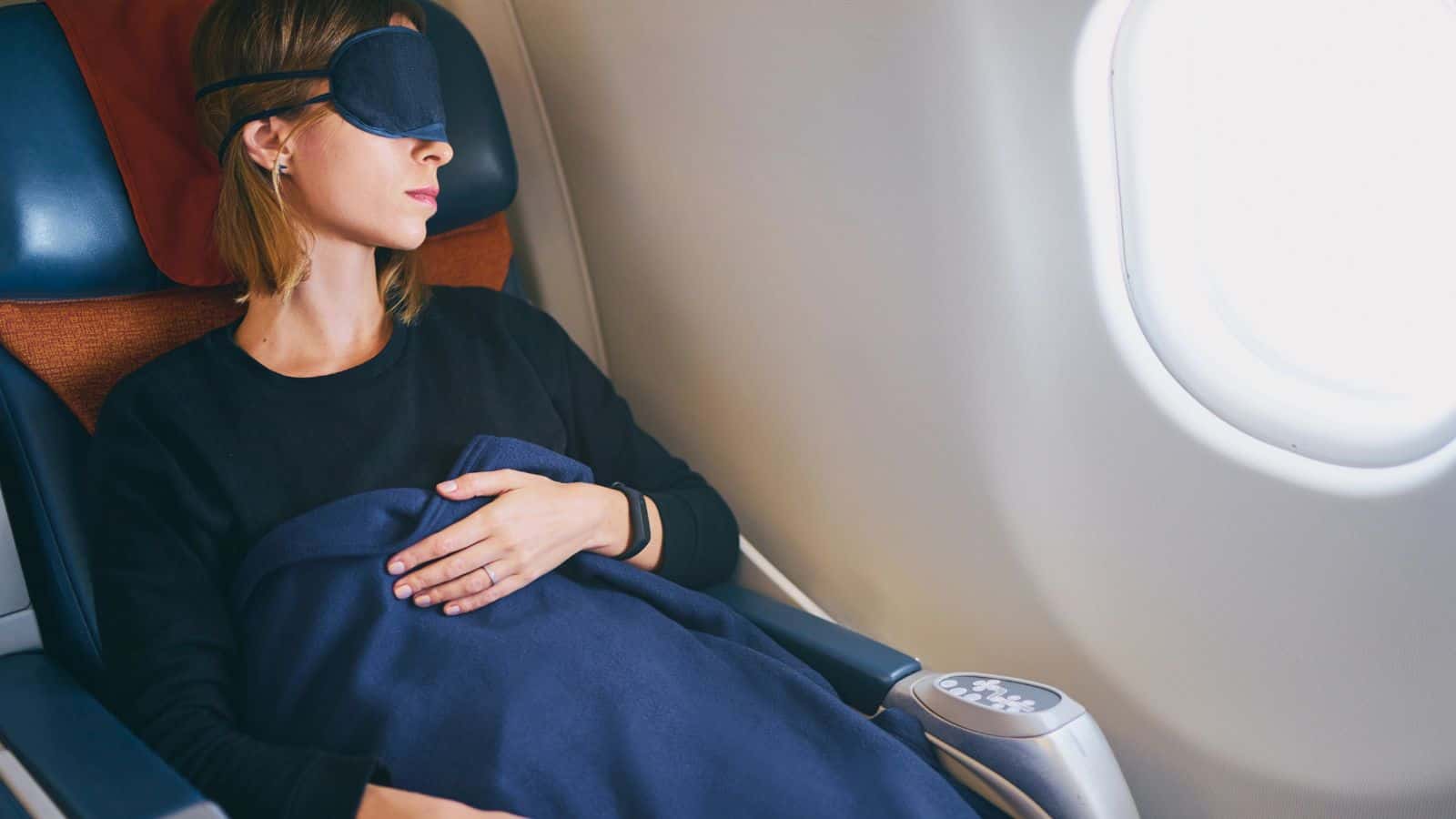
Familiar bedtime habits can help your body settle even when the cabin is bright and noisy. Bring an eye mask, supportive neck pillow, earplugs, and comfortable layers. Brush your teeth, lower your screen brightness, and listen to calm music before trying to rest. Avoid large amounts of caffeine late in the flight. Even if you do not sleep deeply, creating a quieter routine can help you relax and arrive feeling less worn out.
Move Before You Feel Stiff
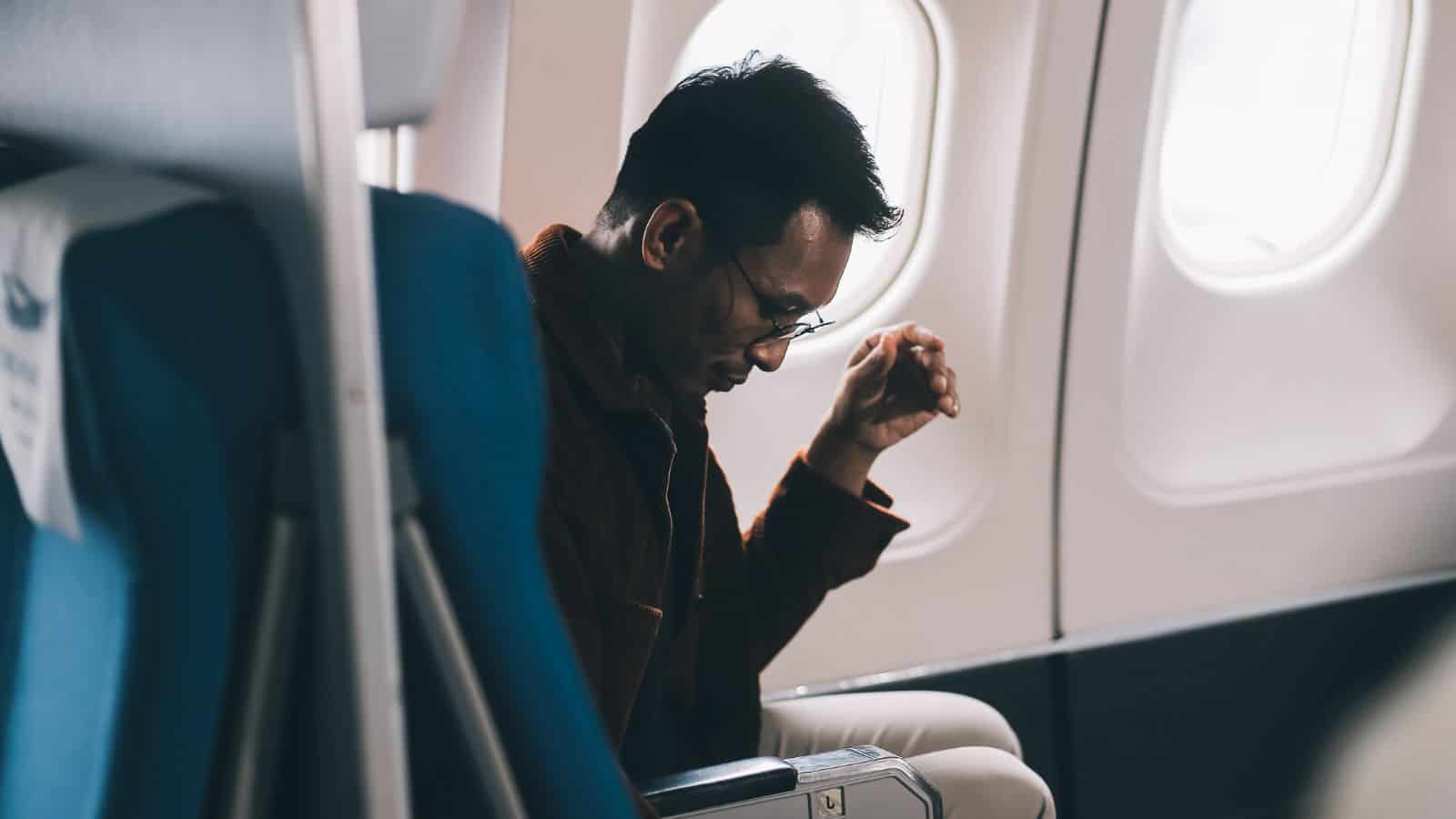
Waiting until your legs or back hurt makes a long flight harder than it needs to be. Rotate your ankles, stretch your calves, and roll your shoulders while seated. When the aisle is clear, stand up and walk for a minute every hour or two. Compression socks may also help travelers who experience swelling. Small, regular movements are easier than trying to undo hours of stiffness near landing and can make the entire journey feel less physically draining.
11 European Destinations Where Small Mistakes Draw Big Attention

Small mistakes can stand out more than travelers expect in certain destinations. This article features European destinations where small mistakes draw big attention, focusing on places where local rules, cultural expectations, and public behavior are taken seriously. Actions that seem minor to visitors can quickly attract the attention of locals, staff, or authorities.
Read More Here: 11 European Destinations Where Small Mistakes Draw Big Attention
9 Countries Where Road Rules Surprise First Time Visitors
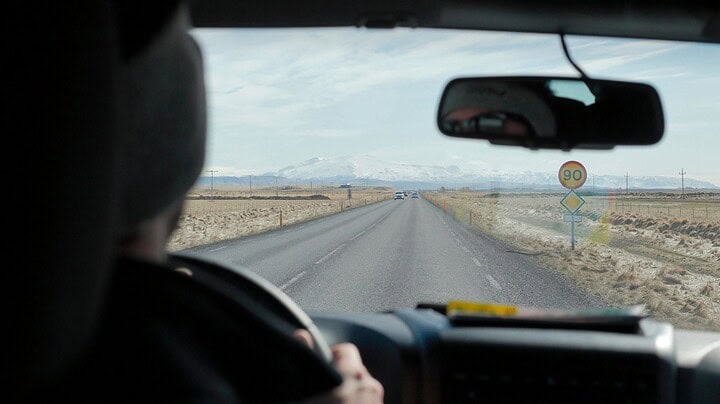
Driving in another country involves more than learning which side of the road to use. This article features countries where road rules surprise first time visitors, focusing on destinations where traffic laws, driving customs, and enforcement practices differ from what travelers expect. Small misunderstandings can quickly lead to confusion, fines, or stressful experiences behind the wheel.
Read More Here: 9 Countries Where Road Rules Surprise First Time Visitors




Leave a Reply