
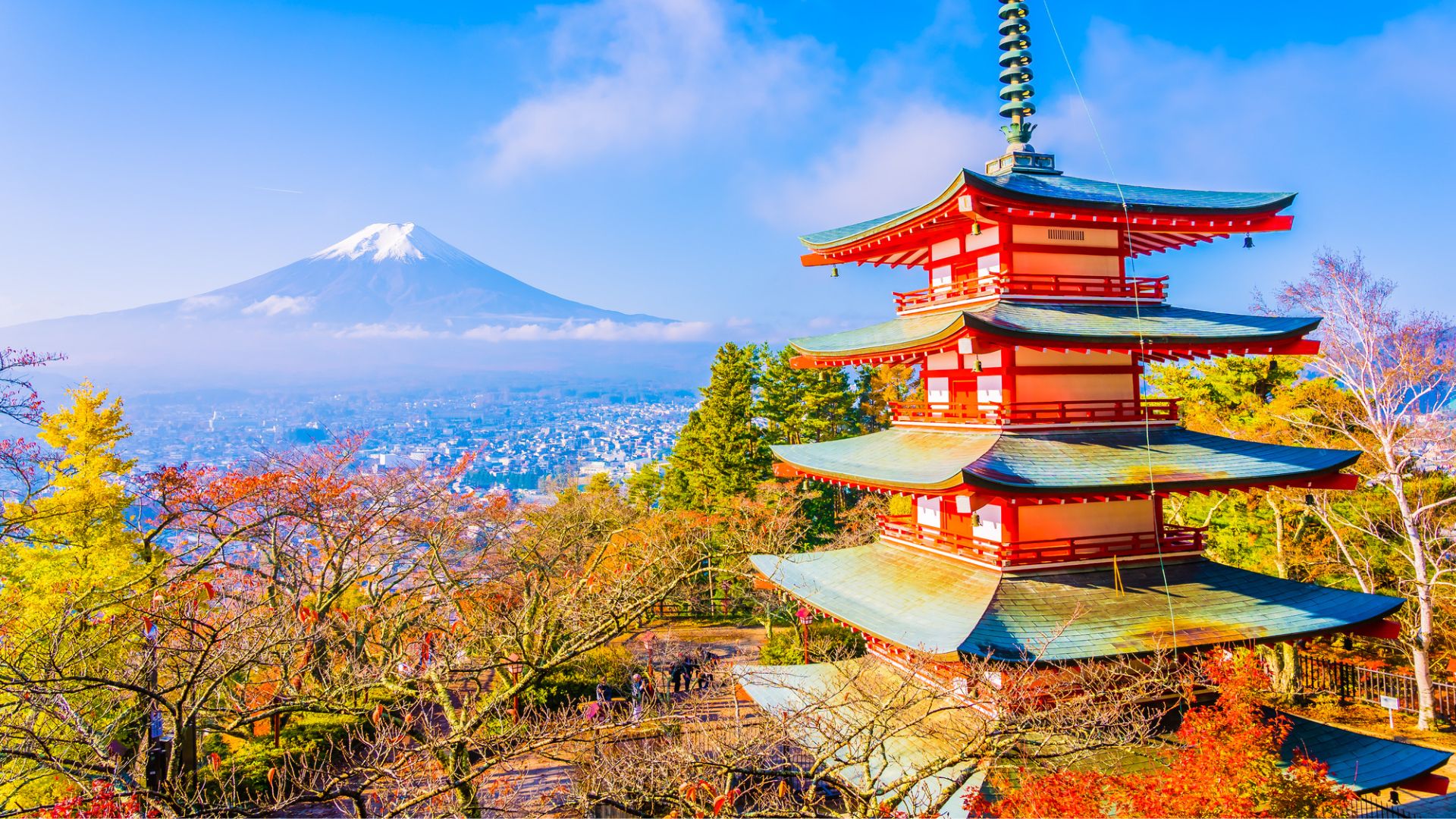
Traveling in Japan is unlike anywhere else, but it's the little things that surprise most visitors. The biggest mistakes aren't about where to go or what to see. They're the everyday customs, habits, and expectations that can make the difference between feeling like a tourist and traveling with confidence.
Jump to:
Japan has a way of raising the bar for every trip that follows. People rave about the food, the spotless streets, the efficient trains, and the feeling that everything just... works. It's the kind of place that leaves you planning a return visit before you've even unpacked your suitcase.
Then there are the surprises nobody really talks about. The quiet on public transportation. The lack of trash cans. The restaurant reservations that disappear weeks in advance. None of these things are difficult once you know about them, but they can catch even experienced travelers off guard.
That's especially true now that Japan is more popular than ever. More than 42 million international visitors arrived in 2025, making it the busiest tourism year in the country's history. Even so, Japan hasn't changed the little social customs that make everyday life run so smoothly. Visitors are simply expected to notice them and follow along.
Plan Your Trip
Save on fees abroad with the Wise Card—use it at ATMs, restaurants, and for flights or hotels in over 150 countries. Manage 40+ currencies in real-time with the Wise app.
Need Help Planning?
- Cheap Flights: Find the best deals.
- Accommodation: From hostels to luxury stays.
- Car Rental: Affordable options worldwide.
- Sightseeing Tours: Explore without breaking the bank.
- Travel Adapter: One adapter for all your needs.
- Travel Insurance: Don’t risk it—stay covered.
This post includes affiliate links, and as an Amazon Associate I earn from qualifying purchases. Read my full disclosure and privacy policy.
If you're planning a trip to Japan, especially your first one, think of this as the advice you wish someone had shared before you booked your flight. These are the things almost everyone gets wrong about traveling in Japan, along with simple tips to make your trip feel a whole lot easier.
Time Your Trip Right
Every season offers something different, so there's no single "best" time to visit Japan. Still, ask most travelers when they'd recommend going, and spring or autumn usually tops the list.
The Two Seasons Everyone Chases
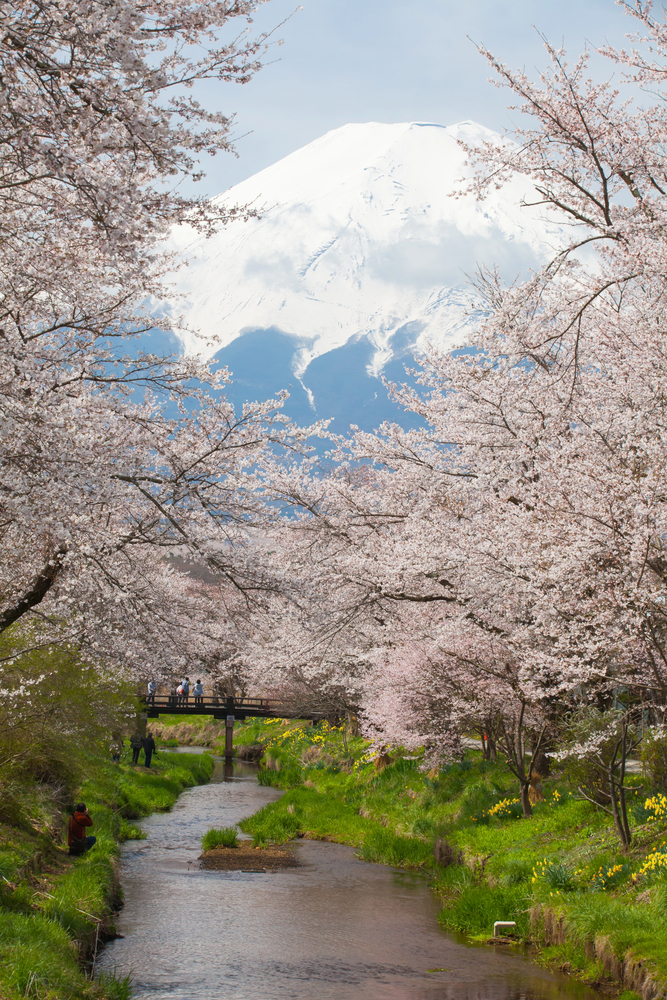
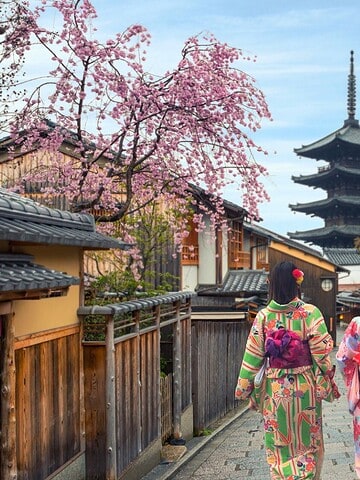
Japan in spring means cherry blossom season, roughly late March into early April, when the parks turn soft and pink for a couple of weeks.
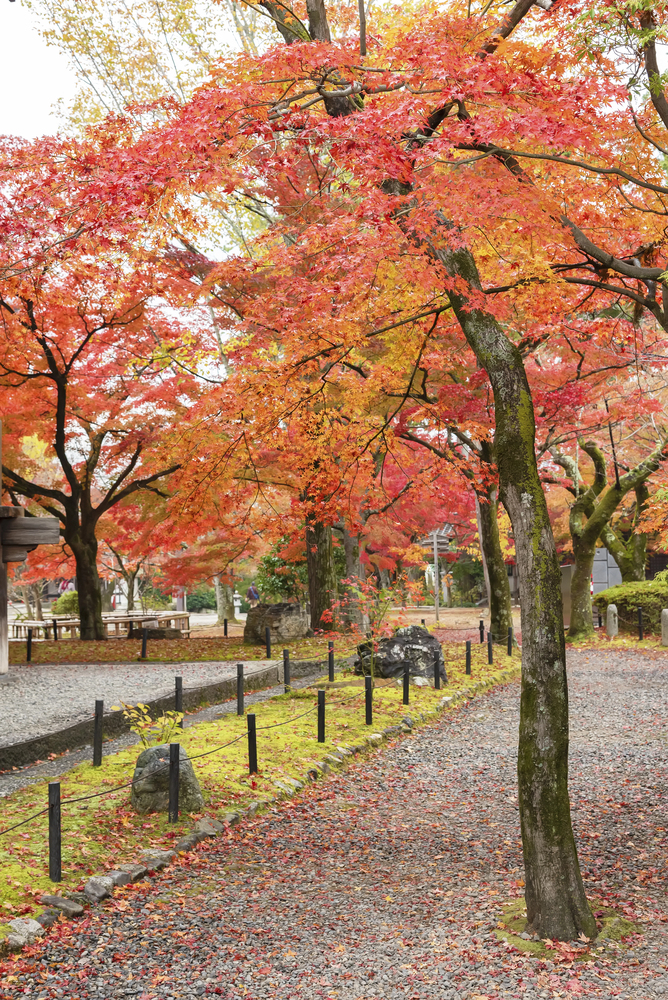
Autumn is the other great show, when the maple leaves burn red and gold. Whether you come in spring or autumn, you'll be lovely company for thousands of other people with the exact same plan, so book ahead.
The Week to Plan Around
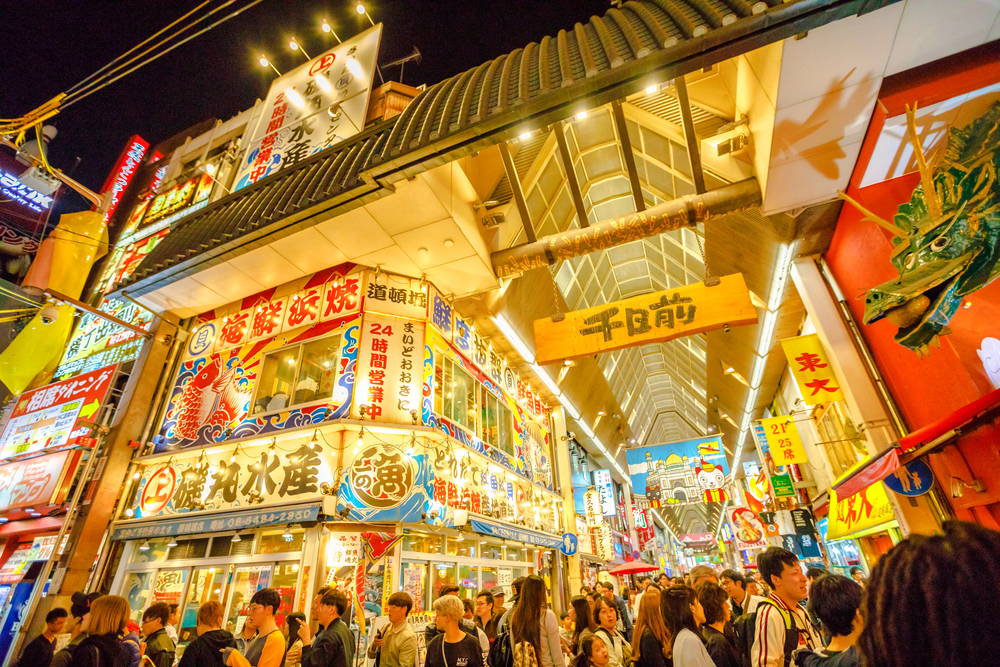
Golden Week runs from late April into early May, and it's when the whole country travels at once. It's the busiest window of the year, and everything gets more crowded and expensive in Japan during that stretch, from hotels to bullet train seats.
If you can dodge early May, do it. Late summer and early autumn also bring the risk of typhoon season, so watch the forecast. And don't write off winter, because the snow up north is some of the best anywhere.
Sort the Paperwork Before You Fly
No one plans a trip for the paperwork, but it's worth getting it out of the way early. If you're travelling to Japan, having the essentials sorted before you leave will save time, reduce stress, and let you focus on the fun parts of the trip.
Visas, SIMs, and Staying Online
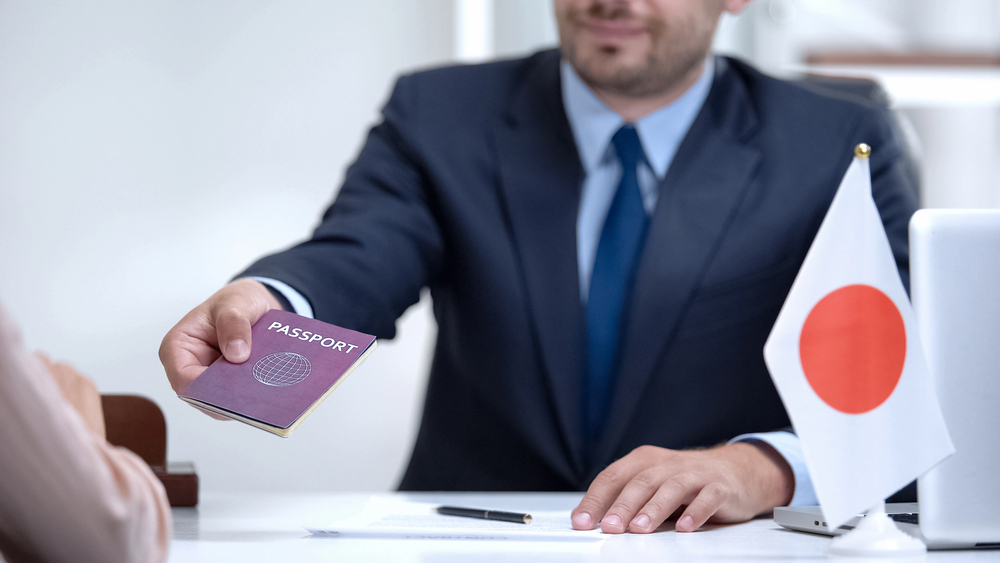
Start with your visa. Travelers from many countries can visit Japan for the first time visa-free for up to 90 days, but visa rules shift, so check your own before you book. Sort out travel insurance while you're at it, because a medical bill abroad is no place to gamble.
To stay online, grab a SIM card or an eSIM right in the arrivals hall at Narita, Tokyo Haneda, or Kansai, or order a local SIM card before you fly.
In the cities, plenty of people speak English, but out in the countryside there's a real language barrier and staff with little English, so a translation app helps when you can't find English speakers.
The Packing Rule That Lands People in Trouble
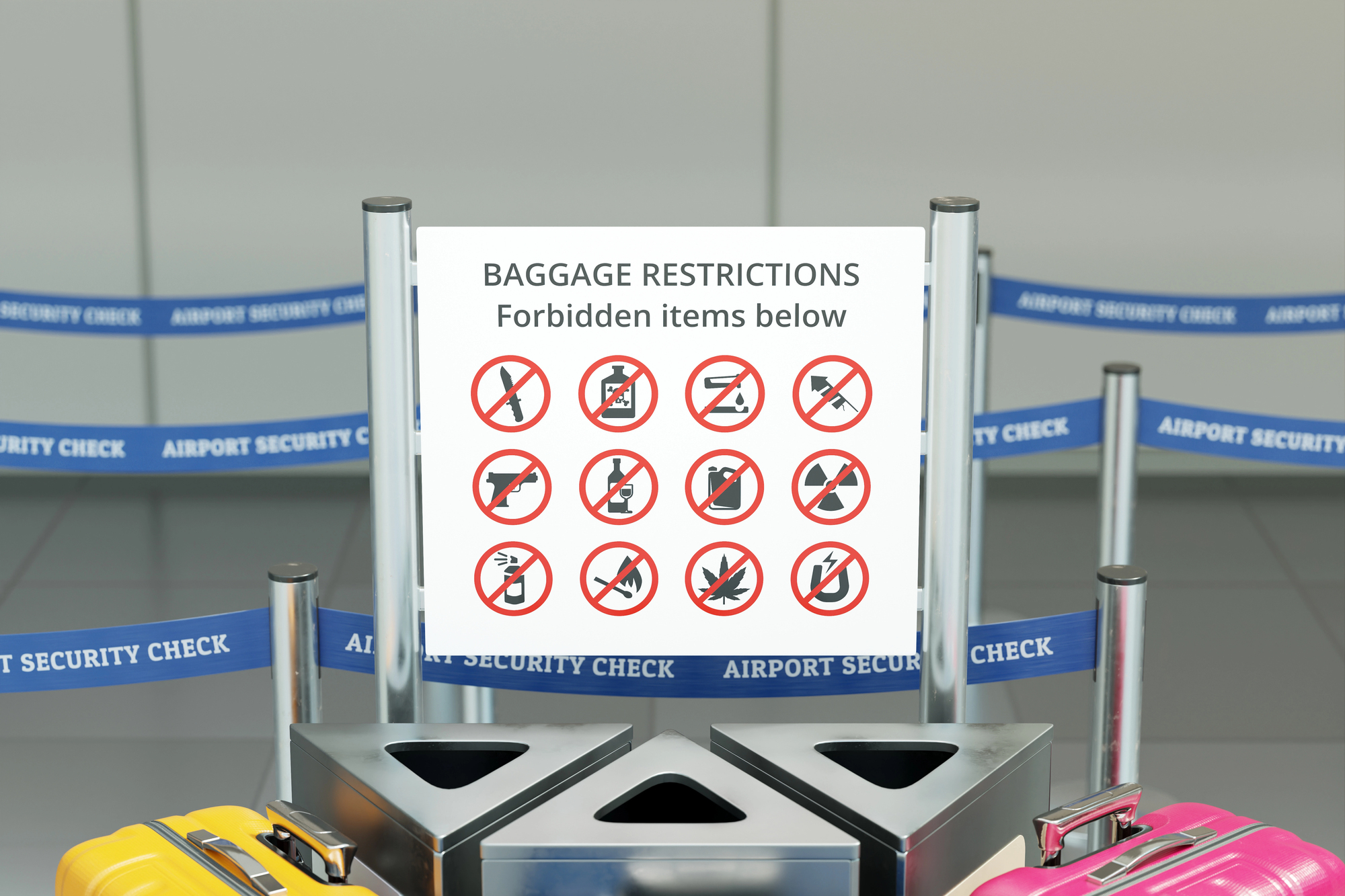
The rule that trips people up most is medication. Japan tightly controls certain substances and makes no exceptions for foreign prescriptions.
Stimulants like amphetamines, which include Adderall, are banned outright. So is marijuana, in any form. Common cold and allergy medicines that contain pseudoephedrine, like Sudafed and some Vicks inhalers, are restricted, and so is anything with codeine.
Read the active ingredients on everything in your bag and check them against Japan's rules. That one small step keeps a nasty surprise from meeting you at customs.
Blend in Like a Local
This is where most of the little slip-ups happen, and where they're easiest to dodge. The good news? Blending in mostly means doing less, not more.
Keep Your Voice Down
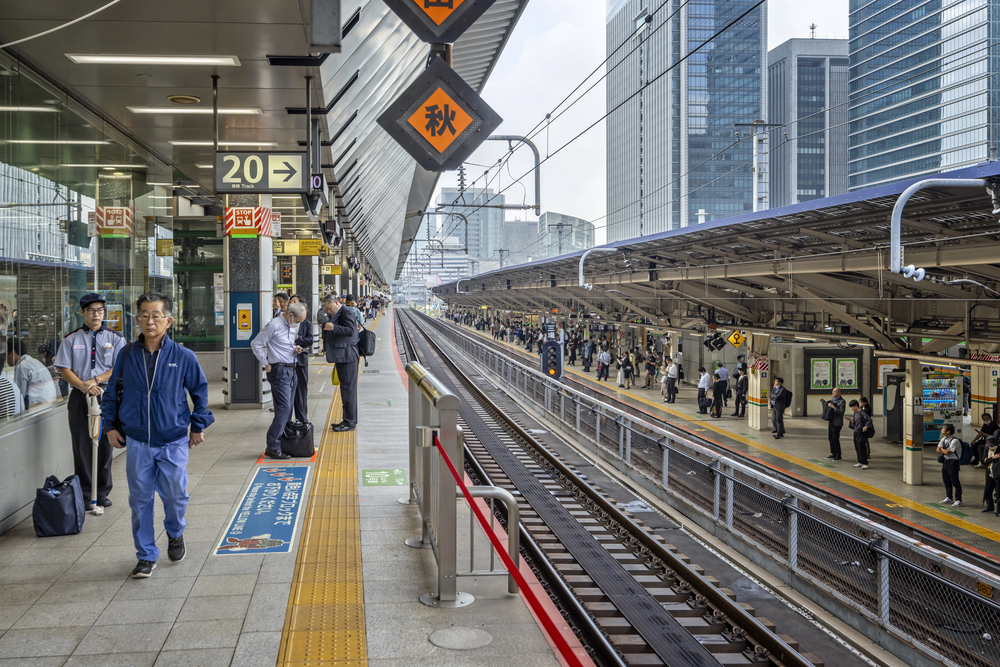
The thing that catches you off guard first is the quiet. Even with those record crowds, public spaces stay calm in a way that takes a day or two to sink in.
Talking loudly is considered rude, and it's even more so on trains and buses. You'll notice fast that phone calls just don't happen in those spaces.
If your phone rings, you let it go and call back once you're off. Japanese people keep their voices low almost everywhere, and once you match that, you'll blend right in.
Don't Snack on the Move
Eating while you walk is frowned on too, so food's meant to be enjoyed where you buy it. Grab your snack, step to the side, finish it, then carry on. The one happy exception is a festival or a street food market, where eating on the spot by the stall is half the fun.
Yes, You'll Carry Your Trash All Day
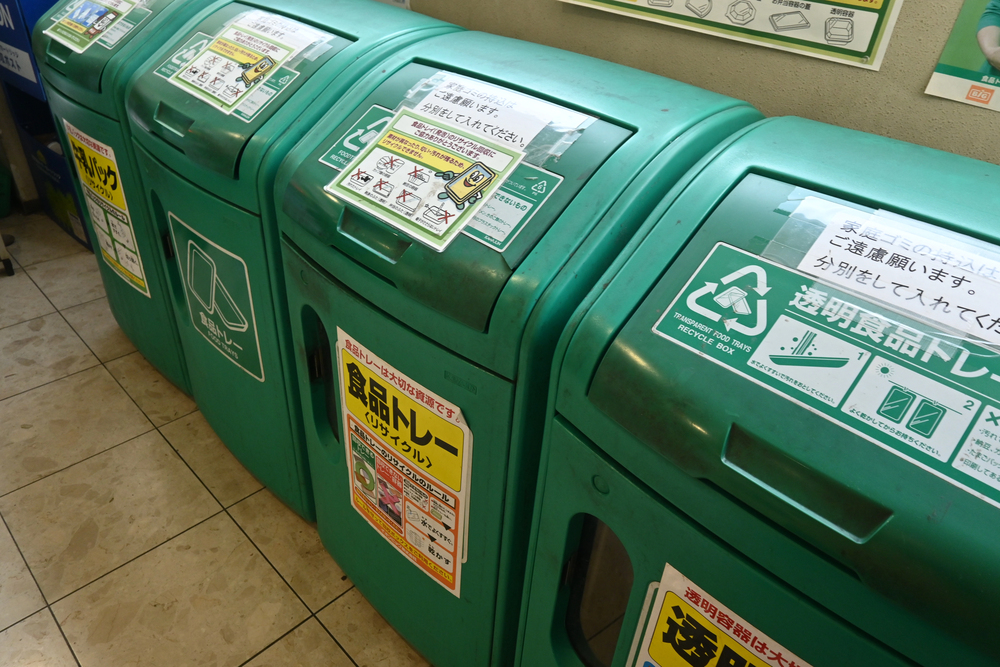
This one gets almost every traveller. Public trash cans are surprisingly rare.
Japanese people simply hold onto their rubbish until they reach a hotel or a convenience store, which almost always has a bin by the door.
Sounds like a hassle, right? It really isn't, once you expect it. Keep a small bag in your pocket, and you'll forget you ever worried about it.
Eat Like You Know What You're Doing
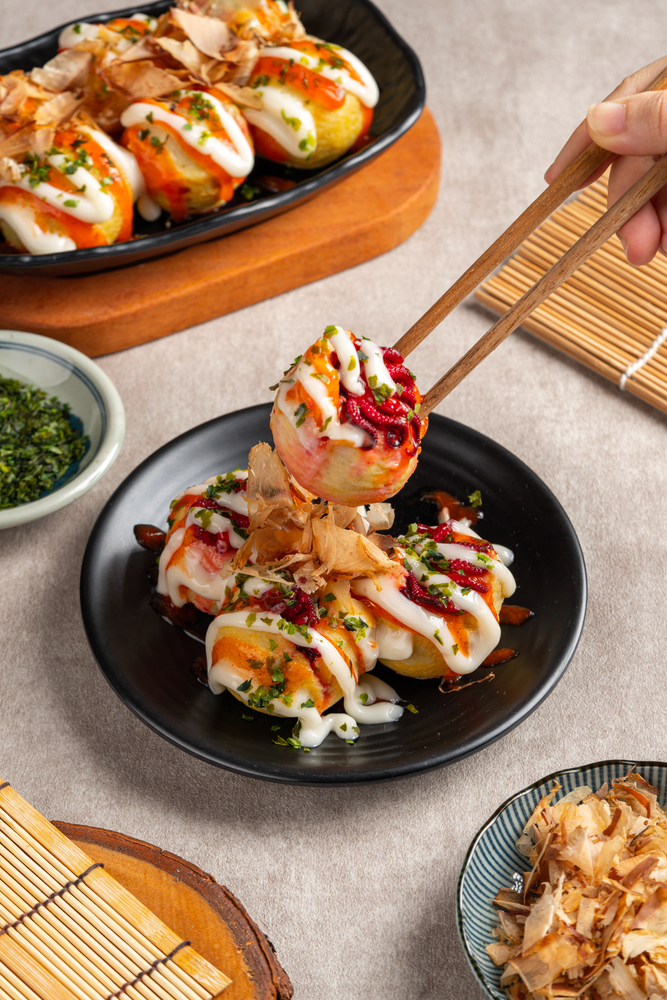
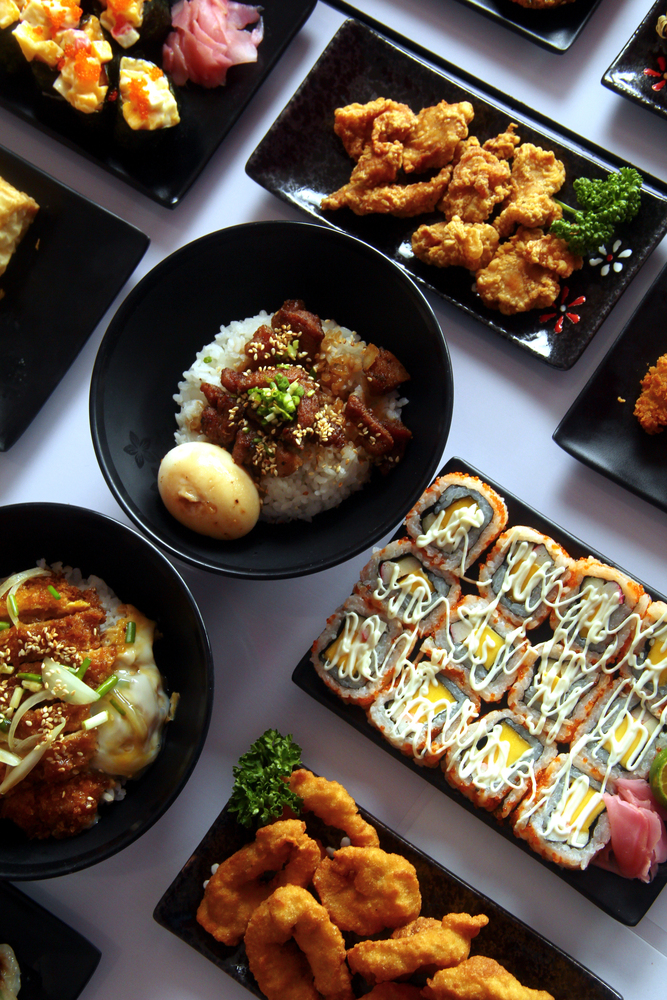
The food might be the whole reason you go. You can start the morning with fresh sushi and end the night with a deep, warm bowl of ramen, and both will stay with you long after you fly home. A few small habits will help you feel at ease at any table.
The Chopstick Rules Worth Knowing
Go ahead and slurp your noodles, because cooks take it as a quiet compliment that you're enjoying the bowl. But never stand your chopsticks upright in a bowl of rice, since that mimics a funeral custom and can be seen as bad luck.
In the same way, don't pass food chopstick to chopstick with someone. Rest them on the little holder when you pause.
Please Don't Leave a Tip
You don't tip anywhere in Japan, and this trips up a lot of first-timers. Good service is simply part of the job here, not something extra you pay for.
Leave cash on the table, and your server might well chase you down the street to hand it back. A warm thank you is all it takes.
Small Rooms, Quick Meals
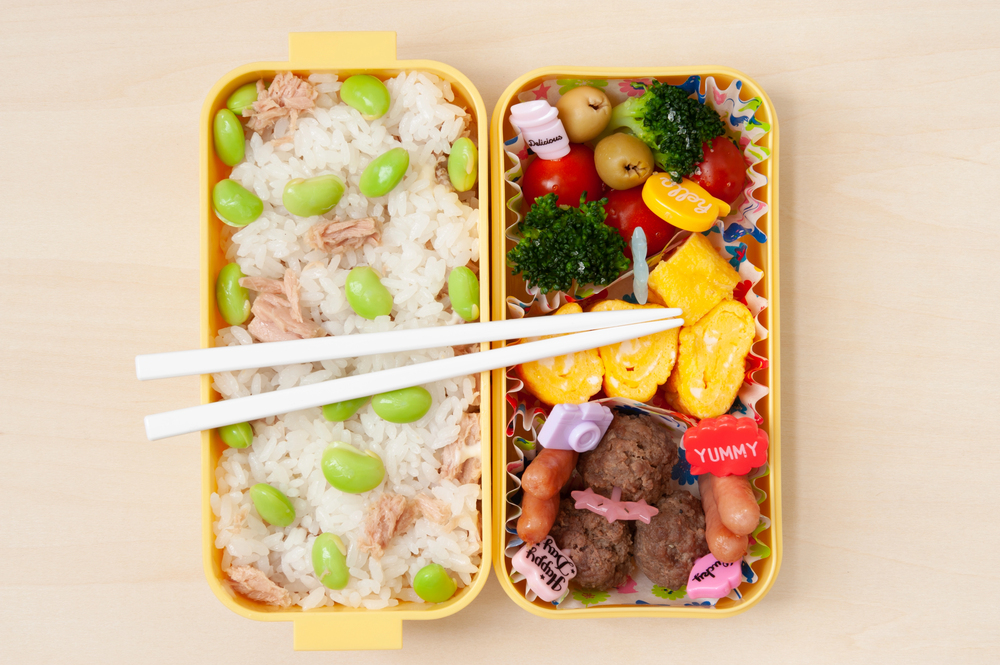
When a place is packed, you eat, tidy your spot, and go, so the next person can sit. Keep in mind too that plenty of the best restaurants in Tokyo take reservations only and turn away walk-ins.
And if you eat plant based, know that vegan options thin out in small towns, so scout ahead in Kyoto and Osaka where more kitchens cook for it.
Want to save this?
Heading somewhere by train? Grab a couple of bento boxes before you board, because eating on the bullet train is normal and the station meals are genuinely good.
Plan the Big Stuff Way Ahead
If I could underline one line in this whole post, it'd be this. The single most common mistake people make is showing up and hoping for the best. Japan rewards a bit of advance planning, so let me show you where it matters most. Book early and you'll thank yourself later.
The Tables and Tickets That Vanish
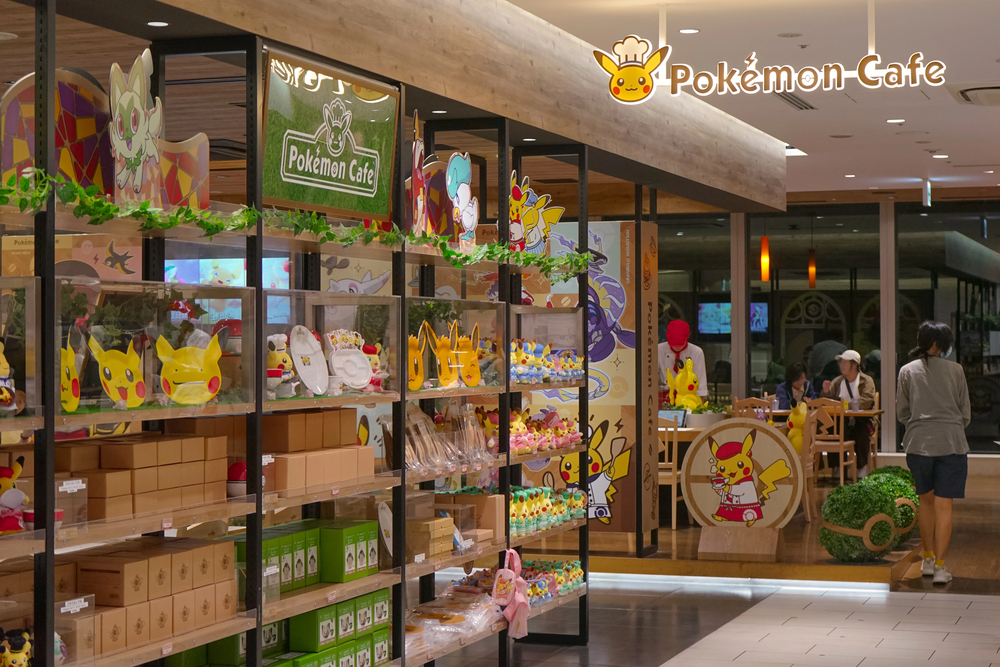
Many of the best restaurants in Tokyo take reservations only, and the beloved little counters book out weeks in advance.
The famous sights go just as fast. Shibuya Sky loses its sunset slots days in advance. TeamLab fills up on weekends and holidays. Even the Pokémon cafes in Tokyo and Osaka become nearly impossible once booking opens.
Don't Skip These, But Do Book Them
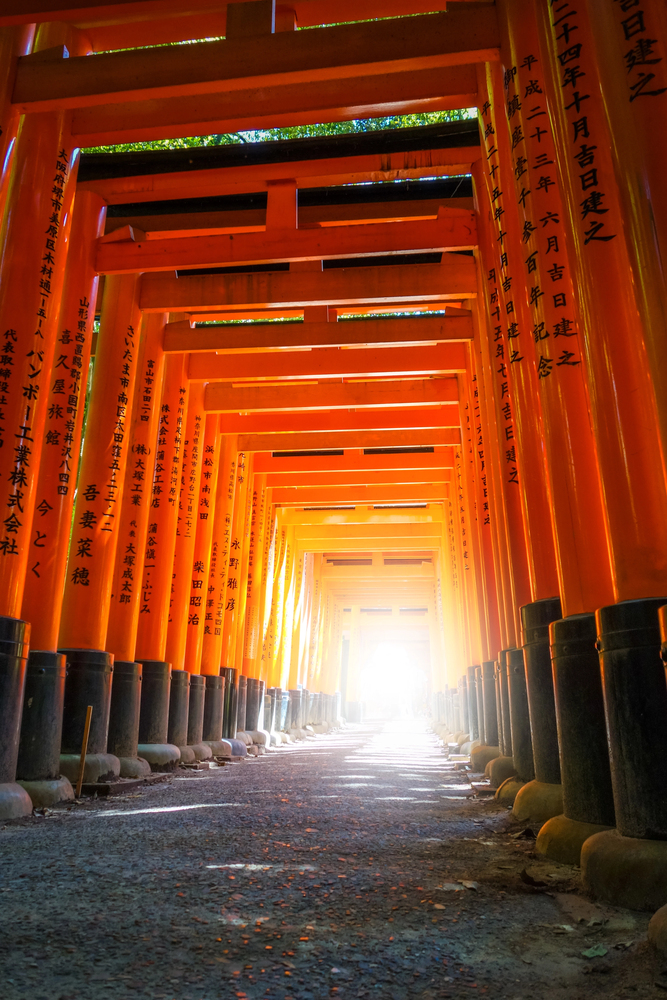
The same goes when you visit Kyoto, where the long tunnels of orange gates at Fushimi Inari Taisha are packed by mid-morning. Kyoto rewards an early start, whether you're at the Fushimi shrine or a quieter temple across town.
Over in Tokyo, you'll want a calm photo at Sensoji temple in the Asakusa district before the crowds land.
Into cosplay and games? The shops of Akihabara are far more fun with a little homework first. Find out when reservations open, mark the date, and book the second the window lifts.
Let the Apps Do the Work
A couple of tools make this painless. Klook is handy for buying attraction tickets, tours, and transport in one place, often at a small discount.
For the big-name sights, though, always check the official websites too, since some slots open there first and sell through before anywhere else gets them.
Look Beyond Tokyo
I get why people spend a week entirely exploring Tokyo. It's easy to do. But the country changes character as you move across Japan, and it'd be a shame to miss that. Getting around Japan is half the adventure.
The Easy Add-ons
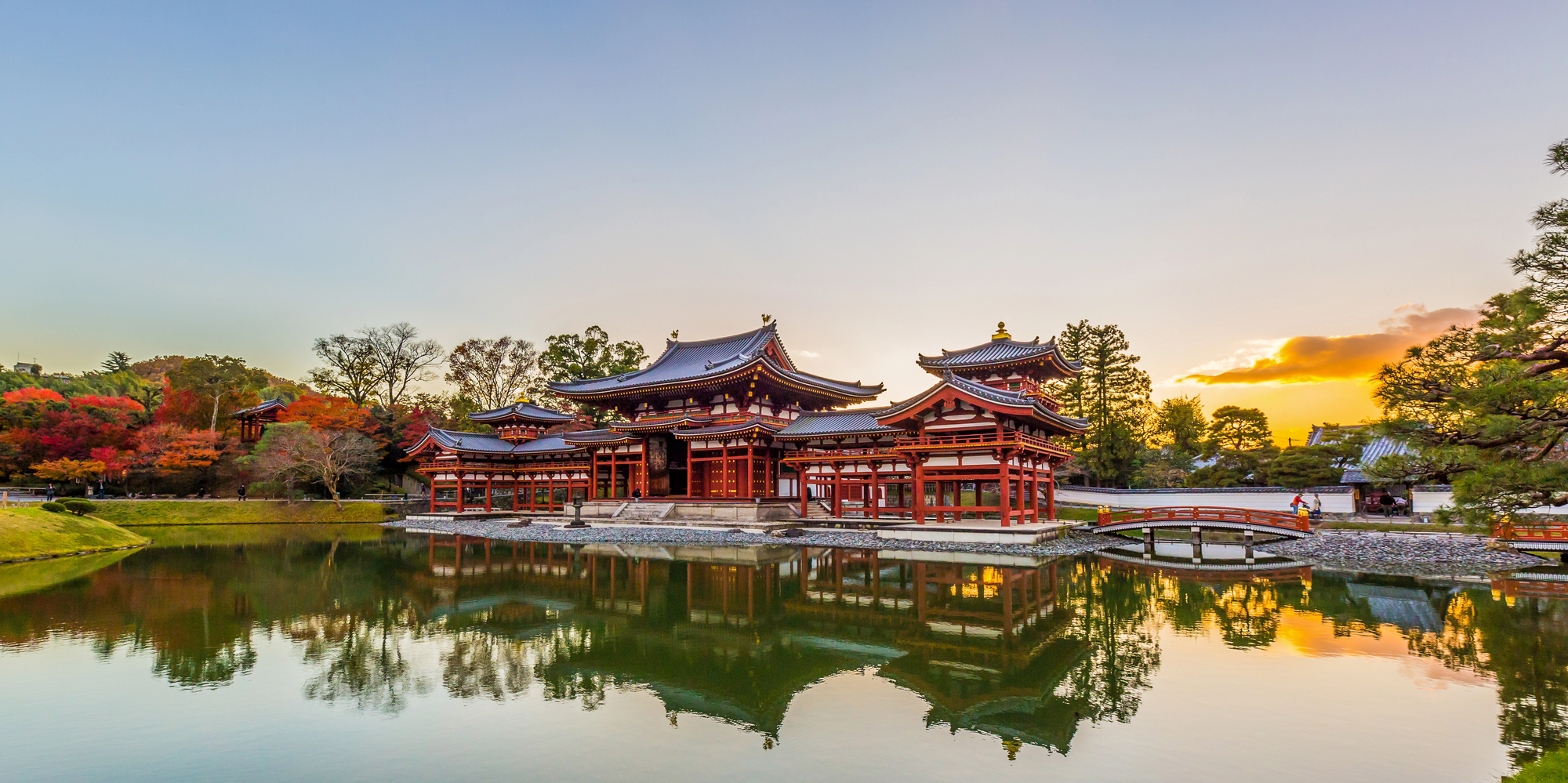
Kyoto and Osaka sit close together and make an easy pair, one full of old temples and gardens, the other loud, hungry, and fun.
Tokyo and Kyoto get all the attention, but a short hop from Kyoto and Osaka you'll find Nara, where you can walk among tame deer in a wide green park. It's a gentler slice of traditional Japan, and one of my favorite stops for travellers who want temple time without the rush.
Going a Little Further
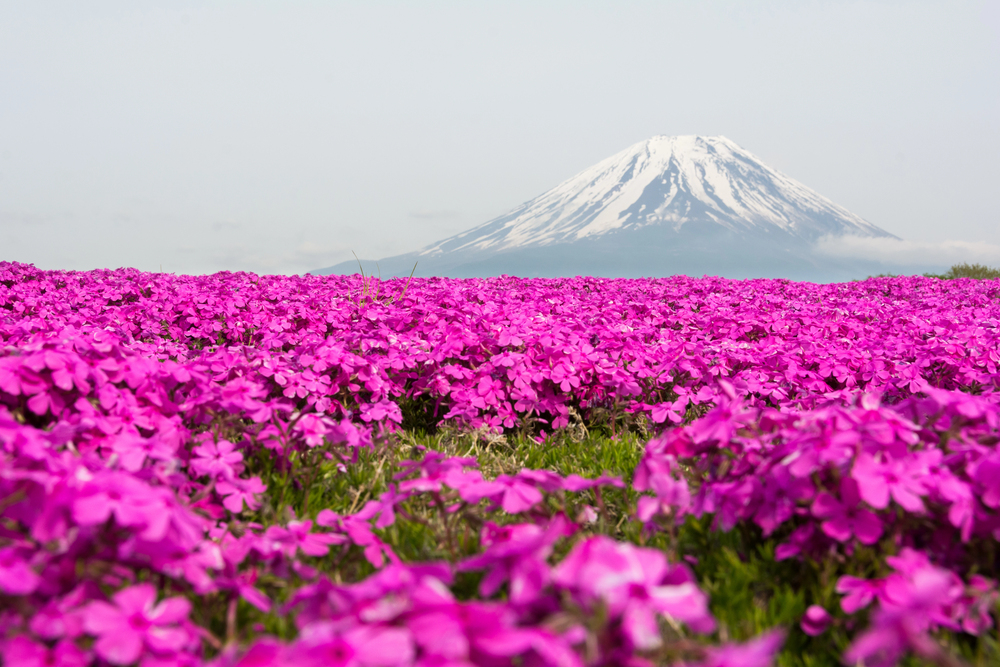
Down on the island of Kyushu, Fukuoka is warm and friendly, known for its street ramen stalls. Head the other way, and Hokkaido opens up, with the powder snow of Niseko drawing skiers to its ski resorts each winter.
Nagano gives you mountains and hot springs closer to Tokyo, while Okinawa, far to the south, feels like another country with its beaches and clear blue water.
Even a simple loop around the main island of Honshu, hitting a few places like Kyoto on the way, gives you far more than the city alone.
Master the Trains
The transport here is fast, clean, and almost scary in how on time it is. It's also a little confusing at first, so a bit of reading before you fly saves real stress at the platform. Most of your days will start with travel by train, so it pays to learn the basics.
Is the Rail Pass Actually Worth It?
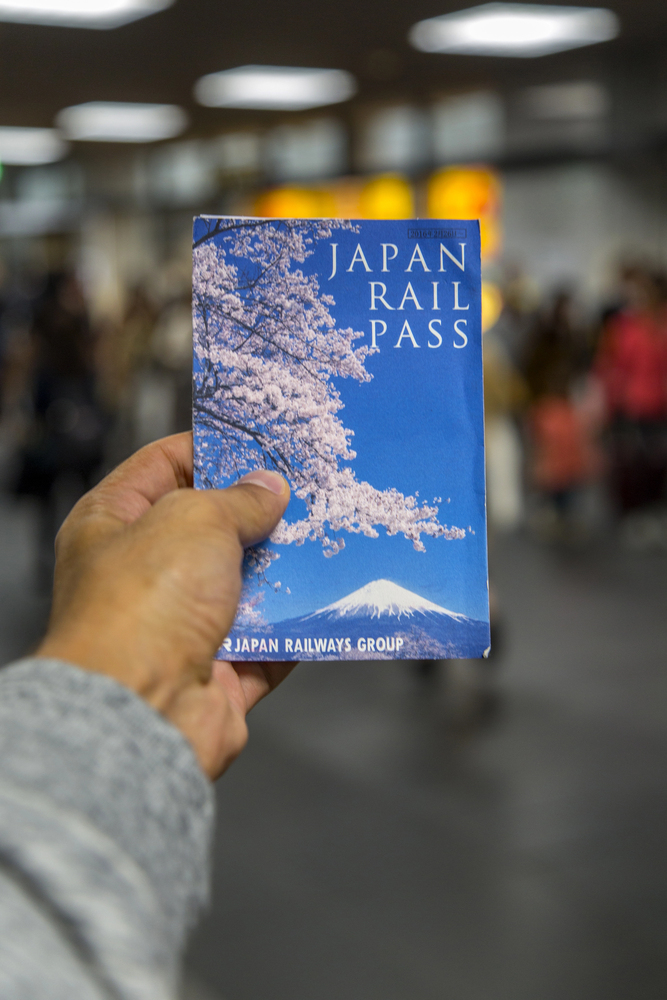
A lot of people assume the Japan Rail Pass is always the smart buy. It isn't anymore. The Japan Rail Pass gives you unlimited rides on most national trains, the shinkansen included, for a set run of days.
But a big price rise in 2023 changed the math, and for shorter trips, single tickets can cost less. Run your route through a JR Pass calculator first, because the savings depend entirely on how far you go by bullet train.
The Cards and Apps that Make it Simple
Inside cities, an IC card makes life easy. It's a rechargeable tap card that works on trains, buses, vending machines, and convenience stores, and it'll carry you through the biggest train stations without a fuss.
For directions, Google Maps is excellent in Japan for times and transfers, and Japan Travel by NAVITIME is worth downloading too, since it can filter for trains your pass covers.
Send Your Bags Ahead

If you're hopping between hotels with big suitcases, use a service like Yamato to send them ahead, usually overnight.
You hand your case to the front desk in the morning, and it's waiting at your next hotel. That frees you up to slip through busy train stations in Shinjuku with your hands free.
Out where the rail lines thin, you'll use buses more, and in wide open spots like Hokkaido or Okinawa, car hire is often the simplest way around. A slow train journey through the hills, though, is one of the quiet joys of the trip.
Sleep Somewhere Memorable
Accommodation here runs from very cheap to very grand, and my honest advice is not to book the same kind of room every night. Mixing up your accommodation is half the fun.
Try a Night on Tatami
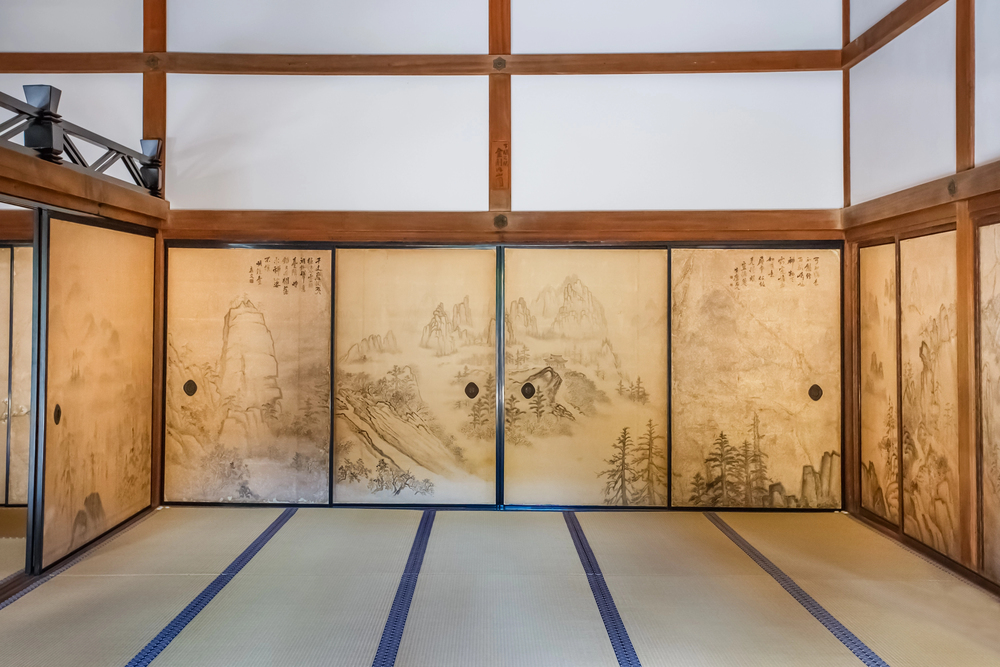
At least once, stay in a ryokan, a traditional inn where you sleep on a futon over tatami mats and eat a set dinner in your robe. Plenty of ryokans sit in an onsen town and come with their own hot spring bath, which turns a night's sleep into the best part of the trip.
Rooms For Every Budget
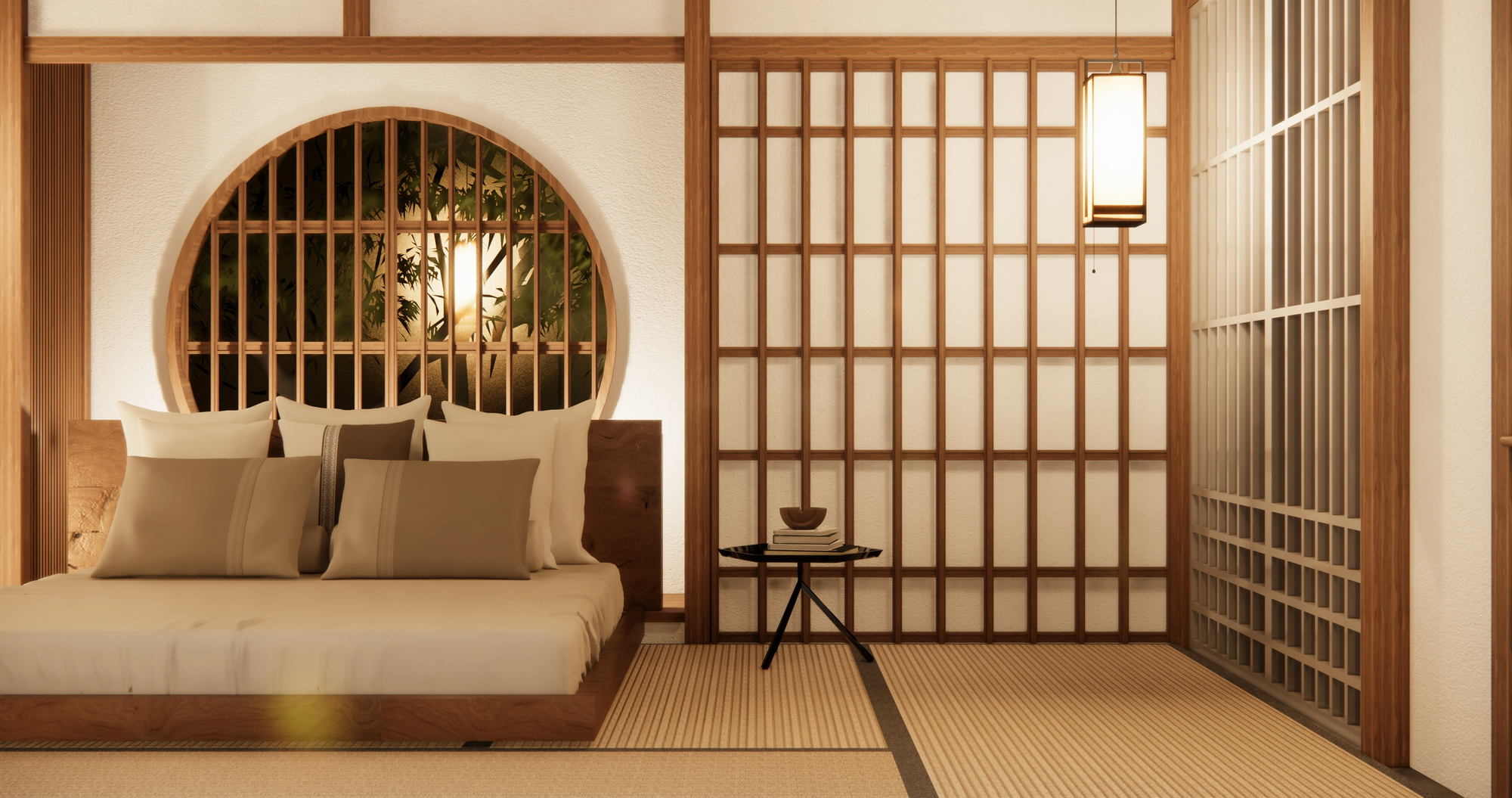
On a tighter budget, Japan's hostels and guesthouses are clean, safe, and easy to book, and a good hostel makes a friendly base if you're traveling solo.
For a plain, reliable room, sites like booking.com sort out your accommodation in a minute. One rule holds for any stay in Japan, though. Reserve early because the best small places fill up months in advance.
The Onsen, Without the Nerves
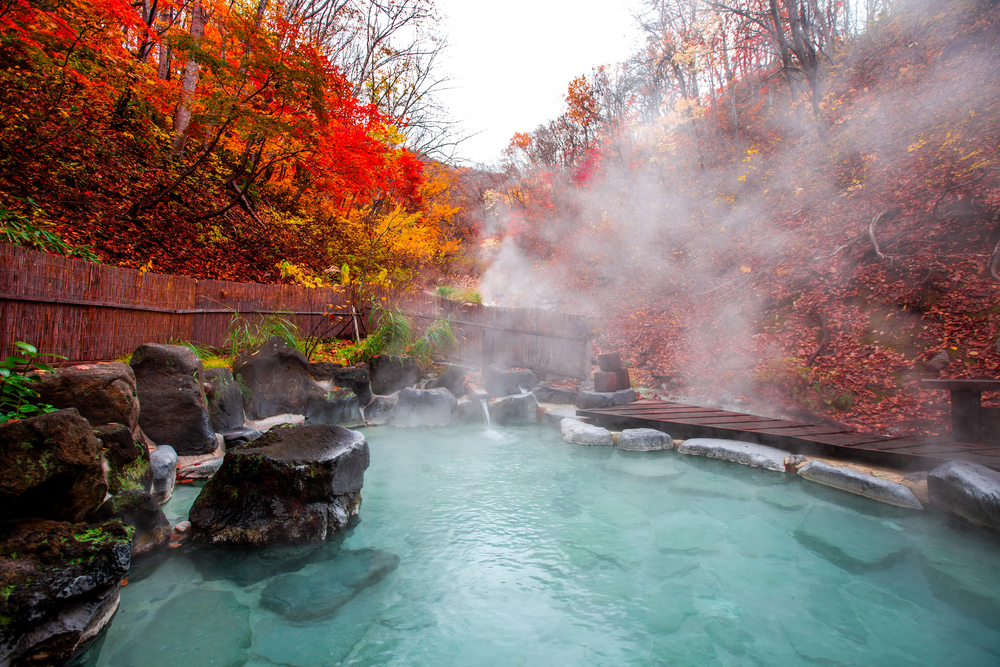
The onsen makes shy visitors nervous, so let me walk you through it. You wash yourself fully at the shower stations first, then get in with nothing on, since swimsuits aren't worn.
Keep your voice low and your towel out of the water, and just soak. One thing to check is tattoos, which some onsens still turn guests away for, though more are easing that rule every year. Do it once, and you'll get why people plan whole trips around these baths.
The Best Japan Trips Start Before You Arrive
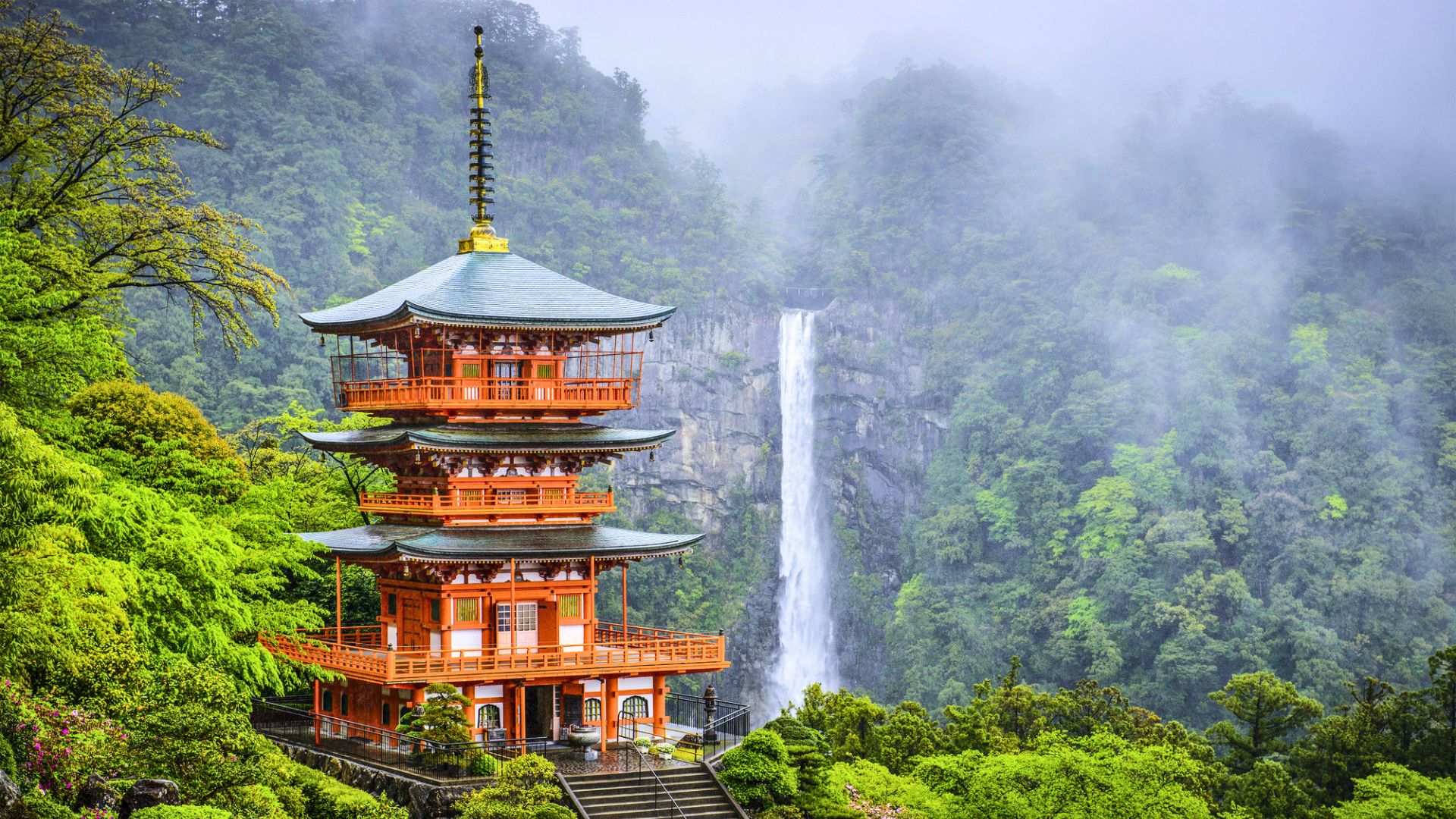
The best trips to Japan aren't built around checking famous landmarks off a list. They're the ones where there's time to slow down, notice the little things, and settle into the rhythm of everyday life. A bit of preparation before you go makes that much easier.
Whether you're visiting for the cherry blossoms, the food, the temples, or simply the experience of seeing somewhere completely different, knowing what to expect helps you spend less time worrying and more time enjoying the journey. That's what traveling in Japan does best. It rewards travelers who arrive prepared, stay flexible, and leave room to be surprised.
This article is adapted from one that originally appeared on Food Drink Life.
Leave a Reply