
Summer in Japan goes far beyond the pace and crowds of Tokyo. This article features summer destinations in Japan that feel different outside Tokyo, focusing on places where seasonal festivals, coastal areas, mountain towns, and regional traditions create a different atmosphere. These destinations often move at a slower pace and show another side of the country during the warmer months.
Looking beyond Tokyo can make a summer trip feel more varied and less crowded. Different regions bring different weather, scenery, and local routines. Keep reading to see which destinations made the list and why they stand out during summer in Japan.
Kyoto

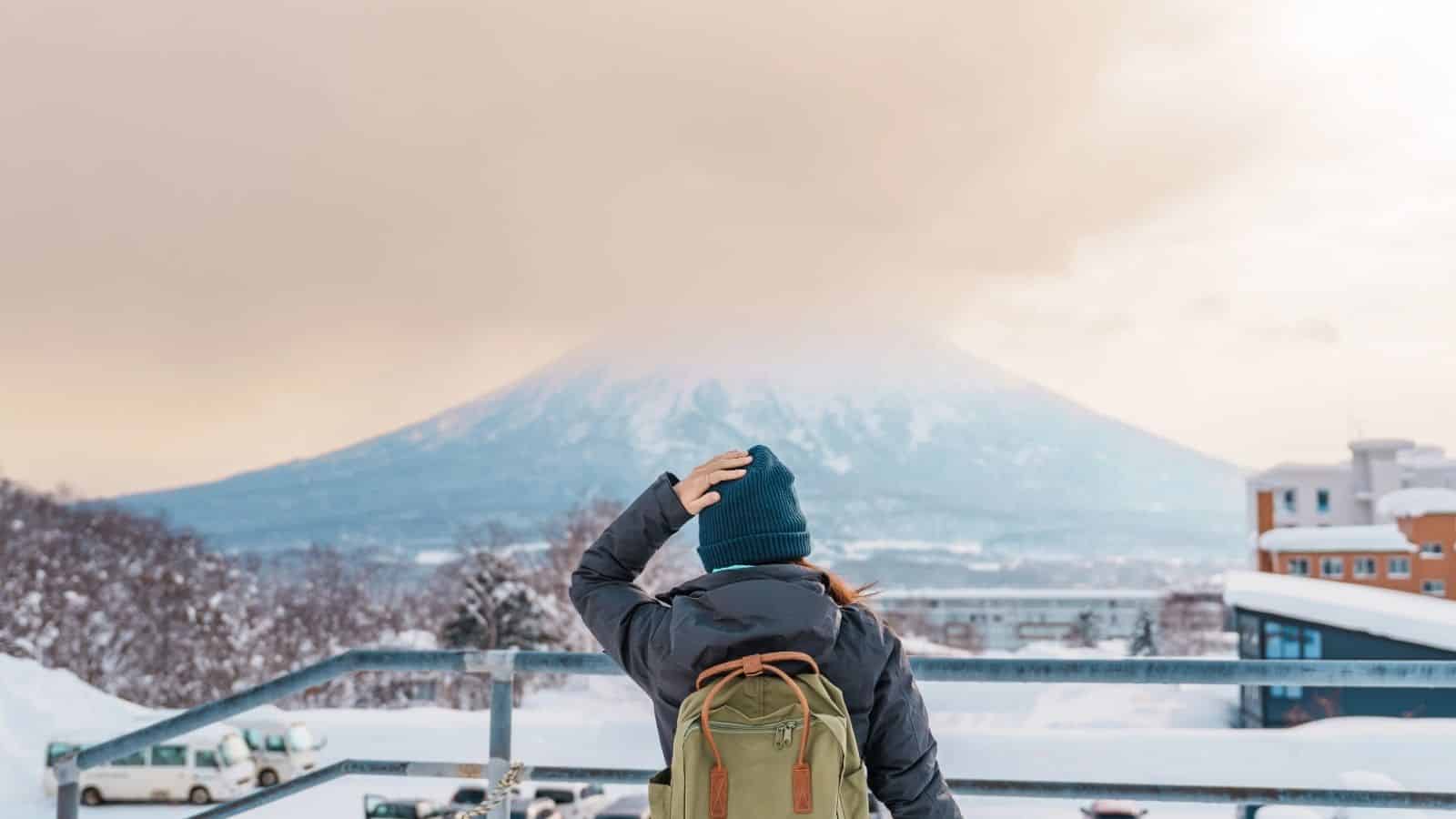
Kyoto slows the pace compared to Tokyo, especially during early summer mornings before the crowds build. Temples, shaded gardens, narrow lanes, and riverside dining areas shape the city’s atmosphere. Seasonal festivals and traditional neighborhoods feel closely tied to older rhythms of life. Even busy districts tend to feel quieter and more reflective once you step away from major tourist routes.
Sapporo

Sapporo becomes one of Japan’s most comfortable summer cities because of Hokkaido’s cooler temperatures. Parks, beer gardens, flower fields, and mountain scenery replace the dense urban intensity many travelers associate with Tokyo. The city also serves as a base for exploring lakes, hiking areas, and rural parts of northern Japan during peak summer months.
Kanazawa
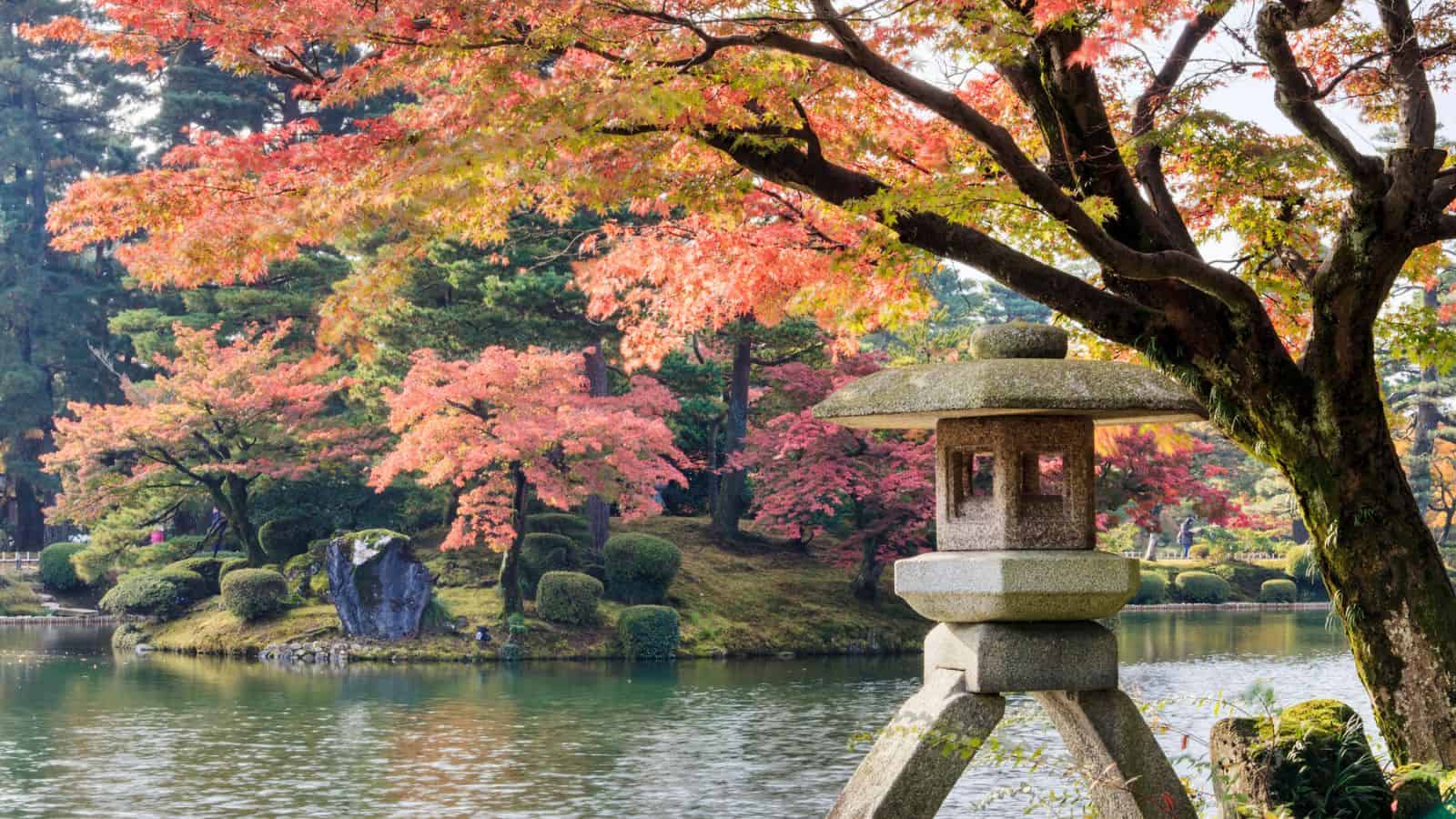
Kanazawa combines preserved historic districts with a calmer pace that feels very different from Tokyo’s nonstop movement. Summer highlights include traditional gardens, teahouse neighborhoods, seafood markets, and samurai-era streets. The city remains walkable and compact, making it easier to explore slowly without relying constantly on crowded transit systems.
Hakone
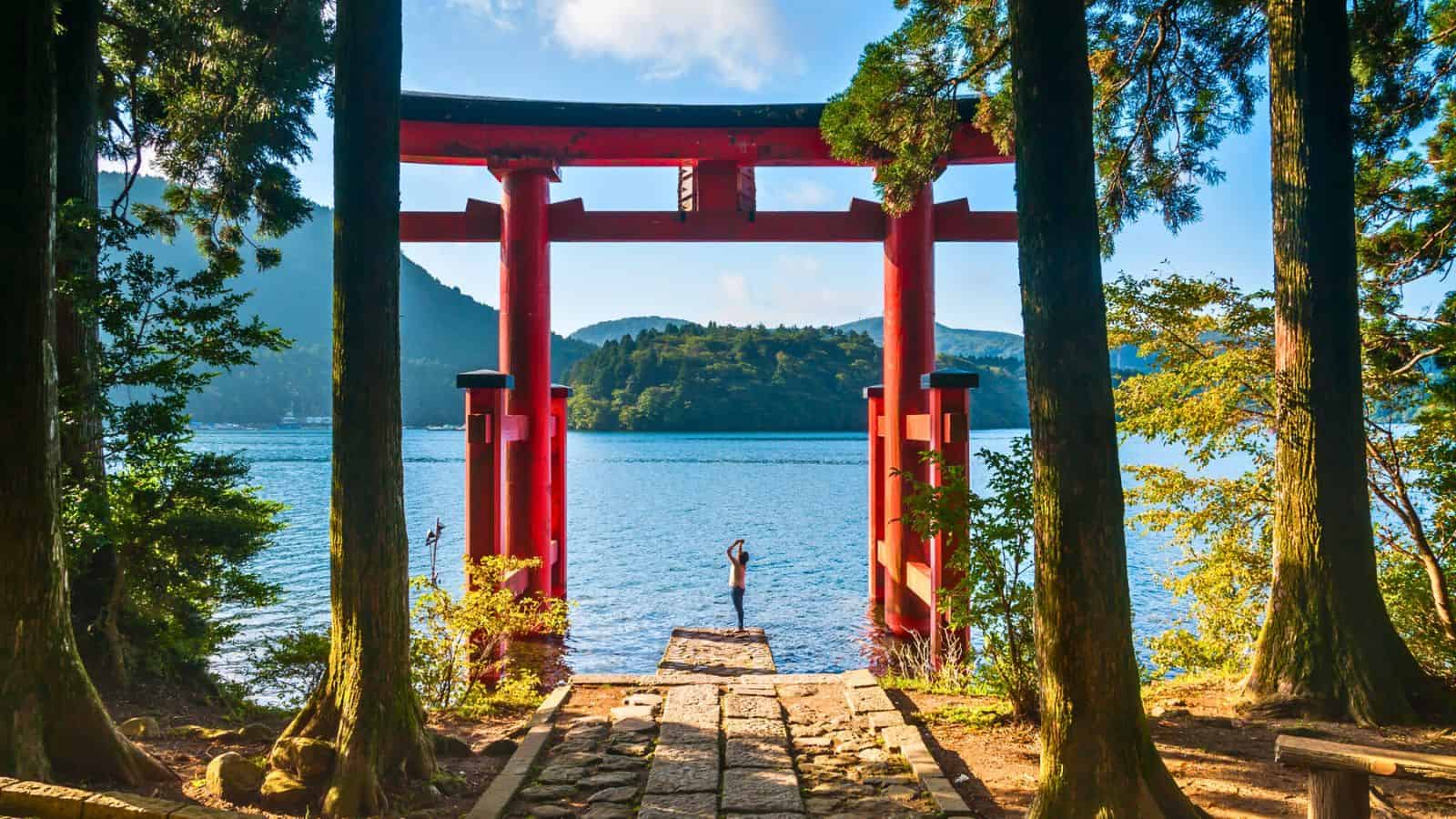
Hakone draws summer visitors looking for mountain air, hot springs, and lake views within reach of Tokyo. Ropeways, hiking trails, and ryokan stays create a slower experience centered around scenery and rest rather than city energy. Travelers often appreciate the cooler evenings and quieter routines after spending time in larger urban areas.
Fukuoka
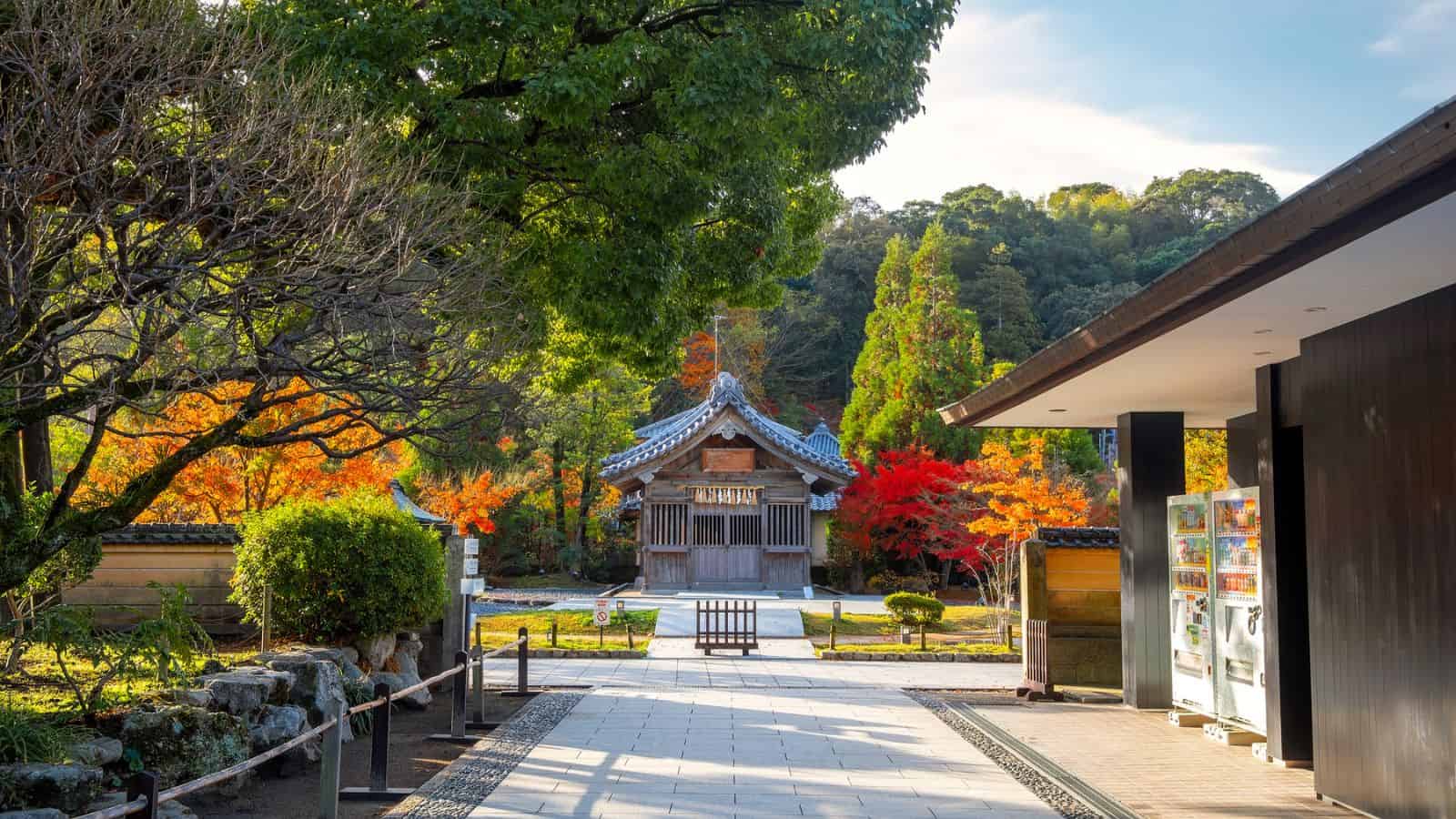
Fukuoka feels more relaxed and approachable than Japan’s largest cities while still offering excellent food, shopping, and waterfront access. Summer evenings center around riverside dining and yatai food stalls that appear across the city. Beaches and nearby islands also make it easier to combine urban travel with slower coastal days.
Nikko

Nikko’s forests, waterfalls, and mountain temples make it feel far removed from Tokyo despite being relatively accessible. Summer temperatures stay cooler than the capital, especially around higher elevations. Historic shrines sit among cedar forests, while hiking routes and lakes create a more nature-focused experience than most first-time visitors expect from Japan.
Want to save this?
Okinawa
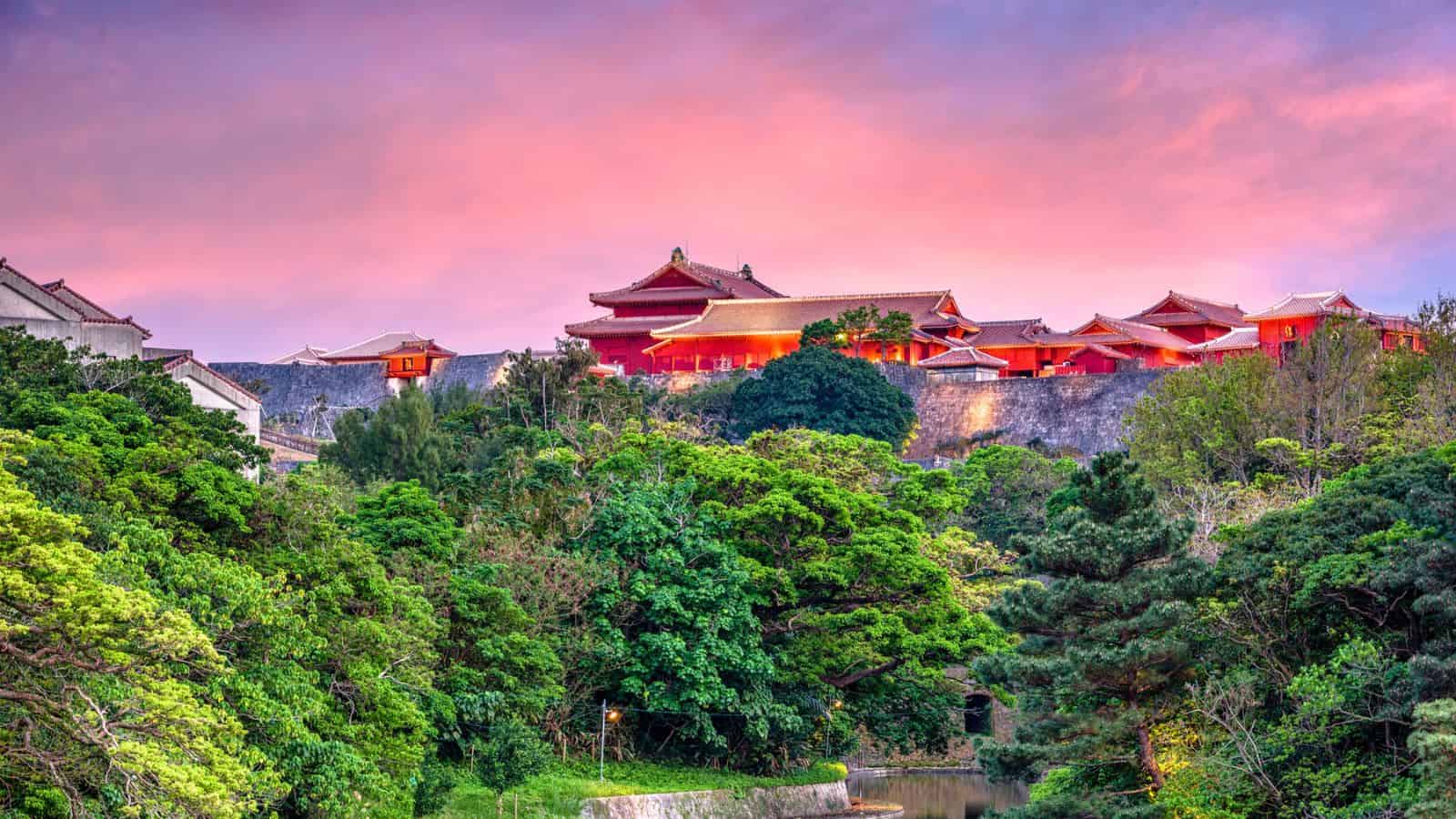
Okinawa feels culturally and geographically different from mainland Japan. Summer centers around beaches, coral reefs, island food traditions, and slower coastal routines. The subtropical climate creates a completely different atmosphere from Tokyo’s dense urban pace. Smaller islands throughout the prefecture also attract travelers looking for quieter summer escapes.
Takayama
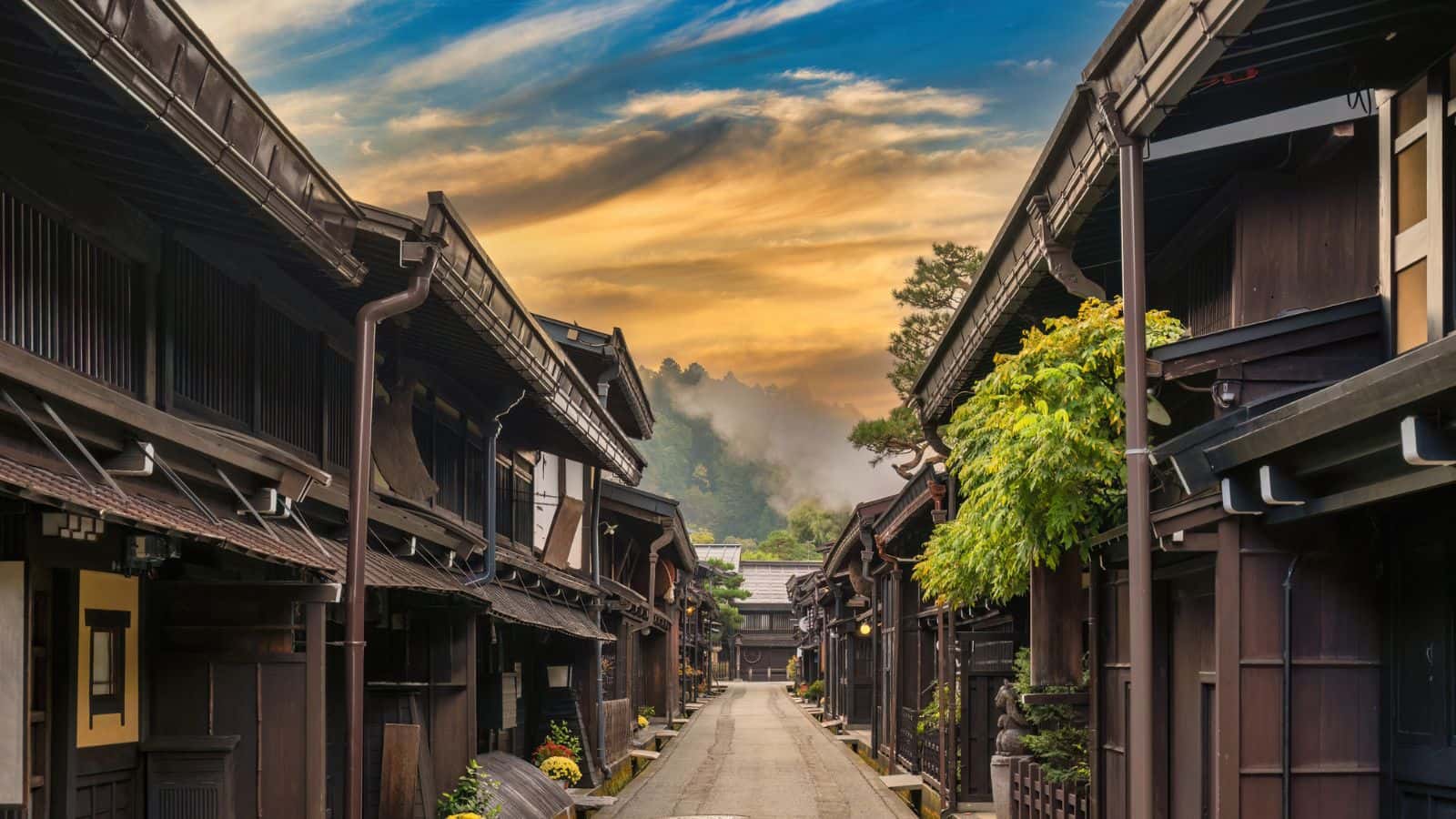
Takayama’s preserved old town and mountain surroundings give it a slower, more traditional atmosphere during summer. Morning markets, wooden merchant houses, and nearby countryside routes shape the experience. Travelers often pair the city with rural ryokan stays or alpine regions that feel far removed from major metropolitan Japan.
Kamakura
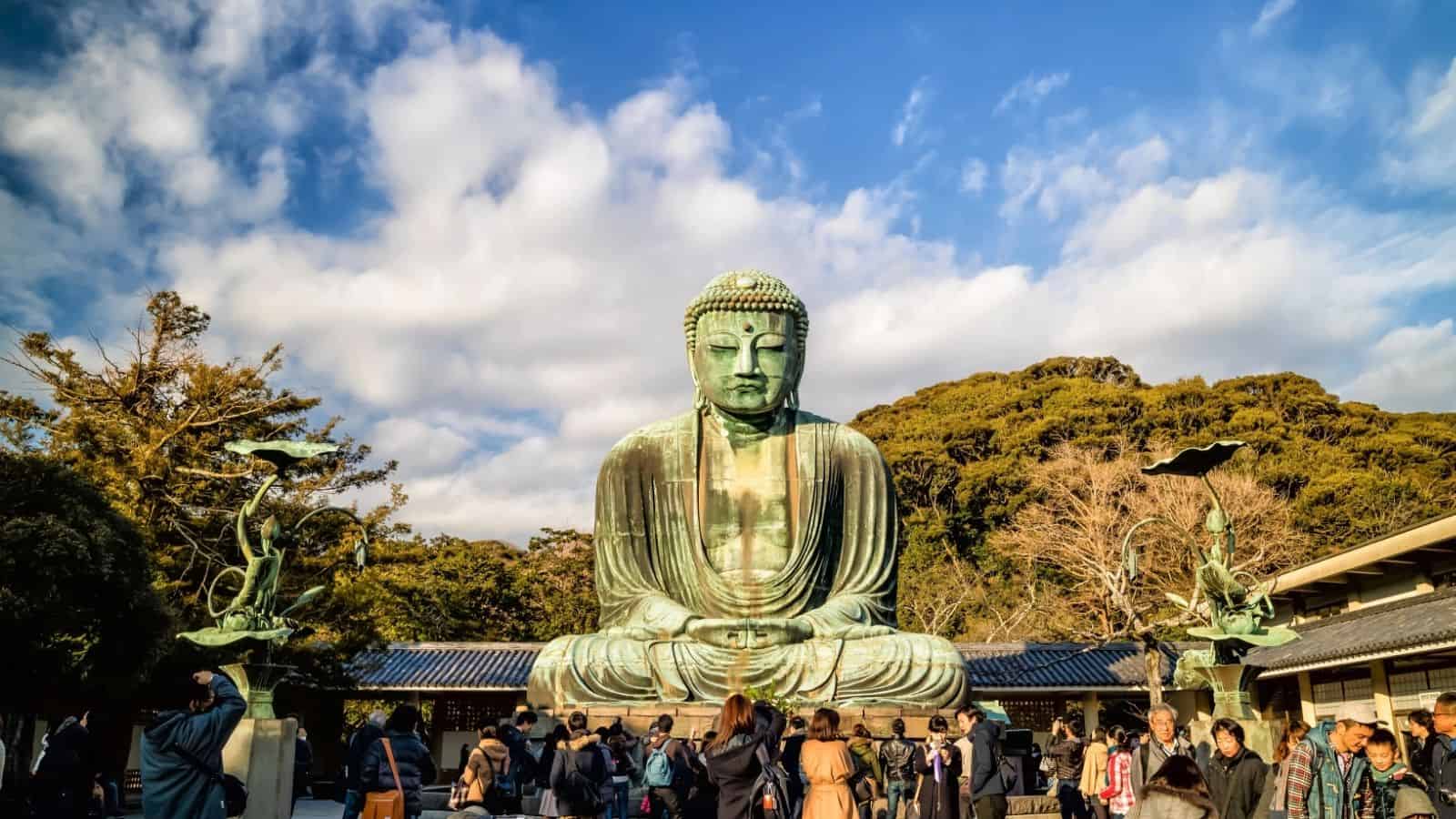
Kamakura mixes beaches, temples, and coastal neighborhoods in a way that feels much more laid-back than Tokyo. Summer visitors split time between hiking trails, historic shrines, and seaside cafés. The city’s smaller scale and ocean setting create a noticeably different rhythm despite being relatively close to the capital.
Matsumoto
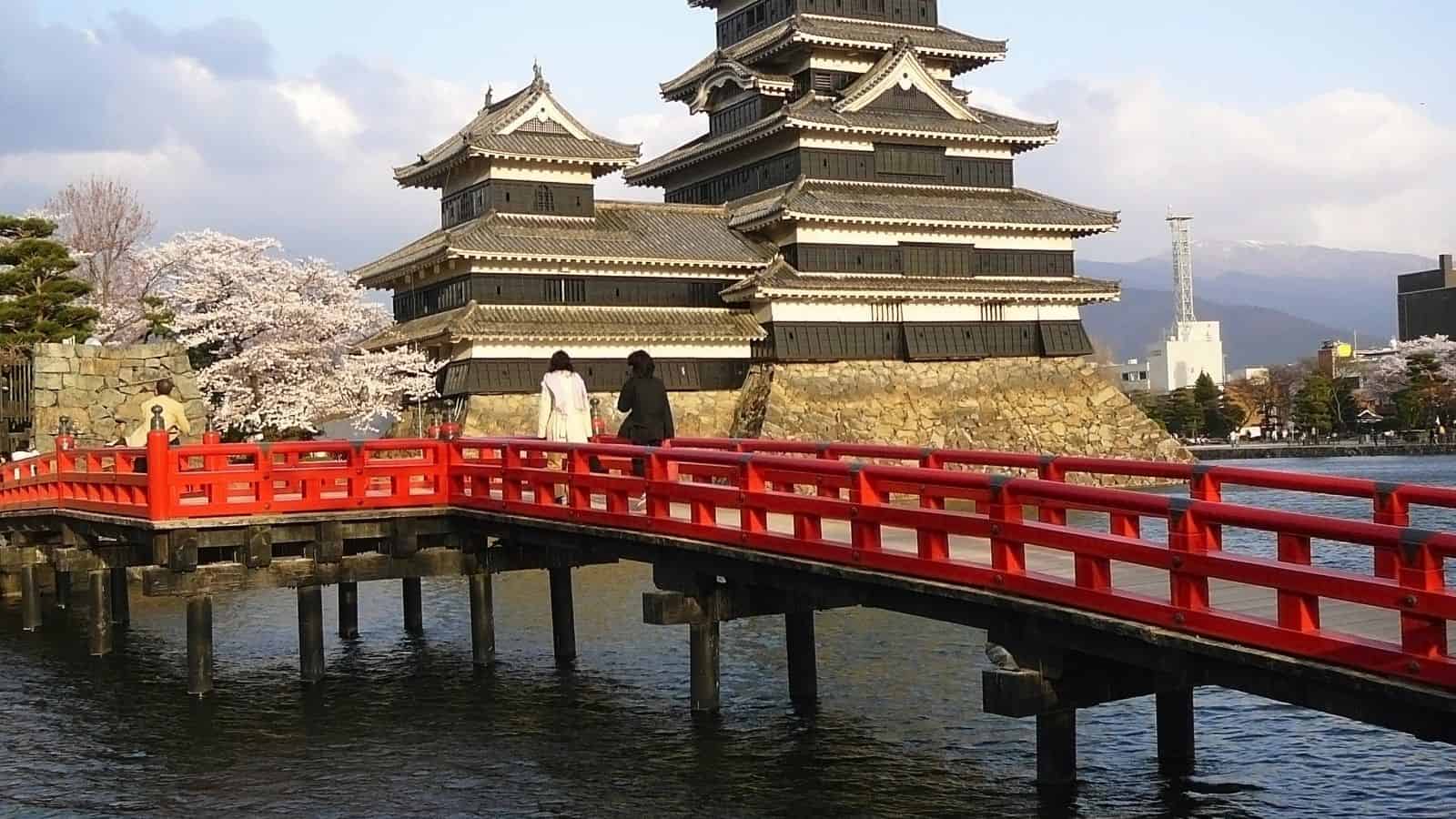
Matsumoto serves as a gateway to the Japanese Alps and stays cooler than many major cities during summer. The city is known for its historic castle, mountain scenery, and access to hiking routes. Travelers often use it as a base for slower regional travel through alpine villages and highland roads rather than fast-paced urban sightseeing.
Beppu
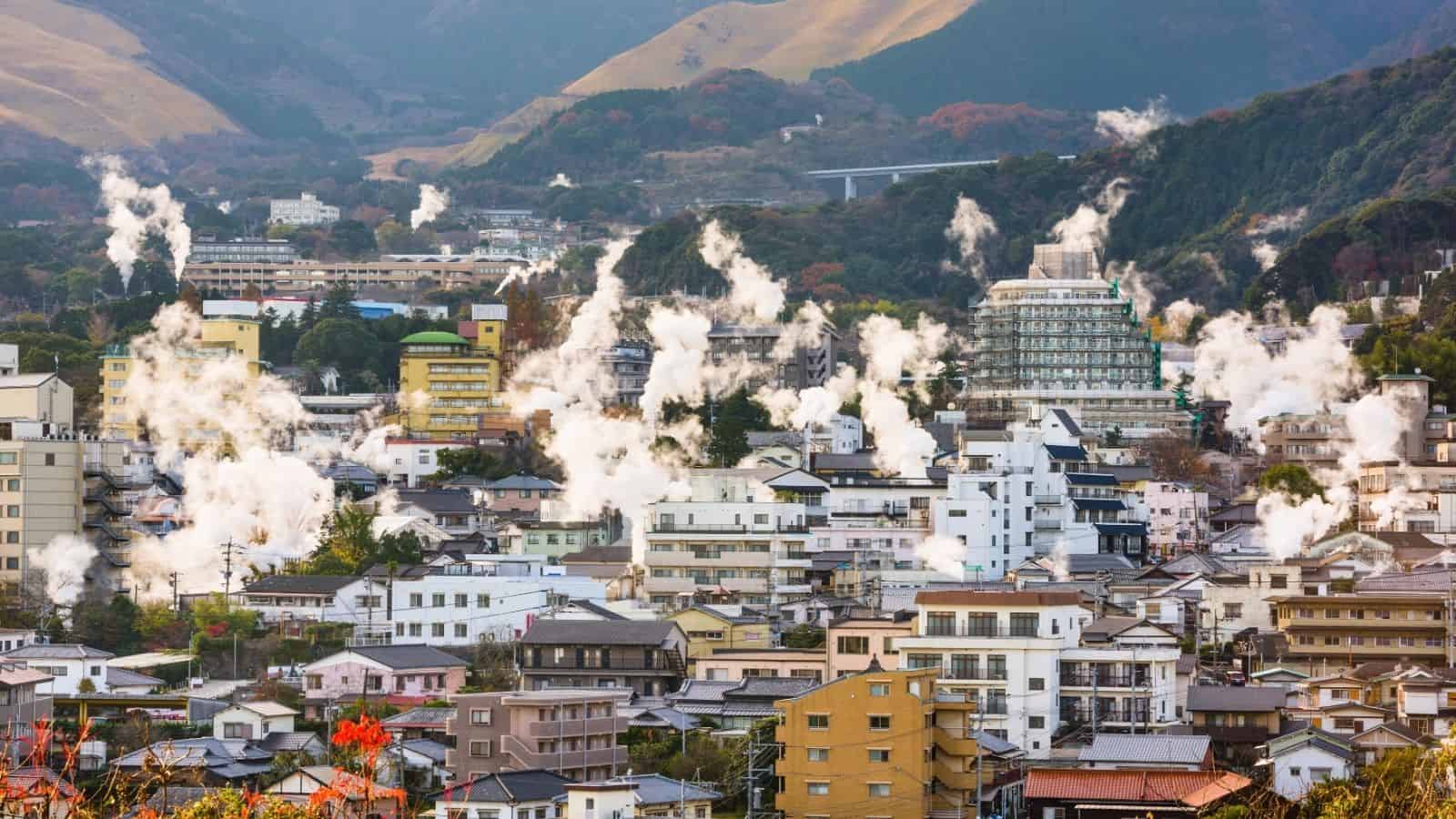
Beppu revolves around hot spring culture and feels focused on relaxation rather than sightseeing pressure. Steam rises from bathhouses and geothermal areas throughout the city, creating a very different atmosphere from Tokyo’s skyline and crowds. Summer visitors often combine hot spring stays with nearby coastal drives and slower routines centered around local food and onsen culture.
10 Places Where Credit Cards Are Not as Widely Accepted as Expected

Paying by card feels routine for many travelers, but it does not work everywhere. This article features places where credit cards are not as widely accepted as expected, focusing on destinations where cash is still the main way to pay for daily purchases. Visitors are often surprised when restaurants, shops, or transportation services do not take cards.
Read More Here: 10 Places Where Credit Cards Are Not as Widely Accepted as Expected
9 Destinations Where Public Restrooms Are Harder to Find Than You Think
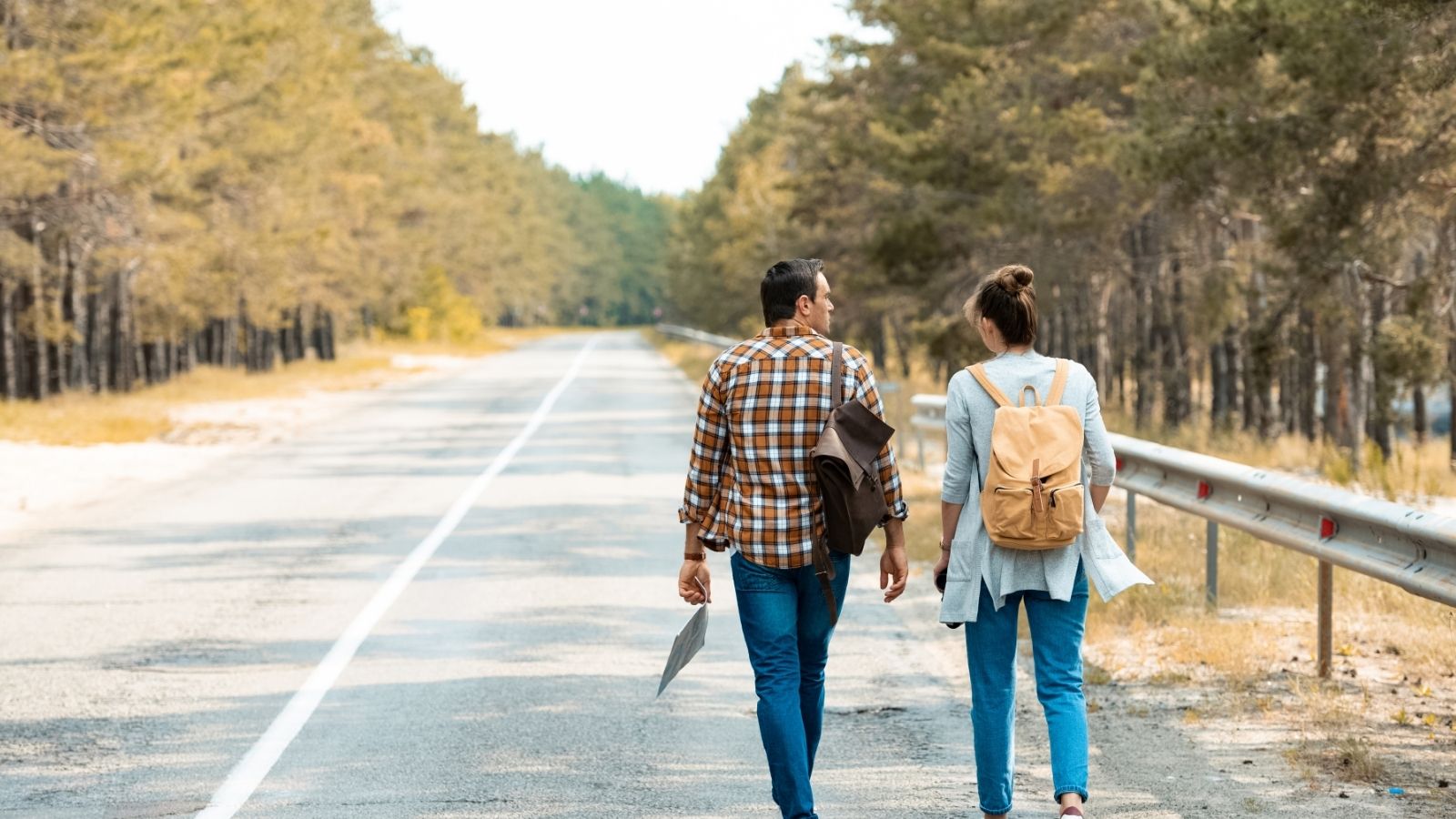
Public restrooms are something many travelers assume will be easy to find, until they are not. This article features destinations where public restrooms are harder to find than you think, focusing on places where facilities are limited, require payment, or are not clearly marked. What seems like a simple need can turn into a daily challenge.
Read More Here: 9 Destinations Where Public Restrooms Are Harder to Find Than You Think
Leave a Reply