
Some destinations receive endless attention online, but not all of them meet expectations. This article features countries travelers say live up to the hype, focusing on places that continue to impress visitors even after years of praise and heavy tourism. These countries stand out because the experience feels worth the anticipation.
Travelers often arrive expecting disappointment when a place is talked about too much. Instead, some destinations still manage to leave a strong impression through food, scenery, culture, or daily atmosphere. Keep reading to see which countries made the list and why travelers say they deserve their reputation.

Norway
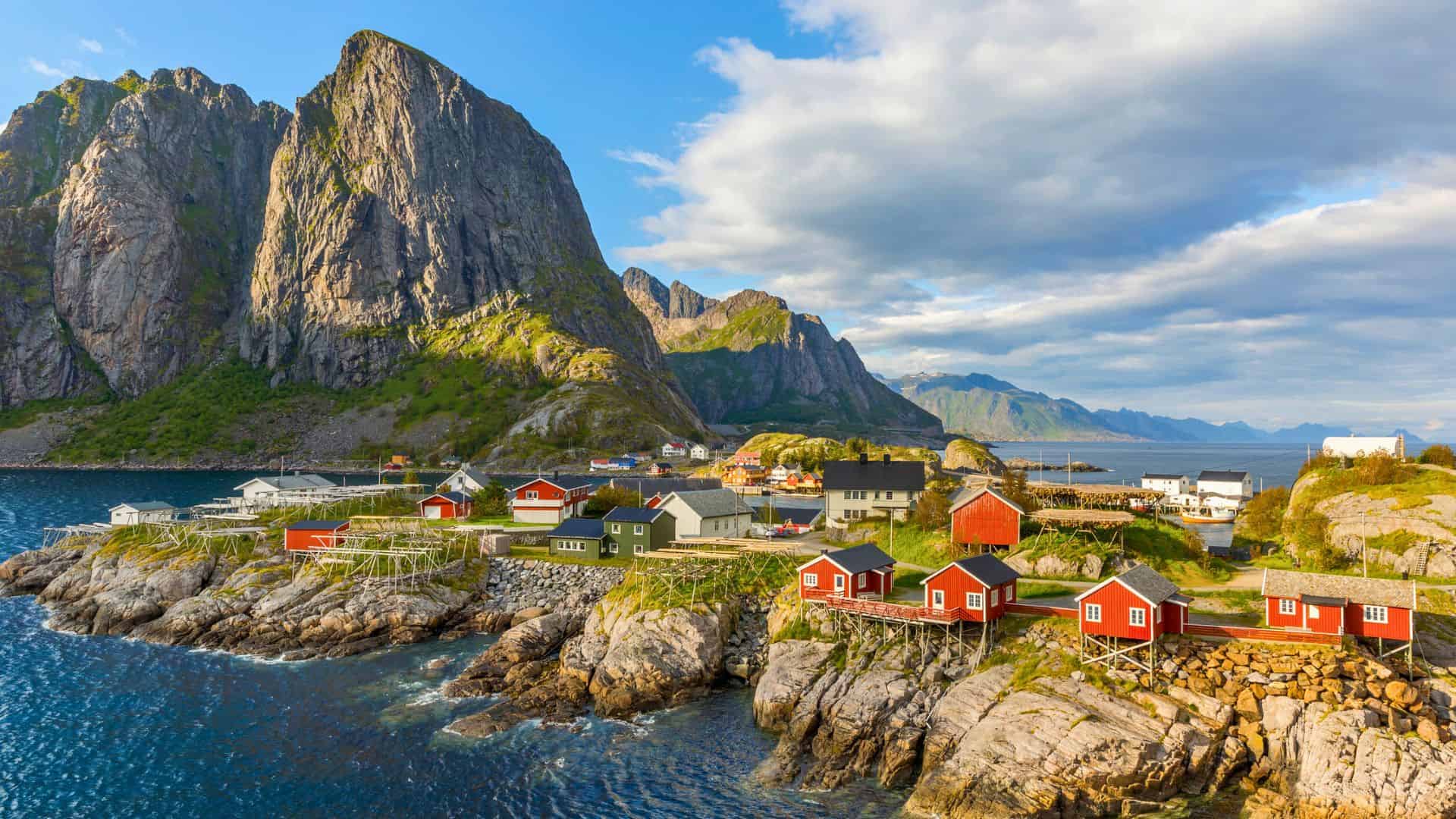
Norway’s fjords, mountains, and coastal routes create scenery that feels unusually quiet and open. Small towns sit between steep cliffs and cold water, while ferries and winding roads connect remote parts of the country. Seasonal light changes shape the experience dramatically, from winter auroras to summer evenings that barely get dark. Hiking trails begin near many towns, making nature part of daily life rather than something separated from it. Travelers often expect beautiful scenery, but the scale and stillness of the landscape are what tend to stand out most.
Greece
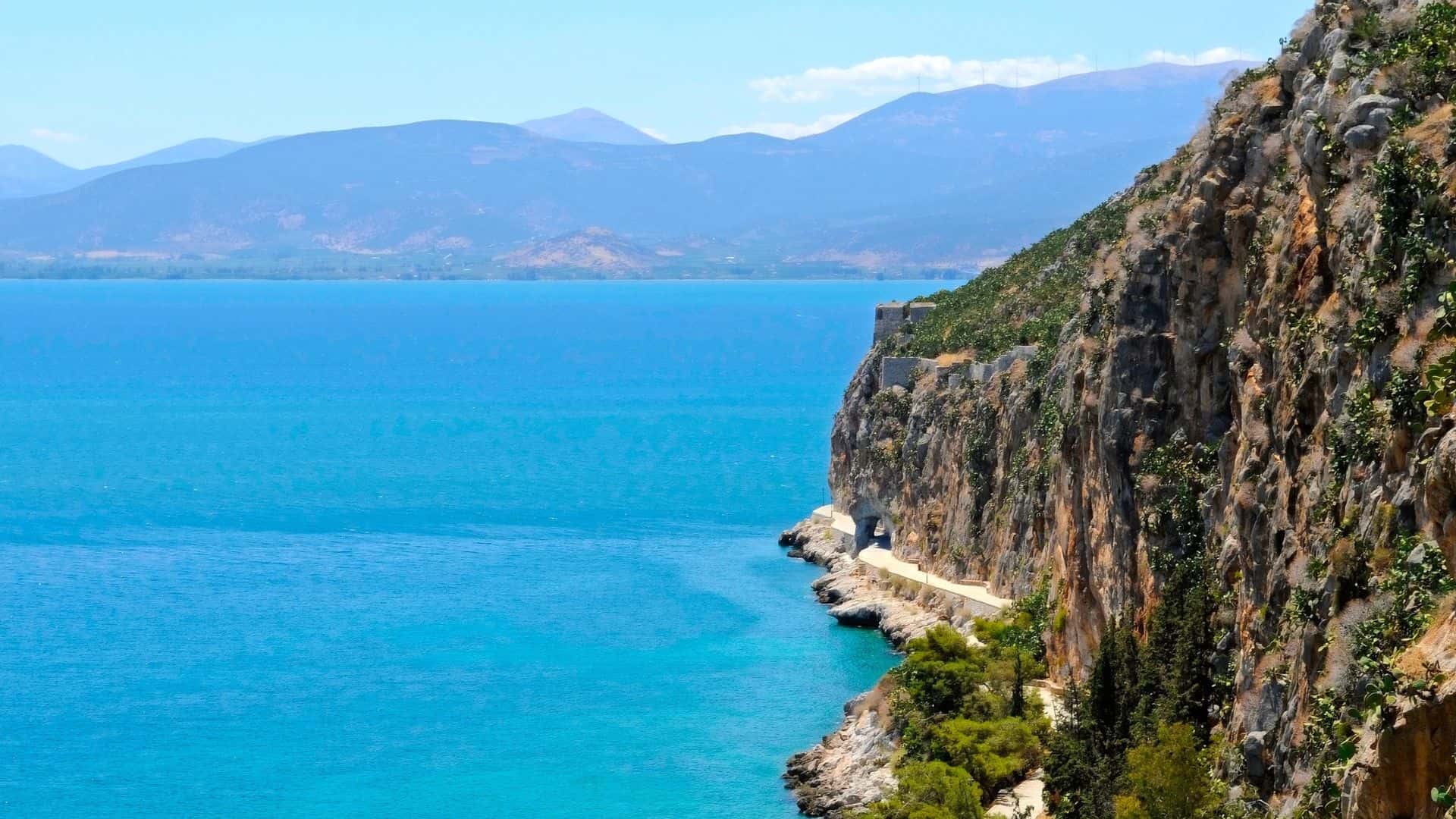
Greece combines ancient history with coastal scenery in a way that rarely feels separated from daily life. Athens mixes modern neighborhoods with ruins that remain central to the city’s identity. Across the islands, ferry routes connect whitewashed towns, volcanic coastlines, and quieter fishing communities. Crete and other larger islands feel very different from the Cyclades, especially in terrain and pace. Travelers often arrive expecting postcard views and leave remembering the slower rhythm of local markets, waterfront evenings, and long stretches of coastline between major tourist centers.
Vietnam
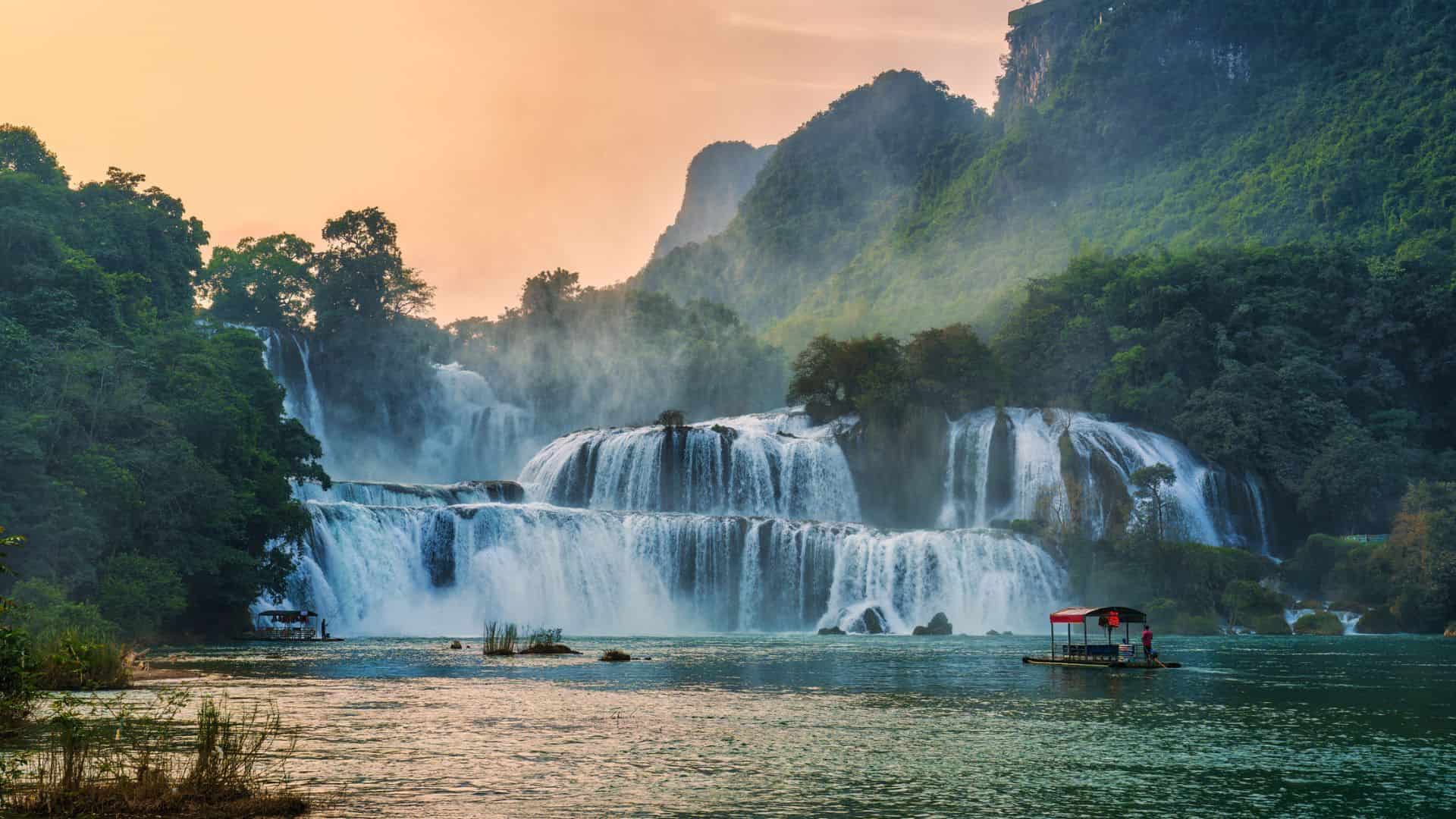
Vietnam moves quickly between very different environments. Hanoi’s dense streets and constant scooter traffic contrast sharply with the rice terraces of the north or the river systems of the Mekong Delta. Coastal areas, mountain towns, and major cities each feel distinct in atmosphere and pace. Daily life unfolds openly in markets, sidewalks, and roadside cafés, which gives travelers a strong sense of movement throughout the country. Many visitors arrive expecting good food and affordable travel, but leave most impressed by the variety between regions and the constant energy of everyday life.
Turkey

Turkey combines layers of history with landscapes that change dramatically across the country. Istanbul connects old mosques, markets, ferry traffic, and modern neighborhoods in a way few cities do. Cappadocia’s rock formations and underground spaces create one of the country’s most recognizable landscapes, while coastal regions include ruins, beaches, and forested hillsides. Markets, tea houses, and daily street life remain central to the atmosphere in both cities and smaller towns. Travelers often arrive expecting historical sites, but many leave most impressed by the variety between regions and the constant presence of everyday culture.
Japan
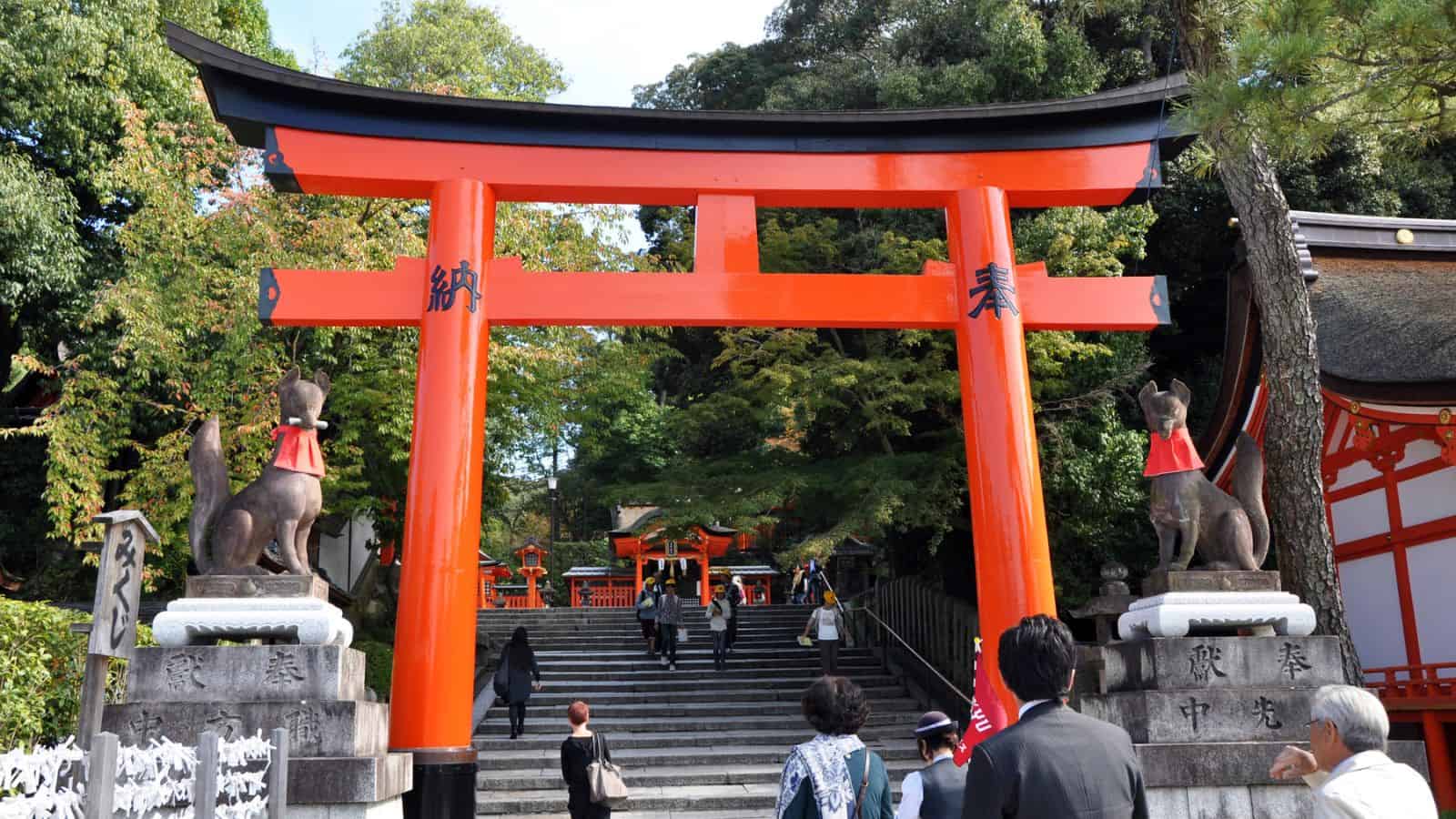
Japan manages to feel both deeply traditional and highly modern at the same time. In Kyoto, quiet temples sit beneath seasonal trees while narrow streets preserve centuries-old architecture. Tokyo moves at a completely different pace with neon districts, packed train stations, and constantly changing trends. Beyond the cities, travelers find mountain towns, snowy landscapes, and coastal regions that feel entirely separate from urban Japan. High-speed trains connect these contrasts quickly, but the atmosphere shifts dramatically from one region to another. The balance between efficiency, craftsmanship, and tradition is what many visitors remember most.
New Zealand
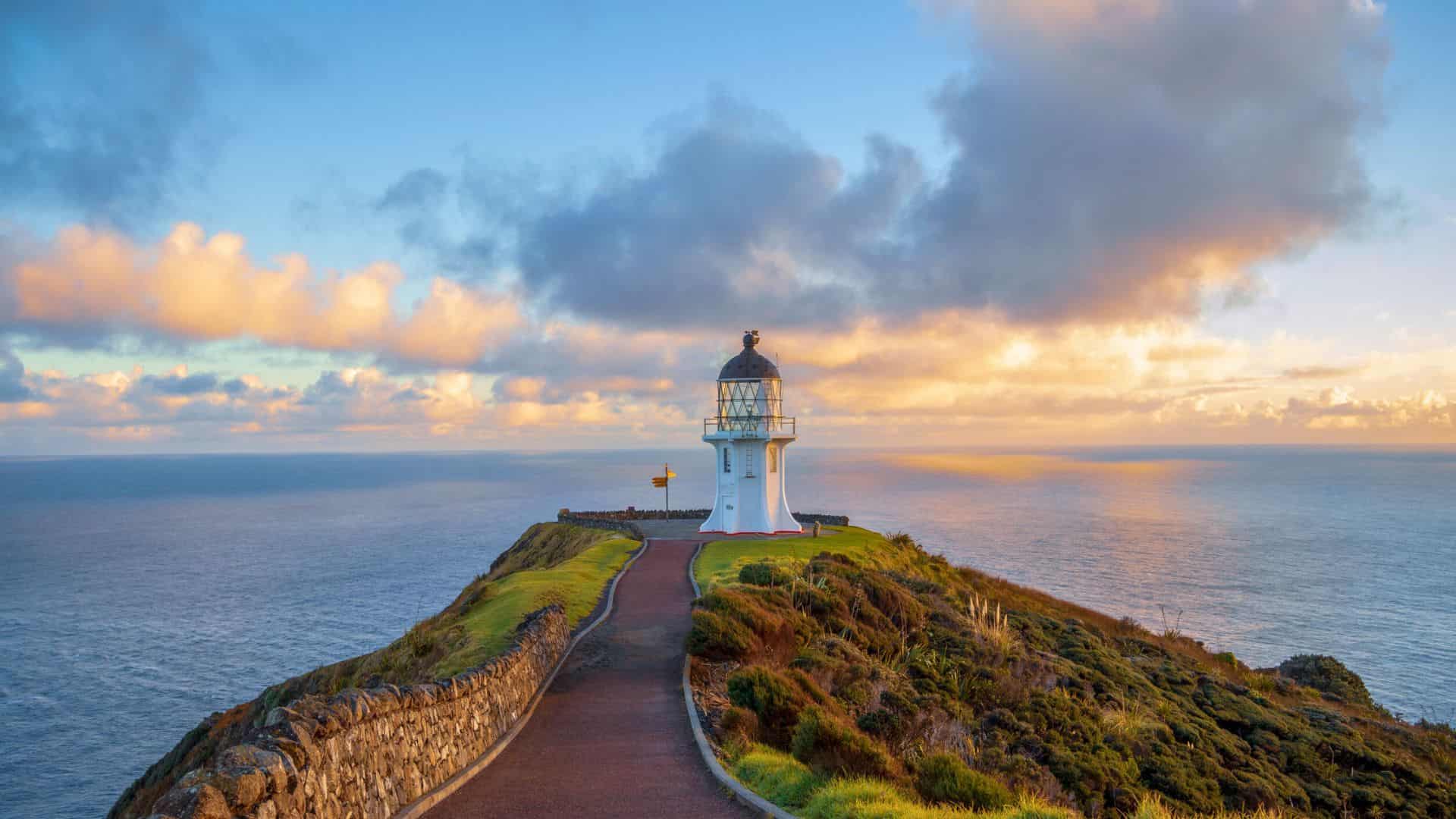
New Zealand’s landscapes often feel larger and more dramatic than travelers expect. The country moves from volcanic terrain and geothermal areas to alpine lakes, fjords, and rugged coastlines within relatively short distances. Road trips remain one of the main draws, especially across the South Island, where mountain scenery dominates long stretches of highway. Adventure tourism is a major part of the experience, but quieter hiking routes and coastal towns are equally memorable. Even heavily photographed locations often feel surprisingly open due to the country’s low population density and large natural spaces.
Want to save this?
Peru

Peru’s geography changes rapidly between coast, mountains, and rainforest. Cusco and Machu Picchu remain major draws, but much of the country’s appeal comes from the surrounding Andes and the way older traditions remain visible in daily life. Markets, stone streets, and agricultural terraces still shape many communities. Beyond the mountains, the Amazon basin introduces a completely different environment with river towns and dense rainforest. Travelers often expect only Inca history, but leave with a stronger sense of how varied the country feels from region to region.
South Africa
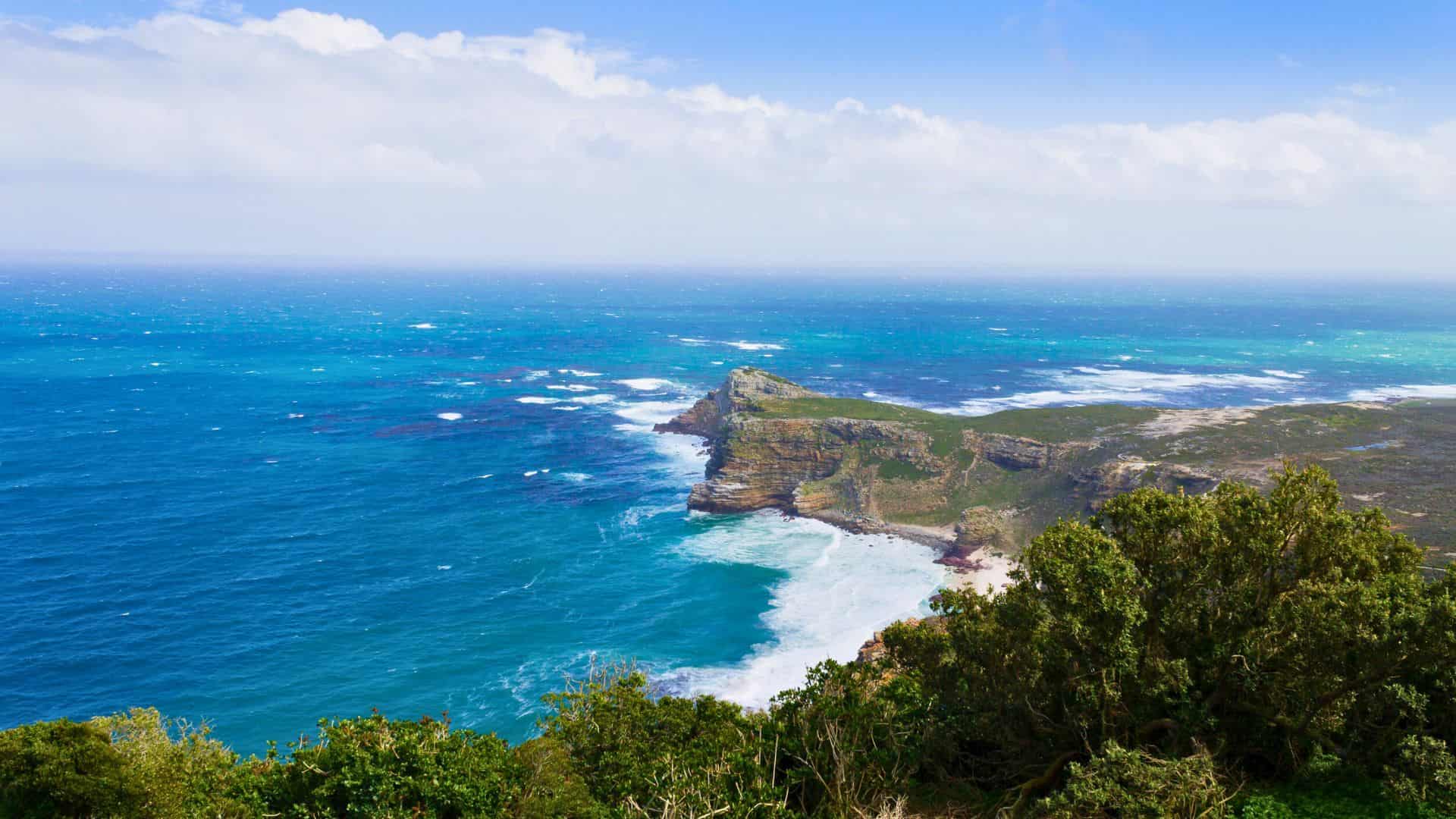
South Africa brings together coastlines, mountains, wildlife areas, and major cities within one country. Cape Town sits between ocean and mountain scenery, while the Garden Route combines forests, cliffs, and smaller coastal towns. Inland regions shift into open plains and safari landscapes where wildlife viewing becomes part of the travel experience. The country’s history and cultural contrasts are visible throughout cities and rural communities alike. Travelers often expect natural beauty, but many are surprised by how different each region feels from the next.
Iceland
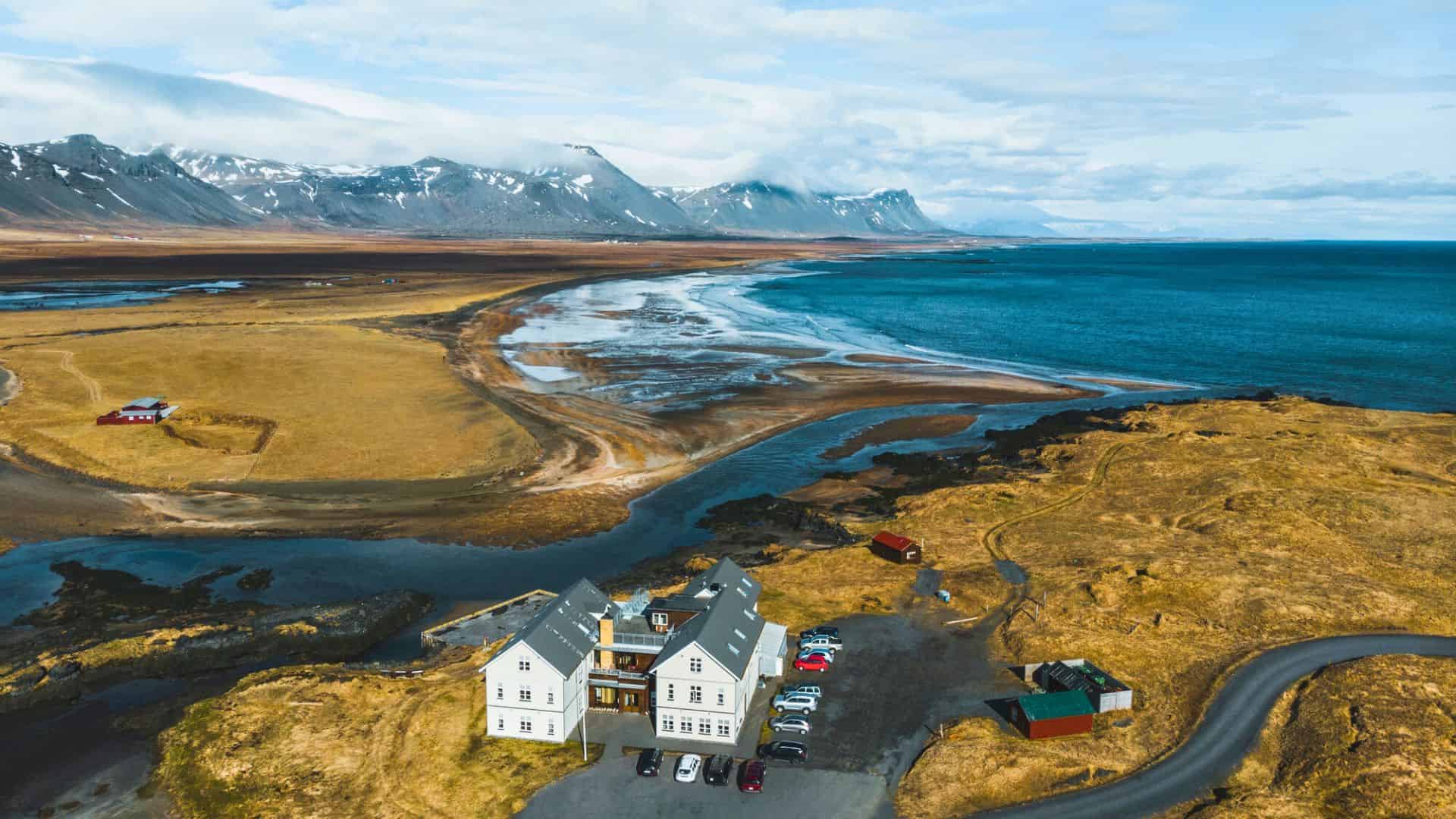
Iceland’s landscapes feel unusually raw and exposed, with lava fields, waterfalls, glaciers, and black sand beaches spread across the island. Weather changes quickly, which can make the scenery feel different from hour to hour. Outside Reykjavik, long stretches of road pass through areas with almost no development at all. Geothermal activity shapes much of the country, from steaming vents to natural hot springs. Travelers often expect Iceland to feel repetitive after seeing photos online, but the scale and variation of the landscape usually feel far more impressive in person.
Italy
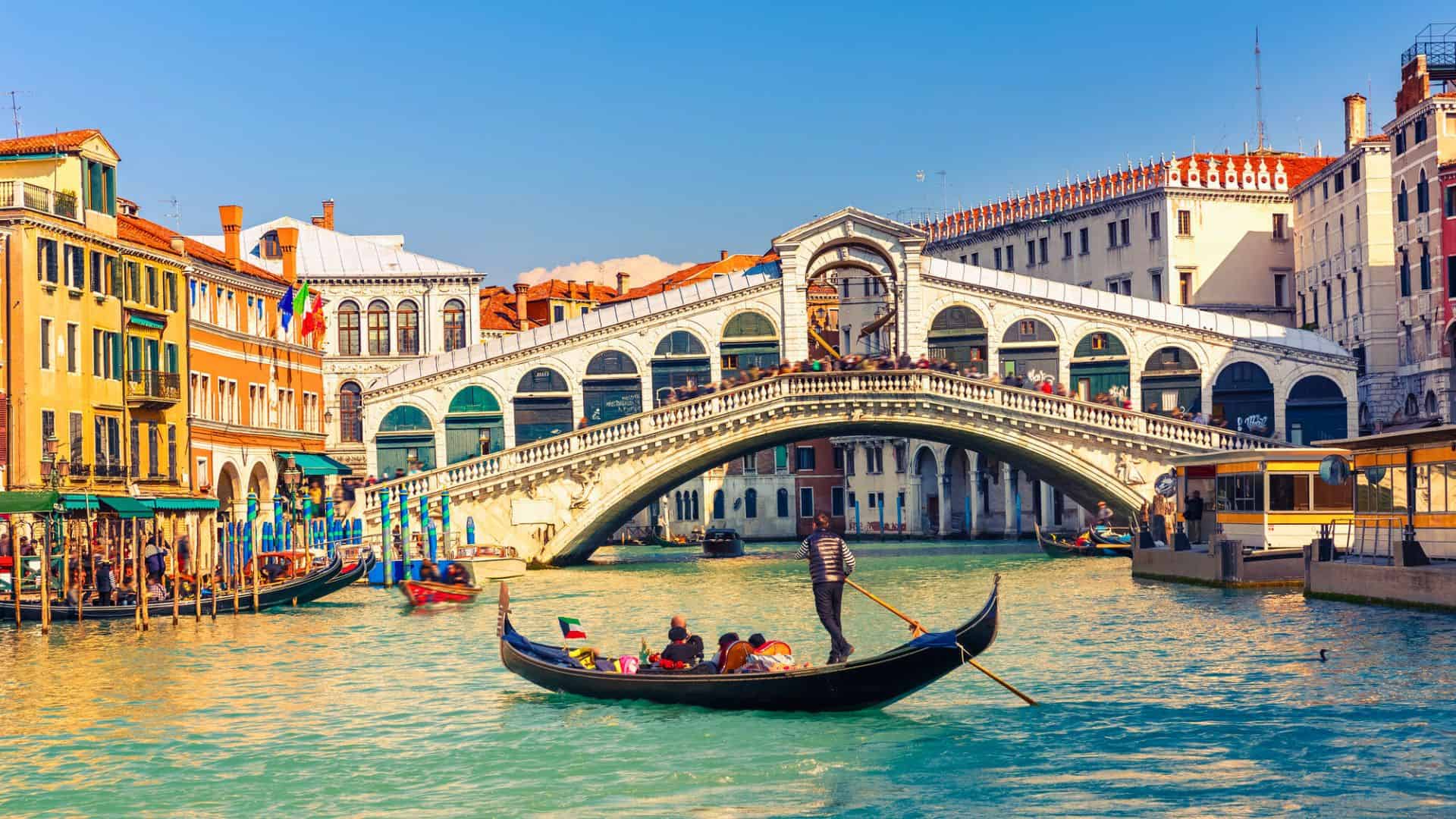
Italy combines history, scenery, and everyday life in a way that feels remarkably consistent across the country. Rome’s ruins sit beside busy cafés and apartment buildings, while Venice moves through canals and narrow walkways shaped centuries ago. Tuscany’s countryside stretches across vineyards and hill towns, and coastal regions like the Amalfi Coast bring steep cliffs and tightly packed villages. Markets, piazzas, and small restaurants shape daily routines in both large cities and rural areas. Travelers often expect Italy to feel crowded and overly polished, but many leave appreciating how naturally history fits into ordinary life.
13 Amazing Places Where Your Passport Is All You Need

Tired of handling too much travel documents? Travel doesn’t always need to come with a long list of visa requirements and paperwork. These 13 amazing places where your passport is all you need make spontaneous getaways a lot easier. From tropical islands to culture-rich cities, these destinations welcome travelers without the extra red tape.
Read More Here: 13 Amazing Places Where Your Passport Is All You Need
9 Things Visitors Find Confusing About Train Travel in Europe

Train travel in Europe sounds simple, but many visitors are surprised once they start using it. Here are common points of confusion, from tickets and platforms to schedules that work differently than expected. These details often catch travelers off guard, especially those used to driving or flying.
Read More Here: 9 Things Visitors Find Confusing About Train Travel in Europe



Leave a Reply