
Tourism brings people together, but not every travel habit is welcomed everywhere. This article features tourist groups people complain about most around the world, focusing on behaviors and patterns that locals and fellow travelers often find frustrating. Crowding, noise, and disregard for local customs are some of the issues that come up repeatedly in conversations about tourism.
Understanding these complaints can help travelers become more aware of how their actions affect others. Small changes in behavior can make shared spaces more respectful and easier for everyone to enjoy. Keep reading to see which tourist groups are mentioned most often and what behaviors tend to draw criticism.

South Korean Tour Groups in Southeast Asia
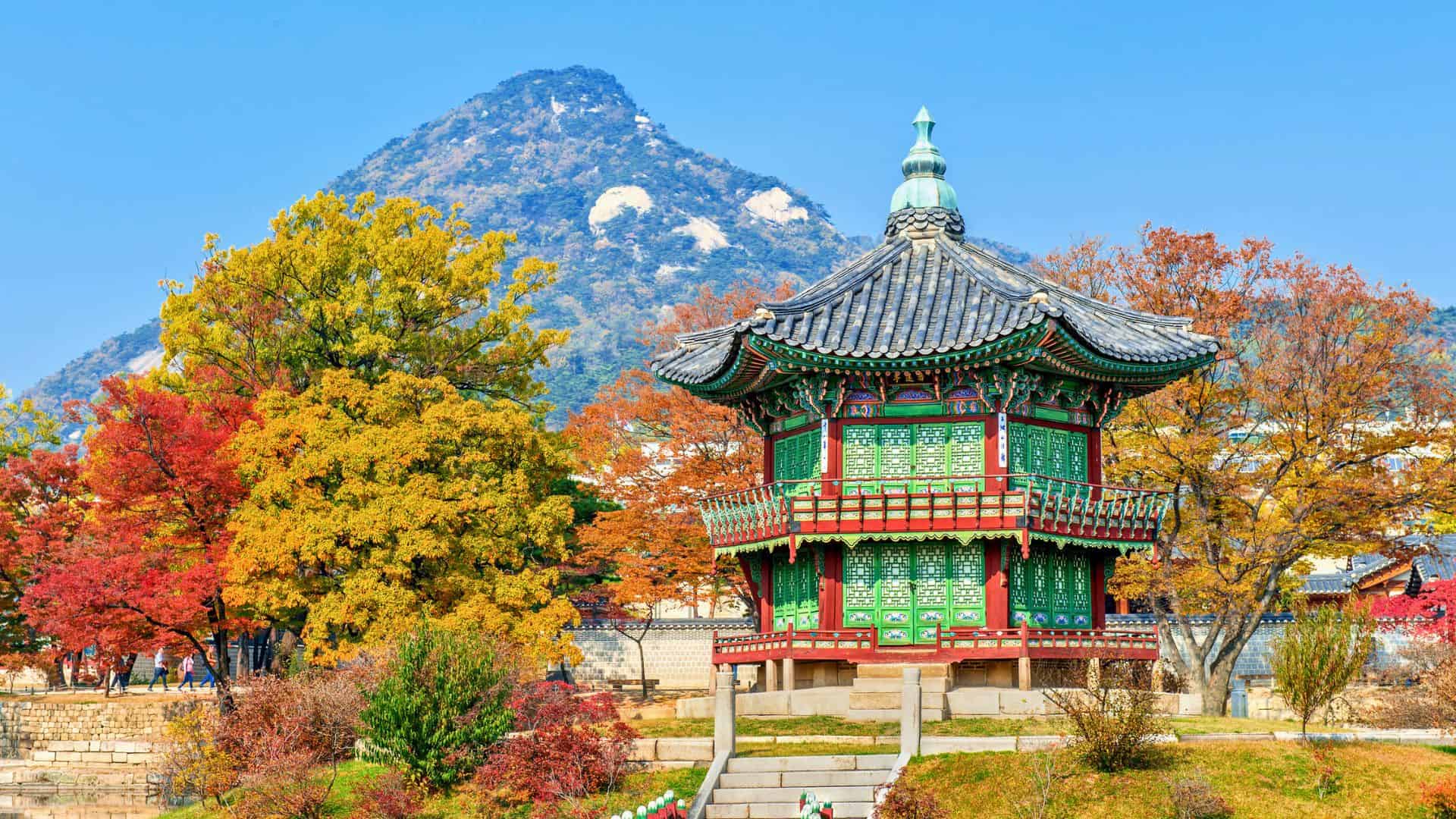
South Korean tourists traveling in large groups sometimes receive complaints about crowding small attractions and speaking loudly in confined spaces. Photography without permission and impatience with service are also recurring concerns. These issues are commonly discussed in destinations across Thailand and other Southeast Asian tourism hubs.
French Tourists in North America and Asia

French travelers are sometimes viewed as aloof or impatient abroad, especially in destinations where French is not widely spoken. Complaints include reluctance to speak other languages and appearing dismissive toward local customs. These stereotypes are commonly discussed in parts of United States and Southeast Asia.
Chinese Tour Groups in Europe and Oceania

Chinese tourists traveling in large organized groups are frequently mentioned in complaints about crowding and noise. Reports often focus on pushing in lines, speaking loudly indoors, and ignoring photography restrictions at attractions. These concerns are commonly raised in destinations across Japan, Australia, and several European countries. Many of these travelers are visiting abroad for the first time, which can lead to cultural misunderstandings.
Russian Tourists in Mediterranean Resorts
Russian travelers are frequently described as blunt and demanding in international resort destinations. Complaints often center around loud public behavior, aggressive bargaining, and disregard for queue systems. These concerns are especially common in Mediterranean destinations and beach resorts in Thailand. Cultural communication differences also contribute to misunderstandings.
Japanese Tour Groups in Small Cultural Sites
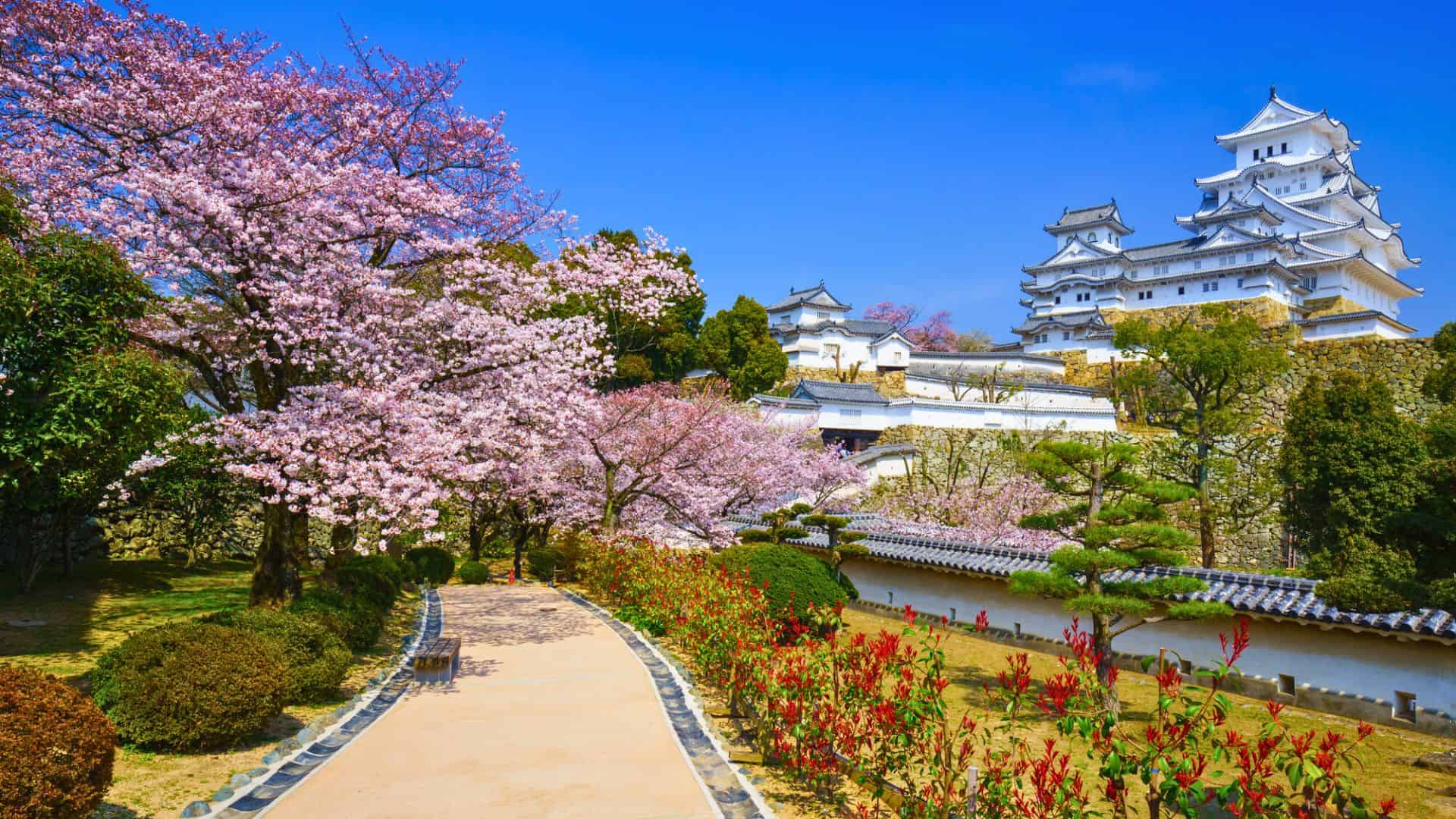
Japanese tourists are generally viewed positively, but large organized groups can overwhelm smaller attractions. Complaints usually involve crowding and heavy photography activity rather than rude behavior. These concerns are most noticeable in smaller destinations across Southeast Asia and Europe.
Australian Travelers in Bali and Thailand

Australian tourists are commonly associated with loud group travel and nightlife-focused vacations in Indonesia and Thailand. Complaints frequently involve heavy drinking, noisy behavior, and limited attention to local customs in quieter communities. School holiday travel periods often intensify these issues.
Want to save this?
Brazilian Tourists in Europe

Brazilian tourists are often described as energetic and highly social, but in quieter destinations this can create friction. Complaints include loud conversations in restaurants, museums, and hotels, as well as impatience in queues. These issues are most commonly mentioned in parts of Portugal and other European destinations.
British Party Tourists in Spain and the Czech Republic
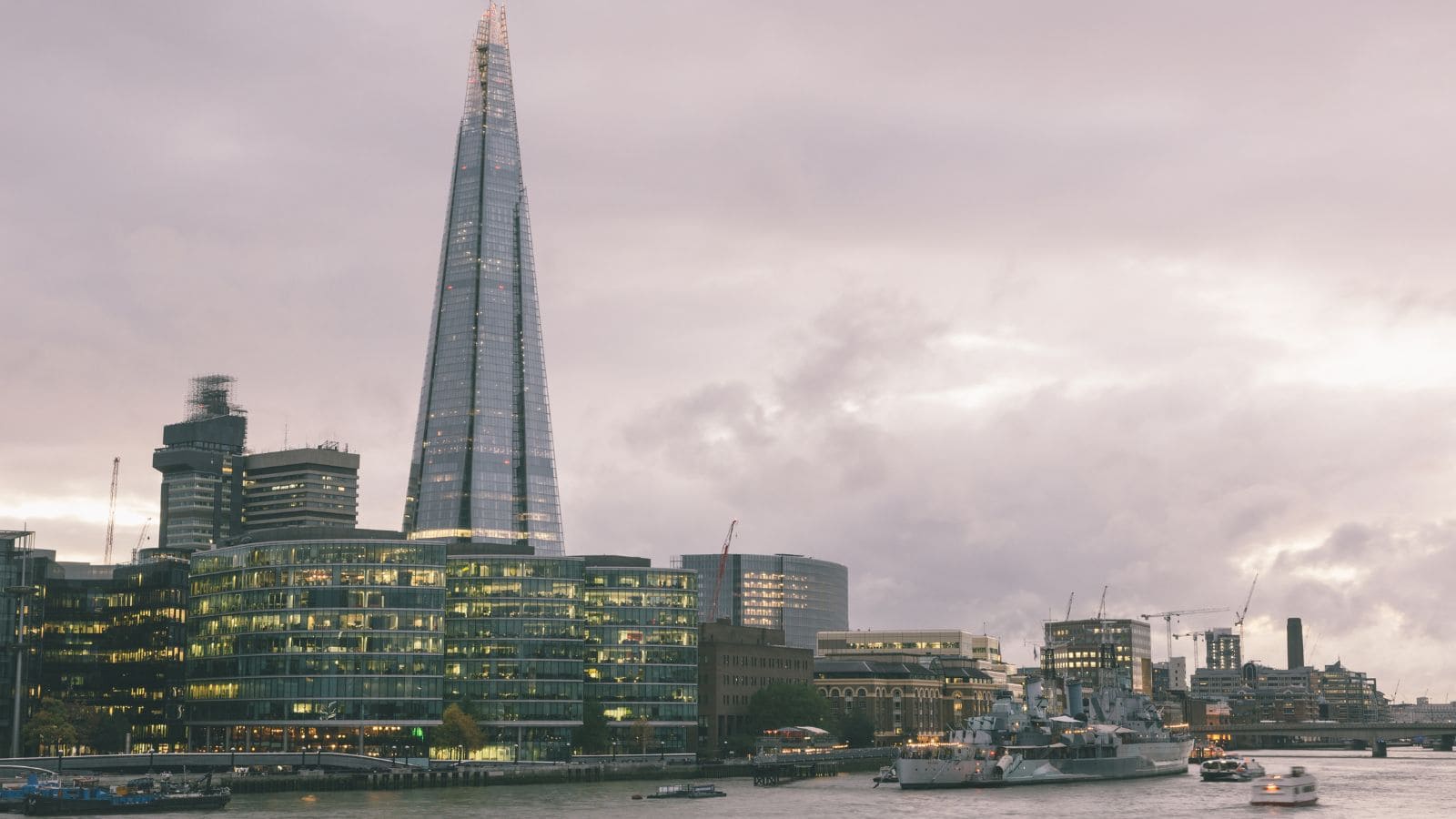
British tourists are heavily associated with party tourism in destinations such as Spain and Czech Republic. Complaints include loud late-night behavior, heavy drinking, and disruptive group activities in residential areas. Bachelor parties and weekend nightlife tourism strongly shape this reputation abroad.
Americans in Europe and Southeast Asia

American tourists are often perceived as loud and demanding, especially in countries with more reserved social norms. Complaints include expecting English everywhere, showing frustration with slower service, and assuming local systems should work like those at home. Tipping confusion and strong reactions to unfamiliar customs also contribute to the stereotype. These complaints are especially common in cities across France, Italy, and parts of Thailand.
Argentinian Tourists in South America and Europe
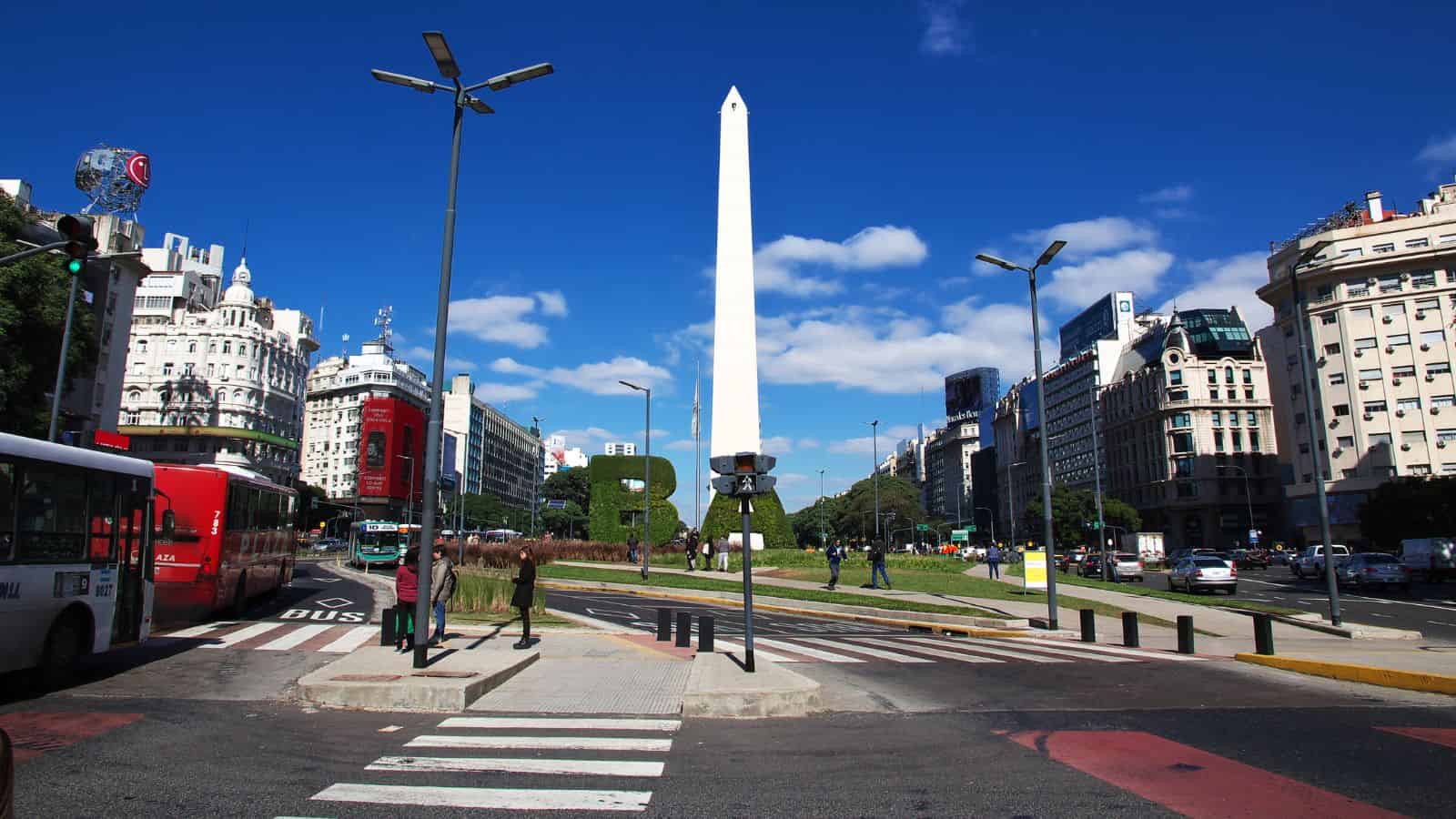
Argentinian tourists occasionally receive criticism for appearing arrogant or overly direct in conversation. Complaints include aggressive bargaining and dismissive attitudes toward neighboring countries. These stereotypes are most commonly discussed within South America and parts of Europe. Cultural communication differences often contribute to the perception.
Indian Tourists in Southeast Asia and Europe
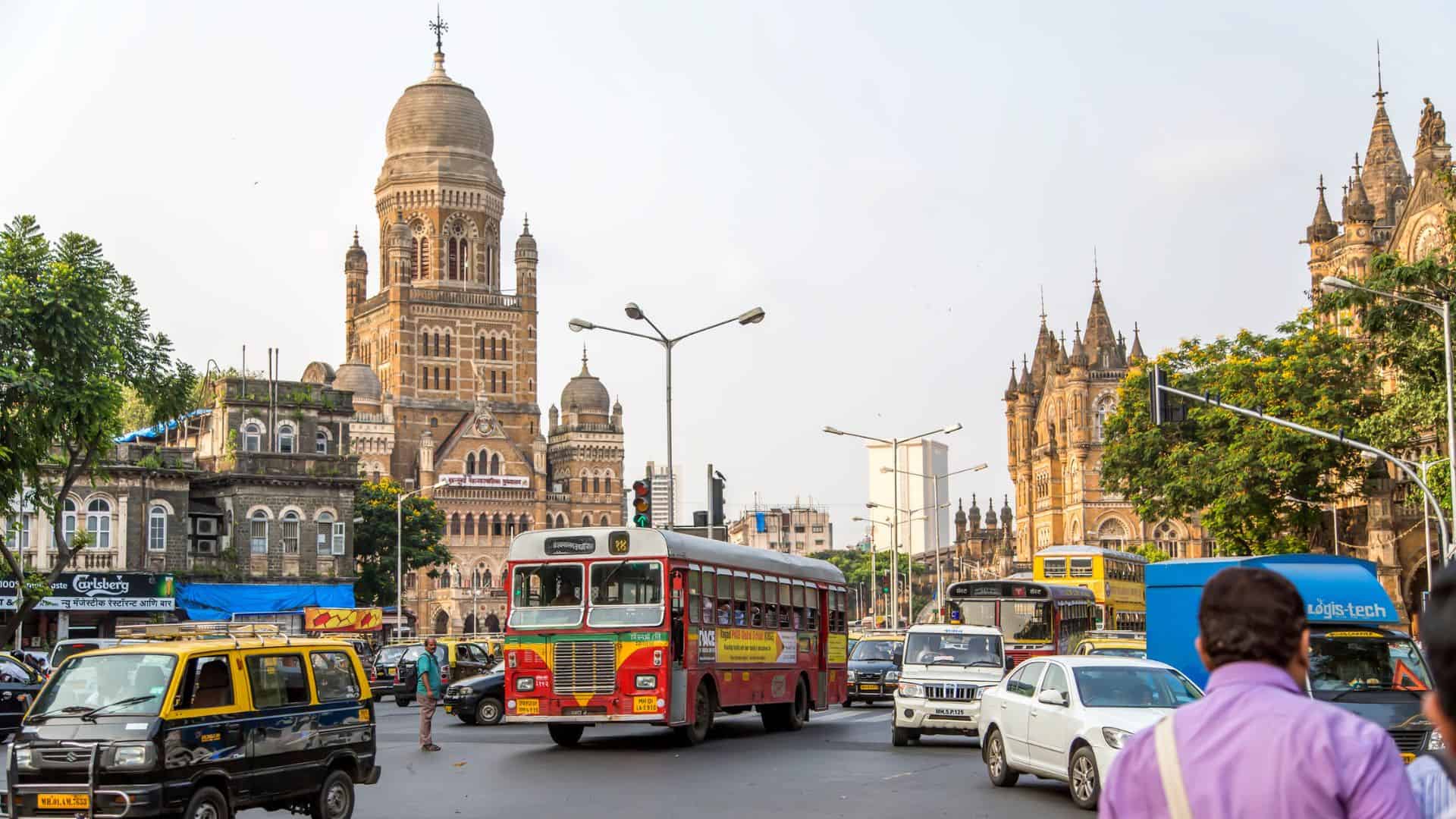
Indian tourists sometimes receive criticism for queue-jumping, speaking loudly in crowded areas, and overlooking local etiquette rules. Large family groups can also overwhelm smaller attractions or hotel spaces. Complaints are often reported in parts of Singapore, Thailand, and European destinations with heavy tourism.
9 Things You Should Prepare Before Visiting the United States

Traveling to the United States can feel straightforward, but a few details can catch visitors off guard. This article features things you should prepare before visiting the United States, focusing on entry requirements, daily logistics, and practical habits that help trips run smoothly. Small oversights can lead to delays or added stress once you arrive.
Read More Here: 9 Things You Should Prepare Before Visiting the United States
10 U.S. Cities Sitting on Fault Lines Experts Say Could Shift Anytime

Some cities sit in places where the ground itself is not as stable as it seems. This article features U.S. cities sitting on fault lines experts say could shift anytime, focusing on locations where seismic activity remains a real concern based on geological data and historical patterns. These areas may feel normal day to day, but the risk beneath the surface is always present.
Read More Here: 10 U.S. Cities Sitting on Fault Lines Experts Say Could Shift Anytime



Leave a Reply