

These 13 best vegetarian dishes in Russia showcase everything from comforting soups and hearty grain-based meals to traditional pastries and seasonal vegetable bakes worth discovering across cities and home kitchens.

Jump to:
- Borscht (Vegetarian Beetroot Soup)
- Blini with Mushroom Filling
- Vareniki (Russian Dumplings)
- Shchi (Cabbage Soup)
- Kasha (Buckwheat Porridge)
- Vegetarian Pirozhki
- Ensalada Rusa or Olivier Salad
- Okroshka (Cold Soup)
- Eggplant and Vegetable Ikra
- Kartoshka with Dill (Herbed Potatoes)
- Pryaniki (Gingerbread Cookies)
- Medovik (Russian Honey Cake)
- Mushroom Julienne
- Food, Memory, and Identity: A Vegetarian Look at Russian Cuisine
Exploring Russian cuisine, for me, has never been just about food—it has always been about identity, memory, and the places that have shaped me. I was born in the fading days of the Soviet Union, raised between cultures, and now live in Montreal, building a life that carries pieces of everywhere I’ve been. I am Russian, I am Jewish, I am Israeli, I am Canadian—and sometimes, I still feel like I exist somewhere in between.
In my kitchen, those layers come together most clearly. Food becomes the language that connects them all. The dishes I grew up with—simple, practical, deeply rooted in tradition—have followed me across borders. They’ve changed, adapted, and taken on new meaning, just as I have. As someone who doesn’t eat meat, I’ve found myself naturally drawn to Russian vegetarian food, where cabbage, potatoes, mushrooms, and grains quietly take center stage.
These are not elaborate dishes, but they are honest ones. They come from a history of making do, of finding nourishment in what is available, of feeding families through both hardship and celebration. They remind me of where I come from, even as I continue to build something new.
If you'd like to know more about my heritage, you can check out my top 10 best vegetarian foods in Israel. You can also take a look at my guide to the best restaurants in Toronto, Canada.
Plan Your Trip
Save on fees abroad with the Wise Card—use it at ATMs, restaurants, and for flights or hotels in over 150 countries. Manage 40+ currencies in real-time with the Wise app.
Need Help Planning?
- Cheap Flights: Find the best deals.
- Accommodation: From hostels to luxury stays.
- Car Rental: Affordable options worldwide.
- Sightseeing Tours: Explore without breaking the bank.
- Travel Adapter: One adapter for all your needs.
- Travel Insurance: Don’t risk it—stay covered.
This post includes affiliate links, and as an Amazon Associate I earn from qualifying purchases. Read my full disclosure and privacy policy.
In this guide, I’ve gathered 13 of the best vegetarian foods in Russia. Those that reflect not only a cuisine, but a way of life shaped by resilience, adaptation, and care. Each one tells a story, and together, they feel a little like home.
Borscht (Vegetarian Beetroot Soup)
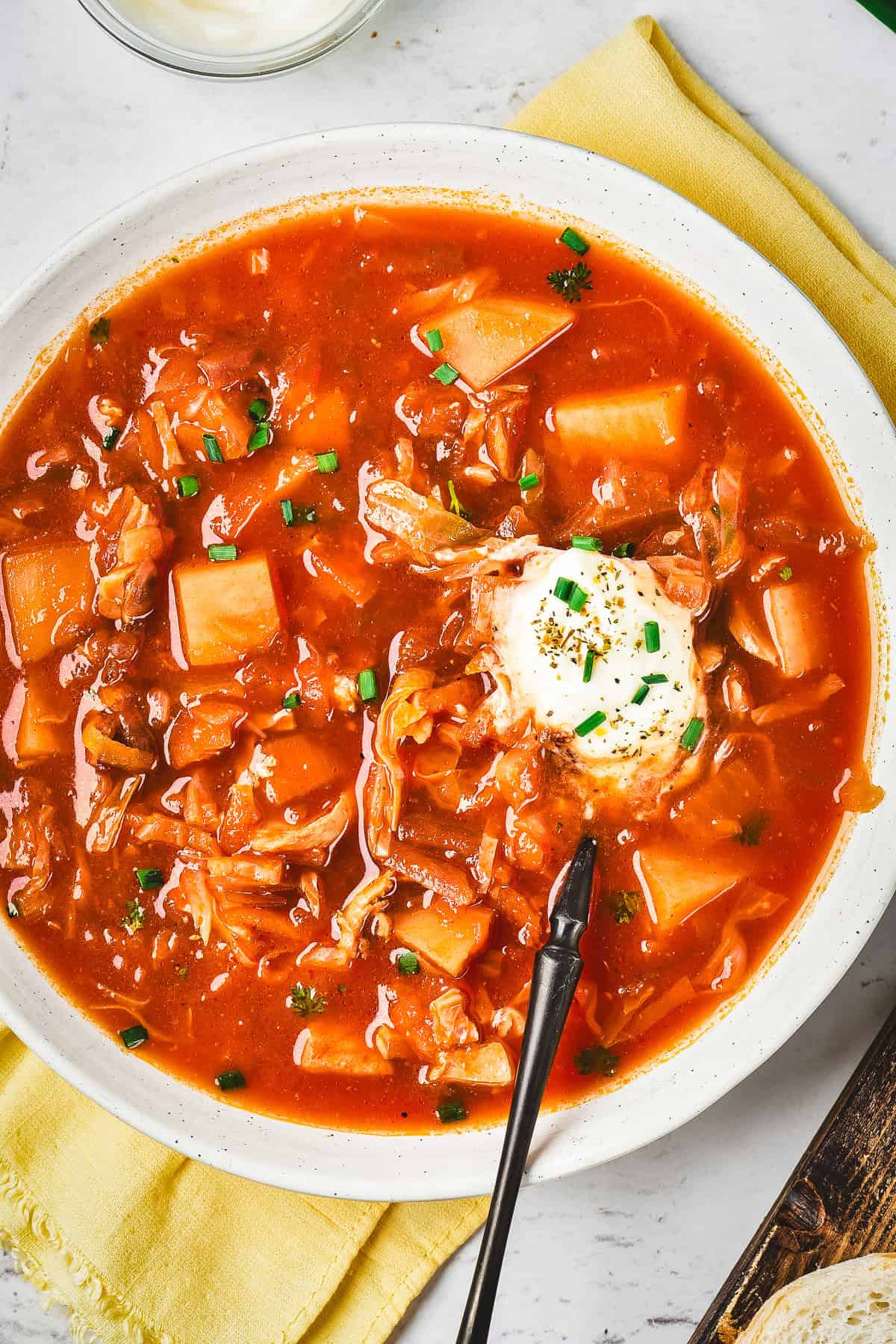
I personally don’t eat meat, but I’d be remiss if I didn’t share my dad’s favorite. A bowl of borscht brings deep color and comforting texture, centered on beetroot and slow-simmered vegetables. Cabbage, potatoes, and carrots build a layered base, while a spoonful of sour cream on top adds contrast. Although this is the vegetarian version, it still has that familiar richness associated with traditional Russian cooking. It remains one of the most recognized dishes across Russia, often linked to family tables and everyday meals.
Blini with Mushroom Filling

Blini are thin pancakes commonly served during the festival of Maslenitsa, but they also appear year-round in many forms. A vegetarian filling of mushroom sautéed with onions and herbs turns them into a hearty meal. In modern vegan adaptations, dairy-free batter replaces traditional ingredients, making these pancakes part of a growing plant-based trend. Found as street food or in a Russian restaurant, blini highlight how classic dishes can be made vegetarian while staying connected to long-standing traditions. While fillings vary widely, the vegetarian versions remain especially popular in Russia during fasting periods observed by the Russian Orthodox Church.
Vareniki (Russian Dumplings)
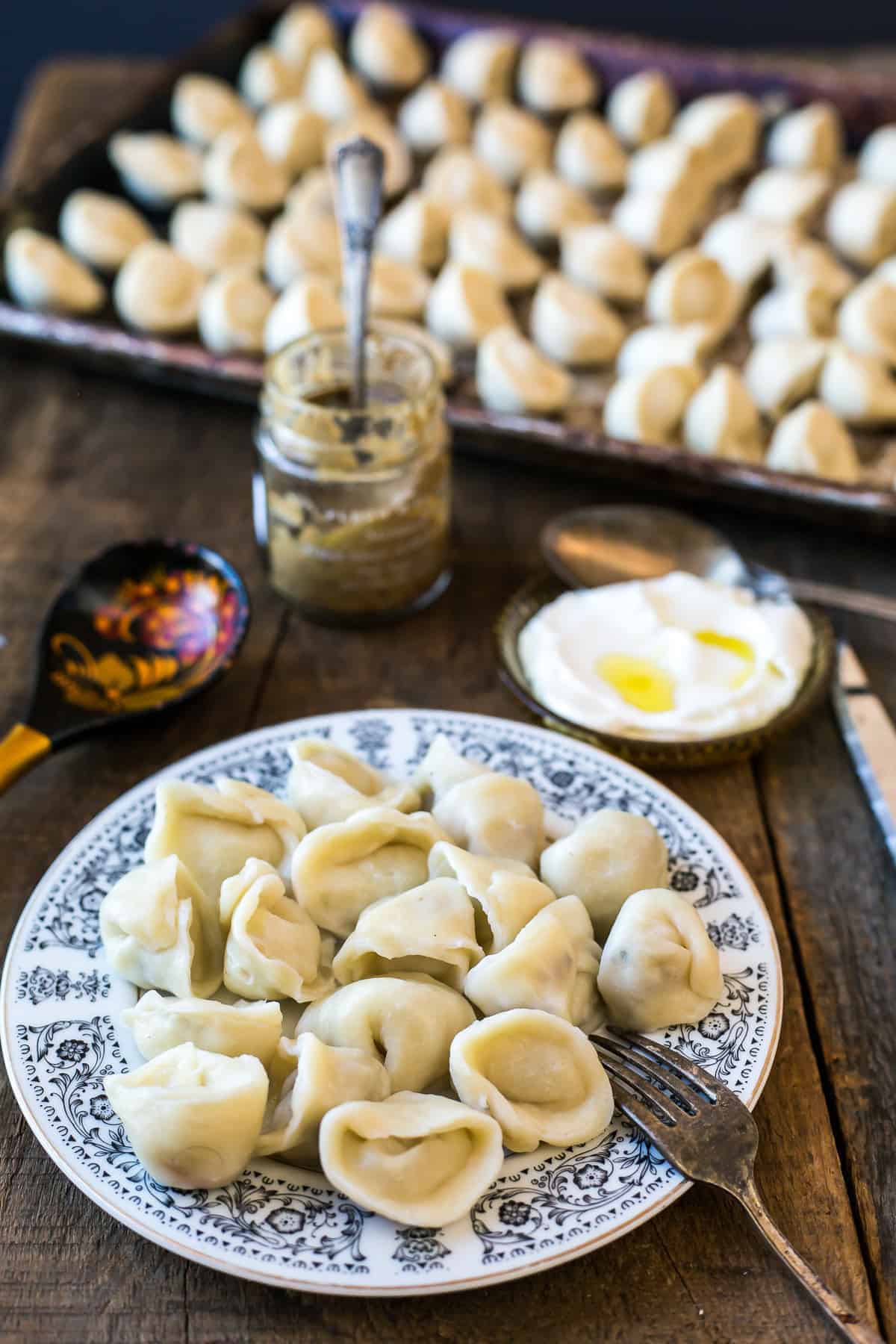
Vareniki are soft dumpling parcels filled with ingredients like potatoes, cheese, or cherries. They're boiled and often served with sour cream or butter, though vegan versions swap in plant-based toppings. For a visitor on a trip to Russia, vareniki represent familiar comfort while still reflecting local traditions and diverse food options. The word “vareniki” comes from a Slavic term meaning “to boil.” These dumplings are closely related to Polish pierogi and Ukrainian versions of the dish. They are often served during holidays and family gatherings, and their fillings can be savory or sweet depending on the occasion.
Shchi (Cabbage Soup)
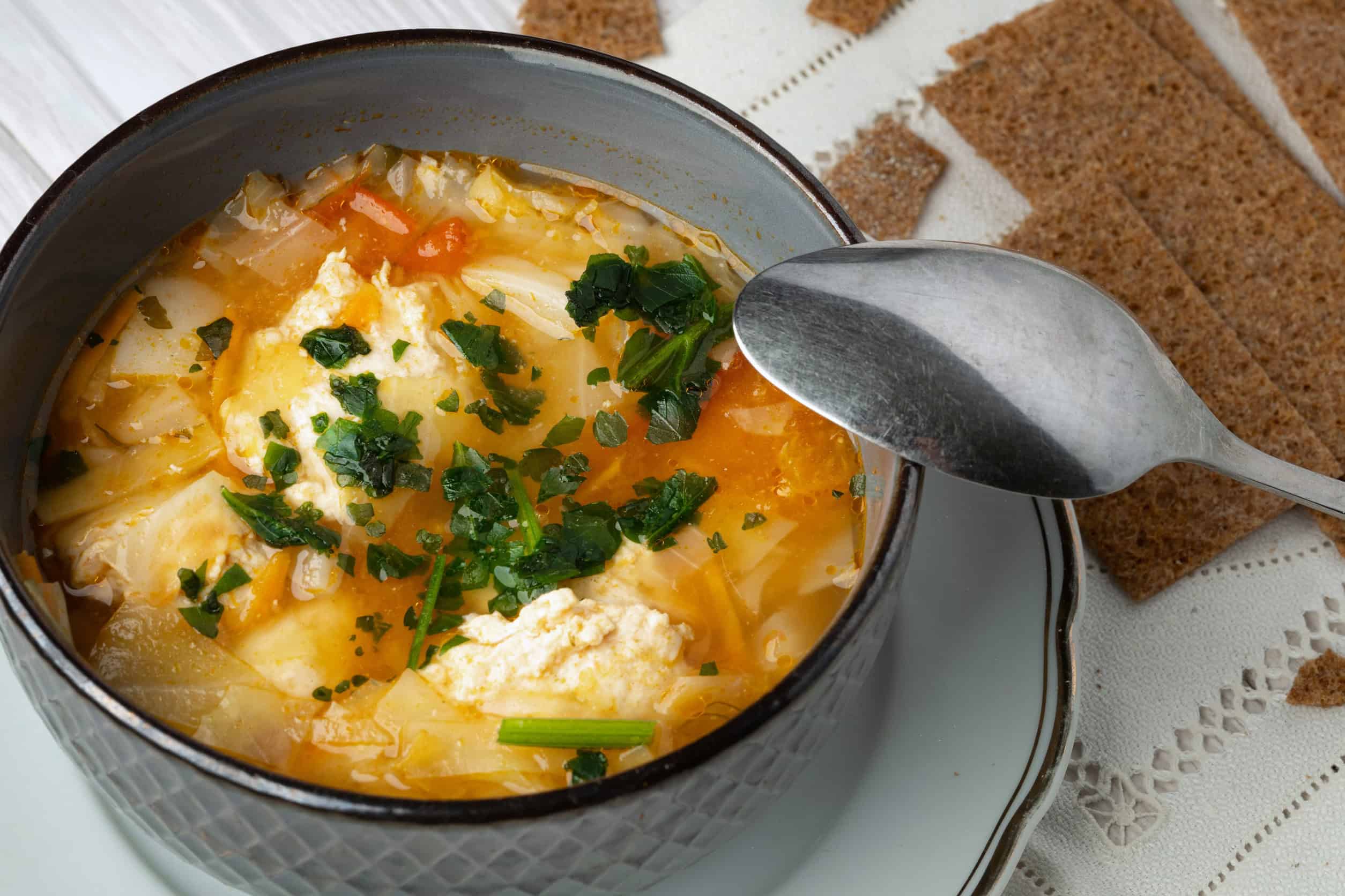
Shchi has been eaten in Russia for over a thousand years and was once considered a daily necessity. A famous Russian saying claims that “shchi and kasha are our food,” highlighting their importance. It can be prepared in many ways, depending on available ingredients. I prefer mine with plenty of cabbage, potatoes, and carrots, simmered slowly until everything is tender and deeply flavorful, creating a gentle, hearty broth that feels nourishing without being heavy. Some versions include meat or stock, but this vegetarian approach still captures the essence of shchi as it has been enjoyed in countless Russian homes across generations.
Kasha (Buckwheat Porridge)
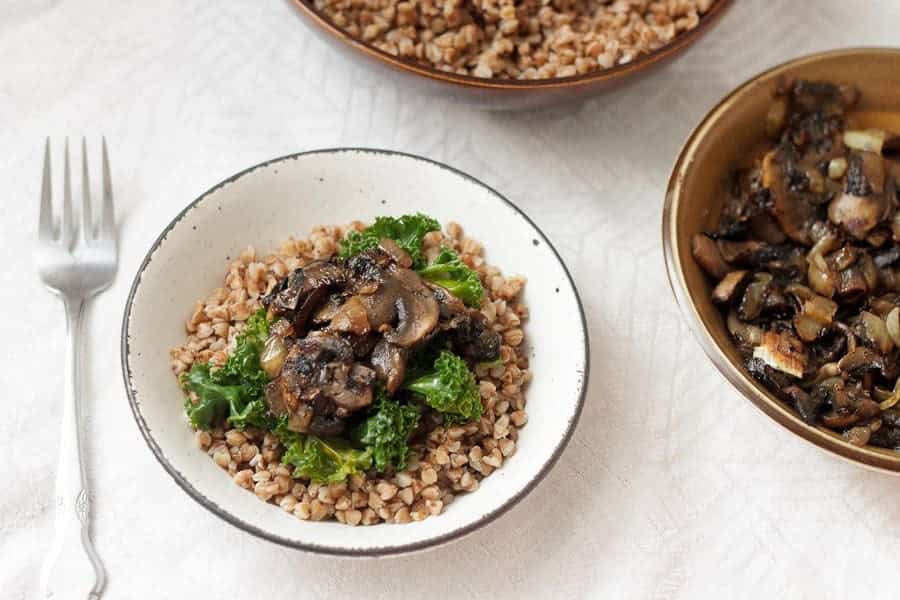
Kasha is made from buckwheat and is a staple grain dish enjoyed for breakfast or as a side. Despite its name, buckwheat is not actually a type of wheat but a seed, which makes it naturally gluten-free. Its nutty flavor and slightly firm texture pair especially well with sautéed vegetables or mushrooms, making it an easy fit for a vegetarian Russian table. Rich in fiber, protein, and essential minerals like magnesium, it is both nourishing and filling. Traditionally toasted before cooking to enhance its flavor, kasha has remained a key part of everyday meals for centuries across Eastern Europe.
Vegetarian Pirozhki
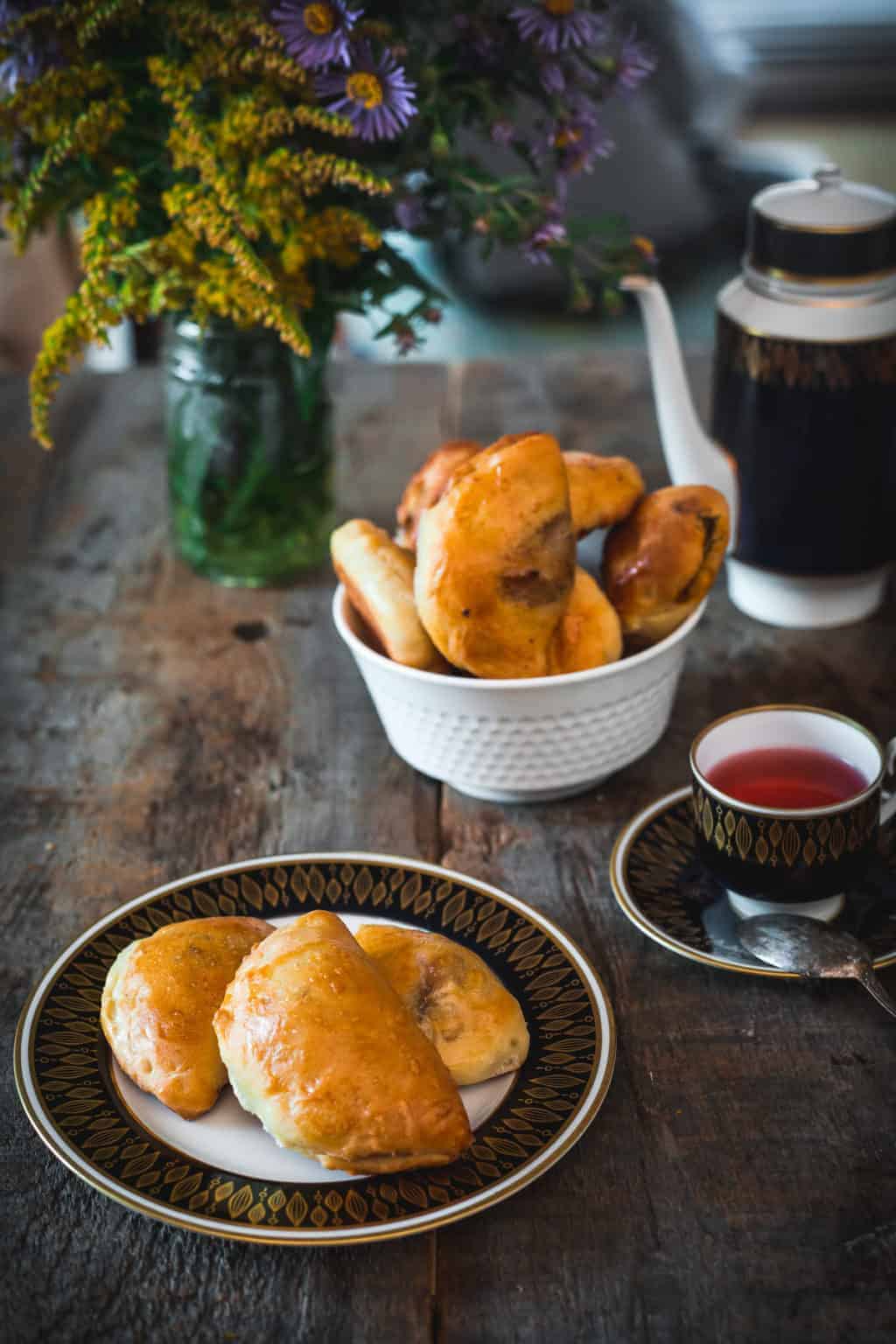
These are small baked or fried buns filled with cabbage, potatoes, or mushrooms. My children’s favorite handheld pastries are something we always reach for when we want a quick, comforting bite. They’re commonly sold as street food in Russia and are easy to find, whether in bakeries, markets, or even train stations during long journeys. I love how many vendors now offer vegan versions, making them accessible for travelers looking for plant-based options. Pirozhki can be either baked or fried, depending on regional preference, which gives them slightly different textures but the same satisfying flavor.
Want to save this?
Ensalada Rusa or Olivier Salad
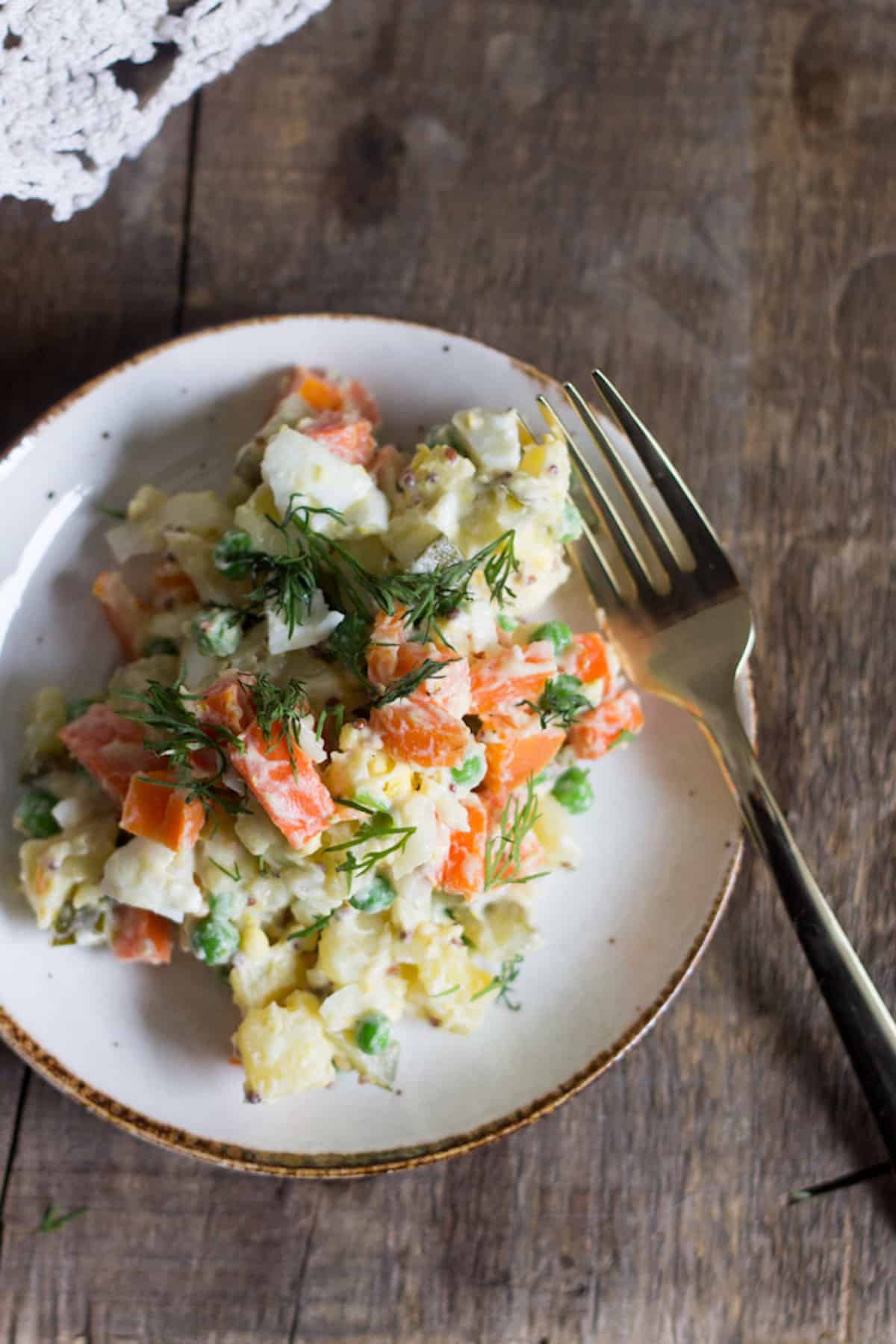
A cold traditional Russian salad made with diced potatoes, carrots, peas, pickles, and a creamy dressing. A vegetarian version removes meat and focuses on vegetables, creating a balanced mix often served during celebrations. This salad is closely associated with festive gatherings and is commonly found in both home kitchens and restaurants in Moscow. Its roots trace back to a 19th-century chef in Moscow who first created the original recipe, which later evolved into many regional and plant-based versions. There’s something nostalgic about the way each spoonful brings together different textures and flavors, making it feel both simple and special.
Okroshka (Cold Soup)
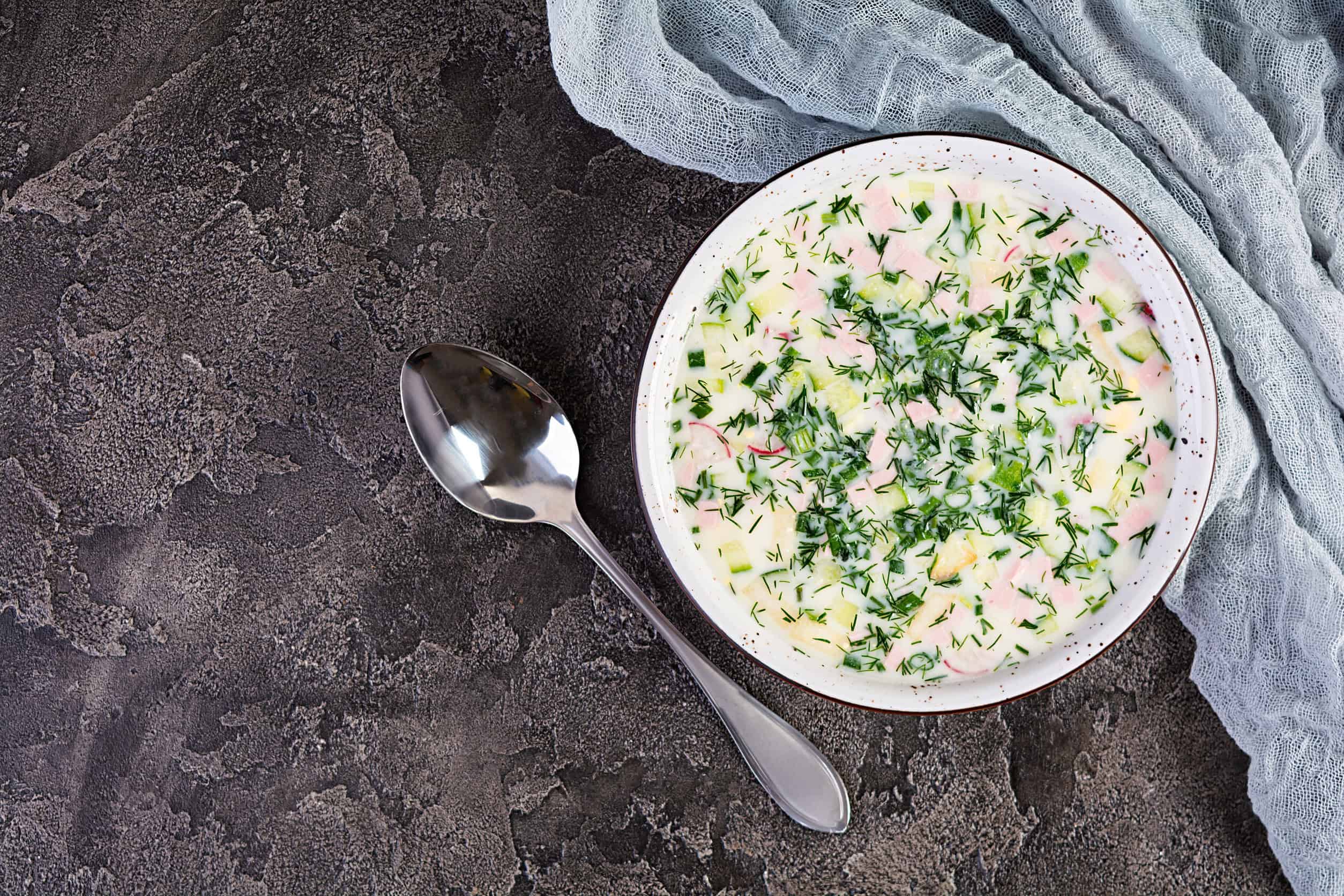
Okroshka is a chilled soup traditionally made with kvass, a drink based on fermented rye bread that has been part of Slavic food culture for centuries. A vegetarian version includes cucumber, radishes, potatoes, and fresh herbs like dill and chives, creating a refreshing, crisp dish that is especially popular in warmer months. It's one of those dishes that instantly signals summer. I associate it with hot afternoons when you don’t want anything heavy, just something cold, sharp, and refreshing. Some versions use kefir instead of kvass, which makes the soup thicker and more sour.
Eggplant and Vegetable Ikra
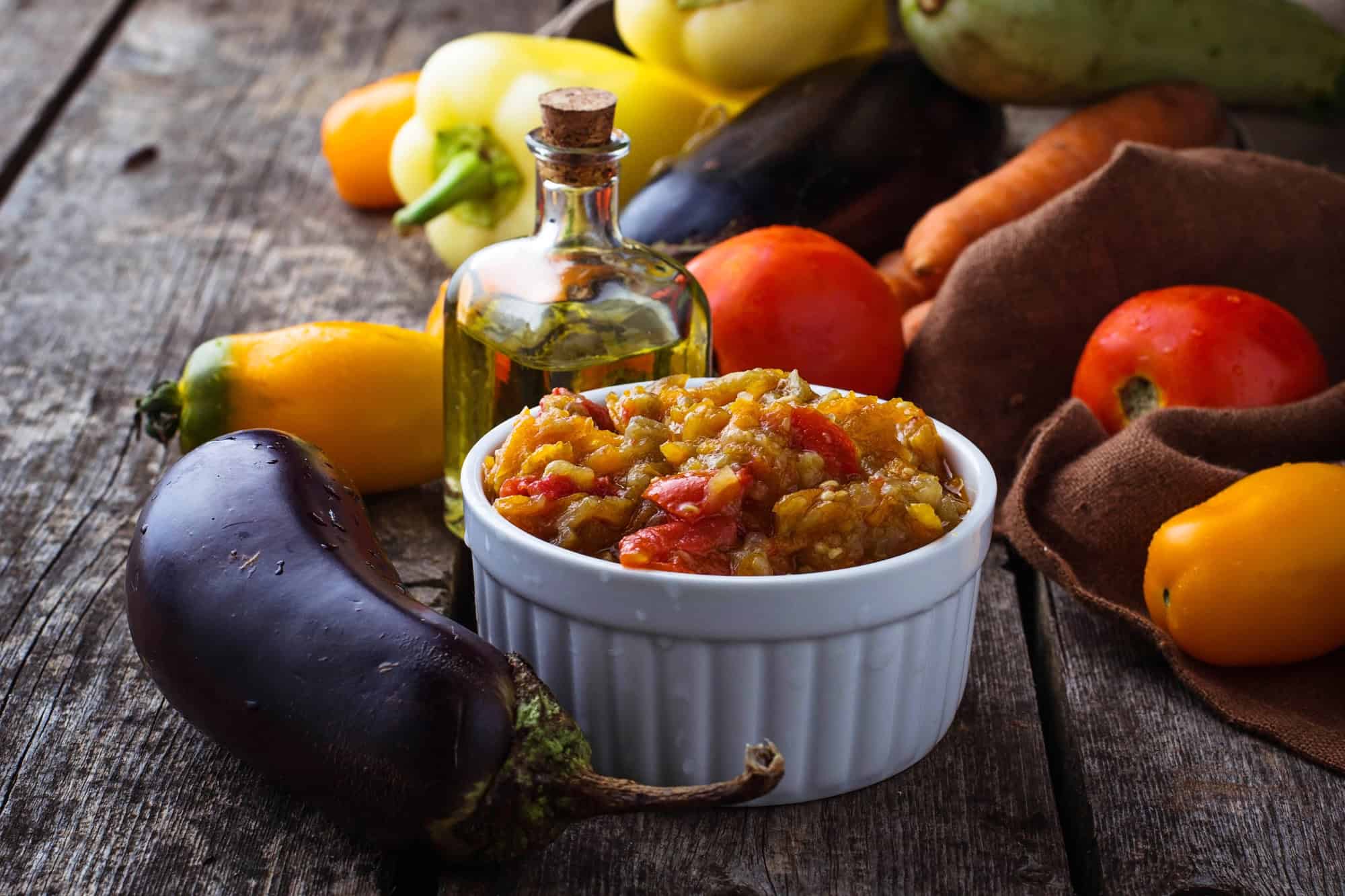
A traditional Russian-style spread made by slowly cooking eggplant with tomatoes, onions, carrots, and bell peppers until everything becomes soft, rich, and almost jam-like in texture. Despite the name “ikra,” it has no fish roe in it. Instead, it refers to finely chopped or puréed vegetable spreads that are commonly preserved in jars. I really like this one because it feels rustic and deeply comforting, almost like something you would always find in a family kitchen. It’s still widely found in homes and markets today, and many modern versions lean toward lighter, plant-based dishes while keeping that same slow-cooked depth of flavor.
Kartoshka with Dill (Herbed Potatoes)
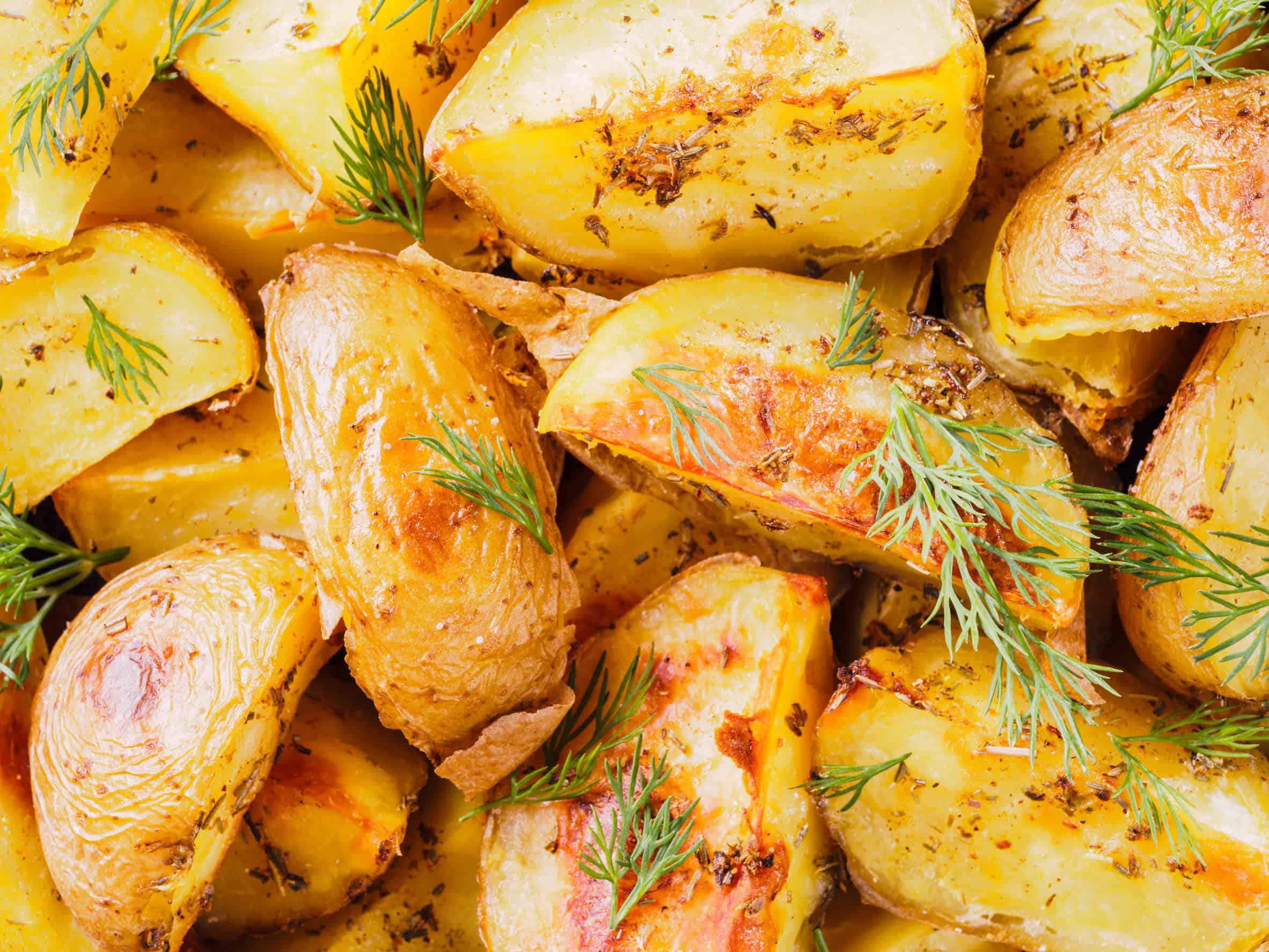
Probably the simplest vegetarian option on this list! It’s made by boiling potatoes until tender, then tossing them with fresh dill, butter or oil, and a pinch of salt. The result is a light but flavorful dish where the natural sweetness of the potatoes is lifted by the bright, grassy aroma of dill. In Russia, dill is one of the most widely used herbs and is almost a signature flavor in everyday cooking. Kartoshka with dill is often served alongside fish, salads, or stews, but it also works perfectly on its own.
Pryaniki (Gingerbread Cookies)

Pryaniki are traditional Russian spiced cookies, often described as a type of gingerbread, made with honey, flour, and warming spices like cinnamon, cloves, and ginger. They are usually soft rather than crisp, sometimes filled with jam, condensed milk, or fruit preserves, which adds a sweet surprise in the center. It's quite comforting to shape the dough into small rounds or stamp with decorative patterns before baking. Making this is my favorite Thanksgiving tradition with my kids. Some regions in Russia became famous for their own versions, especially Tula pryaniki, which are still well known today for their intricate designs and filled centers.
Medovik (Russian Honey Cake)
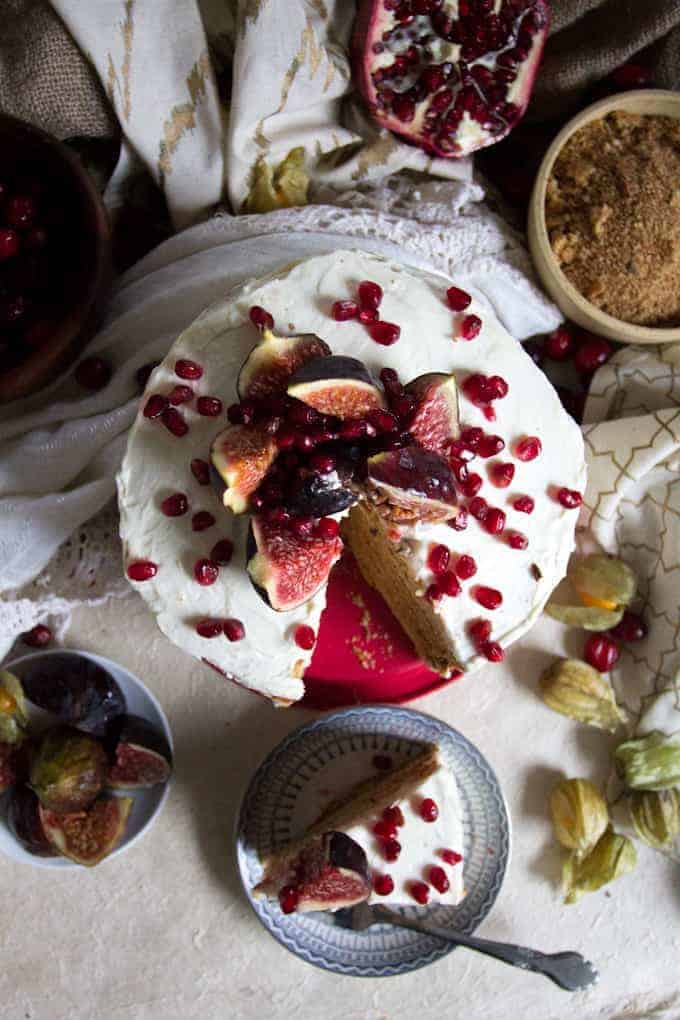
A layered dessert made from thin honey-sweetened sponge layers stacked with a creamy filling, traditionally sour cream or a lightly sweetened cream mixture. The layers are soft, delicate, and slightly caramelized by the honey, while the cream seeps in over time, making the cake even more tender after resting. You need a whole lot of patience with this one, but it's every bit as rewarding! It remains part of Russian cuisine, prepared in a russian style across every Russian city. Many variations exist, including versions with nuts, chocolate, or caramel cream, but the signature honey flavor always remains central.
Mushroom Julienne

A creamy baked dish made with sautéed mushrooms and onions in a rich sauce (often cream-based), topped with cheese and baked until golden and bubbling. It’s typically served in small ramekins or baking dishes, giving it an elegant, individual-portion presentation while still feeling very comforting and homestyle. I love the earthy depth of the mushrooms, especially when they’re cooked down properly so they release their full flavor. The creamy sauce brings everything together, and the baked cheese on top adds a slightly crisp, savory finish that makes each spoonful satisfying. It's a popular vegetarian appetizer in Russia, often found in restaurants and festive menus.
Food, Memory, and Identity: A Vegetarian Look at Russian Cuisine
Bringing these recipes together reminds me that food carries memory, movement, and identity across generations. These Russian dishes reflect resilience and creativity, shaped by simple ingredients and evolving traditions.
For anyone exploring vegetarian and vegan options in Russia, there is far more variety and depth than expected, including hearty soups, grains, and desserts. Each dish offers a glimpse into everyday life and history.
If you are traveling to Russia, I hope this guide encourages you to look beyond assumptions and discover its rich, adaptable food culture. You may find that even the simplest meals can feel meaningful, comforting, and unexpectedly familiar.




Leave a Reply