
Rules can seem flexible until they are enforced. This article features countries where travelers misjudge how strict rules are, focusing on destinations where laws, regulations, or everyday guidelines leave little room for error. Visitors are often surprised when small actions lead to fines or warnings.
Knowing where rules are taken more seriously can help travelers avoid problems. Paying attention to local expectations can make the experience smoother and more respectful. Keep reading to see which countries made the list and what visitors often overlook.

Singapore
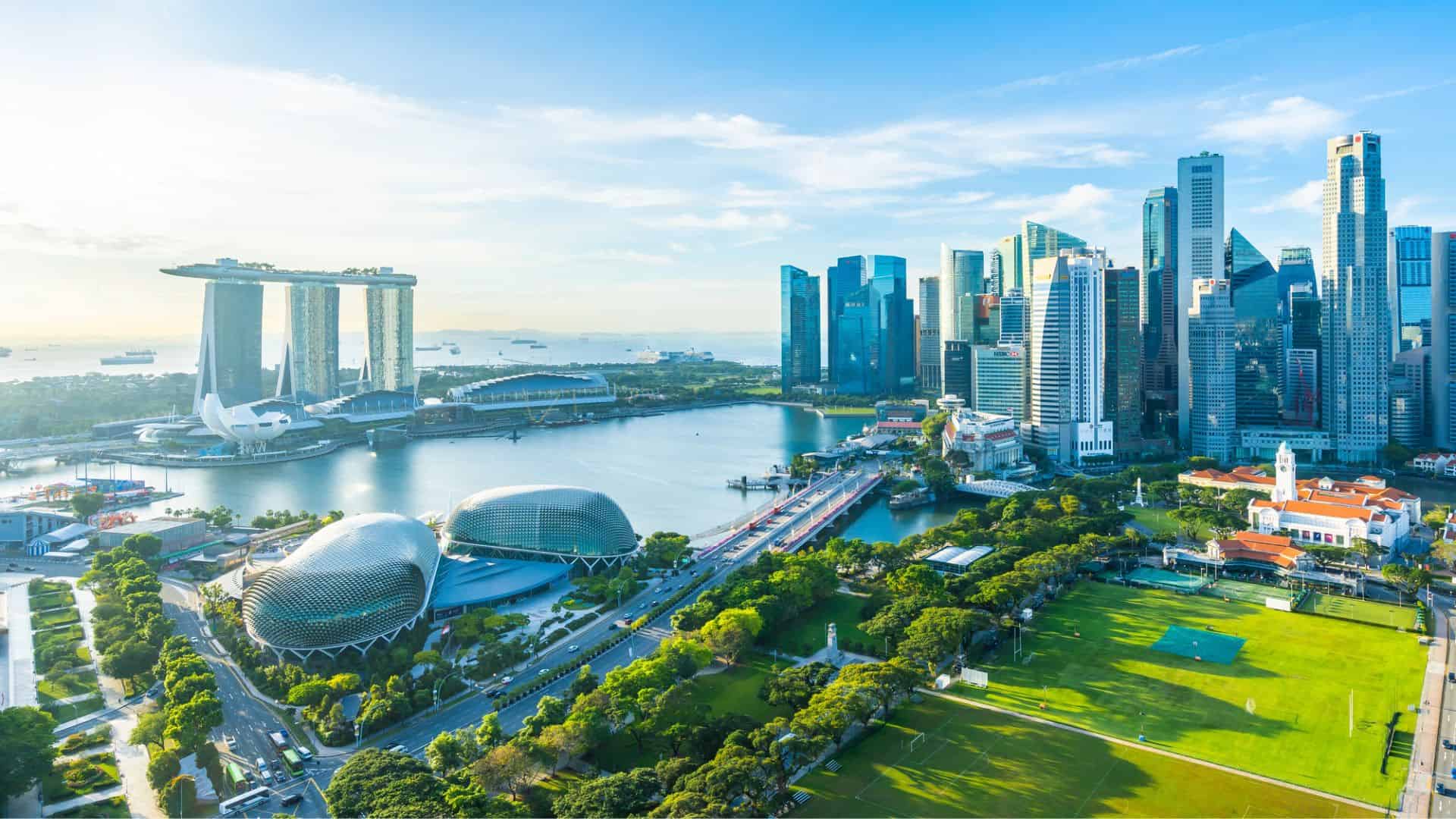
Many travelers expect a relaxed urban environment, but Singapore enforces rules consistently. Littering, jaywalking, and eating or drinking on public transport can result in fines. Smoking is limited to designated areas, and regulations are clearly posted. Enforcement is active, not symbolic. Visitors who overlook small rules may face immediate penalties. Paying attention to signage and following local regulations helps avoid unnecessary issues.
Japan
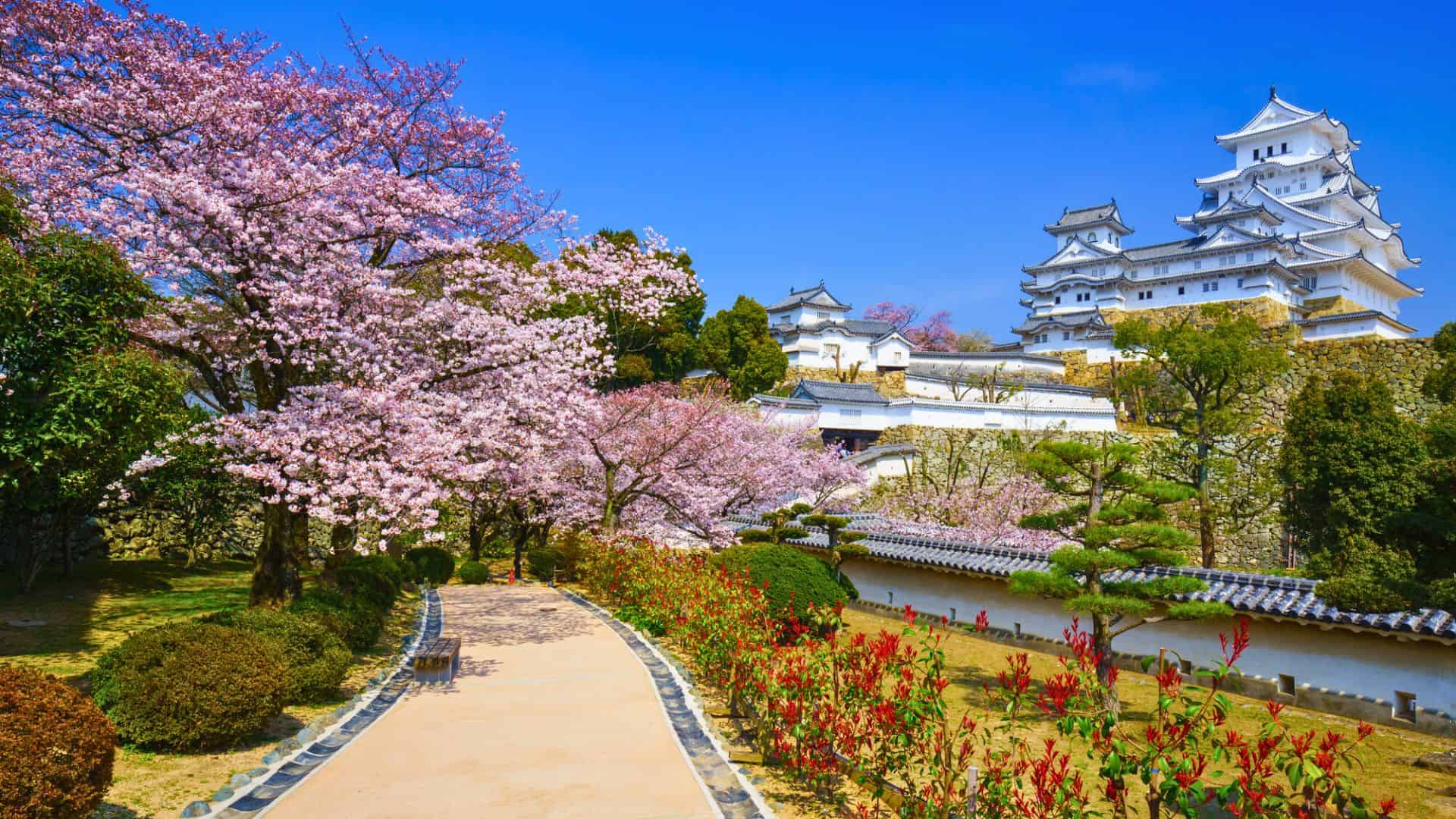
Japan’s rules are often unspoken but still strictly followed. Public behavior, such as keeping noise low on transport and following queue systems, is expected. Eating while walking or using phones loudly on trains can be frowned upon. Visitors who treat guidelines as optional may stand out quickly. Observing local habits and adjusting behavior helps align with expectations and avoid discomfort.
United Arab Emirates

The United Arab Emirates has clearly defined laws that can surprise visitors. Public behavior, dress codes, and alcohol consumption are regulated depending on location. Public displays of affection are limited, and certain actions can lead to fines or warnings. Travelers who assume informal standards may encounter issues. Understanding local laws and respecting guidelines is essential when visiting.
Germany

Germany is structured and rule-oriented in daily life. Traffic laws, including pedestrian signals, are taken seriously. Crossing streets against signals or ignoring rules can draw attention. Recycling systems and public order expectations are also clearly defined. Visitors who assume flexibility may find enforcement stricter than expected. Following posted rules helps maintain a smooth experience.
Switzerland
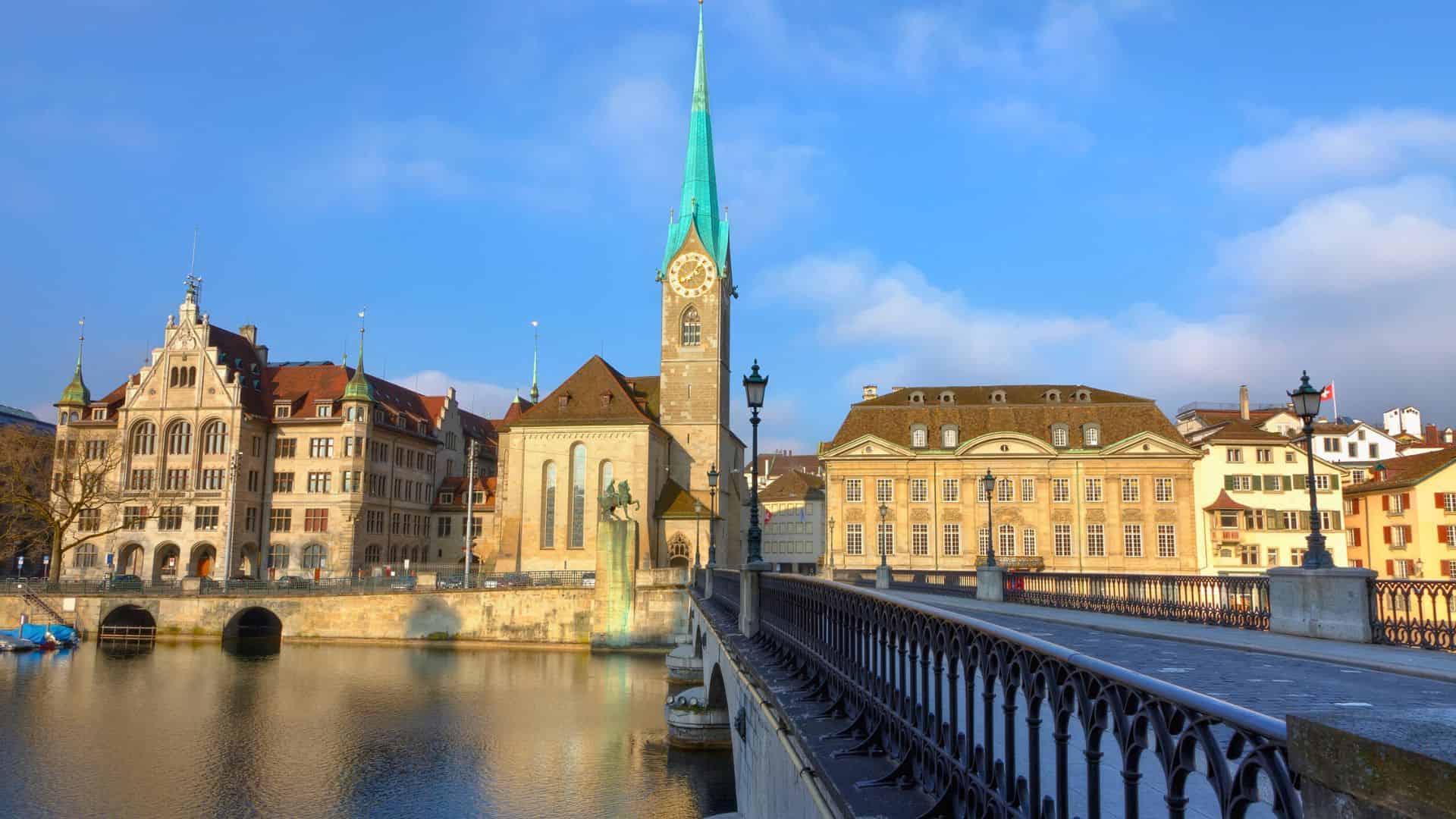
Switzerland maintains strict standards for public order and regulations. Noise restrictions, recycling rules, and transport guidelines are enforced consistently. Quiet hours are observed in residential areas. Visitors who overlook these expectations may face complaints or fines. Understanding local practices and respecting rules helps avoid issues during a stay.
Want to save this?
Thailand

Thailand is often seen as relaxed, but certain laws are strictly enforced. Respect for the monarchy is taken seriously, and violations can lead to legal consequences. Dress codes apply at religious sites, and behavior in temples is regulated. Travelers who overlook these expectations may face problems. Being aware of cultural and legal boundaries helps prevent misunderstandings.
Australia

Australia enforces strict biosecurity and environmental regulations. Bringing undeclared food or organic items into the country can result in fines. National parks and protected areas also have clear rules. Travelers who do not follow entry requirements or local guidelines may face penalties. Reviewing regulations before arrival helps avoid complications.
Turkey

Turkey combines cultural expectations with formal regulations. Behavior at religious sites follows clear guidelines, including dress and conduct. Certain public actions may be interpreted differently than in other countries. Visitors who assume flexibility may encounter issues. Respecting local customs and following posted rules helps maintain a smooth visit.
South Korea
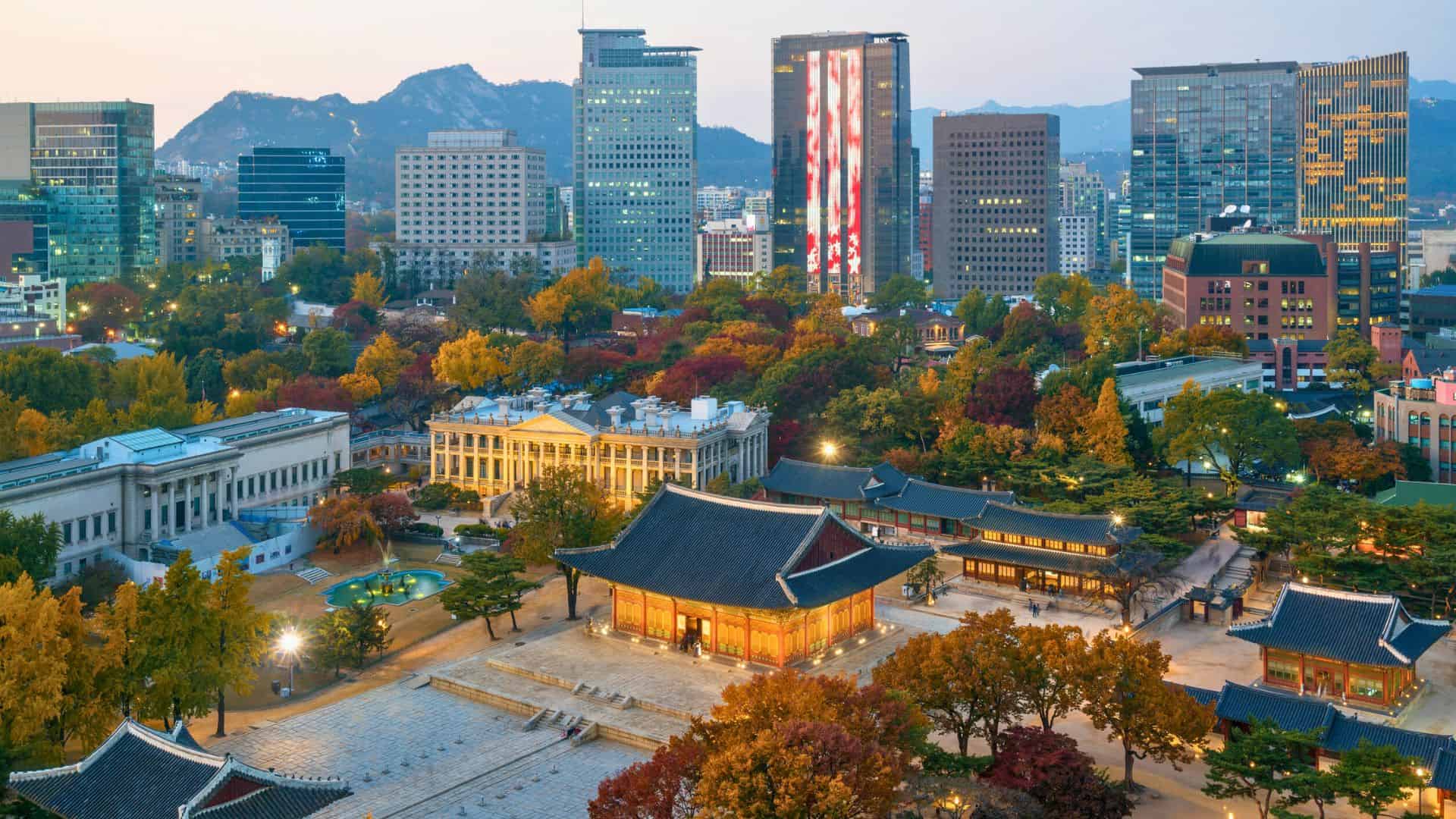
South Korea blends modern infrastructure with structured social expectations. Public transport etiquette, recycling systems, and behavior in shared spaces follow clear norms. Violating these expectations may draw attention even if not formally penalized. Visitors who observe how locals behave tend to adapt more easily. Understanding these rules helps avoid unnecessary friction during travel.
Top 10 Countries You Must Start Planning For This 2026

Planning travel far ahead can feel unnecessary, but some destinations benefit from early thought and timing. As travel patterns shift and interest grows, certain countries are drawing more attention for 2026 due to changing entry rules, rising demand, and limited availability during peak seasons. Waiting too long can mean higher costs, fewer choices, or missed opportunities to see places at a comfortable pace. These countries stand out not just for scenery or culture, but for how planning ahead can shape a smoother trip.
Read More Here: Top 10 Countries You Must Start Planning For This 2026
9 Countries Where April Is a Smart Time for Family Travel

April sits in a sweet spot for many destinations, especially for families trying to balance cost, weather, and crowd levels. This article features countries where April is a smart time for family travel, focusing on places where conditions are comfortable, school holiday crowds are manageable, and travel costs have not yet peaked. These factors can make planning smoother and more flexible.
Read More Here: 9 Countries Where April Is a Smart Time for Family Travel




Leave a Reply