
Food can shape an entire trip, sometimes even more than famous landmarks. This article features destinations people visit mainly for the food, focusing on places where local dishes, markets, and dining traditions draw travelers from around the world. In these locations, meals often become the highlight of the experience.
Exploring food culture can reveal a deeper side of a destination. Markets, street stalls, and neighborhood restaurants often tell stories about history and daily life. Keep reading to see which destinations made the list and why their food scenes keep travelers coming back.
Italy
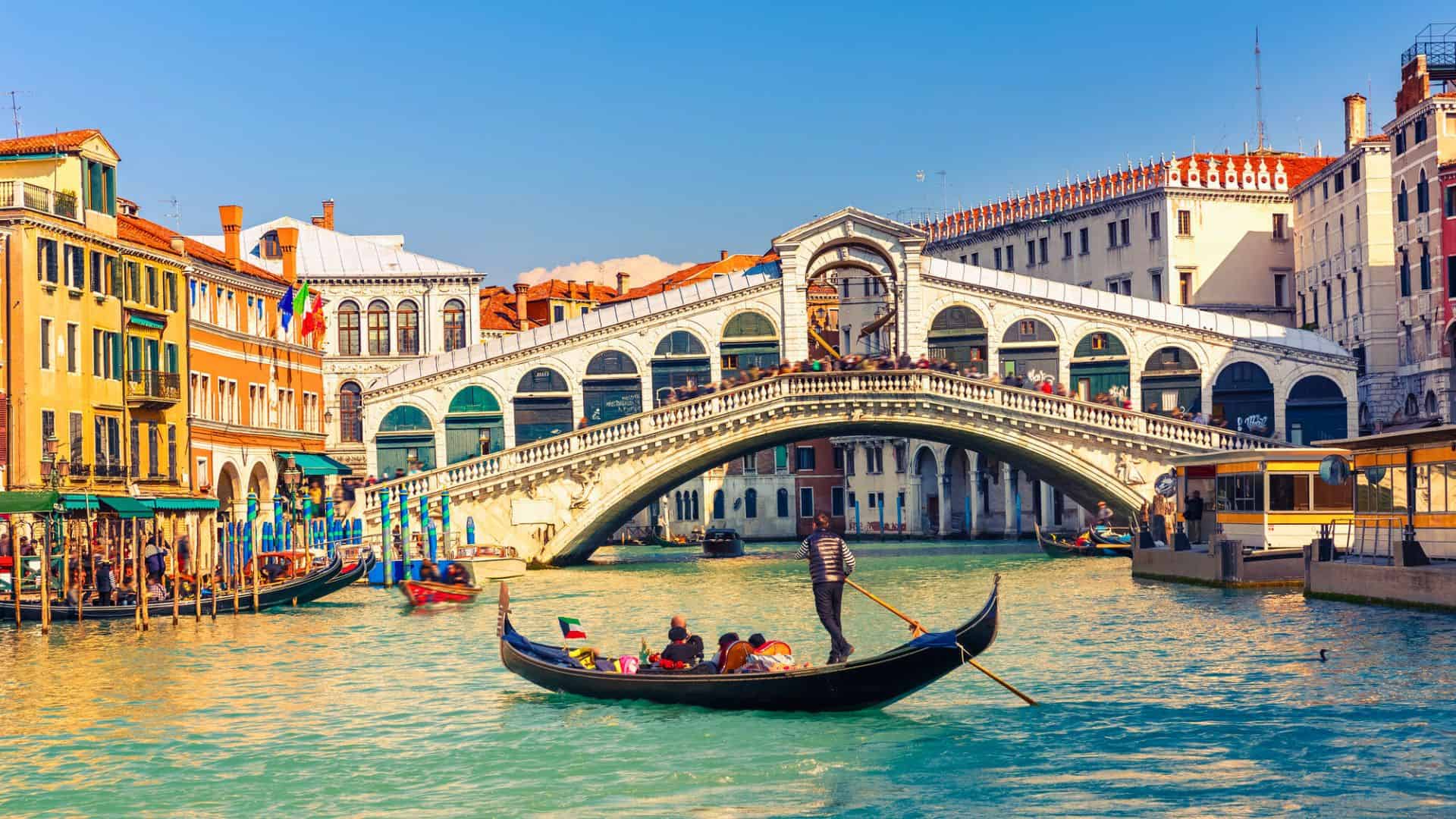
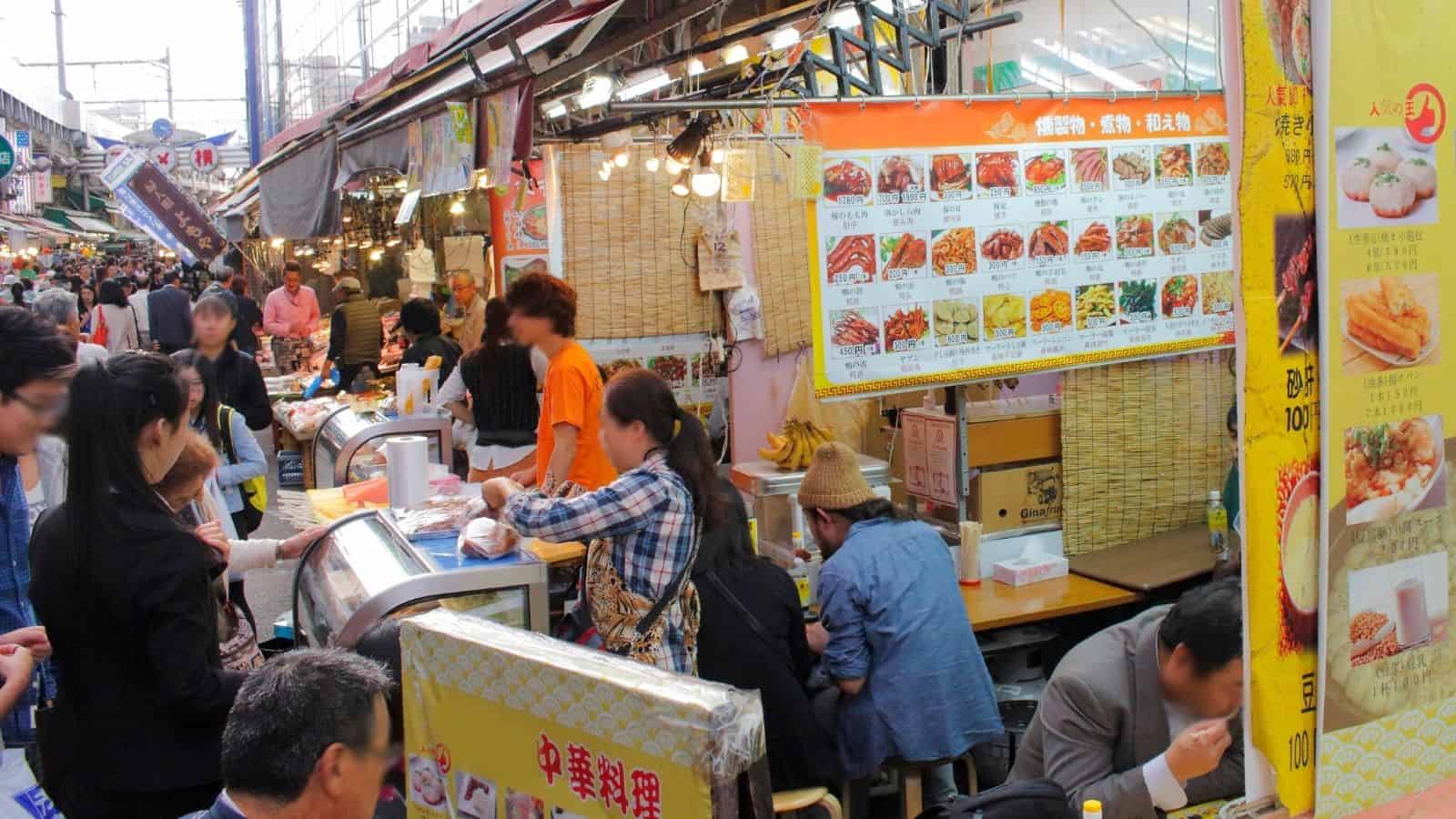
Italian food is closely tied to regional traditions, family gatherings, and ingredients that change from one area to the next. Pasta appears in countless forms, from rich ragù in Bologna to seafood-based dishes along the coast. Pizza ranges from soft Neapolitan styles baked in wood-fired ovens to crisp Roman versions served by the slice. Fresh ingredients like tomatoes, basil, and mozzarella shape everyday cooking, while olive oil and aged balsamic add depth. Cured meats such as prosciutto are common across markets and restaurants. Meals are usually slow-paced, often shared with wine and conversation.
Japan
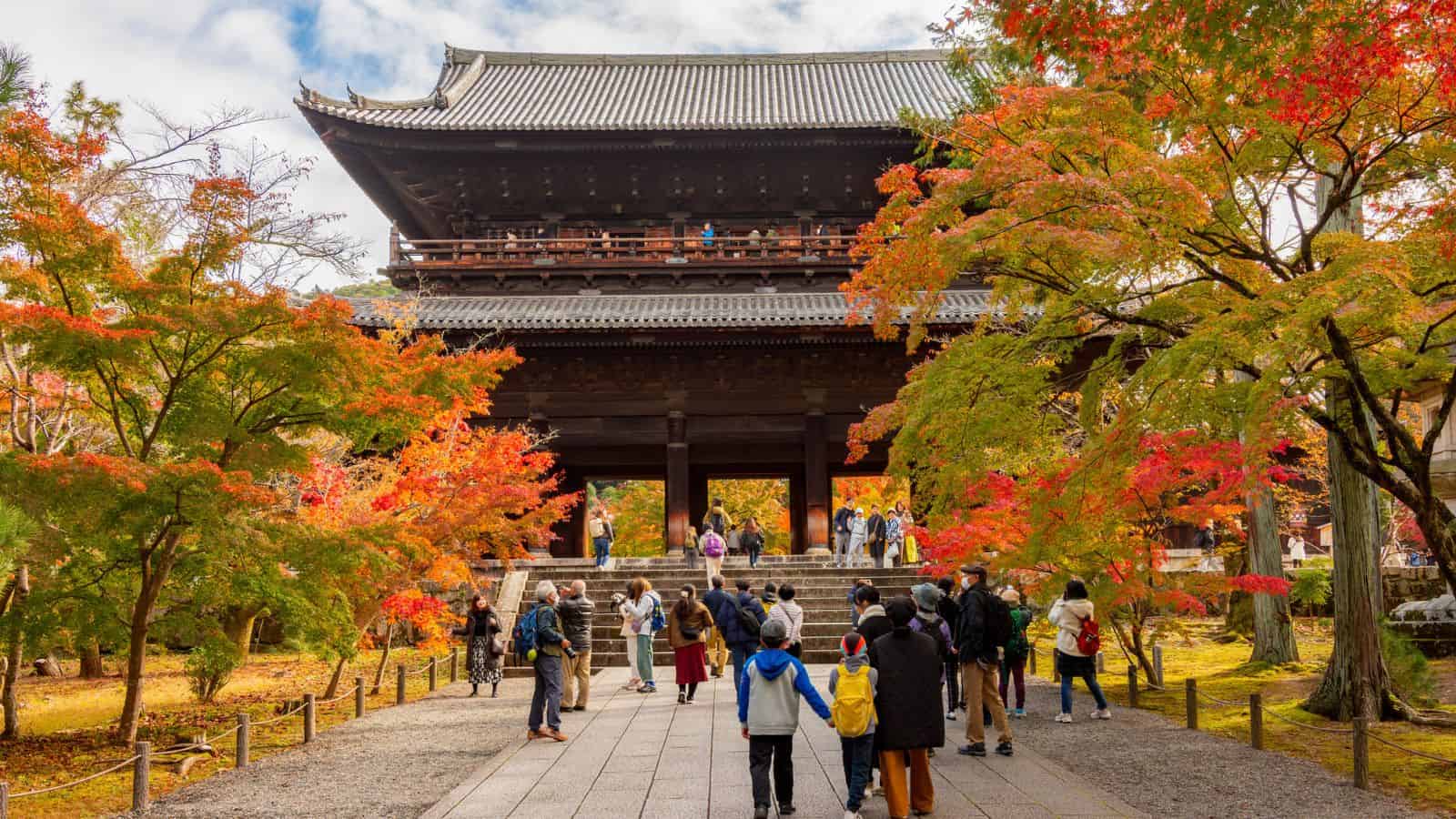
Japan’s food culture focuses on precision, balance, and careful preparation. Sushi chefs spend years refining techniques that highlight the freshness of seafood. Ramen shops serve bowls of broth that vary widely by region, each with distinct ingredients and preparation methods. Markets and street stalls sell grilled skewers, sweets, and neatly arranged bento meals. Even convenience stores carry rice balls, sandwiches, and desserts prepared with notable attention to quality. Seasonal ingredients shape many menus, from simple home cooking to structured multi-course kaiseki meals. Across settings, dishes are prepared with deliberate attention to detail.
Thailand
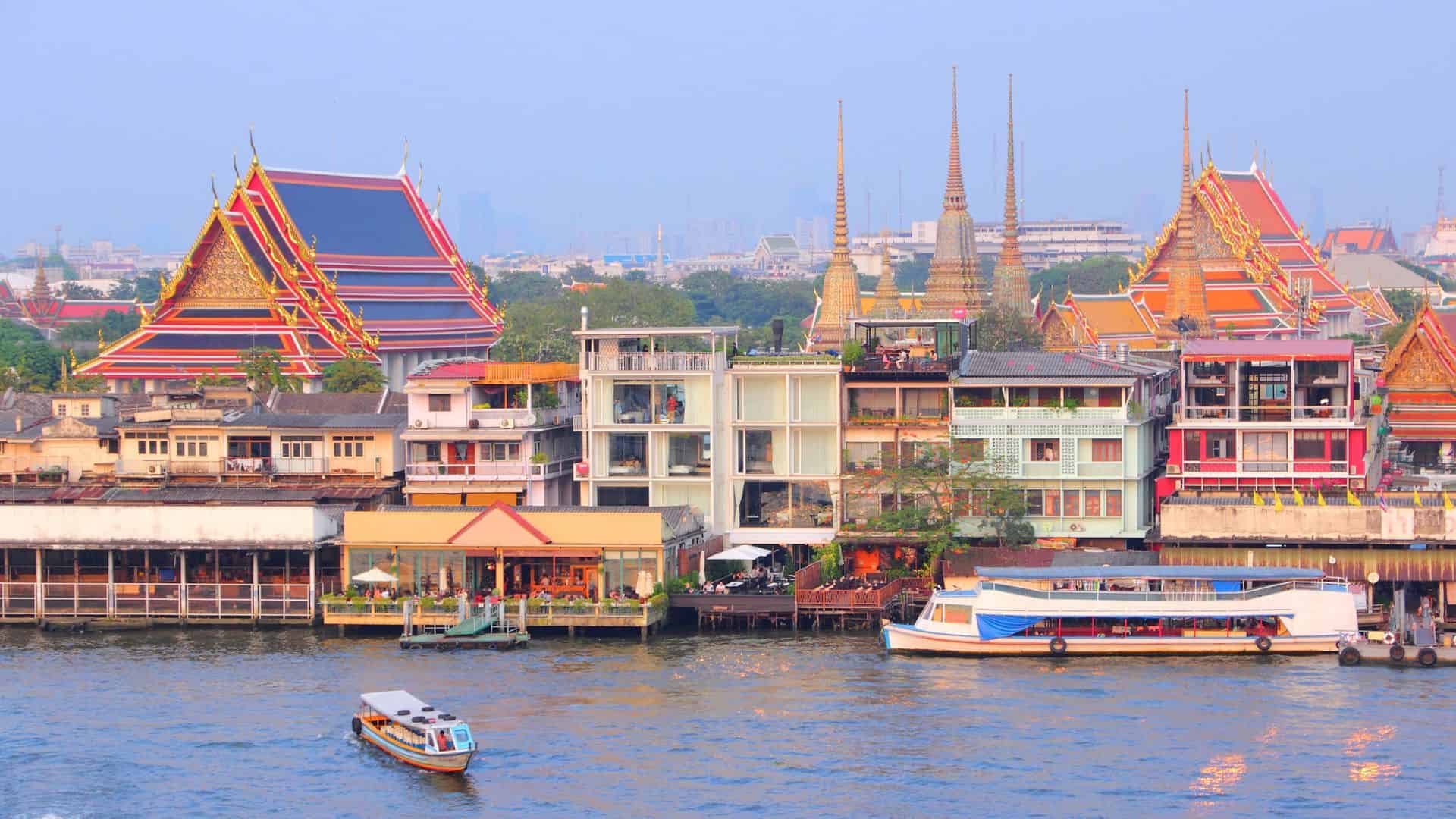
Thailand’s food culture centers on the balance of sweet, sour, salty, and spicy flavors. Street stalls and restaurants both contribute to the country’s daily food routine. Dishes range from green papaya salad and noodle soups to wok-fried noodles coated in savory sauces. Markets are filled with grilled meats, coconut-based desserts, and snacks wrapped in banana leaves. Ingredients such as lemongrass, Thai basil, and galangal bring aromatic layers to many dishes. Meals are often shared, with multiple plates placed in the center of the table so everyone can sample different flavors.
France

Food in France reflects long-standing traditions that connect everyday cooking with refined techniques. Slow-cooked stews, buttery pastries, and carefully prepared charcuterie appear in homes, markets, and restaurants. Farmers’ markets supply cheeses, cured meats, and seasonal produce that shape daily meals. Bread, particularly baguettes, is central to the table and commonly paired with butter, pâté, or cheese. While classic dishes remain widely respected, chefs continue to adjust techniques and presentation. Across bistros, bakeries, and formal dining rooms, food remains part of everyday routine rather than just special occasions.
Mexico

Mexican cooking draws from centuries of history, combining indigenous ingredients with later influences. Corn tortillas, roasted chilies, and layered sauces appear across many dishes. Markets often feature tamales, pozole, and sweet pastries flavored with cinnamon. Staples such as corn, beans, squash, and avocados remain central to daily cooking. Slow-cooked meats and complex mole sauces add depth, while fresh salsas bring brightness to the table. From street vendors to family kitchens, meals often reflect regional traditions that continue to shape modern Mexican cuisine.
Spain
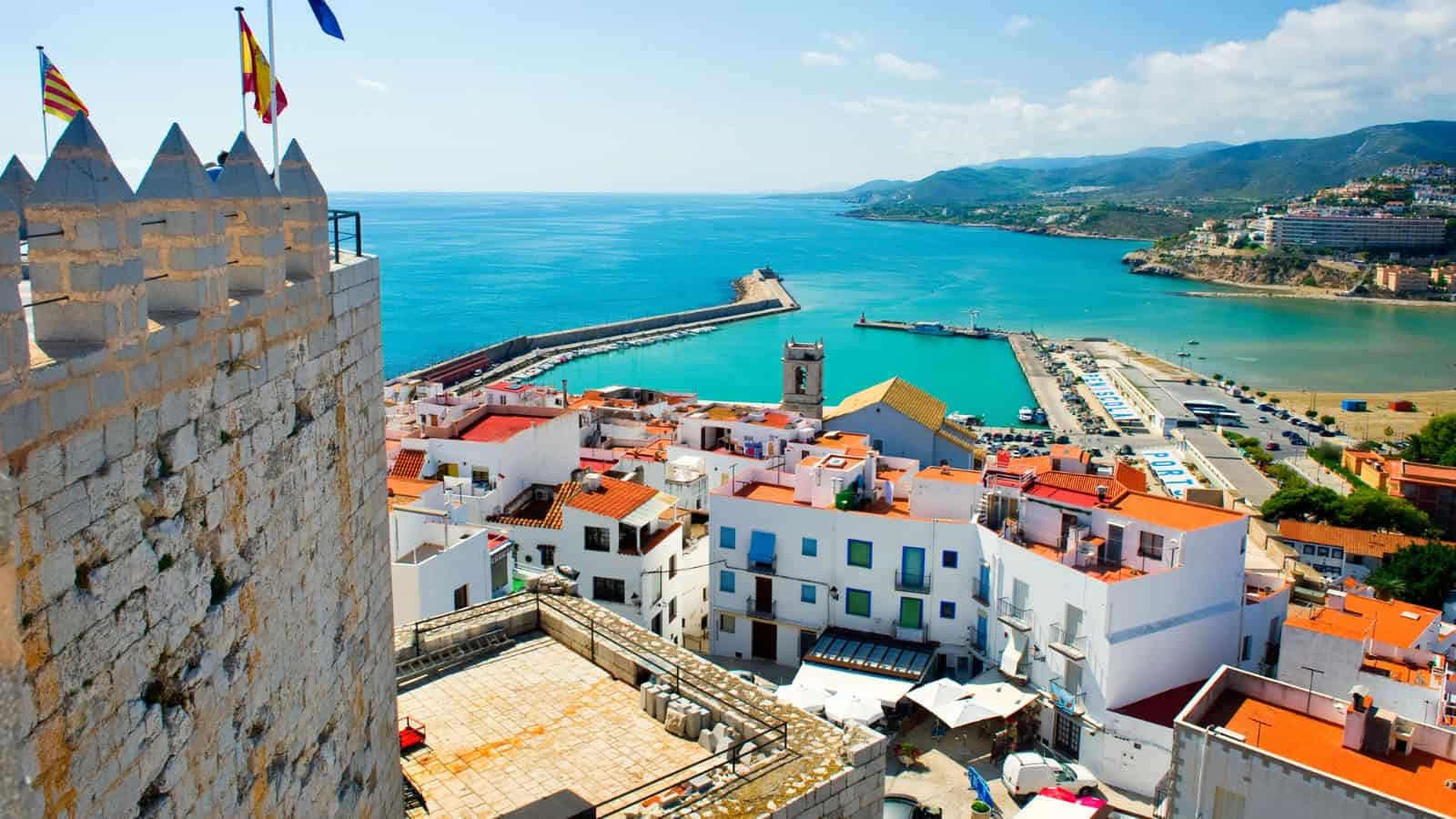
Food in Spain is closely connected to social life and shared meals. Markets display olives, cheeses, and cured meats that form the base of many dishes. Small plates served in bars often highlight seafood, vegetables, or slow-cooked meats. Coastal regions emphasize fish prepared with olive oil and garlic, while inland areas focus more on stews and roasted dishes. Wine and cider frequently accompany meals. Whether served in casual tapas bars or formal dining rooms, food is an everyday part of social gatherings.
Vietnam

Vietnamese food is known for light broths, fresh herbs, and layered flavors. Noodle soups such as pho and bun bo Hue anchor many meals, each built on aromatic broth. Street vendors prepare banh mi sandwiches, rice paper rolls filled with herbs and shrimp, and grilled meats on skewers. Ingredients like fish sauce, lime, and chili paste add contrast to many dishes. Fresh vegetables and herbs appear in nearly every meal, creating variety in texture and flavor. Many dishes are eaten in markets or small roadside eateries where ingredients are prepared daily.
Want to save this?
Turkey

Turkish cuisine reflects influences from the Middle East, Central Asia, and the Mediterranean. Meals often begin with meze, a collection of small plates that may include eggplant dishes, yogurt dips, or seafood. Grilled meats such as kebabs and kofte are widely served. Street foods like simit, a sesame-coated bread ring, are commonly eaten with tea. Desserts such as baklava and kunefe highlight the use of syrup and pastry. Turkish coffee remains an important part of daily life and is often served with sweets like Turkish delight.
South Korea
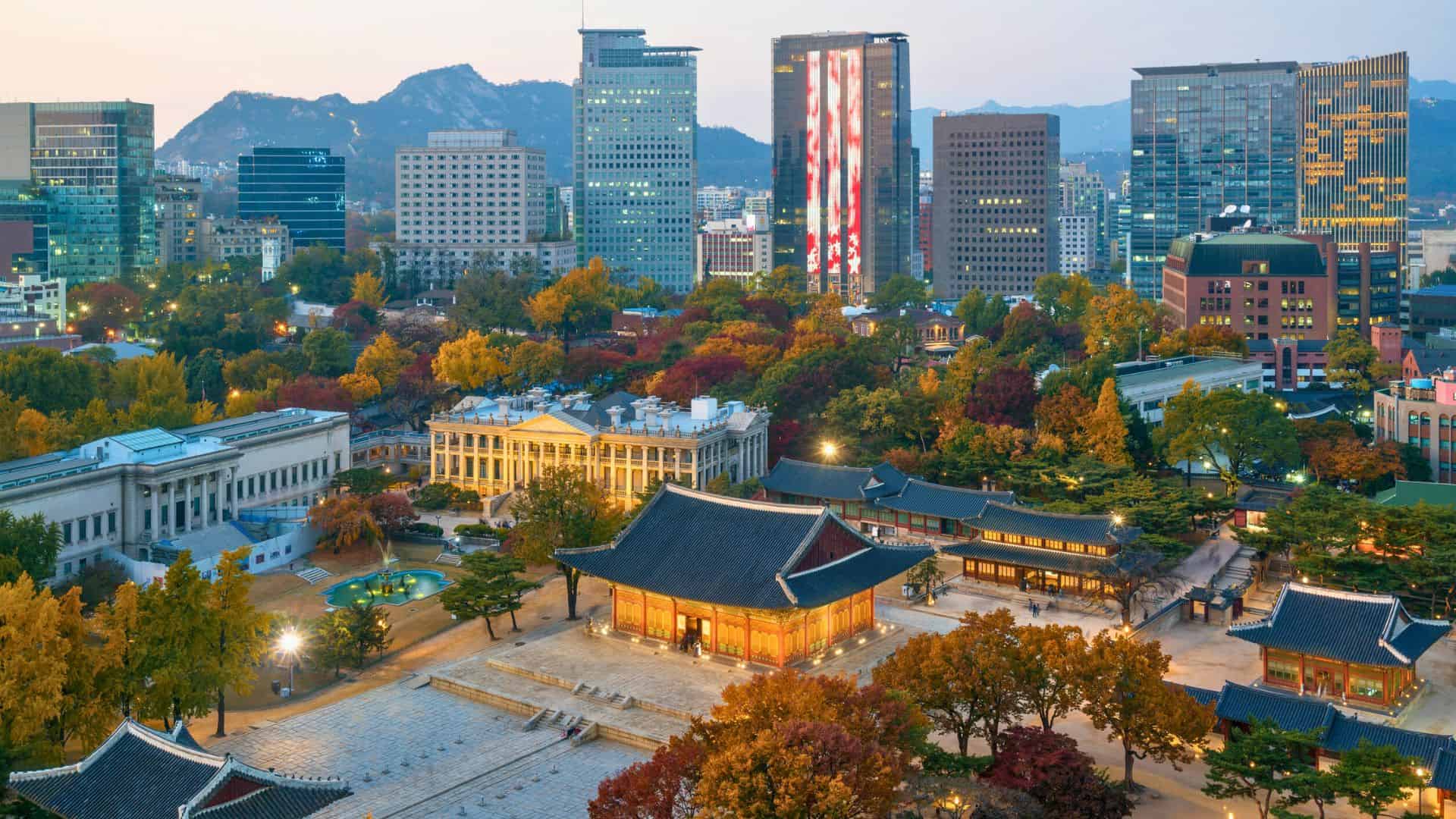
South Korean food emphasizes fermented ingredients, strong seasoning, and shared meals. Kimchi appears at nearly every table and adds acidity and spice to many dishes. Korean barbecue involves grilling meats at the table and wrapping them in leafy greens with sauces. Stews such as kimchi jjigae and soondubu jjigae develop deep flavors through simmering broths. Street vendors serve snacks like hotteok pancakes, spicy rice cakes, and kimbap rolls. Dining is often communal, with multiple dishes placed in the center of the table for everyone to share.
Morocco

Moroccan cooking combines spices, slow cooking techniques, and aromatic ingredients. Tagines are stews cooked in clay pots that blend meats with preserved lemons and spice mixtures. Couscous, often paired with vegetables and lamb, is a widely recognized dish. Markets sell fresh bread, grilled meats, and sweets such as chebakia coated in honey and sesame. Mint tea is served frequently and poured from height to create foam. Spice stalls, olives, and produce fill markets, shaping many daily meals.
Argentina

Argentina’s food culture centers heavily on beef and open-fire grilling. Asado gatherings feature large cuts of meat cooked slowly over coals and served with chimichurri sauce. Empanadas filled with meat or cheese appear across the country. Italian immigration influenced dishes such as milanesa and homemade pasta. Dulce de leche is widely used in desserts and pastries. Mate, a bitter herbal drink shared from a gourd, is part of daily routines and social gatherings.
Denmark

Danish food focuses on seasonal ingredients and simple preparation. Smørrebrød, open-faced sandwiches layered with fish, meats, or spreads, are a well-known staple. Dense rye bread forms the base for many meals. Seafood, particularly smoked fish, appears frequently. Foraged ingredients such as berries and herbs influence both home cooking and restaurant menus. Modern Nordic restaurants emphasize fermentation and seasonal sourcing. Shared meals often reflect the Danish concept of comfort and relaxed social time around the table.
United States

The United States has a food scene shaped by immigration and regional traditions. Southern states are known for barbecue and slow-smoked meats, while Louisiana blends French, Spanish, and African influences in dishes such as gumbo and jambalaya. Coastal regions emphasize seafood, including lobster and oysters. The West Coast is known for farm-focused cooking and evolving restaurant concepts. Burgers, fried chicken, and diner meals remain part of the country’s everyday food culture, alongside food trucks and fine dining establishments.
10 Places Where Tourists Often Book the Wrong Area

Choosing where to stay can shape the entire trip. This article features places where tourists often book the wrong area, focusing on destinations where neighborhoods look close on a map but feel very different in reality. Being in the wrong spot can mean long commutes, limited food options, or missing the parts people hoped to experience.
Read More Here: 10 Places Where Tourists Often Book the Wrong Area
9 Countries Where First-Time Travelers Misjudge Distances

Distances can look short on a map but feel very different in real life. This article features countries where first-time travelers misjudge distances, focusing on places where geography, transportation speed, or road conditions make travel take far longer than expected. What seems like a quick hop often turns into a full travel day.
Read More Here: 9 Countries Where First-Time Travelers Misjudge Distances



Leave a Reply