
Sacred places often come with expectations that are not written on signs. This article features countries where sacred sites have unspoken rules, focusing on destinations where behavior, dress, and movement are closely observed. Visitors who are unaware of these expectations can unintentionally cause offense or be asked to leave.
Understanding these unspoken rules can help travelers show respect and avoid uncomfortable moments. A little awareness can make visits feel calmer and more meaningful. Keep reading to see which countries made the list and what travelers are often surprised to learn once they arrive.
Japan
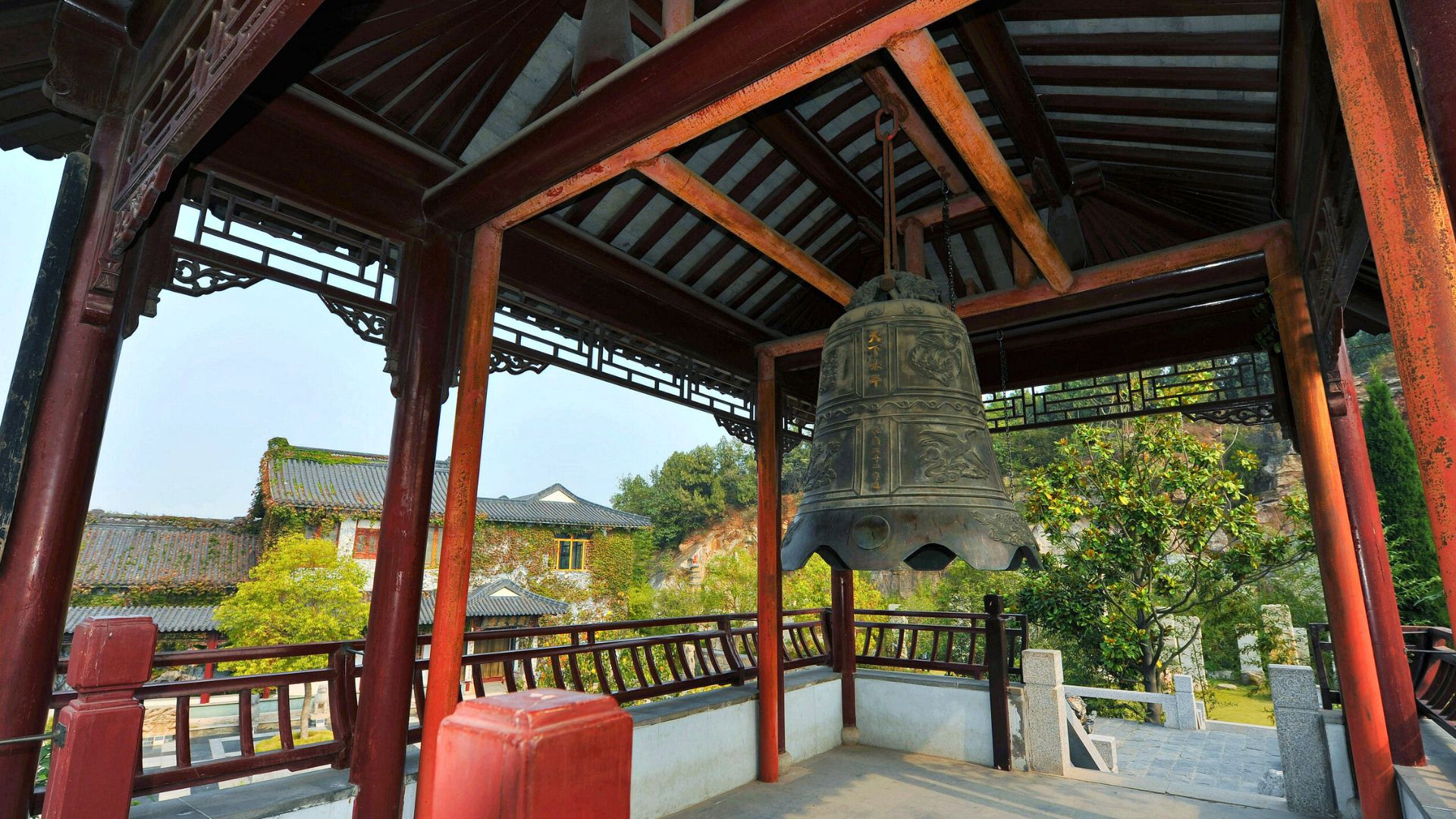
Japan’s sacred sites rely heavily on etiquette that is rarely explained out loud. Visitors are expected to bow lightly at shrine entrances, cleanse hands and mouth before approaching, and move quietly through temple grounds. Photography may be restricted even when signs are subtle or absent. Standing in the wrong place, blocking pathways, or treating shrines as photo backdrops can draw disapproval. At some temples, eating, drinking, or talking on phones is frowned upon. Japan assumes visitors will observe and mirror local behavior. Respect is shown through restraint, not instruction.
Thailand
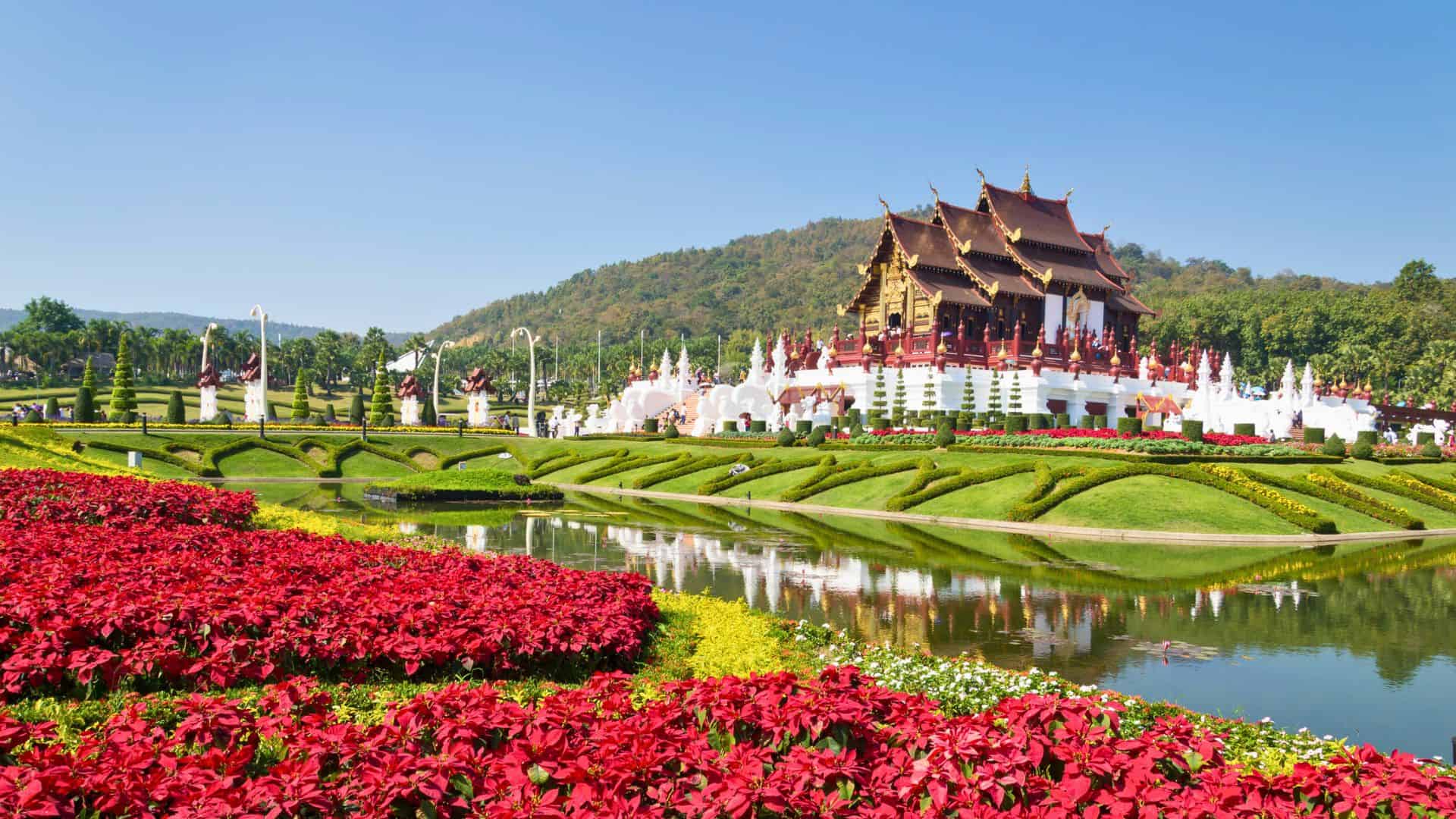
Thailand’s sacred spaces come with expectations that go beyond posted dress codes. Shoes must be removed, shoulders and knees covered, and feet never pointed toward Buddha images. Sitting casually or posing improperly can be seen as disrespectful, even if no one intervenes. Monks are not to be touched, and women must be especially careful about proximity. Silence and stillness are valued, particularly during prayer. Photography may be allowed but discouraged during rituals. Thailand relies on cultural awareness rather than enforcement. Visitors are expected to understand reverence through behavior, not signage.
India

India’s sacred sites vary widely, but many rules are implied rather than stated. Shoes are removed, offerings handled carefully, and certain areas may be restricted without clear barriers. Photography can be sensitive, especially during ceremonies. Visitors are often expected to follow local cues rather than ask questions. Touching religious objects, stepping over offerings, or standing too close to rituals can cause offense. Silence is not always required, but awareness is. India’s temples function as living religious spaces, not museums. Visitors are expected to adjust behavior based on context and observation.
Indonesia

In Indonesia, especially at Hindu temples in Bali, unspoken rules govern behavior. Sarongs and sashes are required, but posture and movement matter just as much. Certain areas are restricted based on spiritual status, and entering them unknowingly can cause issues. Loud behavior, casual poses, or climbing structures is considered disrespectful. Menstruating women are traditionally discouraged from entering temples, a rule rarely explained to visitors. Indonesia expects visitors to treat temples as active spiritual sites. Respect is demonstrated through modesty, calm movement, and deference to local worshippers.
Nepal

Nepal’s sacred sites blend daily life and religious practice, which makes rules less obvious to visitors. Temples may not have clear entrances or signage, but behavior expectations remain strong. Shoes must be removed, prayer wheels spun in the correct direction, and sacred objects never touched casually. Walking clockwise around stupas is expected, and silence is often observed without being enforced. Photography may be tolerated but discouraged near rituals. Nepal assumes visitors will watch and follow locals. Missteps usually draw quiet correction rather than confrontation, but respect is still expected.
Cambodia

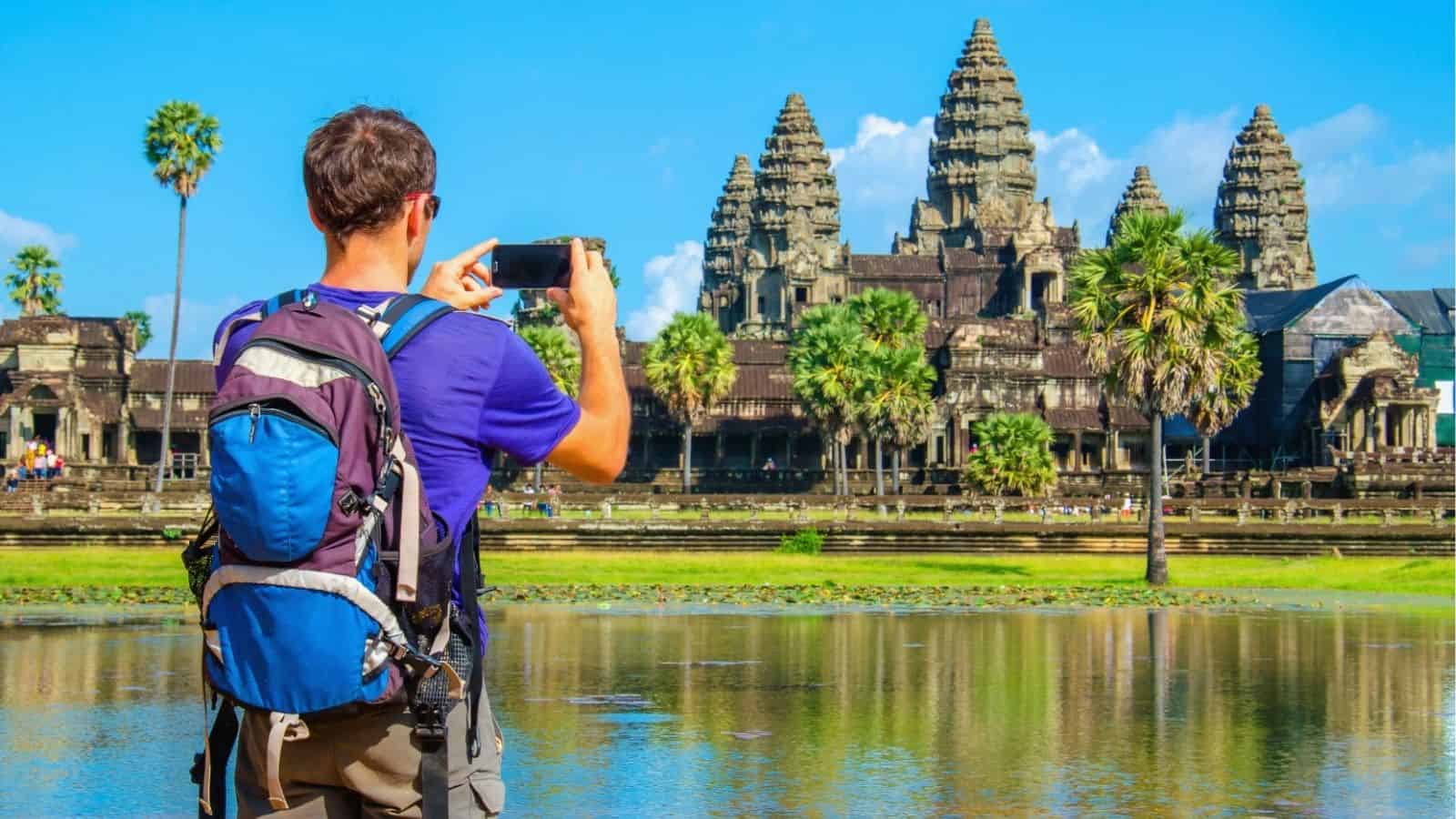
Cambodia’s temples, especially ancient complexes, operate under quiet expectations that go beyond posted rules. Modest clothing is required, but behavior matters just as much. Sitting or climbing on ruins, posing casually near sacred carvings, or treating temples as scenic backdrops can be seen as disrespectful. Silence is valued in active worship areas, even when tourists are present. Monks should not be touched, and interactions are expected to be calm and deferential. Cambodia’s sacred sites are living spaces, not historical props. Visitors are expected to move slowly, observe first, and follow local cues.
Morocco
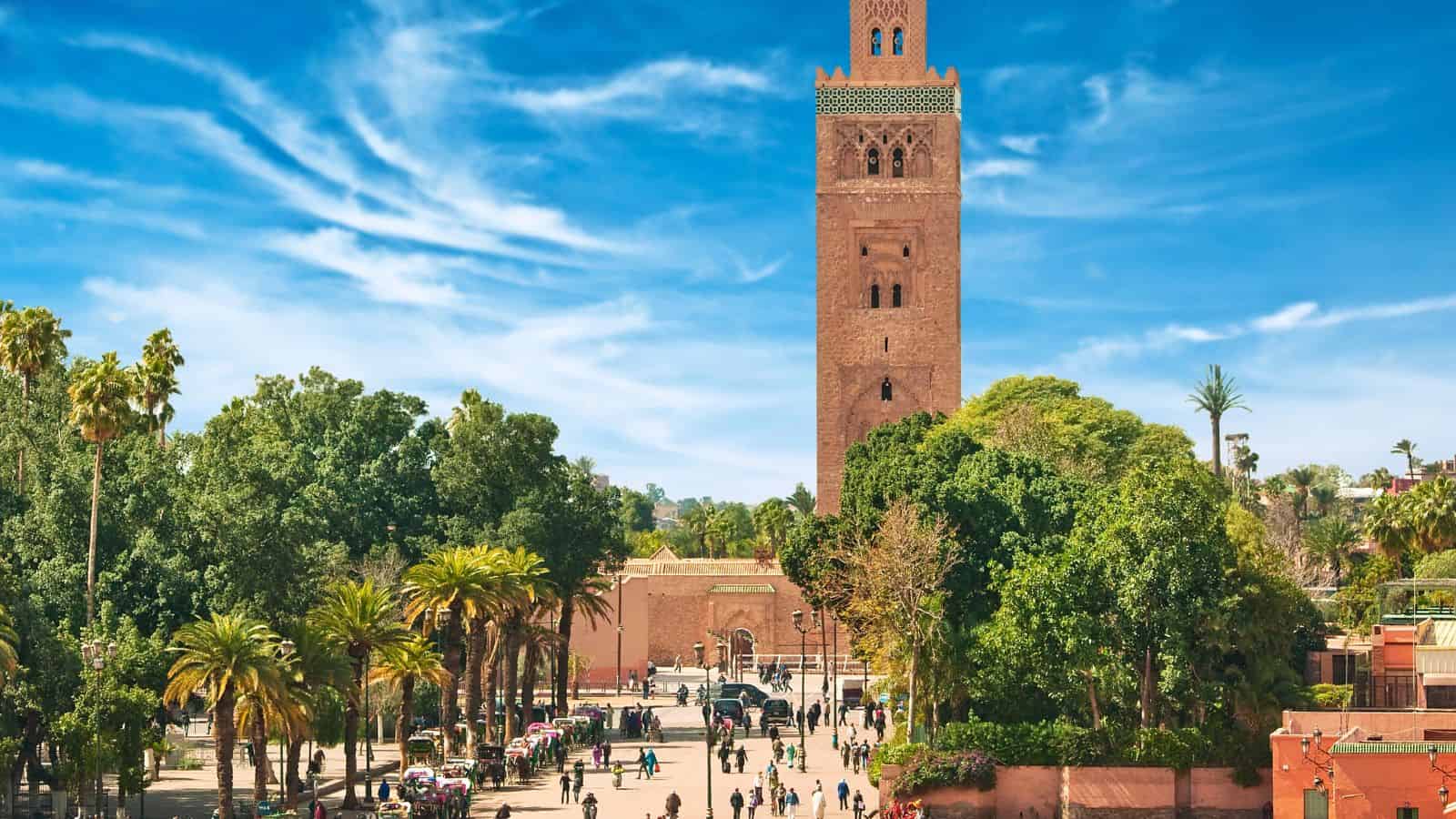
In Morocco, sacred spaces come with strong social expectations that are rarely spelled out. Many mosques are closed to non-Muslims, and approaching entrances casually can cause discomfort. In religious neighborhoods and shrines, modest dress and restrained behavior are expected even outdoors. Photography near prayer or religious figures may be unwelcome without explicit permission. Silence and distance are forms of respect. Morocco relies heavily on social awareness rather than signage. Visitors are expected to sense when a space is devotional rather than touristic and adjust behavior accordingly.
Want to save this?
Turkey

Turkey’s mosques and sacred sites blend public access with religious practice, which creates unspoken rules. Shoes are removed, attire must be modest, and voices kept low, especially during prayer times. Visitors are expected to avoid walking in front of worshippers or entering prayer areas casually. Photography may be allowed, but discreet behavior is expected. Sitting positions, gestures, and movement matter more than tourists realize. Turkey assumes visitors understand that these are active places of worship. Respect is shown through quiet presence and awareness, not constant guidance.
Italy
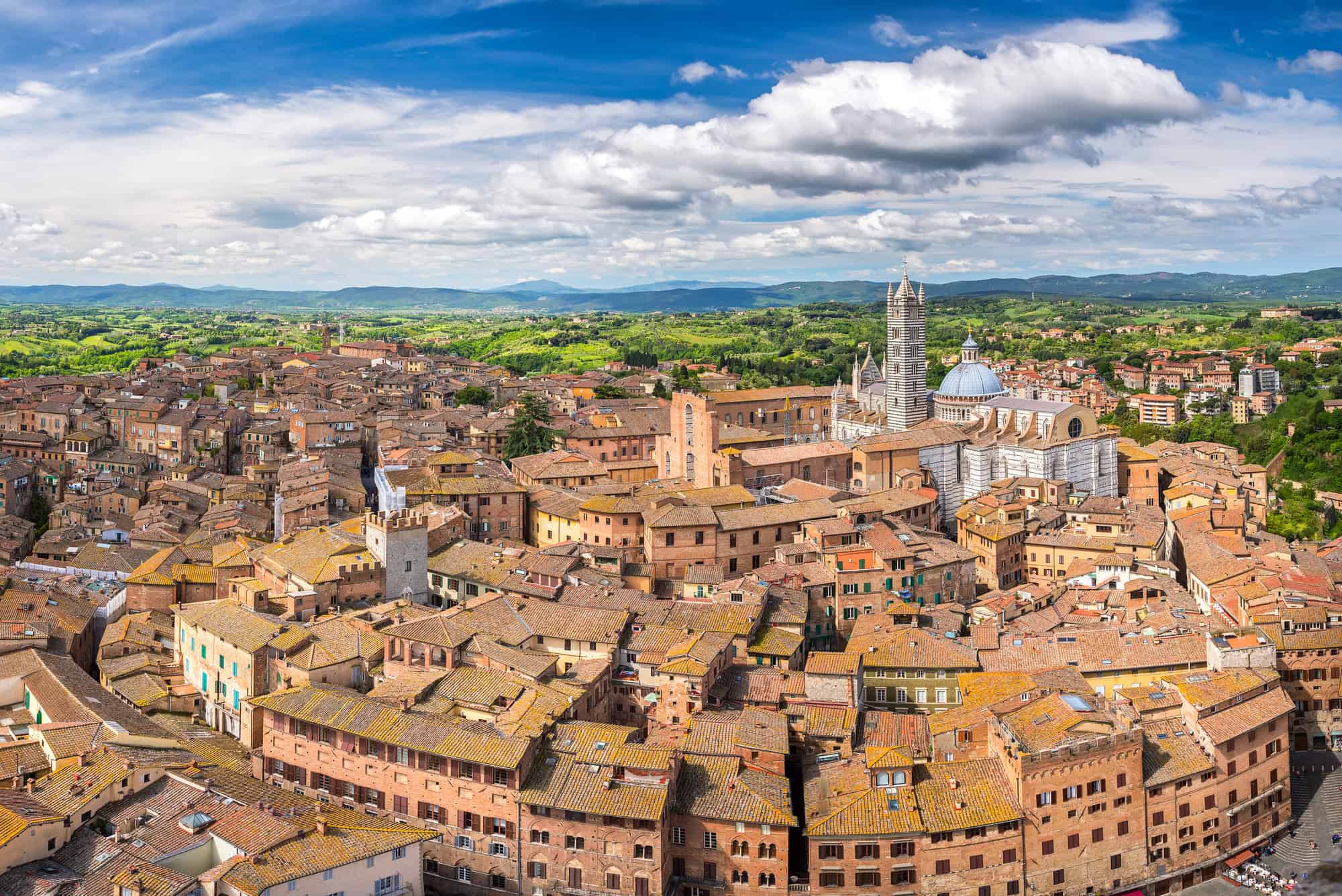
Italy’s churches and basilicas often look like tourist attractions, but they operate under religious norms that are rarely explained. Modest dress is expected, even if enforcement varies. Talking loudly, using phones, or wandering during services is discouraged. Photography may be restricted without obvious signage, especially during mass. Visitors are expected to know when to stand back and observe rather than explore freely. Italy treats sacred spaces as functional places of worship first. The unspoken rule is reverence, even when crowds and cameras suggest otherwise.
Peru
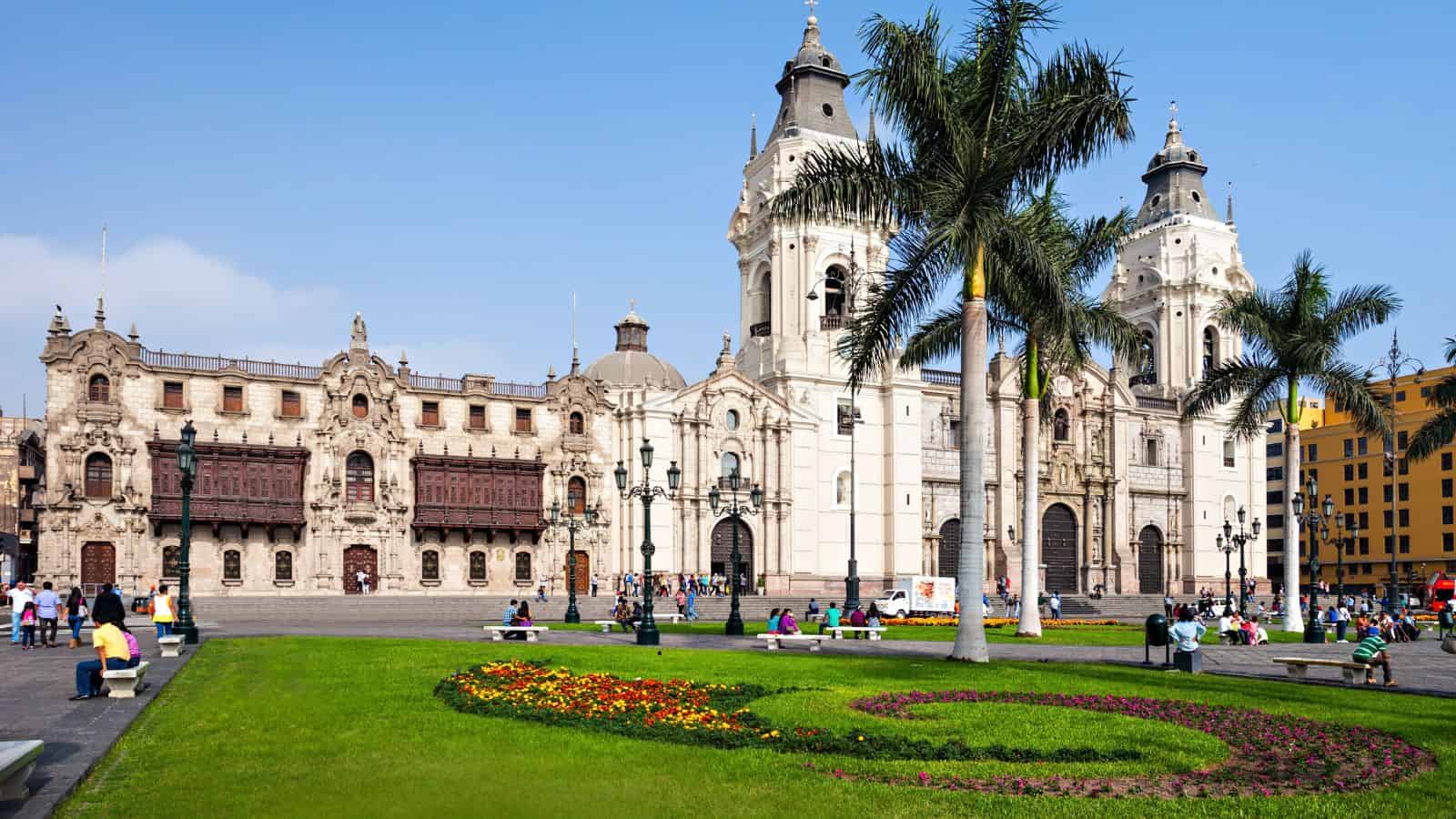
Peru’s sacred sites, especially those tied to Indigenous and Andean traditions, come with expectations that are rarely explained directly. Visitors are expected to treat ruins and ceremonial spaces with restraint, avoiding loud behavior, climbing, or casual posing. Certain areas may be spiritually significant even if they appear open or unmarked. Offerings, stones, or markers should not be touched or moved. Silence is often practiced out of respect rather than enforced. Peru’s sacred spaces blend history and belief. Visitors are expected to recognize that these are not just archaeological sites, but places that still hold spiritual meaning.
Israel

Israel’s sacred sites operate under layered religious norms that shift by location. Dress codes, gender separation, and behavioral expectations may not be clearly posted but are strictly observed. Photography, phone use, and even posture can be sensitive, especially during prayer times. Visitors are expected to avoid physical contact, loud conversation, or movement through active worship areas. At some sites, touching walls or objects is allowed only in specific ways. Israel assumes visitors understand the gravity of shared sacred space. Observation and restraint are essential, even in crowded or heavily visited locations.
Bhutan
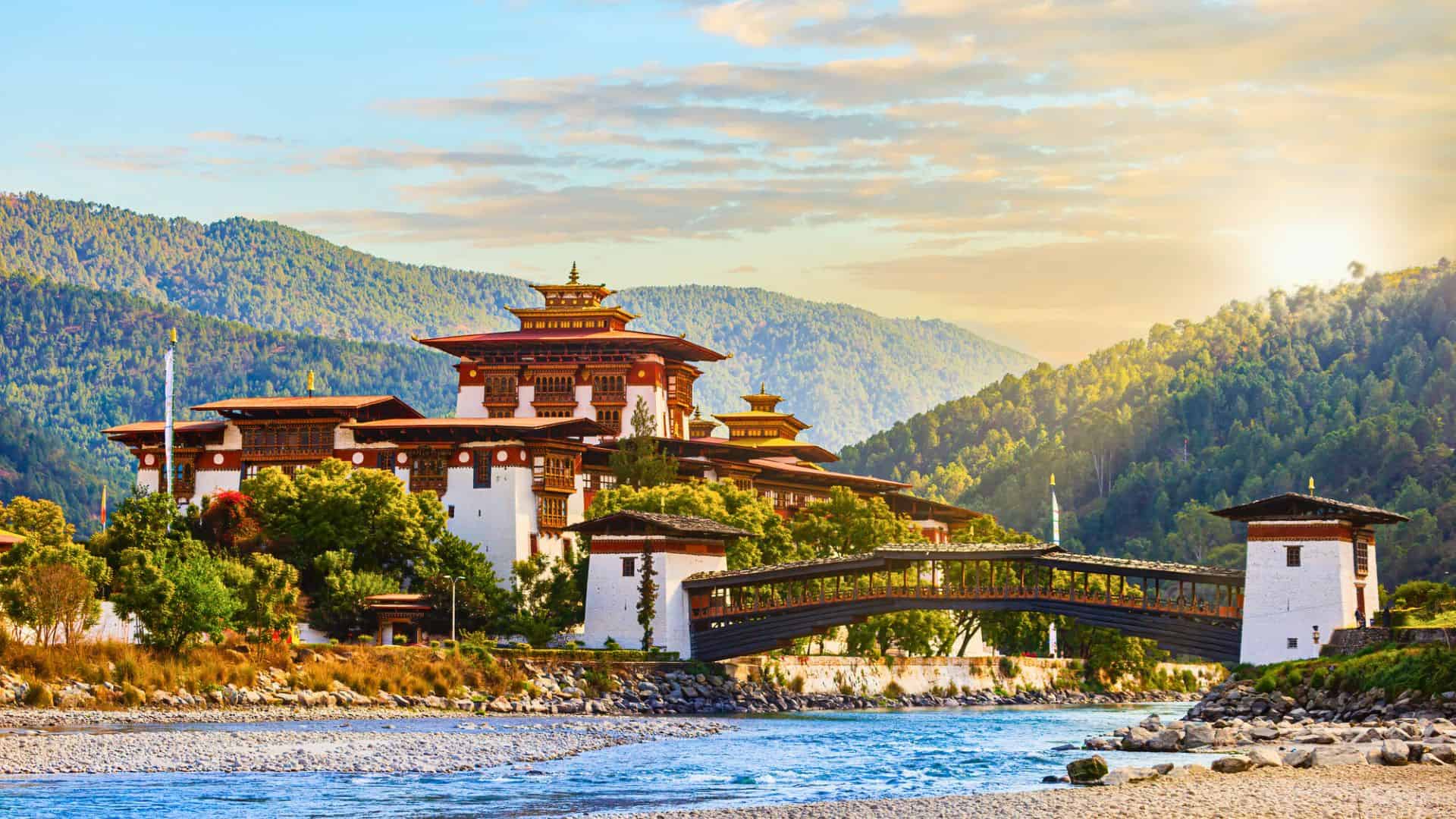
Bhutan’s sacred sites are governed by deep-rooted customs that visitors are expected to respect instinctively. Shoes are removed, voices kept low, and movement through monasteries is slow and deliberate. Certain areas may be restricted without explanation, and photography is often discouraged or banned entirely. Visitors are expected to follow guides closely and avoid wandering. Dress is conservative, but behavior matters more than clothing. Bhutan treats sacred spaces as protected spiritual environments. The unspoken rule is humility. Visitors are guests in living religious institutions, not observers of historic monuments.
Myanmar

Myanmar’s temples and pagodas rely heavily on behavioral cues rather than written rules. Shoes and socks are removed, voices are kept low, and respectful posture is expected at all times. Pointing feet toward Buddha images or sitting casually can be seen as disrespectful. Certain platforms and areas are reserved for worshippers without signage. Photography may be tolerated but discouraged near prayer. Myanmar expects visitors to mirror local behavior closely. Sacred sites are treated as everyday places of devotion, and respect is shown through attentiveness, modesty, and quiet movement.
10 Places Where Tourists Often Book the Wrong Area

Choosing where to stay can shape the entire trip. This article features places where tourists often book the wrong area, focusing on destinations where neighborhoods look close on a map but feel very different in reality. Being in the wrong spot can mean long commutes, limited food options, or missing the parts people hoped to experience.
Read More Here: 10 Places Where Tourists Often Book the Wrong Area
9 Countries Where First-Time Travelers Misjudge Distances
Distances can look short on a map but feel very different in real life. This article features countries where first-time travelers misjudge distances, focusing on places where geography, transportation speed, or road conditions make travel take far longer than expected. What seems like a quick hop often turns into a full travel day.
Read More Here: 9 Countries Where First-Time Travelers Misjudge Distances



Leave a Reply