
Taking photos feels harmless to most travelers, but that is not always the case. This article features destinations where taking photos can get you in trouble, focusing on places where cameras are restricted due to privacy, security, or cultural expectations. In these locations, snapping a quick picture can lead to fines, deleted images, or uncomfortable confrontations.
Knowing when and where photos are not allowed can prevent problems and help travelers show respect. A little awareness goes a long way in avoiding mistakes that disrupt a trip. Keep reading to see which destinations made the list and what travelers often wish they had known before reaching for their camera.
Japan
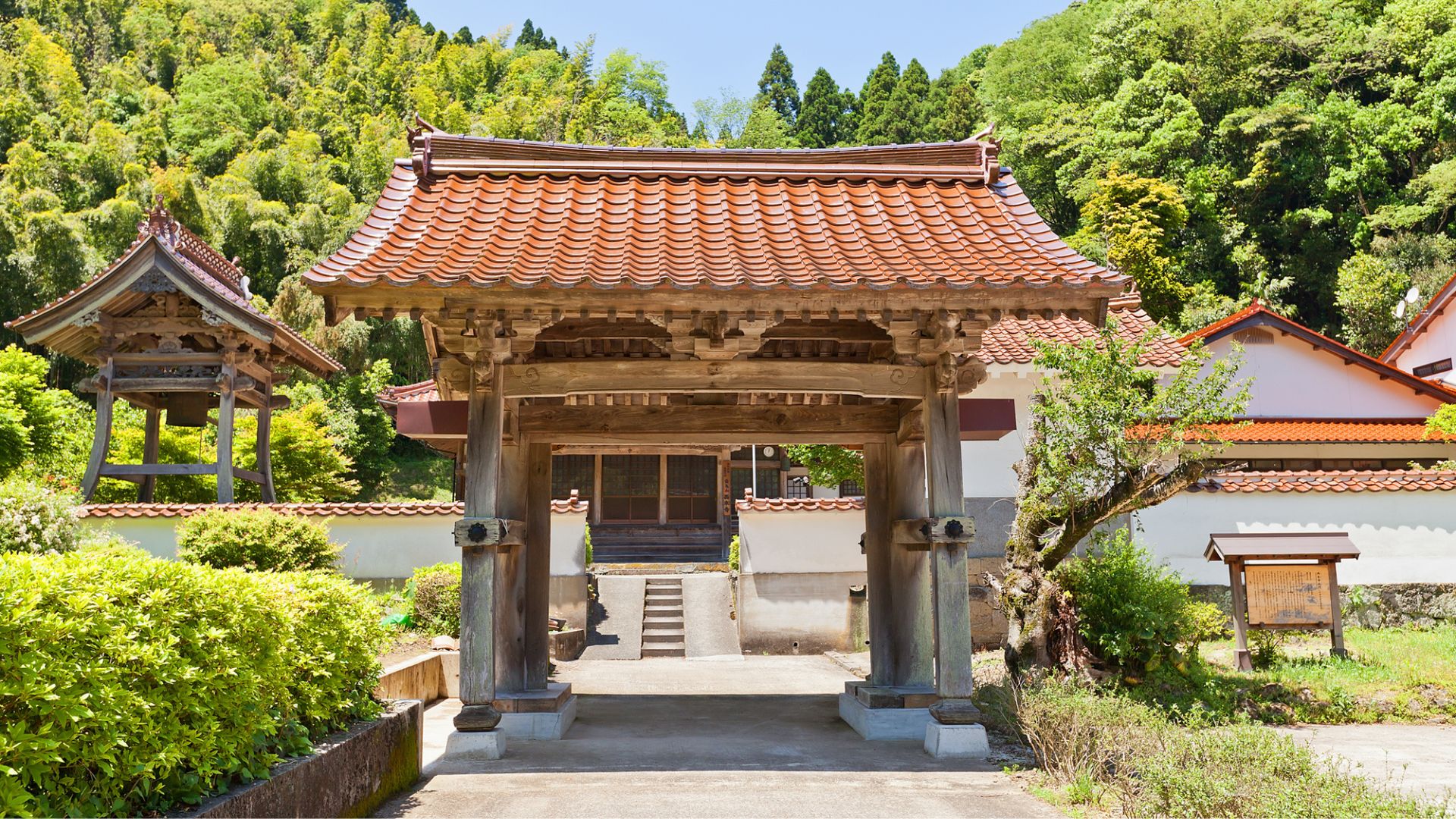
Japan surprises many visitors with how specific photography rules can be. While street photography is generally allowed, many temples, shrines, museums, and traditional neighborhoods ban photos entirely or restrict them indoors. In places like geisha districts, photographing people without permission can lead to fines or intervention. Train stations, security areas, and private businesses often prohibit photography outright. Social norms also matter. Pointing a camera at individuals, especially children, can be seen as intrusive. Japan expects visitors to read signage carefully and respect unspoken boundaries. Assuming photos are always acceptable can quickly lead to confrontation.
South Korea
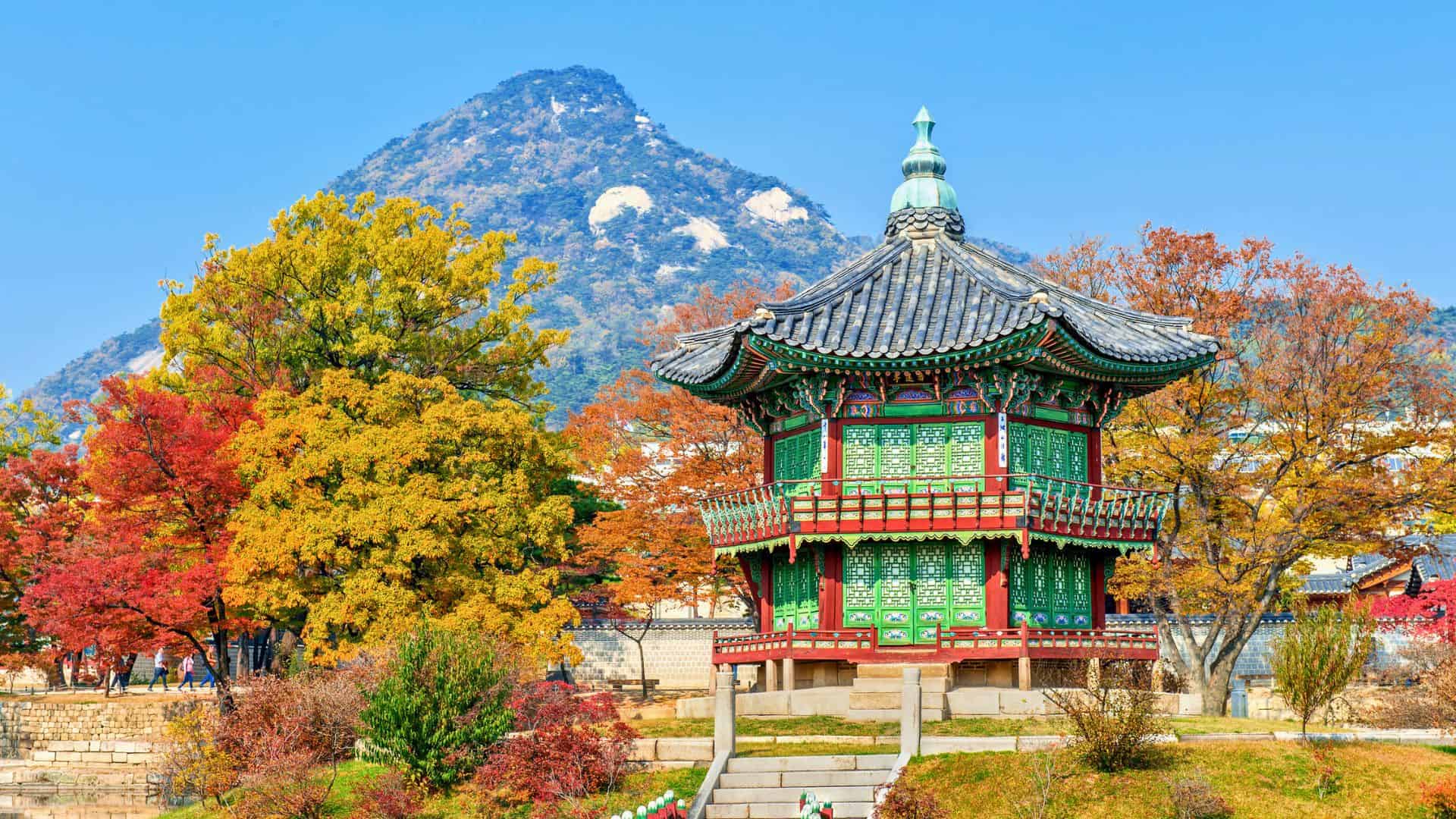
South Korea enforces photography rules more strictly than many travelers expect. Government buildings, military areas, and certain public infrastructure are off-limits. Filming or photographing people without consent, especially in close-up street photography, can lead to complaints or police involvement. Inside palaces, museums, and exhibitions, restrictions vary by room and are clearly posted. The country places a high value on personal privacy. Tourists who assume public spaces equal open photography sometimes cross lines. South Korea allows photography, but only when context, consent, and posted rules are respected carefully.
United Arab Emirates

In the United Arab Emirates, photography laws are tied closely to privacy and security. Photographing government buildings, military sites, airports, or police is prohibited. Taking photos of people without consent, especially women and families, can result in fines or detention. Even casual street photography can be risky if it includes identifiable individuals. Inside malls, mosques, and private spaces, permission is often required. Social media posting can compound issues if images are shared publicly. The UAE expects visitors to treat photography cautiously. Assuming tourist status offers flexibility can lead to serious legal trouble.
Morocco
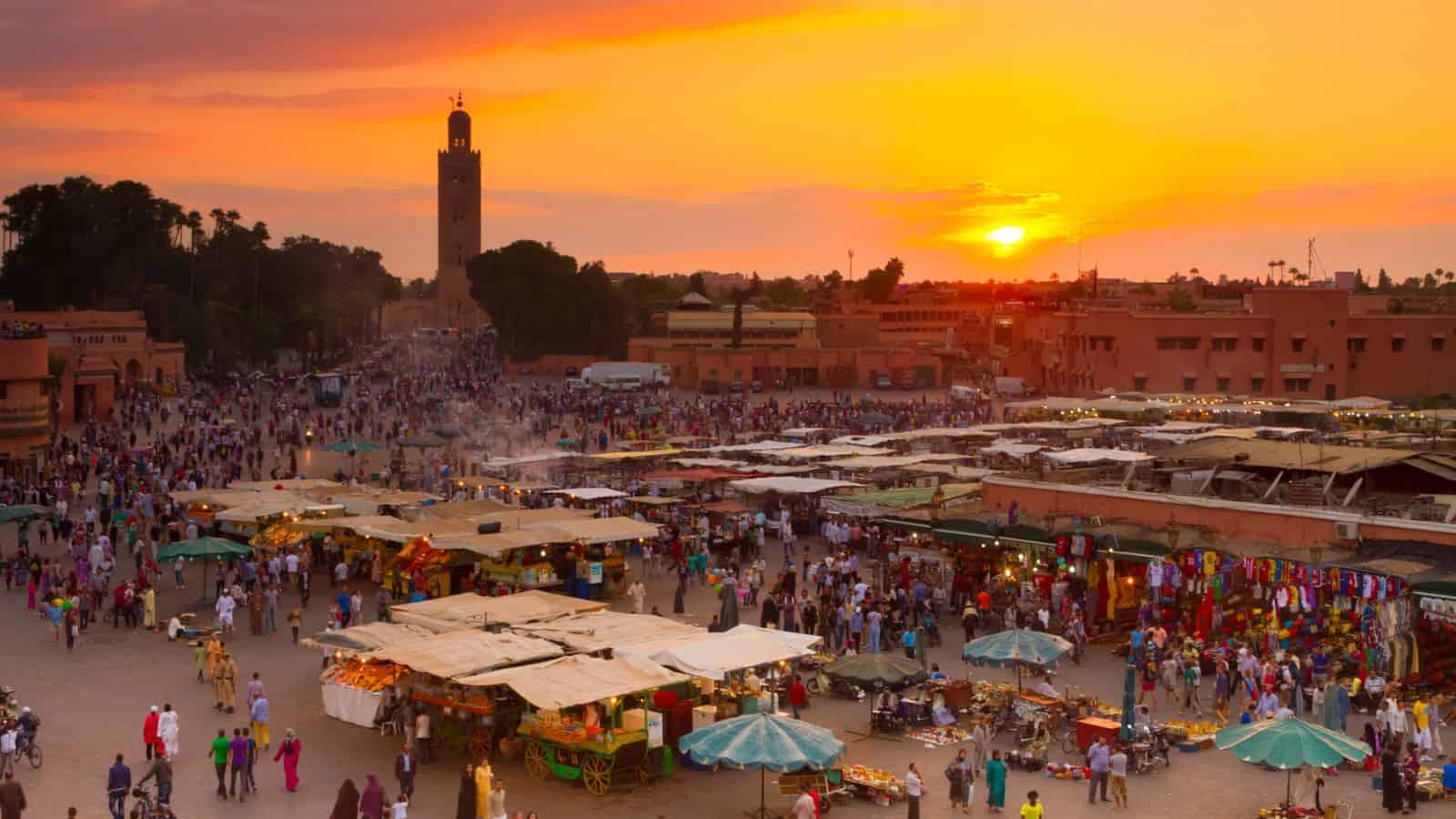
Morocco’s photography issues usually arise from people, not places. While landscapes and architecture are generally fine, photographing individuals without permission can cause conflict. In medinas and rural areas, people may object strongly to being photographed and may demand payment or involve authorities. Military buildings, police, and border areas are strictly off-limits. Some religious sites restrict photography entirely. Travelers often assume vibrant street life equals photo freedom. In Morocco, courtesy and consent matter more than camera quality. Asking first and respecting refusals prevents most problems.
India
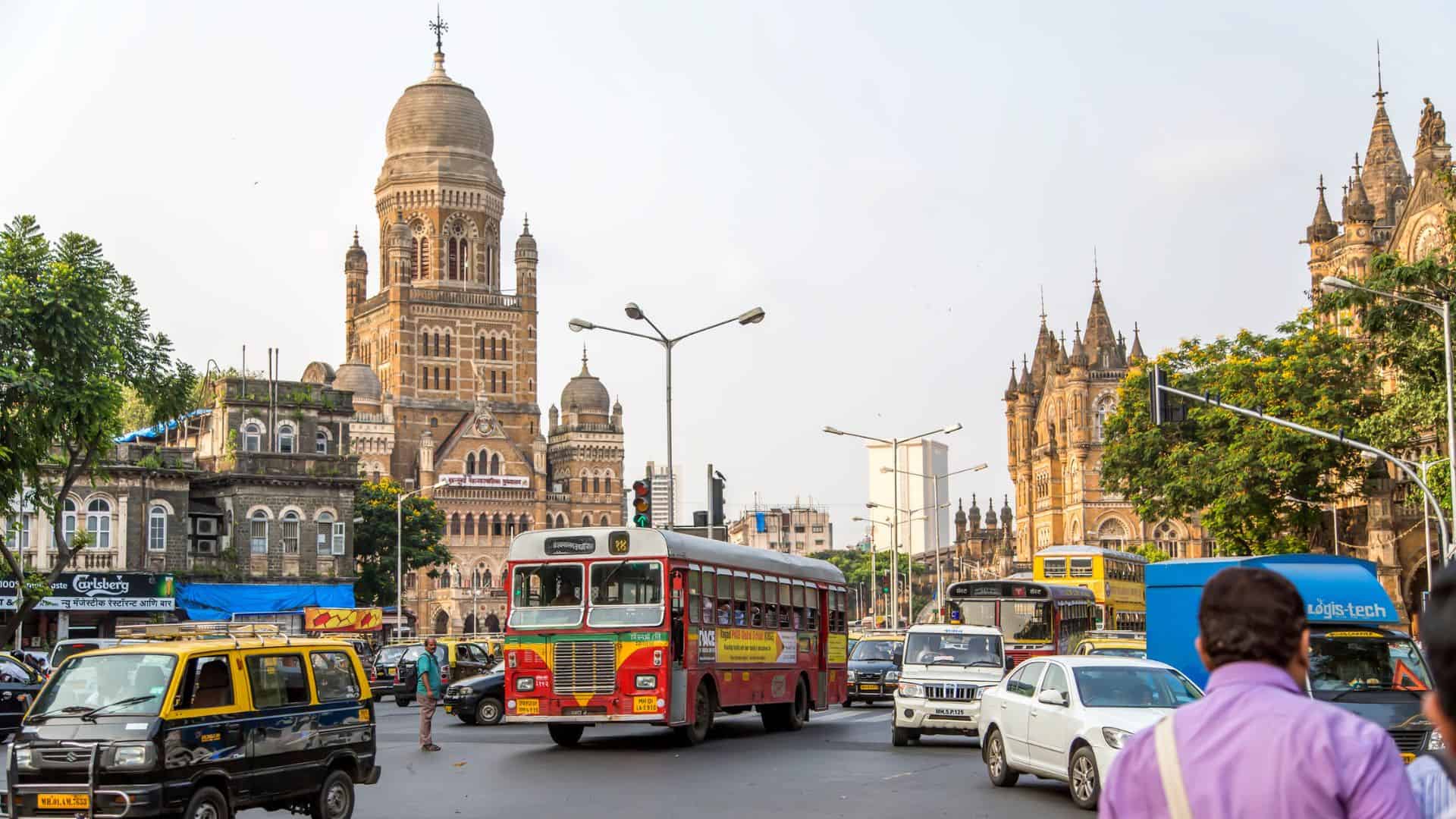
India’s photography rules vary widely by location, which catches many visitors off guard. Government buildings, military sites, and some transportation hubs ban photography outright. Inside temples and religious ceremonies, photography may be restricted or prohibited, even if enforcement seems inconsistent. Photographing people, especially women and children, without permission can cause discomfort or confrontation. Some heritage sites require additional photo permits. India allows extensive photography, but context matters. Tourists who assume openness everywhere sometimes encounter pushback. Reading signs and observing local behavior helps avoid unwanted attention.
Turkey

Turkey’s photography restrictions often surprise visitors because enforcement varies by location. Tourist landmarks are generally fine, but photographing military zones, police, border areas, and some government buildings is prohibited. Problems most often arise when people photograph locals without permission, especially in conservative or residential areas. Some mosques restrict photography during prayer times or entirely inside. In crowded places, security may intervene if cameras appear intrusive. Turkey allows photography, but context matters. Travelers who assume historic settings equal open access sometimes encounter warnings or confiscation requests.
Want to save this?
Egypt

Egypt has some of the strictest and most confusing photography rules for visitors. Military sites, government buildings, bridges, and transportation infrastructure are off-limits. Even near famous landmarks, security may restrict where cameras can be used. Drone photography is illegal without permits. Inside museums and tombs, photography rules change frequently and may require paid permits. Photographing locals without consent can also cause conflict. Enforcement can be inconsistent but serious when applied. Egypt expects visitors to follow posted rules exactly. Assuming leniency can lead to fines or questioning.
Thailand
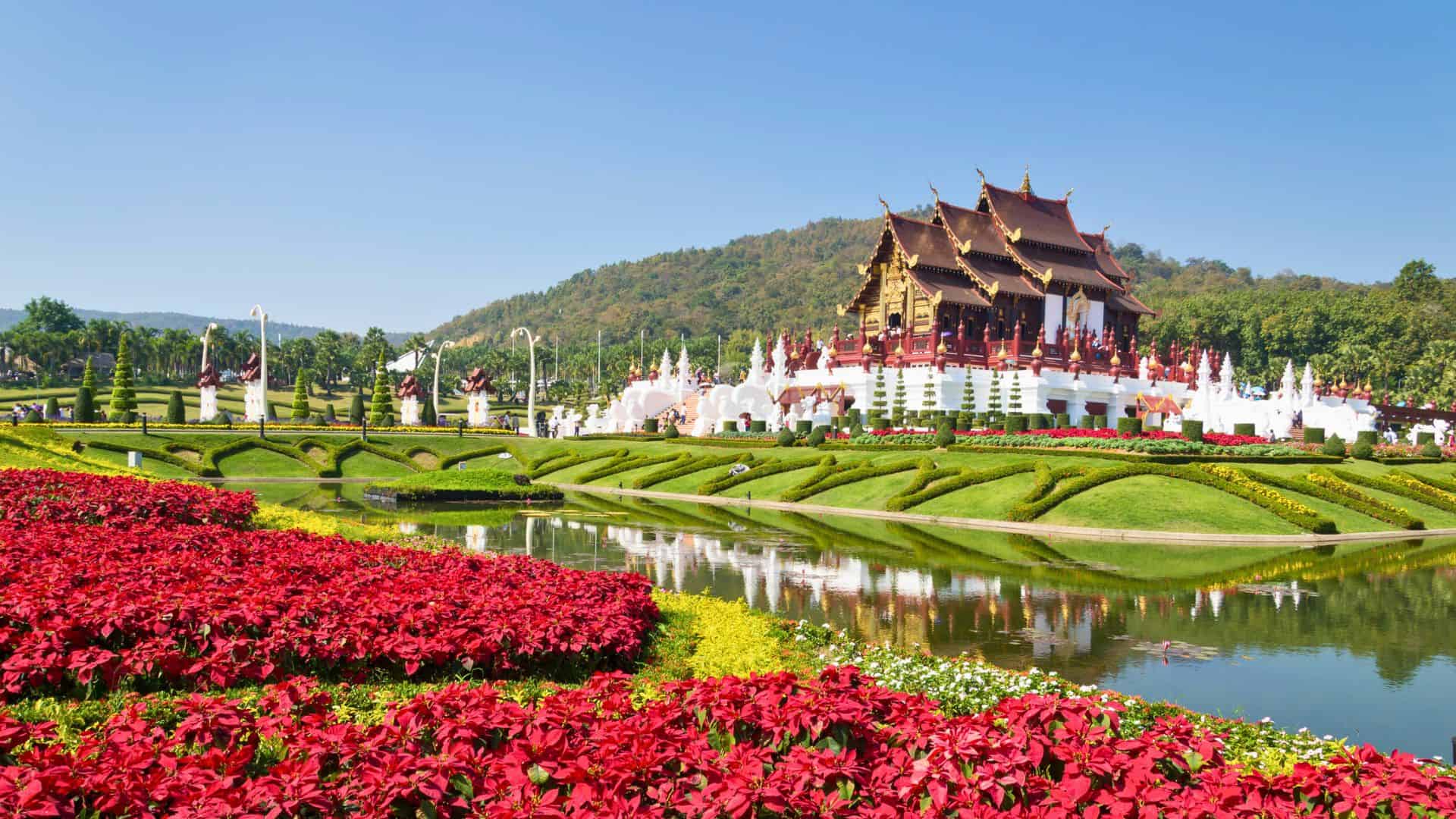
Thailand appears relaxed, but photography boundaries exist. Temples often restrict photos in certain areas, especially near sacred images or ceremonies. Photographing monks, worshippers, or private individuals without permission can be considered disrespectful. Government buildings and some transportation hubs limit photography. Thailand’s lèse-majesté laws also make photographing or sharing images involving the royal family sensitive. Travelers who treat everything as Instagram-ready sometimes cross cultural lines. Thailand welcomes photography, but respect for religious spaces and social norms is expected. Ignoring posted signs can lead to confrontation.
China
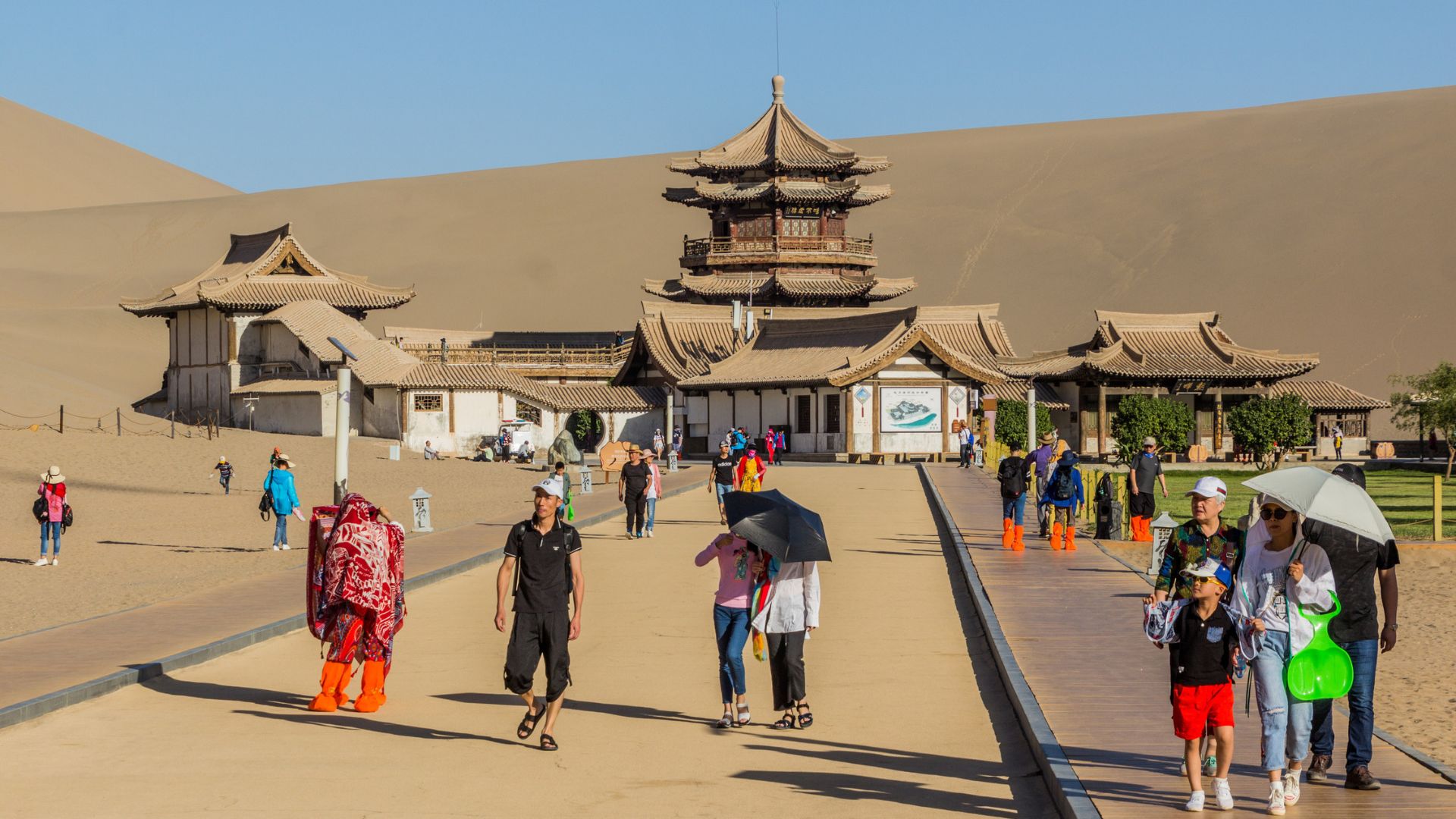
China tightly controls photography in ways that catch visitors off guard. Government buildings, police, military sites, and infrastructure are strictly off-limits. In some public areas, security may question photography even without clear signage. Museums and historic sites often restrict photos indoors. Street photography of people can draw attention, especially if it appears intrusive. Drones are heavily regulated and often banned. Enforcement varies by city, but consequences can escalate quickly. China expects visitors to err on the side of caution. Assuming photography is harmless can lead to questioning or confiscation.
France
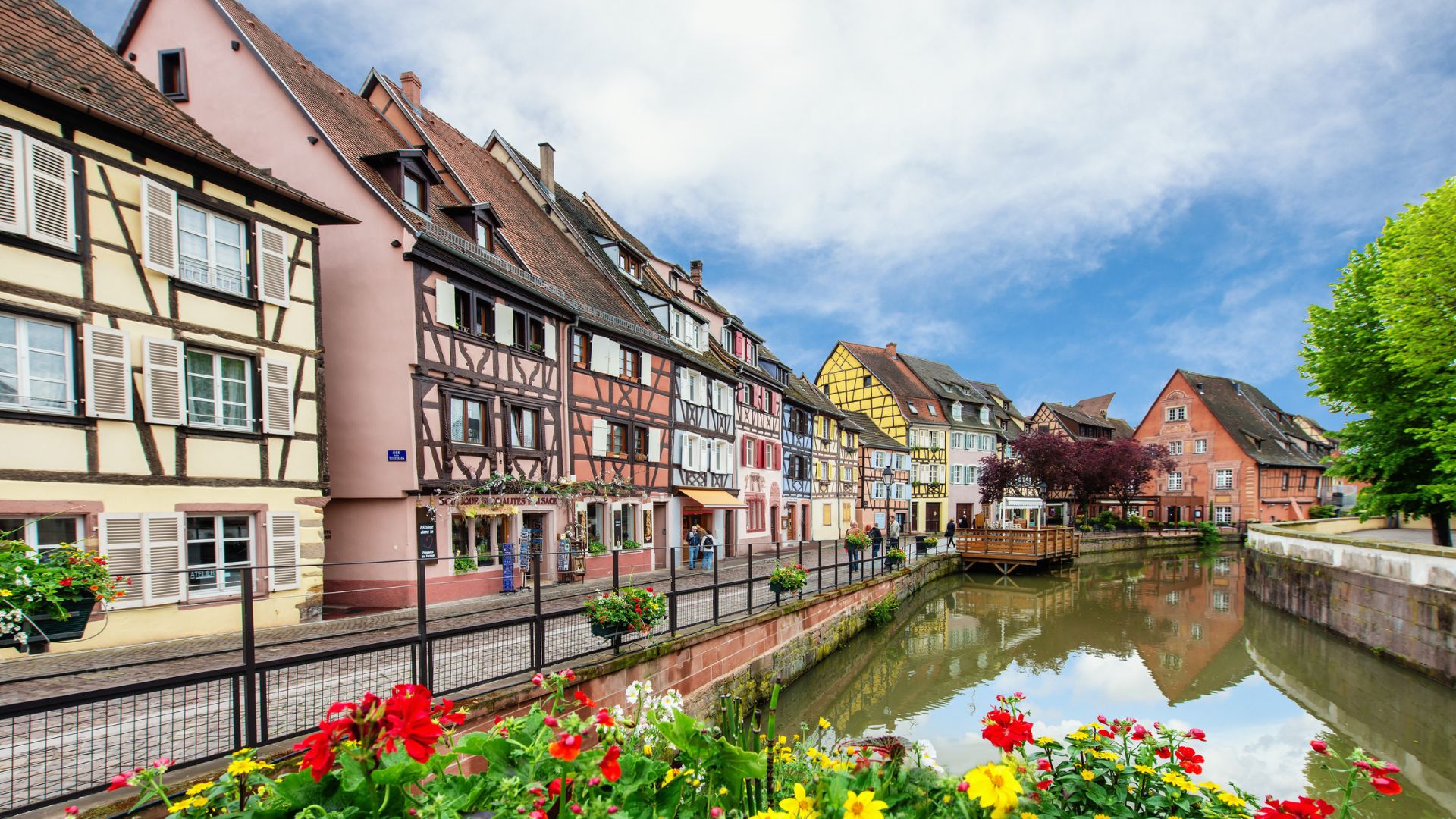
France surprises visitors with privacy-focused photography laws. While street photography is legal, publishing identifiable images of individuals without consent can lead to legal issues. Inside museums, landmarks, and exhibitions, photography rules vary widely and are enforced. Some iconic buildings restrict tripod use or interior photography entirely. Photographing police or security activity can attract attention. France allows photography, but strong personal privacy protections apply. Travelers who assume public equals unrestricted sometimes face complaints. Understanding the difference between taking photos and sharing them publicly is especially important here.
Germany
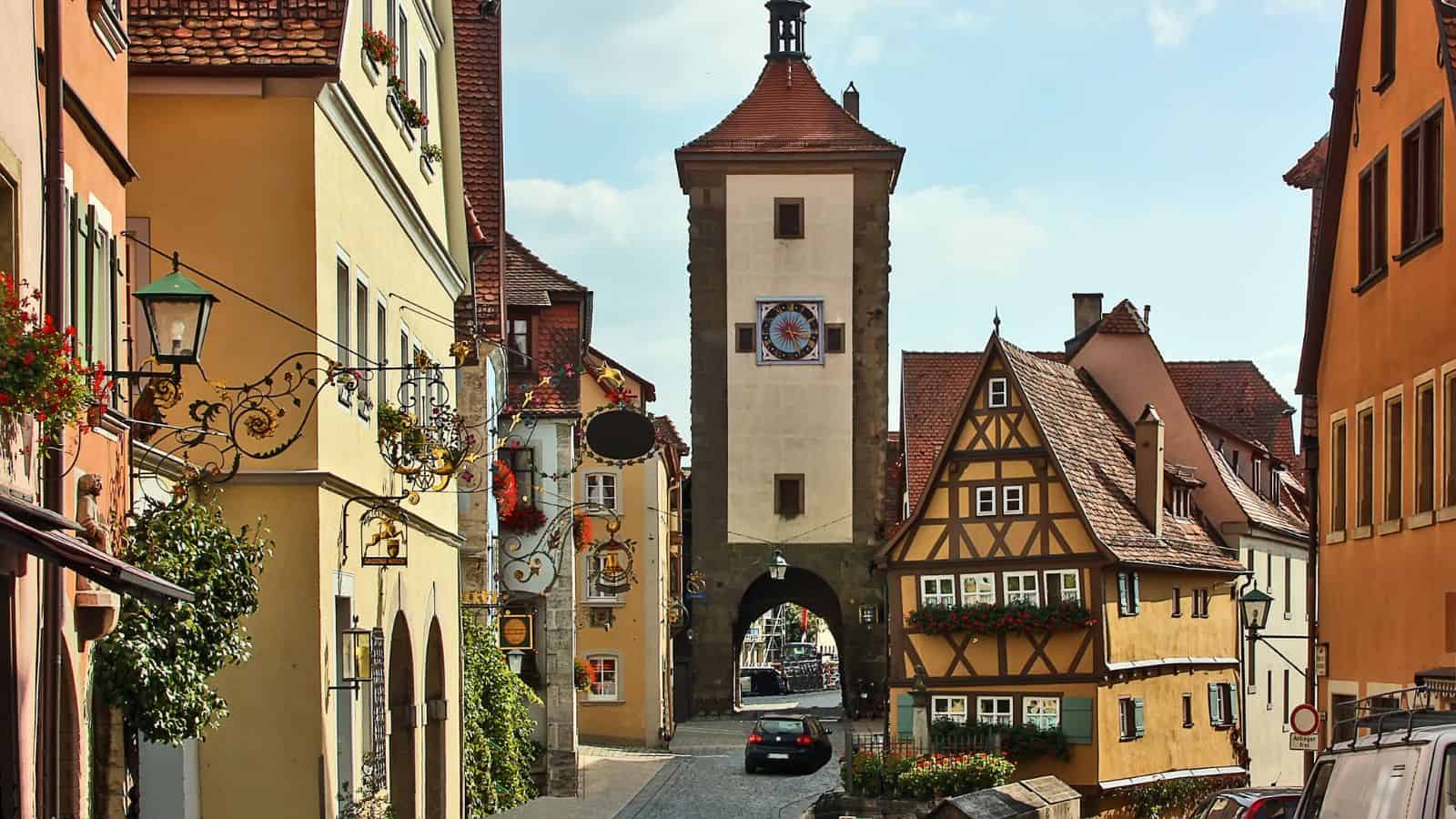
Germany is one of Europe’s strictest countries when it comes to privacy and photography. Photographing people without consent, especially children, can result in complaints or legal consequences. Certain buildings, including government facilities and transportation infrastructure, restrict photography. Even dashcams and security-style recording can be regulated. Museums and exhibitions enforce no-photo rules carefully. Germany’s laws prioritize personal privacy over public documentation. Travelers used to casual street photography often misjudge boundaries here. Being discreet, asking permission, and respecting posted rules are essential to avoiding problems.
9 Places Where First Time Travelers Overbook and Burn Out
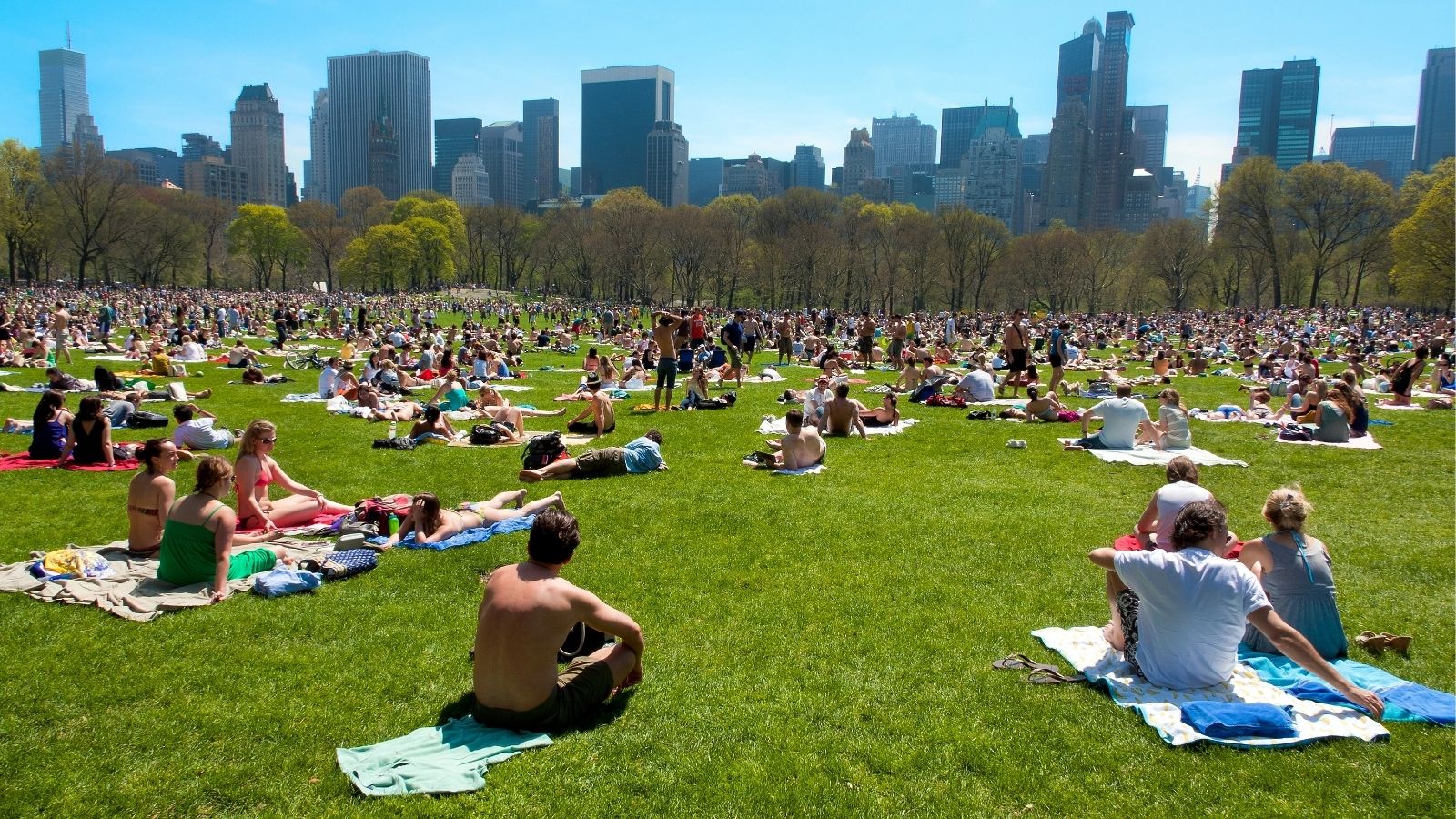
Trying to see everything can quickly drain the fun from a trip. This article features places where first time travelers overbook and burn out, focusing on destinations that look manageable on paper but feel overwhelming once the schedule fills up. Tight timelines, long distances, and constant movement often leave travelers more tired than satisfied.
Read More Here: 9 Places Where First Time Travelers Overbook and Burn Out
9 Destinations That Punish Poor Planning More Than Others
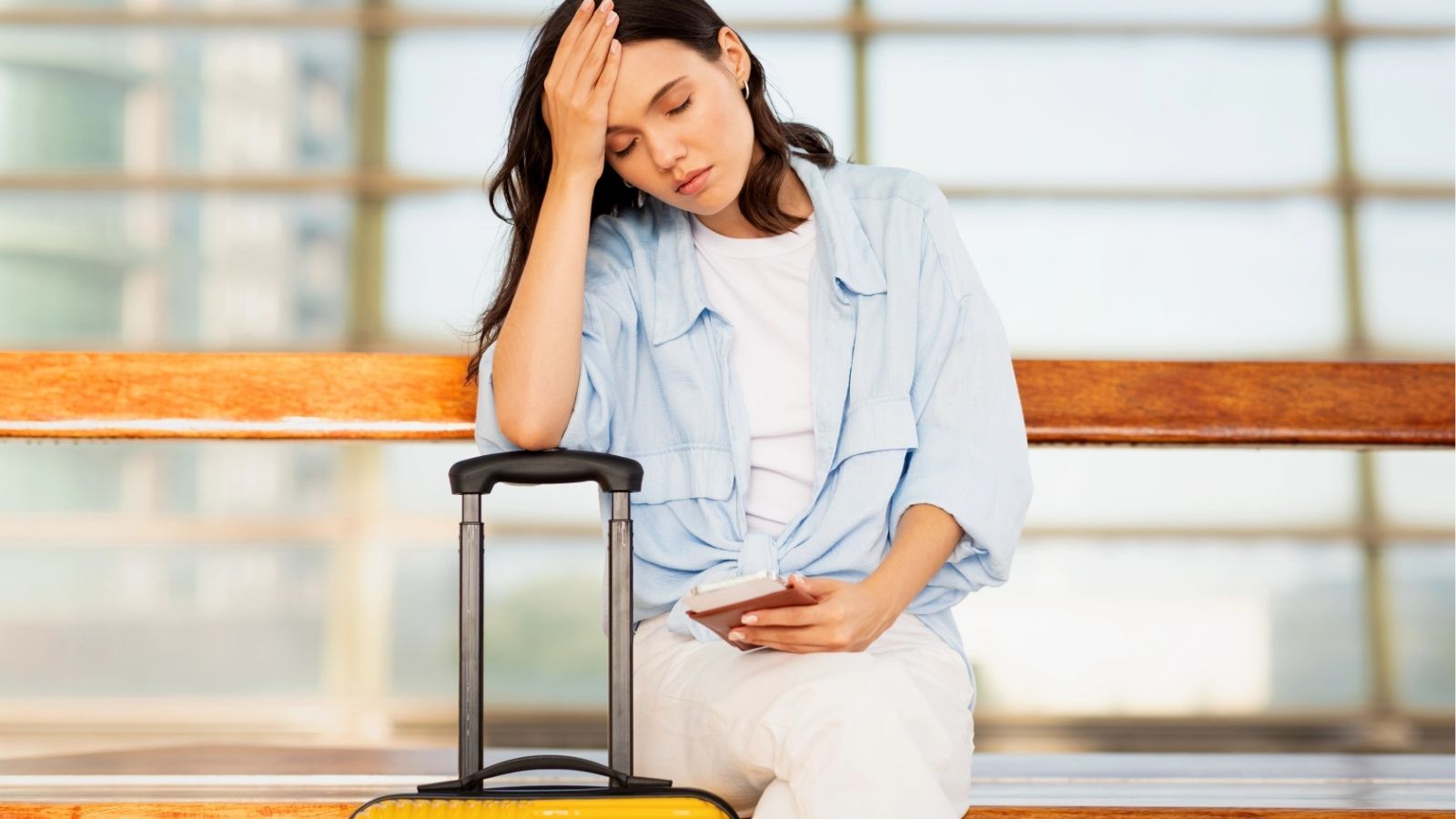
Some places leave little room for last-minute decisions. This article features destinations that punish poor planning more than others, focusing on locations where timing, reservations, and logistics matter more than travelers expect. In these spots, showing up unprepared can quickly lead to missed access, higher costs, or limited options.
Read More Here: 9 Destinations That Punish Poor Planning More Than Others

Leave a Reply